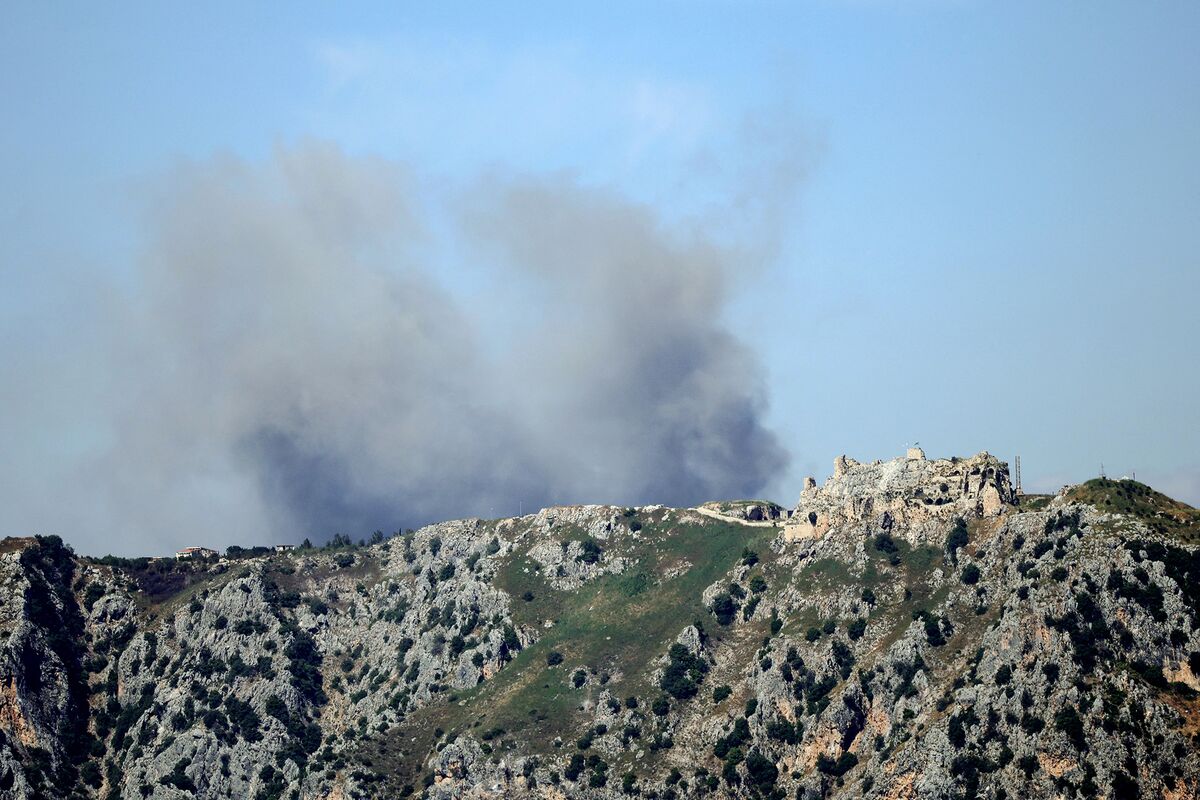
Israeli forces captured the 900-year-old Beaufort Castle in southern Lebanon on Sunday and raised their flag atop the hilltop site. The medieval fortress built during the Crusader era overlooks southern Lebanon and northern Israel from a ridge nine miles from the border. Defense Minister Israel Katz said troops will remain there as part of a security zone and described the action as control of an important step in protecting Israeli communities.
Prime Minister Benjamin Netanyahu called the seizure a decisive shift in the military campaign against Hezbollah. He said Israeli forces have broken the barrier of fear and will deepen their grip on places previously under Hezbollah control. Netanyahu instructed the military to expand its ground maneuver and told troops near the northern border to keep striking Hezbollah relentlessly until the mission is complete.
The Israeli military launched the operation on the Beaufort Ridge several days ago to dismantle Hezbollah infrastructure and remove direct threats to Israeli civilians. Video released by the Israel Defense Forces showed the flag fluttering over the castle while black smoke rose from the nearby town of Arnoun.
The castle's capture evoked memories of Israel's previous 18-year occupation of southern Lebanon that ended in 2000. Israeli troops first seized Beaufort in 1982 during the war that ousted Yasser Arafat's Palestine Liberation Organization from the site.
Hezbollah and the Palestine Liberation Organization before it had shelled the castle in attempts to dislodge Israeli forces. Lebanon's culture minister reported last week that the UNESCO-recognized site suffered a direct hit from an Israeli strike. Katz stated this action sends a clear message that anyone who threatens Israeli civilians will lose their strategic assets one by one.
A significant number of ground soldiers participated in the expanding operation. Israel launched more than 3,300 projectiles and airstrikes between May 24 and the afternoon of May 30 according to United Nations peacekeepers. Hezbollah and its allies fired 187 projectiles during the same period.
The militant group stepped up attacks on Israeli troops inside Lebanon and communities across the border using fiber-optic drones that Israel has difficulty stopping. Those attacks killed several Israeli soldiers. Israel says two civilians and 23 soldiers plus a military contractor have died in Hezbollah attacks with almost all soldiers killed inside Lebanon.
Lebanon's Prime Minister Nawaf Salam condemned the invasion in a televised address to the nation. He accused Israel of a scorched-earth policy, collective punishment, and expropriation of villages and towns that will deepen the divide with the Lebanese people. Salam demanded an immediate ceasefire and Israeli withdrawal saying negotiation offers the path to preventing more harm.
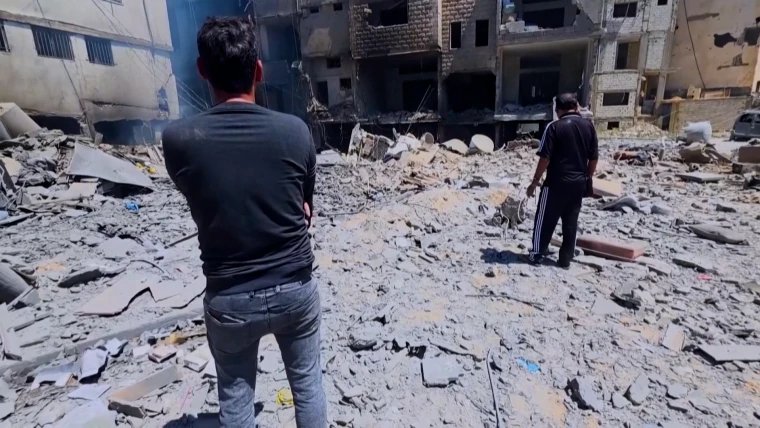
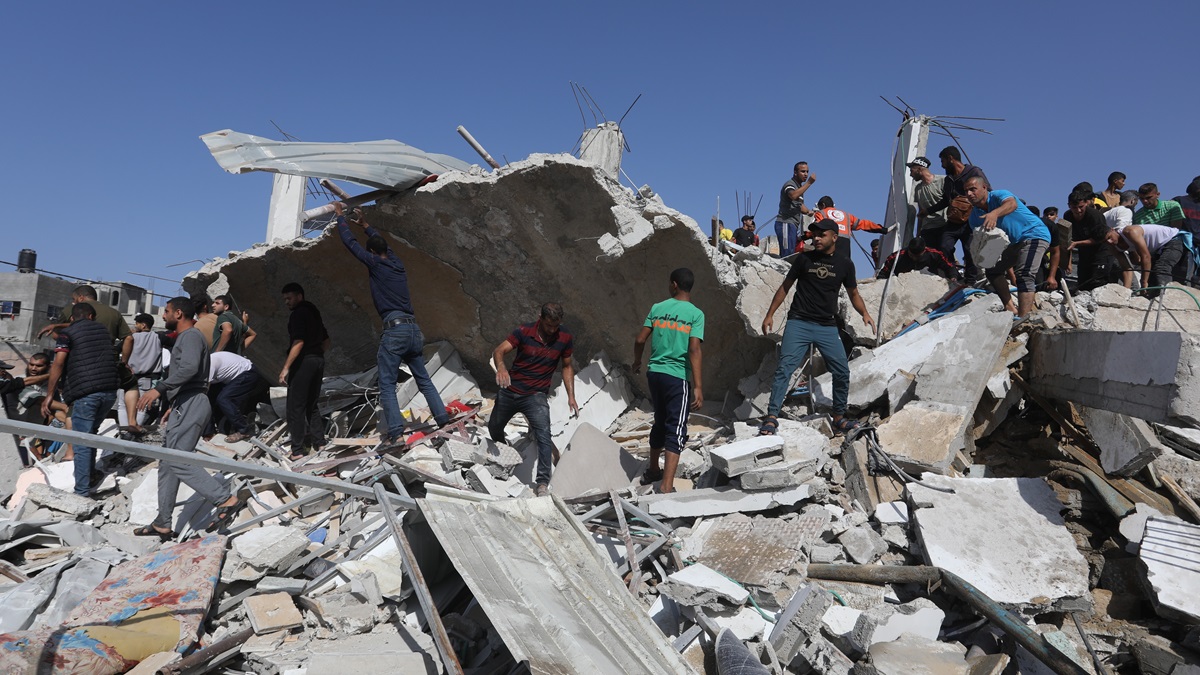
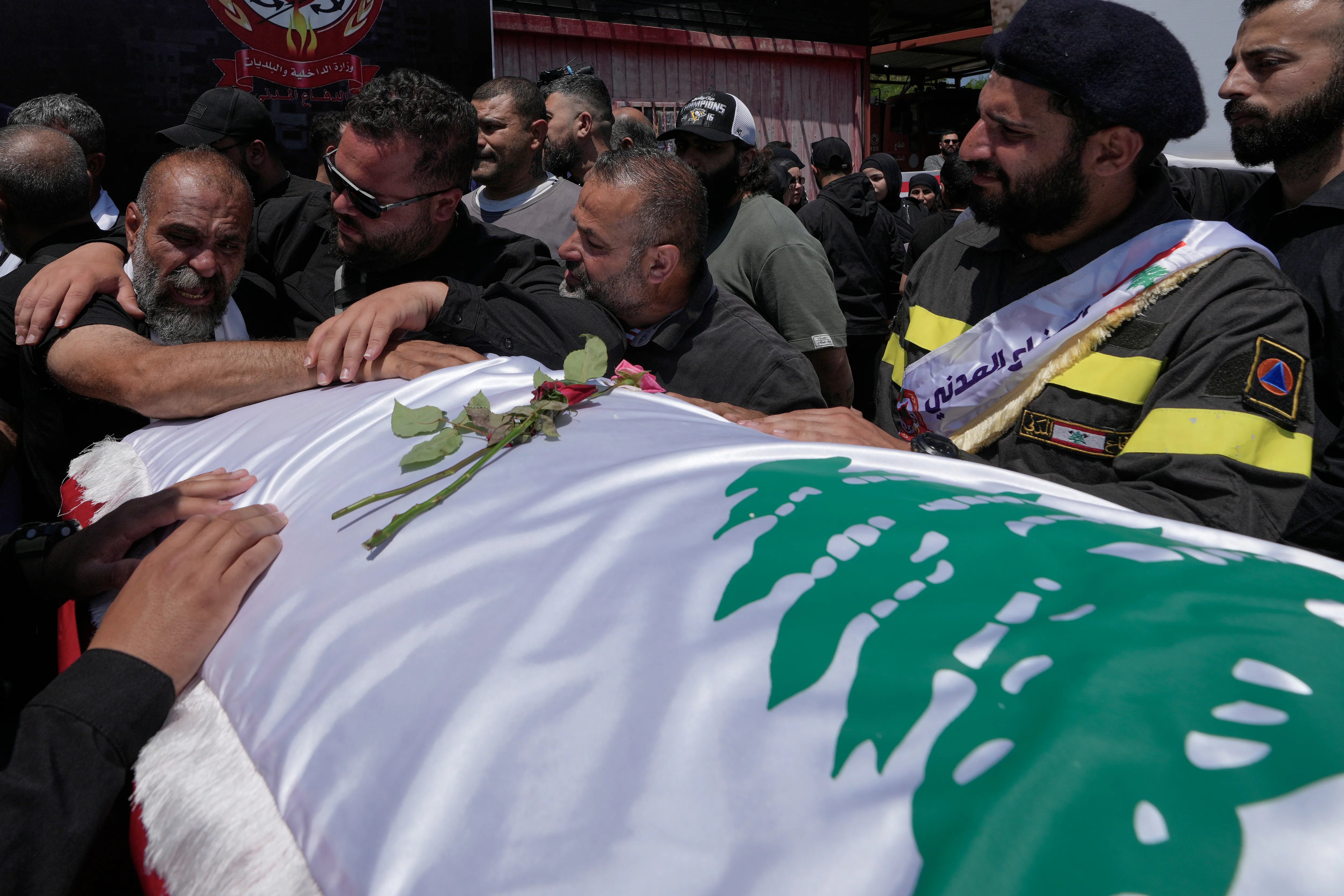
Lebanese officials say more than 3,300 people have been killed in the conflict, about 20 percent of them women, children and first responders. The fighting has displaced more than 1.2 million people. On Sunday an Israeli strike near Hiram hospital in Tyre injured 13 hospital staff and caused significant damage according to Lebanon's Health Ministry.
Salam has agreed that Hezbollah should be disarmed and replaced by national army forces though the government lacks the means to enforce it. Hezbollah has stated it will not disarm while Lebanon remains under attack. Lebanese and Israeli military officials met at the Pentagon on Friday without Hezbollah present and plan a fourth round of talks in Washington this week but reported no progress.
French President Emmanuel Macron said nothing justifies the major escalation in southern Lebanon and called for all weapons to fall silent. Foreign Minister Jean-Noël Barrot described the incursion as contrary to international law and a major mistake for Israel.
German Foreign Minister Johann Wadephul expressed serious concern over the advance and warned that further escalation will trigger new waves of displacement. He urged both sides to return to the ceasefire and called for strengthening the Lebanese state. Macron emphasized the need for a quick US-Iran deal to secure a ceasefire and reopen the Strait of Hormuz.
The United States and Iran traded draft changes over the weekend to a proposed agreement that would extend a ceasefire and open the Strait of Hormuz. Iranian negotiator Mohammad Bagher Qalibaf said Iran has no trust in US words and will not approve any deal until certain the rights of the Iranian people are upheld. Iran insists any agreement must address the conflict in Lebanon.
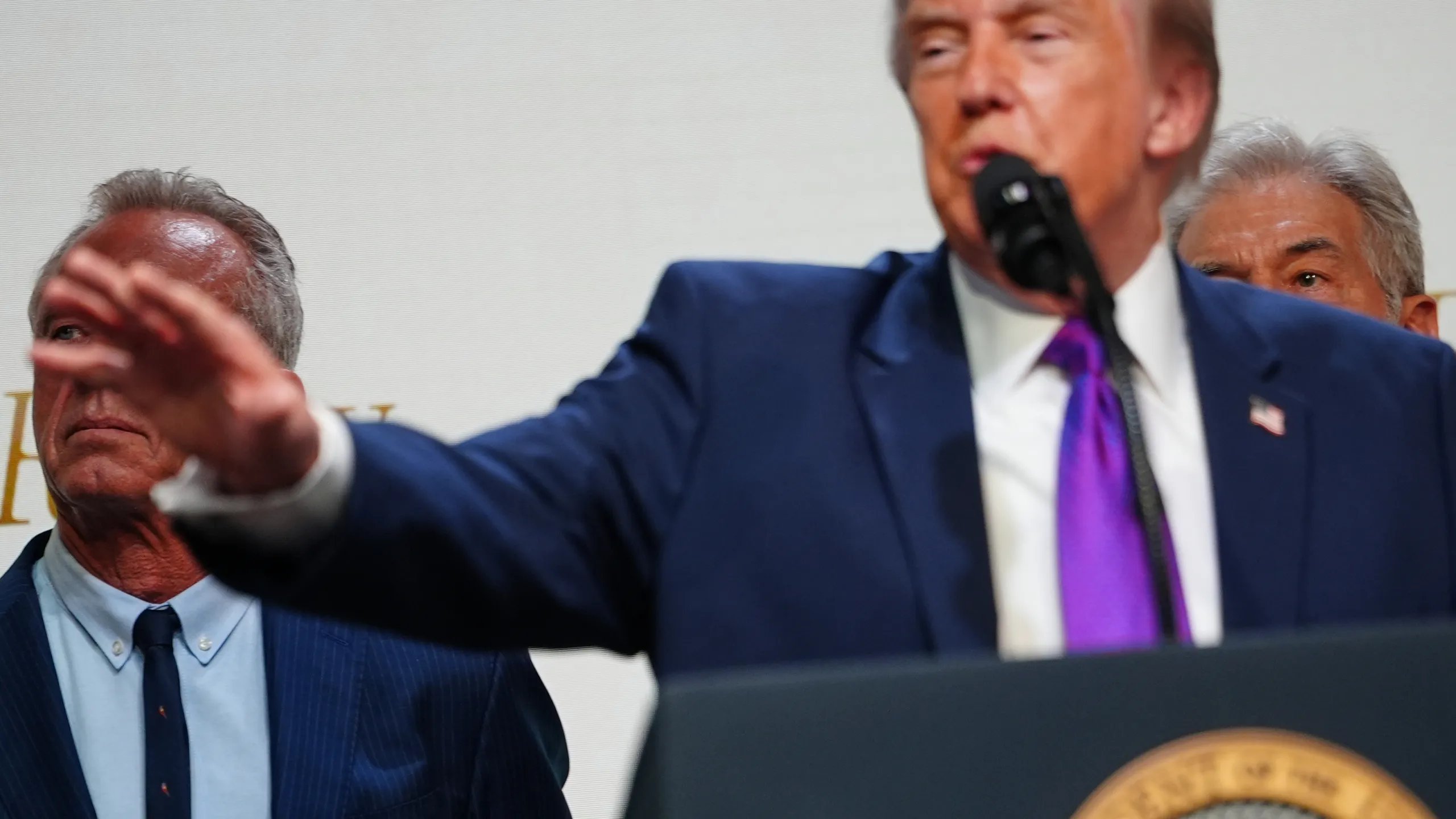
President Donald Trump toughened terms in the draft focusing on nuclear weapons and shipping routes. Trump stated the only guarantee needed is that Iran will have no nuclear weapons. Iranian news agency Tasnim reported Tehran will apply amendments but has not accepted the proposal. The talks occur as Hezbollah, Iran's most powerful regional ally, continues its attacks.
The Lebanese government has participated in Washington meetings despite the two countries remaining in a formal state of war for decades. Salam described direct talks as the least costly path for Lebanon. Katz vowed that the campaign to crush Hezbollah's power is not over.
The capture of Beaufort leaves Israeli forces holding a commanding vantage point across southern Lebanon while diplomatic efforts in Washington and between Washington and Tehran proceed without clear breakthroughs. Families displaced from leveled villages in the south now face another wave of uncertainty about when or if they can return home.
Israeli forces captured the 900-year-old Beaufort Castle in southern Lebanon on Sunday and raised their flag atop the hilltop site. The medieval fortress built during the Crusader era overlooks southern Lebanon and northern Israel from a ridge nine miles from the border. Defense Minister Israel Katz said troops will remain there as part of a security zone and described the action as control of an important step in protecting Israeli communities.
Prime Minister Benjamin Netanyahu called the seizure a decisive shift in the military campaign against Hezbollah. He said Israeli forces have broken the barrier of fear and will deepen their grip on places previously under Hezbollah control. Netanyahu instructed the military to expand its ground maneuver and told troops near the northern border to keep striking Hezbollah relentlessly until the mission is complete.
The Israeli military launched the operation on the Beaufort Ridge several days ago to dismantle Hezbollah infrastructure and remove direct threats to Israeli civilians. Video released by the Israel Defense Forces showed the flag fluttering over the castle while black smoke rose from the nearby town of Arnoun.
The castle's capture evoked memories of Israel's previous 18-year occupation of southern Lebanon that ended in 2000. Israeli troops first seized Beaufort in 1982 during the war that ousted Yasser Arafat's Palestine Liberation Organization from the site. The Golani Brigade that took the castle 44 years ago returned to raise the Israeli flag once more.
Hezbollah and the Palestine Liberation Organization before it had shelled the castle in attempts to dislodge Israeli forces. Lebanon's culture minister reported last week that the UNESCO-recognized site suffered a direct hit from an Israeli strike. Katz stated this action sends a clear message that anyone who threatens Israeli civilians will lose their strategic assets one by one.
Israeli troops crossed the Litani River and pushed more than 20 miles inside Lebanon near the city of Nabatiyeh. The operation represents Israel's deepest military push into Lebanon in 26 years. The Israel Defense Forces increased the evacuation zone south of the Zahrani River and warned that anyone near Hezbollah elements endangers their life.
A significant number of ground soldiers participated in the expanding operation. Israel launched more than 3,300 projectiles and airstrikes between May 24 and the afternoon of May 30 according to United Nations peacekeepers. Hezbollah and its allies fired 187 projectiles during the same period.
The militant group stepped up attacks on Israeli troops inside Lebanon and communities across the border using fiber-optic drones that Israel has difficulty stopping. Those attacks killed several Israeli soldiers. Israel says two civilians and 23 soldiers plus a military contractor have died in Hezbollah attacks with almost all soldiers killed inside Lebanon.
Lebanon's Prime Minister Nawaf Salam condemned the invasion in a televised address to the nation. He accused Israel of a scorched-earth policy, collective punishment, and expropriation of villages and towns that will deepen the divide with the Lebanese people. Salam demanded an immediate ceasefire and Israeli withdrawal saying negotiation offers the path to preventing more harm.
Lebanese officials say more than 3,300 people have been killed in the conflict with about 20 percent women, children, and first responders. The fighting has displaced more than 1.2 million people. On Sunday an Israeli strike near Hiram hospital in Tyre injured 13 hospital staff and caused significant damage according to Lebanon's Health Ministry.
Salam has agreed that Hezbollah should be disarmed and replaced by national army forces though the government lacks the means to enforce it. Hezbollah has stated it will not disarm while Lebanon remains under attack. Lebanese and Israeli military officials met at the Pentagon on Friday without Hezbollah present and plan a fourth round of talks in Washington this week but reported no progress.
French President Emmanuel Macron said nothing justifies the major escalation in southern Lebanon and called for all weapons to fall silent. France requested an emergency United Nations Security Council meeting citing the ceasefire in place since April 17. Foreign Minister Jean-Noël Barrot described the incursion as contrary to international law and a major mistake for Israel.
German Foreign Minister Johann Wadephul expressed serious concern over the advance and warned that further escalation will trigger new waves of displacement. He urged both sides to return to the ceasefire and called for strengthening the Lebanese state. Macron emphasized the need for a quick US-Iran deal to secure a ceasefire and reopen the Strait of Hormuz.
The United States and Iran traded draft changes over the weekend to a proposed agreement that would extend a ceasefire and open the Strait of Hormuz. Iranian negotiator Mohammad Bagher Qalibaf said Iran has no trust in US words and will not approve any deal until certain the rights of the Iranian people are upheld. Iran insists any agreement must address the conflict in Lebanon.
President Donald Trump toughened terms in the draft focusing on nuclear weapons and shipping routes. Trump stated the only guarantee needed is that Iran will have no nuclear weapons. Iranian news agency Tasnim reported Tehran will apply amendments but has not accepted the proposal. The talks occur as Hezbollah, Iran's most powerful regional ally, continues its attacks.
The Lebanese government has participated in Washington meetings despite the two countries remaining in a formal state of war for decades. Salam described direct talks as the least costly path for Lebanon. Katz vowed that the campaign to crush Hezbollah's power is not over.
The capture of Beaufort leaves Israeli forces holding a commanding vantage point across southern Lebanon while diplomatic efforts in Washington and between Washington and Tehran proceed without clear breakthroughs. Families displaced from leveled villages in the south now face another wave of uncertainty about when or if they can return home.
Highlighted text was flagged by the council. Tap to see feedback.












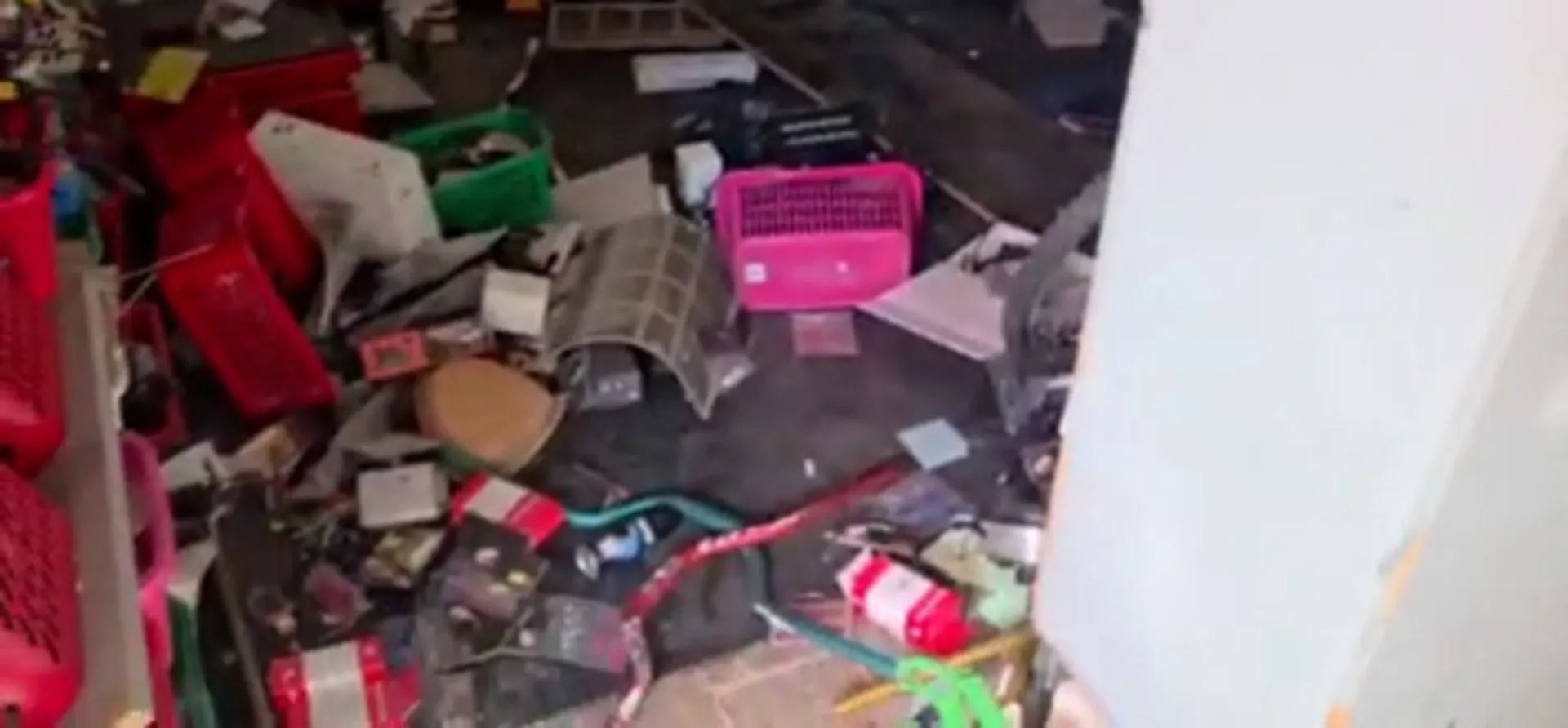
The sources also report that the United Nations peacekeepers indicated Israel launched more than 3,300 projectiles and airstrikes between May 24 and May 30, while Hezbollah and its allies fired 187 projectiles during the same period.