The price increase takes effect
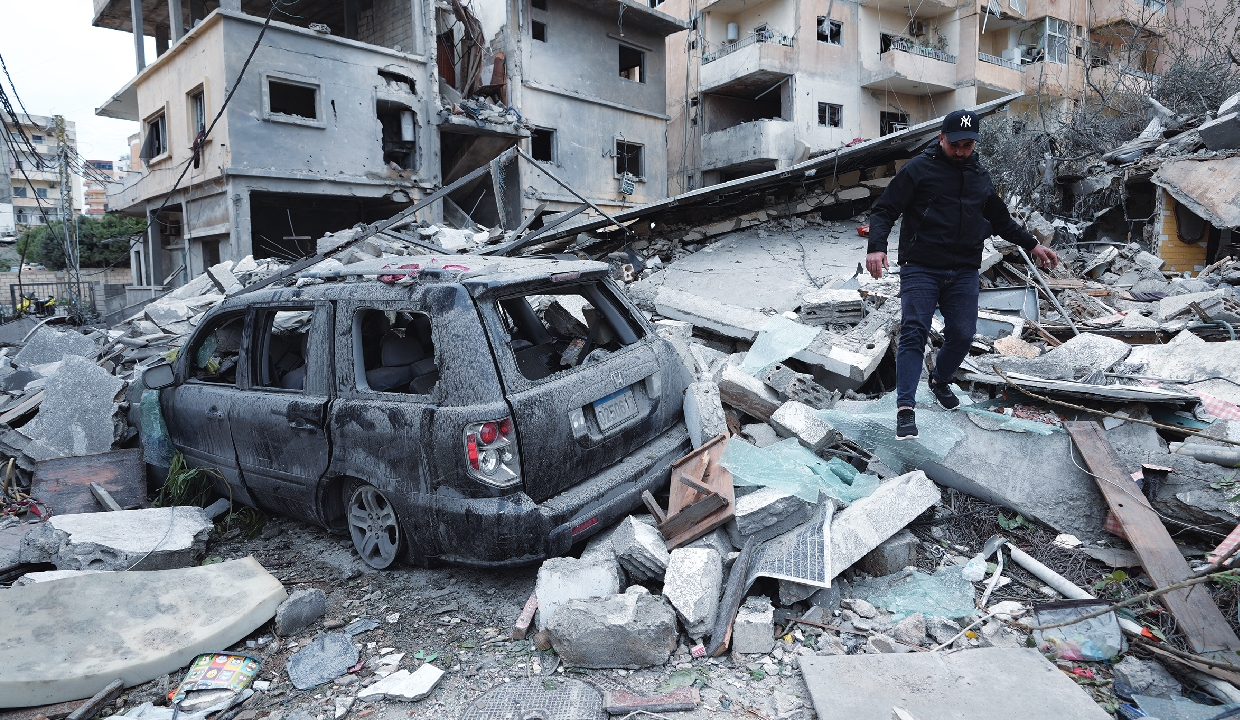
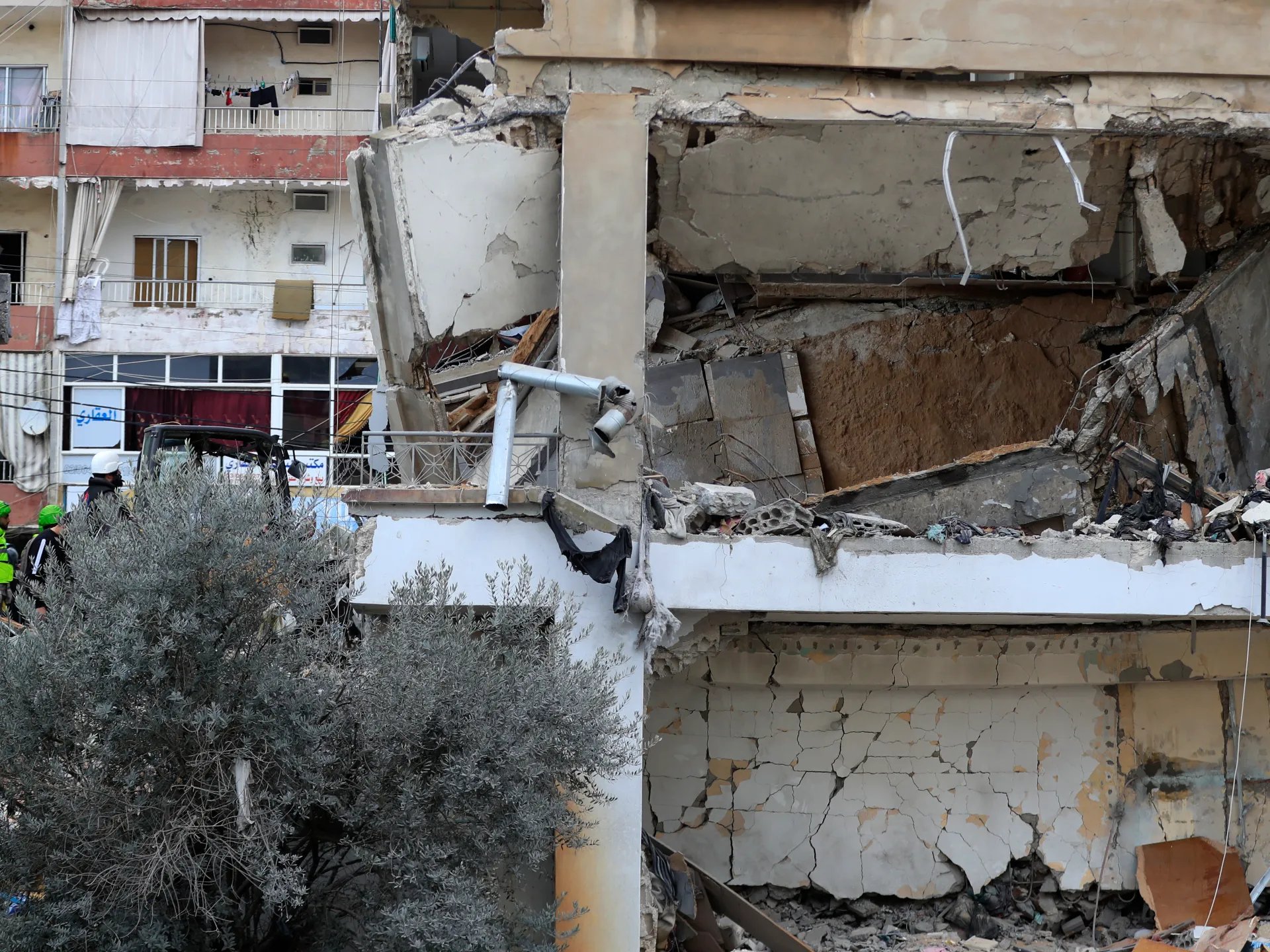
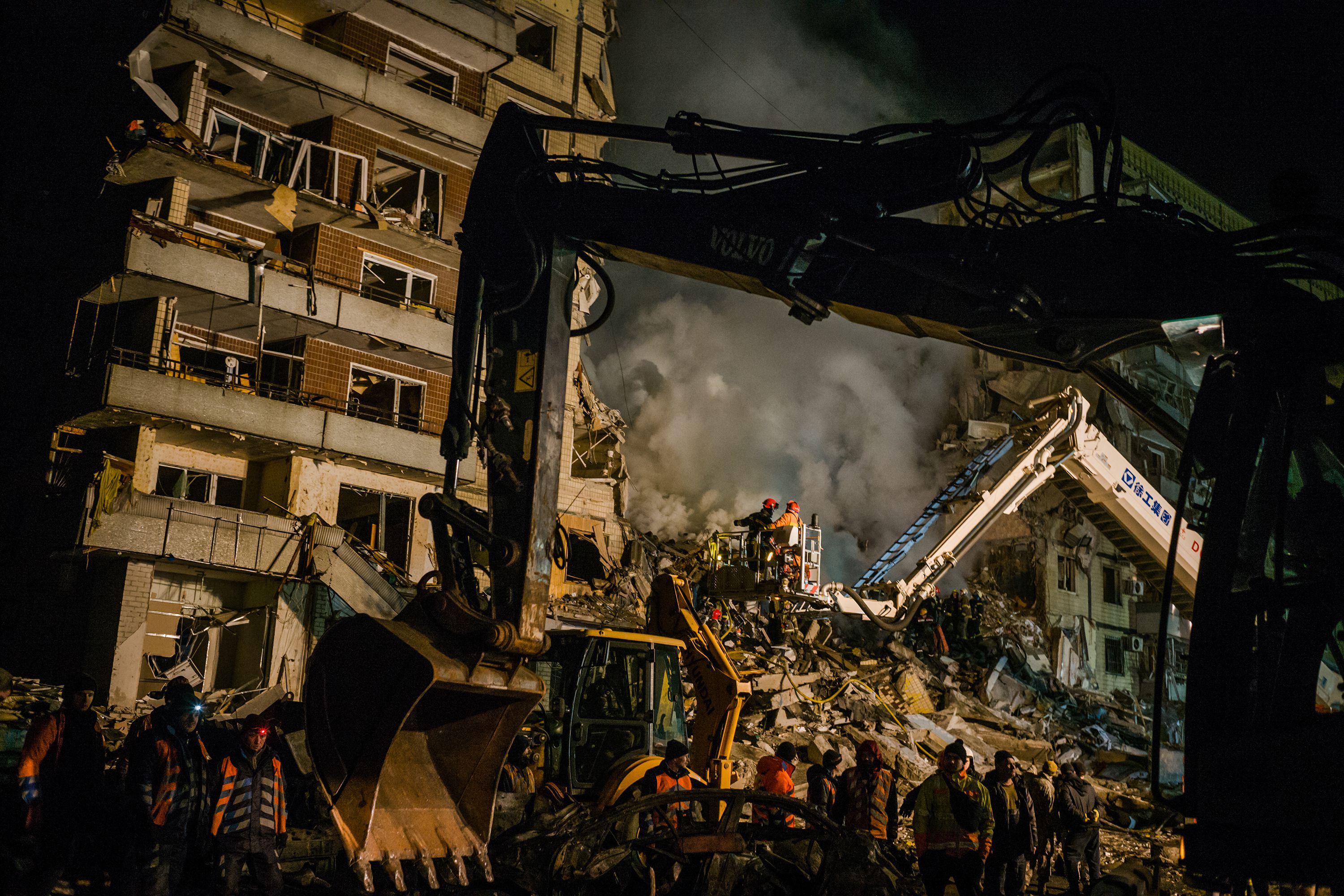
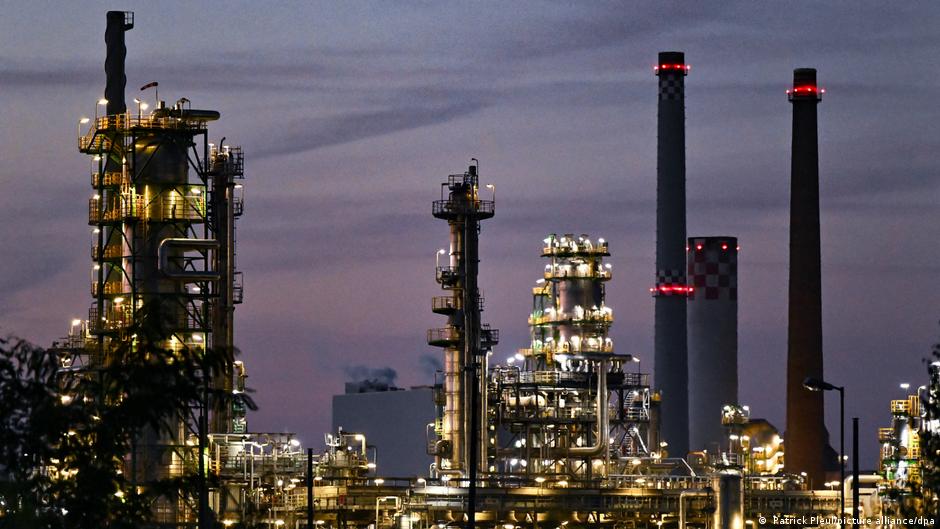
Pirelli announced a price increase on its tire products as part of a crisis mitigation plan responding to Middle East disruptions. The Italian tire manufacturer did not disclose the specific percentage of the increase or an exact implementation date in available statements. The move affects consumers and businesses that purchase Pirelli tires for vehicles and equipment.
Supply chain pressures drive the decision
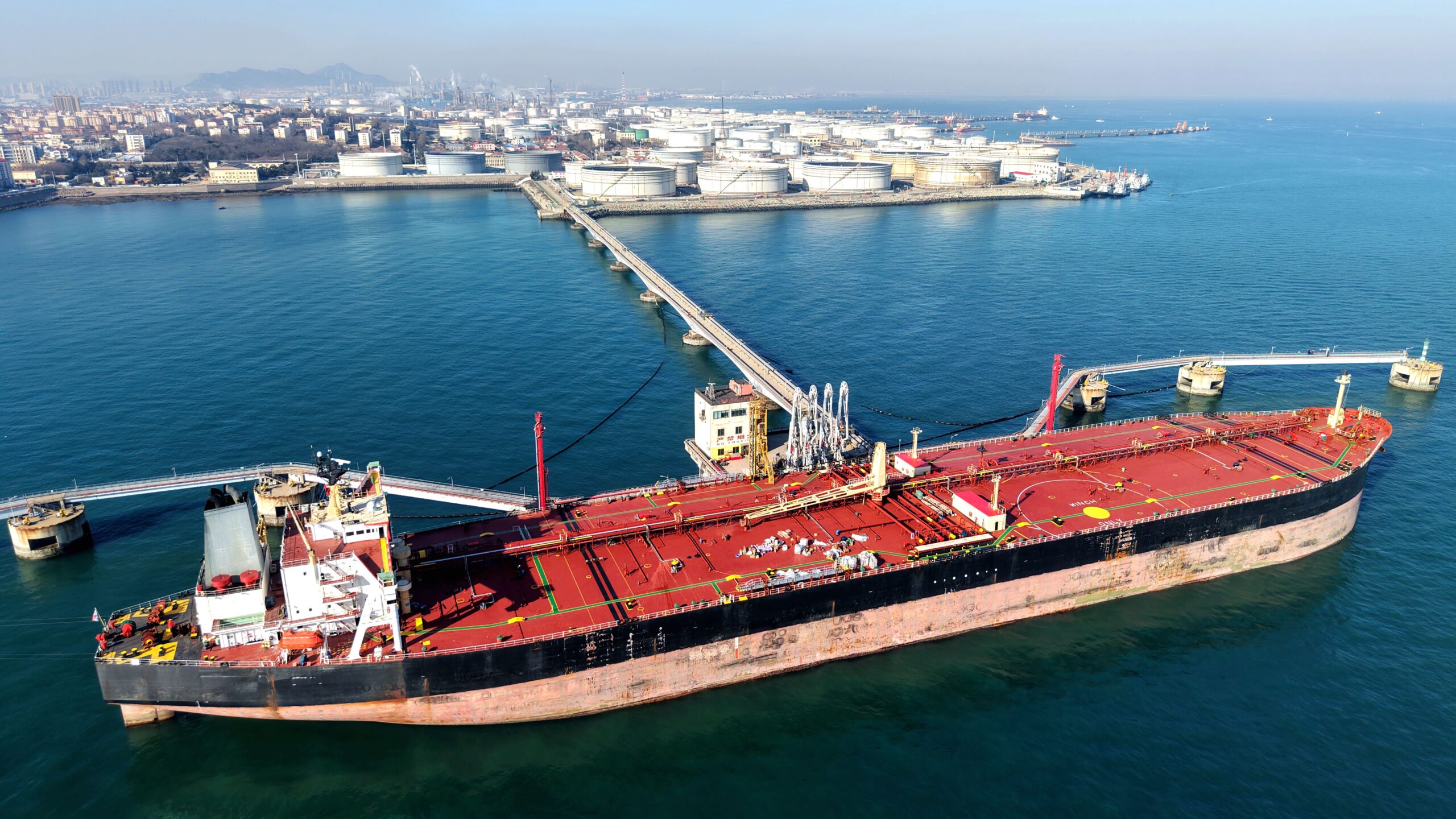
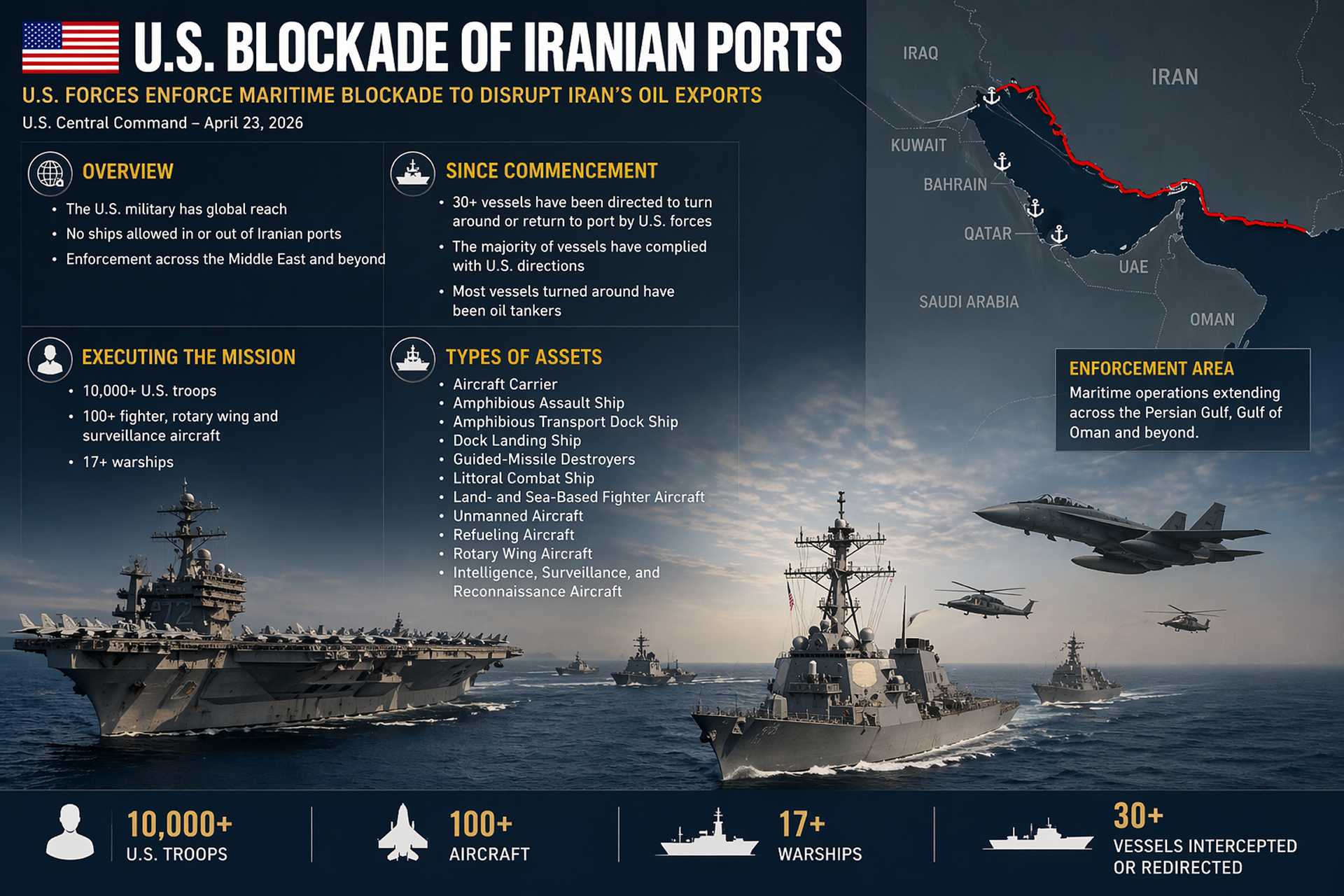
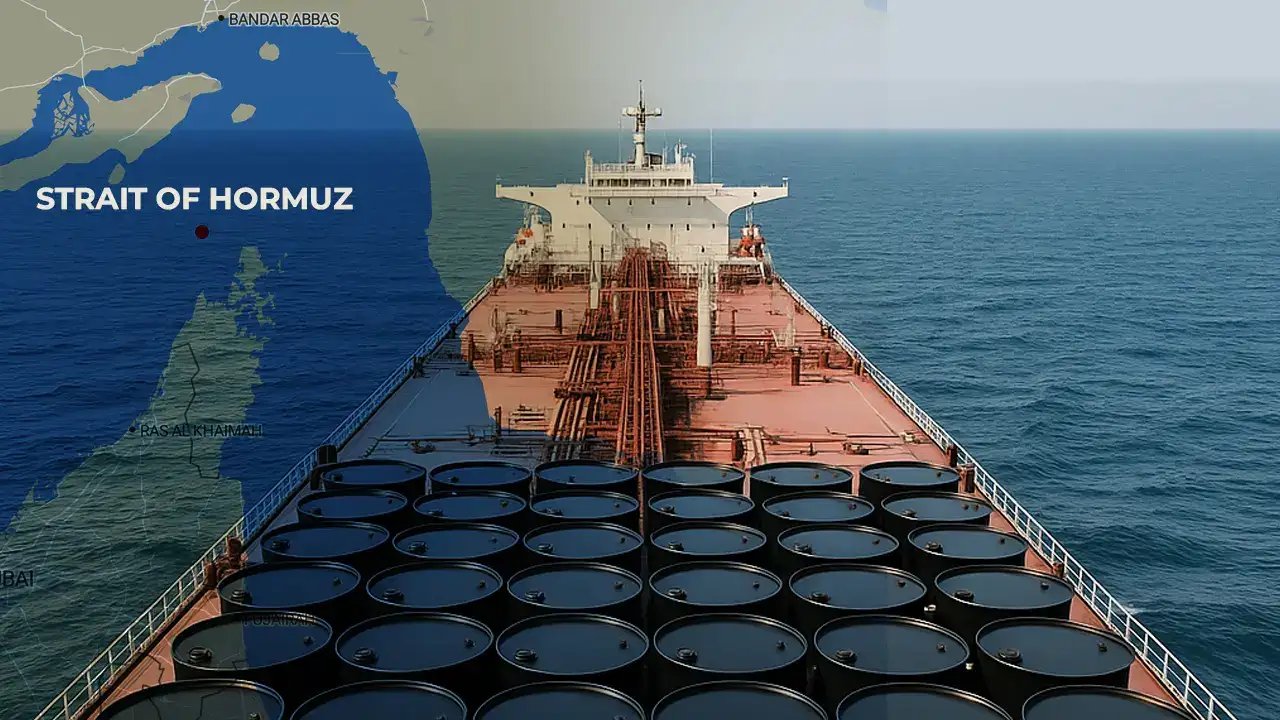
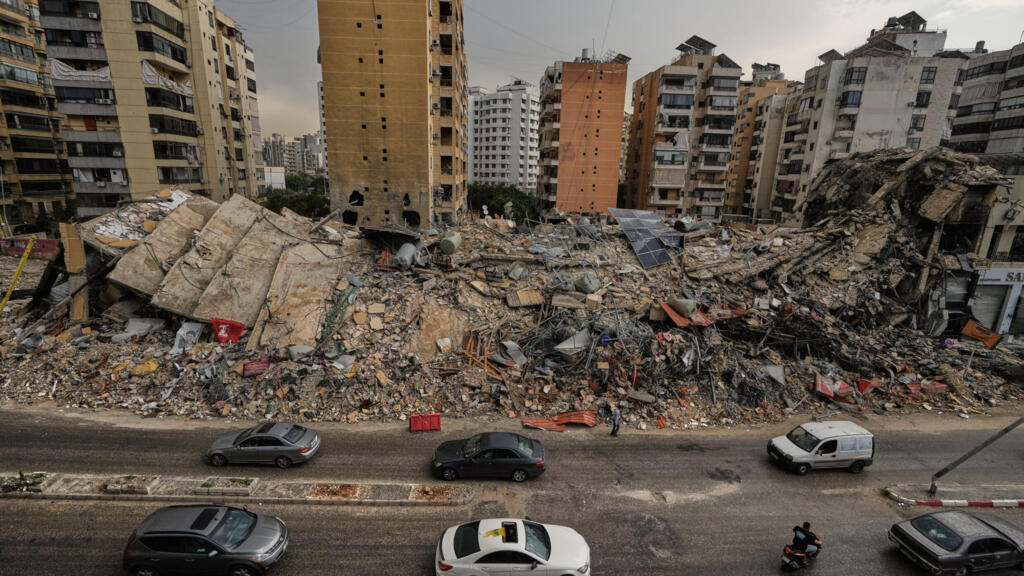
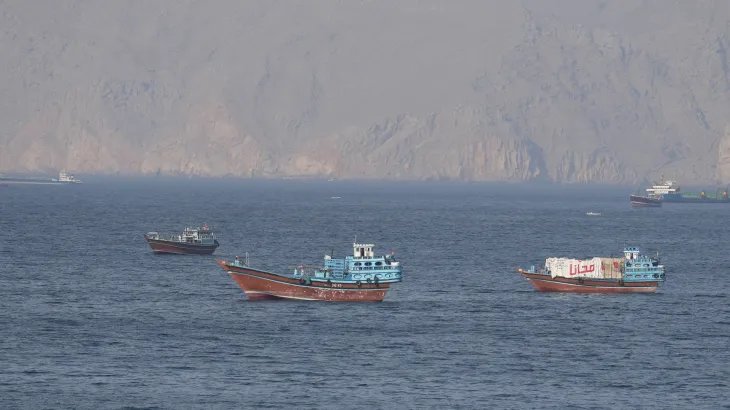
The price adjustment reflects broader challenges in global supply chains tied to geopolitical tensions in the Middle East. Pirelli's decision to raise prices rather than absorb costs internally suggests the company views the disruptions as sustained rather than temporary. Other manufacturers in the tire and automotive sectors face similar pressures, though Pirelli's public announcement of a formal mitigation plan distinguishes it from competitors who have remained silent on pricing adjustments.
Market context and investor outlook
Noel Dixon, Senior Macro Strategist at State Street, noted that while much positive news is already priced into markets, the rally can continue as commodity prices shift higher, creating differentiated winners and losers across regions. The US economy is expected to be more insulated from Middle East uncertainty compared to the UK and Eurozone, which may require investors to take a more selective approach to their holdings. This regional divergence means American consumers and businesses may face different inflationary pressures than their international counterparts.
Consumer and business impact
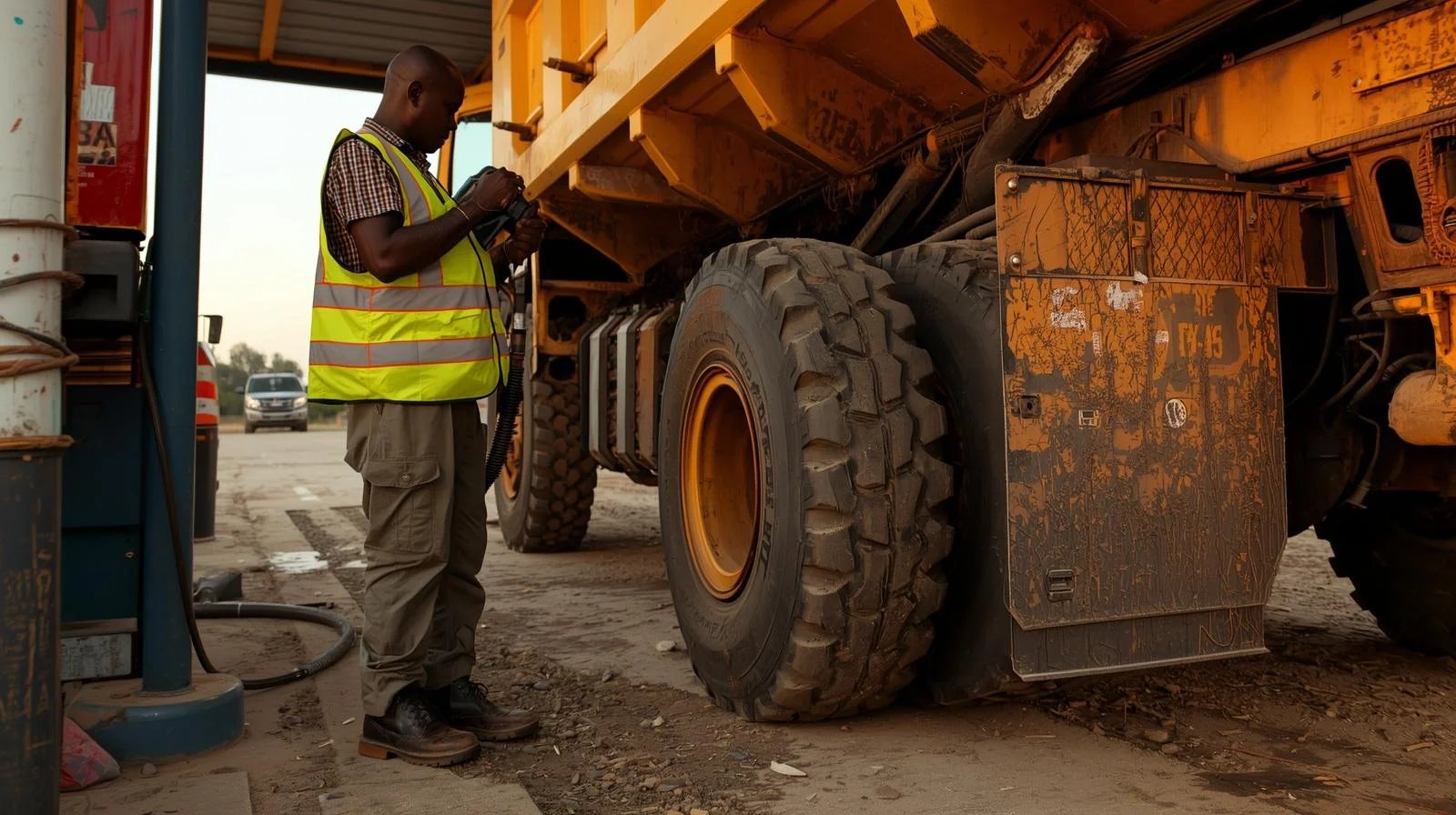
Drivers purchasing replacement tires will encounter higher prices at the point of sale. Fleet operators and businesses reliant on tire purchases for logistics and transportation will see increased operational costs. The timing of Pirelli's announcement comes as supply chain vulnerabilities remain elevated, limiting alternatives for customers seeking to avoid price increases through supplier switching.