






New Classification Opens Doors for Medical Research
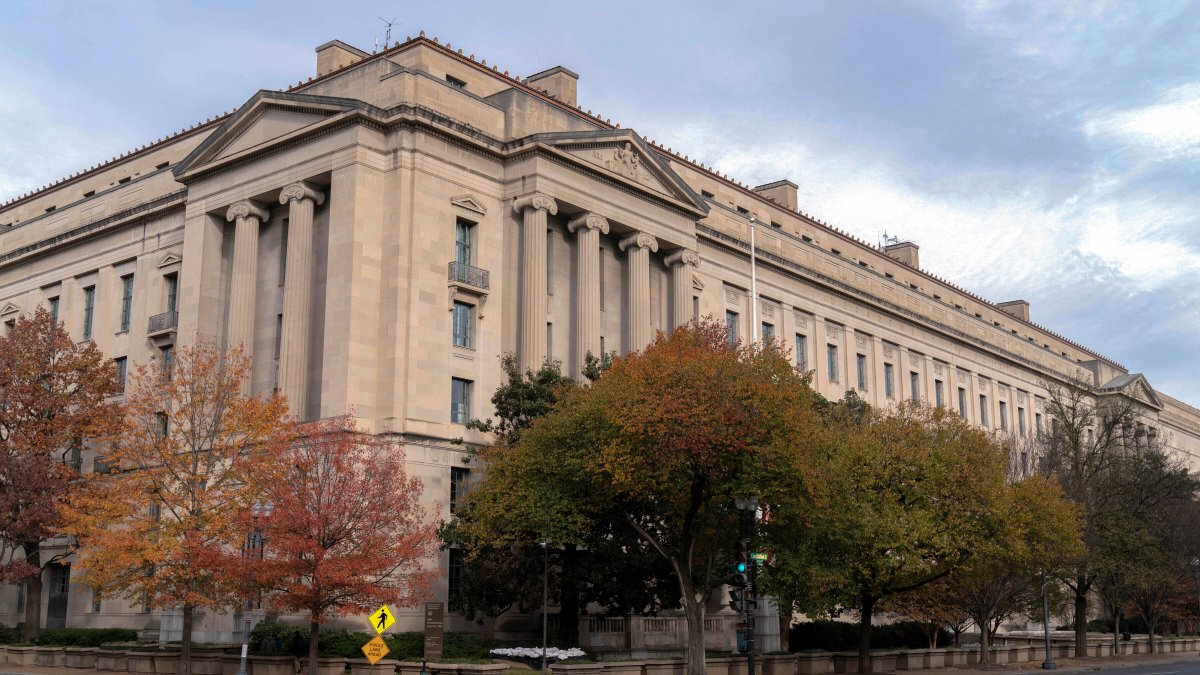
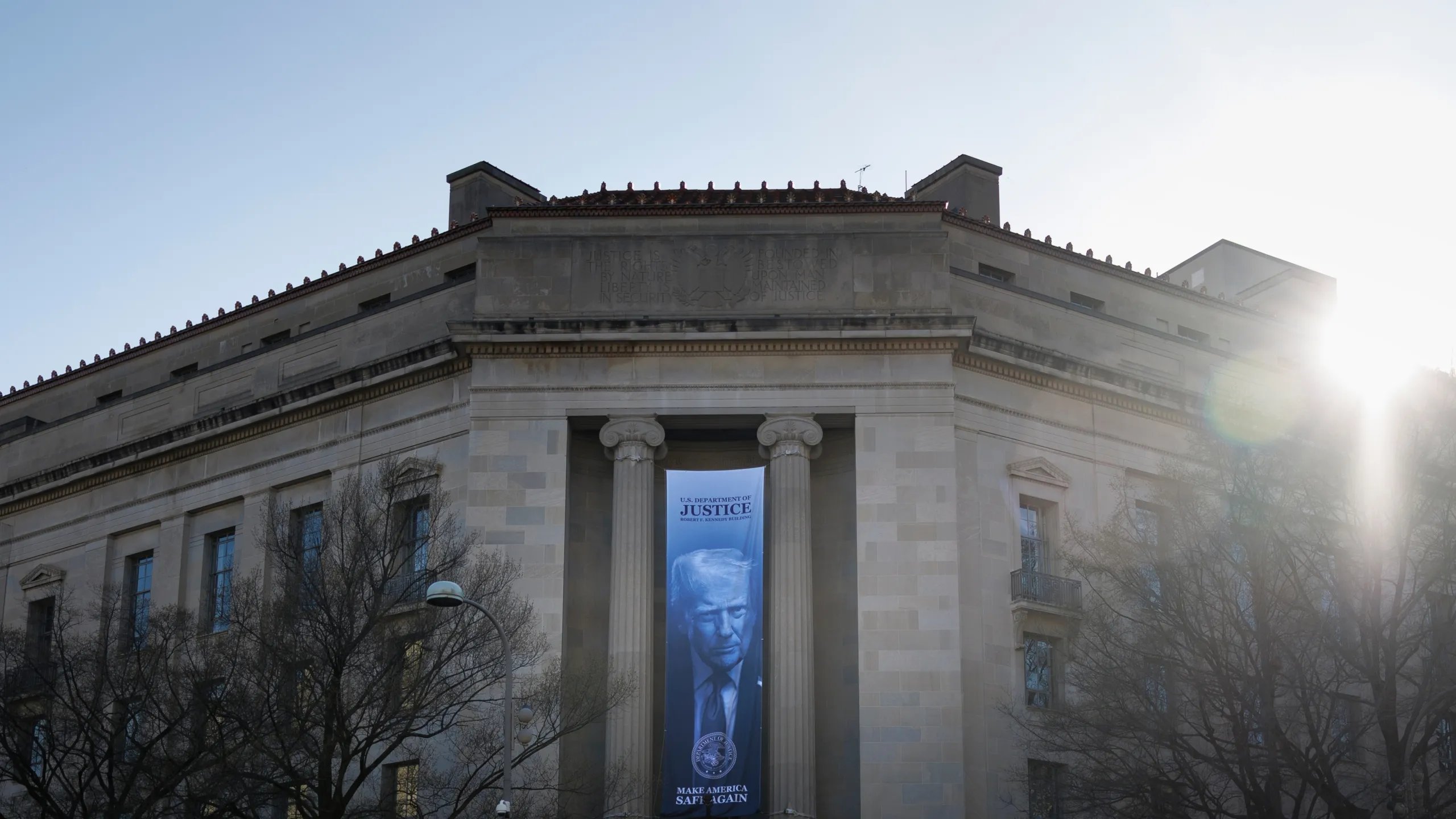
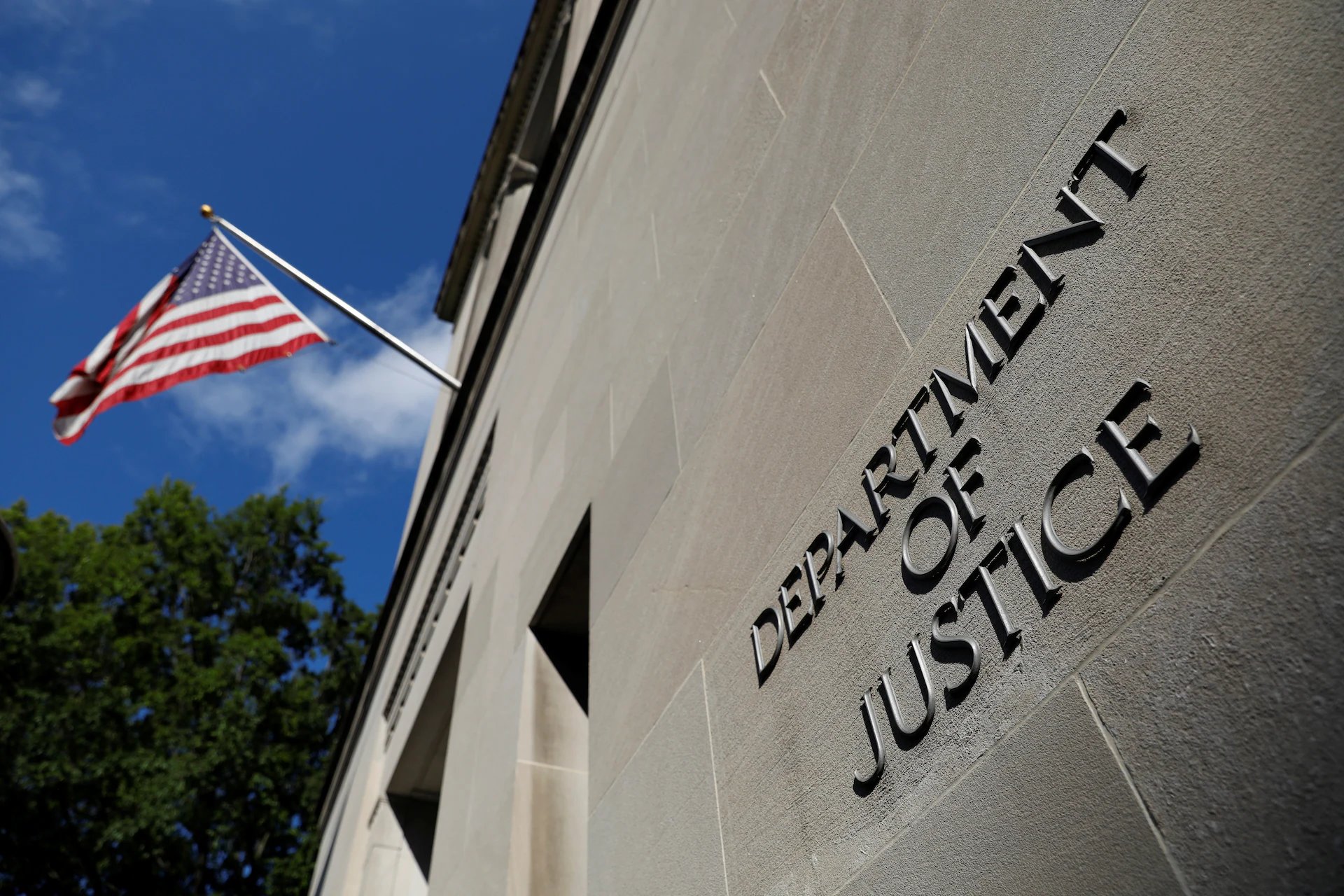
The U.S. Department of Justice announced a significant shift in marijuana policy on Thursday, rescheduling certain marijuana products from Schedule I to Schedule III under the Controlled Substances Act. This reclassification applies to FDA-approved marijuana products and state-licensed medical marijuana, as stated by Acting Attorney General Todd Blanche. The new classification recognizes these products as having a "moderate to low potential for physical and psychological dependence," a notable change from their previous status alongside drugs like heroin and LSD.
Executive Orders Drive Change
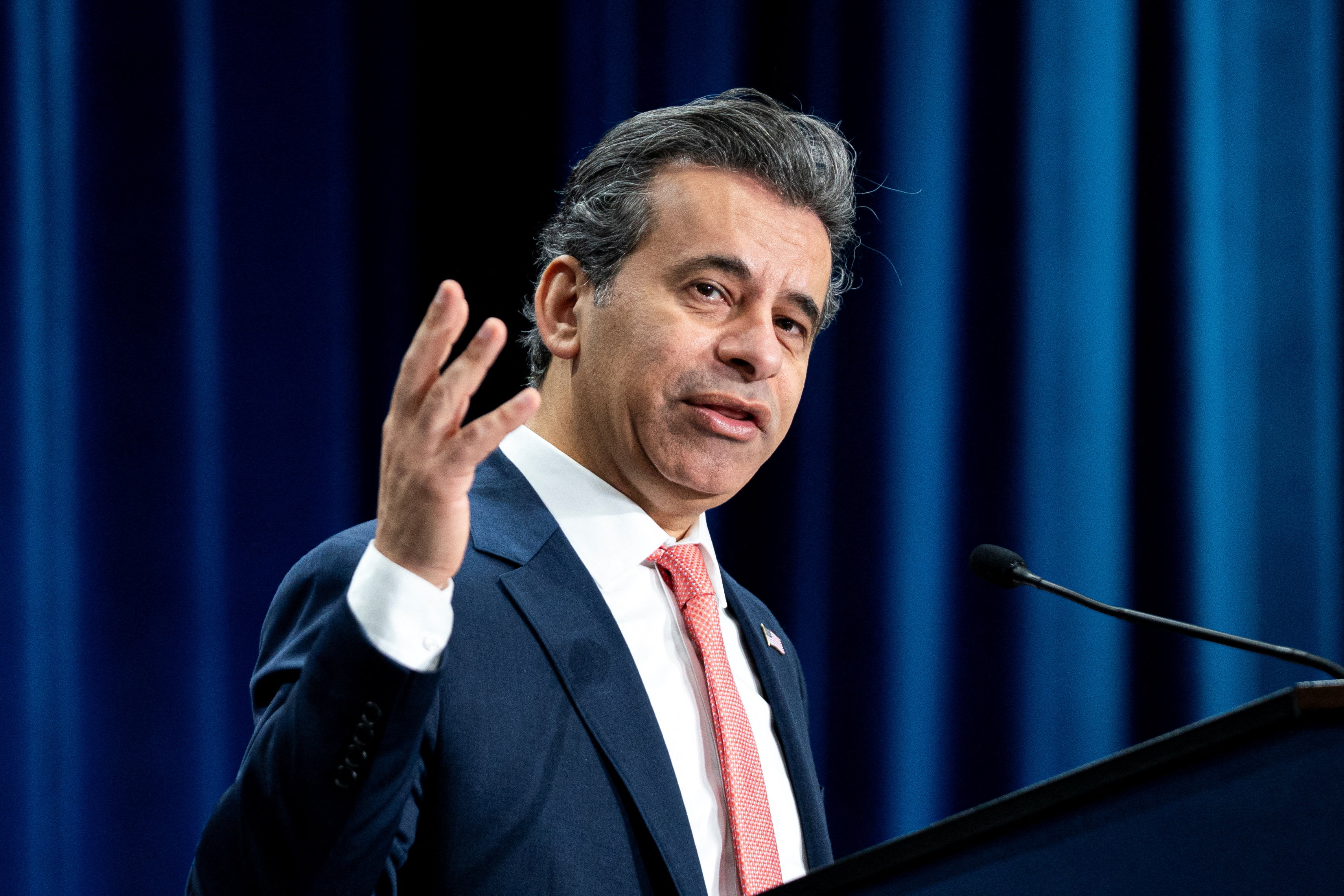
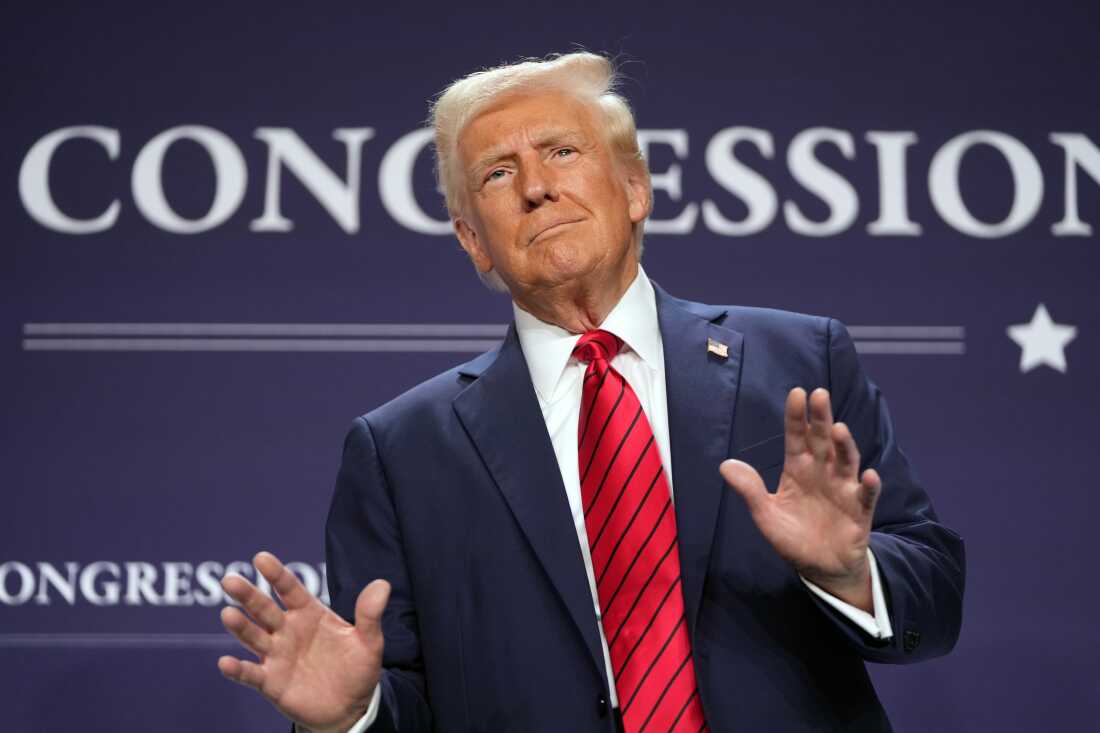
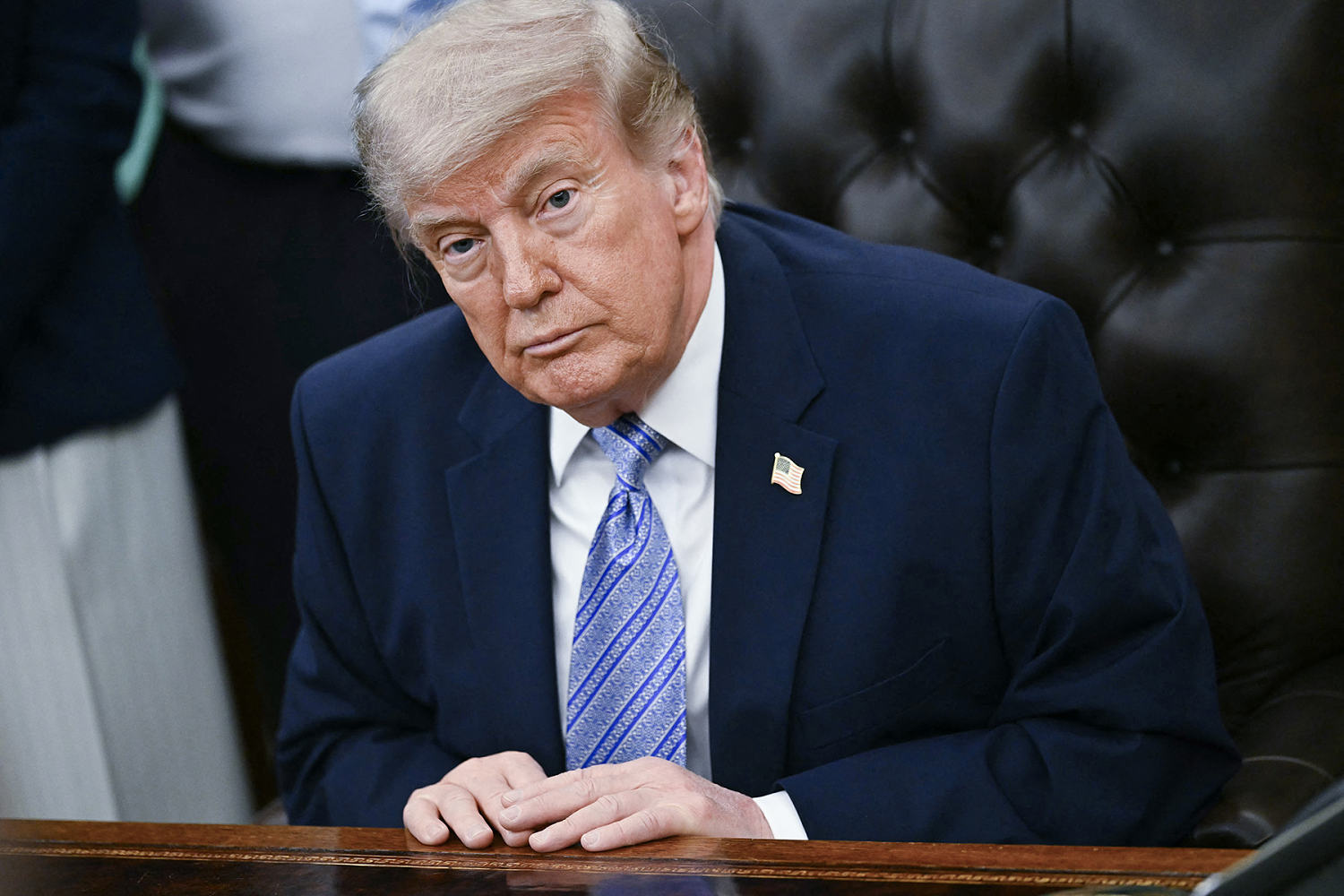
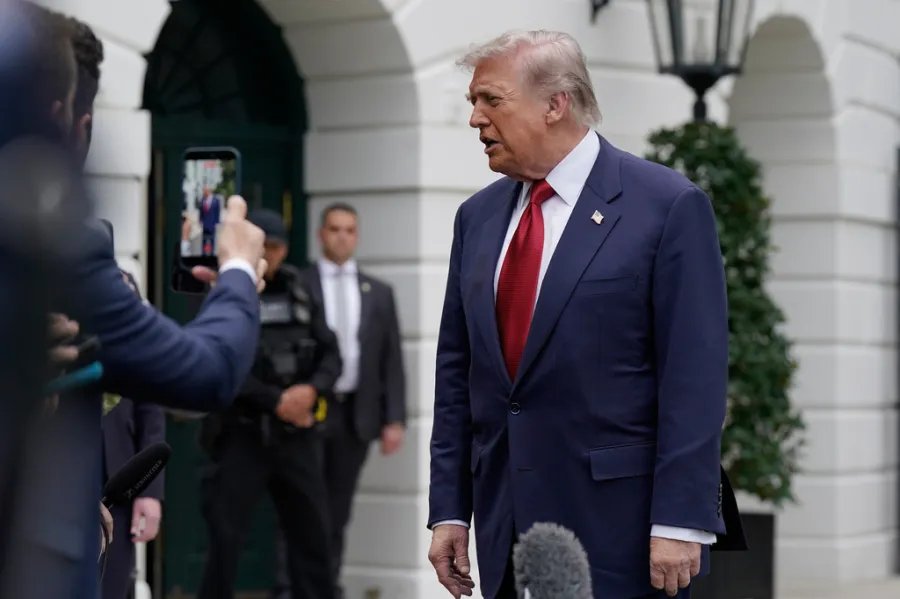
This move follows an executive order signed by President Donald Trump in December, which directed the Justice Department to begin the rescheduling process. In his statement, Blanche emphasized that the department aims to expand access to medical treatment options for Americans. He stated, "This rescheduling action allows for research on the safety and efficacy of this substance, ultimately providing patients with better care and doctors with more reliable information."
Impact on Legal and Medical Communities
The Justice Department's order initiates an expedited process for broader rescheduling, with a hearing scheduled for June 29. This hearing will evaluate further changes to marijuana's status under federal law. While the reclassification does not legalize marijuana nationwide, the rescheduling is expected to facilitate more robust research into marijuana's medical applications.
Regulatory Changes for State-Licensed Entities
Under the new classification, entities that handle FDA-approved marijuana products will now have to comply with regulatory requirements that apply to Schedule III drugs. This includes registering with the Drug Enforcement Administration (DEA) and adhering to rules concerning disposal, security, and labeling. The Justice Department's order aims to integrate state licensing systems into the federal framework, which could streamline operations for state-licensed medical marijuana businesses.
Advocacy Perspectives on Rescheduling
Advocates for marijuana reform have welcomed the rescheduling as a step forward. Adam J. Smith, executive director of the Marijuana Policy Project, described the change as "a historic move towards sanity in cannabis policy." However, he noted that full de-scheduling is necessary to address ongoing issues like possession arrests and the disconnect between federal prohibition and state-licensed markets. Smith highlighted that while this change opens doors for research and medical use, it does not eliminate the legal risks faced by many individuals involved in the cannabis industry.
Ongoing Debate and Future Implications
Some medical experts have cautioned that marijuana use during childhood and early adulthood can impact brain functions related to attention, memory and learning, and have raised concerns about effects of long-term use on male fertility. The broader implications of this policy shift could reshape the legal landscape for cannabis, especially as public support for relaxing marijuana restrictions remains strong. A recent poll indicated that 53% of adults favor legalization, showing a growing acceptance of cannabis use across the country.
Next Steps for Patients and Researchers
As the June hearing approaches, researchers and medical professionals are hopeful that the rescheduling will lead to expanded opportunities for studying marijuana's medicinal properties. The shift may also relieve some of the financial burdens on state-licensed dispensaries by potentially lowering their tax obligations. With 38 states already having established medical marijuana programs, this policy change could further legitimize and enhance access to medical cannabis for those in need.






















































































































































































































































































































































































The sources also report that the expedited hearing to evaluate broader changes to marijuana's status under federal law is scheduled for late June, specifically June 29.