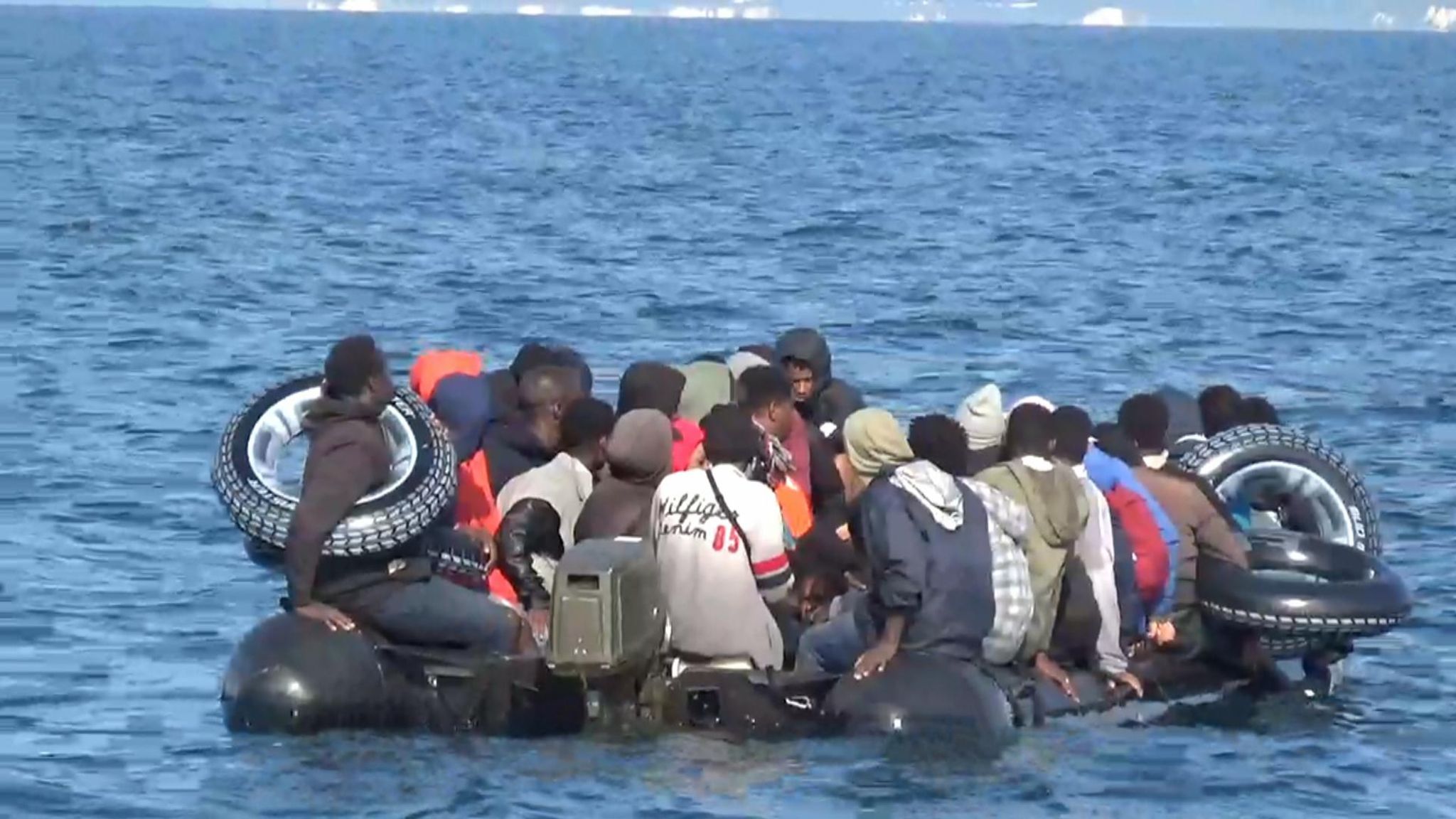
The Department of Health and Human Services (HHS) has opted not to renew an $11 million contract with Catholic Charities, which has provided care for unaccompanied minors for over 60 years. This decision, made by the Office of Refugee Resettlement, will directly affect the Archdiocese of Miami's ability to support migrant children. HHS press secretary Emily G. Hillard stated that the decision stemmed from a significant decrease in the number of unaccompanied minors crossing the border.
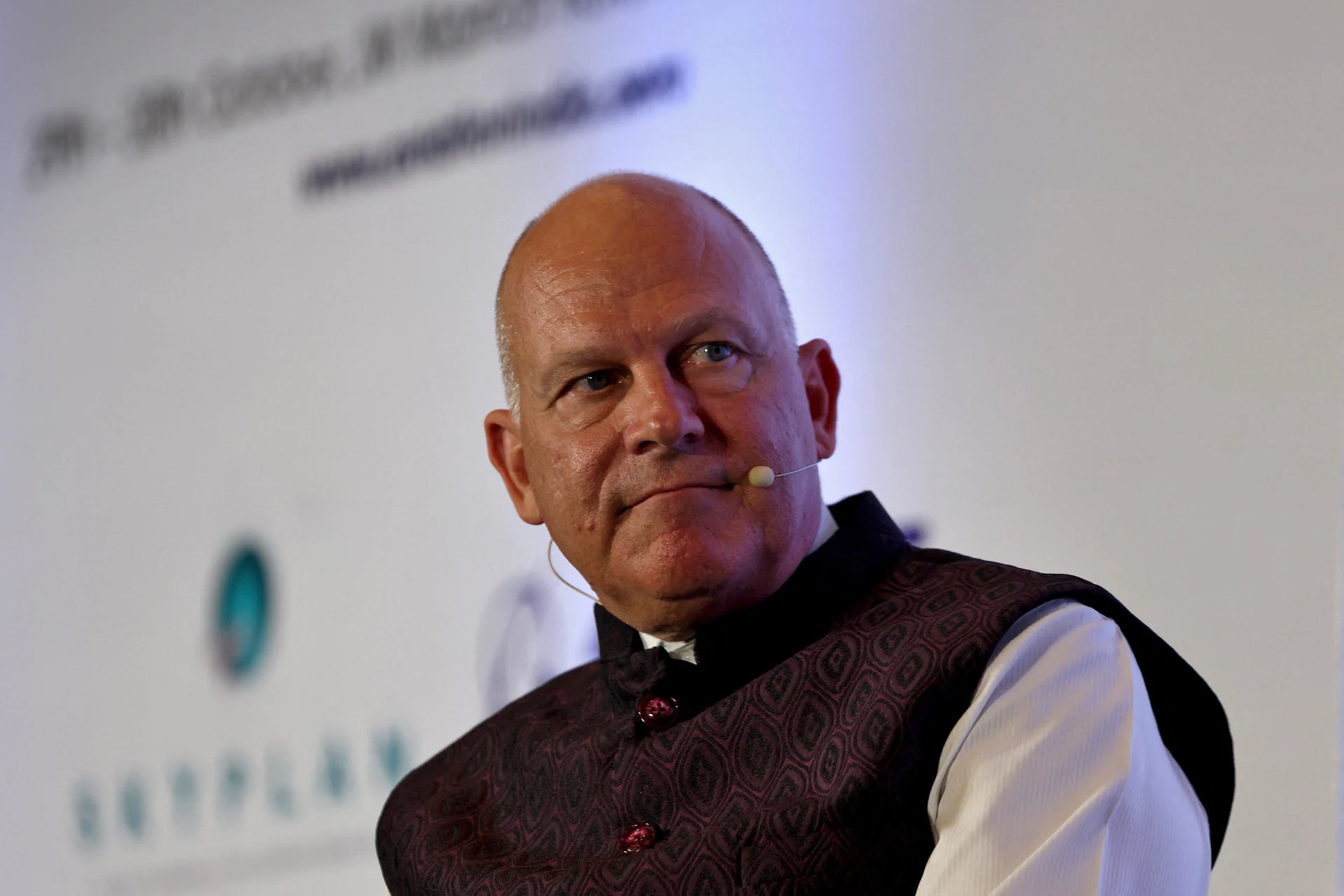
Miami Archbishop Thomas Wenski expressed deep concern over the funding cut, warning that the services provided by Catholic Charities might not last beyond three months without federal support. In an op-ed for The Miami Herald, Wenski highlighted the long-standing reputation of the Archdiocese's programs, stating, "Our track record in serving this vulnerable population is unmatched." He argued that while it is true that fewer minors are entering the U.S., discontinuing funding for a proven program is misguided.
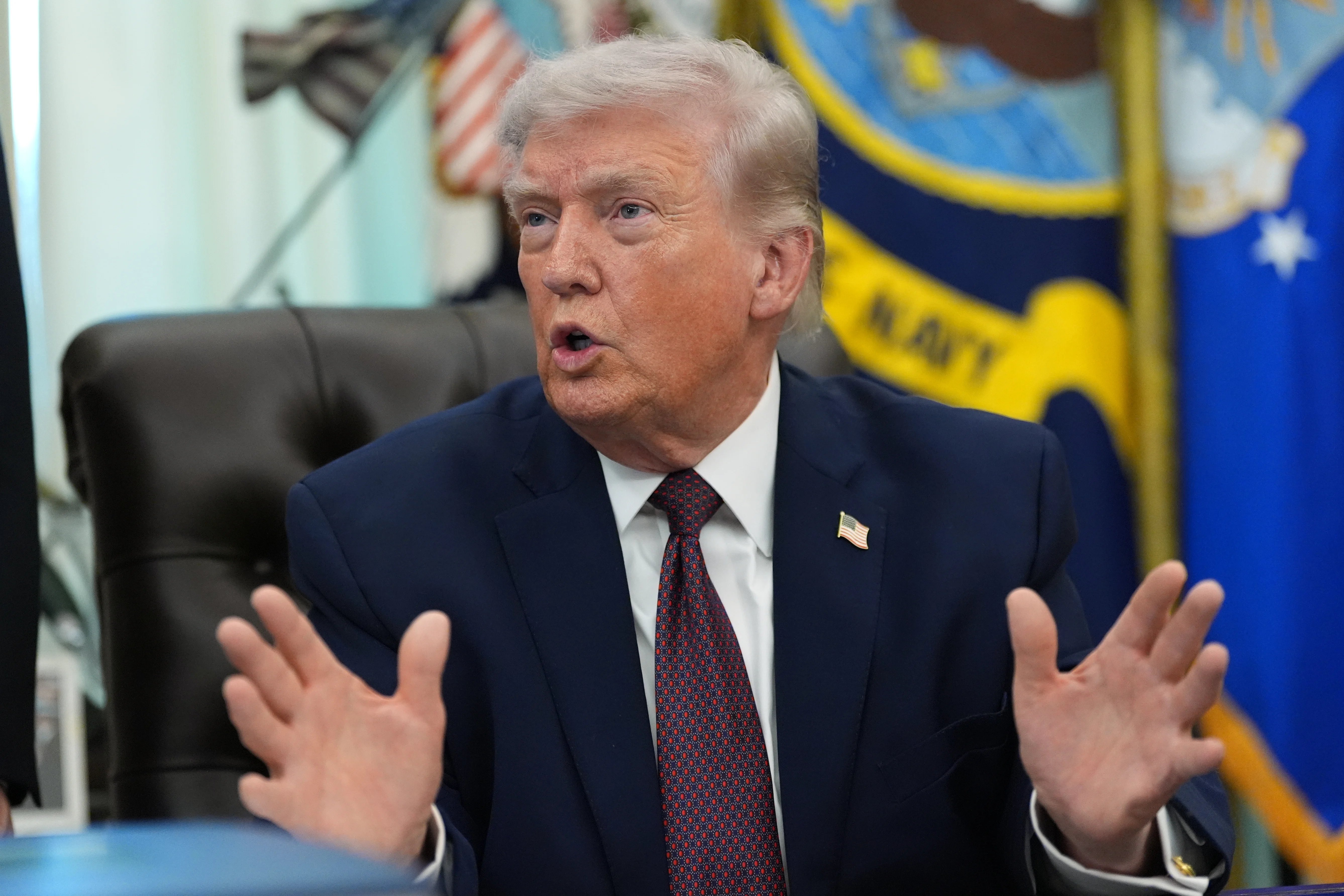
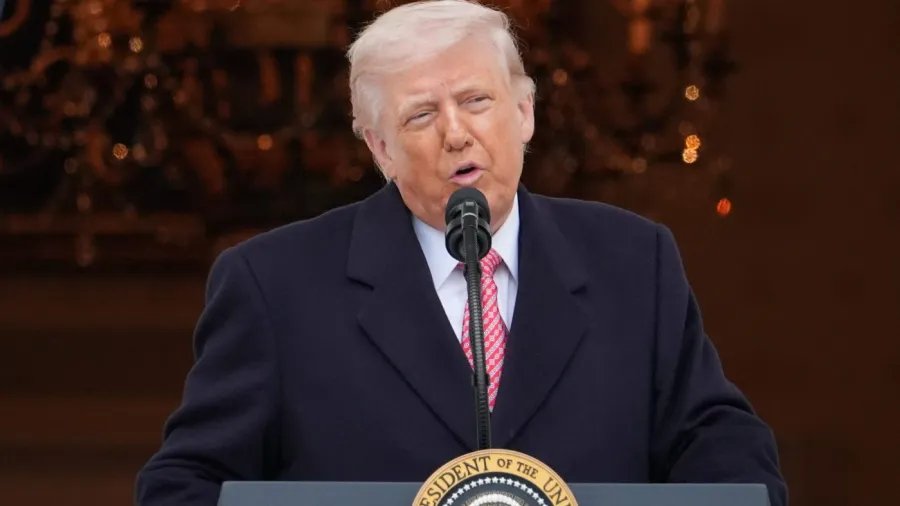
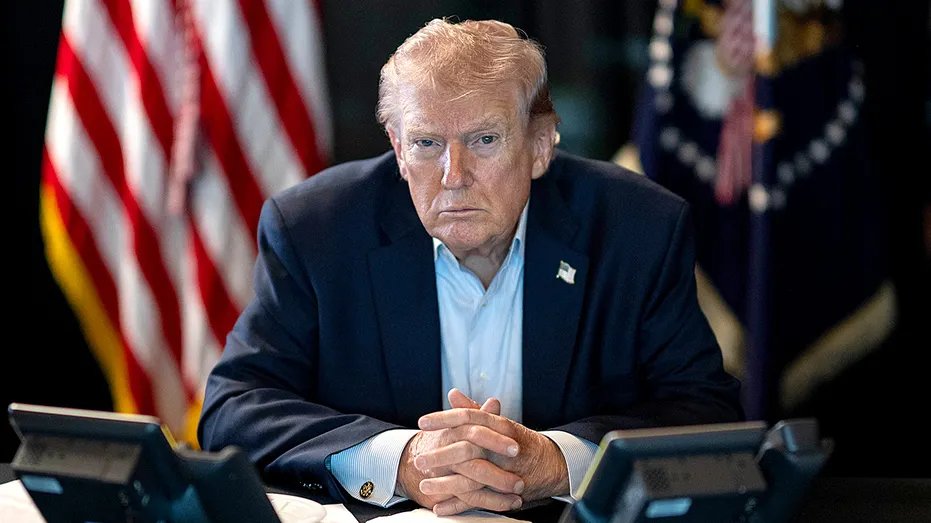
The Trump administration's rationale for terminating the contract includes a reported drop in illegal immigration. White House deputy press secretary Kush Desai pointed to an X post calling the article "fake news," adding that the administration informed 49 charities, only two of which were Catholic, last year that it would be cutting grants towards care for migrant children. Desai defended the action as a responsible use of taxpayer dollars, asserting that "our historically secure border means fewer border crossings."
The end of the contract raises questions about the future of migrant child services in Miami. According to Wenski, the discontinuation of funding for the Msgr. Bryan O. Walsh Children's Village, a facility operated by Catholic Charities, could lead to a service gap that would be difficult to fill. He noted that the expertise and excellence demonstrated by Catholic Charities in caring for unaccompanied minors would be hard to replicate, especially if future surges in migration occur.
The Archdiocese of Miami is expected to engage with local and state officials to seek emergency funding or partnerships that could sustain their programs.
The Department of Health and Human Services (HHS) has opted not to renew an $11 million contract with Catholic Charities, which has provided care for unaccompanied minors for over 60 years. This decision, made by the Office of Refugee Resettlement, will directly affect the Archdiocese of Miami's ability to support migrant children. HHS press secretary Emily G. Hillard stated that the decision stemmed from a significant decrease in the number of unaccompanied minors crossing the border.
Miami Archbishop Thomas Wenski expressed deep concern over the funding cut, warning that the services provided by Catholic Charities might not last beyond three months without federal support. In an op-ed for The Miami Herald, Wenski highlighted the long-standing reputation of the Archdiocese’s programs, stating, "Our track record in serving this vulnerable population is unmatched." He argued that while it is true that fewer minors are entering the U.S., discontinuing funding for a proven program is misguided.
The Trump administration's rationale for terminating the contract includes a reported drop in illegal immigration. White House deputy press secretary Kush Desai emphasized that the administration had informed 49 charities, including two Catholic organizations, about the funding cuts last year. Desai defended the action as a responsible use of taxpayer dollars, asserting that "our historically secure border means fewer border crossings."
The end of the contract raises questions about the future of migrant child services in Miami. According to Wenski, the discontinuation of funding for the Msgr. Bryan O. Walsh Children’s Village, a facility operated by Catholic Charities, could lead to a service gap that would be difficult to fill. He noted that the expertise and excellence demonstrated by Catholic Charities in caring for unaccompanied minors would be hard to replicate, especially if future surges in migration occur.
Local advocates for migrant children have expressed alarm at the potential fallout from the funding cut. Many fear that without the resources provided by Catholic Charities, vulnerable populations will suffer, lacking the necessary support systems. As the situation develops, community leaders are calling for alternative funding solutions to ensure continued care for unaccompanied minors.
As Catholic Charities prepares for the potential shutdown of its services, there is a pressing need for stakeholders to explore new funding avenues. The Archdiocese of Miami is expected to engage with local and state officials to seek emergency funding or partnerships that could sustain their programs. The impact of this decision will resonate in the community, highlighting the ongoing challenges in providing care for migrant children.
Highlighted text was flagged by the council. Tap to see feedback.













































































































































































































































The sources also report that the significant decrease in unaccompanied minors is specifically compared to levels under the Biden administration.