The overnight vote and its timing
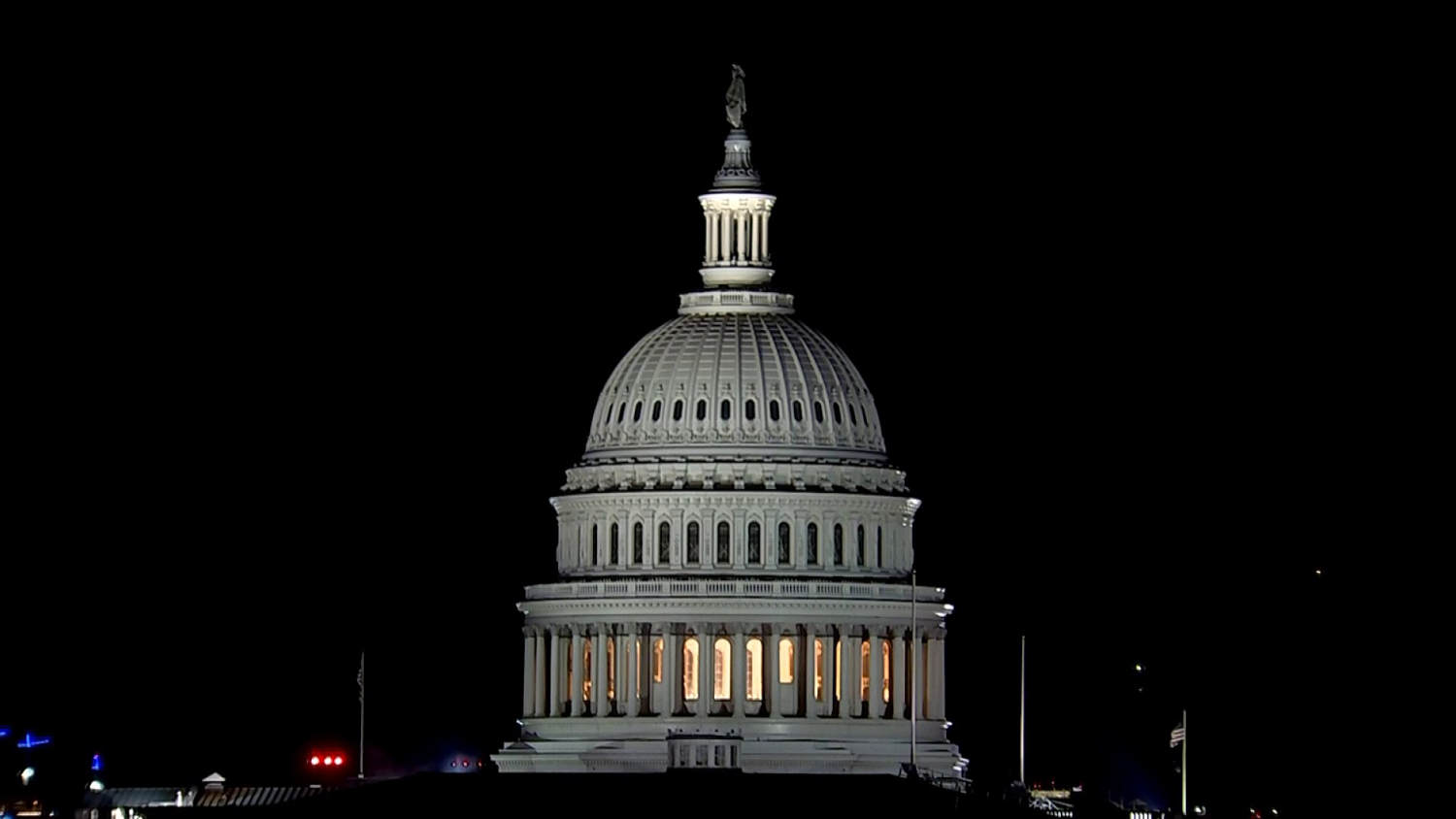
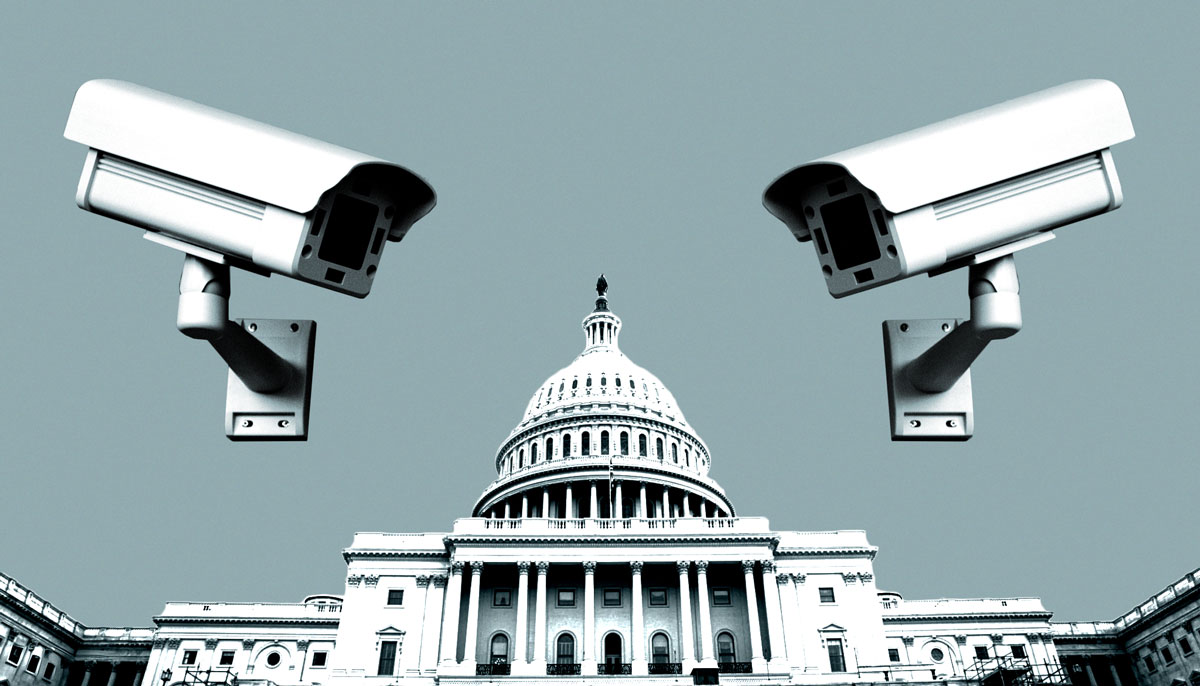
The House passed a two-week extension of Section 702 of the Foreign Intelligence Surveillance Act at 2:09 a.m. on Friday, pushing the program's expiration from April 20 to April 30. The vote came by unanimous consent after a bloc of 20 Republicans defeated procedural votes on longer-term renewals, forcing leadership to pivot to the short-term extension. The program allows the federal government to collect communications of foreigners abroad without a warrant, including when those people interact with Americans.
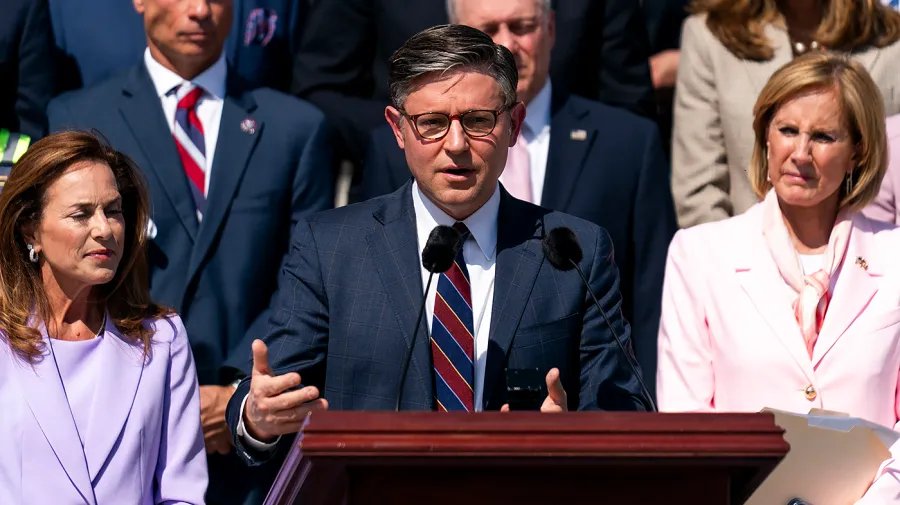
The short-term patch represents a setback for House Speaker Mike Johnson and the White House, both of whom had pushed for a clean long-term extension. Axios reports GOP leadership made an aggressive whip effort to pass the longer measure.
Why Republicans are divided
The Republican split reflects a fundamental disagreement over surveillance powers and privacy protections. Hardline conservatives, including members of the Freedom Caucus, demand warrant requirements and other reforms before extending the law. Freedom Caucus Chairman Andy Harris of Maryland said the government must address "the FISA court's objection to the warrantless searches."
Rep. Chip Roy of Texas articulated the reformers' position: "We want to make sure that there's greater penalties, for example, for government officials who abuse their authority and power." Rep. Keith Self of Texas, who attended a White House meeting on the issue, said plainly: "I don't think the clean extension will pass."
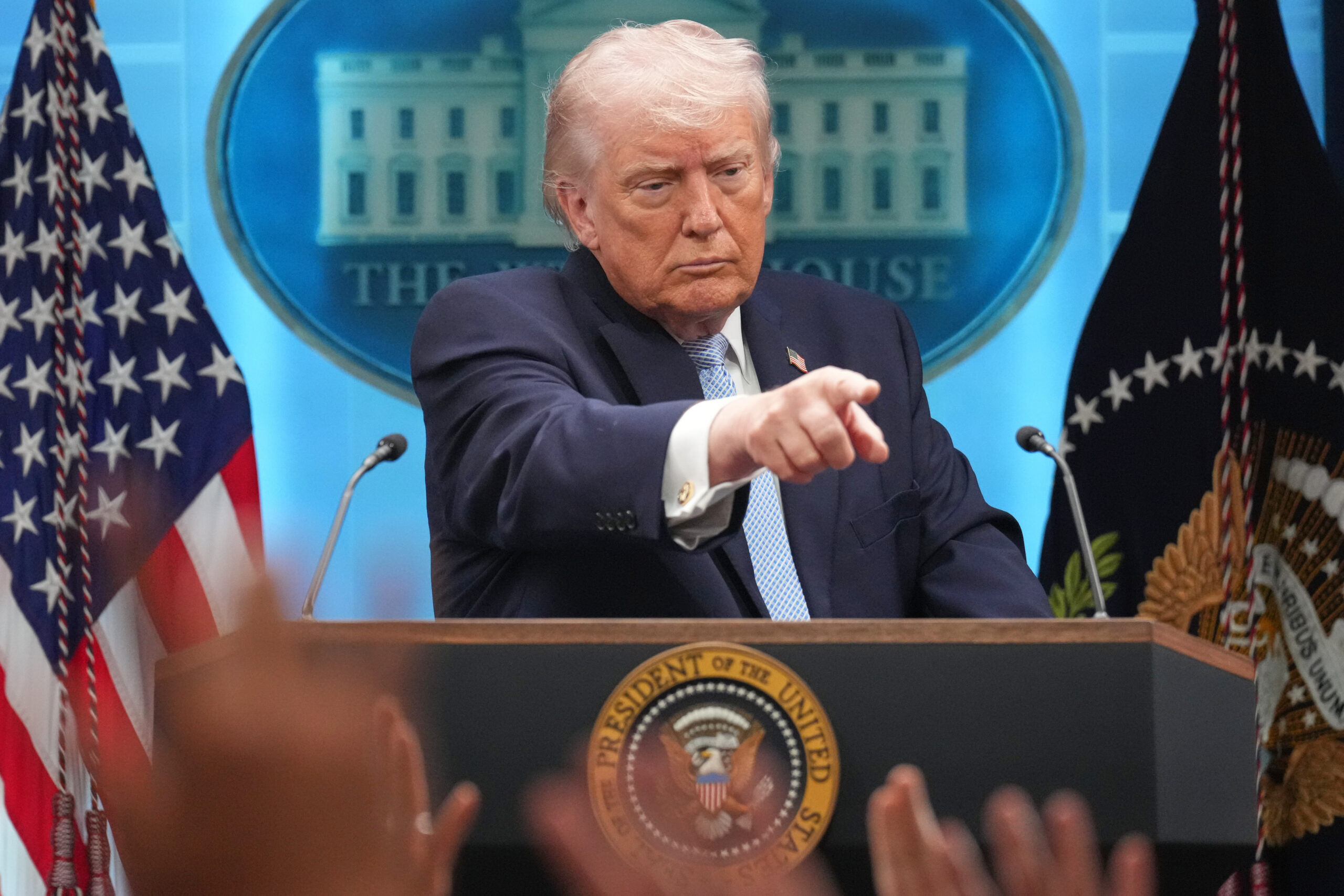
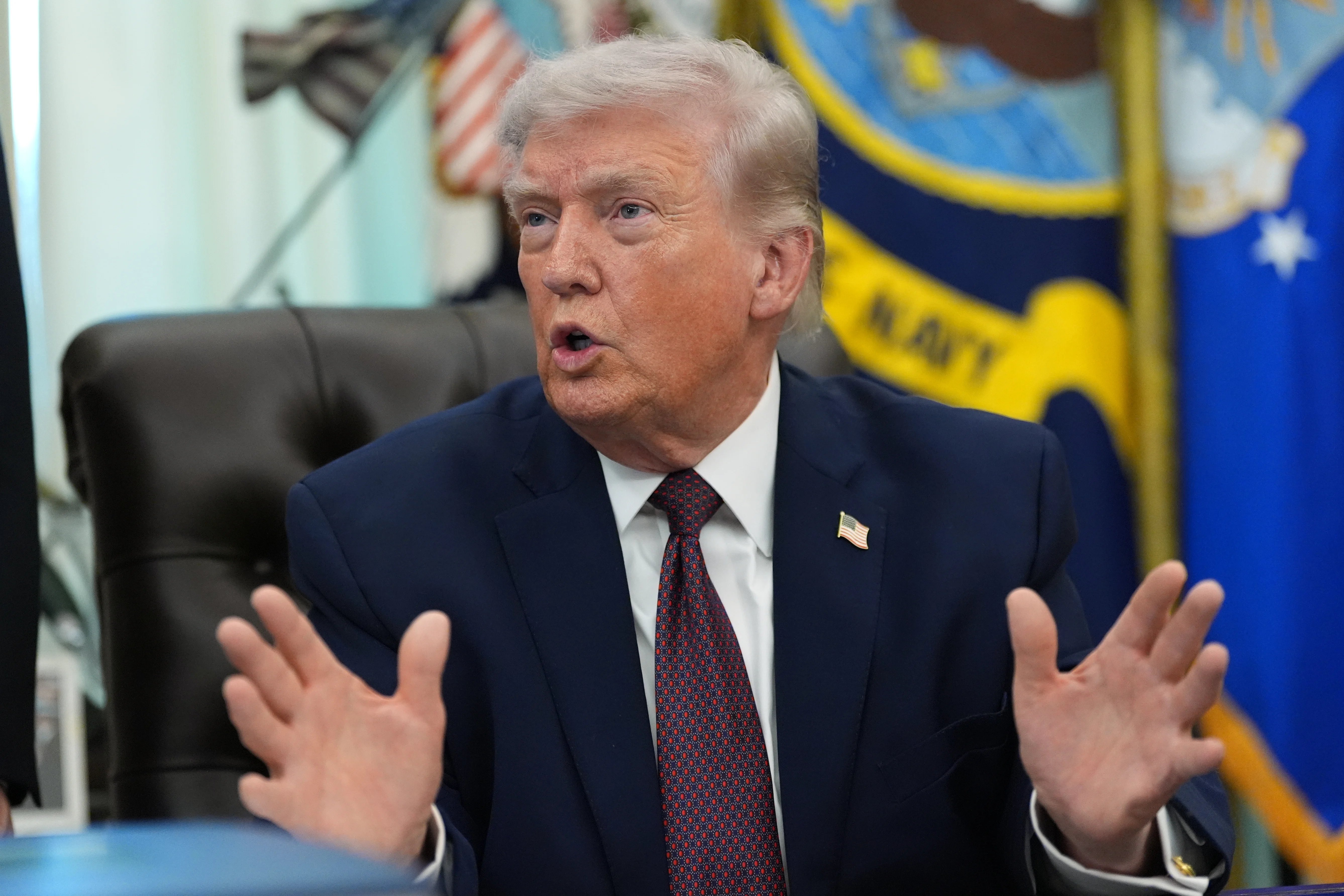
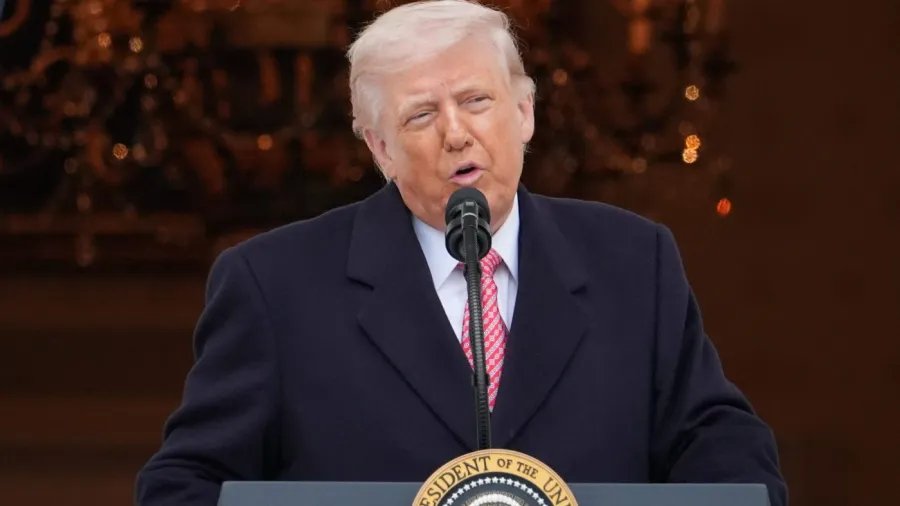
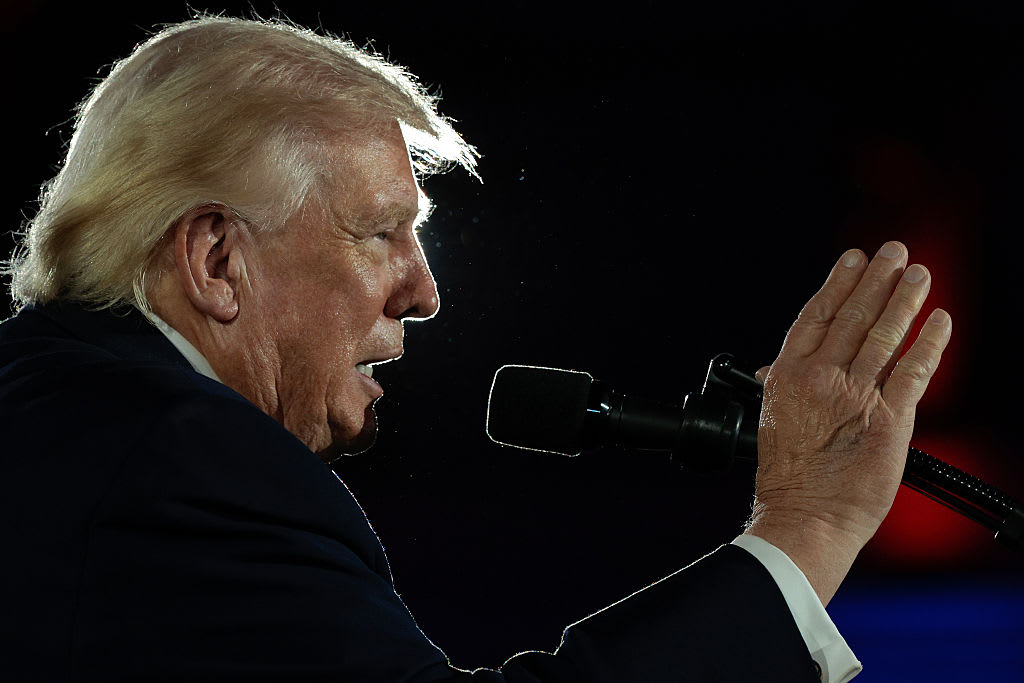
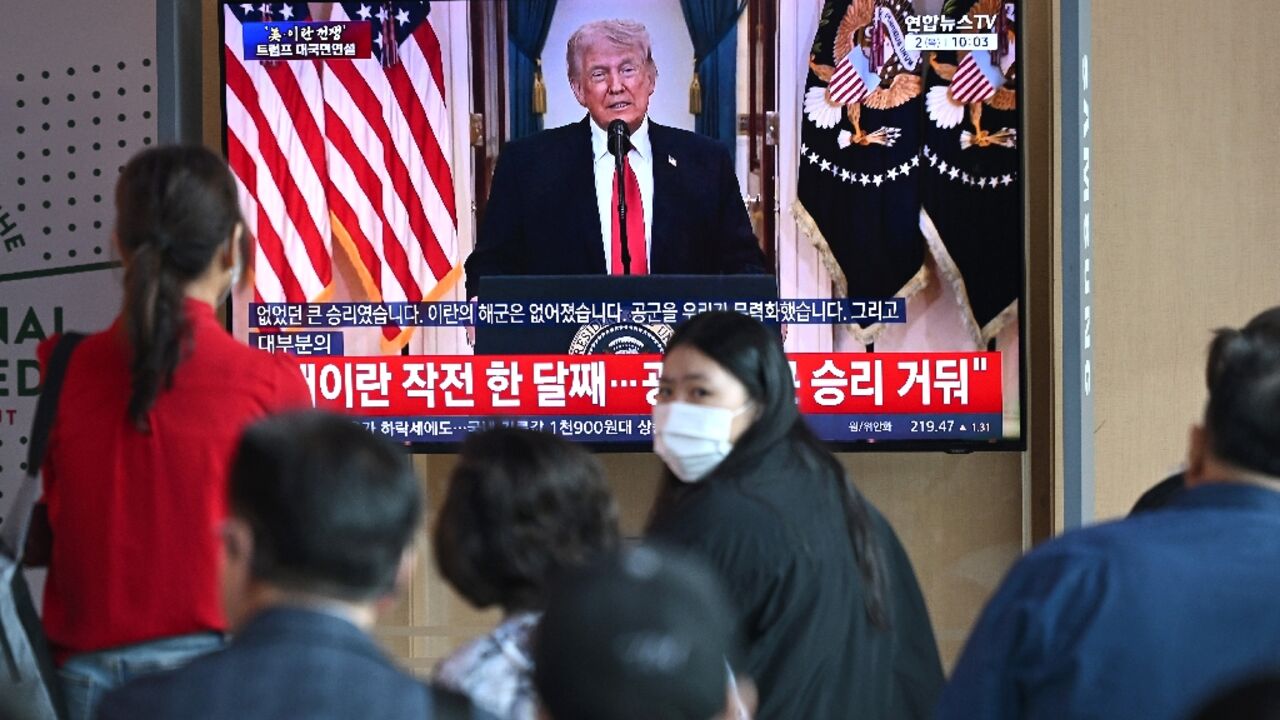
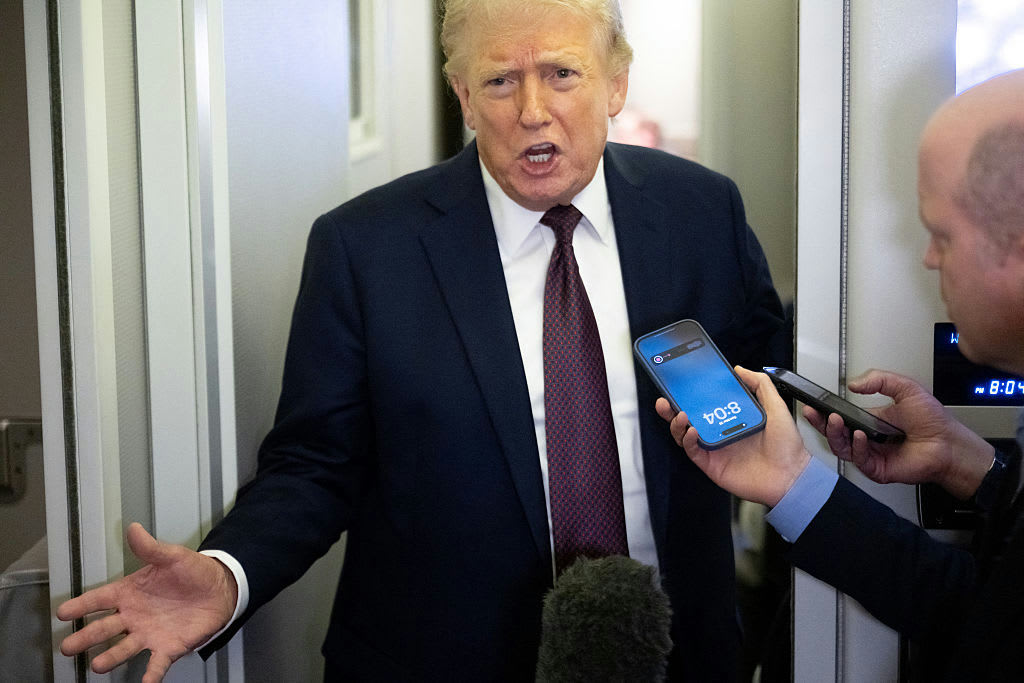
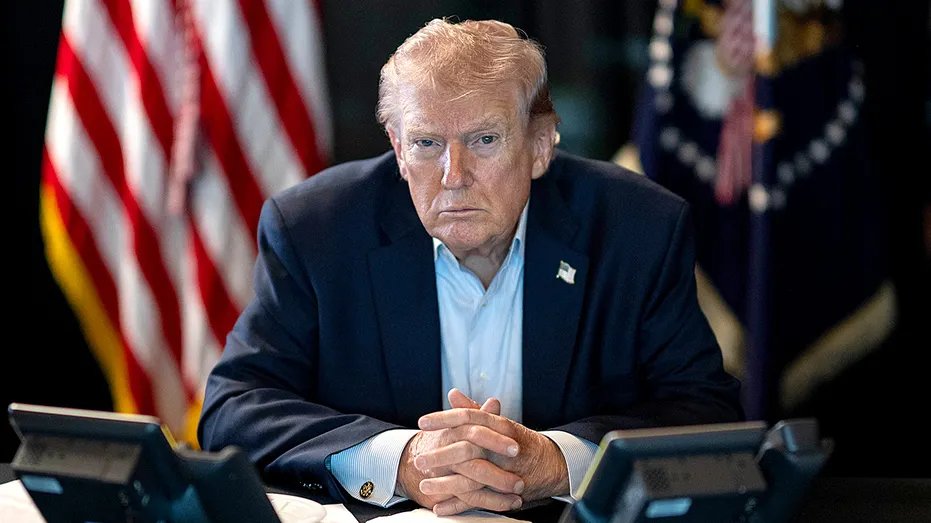
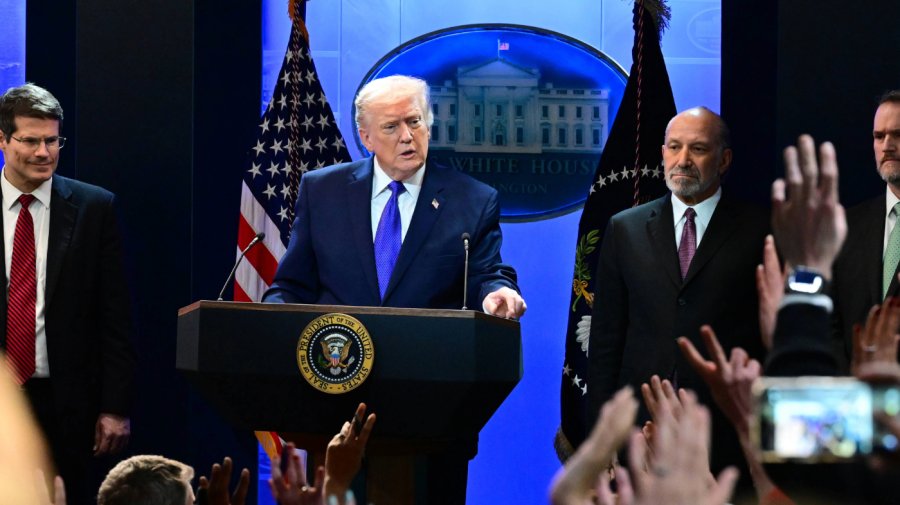
Other Republicans oppose any conditions on renewal. President Trump wrote on social media Wednesday: "I am asking Republicans to UNIFY, and vote together on the test vote to bring a clean Bill to the floor. We need to stick together when this Bill comes before the House Rules Committee today to keep it CLEAN!" Trump argued the program was essential, stating: "Our Military Patriots desperately need FISA 702, and it is one of the reasons we have had such tremendous SUCCESS on the battlefield."
The administration's push
Trump hosted a group of hardline Republicans at the White House on Tuesday night to build support for the measure. CIA Director John Ratcliffe attended a House Republican closed-door conference meeting on Wednesday and advocated for a clean extension, explaining to members how FISA is "used in the real world to stop bad things from happening."
House Majority Leader Steve Scalise said after the meeting that the administration wanted to reauthorize FISA with reforms that had been put in place during the previous reauthorization, but he did not specify what additional changes might be made to satisfy holdouts.
Democratic conditions
House Minority Leader Hakeem Jeffries signaled that Democrats would not automatically support an extension without new privacy protections. Jeffries called the Republican attempt at a five-year extension "unacceptable," indicating Democrats would demand substantive reforms as a condition for their support.
What happens next
The Senate must now consider the two-week extension before the program lapses on April 30. GOP leaders have indicated they intend to use the next two weeks to negotiate a longer-term deal that can satisfy both the administration's demands and the concerns of reform-minded Republicans.