




A mobile surveillance tool reaches American streets
The Department of Homeland Security is distributing facial recognition technology to local police departments across the country, marking a significant expansion of immigration enforcement capabilities into routine policing. The tool, called the ICE Task Force Module, allows officers to scan faces and compare them against more than 250 million government records, including State Department visa records and Transportation Security Administration traveler data. The app then instructs officers whether to detain a person or provides a reference code to obtain additional information from federal immigration agents. Photos captured through the app are stored in a DHS system for 15 years.
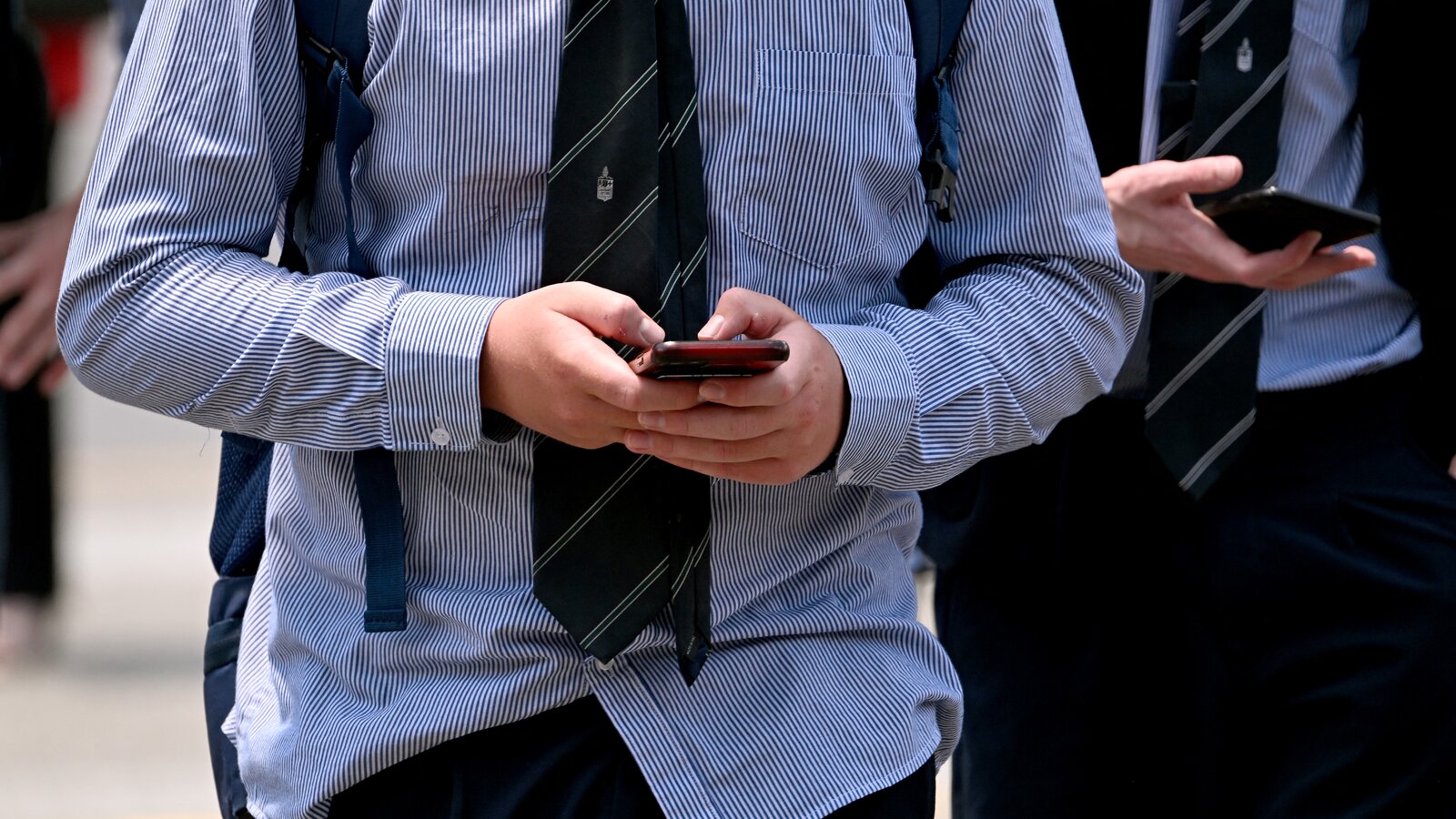
The mobile app launched last September, according to a Department of Homeland Security Privacy Threshold Analysis document first reported this month by the tech news outlet 404 Media. About 1,300 police agencies nationwide participate in the federal 287(g) program's Task Force Model, which gives local officers authority to arrest immigrants on ICE's behalf during routine police duties. DHS declined to provide further details about the app's deployment, but said in a statement that ICE is committed to ensuring local police partners have tools needed to support immigration enforcement efforts.
Privacy experts warn of dragnet surveillance
Clare Garvie, deputy director of the Technology Law and Policy Program at New York University School of Law's Policing Project, said the DHS analysis "raises more questions than I think it answers." A central concern is whether police require suspicion of a crime before deploying the app, or whether they can conduct what amounts to dragnet surveillance by photographing people without cause.
Federal immigration officers have already conducted similar surveillance at the community level. In places like Minnesota and Maine, community members reported that ICE officers photographed their faces and license plates while possessing personal information about them. Homeland Security Secretary Markwayne Mullin acknowledged at a congressional hearing this month that the agency has used facial recognition technology on protesters and identified individuals who appeared at protests in Oregon and outside the Delaney Hall Detention Facility in Newark, New Jersey.
Patrick Eddington, a senior fellow in homeland security and civil liberties at the Cato Institute, warned that scaling this technology magnifies its risks. "This kind of technology, which can impact individual rights, when it's scaled, it can have potentially very, very large effects affecting lots and lots of people," Eddington said. "It's like a Bill of Rights disaster pretty much waiting to happen."
U.S. citizens caught in the system
More troubling, local police conducting immigration enforcement will not know a person's citizenship status before scanning their face. The DHS document itself states: "It is conceivable that a photo taken by an ICE non-federal law enforcement officer using the TFM mobile application could be that of someone other than a removable individual, including U.S. citizens."
Because every photo is retained for 15 years, Eddington said the system creates a long-term government record of both citizens and immigrants. The administration has repeatedly denied maintaining a database of protesters, despite instances where federal agents told community members their photos would be added to a database of "domestic terrorists." Cooper Quintin, a senior staff technologist with the Electronic Frontier Foundation, said allowing police to use this technology represents a fundamental shift in American law enforcement. "It makes this sort of face surveillance ubiquitous on American streets," Quintin said. "This is the new form of 'papers, please.'"
Iran nuclear talks resume after Lebanon ceasefire
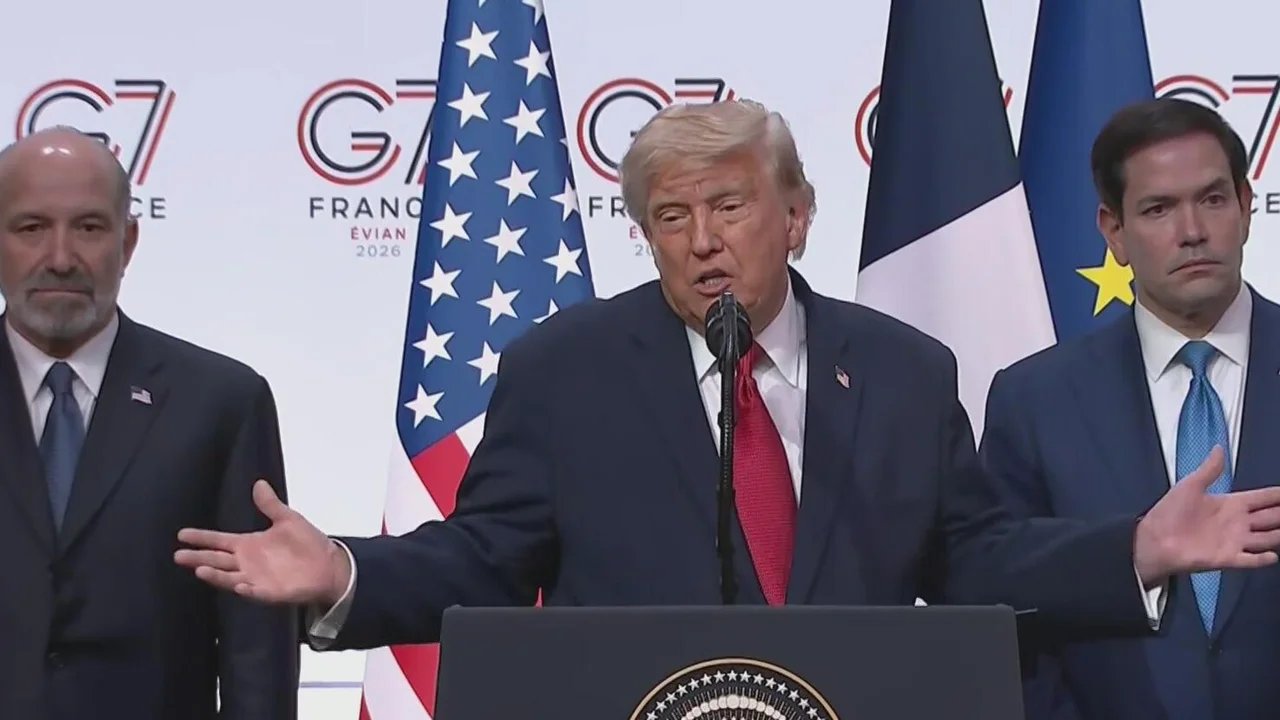
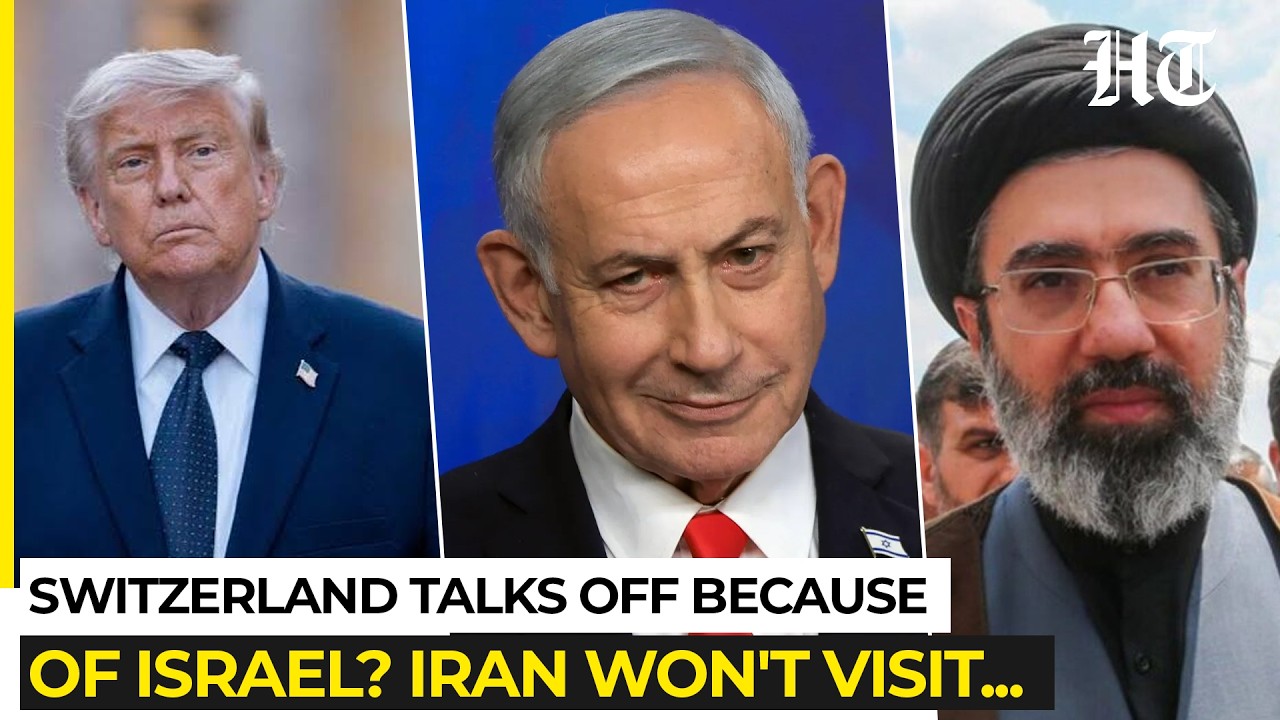
U.S. envoy Steve Witkoff headed to Switzerland to resume nuclear negotiations with Iran after a ceasefire between Israel and Hezbollah reduced regional tensions. Jared Kushner, President Trump's son-in-law, was already in Switzerland when Witkoff arrived. Iranian Foreign Minister Abbas Araqchi planned to travel there on Saturday.
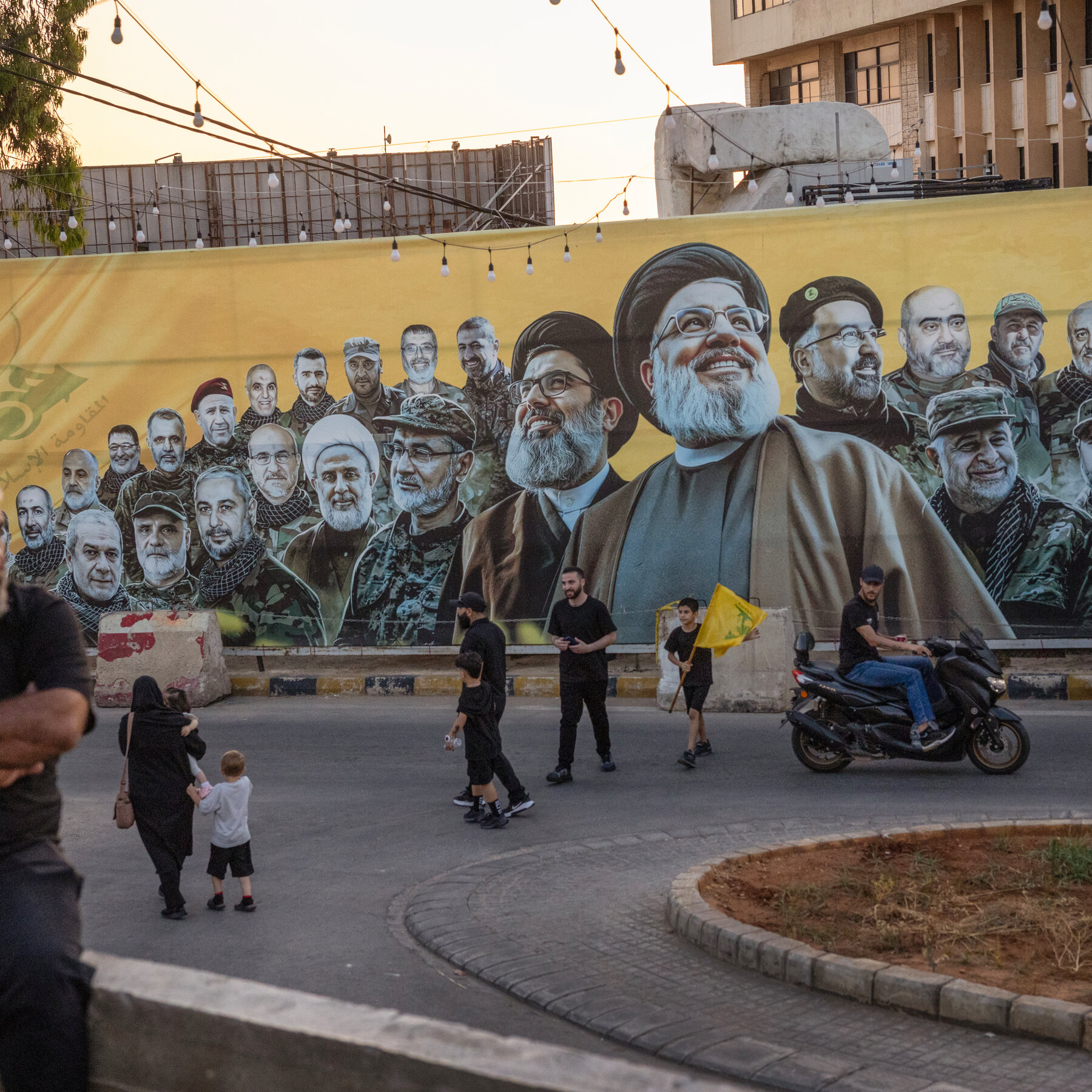
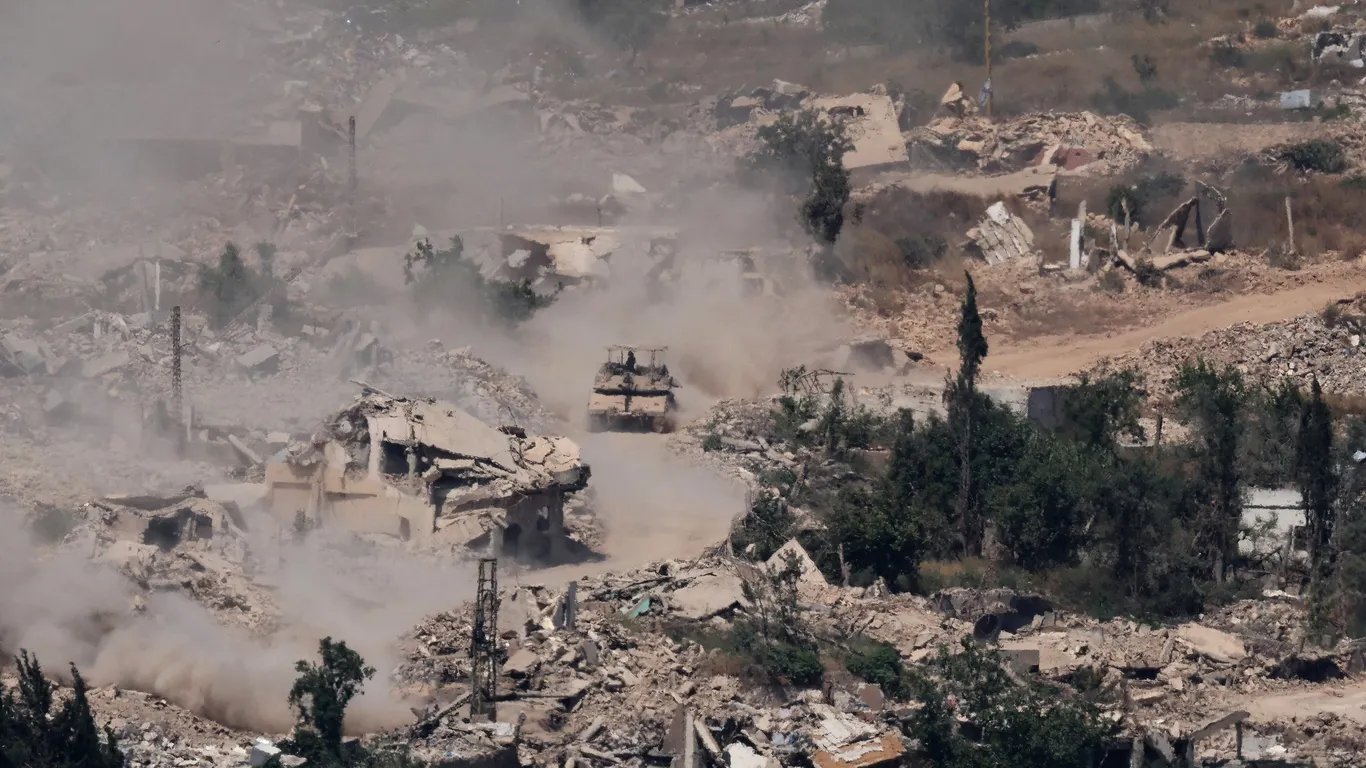
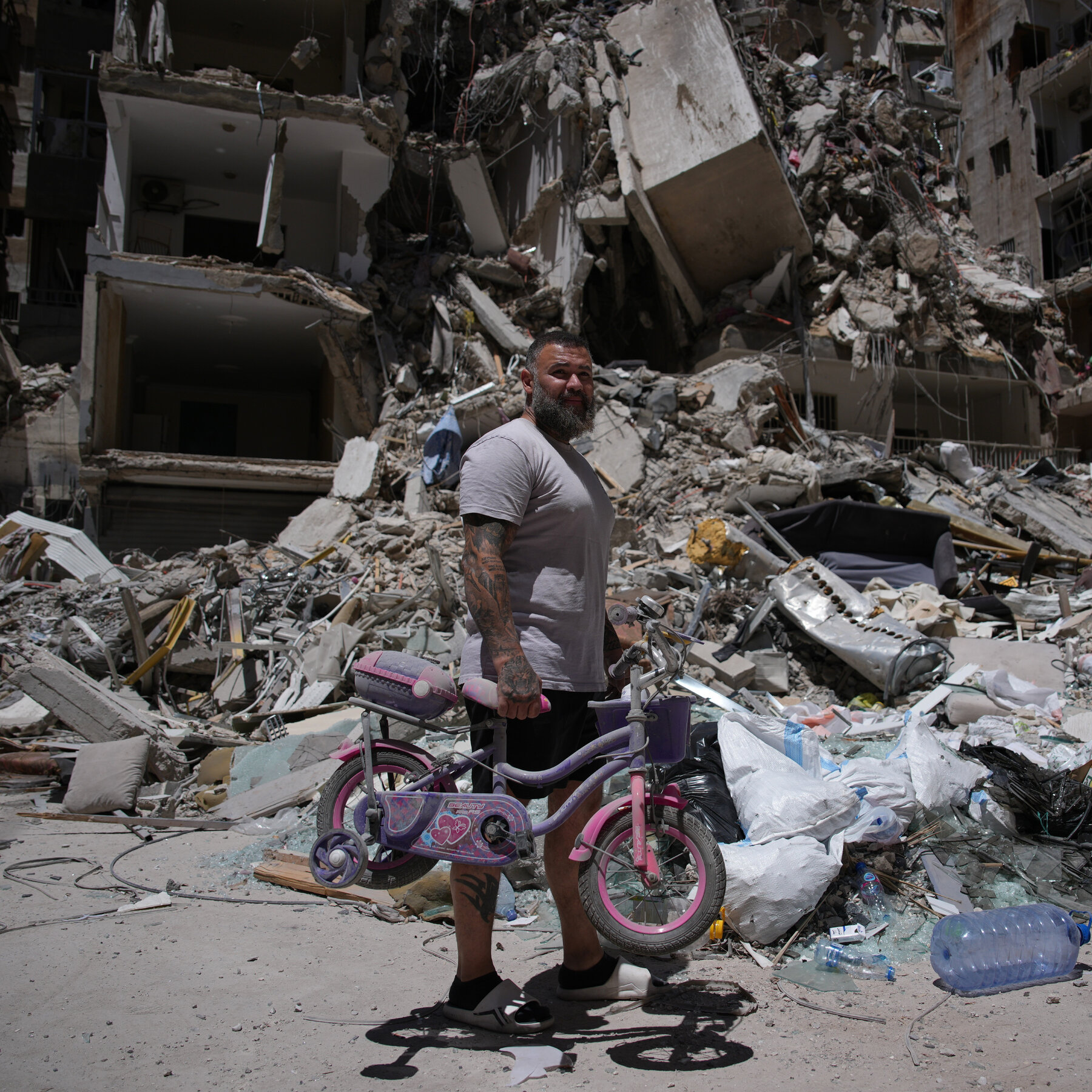
Vice President J.D. Vance canceled his planned trip to Switzerland on Thursday night. The talks had been postponed due to escalating fighting between Israel and Hezbollah, a militant group backed by Iran. According to sources from mediating countries, Iranian officials told their counterparts that the Lebanon ceasefire was a critical issue and "make or break" for the negotiations. Iranian officials stressed they wanted to see the ceasefire take hold before traveling to Switzerland.
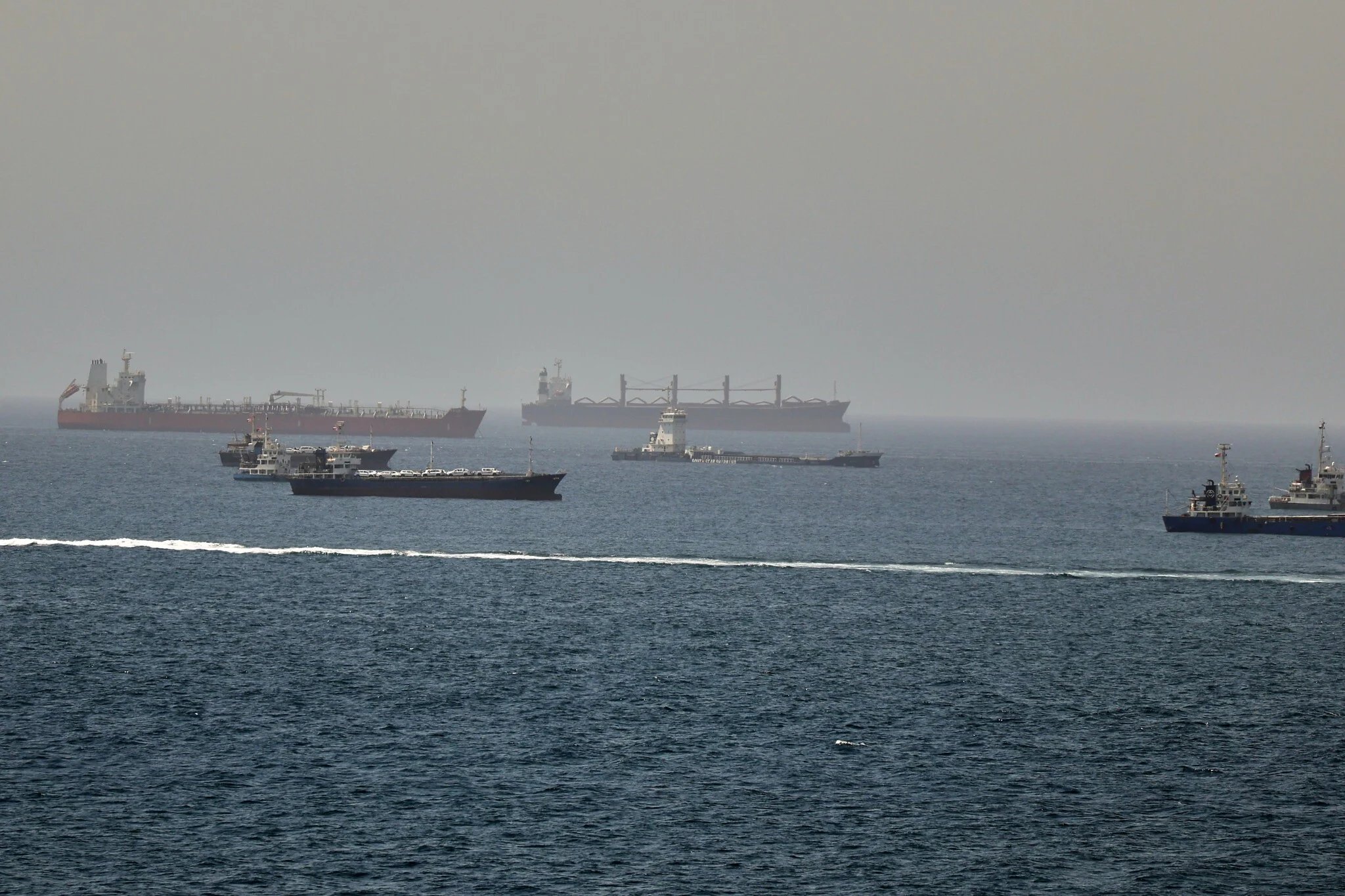
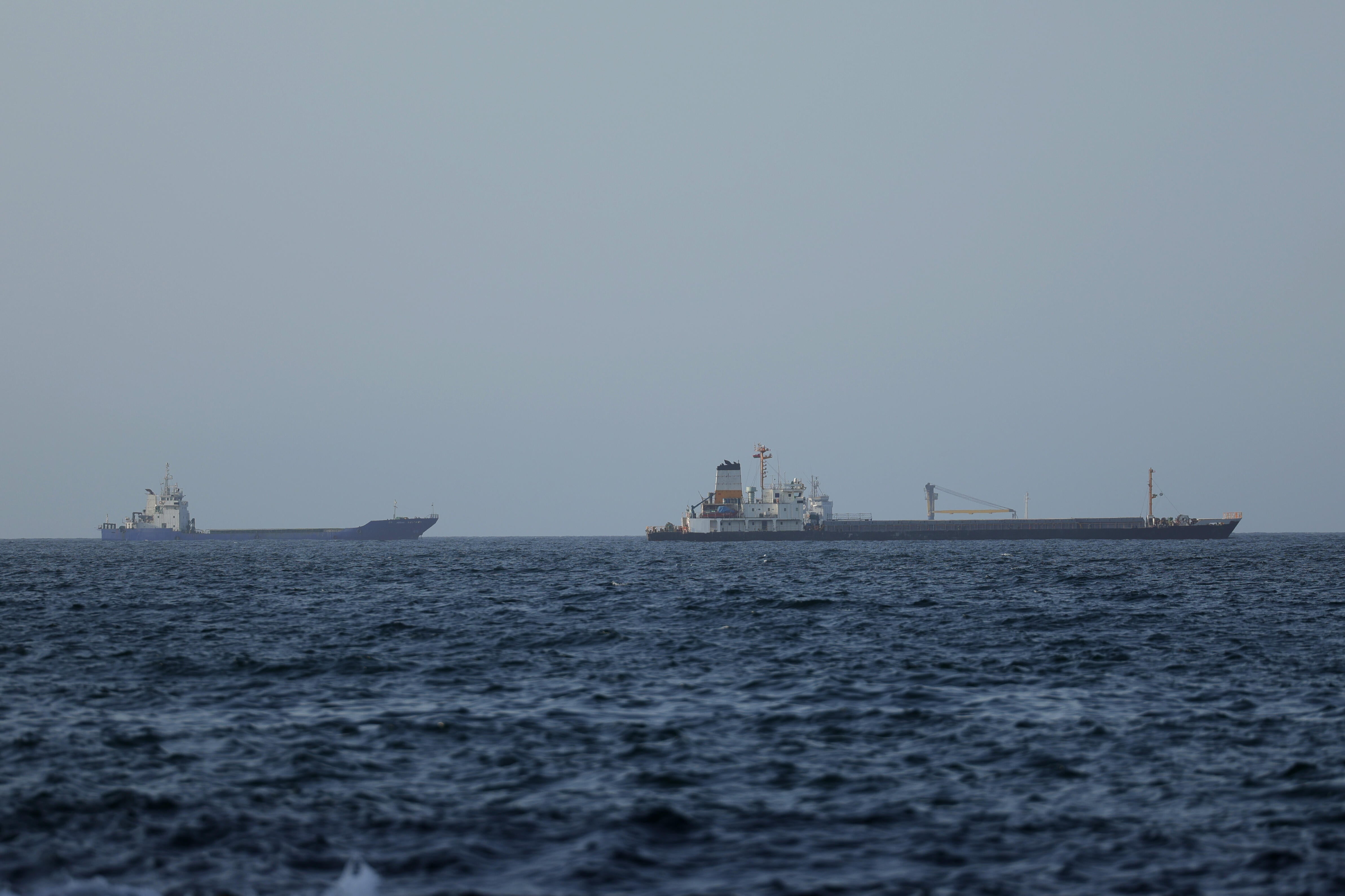
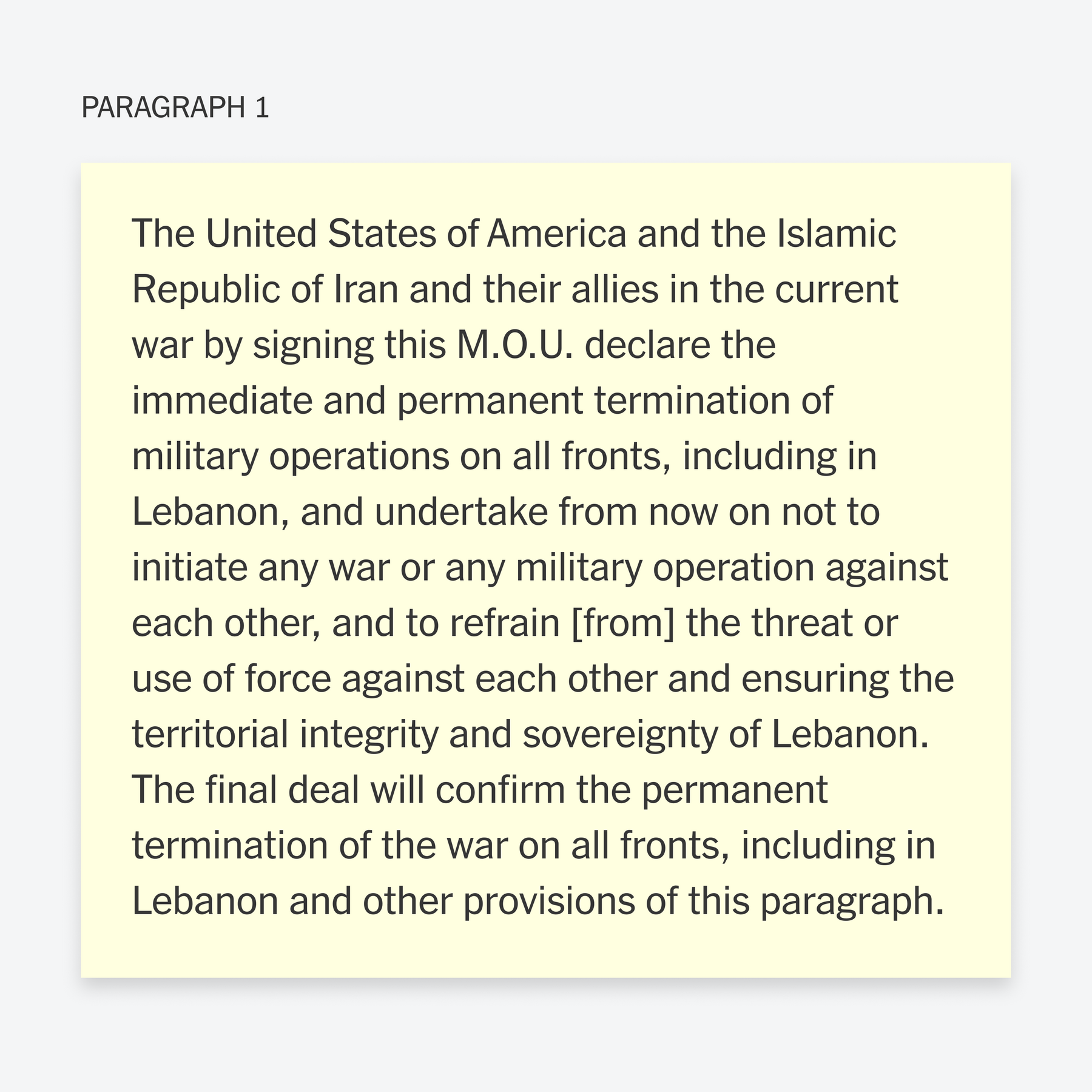
The talks follow a 14-point memorandum of understanding signed this week that halted fighting and opened a 60-day window to resolve disputes over Iran's nuclear program and other issues. The agreement is critical to reopening the Strait of Hormuz and stabilizing oil supplies. With the ceasefire now in place, both sides appear prepared to begin technical negotiations aimed at securing a permanent regional agreement.