




A Razor-Thin Mandate for Hard-Right Security Policies
Abelardo de la Espriella, a 47-year-old lawyer with no prior political experience, narrowly won Colombia's presidential runoff on Sunday with 49.66 percent of the vote, defeating left-wing Senator Iván Cepeda's 48.70 percent. The victory marks a dramatic shift toward security-focused policies after years of negotiation-based approaches to the country's armed conflict. De la Espriella's slender margin—less than one percentage point with 99.99 percent of votes counted—immediately sparked violent protests in the country's third-largest city, Cali, where demonstrators burned US flags and police deployed tear gas to disperse crowds angry at the result.
De la Espriella promised supporters gathered in Barranquilla that "today begins a new stage for our country, a stage built on the free and democratic will of millions of citizens." Speaking from behind bulletproof glass, he vowed to wage war on drug trafficking and illegal armed groups, pledging to scrap ongoing peace negotiations and instead introduce military crackdowns. He has also proposed building mega-prisons in Colombia's jungle and shrinking the state while reforming the health system.
Cepeda Refuses to Concede Pending Official Count
Cepeda has not conceded defeat, stating that the preliminary count was "not yet official or binding" and that he would recognize results only after official canvassing and verification procedures. Outgoing President Gustavo Petro, who backed Cepeda, went further, posting on social media that "neither can be proclaimed president" and demanding an audit of voting software. Petro alleged that some polling stations were "compromised," though he provided no evidence. He also appealed for public calm, noting that "our country is split down the middle."
The verification process showed little difference to initial counting in the first round of voting on May 31, according to Reuters reporting. De la Espriella's supporters celebrated with displays of Colombian flags and yellow football jerseys, while some wore hats reading "Make Colombia Great Again," echoing Trump's campaign messaging.
Washington Moves Quickly to Strengthen Ties
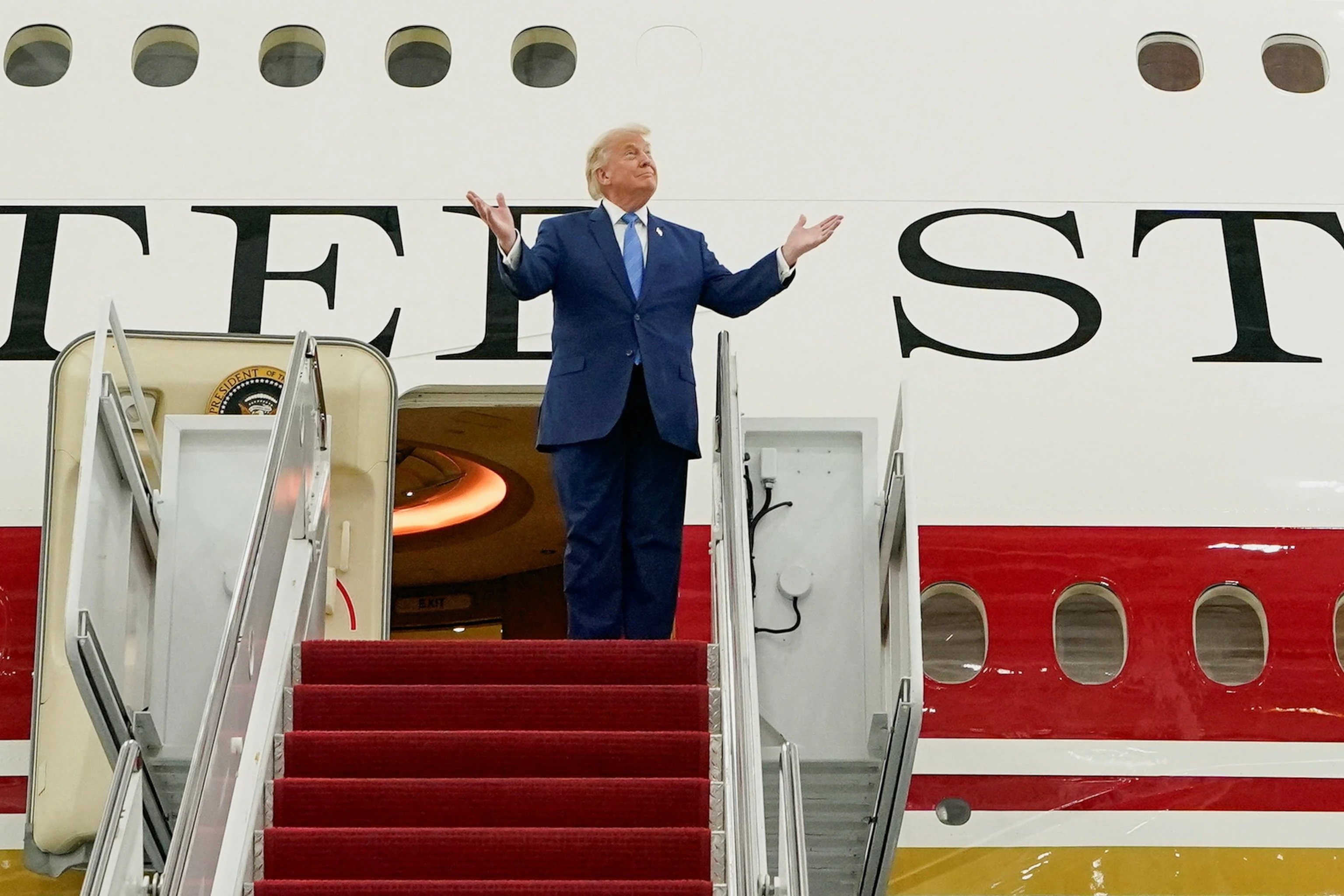
Donald Trump responded to the result by writing on Truth Social, "He Won, BIG!" De la Espriella said he received a congratulatory call from Trump, who expressed support for the victory. US Secretary of State Marco Rubio called de la Espriella to congratulate him, stating that the Trump Administration looked forward to "working closely with your incoming administration to advance regional security cooperation, end illegal immigration to the United States, and strengthen our economic ties."
De la Espriella became a US citizen in 2023 after living and working in Miami for many years. He has been endorsed by Trump, who said the candidate would "stop illegal immigration, crack down on crime and drugs, and restore LAW AND ORDER." Before the election, Trump added that de la Espriella would have the "total support and strength of the United States behind him."
Investor Concerns Temper Market Rally
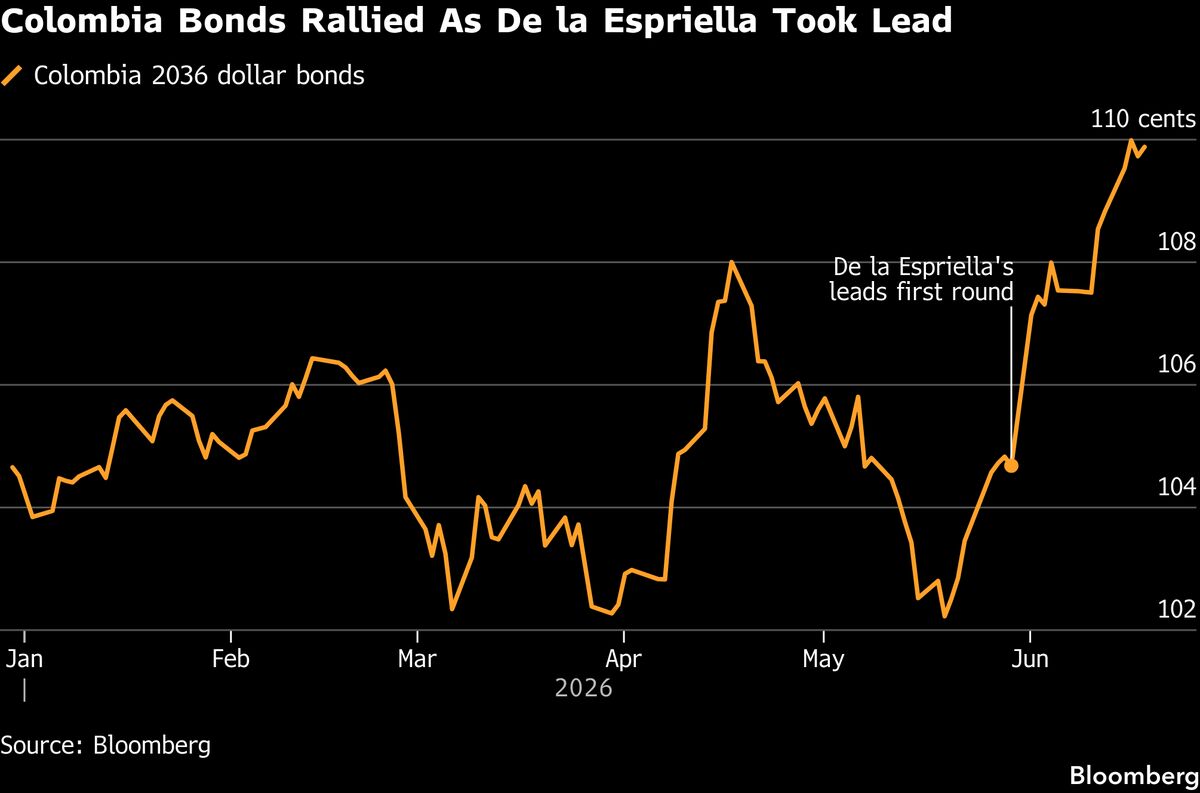
The stock market initially rallied on de la Espriella's win but the gains faded within hours as investors worried that the tightest presidential election in the nation's history would limit his mandate to implement market-friendly policies. The narrow victory means de la Espriella will govern a deeply divided nation where supporters of Cepeda remain skeptical of the outcome.
Catalina La Grande, a student and activist who supported Cepeda, told the BBC that "such a narrow margin also worries us, because it reflects how divided the country is and the enormous challenges we face in defending democracy, peace, and people's rights." De la Espriella pledged to govern for all Colombians, saying "I'm going to govern for all Colombians. For those who voted for me, and for those who chose the other candidate."
Regional Shift Toward Right-Wing Security Approaches
De la Espriella's victory extends a broader rightward movement across Latin America driven by security concerns. Argentina's President Javier Milei praised Colombians for choosing "economic freedom, prosperity, unwavering security," while Chile's José Antonio Kast said "a new stage of freedom begins for Colombia that will allow them to recover security and prosperity." De la Espriella has drawn comparisons to El Salvador's President Nayib Bukele for his security policies and campaign style.
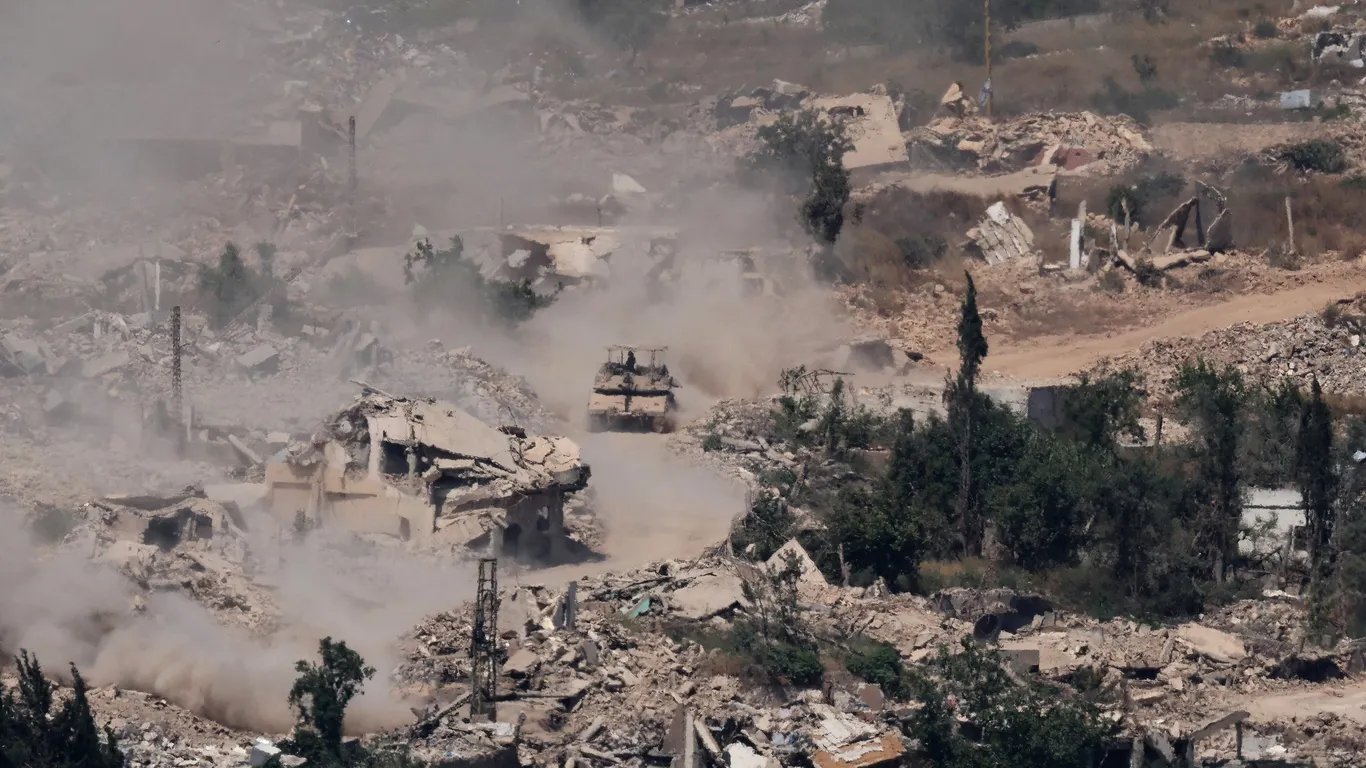
Colombia's internal armed conflict has escalated in recent years, with membership in armed groups including FARC dissidents, the ELN, and the Clan del Golfo doubling in the last five years. Cocaine production in the world's largest producer hit a record high, and authorities recorded 14,780 homicides in 2025, the most since at least 2015. Critics of outgoing President Petro's "total peace" strategy argue that prioritizing negotiation with armed groups allowed them to expand their influence and territories during ceasefires.