





Fuel Sales Halted Amid Attacks
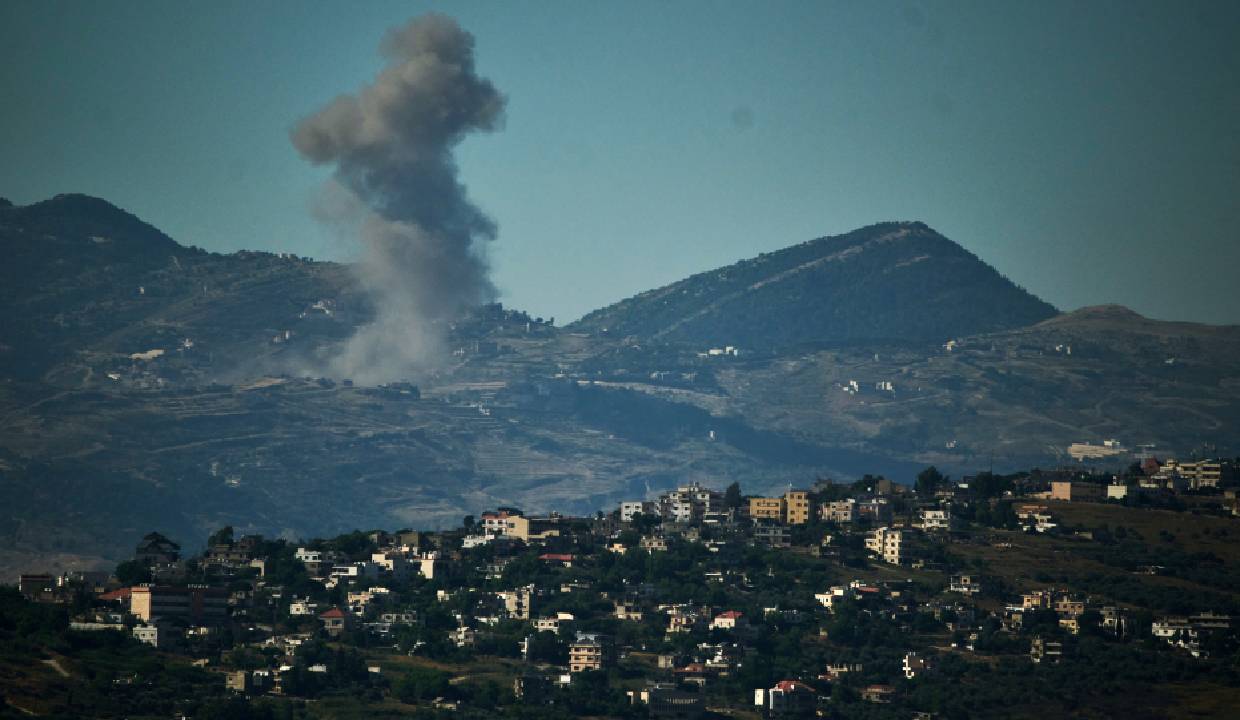
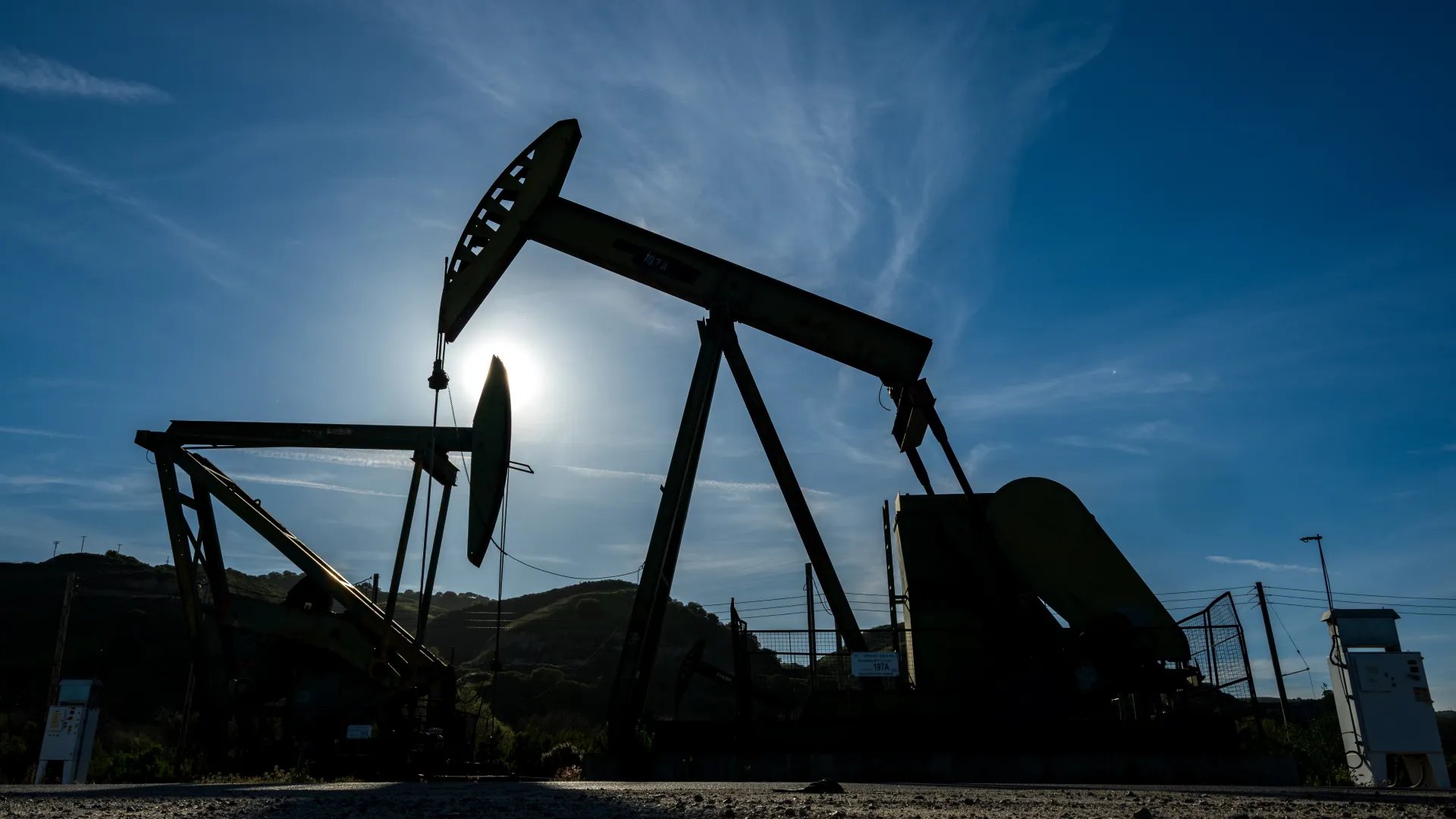
Officials in Russian-occupied Crimea announced the suspension of all civilian gasoline sales as Ukrainian forces intensified drone strikes targeting fuel supplies on the peninsula. Governor Sergey Aksyonov announced that fuel would only be available to government agencies ensuring Crimea's functioning and security. He urged residents to remain calm and trust only official information sources. This decision follows overnight attacks that resulted in four deaths and 28 injuries, according to Aksyonov, who did not initially specify the target.
Rationing and Shortages
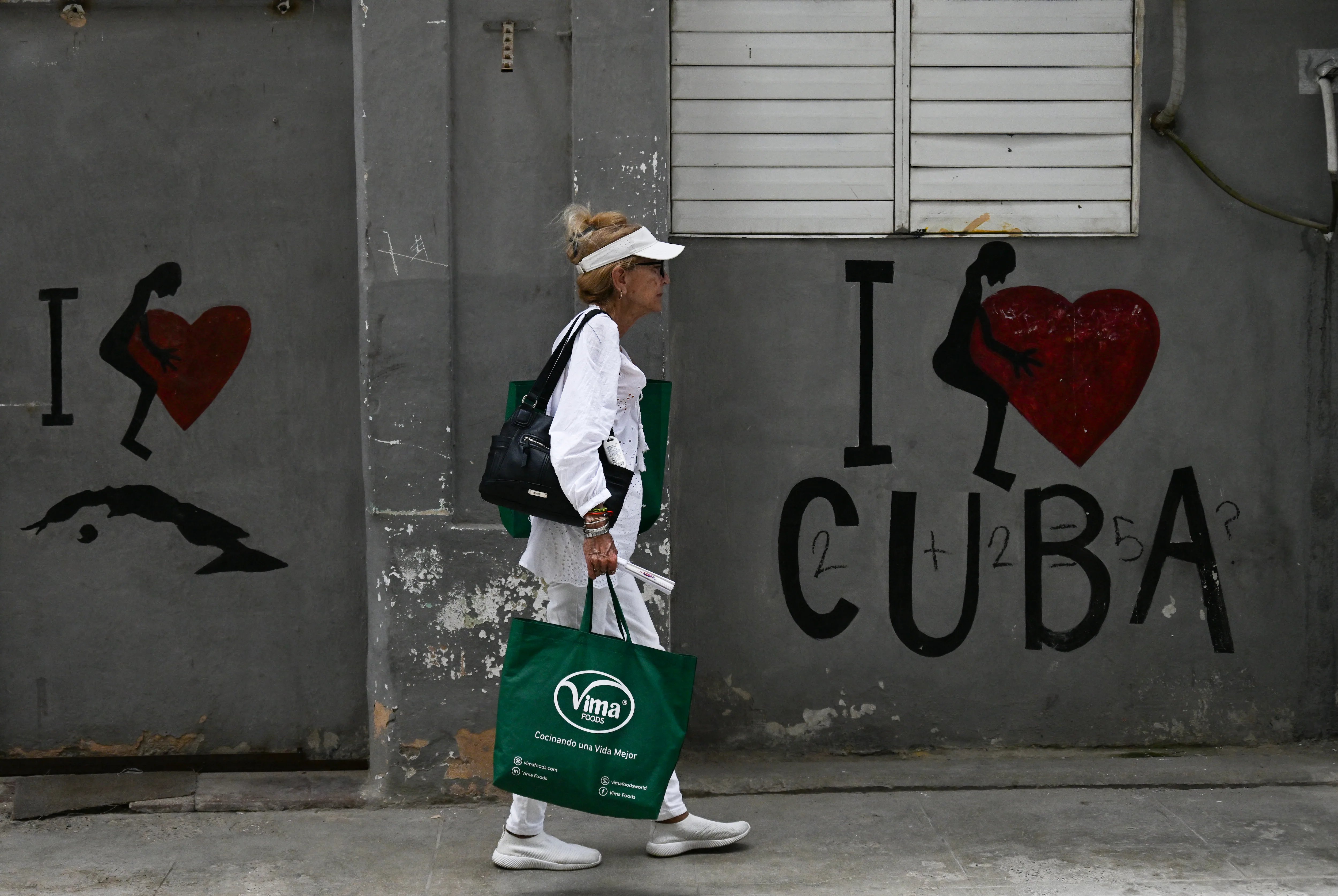
The situation marks a significant escalation, as fuel had already been rationed in Crimea due to previous attacks on supply routes. Since the end of May, individuals could purchase a maximum of 20 liters (5 1/3 gallons) per week using prepaid coupons. When coupons were released on an official messaging app, they were snapped up immediately, and motorists lined up for hours to refuel. With the latest restrictions, motorists are left scrambling for alternatives, while some resort to bringing gasoline from Russia's Krasnodar region, facing limits on how much they can transport.
Ukrainian Offensive Targets Energy Infrastructure
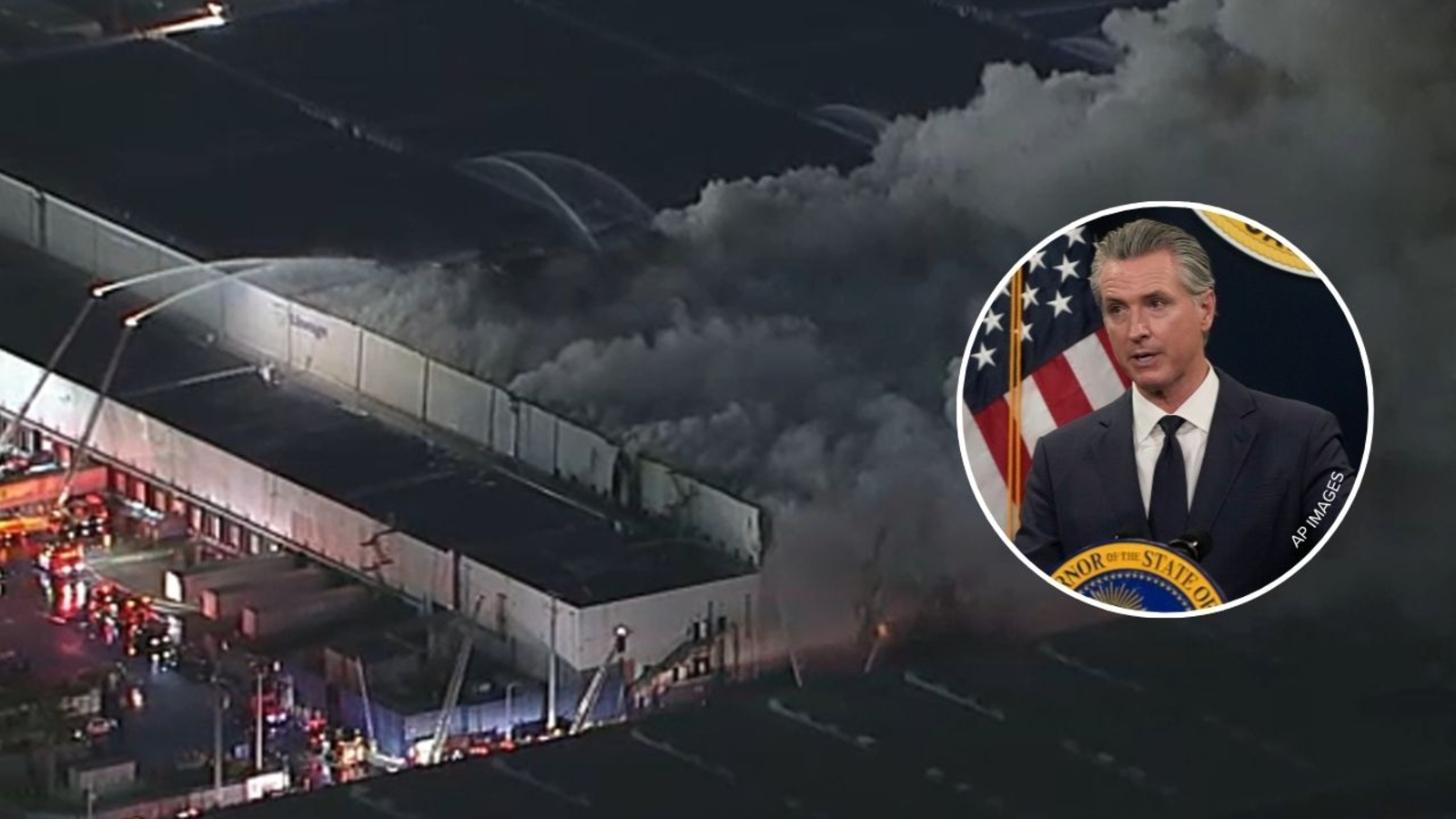
Ukrainian President Volodymyr Zelenskyy characterized the drone strikes as part of a strategic effort to undermine Russia's energy capabilities. He confirmed that attacks targeted both an oil depot in Crimea and a logistics facility in Krasnodar, emphasizing the need for a strong response to Russian aggression. "Russia understands only strength, and our long-range strength is certainly working for peace," Zelenskyy stated, underscoring the ongoing conflict and its implications for energy supply.
Social Media Reaction and Public Sentiment
Social media platforms have been flooded with posts from residents seeking information on fuel availability, while authorities have set up hotlines for stranded tourists. Speculators have begun selling gasoline at inflated prices, exacerbating the crisis for those dependent on fuel for daily activities. The local population now confronts the worst fuel shortage since Russia's 2014 annexation of Crimea.
Broader Implications of the Conflict
The suspension of gasoline sales in Crimea reflects the broader impact of the ongoing conflict, which has seen both sides ramping up military actions. As Ukraine continues its offensive against Russian supply lines, the Kremlin has acknowledged the severity of the fuel shortages, promising to address the issue. However, the situation remains precarious, as the Ukrainian military's ability to strike deep within Russian-controlled territory raises the stakes for civilians caught in the crossfire.
Looking Ahead
With the conflict showing no signs of abating, the fuel crisis in Crimea serves as a stark reminder of the war's far-reaching consequences. Residents are left to navigate a challenging landscape marked by uncertainty, limited resources, and a heightened military presence.

















For example, the sources report that at the end of May, authorities restricted the sale of gas to 20 liters (5 1/3 gallons) per vehicle owner per week, using prepaid coupons.