




Breakthrough on Inspectors
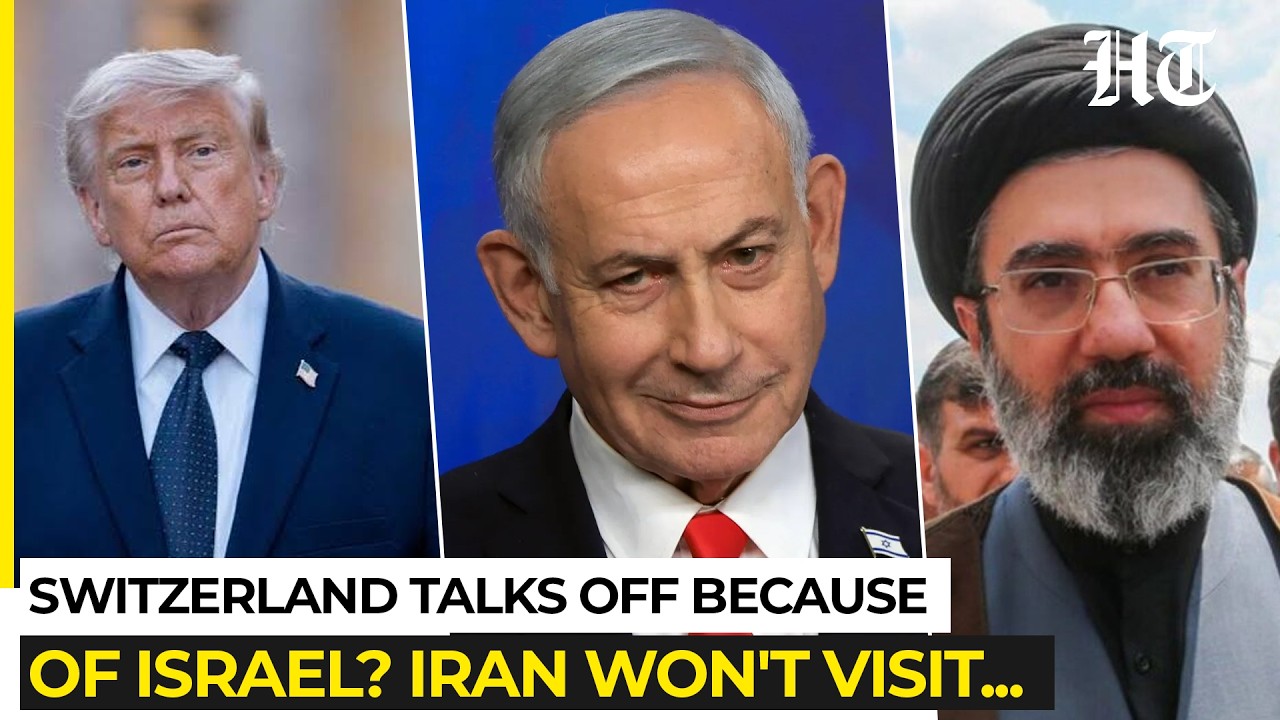
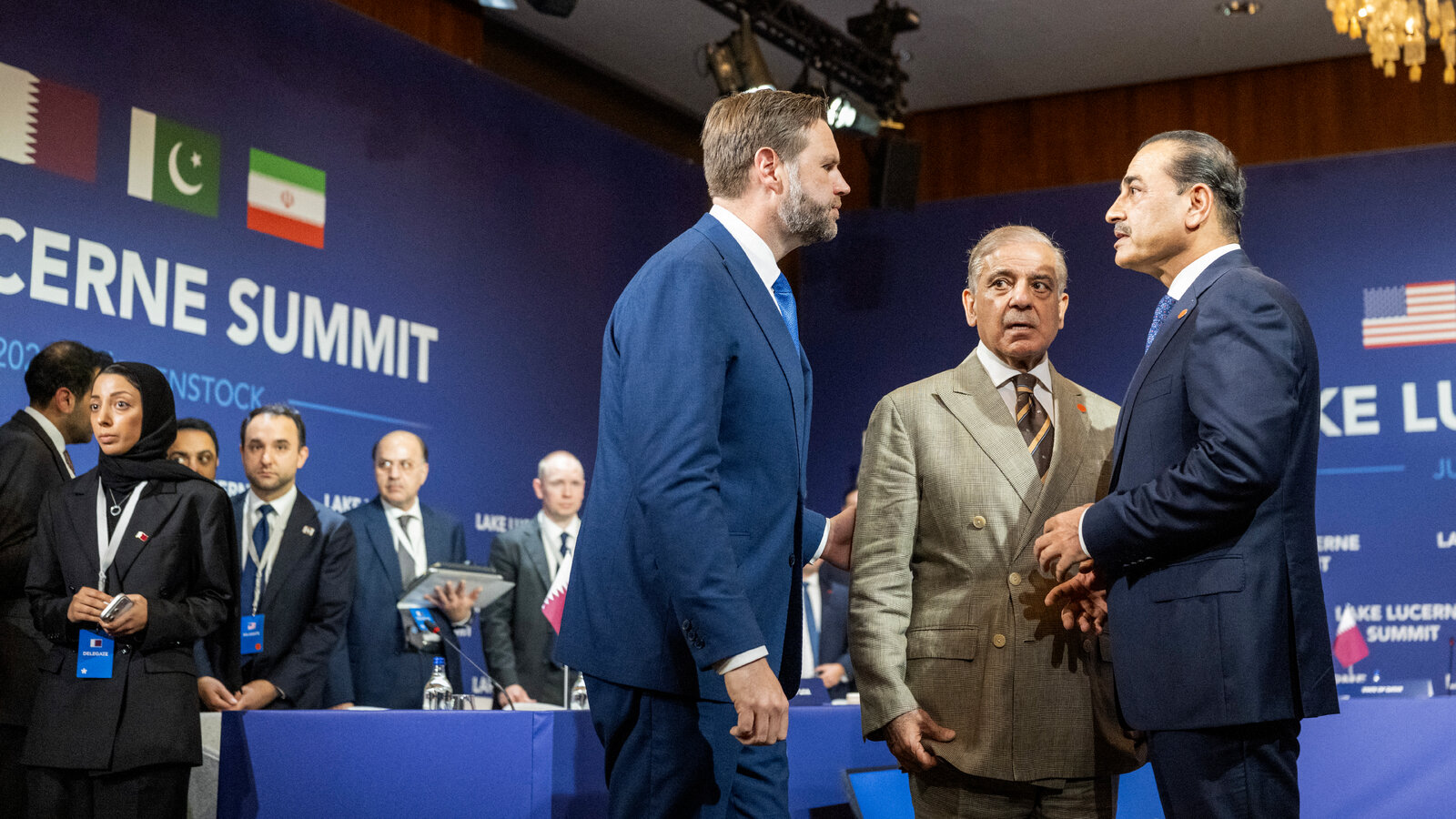
Vice President JD Vance announced Monday that Iran has agreed to allow inspectors from the International Atomic Energy Agency back into the country, marking what he called "a major milestone for the American people and the first step in permanently ending a nuclear weapons program in Iran." Vance said he expected discussions with IAEA officials to begin "as soon as today" and at minimum within the week. The agreement came after 18 hours of negotiations that stretched from Sunday morning at the Bürgenstock Resort in Switzerland until 3 a.m. Monday, according to Iran's Foreign Ministry spokesman Esmaeil Baghaei.
The IAEA had suspended inspections in Iran after the country restricted access to nuclear sites bombed by U.S. and Israeli forces during the 12-day war in June 2025. The last inspections took place before that conflict began. Vance described Sunday's talks as "a very, very good day" where the U.S. delegation "did exactly what we wanted to do."
Iran's Foreign Ministry downplayed the nuclear agreement, with Baghaei telling the official IRNA news agency that only "a very brief discussion took place regarding the nuclear issue" and that Iran had not accepted "any new commitments." The ministry said detailed nuclear negotiations have not yet begun and will only proceed once other elements of the broader agreement are finalized.
Oil Sales and Frozen Assets
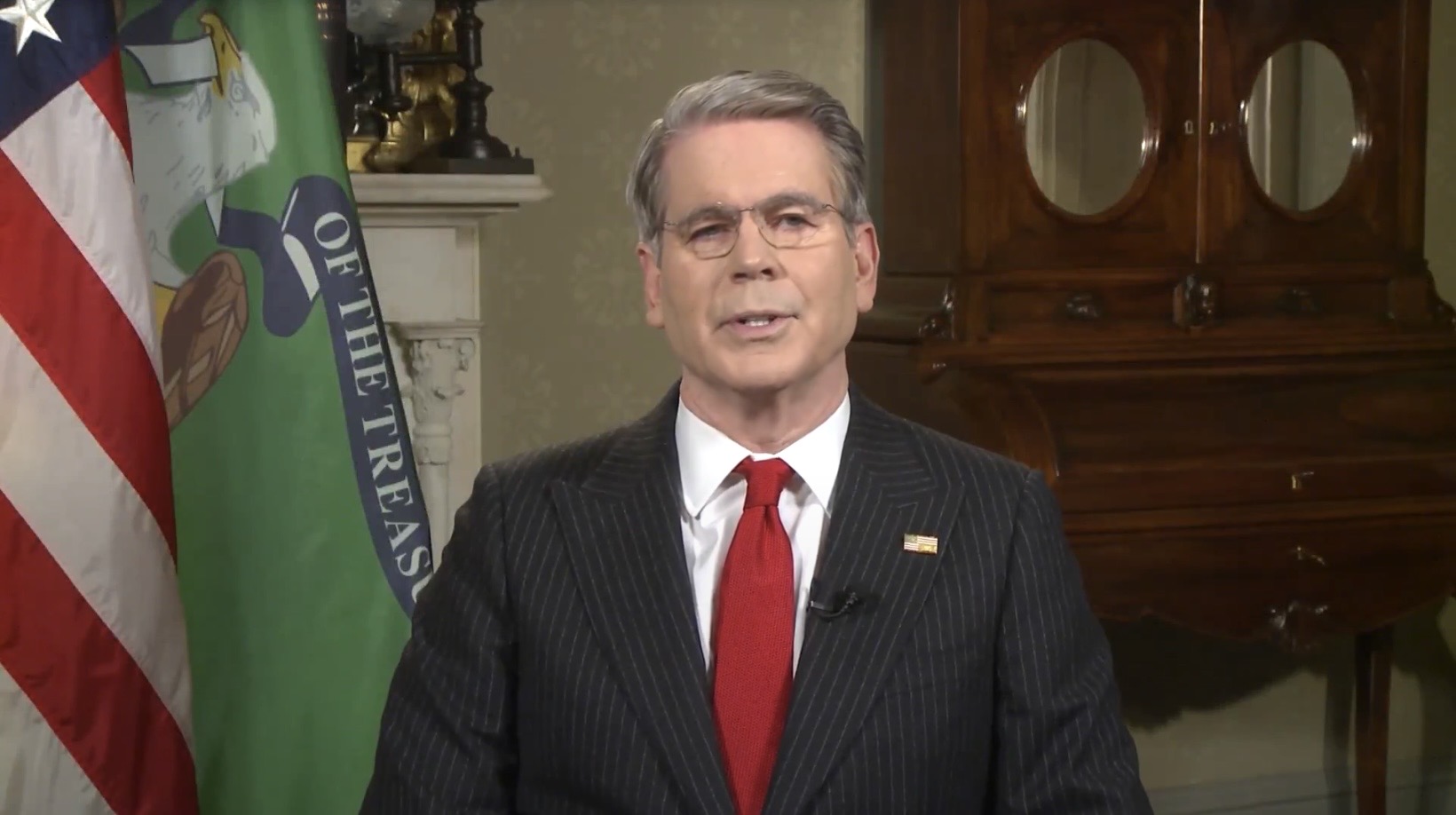
The U.S. Treasury issued a 60-day waiver on Monday authorizing Iran to produce, deliver and sell crude oil, petrochemical products and petroleum products. Treasury Secretary Scott Bessent said the action aligned with "ongoing productive talks" and Iran's commitment to free transit through the Strait of Hormuz and IAEA inspections. The waiver extends through August 21, matching the timeline of a roadmap both sides agreed to for reaching a final deal within 60 days.
Vance said the U.S. and Qatar had devised a mechanism to ensure any unfrozen Iranian assets would not finance terrorism. He described it as "a classic Trump deal" in which released funds could be used to purchase American agricultural products like corn, soybeans and wheat to feed the Iranian people. The Wall Street Journal reported that $6 billion in Iranian assets held in Qatar would likely be among the first funds released under such an arrangement, with those assets already subject to a U.S. Treasury mechanism from the Biden administration ensuring humanitarian use only.
Iran's Central Bank Governor Abdolnaser Hemmati told the semi-official Tasnim news agency that "significant progress" had been made on releasing Tehran's frozen financial assets, saying "God willing, in the coming days, access to the resources will gradually be operationalized under certain conditions."
Strait of Hormuz and Regional Security
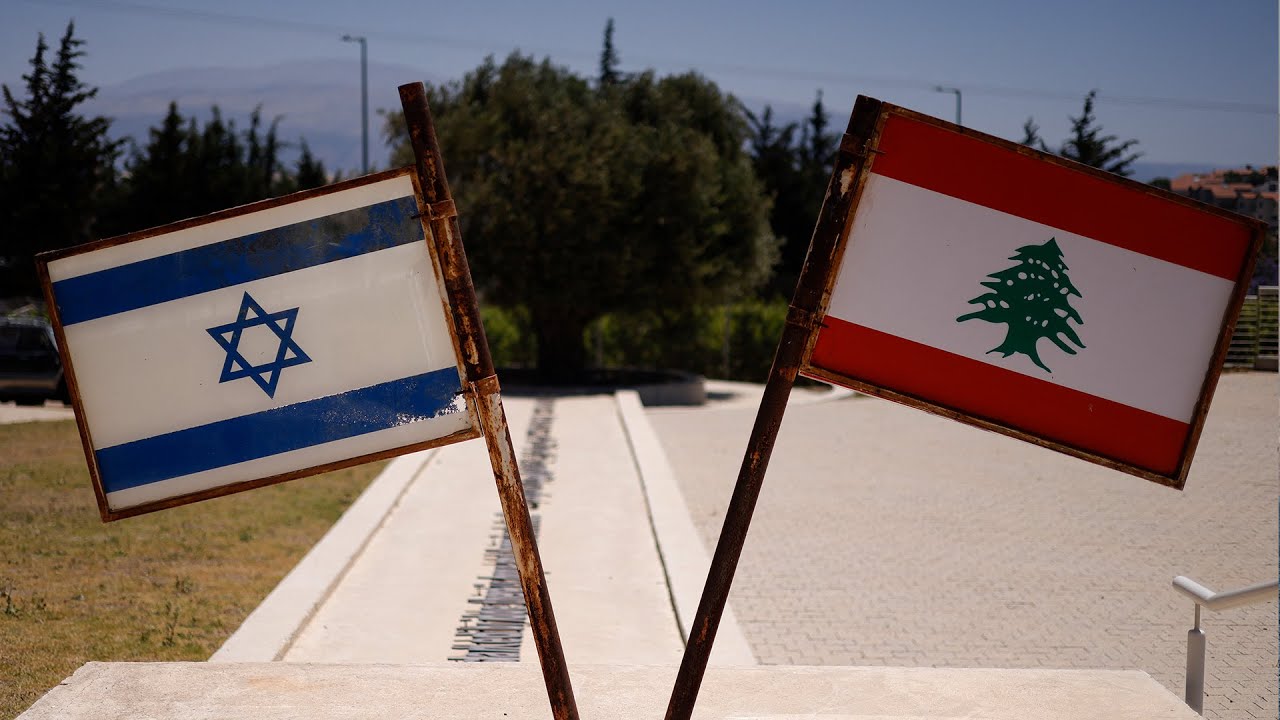
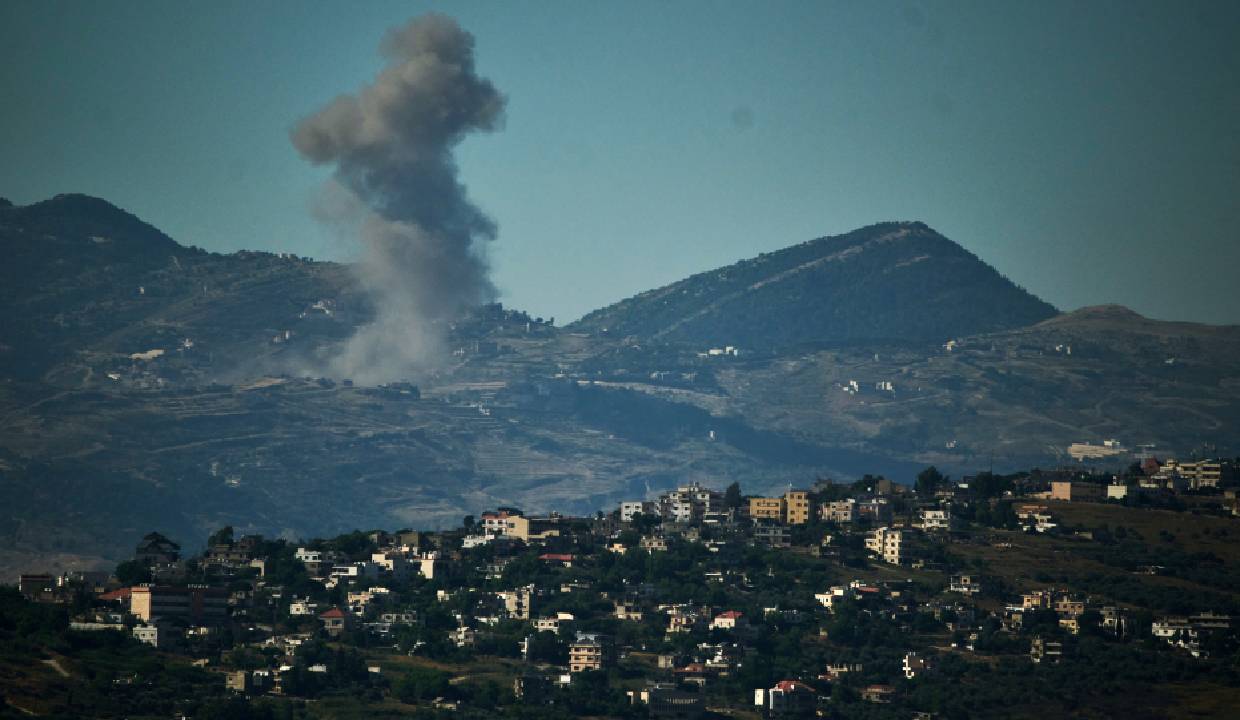
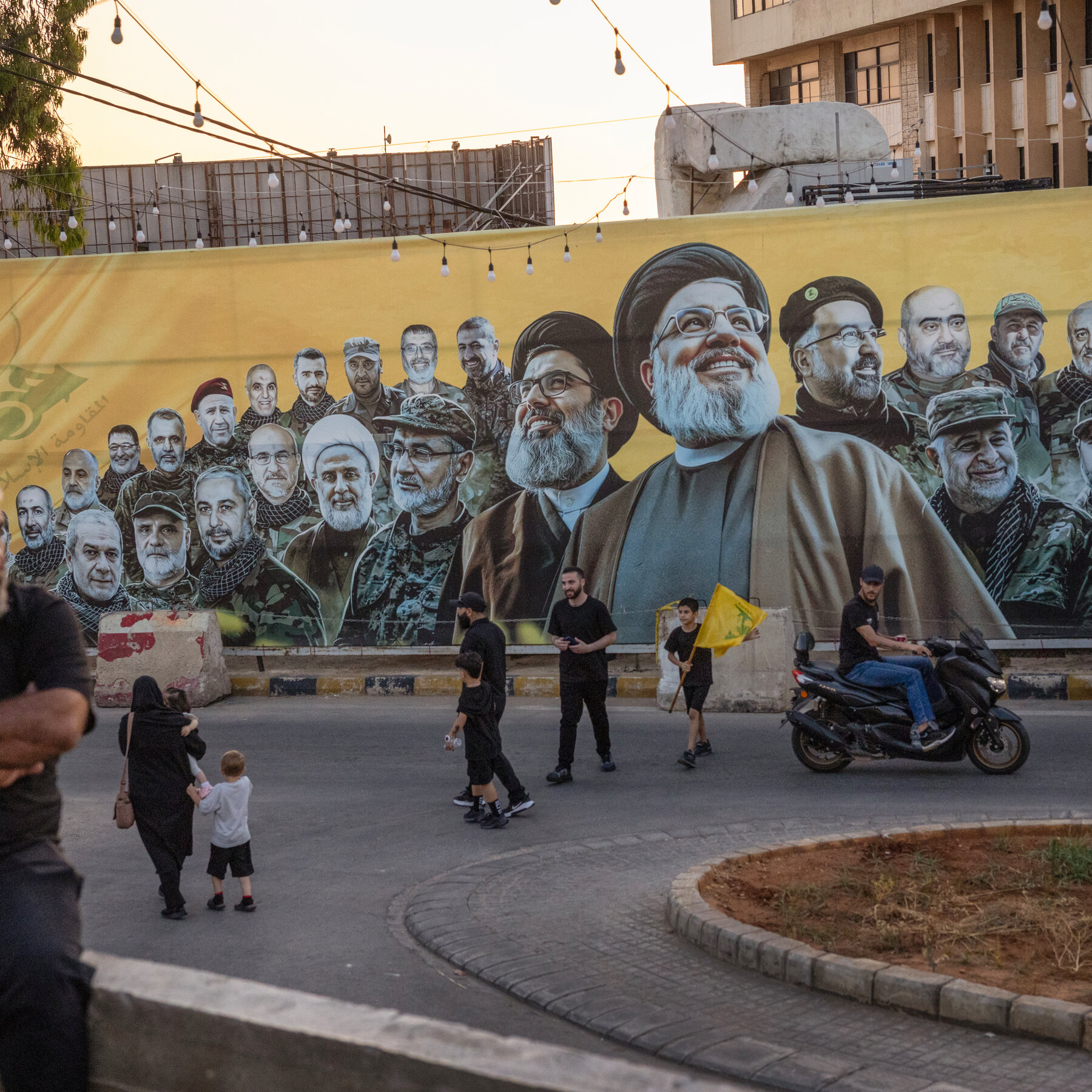
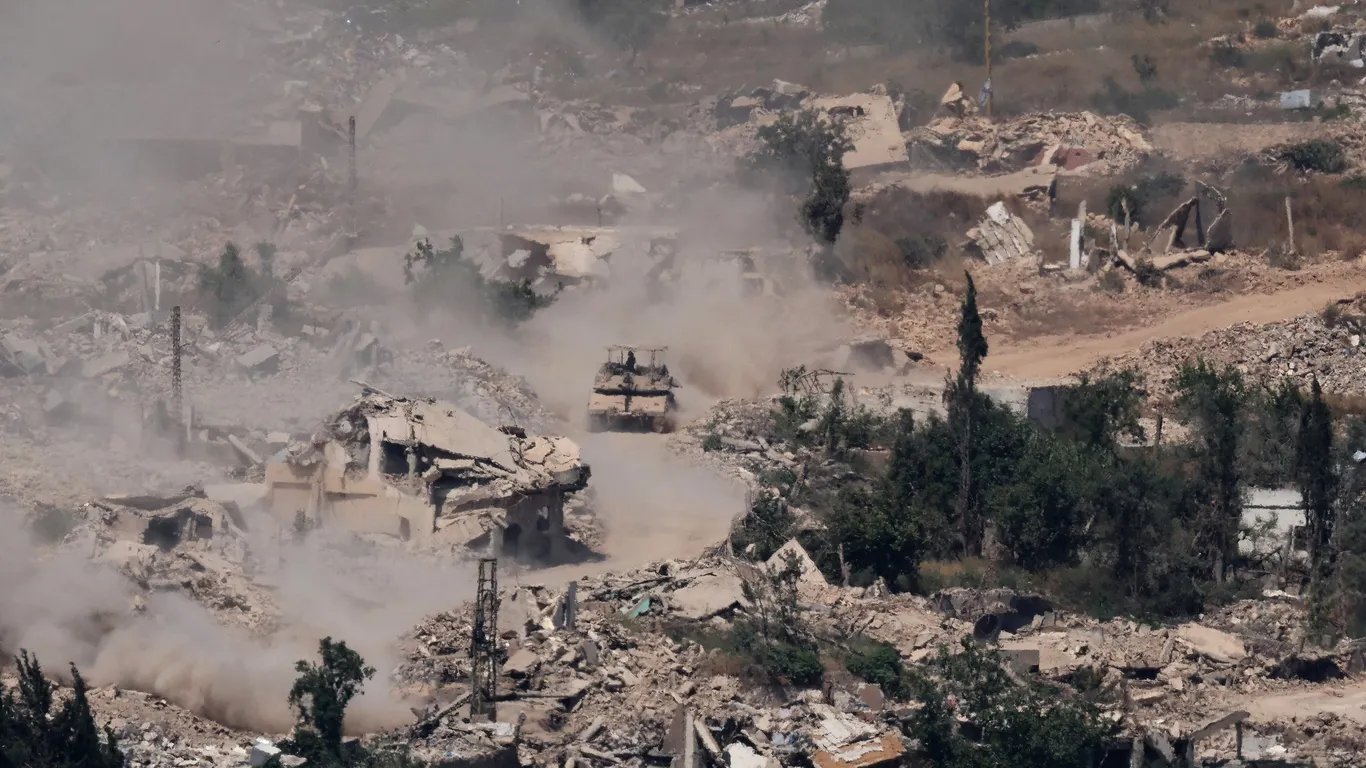
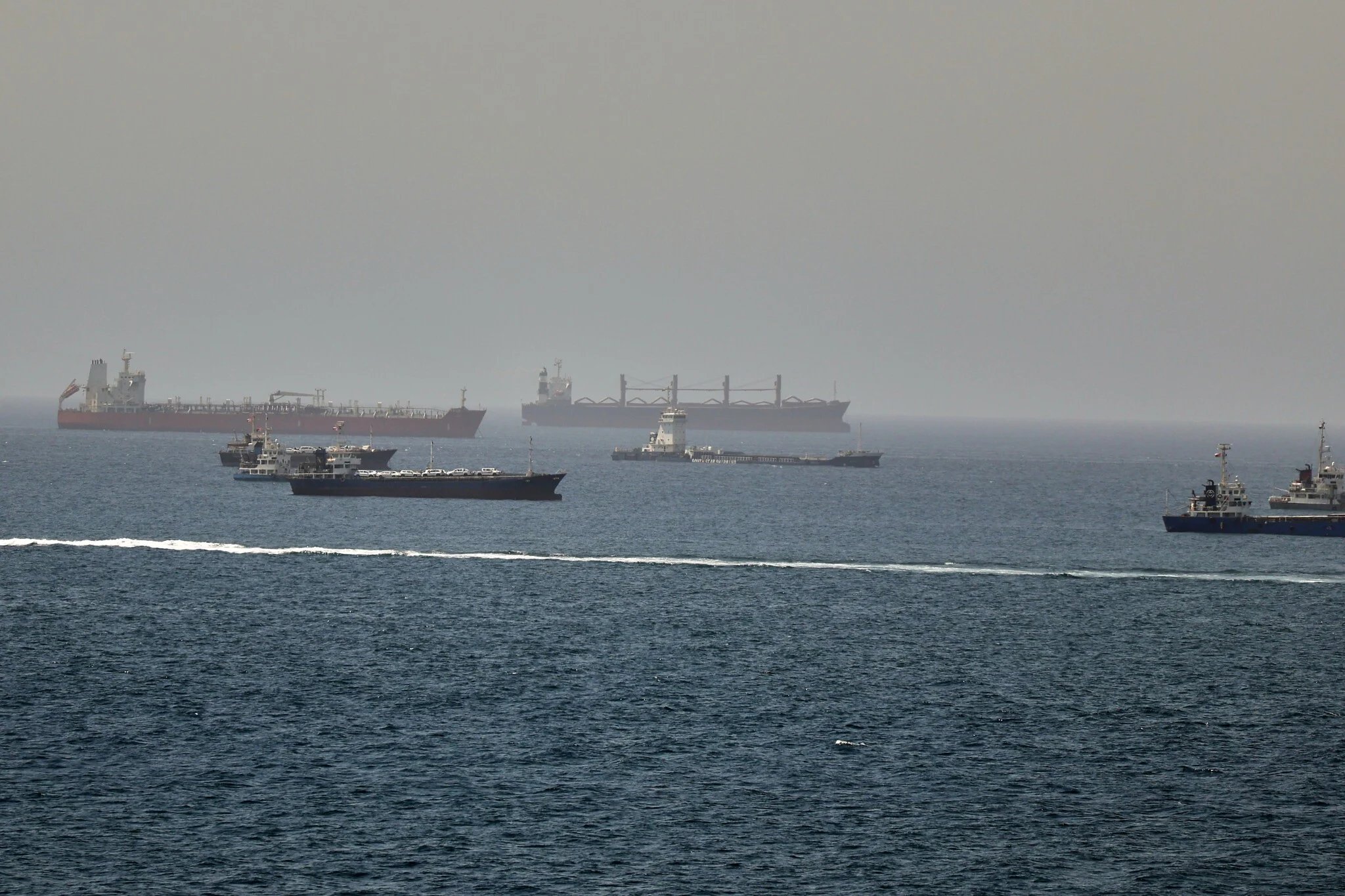
The U.S. and Iran agreed to establish a communication line aimed at ensuring safe passage through the Strait of Hormuz, according to a joint statement from mediators Pakistan and Qatar released Monday morning. Both sides also created a "de-confliction cell" involving the U.S., Iran, Lebanon and the mediating countries to monitor adherence to the ceasefire and prevent military escalation on all fronts, particularly in Lebanon where Israeli forces and Iranian-backed Hezbollah have continued fighting despite the memorandum of understanding signed last week.
Iran's Foreign Minister Abbas Araghchi called the de-confliction cell "the first real test" of the agreement. Vance said the mechanism would help prevent situations where lower-level commanders might order strikes without approval from senior leadership, which he characterized as a "chicken-and-egg problem" threatening the broader deal.
The International Maritime Organization rejected Iran's attempt to require commercial vessels to obtain insurance approval from Tehran's Persian Gulf Strait Authority before transiting the waterway. The IMO stated that all ships have the right of transit passage through straits used for international navigation and that this right "cannot be suspended or hampered by coastal States." Qatar's Prime Minister Mohammed Bin Abdel Rahman Al Thani said his country's vision is that "the Strait of Hormuz remains open and that passage through it is free."
Defense Contractors and Production
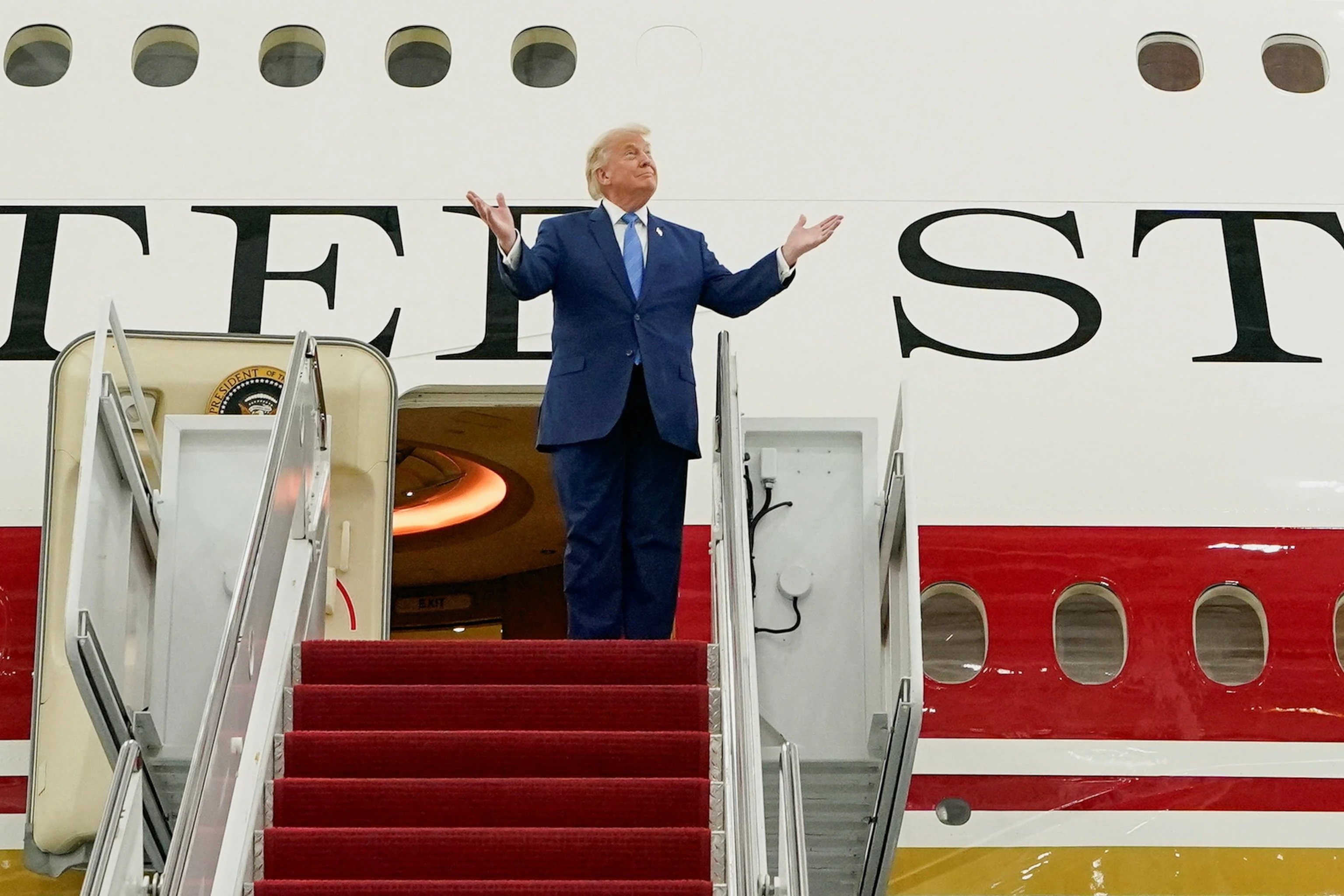
President Trump is scheduled to meet Wednesday with executives from the largest U.S. defense contractors, including leaders from Lockheed Martin, RTX, BAE Systems, Boeing, Honeywell Aerospace, L3Harris and Northrop Grumman. The gathering follows a March 6 White House meeting with the same companies and comes as the Trump administration pressures defense contractors to prioritize production and American manufacturing over shareholder payouts.
Trump invoked the Defense Production Act on June 11, citing "systemic constraints in the munitions industrial base, including limited production capacity, fragile supply chains, long-lead dependencies, and related production bottlenecks." In a memo to Defense Secretary Pete Hegseth, Trump wrote that such shortfalls "may impair the ability of the United States to produce, sustain, and expand the availability of munitions, missiles, and equipment required for the national defense." Northrop Grumman and RTX increased shareholder dividends by approximately 7 percent in May, prompting questions about contractor priorities.
Israeli Concerns and Regional Diplomacy
Israeli Prime Minister Benjamin Netanyahu declared Monday that Israeli forces would remain in southern Lebanon, where they currently occupy territory extending about six miles into Lebanese territory from the Israeli border. Netanyahu said the IDF has "full freedom of action to thwart any direct or emerging threat" and will stay "for as long as necessary to protect the residents of the north." Iran has repeatedly stated that Israeli forces must withdraw from Lebanon under the terms of the agreement.
Israel's National Security Minister Itamar Ben-Gvir said Monday that while Israel loves President Trump, "the security of Israeli citizens comes first" and rejected what he called "daredevil ceasefire" approaches. Ben-Gvir criticized "years of measured responses" and "attempts to buy temporary peace" with Iran, saying those initiatives had been interpreted as weakness. Israeli Defense Minister Israel Katz echoed Netanyahu's position, stating the IDF has "full freedom of action to act decisively against any threat" in Lebanon, Gaza and elsewhere.
Secretary of State Marco Rubio will visit the United Arab Emirates, Kuwait and Bahrain between Tuesday and Thursday to discuss the memorandum of understanding with U.S.-allied nations that were struck by Iranian missiles and drones in recent months. Six American service members were killed in an Iranian drone strike in Kuwait in March, and the U.S. Embassy in Kuwait City remains closed with operations suspended.
Next Steps in Negotiations
Iran's Parliamentary Speaker Mohammad Bagher Qalibaf left for Muscat, Oman on Monday to meet with Sultan Haitham bin Tariq and discuss management of the Strait of Hormuz, with Foreign Minister Abbas Araghchi accompanying him. Iranian President Masoud Pezeshkian will visit Pakistan on Tuesday to discuss the memorandum of understanding with Prime Minister Shehbaz Sharif, who has been a key mediator in the negotiations.
Vance said technical teams would continue negotiations in Switzerland after high-level officials depart, describing the current stage as having "laid a very good foundation for a successful, final deal" but noting "there is still a lot to do." The 60-day roadmap establishes a High-Level Committee to provide political oversight and working groups focused on nuclear issues, sanctions and dispute resolution. Oil prices fell more than 1 percent Monday as markets responded positively to the progress, with Brent crude trading at $79.70 per barrel.