




Election Results Overview
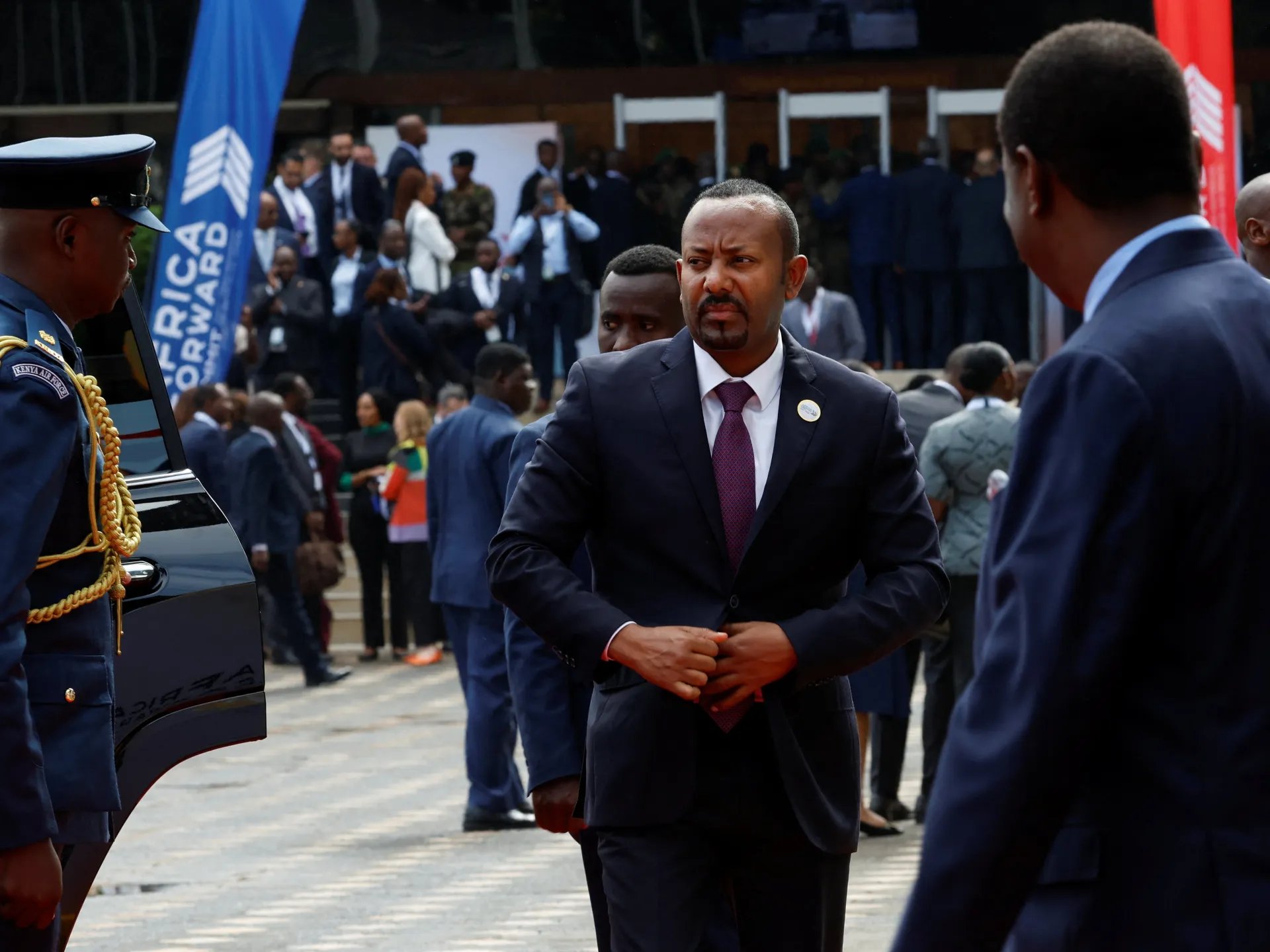
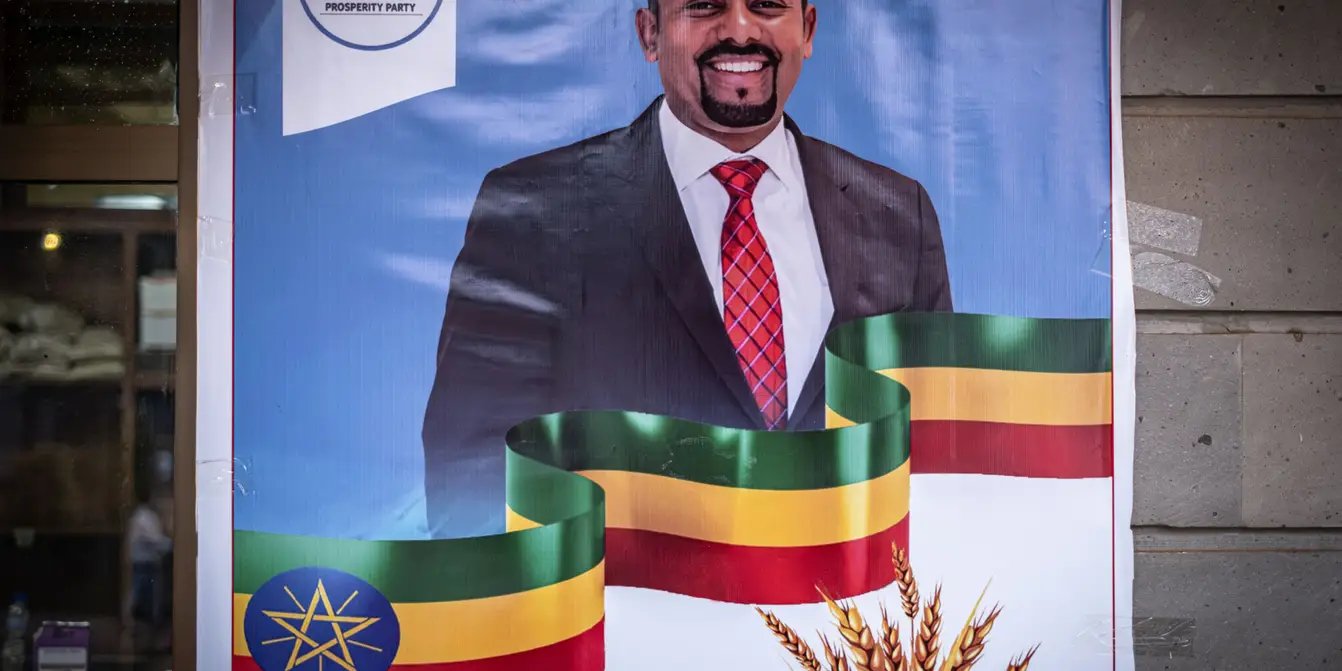
Ethiopian Prime Minister Abiy Ahmed's Prosperity Party (PP) achieved a remarkable victory in the recent legislative elections, securing 438 out of 486 contested seats in the House of Peoples' Representatives. This win represents nearly 90 percent of the available seats, as announced by Melatwork Hailu, chairperson of the National Elections Board (NEBE). The elections, held on June 1, were marked by significant unrest. Voting did not take place in Tigray, which was completely excluded from the poll. In Amhara and Oromia, 143 polling stations failed to open due to security concerns.
Opposition and Participation Issues
The election saw participation from over 40 political parties; however, many lacked the resources to effectively compete. The Prosperity Party faced minimal opposition, being unopposed in 64 constituencies. The most notable rival, Ezema, managed to field only 293 candidates compared to the PP's 461. Analysts note that the suspension of voting in key regions underscores the ongoing unresolved conflicts within the country.
Internal Conflicts and Security Concerns
Despite the electoral success, the internal situation in Ethiopia remains precarious. The country has been plagued by ethnic nationalist insurgencies. The northern Tigray region is still recovering from a two-year civil war that ended in 2022. The Amhara region has also experienced clashes involving the Fano militia, while the Oromo Liberation Army (OLA) continues to operate in Oromia. Security experts warn that these tensions could exacerbate under Abiy's leadership, raising fears of renewed conflict.
Potential for Escalation
Cameron Hudson, an Africa analyst, told the BBC that risks are driven by both sides. The TPLF restored its pre-war administration just before the election. Hudson also said Abiy has moved away from the 2022 peace agreement and made threatening moves towards the Tigrayan. Shewit Wudassie, an opposition politician in Tigray, told the BBC that youths are being recruited to join the military. A young man in Adwa reported armed men in civilian clothes came to his home and told him he was being detained to join the armed struggle. Local authorities denied there is forced recruitment, saying youths are receiving training to defend themselves.
International Reactions and Future Outlook
The international community has taken notice of the situation, with the European Union calling for immediate de-escalation in northern Ethiopia. The United States has also announced targeted visa restrictions on members of the TPLF deemed responsible for undermining peace efforts. Magnus Taylor, a Horn of Africa analyst at the International Crisis Group, does not believe there will be an immediate return to war. But he says the continuing low-level tension is a dangerous scenario. With polarised regional politics in which Addis Ababa believes the TPLF is siding with Ethiopia's enemies, there is more chance the conflict might escalate into a regional conflict centred on Tigray.
Next Steps for Abiy Ahmed
As Abiy Ahmed prepares to assume office for another term, he faces a daunting list of challenges. His government must navigate the complex landscape of ethnic tensions, security threats, and the expectations of a populace yearning for stability. The coming months will be crucial in determining whether Abiy can leverage his electoral mandate to foster peace and address the underlying issues plaguing Ethiopia.