
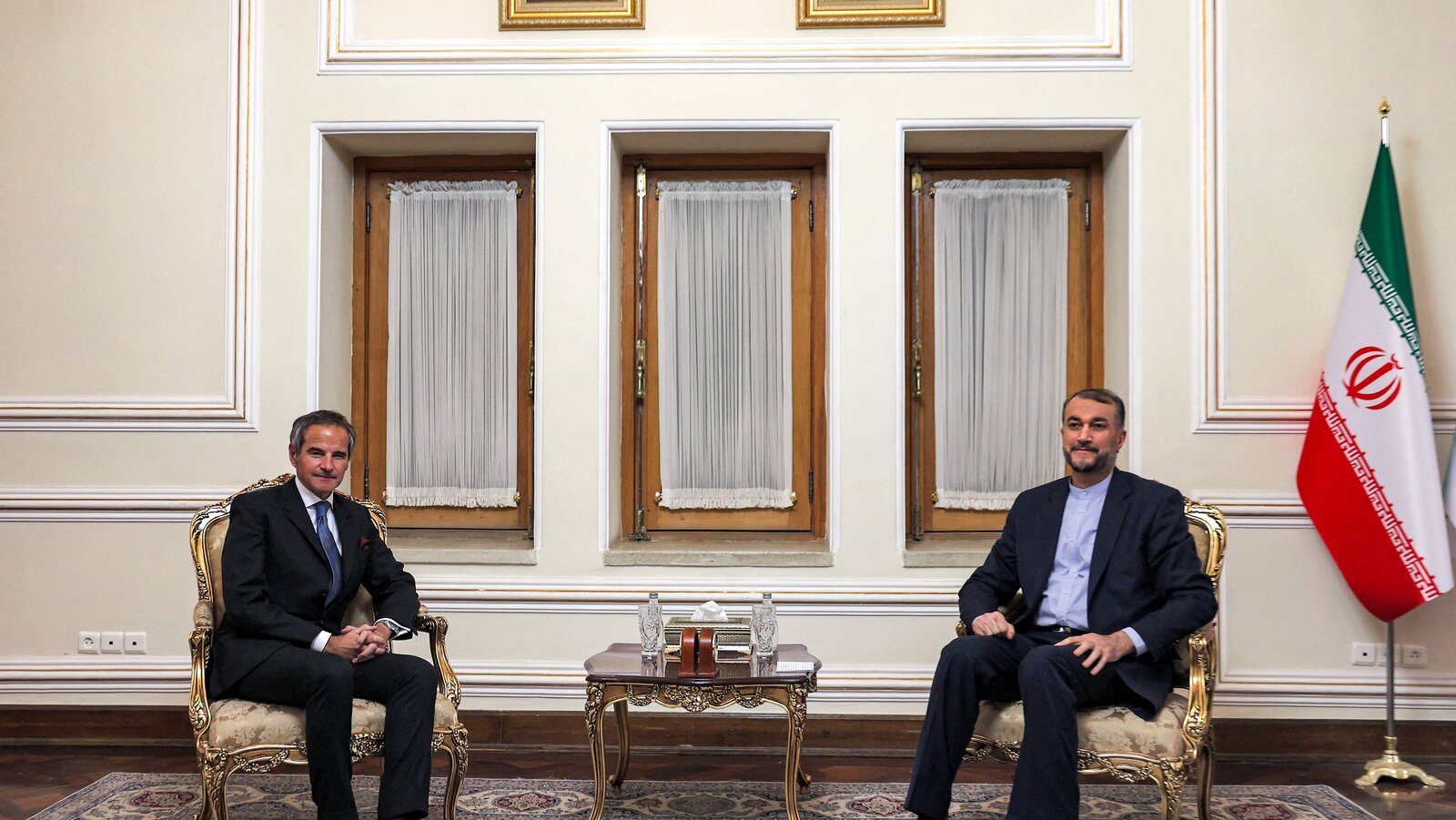





International Atomic Energy Agency Returns to Iranian Nuclear Sites
Vice President JD Vance announced Monday that Iran has agreed to allow inspectors from the United Nations' International Atomic Energy Agency back into the country, marking what U.S. officials called a major breakthrough in nuclear negotiations. Vance said he expected IAEA inspections to resume as soon as this week, describing the development as "probably what we're most excited about as Americans." The inspections represent the first step in what Vance called "permanently denuclearizing or permanently ending a nuclear weapons program in Iran."
Vice President JD Vance said during a press briefing that the first day of talks in Switzerland was "probably the most peaceful that we've seen" in Lebanon since the war began. He said the 18-hour negotiating session, which ran from approximately 9:00 a.m. Sunday until around 3:00 a.m. Monday, had accomplished four main objectives beyond the nuclear inspection agreement: establishing a mechanism to keep the Strait of Hormuz open, creating a deconfliction system for the regional ceasefire in Lebanon, and stepping up a process for future negotiations.
Roadmap to Final Agreement Within Two Months
Mediators Pakistan and Qatar issued a joint statement Monday saying the U.S. and Iran had agreed to a roadmap toward reaching a final deal within 60 days. A High Level Committee with political oversight was established to structure the next phase of negotiations, with technical talks between lower-ranked officials continuing throughout the week at the Swiss resort of Bürgenstock. Iranian deputy foreign minister Kazem Gharibabadi headed the Iranian technical team after the high-level delegation, led by Parliament Speaker Mohammad Bagher Ghalibaf, departed Switzerland.
Vance, who traveled to Switzerland alongside special envoy Steve Witkoff and President Trump's son-in-law Jared Kushner, told reporters before departing for the U.S. that the talks had "laid a very good foundation for a successful final deal." He said "there is still a lot to do," but emphasized "a lot of progress" had been made. Iran's Foreign Minister Abbas Araghchi declared "major progress to end the Lebanon war," noting that Pakistani and Qatari mediation had delivered results on the conflict that has repeatedly threatened to derail broader peace efforts.
Frozen Assets and Oil Sanctions Relief
Iran's Central Bank Governor Abdolnaser Hemmati told the semi-official Tasnim news agency that "significant progress" on the release of Tehran's frozen financial assets had been made during the first round of negotiations. He stated that "God willing, in the coming days, access to the resources will gradually be operationalized under certain conditions." The U.S. Treasury prepared to issue a 60-day waiver lifting sanctions on oil, petrochemicals and derivatives, allowing Iran's central bank to sell oil to customers, principally China, and receive payments without threat of sanctions.
According to Clause 11 of the memorandum of understanding signed last week, the U.S. will make Iran's frozen or restricted funds "fully available for use" upon implementation of the agreement. The U.S. has been working with Qatar on a plan to make billions of dollars of Iran's frozen assets available to the regime, likely beginning with $6 billion held in Qatar. Officials previously confirmed that this $6 billion would be some of the first assets released to Iran under an agreement, with those funds already subject to a U.S. Treasury mechanism set up during the Biden administration to ensure the money can only be used for humanitarian purposes.
Trump's Threats Nearly Derail Negotiations
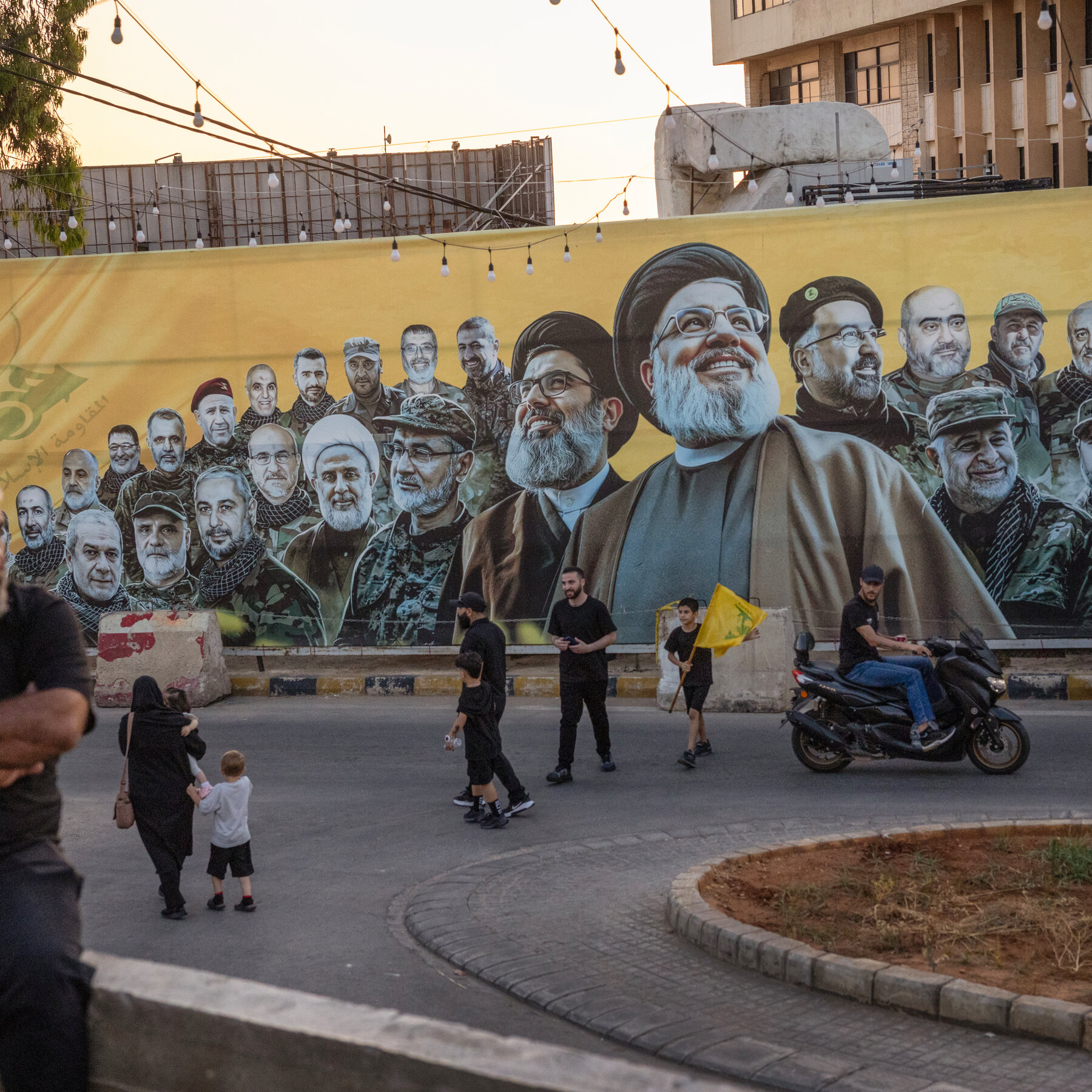
The talks nearly collapsed after President Trump threatened to resume military strikes against Iran if it did not immediately stop supporting Hezbollah in Lebanon. Trump posted on Truth Social on Sunday: "Iran must immediately stop their highly paid PROXIES in Lebanon from causing trouble. If they don't, we'll hit Iran very hard again, just like we did last week, only harder!!!" In a separate Fox News interview, Trump threatened that if Iran closed the Strait of Hormuz, the U.S. would "blow the s--- out of them," adding that Iranian negotiators "won't even make it back to your fucking country."
Iranian state media said the talks had entered a "difficult phase" and the Iranian delegation walked out in protest after Trump's posts. However, Pakistani and Qatari mediators facilitated continued discussions through the night. A senior U.S. diplomat said late Sunday that the Iranians remained on site and negotiations were proceeding. The joint mediator statement later described the talks as occurring in "a positive and constructive atmosphere," though Vance acknowledged that Iran had threatened to walk out over Trump's comments. Vance defended the president, telling reporters: "What we told the Iranians yesterday is when you guys engage in what us millennials might call 'trash talk,' you can't expect the President of the United States not to respond and not to correct the record."
Lebanon Ceasefire Emerges as Critical Test
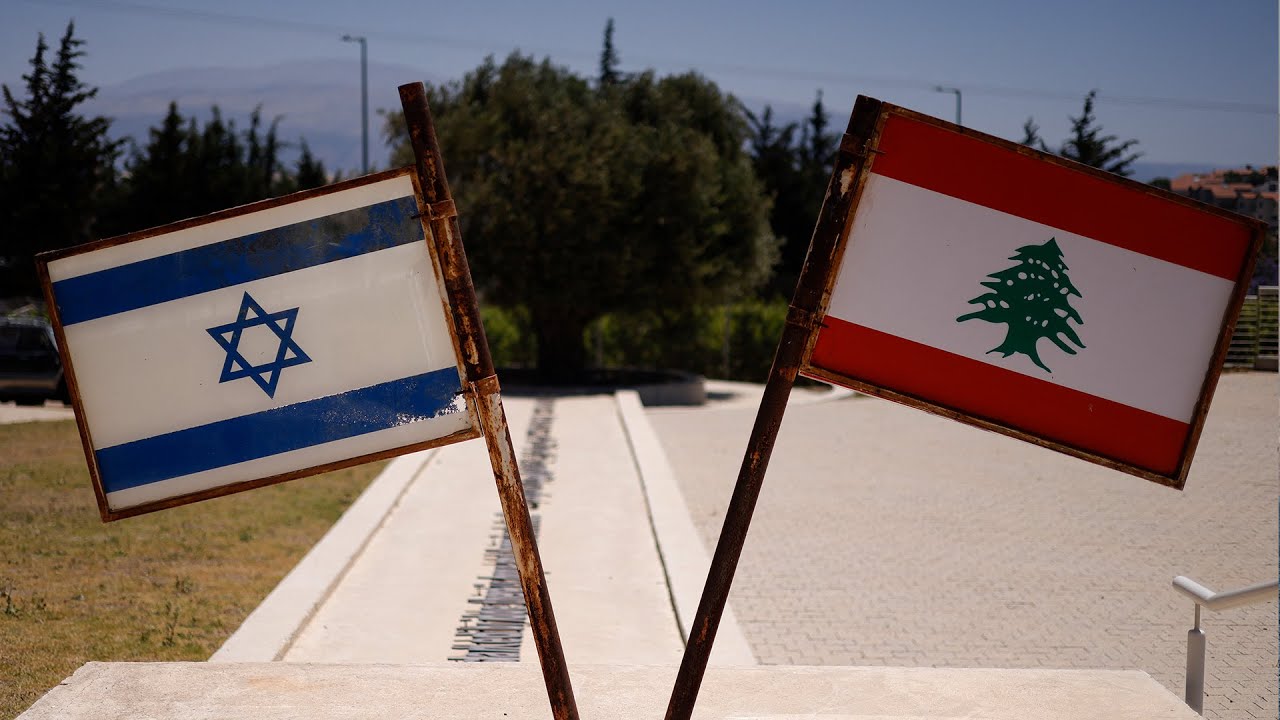
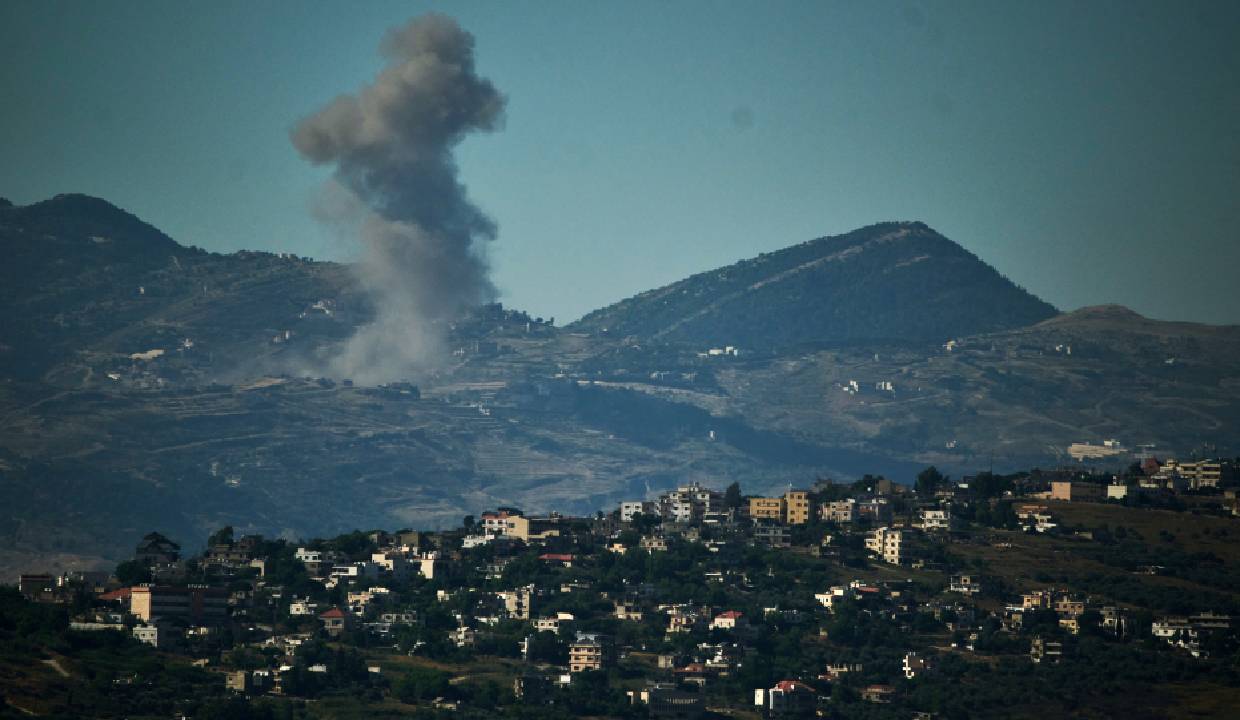
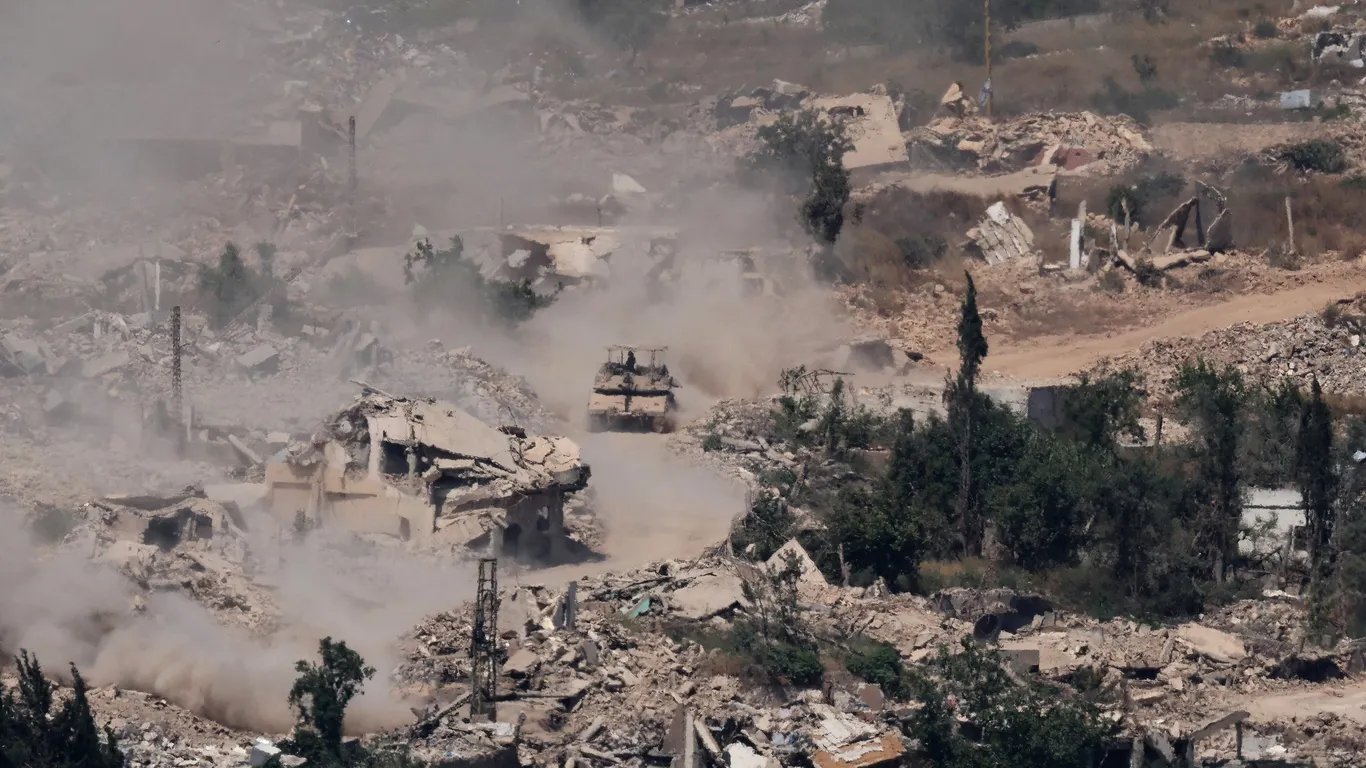
The establishment of a de-confliction cell between the U.S., Iran, and Lebanon's government to enforce the ceasefire in southern Lebanon represents what Araghchi described as the first "real test" of the new agreement. Fighting between Israeli forces and Iran-backed Hezbollah has continued even as talks progressed, with Israel killing more than 30 people in attacks on Saturday in central and southern Lebanon. The memorandum of understanding signed last week calls for a halt to fighting on all fronts, including Lebanon, but the ongoing military operations have repeatedly threatened to unravel the broader U.S.-Iran deal.
Vance characterized the relationship between the separate but linked U.S.-Iran war and the Israel-Hezbollah conflict as "a bit of a chicken-and-egg problem." He suggested that some strikes may have been ordered by lower-ranking commanders without approval from senior leadership. The talks established "a new mechanism to avoid such situations," with Vance explaining that the goal is to ensure "everybody has that right to self-defense in the background where we're talking about how to de-escalate these conflicts rather than spiraling out of control."
Oil Markets and Global Economic Relief
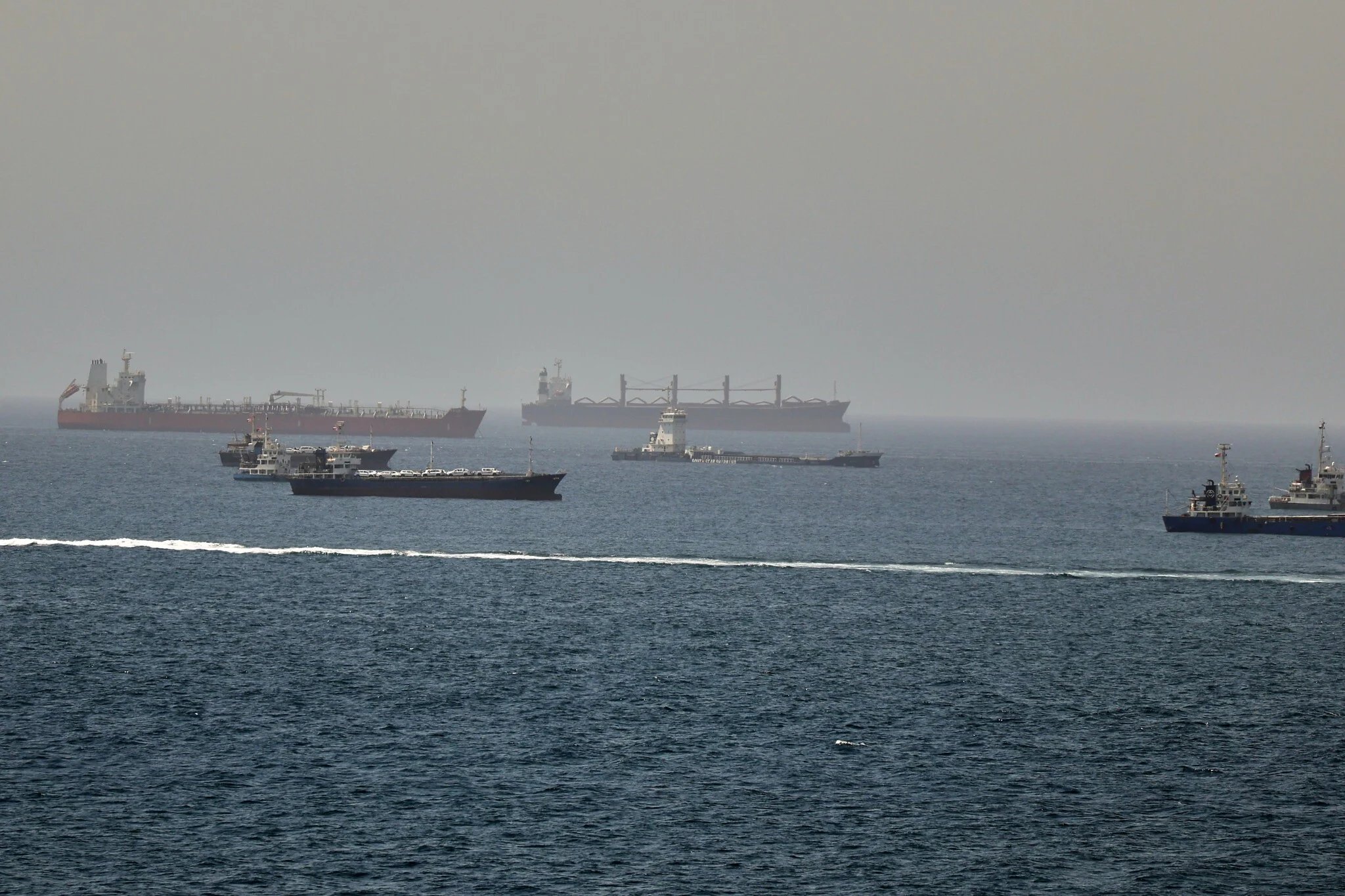
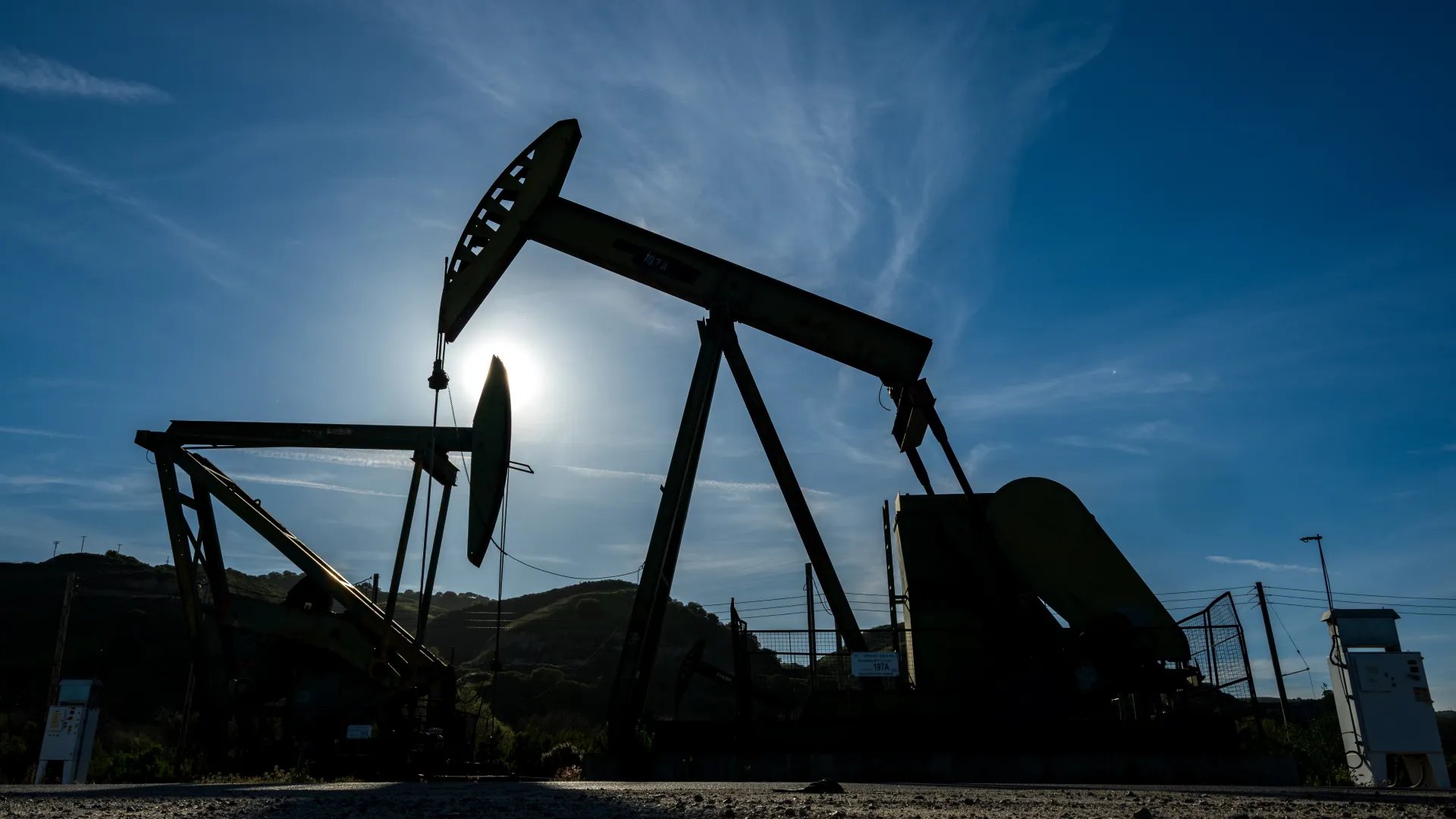
Oil prices fell Monday on optimism over the U.S.-Iran talks, with international benchmark Brent crude dropping more than 1% to just under $80 a barrel. Traders remained in a buoyant mood after news that the two sides had paused their conflict, which had sent energy costs soaring and stoked inflation. Global oil markets had been roiled by Iran's reinstatement of its blockade in the Strait of Hormuz over the weekend in protest of continued Israeli strikes on Lebanon, but the negotiating breakthrough eased concerns about a prolonged supply shortage.
After the meeting concluded, Iran's delegation left Switzerland and returned to Tehran. Further discussions are expected to take place this week, though the format has not been confirmed. The next phase of technical negotiations will focus on resolving the thorniest remaining issues, including the details of Iran's nuclear program, sanctions relief, and dispute resolution mechanisms.









The sources also report that Iran's negotiating team was headed by Kazem Gharibabadi, the deputy foreign minister, during the technical talks, while Parliament Speaker Mohammad Bagher Ghalibaf led the high-level delegation.