




The Surge in Protest Activity
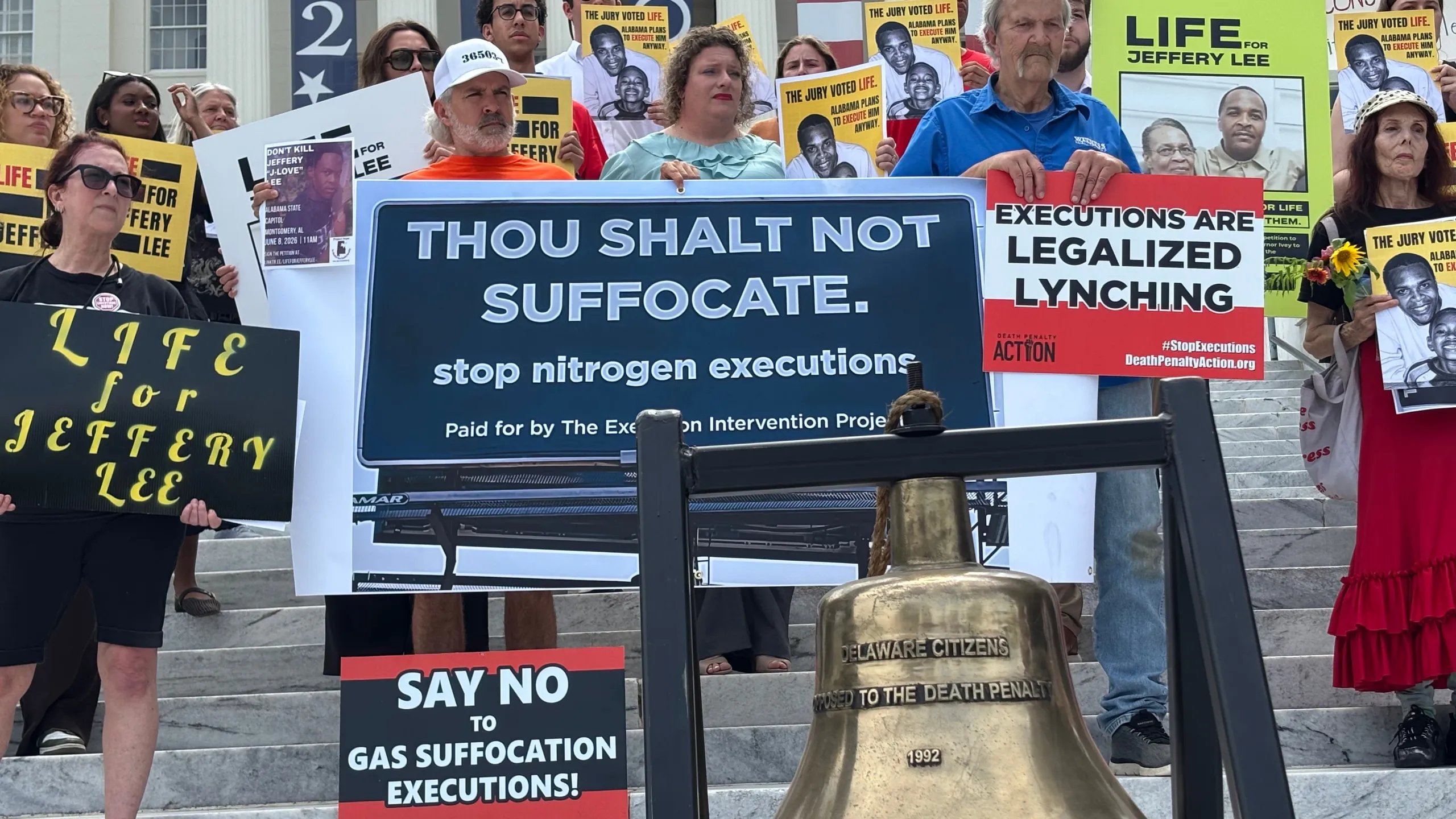
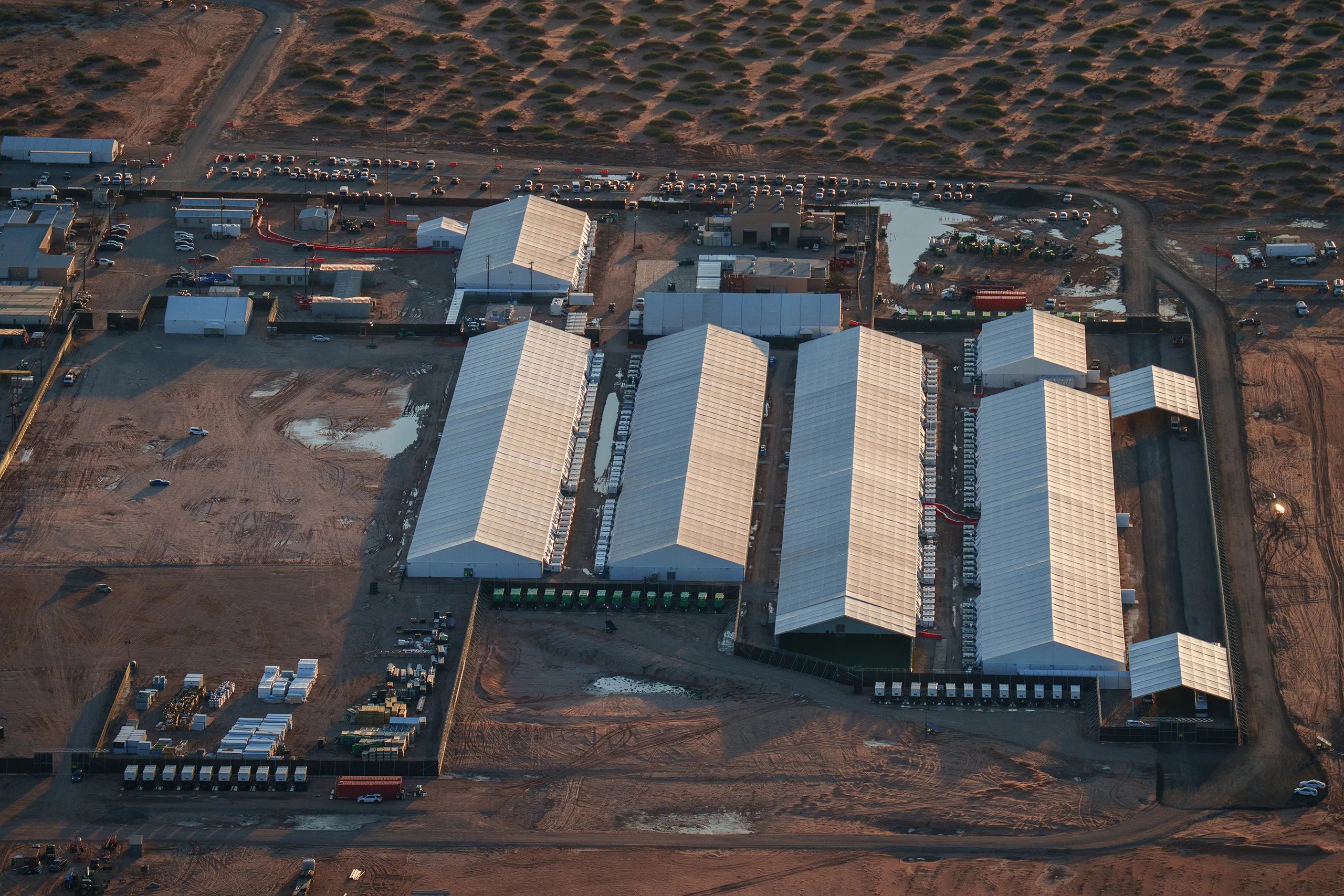
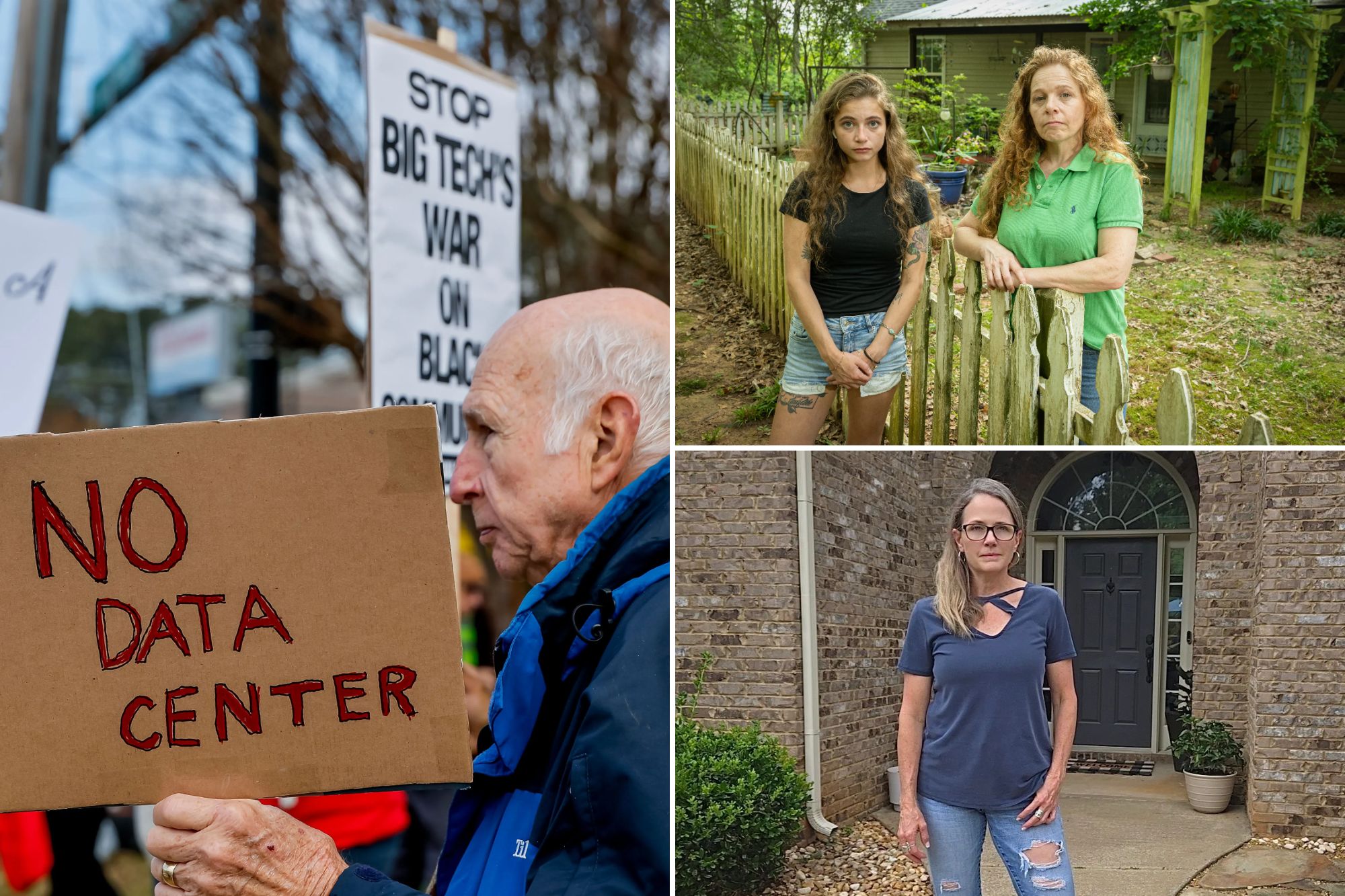
Protests against data center construction have reached unprecedented levels, blocking or delaying at least 75 projects worth approximately $130 billion from January through March. This figure marks the most significant disruption in a three-month span since tracking began in 2023. Researchers from Data Center Watch noted that the surge in opposition is not merely a cyclical spike but indicates a "structural shift" in how communities are responding to these projects. The number of active opposition groups has more than doubled to 833 across 49 states, reflecting a growing sentiment against data centers.
Economic Implications
The blocking of these data center projects has tangible economic consequences, particularly for local communities that stand to gain from their construction. Proponents argue that data centers can bring substantial long-term benefits, including job creation and increased tax revenue. For instance, in Loudoun County, Virginia, data centers have generated almost half of the county's property tax revenue—projected at $1.3 billion in 2026—despite occupying only 3 percent of the land area. However, local residents are increasingly concerned about rising electricity costs and environmental impacts.
Political Momentum and Community Activism
The political landscape surrounding data centers is shifting as communities mobilize against them, with both major parties recognizing the growing opposition. Sociologist Tressie McMillan Cottom has observed a diverse coalition forming in North Carolina, where community members are engaging in political education around issues such as water rights and land use. This grassroots activism is empowering residents, giving them a sense of political power that many feel has been lacking. McMillan Cottom noted that this movement is not just about halting construction but is rooted in a deeper desire for community engagement and accountability.
Corporate Responses and Counterarguments
In response to the protests, tech companies and data center developers are attempting to improve their public image. OpenAI released a report claiming China was attempting to influence the U.S. data center debate by creating comics, memes, and social media comments on X to sway American sentiment against data centers. Meanwhile, firms like Amazon and Google are promoting their water conservation efforts, stating they are implementing measures to reduce water usage and fund local water projects. Communities are pushing back against what they see as insufficient environmental reviews. Governor J.B. Pritzker is developing a legislative framework for responsible data center development with proper environmental reviews at its center. Local residents worry that officials are prioritizing corporate interests over community concerns.
Legislative Efforts and Future Outlook
As opposition to data centers intensifies, states like Illinois are moving to establish legislative frameworks that emphasize responsible development and thorough environmental reviews. Governor J.B. Pritzker is advocating for a structured approach to data center approvals, aiming to address community concerns directly. The ongoing resistance suggests that data center construction may face increasing regulatory scrutiny, reshaping how these projects are approached in the future.
The Broader Narrative
Data Center Watch researchers identified a "structural shift" in opposition, noting that communities have internalized an effective playbook. The number of active opposition groups has more than doubled to 833 across 49 states, and 75 projects worth $130 billion were blocked or delayed in the first quarter of 2026 alone.