Legal Actions Against Naturalized Citizens
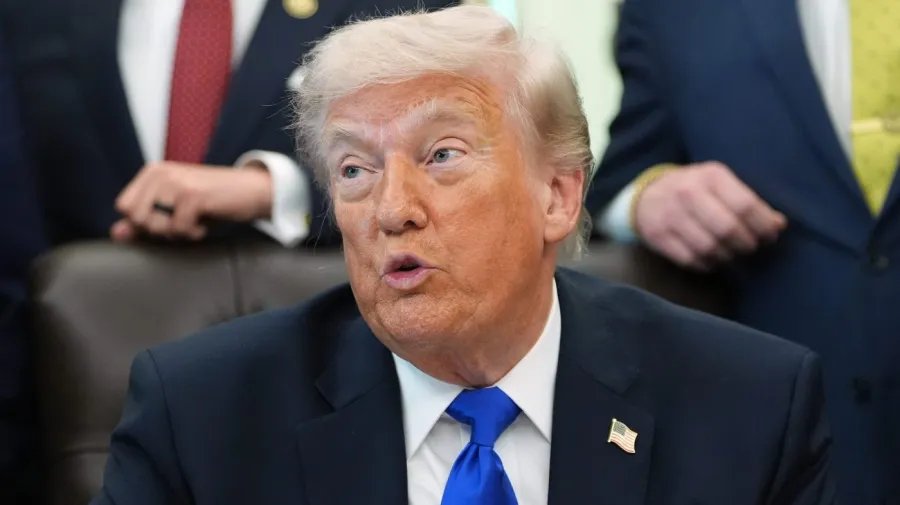
The Trump administration is moving to revoke the citizenship of 12 foreign-born Americans, claiming that these individuals committed crimes that warrant denaturalization. Department of Justice officials filed actions in courts across the United States, emphasizing that those implicated in immigration fraud or serious crimes, such as sexual abuse, should never have been granted citizenship. Acting Attorney General Todd Blanche stated, "Those who intentionally concealed their criminal histories or misrepresented themselves during the naturalization process will face the fullest extent of the law."
Nationality and Criminal Allegations
The individuals targeted for denaturalization hail from various countries, including Bolivia, Colombia, Nigeria, Somalia, Morocco, Uzbekistan, Iran, India, and China. While some have been convicted of crimes within the United States, others are accused of offenses in their home countries or of committing immigration fraud. According to the National Immigration Forum, denaturalization can only occur through judicial order, with the Department of Homeland Security referring cases to the DOJ when there is sufficient evidence.
Potential Consequences of Denaturalization
If the citizenship of these individuals is revoked, they will revert to their prior immigration status, which may lead to deportation if they lack lawful immigration status. The implications are severe; individuals could also face jail time if their citizenship was revoked due to a criminal conviction. This move represents an escalation in the federal government's efforts to target foreign-born Americans under the premise of upholding immigration laws.
Broader Context of Immigration Enforcement
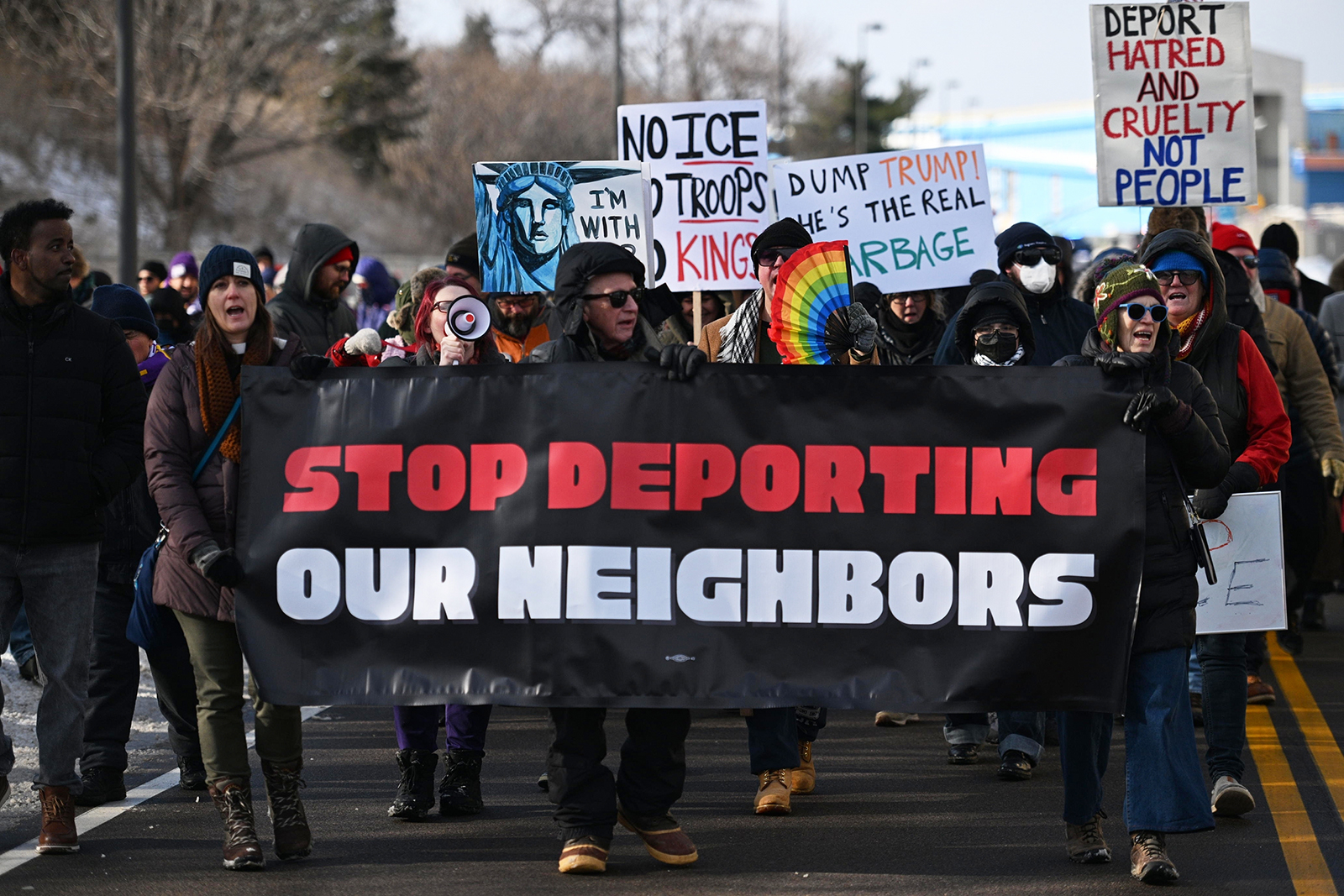
The targeting of these 12 individuals is part of a larger strategy that the Trump administration has embraced since returning to power, which includes promises of "mass deportations." Reports indicate that the administration has already arrested the parents of at least 27,000 children in a span of seven months, raising concerns about the impact of such enforcement actions on families. Investigations have revealed the use of "Record of Deportable/Inadmissible Alien" forms, which immigration agents utilize to document arrests and substantiate claims of immigration violations.
Response from Advocacy Groups
Advocacy organizations have expressed alarm over these developments, highlighting the potential human cost of denaturalization. The National Immigration Forum noted that revoking citizenship can lead to family separations and other dire consequences for those affected. The group's stance emphasizes the importance of due process and the need for transparency in immigration enforcement actions.
Implications for Future Immigration Policy
The actions taken against these 12 foreign-born Americans signal a clear intention by the Trump administration to tighten immigration policies and pursue those it deems as having fraudulently obtained citizenship. As the administration intensifies its focus on immigration enforcement, the legal and social ramifications for affected individuals and families continue to unfold. Observers are left to consider how these policies will shape the landscape of immigration in the United States moving forward.
This denaturalization initiative reflects an ongoing debate about the balance between national security and the rights of individuals who have sought refuge and a new life in America. The outcome of these legal proceedings may set a precedent for future immigration enforcement actions and shape the experiences of countless individuals navigating the complexities of citizenship and legal status in the U.S.