




First Round Produces Inspections Agreement
Vice President JD Vance announced Monday that Iran agreed to allow International Atomic Energy Agency inspectors back into the country during marathon negotiations in Switzerland. The first round of direct talks between U.S. and Iranian officials stretched 18 hours at the Burgenstock ski resort, beginning Sunday at approximately 9 a.m. and concluding around 3 a.m. Monday. Vance called the outcome "a very, very good day" and described the inspector access as "a major milestone" toward permanently ending Iran's nuclear weapons program.
Vance said coordination between Iran, the U.S., and the IAEA for inspections would begin "this week, maybe as soon as today," though Iran has not publicly confirmed that timeline. The nuclear issue was "probably the one we're most excited about as Americans," Vance told reporters in Emmen, Switzerland. He acknowledged that inspectors would face ongoing scrutiny regarding what access they actually receive once inside Iran's facilities.
Frozen Assets and Oil Sales Unfreeze
The U.S. Treasury issued a 60-day waiver Monday allowing Iran to sell crude oil, petrochemical products, and petroleum products on the international market through August 21. The action fulfilled a condition of the memorandum of understanding signed by President Trump and Iranian President Masoud Pezeshkian last week. The waiver also permits the U.S. to import Iranian crude oil and petroleum products for domestic use.
Iran's Foreign Minister Abbas Araghchi said the U.S. and Iran agreed on releasing some frozen Iranian funds. Vice President Vance contradicted this, stating that no assets had actually been transferred yet and that the parties had only agreed on a mechanism for future releases. A senior U.S. diplomat said the parties had reached understandings on Iran's uranium stockpile and that "progress on enriched uranium stockpiles, dismantlement of nuclear sites, an enrichment ban and inspection access" would follow. Vance said Jared Kushner and Qatar had devised a mechanism ensuring any unfrozen assets go toward humanitarian purposes such as purchasing American agricultural products. The U.S. and Iran agreed that Qatar would have approval authority over any asset releases, alongside Washington.
Strait of Hormuz and Ceasefire Mechanisms
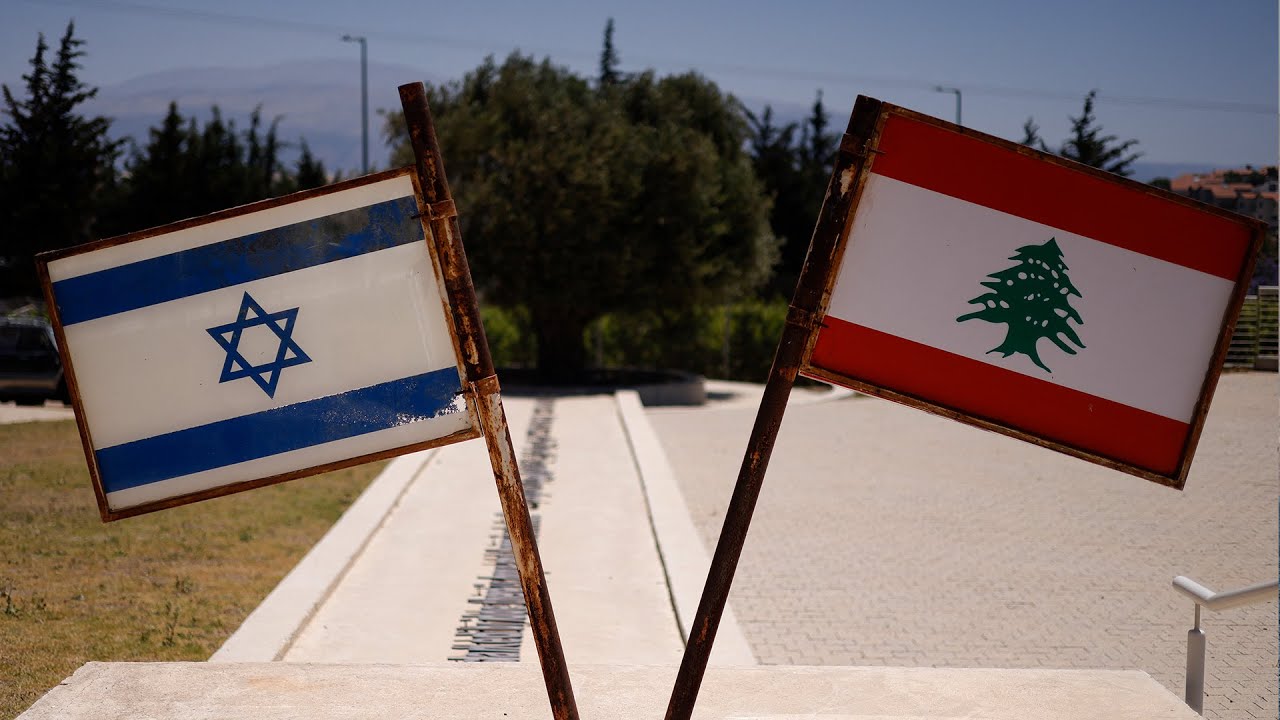
Mediators Qatar and Pakistan announced Monday that the U.S. and Iran agreed to establish a communication line "to avoid incidents and miscommunication with the aim of safe passage for commercial vessels through the Strait of Hormuz." Both sides also created a "de-confliction cell" involving Lebanon's government to enforce the ceasefire across all military fronts, as required by the memorandum of understanding.
Iran's lead negotiator, Mohammad Bagher Qalibaf, who also serves as speaker of Iran's parliament, said the Strait would be "managed by Iran and would follow international laws." Speaking to state media aboard a plane returning to Tehran, Qalibaf expressed hope that the waterway would be "activated again, in terms of passage, and bring prosperity back to regional and global economy." President Trump stated the Strait is "totally open" and that "we have an oil gusher" flowing through it. The International Maritime Organization refuted Iran's attempt to impose insurance requirements on commercial vessels, saying such demands have no basis in international law and cannot suspend the right of transit passage through straits used for international navigation.
60-Day Path to Final Agreement
The mediators' joint statement said the parties agreed to "a roadmap towards reaching a final deal within 60 days." Vance described the talks as laying "a very good foundation" but emphasized that "the final deal is a house—we set the foundation, we haven't built the house." He said technical teams would continue negotiations in Switzerland after high-level officials departed, with further discussions expected this week in an unconfirmed format.
Four major objectives were accomplished during the first round, according to Vance: allowing nuclear inspectors to return, building a mechanism to open the Strait of Hormuz, establishing a de-confliction mechanism for the regional ceasefire in Lebanon, and stepping up the process for future negotiations. Iran's Foreign Minister Araghchi called the de-confliction cell "the first real test" of the agreement between Tehran and Washington.
Israeli and Regional Concerns
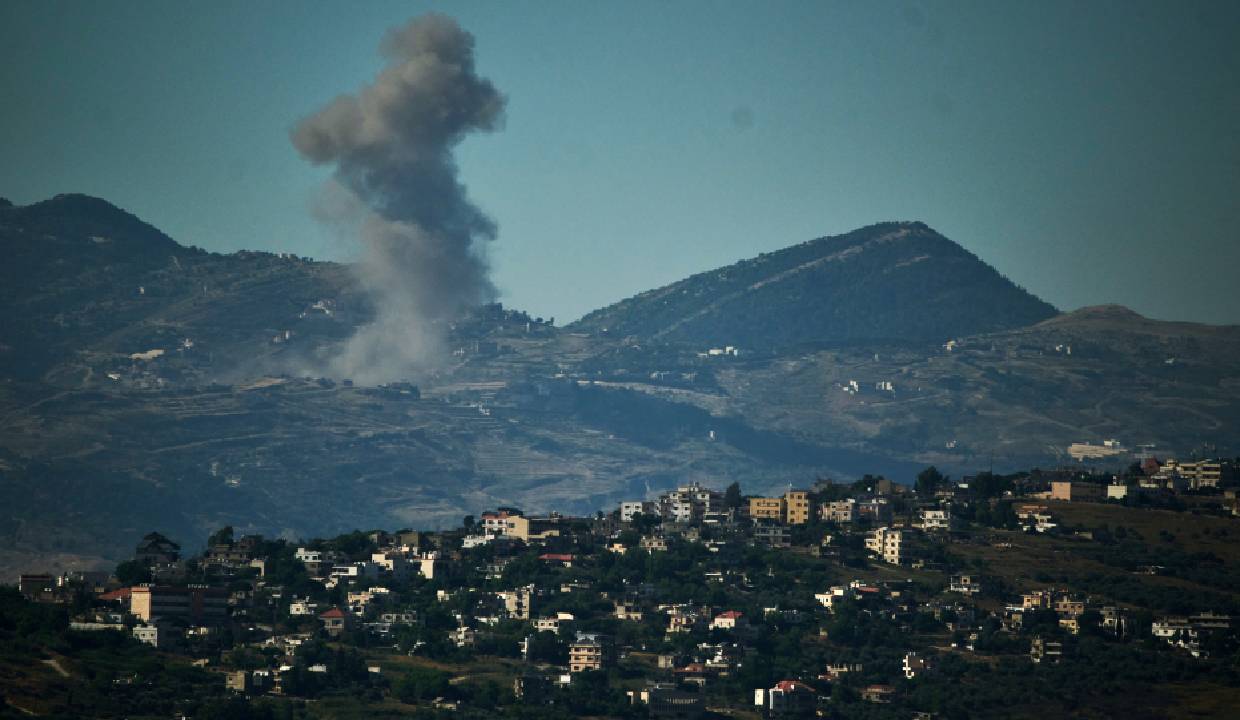
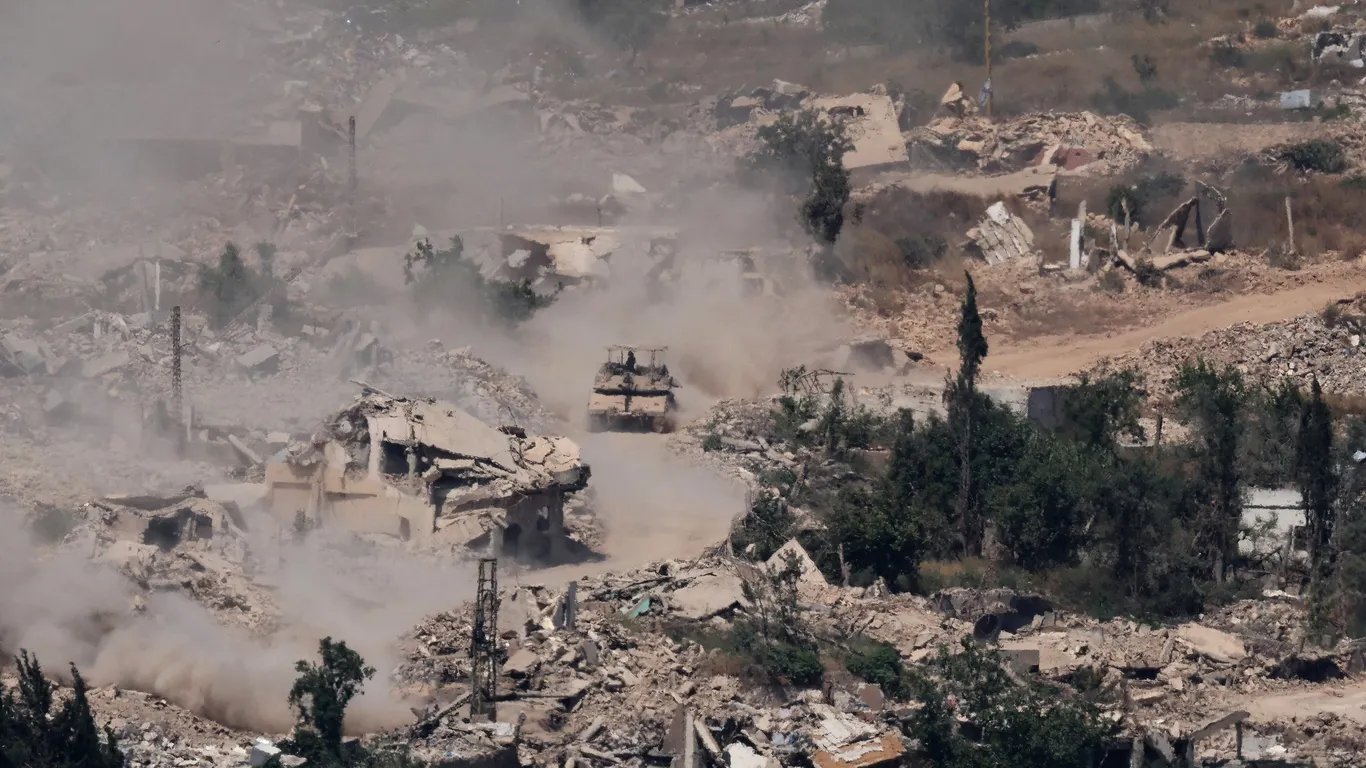
Israeli Prime Minister Benjamin Netanyahu stated Monday that Israeli forces would remain in southern Lebanon, where they currently hold territory extending approximately six miles into Lebanese territory from the Israeli border. Netanyahu said his directive to the Israeli Defense Forces remained unchanged: fighters have "full freedom of action to thwart any direct or emerging threat" and face "no restrictions in this regard." Israel's Defense Minister Israel Katz echoed that the IDF would "remain in the security zone in Lebanon to protect the northern communities, thwart threats, and destroy the terrorist infrastructure."
Iran has said repeatedly that Israeli forces must withdraw from Lebanon under the agreement. National Security Minister Itamar Ben-Gvir, who has been sanctioned by the U.K., Canada, and Australia for inciting violence against Palestinians, stated Monday that "the security of Israeli citizens comes first" and criticized "years of measured responses" and "attempts to buy temporary peace" with Iran. He said the deaths of Israeli soldiers in recent operations showed "the containment policy failed." Secretary of State Marco Rubio will visit the United Arab Emirates, Kuwait, and Bahrain between Tuesday and Thursday to discuss the memorandum with U.S.-allied nations that were struck by Iranian missiles and drones over recent months.
Nuclear Verification Concerns
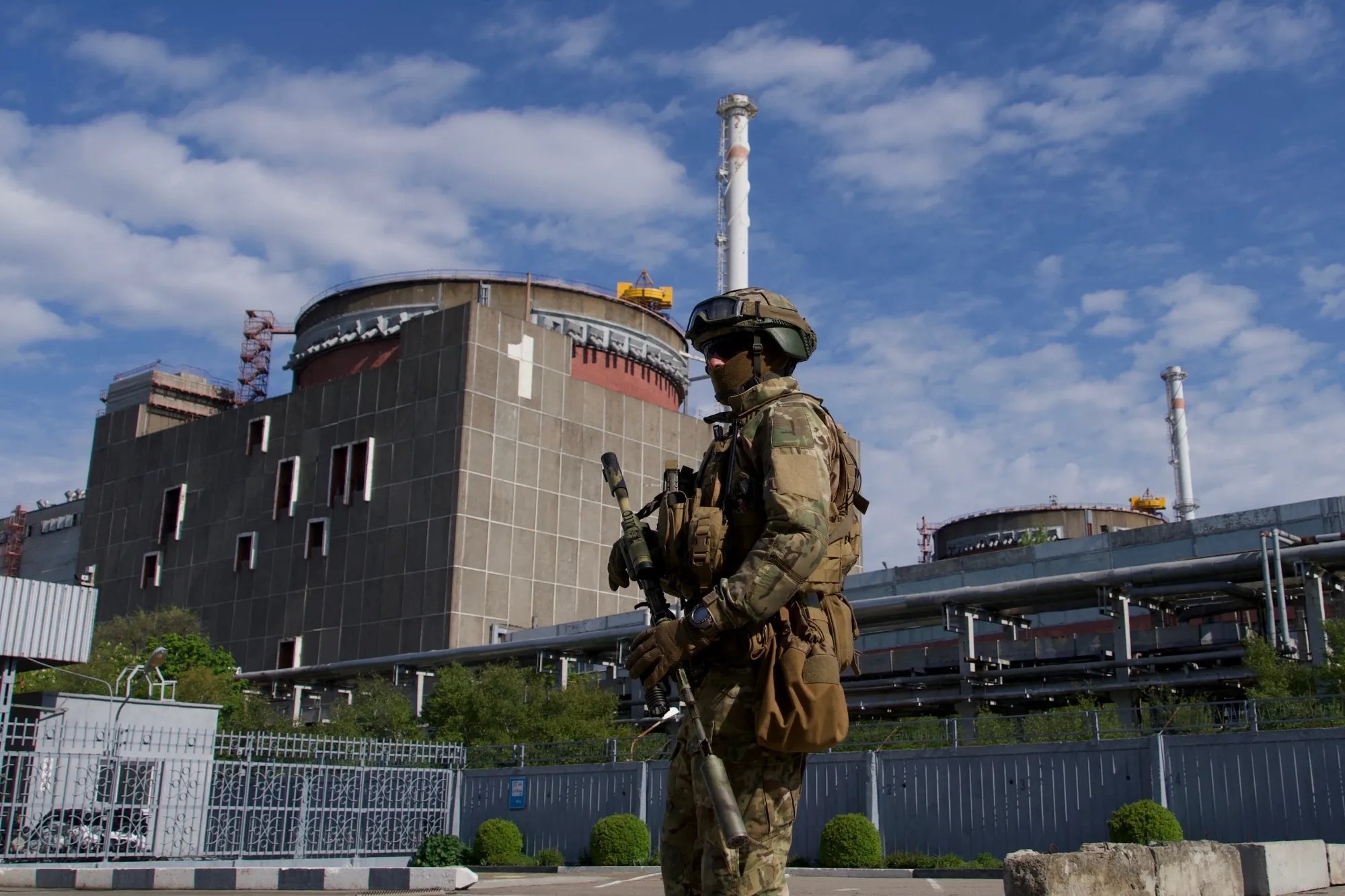
Nuclear experts warned that Trump's Iran framework could leave Tehran too much control over its uranium stockpile unless inspectors gain unfettered access to locate, secure, and verify all nuclear material. Chuck DeVore, Chief National Initiatives Officer at the Texas Public Policy Foundation, told Fox News Digital that "unfettered verification is everything" and that "remote, technological means can achieve a lot, but nothing beats in-person inspections."
The memorandum identifies onsite "downblending," or diluting enriched uranium to make it less usable for weapons, under IAEA supervision as the minimum method for handling Iran's material. However, the agreement does not explicitly state Iran will retain a civilian nuclear program. Andrea Stricker, deputy director of the Foundation for Defense of Democracies' Nonproliferation Program, said any credible agreement must begin by "recovering and safeguarding Iran's enriched uranium stockpile, and not allowing Tehran to keep control of the material while it is diluted inside the country." According to Andrea Stricker of the Foundation for Defense of Democracies, Iran's enriched uranium stockpile could, if further enriched, provide enough weapons-grade material for roughly 22 nuclear weapons. However, Chuck DeVore of the Texas Public Policy Foundation cautioned that the estimate depends heavily on weapon design sophistication.
A recent IAEA report underscored the agency's limited visibility into Iran's declared nuclear program after last year's military strikes, noting the agency "has not received information from Iran" about the status of its other declared nuclear facilities and "has not had access" to those sites for in-field verification apart from a single inspection at an Iranian nuclear power plant.
Market Response and Diplomatic Momentum
Wall Street stocks mostly rose early Monday as traders responded positively to Vance's comments about the talks. The Dow Jones Industrial Average was up 0.4 percent at 51,775.51 about 15 minutes into trading, while the S&P 500 added 0.1 percent at 7,509.47. Oil prices pulled back as traffic increased through the Strait of Hormuz, with international benchmark Brent crude down more than 1 percent to just under $80 a barrel. Adam Sarhan of 50 Park Investments said the market is "taking it very well" because "the markets believe that we're moving closer to a deal with every day that passes."
Iranian President Masoud Pezeshkian will visit Pakistan on Tuesday to discuss the memorandum of understanding, according to Pakistan's Foreign Ministry. The ministry said the visit would "provide an important opportunity to discuss ongoing diplomatic engagements" and allow Pezeshkian to express appreciation for Pakistan's mediation efforts. Iran's Central Bank Governor Abdolnaser Hemmati told the semi-official Tasnim news agency that "significant progress" on releasing Tehran's frozen financial assets had been made, saying "God willing, in the coming days, access to the resources will gradually be operationalized under certain conditions."