Congress passed the largest housing affordability bill in decades this week, sending legislation to President Trump's desk with overwhelming bipartisan support. The House approved the Road to Housing Act on Tuesday evening by a vote of 358-32, following the Senate's passage Monday by 85-5. The measure represents one of the most comprehensive housing bills in recent memory, containing nearly 50 different provisions aimed at increasing housing supply and bringing down costs.
The bill includes provisions that streamline environmental reviews, remove regulatory barriers to development, and offer localities that build more housing a larger share of existing federal funding. One measure called the Build Now Act redistributes federal money by cutting funding for regions building less housing and directing it to those constructing more. Another provision makes it easier and cheaper to build manufactured housing, which analysts expect could have rapid impact on the market.
The legislation also addresses institutional investors' role in the housing market. The final version prohibits institutional investors from purchasing more than 350 single-family homes at once, though it allows existing holdings to remain. As of 2025, larger institutional investors owning more than 1,000 homes controlled a combined 500,000 properties, accounting for roughly 3 percent of the total single-family rental supply. However, their presence is far more concentrated in certain cities. In Jacksonville, Florida, investors own more than 20 percent of single-family rental homes, according to a 2026 Government Accountability Office analysis.
President Trump abruptly canceled the signing ceremony scheduled for Wednesday morning, declaring he would not sign the housing bill until Congress passes the SAVE America Act, a voting restrictions measure. "Today's Housing News Conference and Signing is hereby cancelled until such time as we pass the desperately needed SAVE AMERICA ACT, which I consider to be a National Emergency," Trump posted on Truth Social Wednesday morning.
The announcement came just minutes before House Republican leaders were touting the bill's achievements at their weekly press conference. Rep. French Hill of Arkansas had praised the bipartisan effort moments before Trump's post, saying "Let's show the American people what legislating looks like." The Capitol's Statuary Hall had been set up and prepared for the signing ceremony.
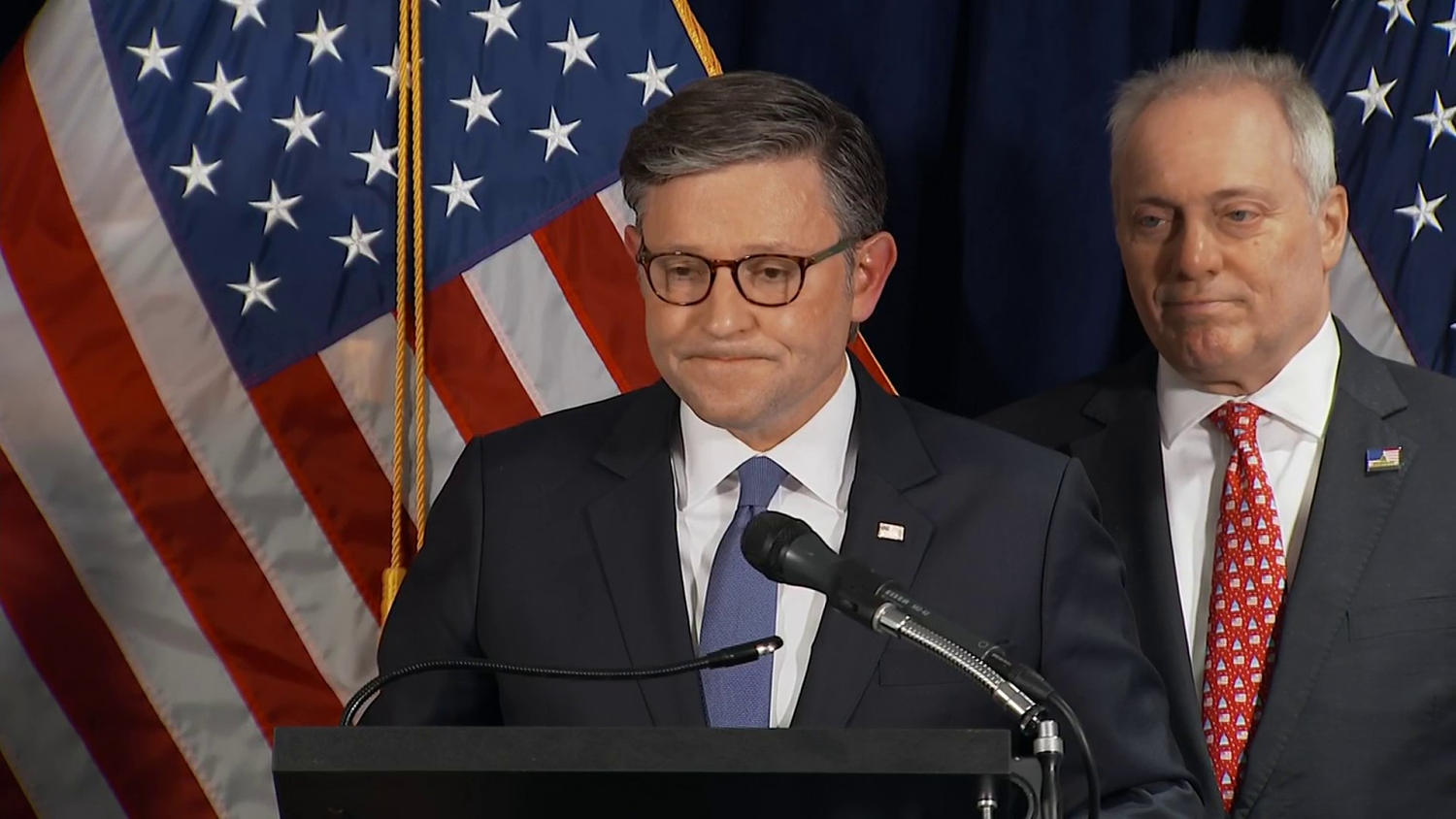
Speaker Mike Johnson told reporters that Trump still plans to sign the bill within a 10-day window. "We're delaying this, as you know, he has a window of time before he has to sign a bill, and he's going to use a little bit more of that window of time, and we're going to go through this together," Johnson said. Under the Constitution, a bill automatically becomes law if the president takes no action within 10 days of receiving it, excluding Sundays, as long as lawmakers remain in session.
Trump has made passage of the SAVE America Act his top legislative priority. Trump previously threatened in March to withhold his signature from most other bills until Congress passed it, and last week said he would not reauthorize a warrantless surveillance authority unless the elections bill was included.
Senate Majority Leader John Thune and other Republican leaders have repeatedly stated they do not have the votes to pass the SAVE Act or to eliminate the filibuster to force it through. Sen. Mike Rounds of South Dakota said plainly that "we don't have the votes in the United States Senate to pass it currently." GOP Sen. Thom Tillis of North Carolina called the push to pass the elections bill "a waste of time," telling reporters "It's a distraction and it's not going to happen in this Congress."
Democrats staunchly oppose the SAVE Act, arguing it would disenfranchise millions of eligible voters. Sen. Elizabeth Warren of Massachusetts, one of the housing bill's architects, expressed bewilderment at Trump's move. "I'm sorry, if you're asking me to get into Donald Trump's head and figure out what's going on there, you need somebody else," Warren said.
The legislation does not address the two largest factors driving housing unaffordability: high mortgage rates and steep home price increases over the past five years. Mortgage rates are tied to the yield on the 10-year Treasury note, controlled essentially by market forces and the Federal Reserve. Sen. Tim Scott of South Carolina, who spearheaded the housing bill alongside Warren, acknowledged this reality. "We don't control the interest rate environment. There's nothing that this bill could do to control the Federal Reserve, so that's probably good news," Scott said. "People want an independent Fed."
Scott also highlighted the tension between existing homeowners who do not want property values to fall and first-time buyers seeking lower prices. "You don't want to make housing more affordable by taking the current stock and reducing the price, which means that you're having a cataclysmic experience," he said. The bill instead aims to increase the number of affordable starter homes on the market.
Warren acknowledged the bill's limitations, telling Axios: "This bill is not about a single magic bullet that will fix our housing problem. This is a big bill, but we have an even bigger housing problem. We need to do more."
While Congress grappled with housing policy, New York City Mayor Zohran Mamdani demonstrated growing political influence by securing victories for all three of his endorsed congressional candidates in Democratic primaries Tuesday. The clean sweep ousted two sitting House members and signaled a leftward shift in the city's Democratic delegation.
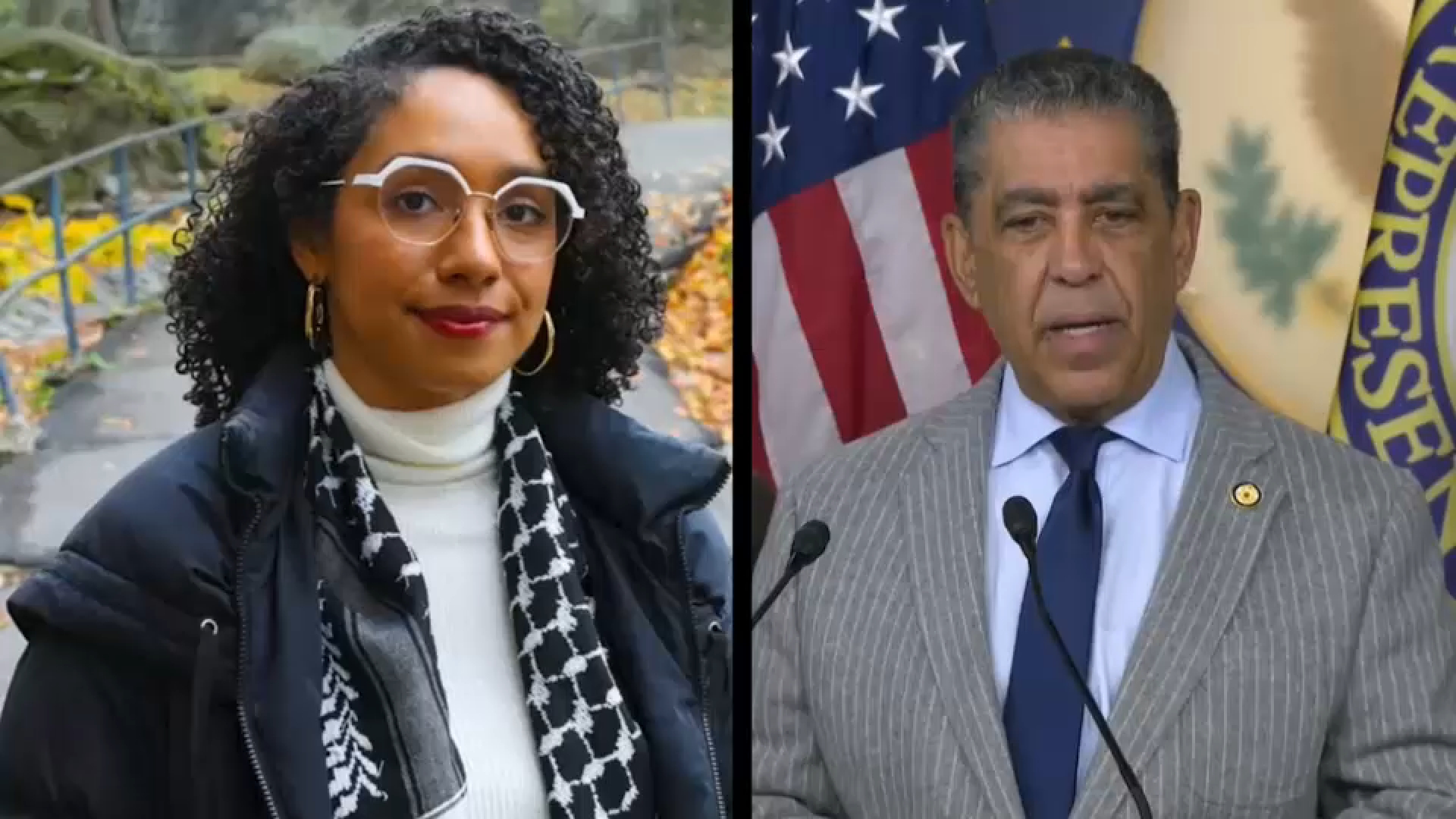
Brad Lander, the former New York City comptroller, defeated two-term incumbent Rep. Dan Goldman in the 10th District, garnering almost 63 percent support with 47 percent of votes reported. In the 13th District covering Upper Manhattan and parts of the Bronx, public defense investigator Darializa Avila Chevalier defeated five-term incumbent Rep. Adriano Espaillat, who chairs the Hispanic caucus in Congress. State Assemblywoman Claire Valdez won in the 7th District.
The victories highlighted divisions within the Democratic Party over ideology, Israel-Gaza policy, and immigration. New York Attorney General Letitia James expressed disappointment with Mamdani's success. Speaker Mike Johnson warned that communism is "on our own shores" after the socialist-backed candidates won. President Trump posted on Truth Social: "America the Beautiful will NEVER be a Communist Country!!!" after the results.
Mamdani's coalition, which powered him to an unexpected mayoral victory last year, has demonstrated staying power. The outcomes suggest New York's congressional delegation will have a more progressive tilt heading into the general election in November.
Congress passed the largest housing affordability bill in decades this week, sending legislation to President Trump's desk with overwhelming bipartisan support. The House approved the Road to Housing Act on Tuesday evening by a vote of 358-32, following the Senate's passage Monday by 85-5. The measure represents one of the most comprehensive housing bills in recent memory, containing nearly 50 different provisions aimed at increasing housing supply and bringing down costs.
The bill includes provisions that streamline environmental reviews, remove regulatory barriers to development, and offer localities that build more housing a larger share of existing federal funding. One measure called the Build Now Act redistributes federal money by cutting funding for regions building less housing and directing it to those constructing more. Another provision makes it easier and cheaper to build manufactured housing, which analysts expect could have rapid impact on the market.
The legislation also addresses institutional investors' role in the housing market. The final version prohibits institutional investors from purchasing more than 350 single-family homes at once, though it allows existing holdings to remain. As of 2025, larger institutional investors owning more than 1,000 homes controlled a combined 500,000 properties, accounting for roughly 3 percent of the total single-family rental supply. However, their presence is far more concentrated in certain cities. In Jacksonville, Florida, investors own more than 20 percent of single-family rental homes, according to a 2026 Government Accountability Office analysis.
President Trump abruptly canceled the signing ceremony scheduled for Wednesday morning, declaring he would not sign the housing bill until Congress passes the SAVE America Act, a voting restrictions measure. "Today's Housing News Conference and Signing is hereby cancelled until such time as we pass the desperately needed SAVE AMERICA ACT, which I consider to be a National Emergency," Trump posted on Truth Social Wednesday morning.
The announcement came just minutes before House Republican leaders were touting the bill's achievements at their weekly press conference. Rep. French Hill of Arkansas had praised the bipartisan effort moments before Trump's post, saying "Let's show the American people what legislating looks like." The Capitol's Statuary Hall had been set up and prepared for the signing ceremony.
Speaker Mike Johnson told reporters that Trump still plans to sign the bill within a 10-day window. "We're delaying this, as you know, he has a window of time before he has to sign a bill, and he's going to use a little bit more of that window of time, and we're going to go through this together," Johnson said. Under the Constitution, a bill automatically becomes law if the president takes no action within 10 days of receiving it, excluding Sundays, as long as lawmakers remain in session.
Trump has made passage of the SAVE America Act his top legislative priority. The voting measure would require proof of citizenship at voter registration and significantly curtail mail-in voting. Trump previously threatened in March to withhold his signature from most other bills until Congress passed it, and last week said he would not reauthorize a warrantless surveillance authority unless the elections bill was included.
Senate Majority Leader John Thune and other Republican leaders have repeatedly stated they do not have the votes to pass the SAVE Act or to eliminate the filibuster to force it through. Sen. Mike Rounds of South Dakota said plainly that "we don't have the votes in the United States Senate to pass it currently." GOP Sen. Thom Tillis of North Carolina called the push to pass the elections bill "a waste of time," telling reporters "It's a distraction and it's not going to happen in this Congress."
Democrats staunchly oppose the SAVE Act, arguing it would disenfranchise millions of eligible voters. Sen. Elizabeth Warren of Massachusetts, one of the housing bill's architects, expressed bewilderment at Trump's move. "I'm sorry, if you're asking me to get into Donald Trump's head and figure out what's going on there, you need somebody else," Warren said. Senate Minority Leader Chuck Schumer said Trump is "running away from one of the very few accomplishments that could actually help the American people" by refusing to sign the legislation.
The legislation does not address the two largest factors driving housing unaffordability: high mortgage rates and steep home price increases over the past five years. Mortgage rates are tied to the yield on the 10-year Treasury note, controlled essentially by market forces and the Federal Reserve. Sen. Tim Scott of South Carolina, who spearheaded the housing bill alongside Warren, acknowledged this reality. "We don't control the interest rate environment. There's nothing that this bill could do to control the Federal Reserve, so that's probably good news," Scott said. "People want an independent Fed."
Scott also highlighted the tension between existing homeowners who do not want property values to fall and first-time buyers seeking lower prices. "You don't want to make housing more affordable by taking the current stock and reducing the price, which means that you're having a cataclysmic experience," he said. The bill instead aims to increase the number of affordable starter homes on the market.
Warren acknowledged the bill's limitations, telling Axios: "This bill is not about a single magic bullet that will fix our housing problem. This is a big bill, but we have an even bigger housing problem. We need to do more."
While Congress grappled with housing policy, New York City Mayor Zohran Mamdani demonstrated growing political influence by securing victories for all three of his endorsed congressional candidates in Democratic primaries Tuesday. The clean sweep ousted two sitting House members and signaled a leftward shift in the city's Democratic delegation.
Brad Lander, the former New York City comptroller, defeated two-term incumbent Rep. Dan Goldman in the 10th District, garnering almost 63 percent support with 47 percent of votes reported. In the 13th District covering Upper Manhattan and parts of the Bronx, public defense investigator Darializa Avila Chevalier defeated five-term incumbent Rep. Adriano Espaillat, who chairs the Hispanic caucus in Congress. State Assemblywoman Claire Valdez won in the 7th District.
The victories highlighted divisions within the Democratic Party over ideology, Israel-Gaza policy, and immigration. New York Attorney General Letitia James expressed disappointment with Mamdani's success. Speaker Mike Johnson warned that communism is "on our own shores" after the socialist-backed candidates won. President Trump posted on Truth Social: "America the Beautiful will NEVER be a Communist Country!!!" after the results.
Mamdani's coalition, which powered him to an unexpected mayoral victory last year, has demonstrated staying power. The outcomes suggest New York's congressional delegation will have a more progressive tilt heading into the general election in November.
Highlighted text was flagged by the council. Tap to see feedback.