




Deal Framework Announced at G7 Summit
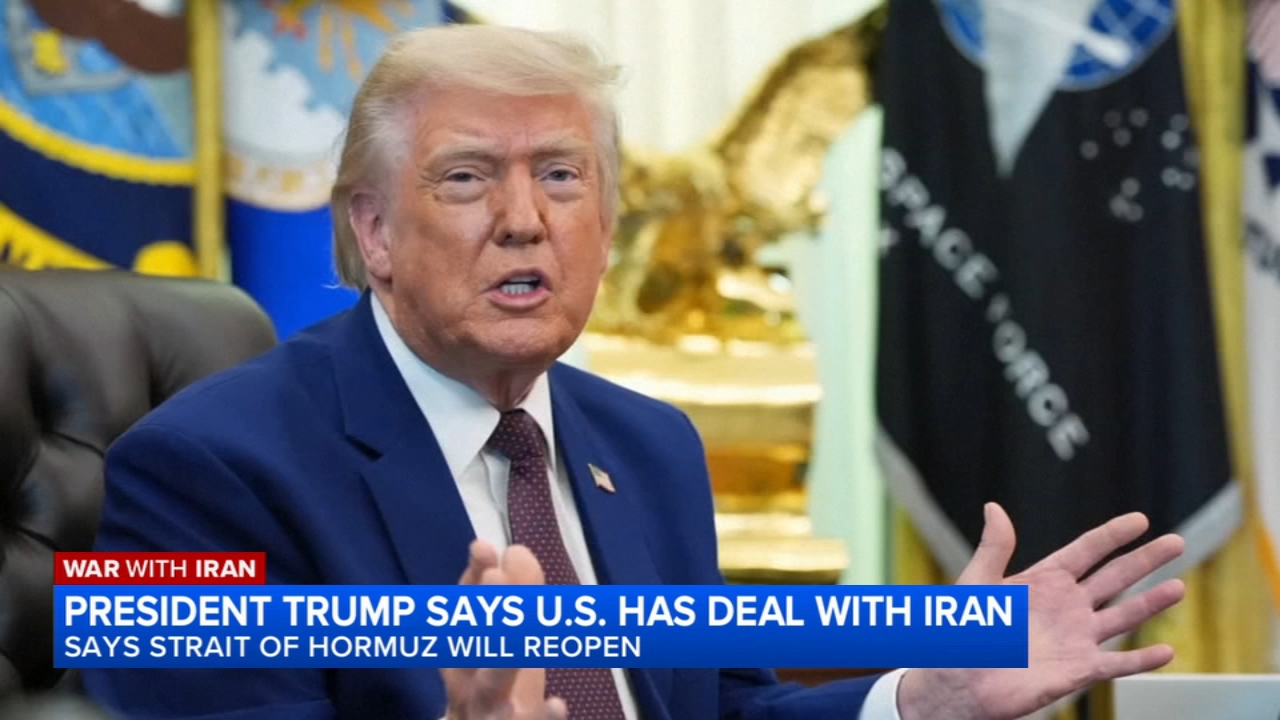
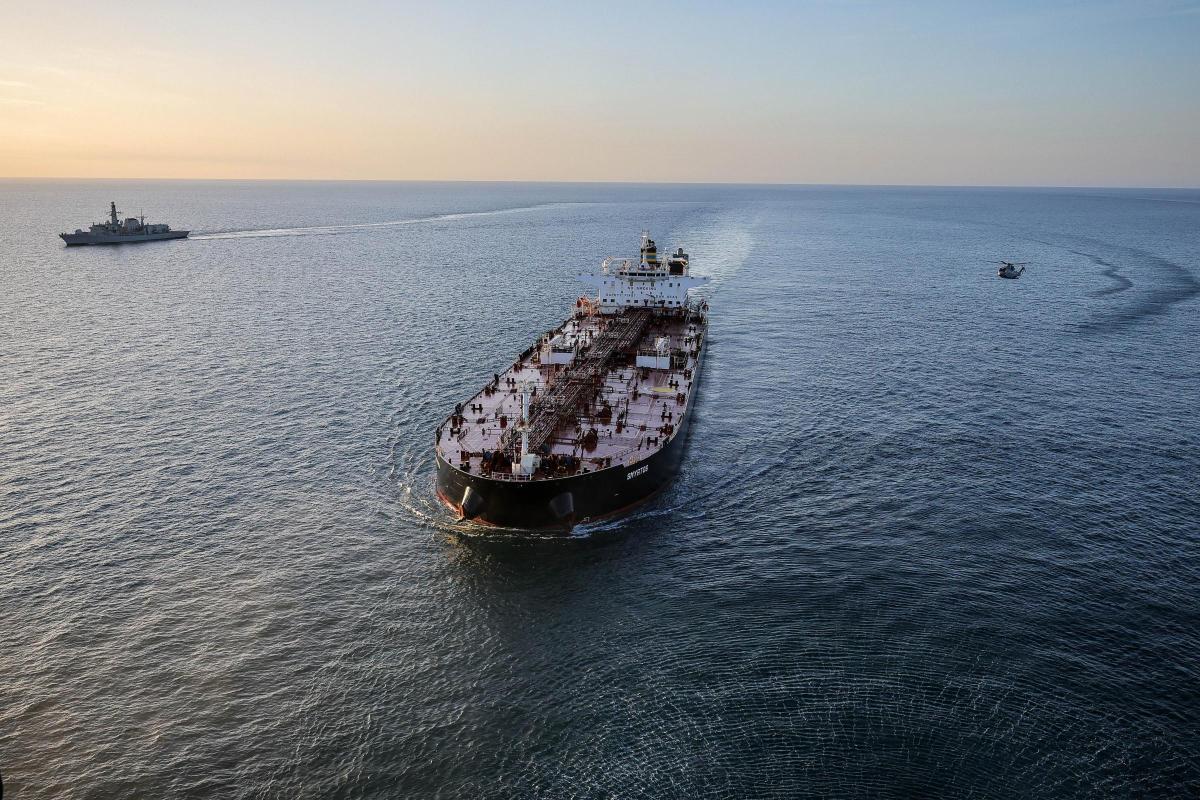
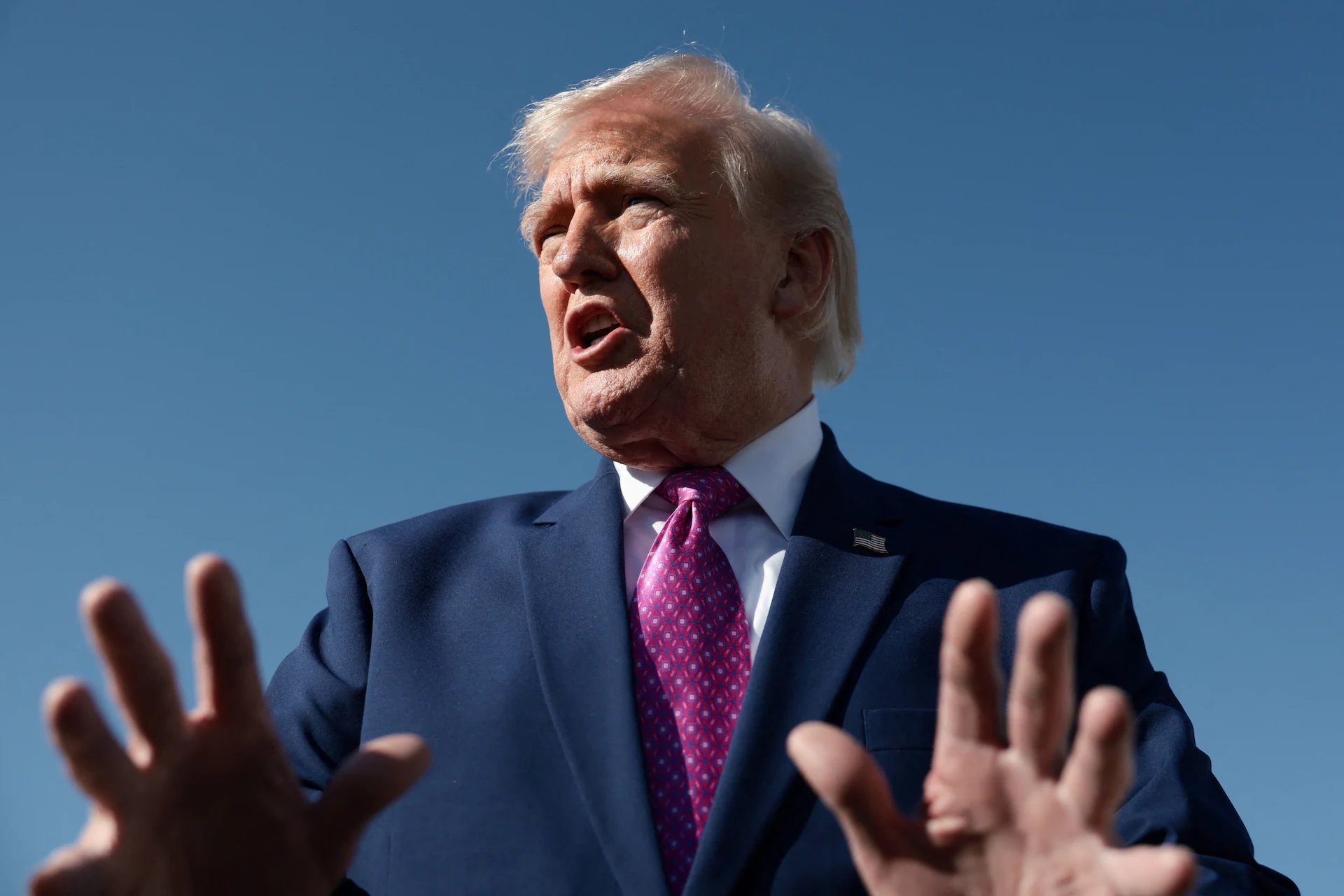
President Donald Trump declared during a bilateral meeting with French President Emmanuel Macron at the G7 summit that the Strait of Hormuz will be "completely open" by Friday. The announcement came as the Trump administration reached a preliminary agreement with Iran aimed at ending the conflict that has choked off roughly 20 percent of the world's daily oil consumption for more than three months. The framework agreement, scheduled to be signed Friday in Switzerland, lifts the U.S. naval blockade of Iranian ports, reopens the strait to shipping without tolls, and allows Tehran to resume oil exports under limited sanctions relief.
Markets Rally on Deal Announcement
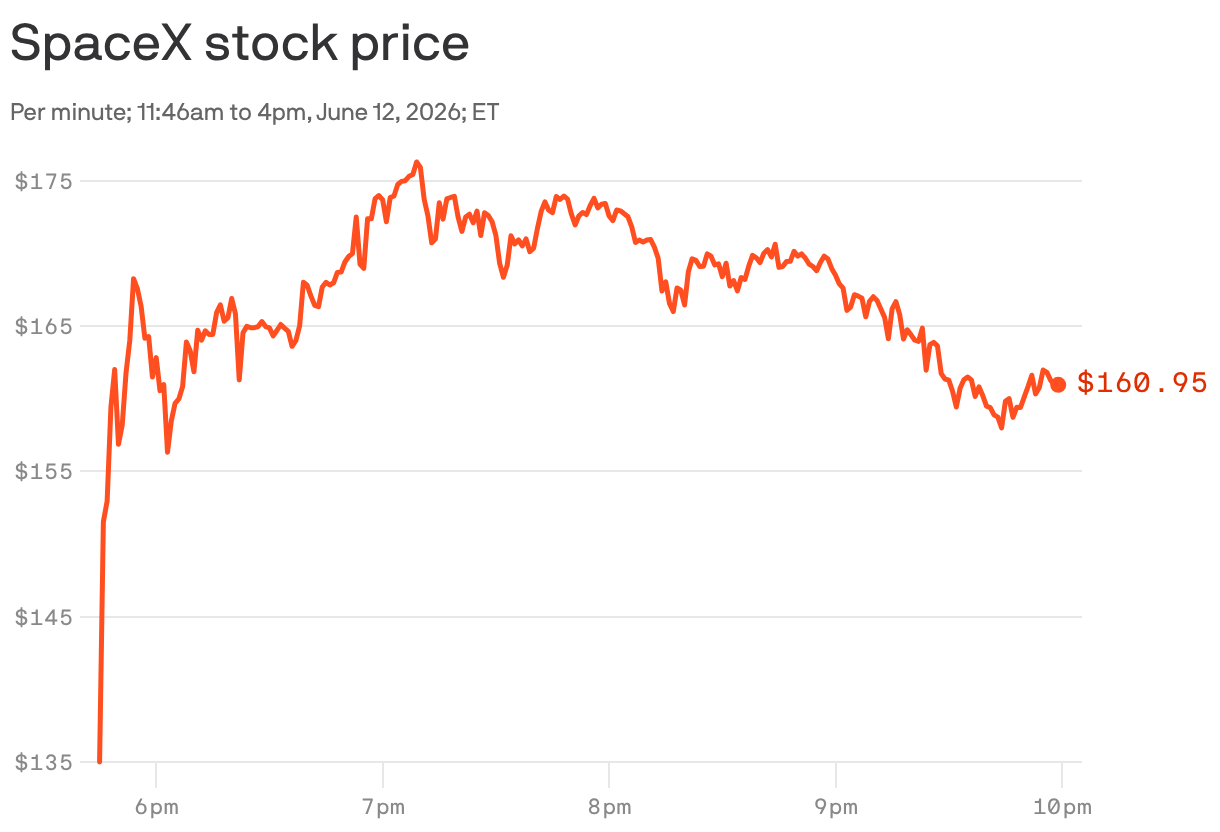
U.S. stocks rose sharply after the preliminary deal was announced, with oil prices tumbling and risk sentiment improving ahead of Kevin Warsh's first meeting as chairman of the Federal Reserve this week. SpaceX shares advanced as part of the broader rally. The energy crisis triggered by the strait's closure had driven up fuel costs across the United States and around the world, making the agreement's economic implications immediate and tangible for consumers.
Mines and Insurance Delays Remain
Despite Trump's Friday timeline, significant obstacles stand between the agreement and actual commercial shipping resuming. Iran deployed naval mines during the conflict, and maritime security experts say clearing them could take 40 to 50 days. The process requires locating mines using minesweepers, underwater drones, and sonar, then verifying the waterway is safe for passage. Johannes Peters, an expert on undersea warfare at Kiel University's Institute for Security Policy, noted that modern mines can be triggered by magnetic effects, underwater sound waves, or pressure changes from passing ships, making detection complex.
Even after mines are cleared, war-risk insurance premiums remain prohibitively high. Currently, premiums stand at 1 to 4 percent of a vessel's value per transit, compared with prewar rates below 0.1 percent. For a typical $200 million tanker, this adds $2 million to $8 million per transit versus less than $200,000 before the war. Jakob Larsen, chief safety and security officer at shipping association BIMCO, called for "mine-free routes" to be established before confidence returns to the market.
Stranded Vessels and Crew Shortages
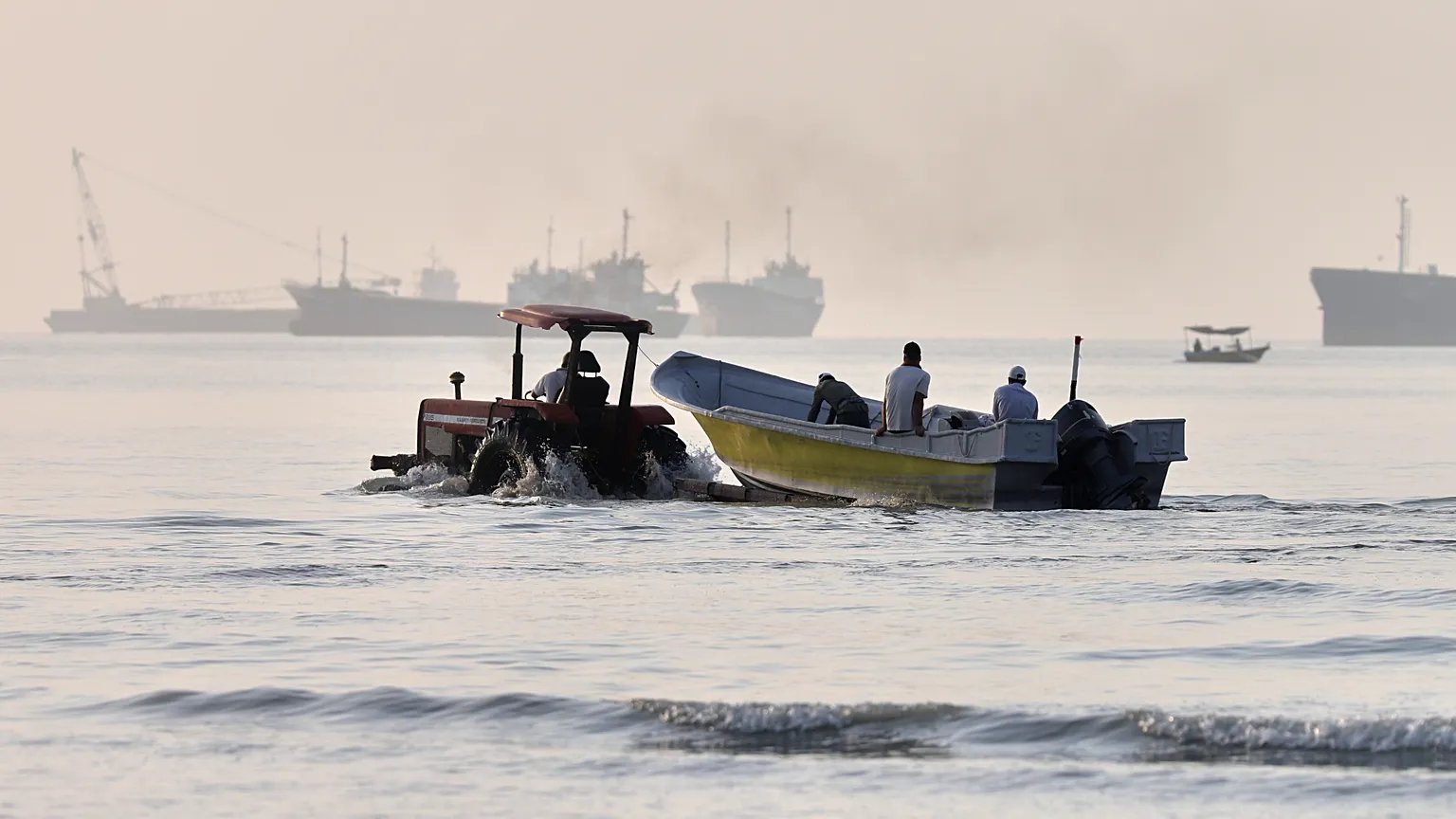
Approximately 300 fully loaded vessels currently sit in the Gulf while another 250 empty ships await loading once the strait reopens. In the Gulf of Oman, a further 300 empty tankers are waiting permission to enter. Around 20,000 seafarers remain aboard stranded vessels, with 14 crew members killed in attacks during the conflict, roughly half of them from India. India's Directorate General of Shipping ordered employment agencies on Sunday to restrict deployments to conflict areas, reflecting growing reluctance among crews to accept Gulf assignments.
Unresolved Negotiations Threaten Stability
The framework agreement remains preliminary, with major disputes unresolved. The U.S. insists on a permanently toll-free strait, while Iranian officials have discussed "service fees" and retaining control of the waterway alongside neighboring Oman. Broader issues including Iran's nuclear ambitions, sanctions relief, and Tehran's support for groups like Hezbollah and the Houthis remain negotiated. Israeli Prime Minister Benjamin Netanyahu stressed his country is not bound by the agreement and warned Israel will continue acting in self-defense, raising the risk that unilateral strikes could quickly unravel the framework.