




New Legislation Announced by Prime Minister Starmer
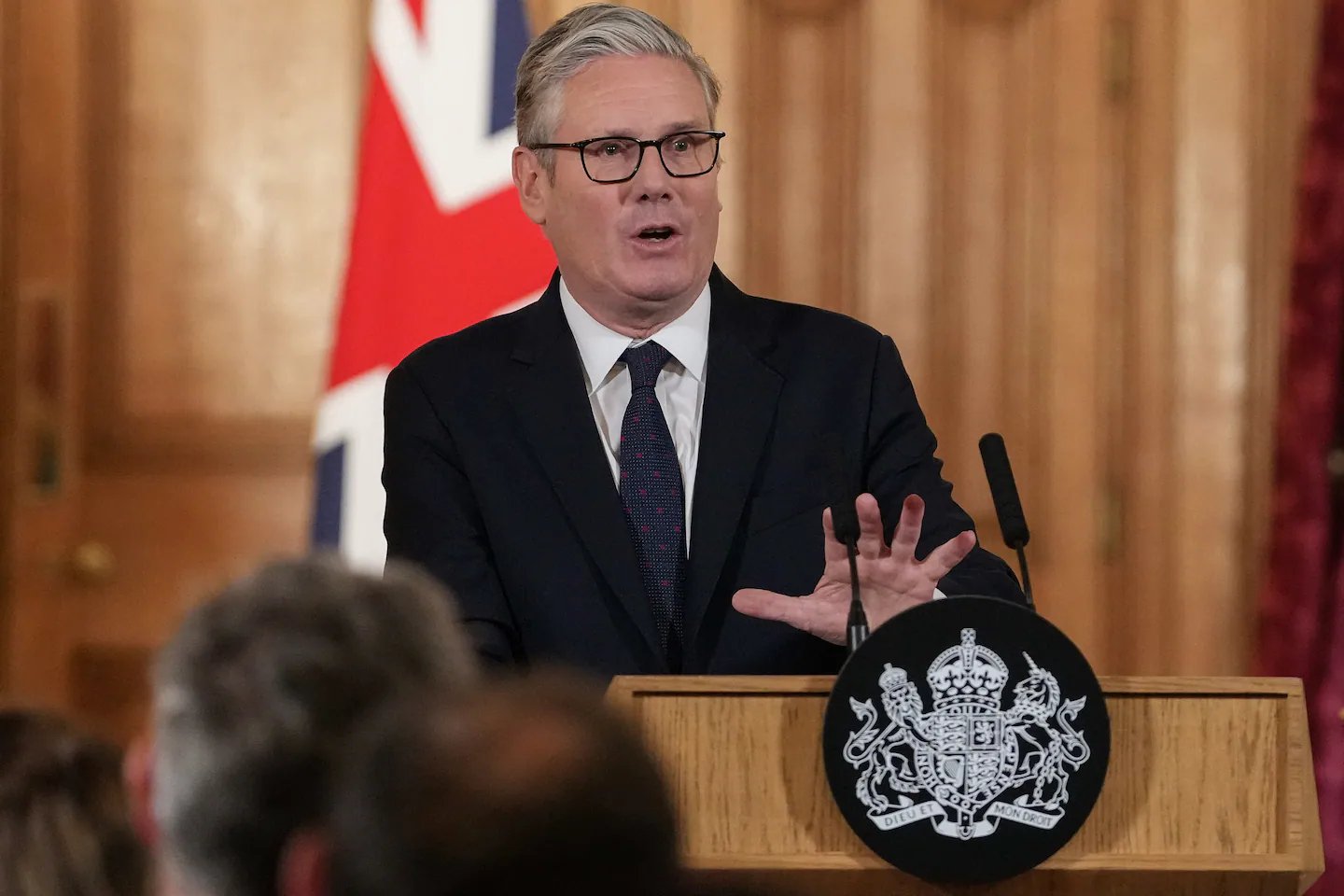
Britain will implement a ban on children under 16 from accessing popular social media platforms, including TikTok, Snapchat, and YouTube, Prime Minister Keir Starmer announced on Monday. This move aims to protect young users from harmful content and excessive screen time, an issue that has garnered increasing concern among parents and educators. The legislation is expected to be enacted by early next year, aligning the U.K. with a global trend toward stricter online safety measures for children.
Scope of the Ban
The ban will prohibit access to several major platforms such as Instagram, Facebook, and X, while messaging services like WhatsApp will remain accessible. Starmer emphasized that the government will target tech companies to enforce compliance, warning that those failing to adequately restrict access could face multimillion-dollar fines. The government received over 116,000 responses during a public consultation, with more than 90% of parents supporting the proposed ban.
Global Context and Similar Measures
Britain's decision follows Australia, which became the first country to impose such a ban in December 2025. Other nations, including Canada, Brazil, and Indonesia, have also introduced similar age-based restrictions, while countries like France and South Korea are exploring their options. Starmer noted that the U.K. plans to go further than Australia by also preventing strangers from contacting children on gaming and livestreaming platforms.
Reactions from Advocacy Groups
Advocacy groups have expressed mixed reactions to the ban. Esther Ghey, a parent who lost her daughter due to exposure to harmful online content, stated that the ban could "potentially save so many children's lives." Meanwhile, the NSPCC, a leading children's charity, praised the government's ambition but urged for robust age checks and effective enforcement. Critics including the Open Rights Group expressed concerns about age verification companies and how users' private data is protected.
Concerns from Tech Companies
Tech companies have voiced apprehensions regarding the blanket ban. A YouTube spokesperson warned that a blanket social media restriction could push children away from curated, supervised platforms toward anonymous, less-safe services. The U.S. Embassy in London also expressed concerns, suggesting that age-gating systems might not work effectively and emphasizing the need to balance child safety with freedom of speech. Starmer is set to discuss these issues with global leaders at the upcoming Group of Seven summit.
Future Implications and Cultural Change
Starmer said success would mean "a massive drop off of children on social media" and "a cultural change, a sense that actually you can grow up differently." He acknowledged that while some teens may attempt to bypass the ban, the government remains committed to prioritizing the safety and happiness of children.
Next Steps for Implementation
The British government aims to have the legislation passed by late December, with enforcement expected to begin in the spring of 2027. As part of the implementation process, authorities are also considering additional measures such as overnight curfews for young users and breaks in infinite scrolling for those under 18. This multifaceted approach underscores the government's commitment to creating a safer online environment for children while responding to the concerns of parents and educators.