




New Plan Passed Quickly After Supreme Court Ruling
Alabama lawmakers approved a plan for new U.S. House primaries on Friday, contingent upon court approval of GOP-drawn congressional districts. The legislation, signed into law by Republican Governor Kay Ivey, aims to set aside the results of the May 19 primary for certain congressional seats if a court allows changes to district lines. This move follows a recent Supreme Court ruling that weakened protections under the Voting Rights Act.
Legislative Context and Implications
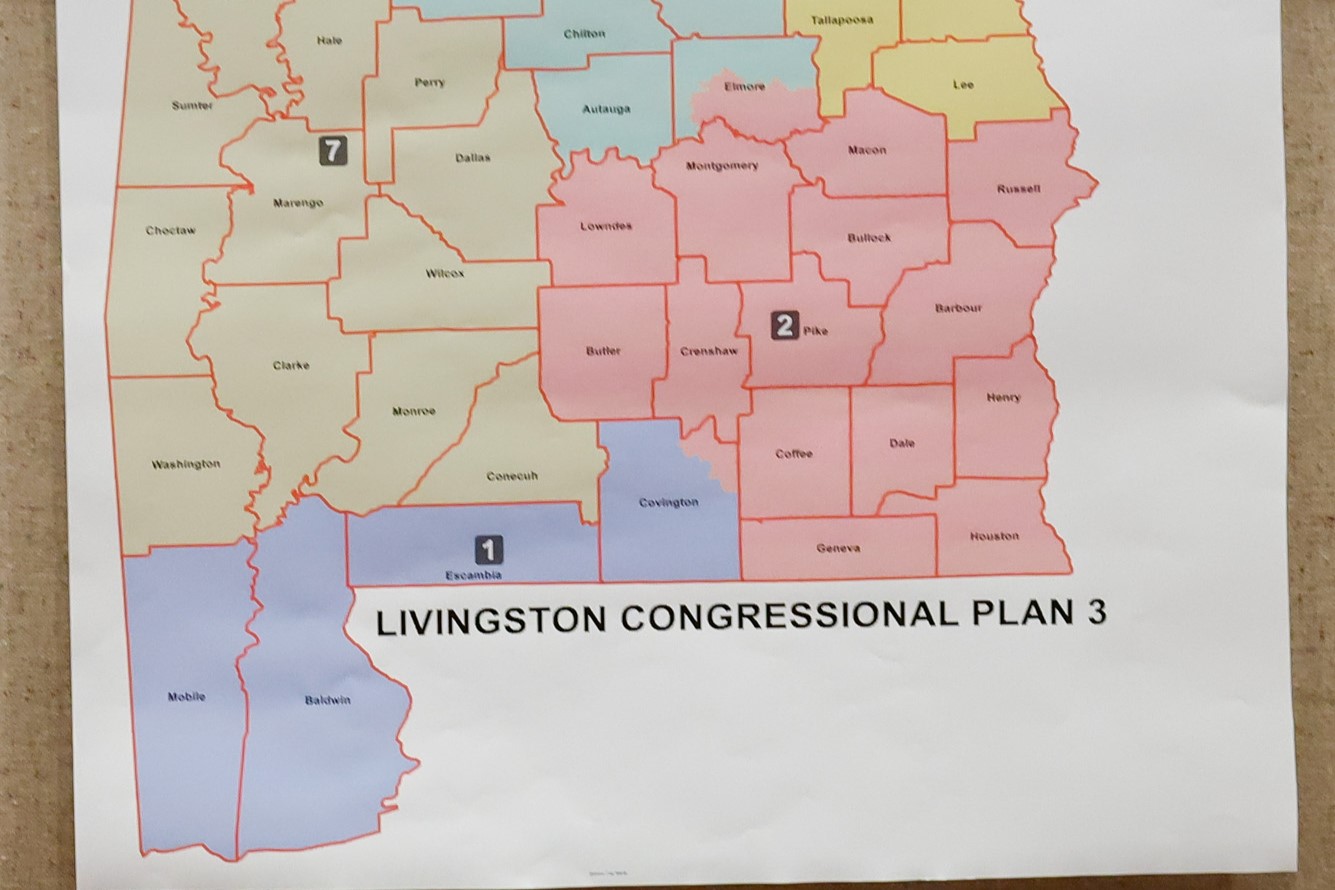
The new law directs the governor to schedule new primaries should a court lift the injunction that currently mandates the use of the existing congressional map until after the 2030 census. That map, drawn by a court-appointed expert in 2023, consists of five GOP-leaning districts and two Democratic-leaning districts, which include substantial Black voter populations. The Republican-controlled legislature seeks to revert to a map that could eliminate one of the Democratic seats, specifically targeting the district held by Democratic Representative Shomari Figures.
Protests Erupt at Statehouse
Outside the Alabama Statehouse, demonstrators voiced their opposition, chanting slogans such as "fight for democracy" and "down with white supremacy." Inside, tensions escalated as Black lawmakers criticized the Republican plan, likening it to Jim Crow-era tactics. Democratic state Senator Rodger Smitherman stated, “What happened here today is that we were set back as a people to the days of Reconstruction.”
Legal Challenges Loom
Alabama Attorney General Steve Marshall has petitioned the Supreme Court to lift the lower court's injunction. Justice Clarence Thomas requested a response from the opposing side by Monday. Should the courts favor the state's appeal, the new congressional map could be implemented, potentially reshaping the political landscape ahead of the elections.
Broader Redistricting Battle in Southern States
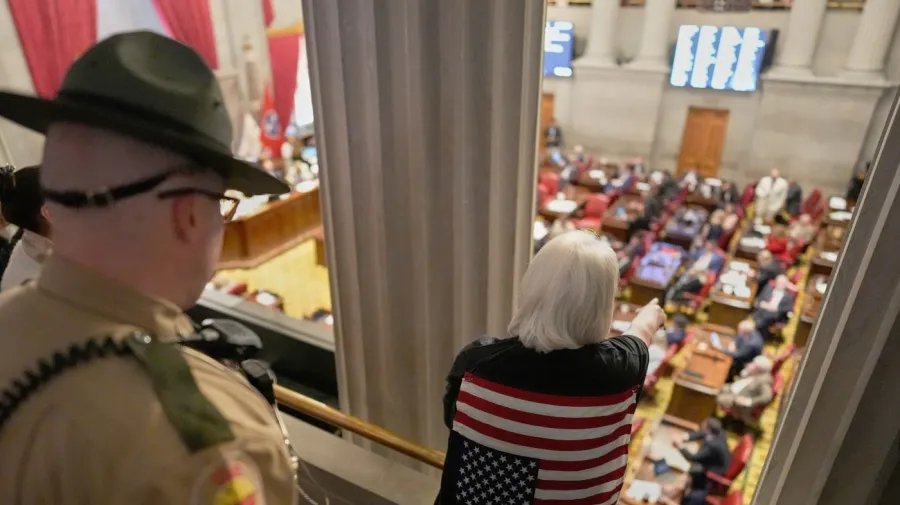
The situation in Alabama is part of a larger trend across southern states, where Republican lawmakers are moving swiftly to capitalize on the Supreme Court's recent ruling in a Louisiana case. This ruling has prompted similar redistricting efforts in Louisiana, Tennessee, and South Carolina, where legislators are attempting to redraw maps to their advantage. In Tennessee, a new map has already been enacted, which splits a Democratic-held, majority-Black district in Memphis, leading to legal challenges from the state Democratic Party.
Civil Rights Concerns and Historical Context
Civil rights activists have expressed alarm over these redistricting efforts, fearing they undermine the voting power of minority communities. Betty White Boynton, a protester outside the Alabama Statehouse, remarked, “I was out there in 1965 marching for the right to vote, and now we are back here in 2026 doing the same thing.” Critics argue that the proposed changes represent a regression in the fight for equal representation.
Next Steps for Alabama
As the legal landscape evolves, Alabama's political future hangs in the balance. Lawmakers and citizens alike await the court's decision, which could dictate the structure of congressional representation in the state. The outcome will not only influence the upcoming primaries but also the broader dynamics of power in the U.S. House, making this a pivotal moment in Alabama's electoral history.