




Attack Disrupts Reopening of Critical Shipping Lane
The International Maritime Organization paused its evacuation of more than 11,000 stranded sailors on Thursday after Iran's Revolutionary Guard struck a Singapore-flagged cargo vessel in the Strait of Hormuz. The attack came hours after Tehran warned ships against using a U.S.-backed route through the waterway, threatening to undermine a fragile peace agreement signed just days earlier.
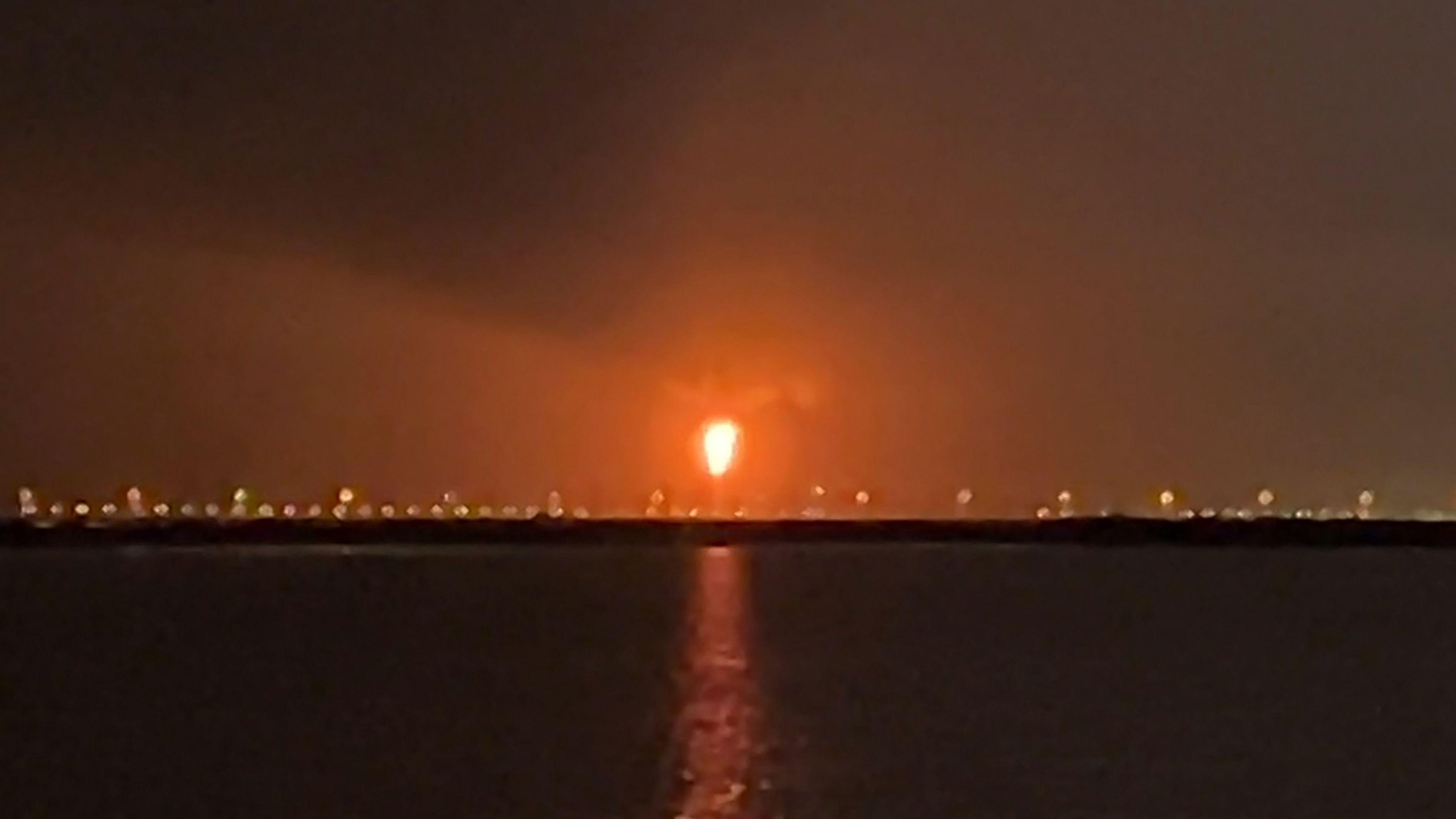
The Ever Lovely was hit by an Iranian drone off the coast of Oman at 5:40 p.m. local time, sustaining damage to its bridge and starboard side, according to the U.K. Maritime Trade Operations Centre. U.S. officials confirmed Iran carried out the strike. No injuries or environmental damage were reported, and the vessel continued through the strait.
IMO Secretary General Arsenio Dominguez announced the pause in a statement, saying he needed to "reconfirm that the necessary safety guarantees continue to be in place" for ships on the evacuation list. He noted the attacked vessel "did not transit under IMO's evacuation framework," distinguishing it from the evacuation operation launched Tuesday. Several ships had already been successfully evacuated before the pause took effect.
Iran's Route Dispute Escalates Tensions
The strike followed Iran's explicit warning that ships using routes not approved by Tehran would face consequences. On Wednesday, the Islamic Revolutionary Guard Navy told state media that a new evacuation route announced without Iranian coordination was "unacceptable and completely dangerous." The following day, Iran's newly established Persian Gulf Strait Authority posted on X that any passage outside its designated routes "will not be covered by the guarantee of safe passage" and would not qualify for insurance coverage.
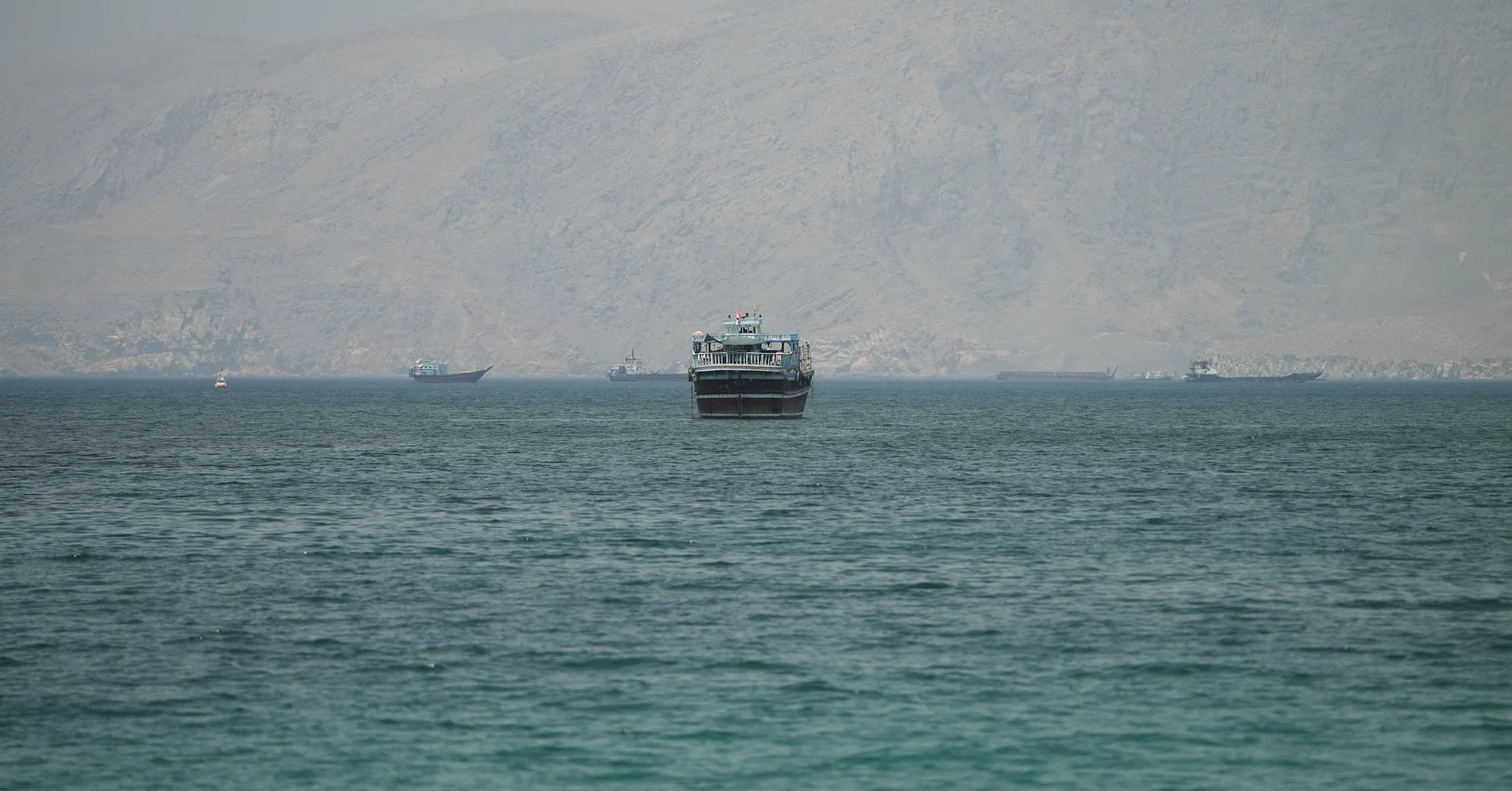
The dispute centers on two competing routes through the strait. The U.S.-backed plan, coordinated by Oman and the IMO, has ships hug the Omani coastline. Iran insists vessels use a northern corridor closer to its coast and obtain Tehran's permission before transiting. The Revolutionary Guard stated Thursday that "the only authorized route for passing through the Strait of Hormuz is the one declared by the Islamic Republic of Iran" and warned that "violators will be dealt with."
On Wednesday, according to the private security firm Ambrey, a Guard member threatened one tanker over radio, saying "You are in range of my missiles and maybe (I) fire on you." At least two tankers turned back after attempting to leave the Persian Gulf, while three others diverted to the northern route following the attack on the Ever Lovely.
U.S. Rejects Iranian Toll Demands
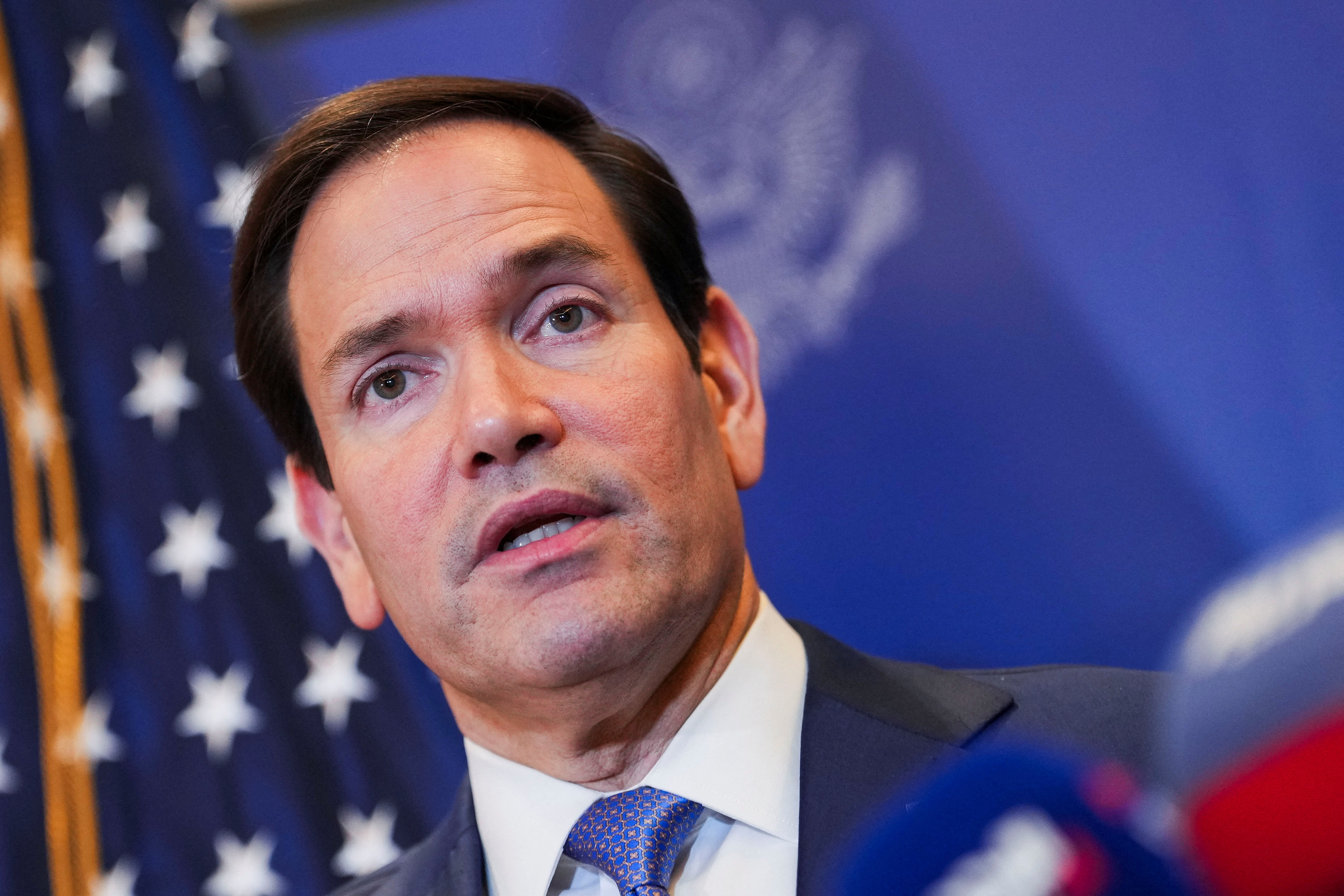
Secretary of State Marco Rubio, visiting the Gulf region to reassure American allies, said Washington would not accept any agreement allowing Iran to impose fees on shipping. Speaking at a Gulf Cooperation Council meeting in Bahrain on Thursday, Rubio warned that permitting tolls would cause "total chaos" and spread "throughout the world like a contagion."
"International waterways do not belong to any nation state," Rubio said. "If in fact we accepted that you can charge money to use an international waterway because it happens to be near your territorial space, well then this will spread throughout the world like a contagion."
Iran has not ruled out seeking tolls after the current 60-day negotiation period ends. The U.S. and Iran signed a memorandum of understanding on June 17 requiring Iran to arrange toll-free safe passage "using its best efforts" for 60 days while the two countries work toward a permanent settlement. Oman's Foreign Minister Sayyid Badr bin Hamad Al Busaidi stated Thursday that "future arrangements concerning the Strait of Hormuz will not involve imposing any transit fees," and Oman's foreign ministry said Omani Foreign Minister Al Busaidi and Iranian Foreign Minister Seyed Abbas Araghchi reached an understanding on a joint cooperation mechanism for the strait.
Traffic Surges Then Stalls
Before the attack, shipping through the strait had accelerated dramatically. Seventy vessels transited on Thursday, a 105 percent increase from the previous day, according to analytics firm Kpler. The prior week saw 125 vessels cross, up from 33 the week before. Wednesday had recorded 78 transits, the most since the war began in February, though still below the daily prewar average of 130 or more.
The IMO estimates 600 ships remain stranded in the region, with 14 sailors dead since fighting began. The shipping company Maersk reported that its container ship Maersk Baltimore and another chartered vessel successfully exited on Thursday before the pause was announced.
Following the attack, traffic largely stopped as vessels reassessed the security situation. The strike threatened to reverse weeks of progress in reopening what normally carries one-fifth of the world's oil and natural gas.
Oil Markets React to Uncertainty
Oil prices initially spiked on news of the attack but then retreated as traders weighed the broader trend of reopening. Brent crude fell 3.8 percent to $73.87 a barrel on Thursday, below its level just before the war began in February. U.S. crude dropped 3.9 percent to $70.34 a barrel.
Chevron's Chief Financial Officer Eimear Bonner told CNBC on Thursday that even as global oil prices fall, "it's going to take time" for prices at the pump to decline due to lag between wholesale and retail markets.
Broader Peace Deal Under Strain
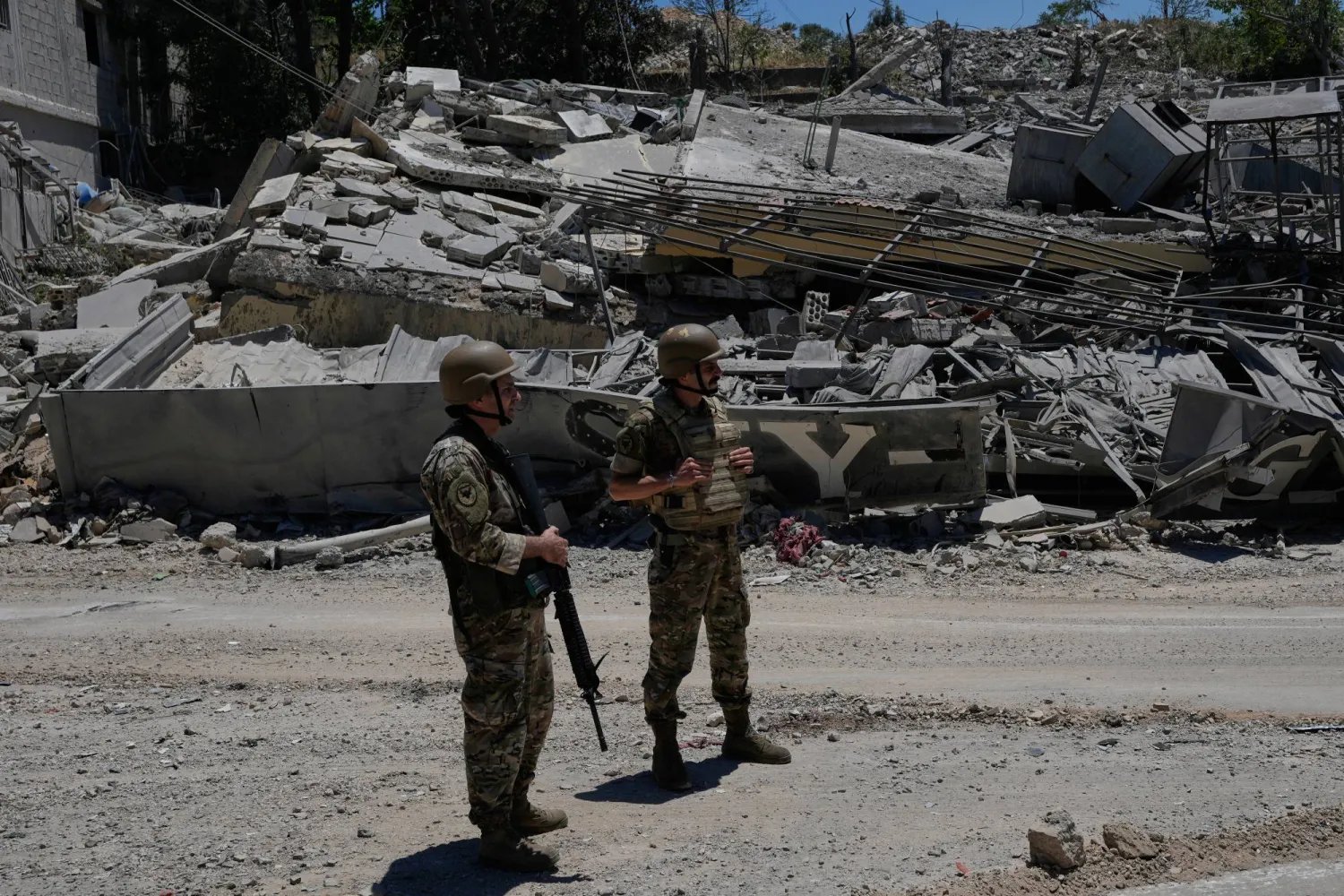
The attack threatens the wider U.S.-Iran agreement. The memorandum of understanding requires both sides to resolve disputes over shipping, Iran's nuclear program, and regional conflicts within 60 days. A separate flare-up between Israel and Iranian-backed Hezbollah in Lebanon has already tested the truce. Lebanon's health ministry reported three people killed by an Israeli strike Thursday, the third deadly incident since Tuesday.
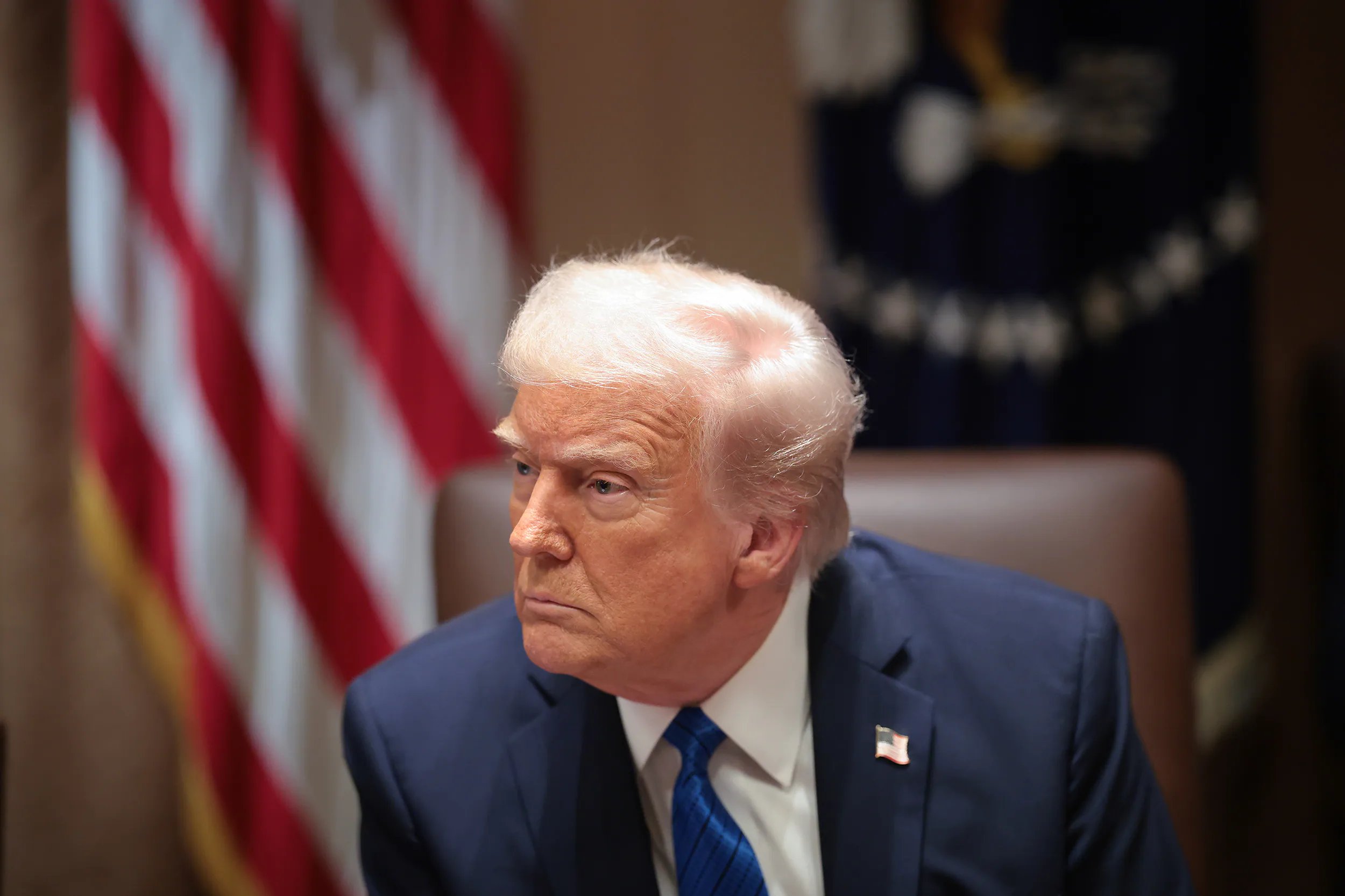
Rubio told reporters early Thursday that the Trump administration would judge Iran on actions rather than rhetoric. "If ships are moving as they should be moving, then that's what we're going to judge," he said. "If, on the other hand, this rhetoric is backed up by actual ships being threatened and ships are not moving, that's a violation of the agreement, and we're going to have a problem with it."