




Ruling Protects Voting Rights Amid Controversial Proposal
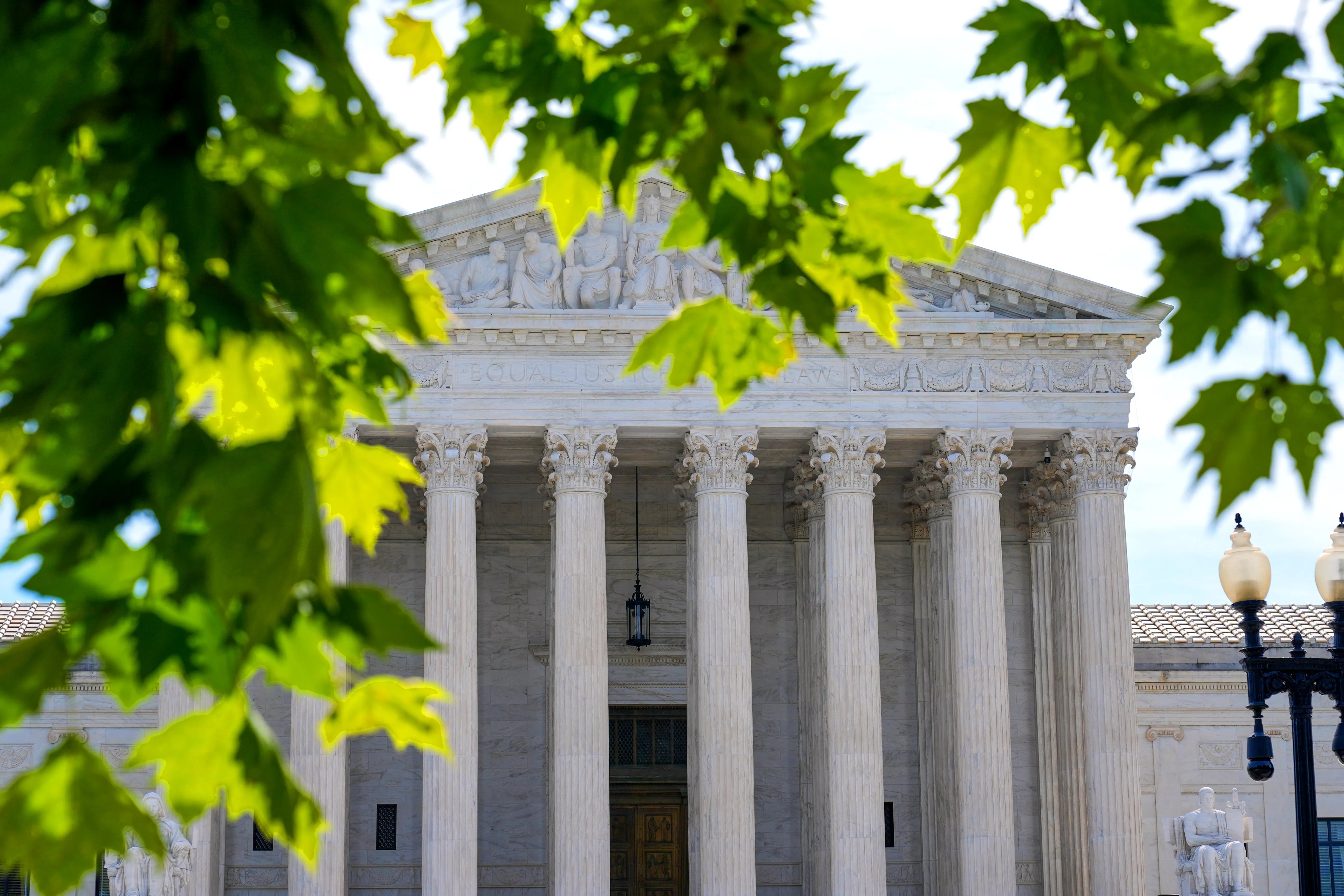
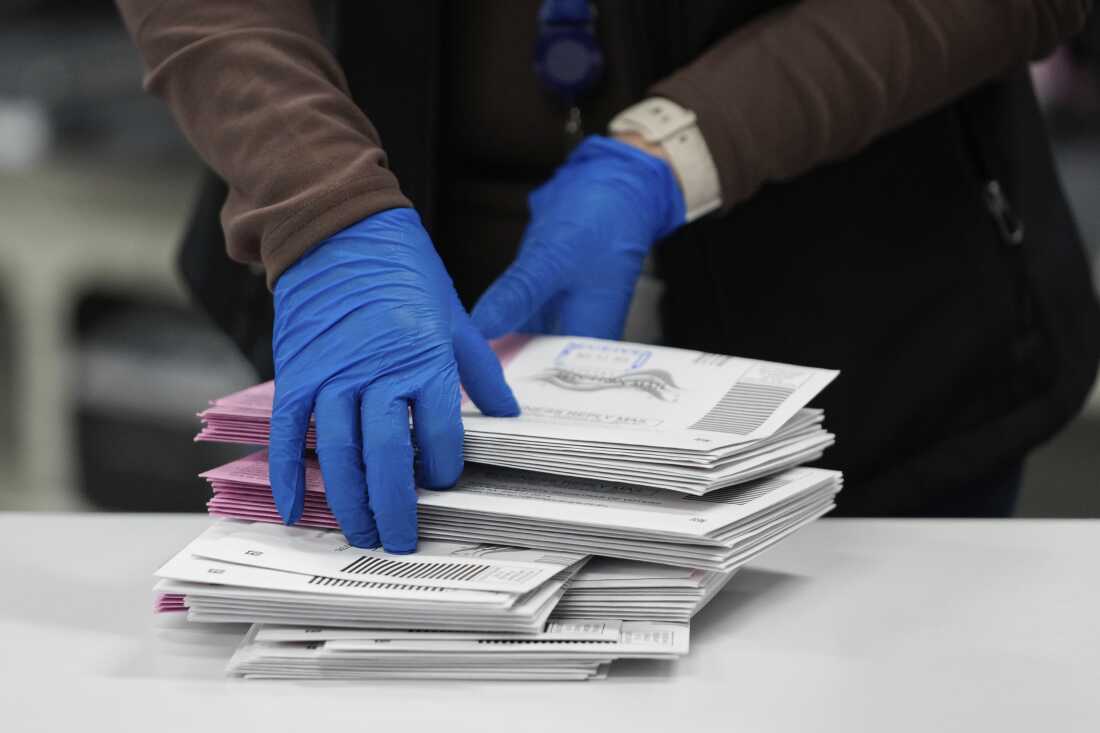
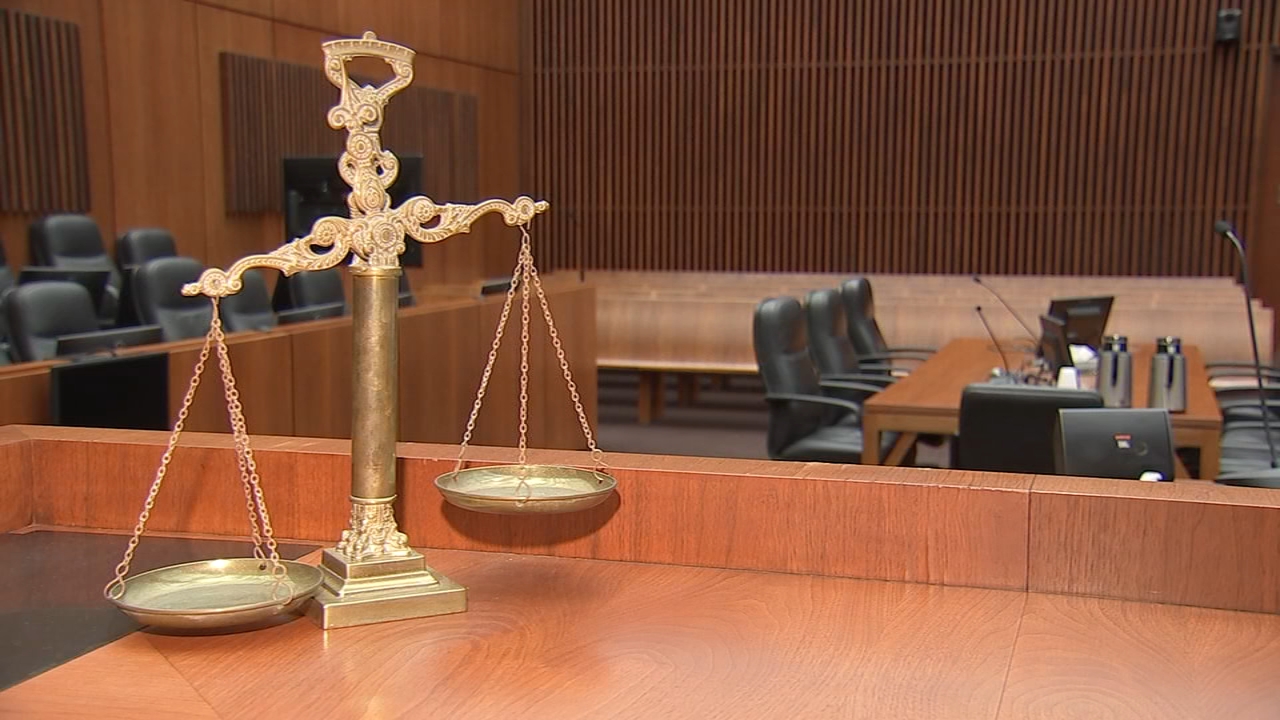
A federal judge has blocked a proposal from the U.S. Postal Service that would have restricted mail-in voting in states that do not provide federal authorities with voter lists. U.S. District Judge Indira Talwani of Massachusetts issued the injunction, asserting that the Constitution reserves the power to determine voter eligibility to the states alone. This decision marks a significant legal victory and comes as the Trump administration faces increasing scrutiny over its attempts to exert federal control over elections.
Details of the Blocked Proposal
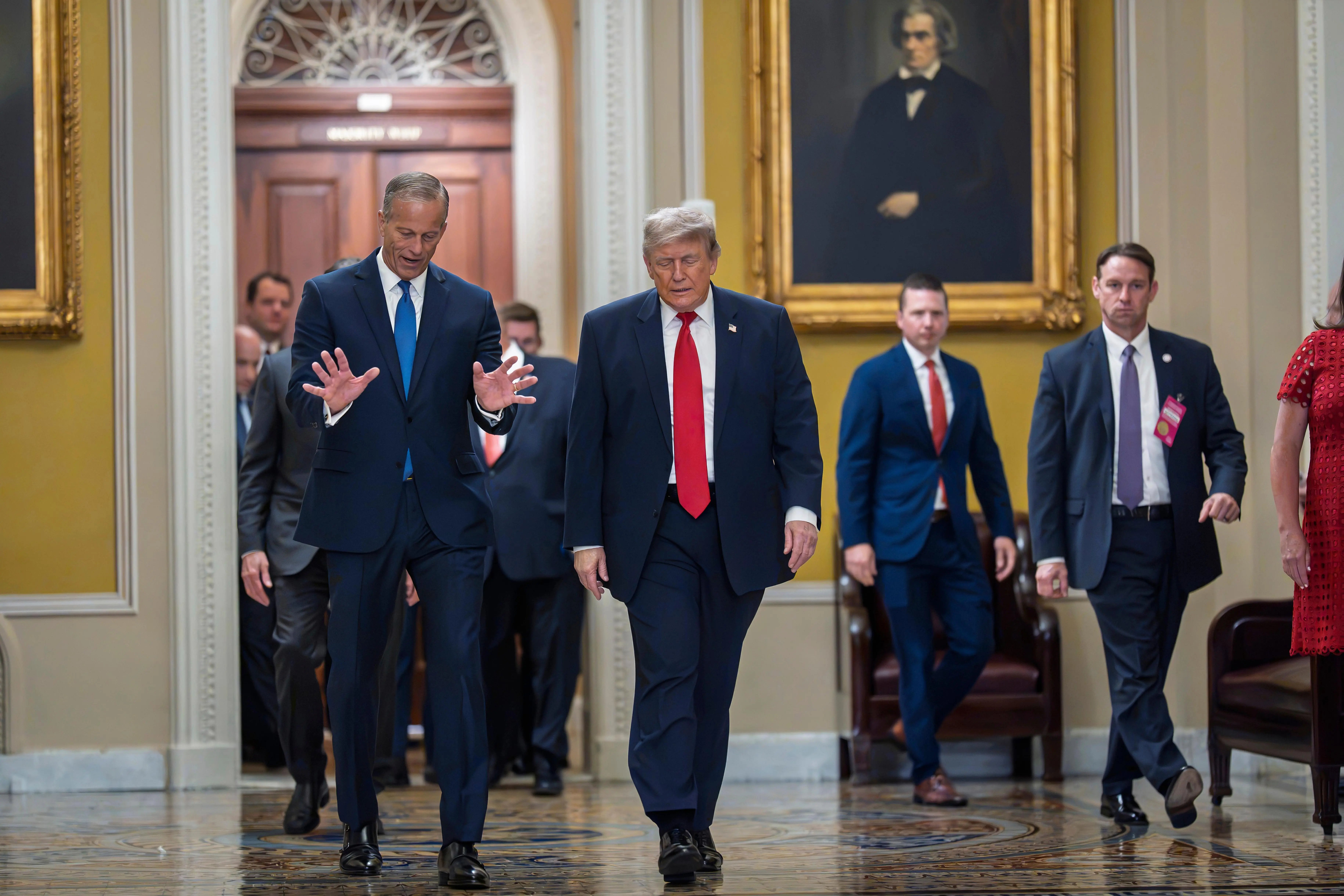
The proposed rule, which was part of President Trump's executive order aimed at increasing oversight of mail-in voting, would have mandated that the Postal Service refuse to deliver ballots in states that did not submit a list of approved voters. During a Senate hearing, Postmaster General David Steiner confirmed that under this proposal, ballots would not be mailed unless states provided names, addresses, and ballot barcode numbers of individuals eligible to vote. Judge Talwani's ruling effectively halts these plans, stating that the Postal Service lacks the authority to regulate mail-in voting.
Legal Context and Implications
Talwani emphasized that neither the Executive Branch nor Congress has the power to interfere with state authority over elections. She noted that Trump's order exceeded his presidential authority and encroached on states' rights. This ruling is part of a broader pattern, as it follows similar decisions from other judges who have blocked provisions of Trump's executive orders related to voter registration and mail-in voting. In total, at least five lawsuits have challenged various aspects of Trump's election-related actions.
Responses from the Trump Administration
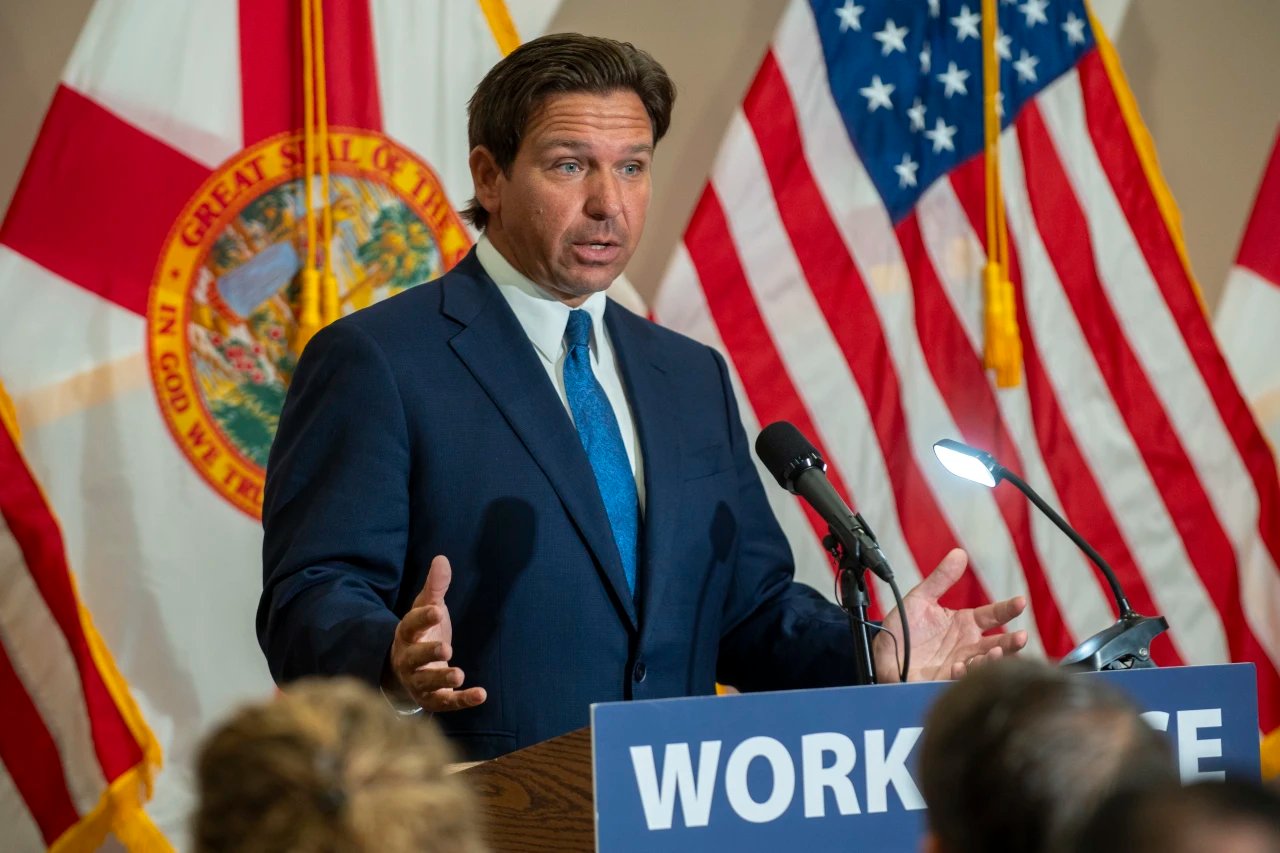
The White House has not commented directly on Talwani's ruling. However, a spokesperson, Abigail Jackson, stated that President Trump is committed to ensuring confidence in the electoral process and believes the order lawfully protects elections. Jackson expressed confidence that the administration would ultimately prevail in its efforts to implement the proposed regulations. It remains unclear whether the administration will appeal the ruling.
Broader Significance for Mail-in Voting
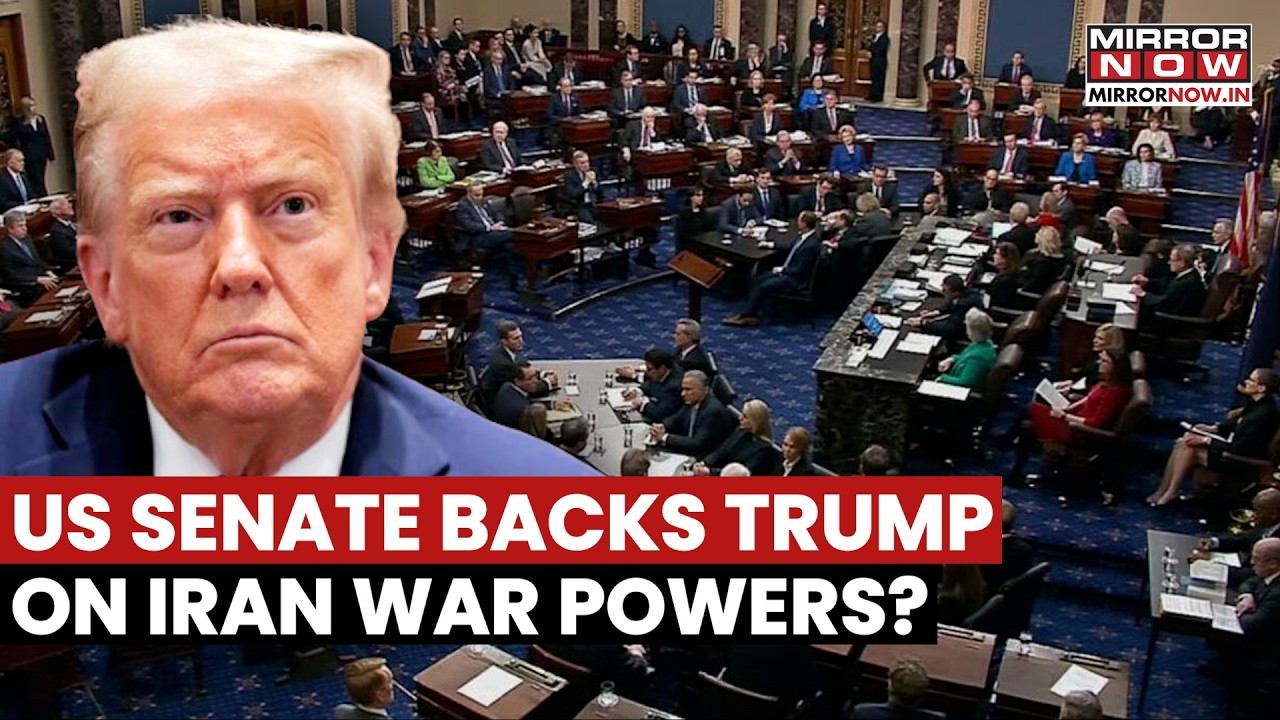
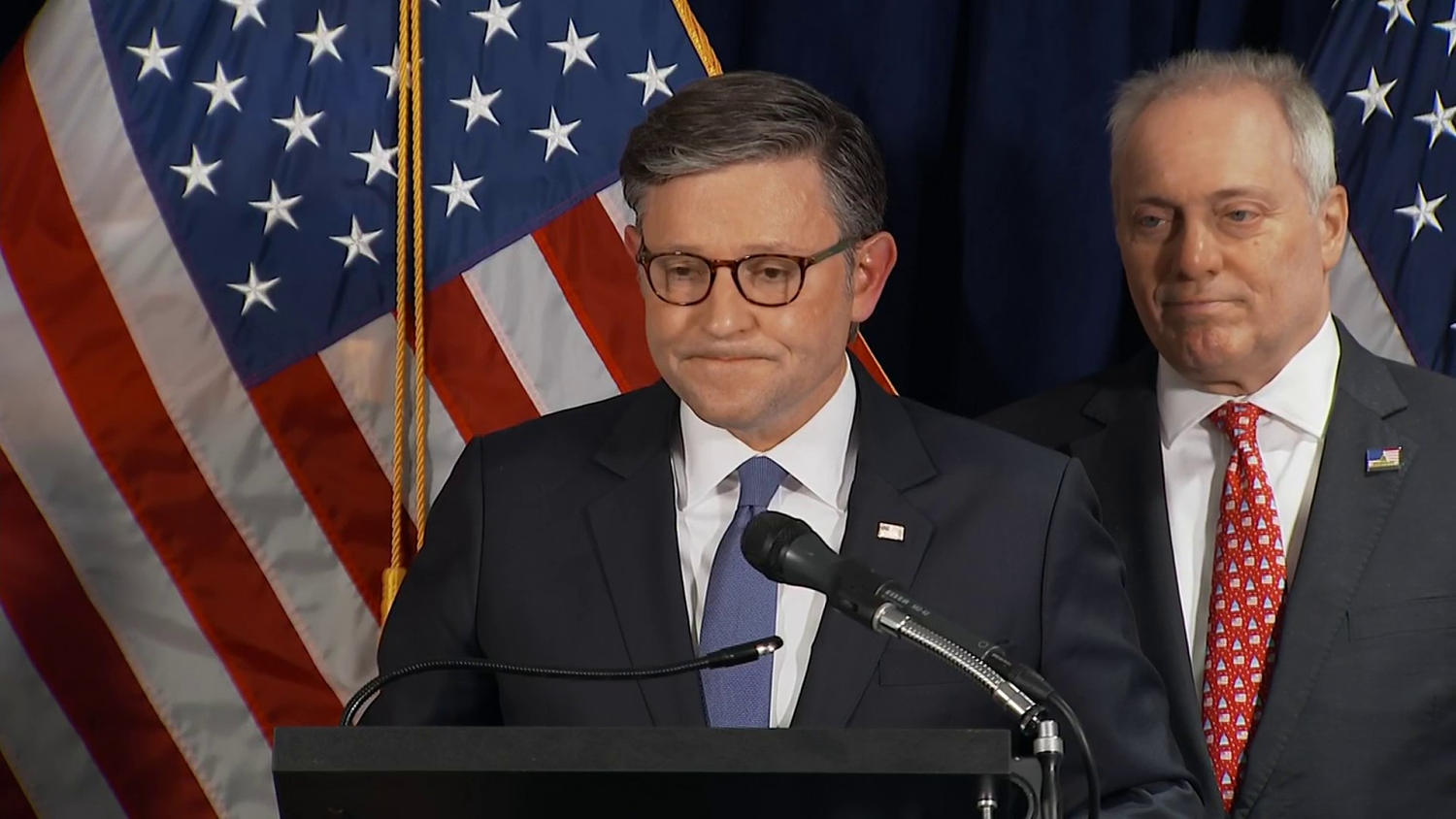
This ruling is crucial as it protects access to mail-in voting, a method increasingly used by voters, especially in light of ongoing public health concerns. Senate Democrats, including Sen. Gary Peters of Michigan and Sen. Elissa Slotkin of Michigan, argued that the proposed rule represented a backdoor attempt to influence election outcomes by imposing federal control over state election processes. Peters labeled the proposal unconstitutional, highlighting the potential for it to disenfranchise voters in states that might resist federal oversight.
Next Steps for Voting Rights Advocates
They argue that the Postal Service should focus on its core mission of delivering mail rather than being drawn into political controversies surrounding elections.
This decision signals a significant moment in the ongoing struggle over voting rights in the United States, reinforcing state control over electoral processes and ensuring that mail-in voting remains accessible to all eligible voters.