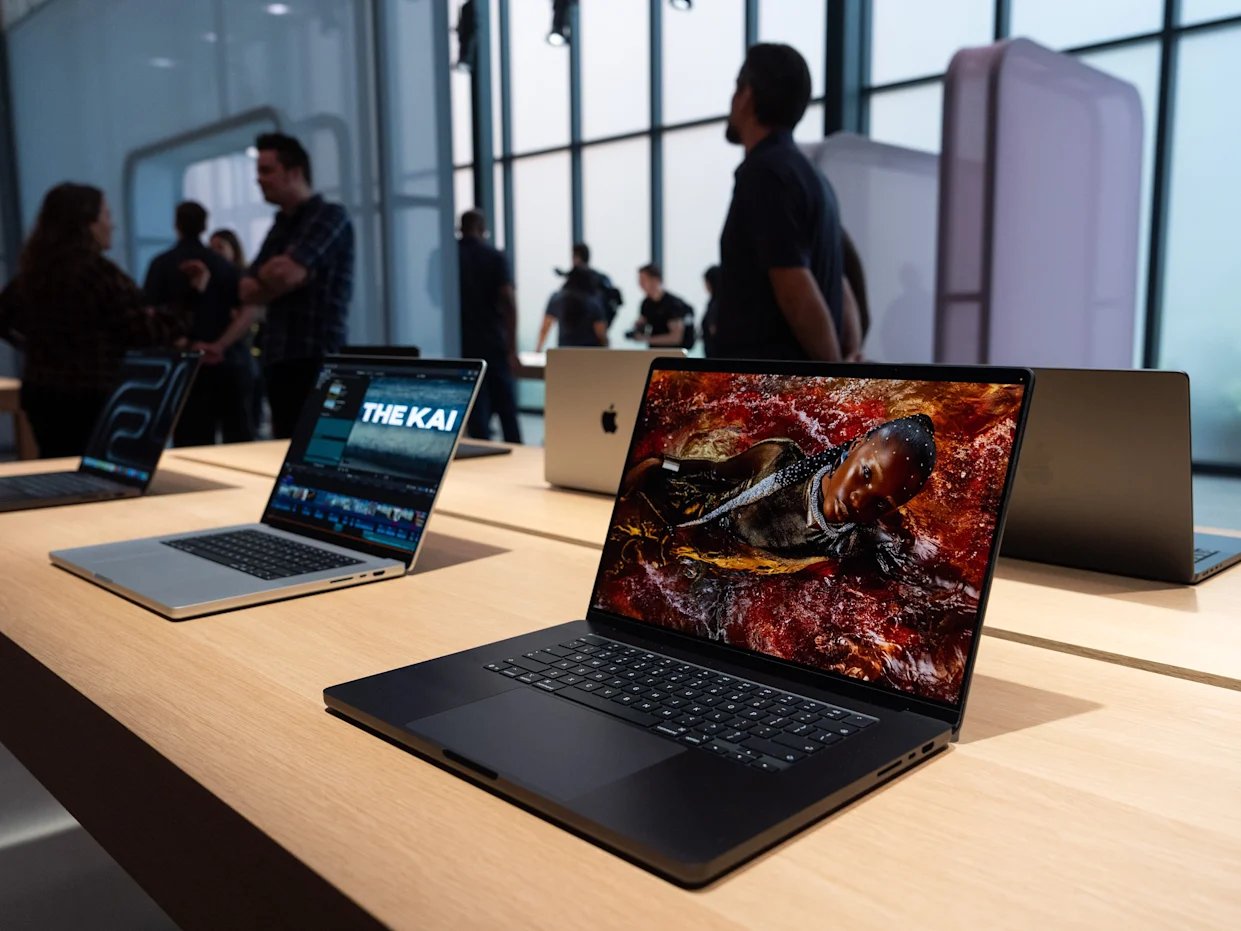
Apple is implementing price hikes on various MacBooks and iPads, with increases reaching up to $300 for some models. The new pricing structure includes a MacBook Pro now priced at $1,999, up from $1,699, and an entry-level MacBook Neo, which has jumped from $599 to $699. The iPad line sees increases ranging from $100 to $200 depending on the model. Microsoft is following suit by raising prices on its Xbox consoles starting August 1, with a 512 GB model increasing by $100 to nearly $500.
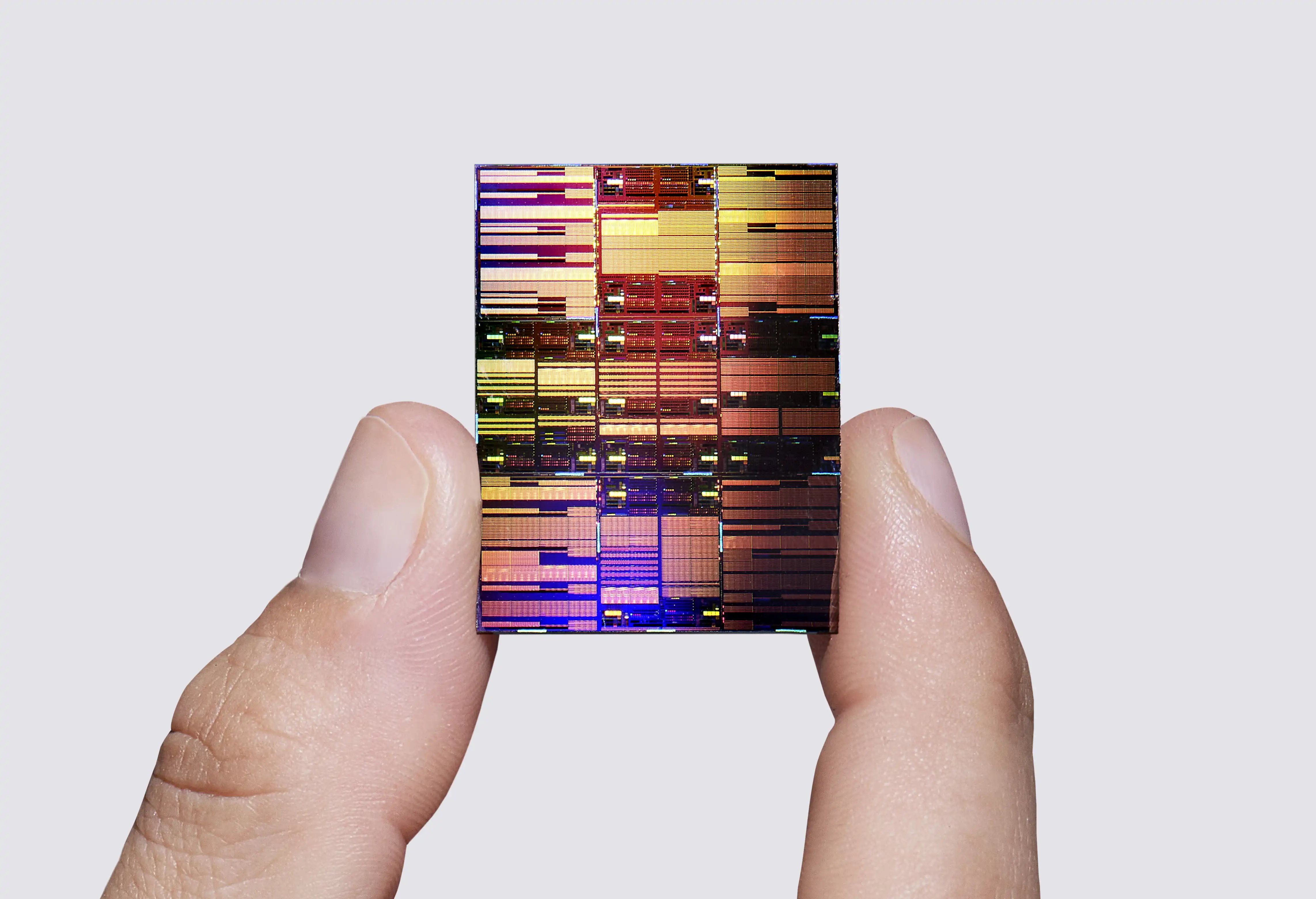
Both companies attribute the price increases to the surging costs of memory and storage chips, which have more than doubled in price. Tim Cook, Apple's CEO, stated, "We have never seen a component price increase this much, this quickly." The ongoing chip shortage, exacerbated by rising demand for AI data centers, has made it increasingly difficult for tech companies to maintain previous pricing levels. Microsoft also acknowledged that its storage and memory costs are expected to double again by fall 2027, indicating a long-term trend in rising prices.
The price hikes are set against a backdrop of a consumer electronics industry grappling with a components crisis. The increases come just days after Cook warned that price adjustments were "unavoidable." Apple has not yet announced price adjustments for iPhones. Nabila Popal, senior director of data and analytics at International Data Corporation, said iPhone price increases are likely forthcoming. "The storm isn't over yet; this is just the beginning. iPhones are the biggest revenue driver for Apple, so they are saving that announcement for later," she said.
Following the announcement of the price hikes, Apple shares fell by $16.49, or 5.6%, to $276.68 in midafternoon trading.
The semiconductor shortage, which began during the pandemic due to factory closures, has led to significant changes in the consumer electronics landscape. Research firm International Data Corporation described the memory market as being at an "unprecedented inflection point," predicting that the chip shortage could persist well into 2027. This extended shortage is causing manufacturers to prioritize production for more profitable data center memory over consumer products, further straining the availability and pricing of everyday tech items.
As Apple and Microsoft navigate these challenges, consumers will need to prepare for potentially higher prices across a range of tech products. The implications of these price increases extend beyond immediate consumer costs; they could reshape purchasing behaviors and market dynamics in the tech industry for the foreseeable future. With both companies signaling that the situation is unlikely to improve soon, consumers may find themselves facing a new reality in tech pricing.
Apple is implementing price hikes on various MacBooks and iPads, with increases reaching up to $300 for some models. The new pricing structure includes a MacBook Pro now priced at $1,999, up from $1,699, and an entry-level MacBook Neo, which has jumped from $599 to $699. The iPad line also sees increases ranging from $100 to $200, with the iPad Pro experiencing a notable rise. Microsoft is following suit by raising prices on its Xbox consoles starting August 1, with a 512 GB model increasing by $100 to nearly $500.
Both companies attribute the price increases to the surging costs of memory and storage chips, which have more than doubled in price. Tim Cook, Apple's CEO, stated, "We have never seen a component price increase this much, this quickly." The ongoing chip shortage, exacerbated by rising demand for AI data centers, has made it increasingly difficult for tech companies to maintain previous pricing levels. Microsoft also acknowledged that its storage and memory costs are expected to double again by fall 2027, indicating a long-term trend in rising prices.
The price hikes are set against a backdrop of a consumer electronics industry grappling with a components crisis. The increases come just days after Cook warned that price adjustments were “unavoidable.” The impact of these changes could be significant for consumers, particularly as Apple has yet to announce potential price adjustments for its flagship iPhone models, which are crucial for its revenue. Nabila Popal, a senior director at International Data Corporation, suggested that iPhone price increases are likely forthcoming, stating, "The storm isn't over yet; this is just the beginning."
Following the announcement of the price hikes, Apple shares fell by $16.49, or 5.6%, to $276.68 in midafternoon trading. The market's reaction reflects investor concerns about the impact of rising prices on consumer demand and the broader tech sector's profitability. Analysts note that while the chipmakers are benefiting from increased demand, the ripple effects could lead to reduced sales for consumer electronics as prices rise.
The semiconductor shortage, which began during the pandemic due to factory closures, has led to significant changes in the consumer electronics landscape. Research firm International Data Corporation described the memory market as being at an "unprecedented inflection point," predicting that the chip shortage could persist well into 2027. This extended shortage is causing manufacturers to prioritize production for more profitable data center memory over consumer products, further straining the availability and pricing of everyday tech items.
As Apple and Microsoft navigate these challenges, consumers will need to prepare for potentially higher prices across a range of tech products. The implications of these price increases extend beyond immediate consumer costs; they could reshape purchasing behaviors and market dynamics in the tech industry for the foreseeable future. With both companies signaling that the situation is unlikely to improve soon, consumers may find themselves facing a new reality in tech pricing.
Highlighted text was flagged by the council. Tap to see feedback.