




Direct Attack Confirmed as Tensions Rise
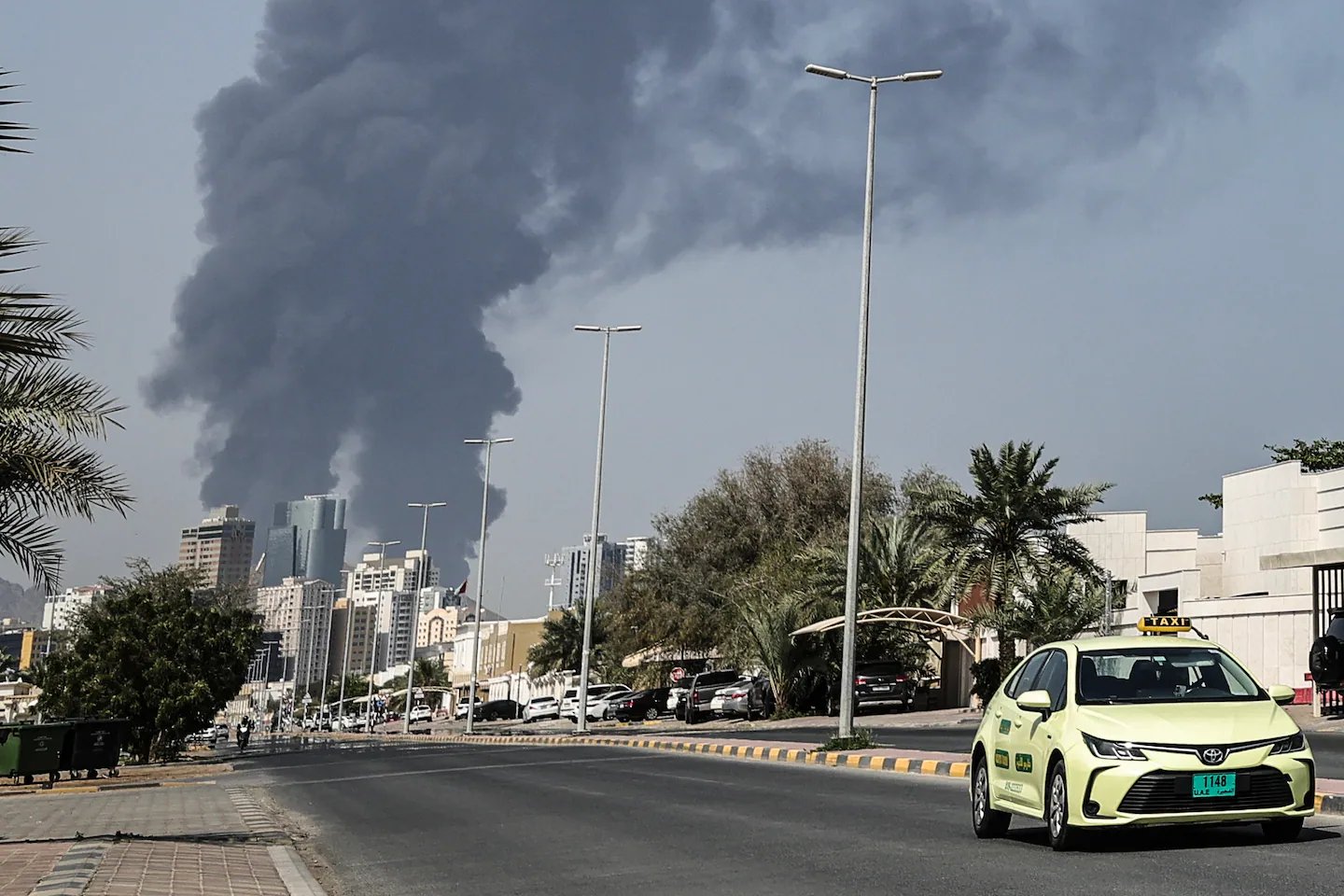
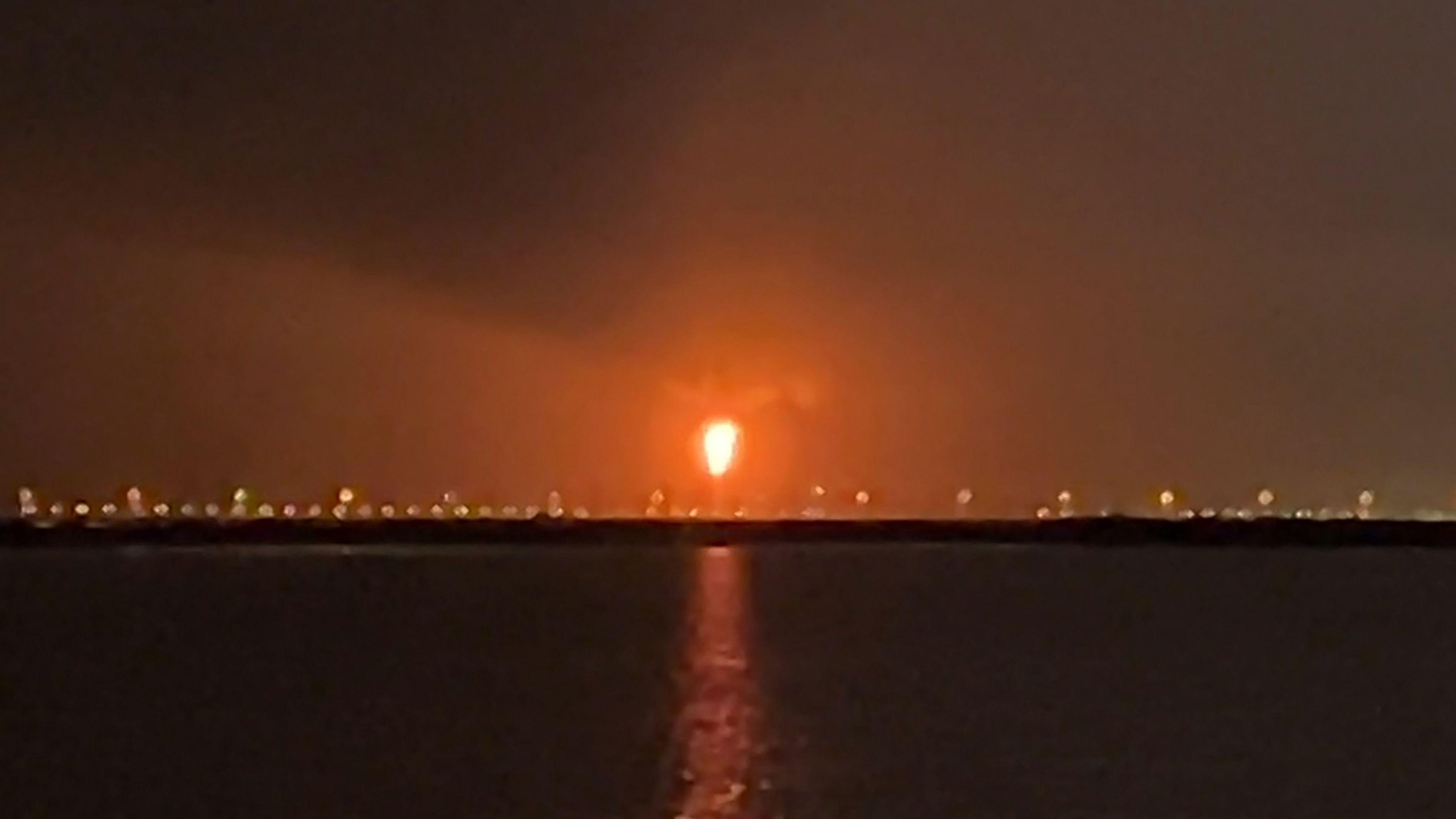
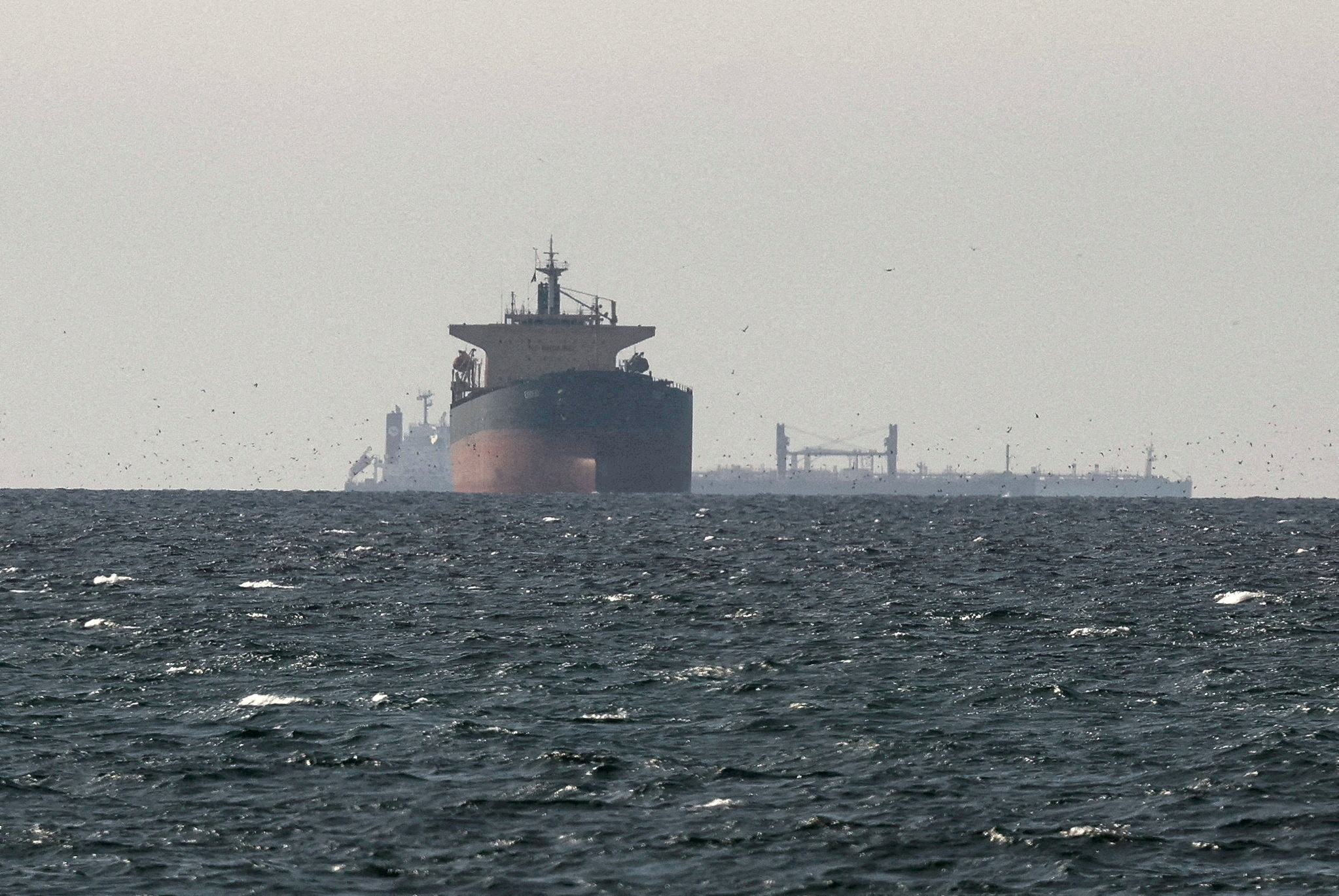
A U.S. official confirmed that Iran attacked a Singapore-flagged cargo vessel in the Strait of Hormuz with a drone on Thursday, marking a direct military action that threatens to unravel a fragile ceasefire. The ship was struck by an "unknown projectile" on its starboard side near Oman's coast at 5:40 p.m. local time, damaging the bridge but causing no casualties or environmental harm, according to the U.K. Maritime Trade Operations Centre.
The attack came just hours after 70 vessels transited the strait on Wednesday, a 105 percent increase from the day before, signaling a rapid reopening of one of the world's most critical shipping lanes. The strike immediately reversed that momentum, forcing the United Nations' International Maritime Organization to pause its newly launched evacuation of more than 11,000 sailors stranded in the region since the war began in February.
UN Halts Evacuation Over Safety Concerns
IMO Secretary-General Arsenio Dominguez announced the pause Thursday, stating that the attacked vessel "did not transit under IMO's evacuation framework." He said the halt was necessary "to ensure a coordinated approach and navigational safety" and to "reconfirm that the necessary safety guarantees continue to be in place for the ships on our evacuation list and all those in the region."
The IMO had announced the evacuation plan just Tuesday, offering two routes through the strait: one through Iranian waters in the north and another through Omani waters in the south. Several vessels had already been successfully evacuated before the strike halted the operation. The International Maritime Organization estimates that 600 ships remain stranded in the region, with 14 sailors having died since the war began in February.
Iran Demands Control Over Transit Routes
Iran's Persian Gulf Strait Authority issued a warning Thursday stating that "any passage through routes outside the framework designated by PGSA will not be covered by safe passage guarantees and will not be entitled to insurance coverage or related liabilities." The authority added that vessel owners, operators, and commanders would bear responsibility for any consequences arising from unauthorized routes.
The dispute centers on which route ships should use. The U.S.-favored route hugs the Omani coastline, while Iran insists vessels use a northern route closer to its coast and seek Tehran's permission before transiting. The attack occurred on the southern route, the one promoted by the UN and preferred by Washington. At least two tankers turned back after attempting to leave the Persian Gulf through the strait following the strike, according to maritime data firm Lloyd's List Intelligence.
Toll Debate Complicates Peace Negotiations
The attack intensified an underlying dispute over whether Iran will charge tolls or "maritime service fees" for passage through the strait after the current 60-day ceasefire window closes. Secretary of State Marco Rubio told reporters Thursday that all Gulf countries oppose such fees, stating at a Gulf Cooperation Council meeting in Bahrain that "international waterways do not belong to any nation state."
Rubio warned that accepting tolls would create a dangerous precedent. "If in fact we accepted that you can charge money to use an international waterway because it happens to be near your territorial space, well then this will spread throughout the world like a contagion," he said. Oman's Foreign Minister Badr bin Hamad Al Busaidi stated Thursday that "future arrangements concerning the Strait of Hormuz will not involve imposing any transit fees," though Iran has remained noncommittal beyond the 60-day period.
Peace Talks Continue Despite Escalation
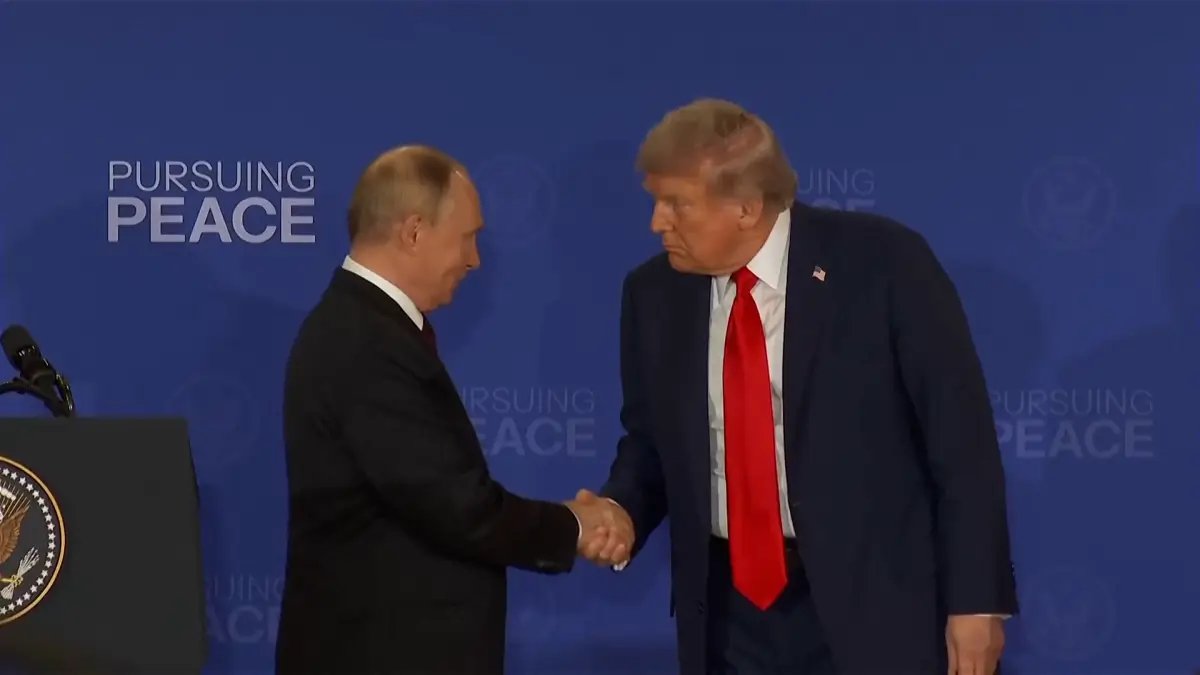
U.S. and Iranian delegations are negotiating at the Bürgenstock resort in Switzerland aimed at a war-ending deal based on a memorandum of understanding signed June 17. The agreement requires Iran to arrange toll-free safe passage for 60 days using its "best efforts," but disagreements persist over route control and longer-term arrangements.
Oman's Foreign Minister and Iran's Foreign Minister Seyed Abbas Araghchi spoke by phone Thursday about "freedom of navigation" and reached "an understanding on a mechanism for joint cooperation" to implement the memorandum's objectives. Araghchi said the two countries would conduct dialogue "to define future administration and maritime services in Strait of Hormuz." However, a senior U.S. official said negotiations have been hampered by disputes over Israeli withdrawal from southern Lebanon, which Iran has demanded as a condition for a final peace deal.
Military Costs Mount Amid Continued Conflict
The Trump administration requested an $87.6 billion supplemental budget from Congress, with $67.1 billion directed to the Pentagon partly to cover war costs. The breakdown includes $21 billion for munitions, $1.5 billion for fuel as oil and gas prices surged during the conflict, $17.3 billion for "operational costs," and $1.7 billion for "readiness." Pentagon Comptroller Jay Hurst told lawmakers that costs for repairing base infrastructure destroyed by Iran are not yet included in the budget, as planners have not developed a plan to rebuild bases abroad given uncertainty about the long-term Middle East footprint.
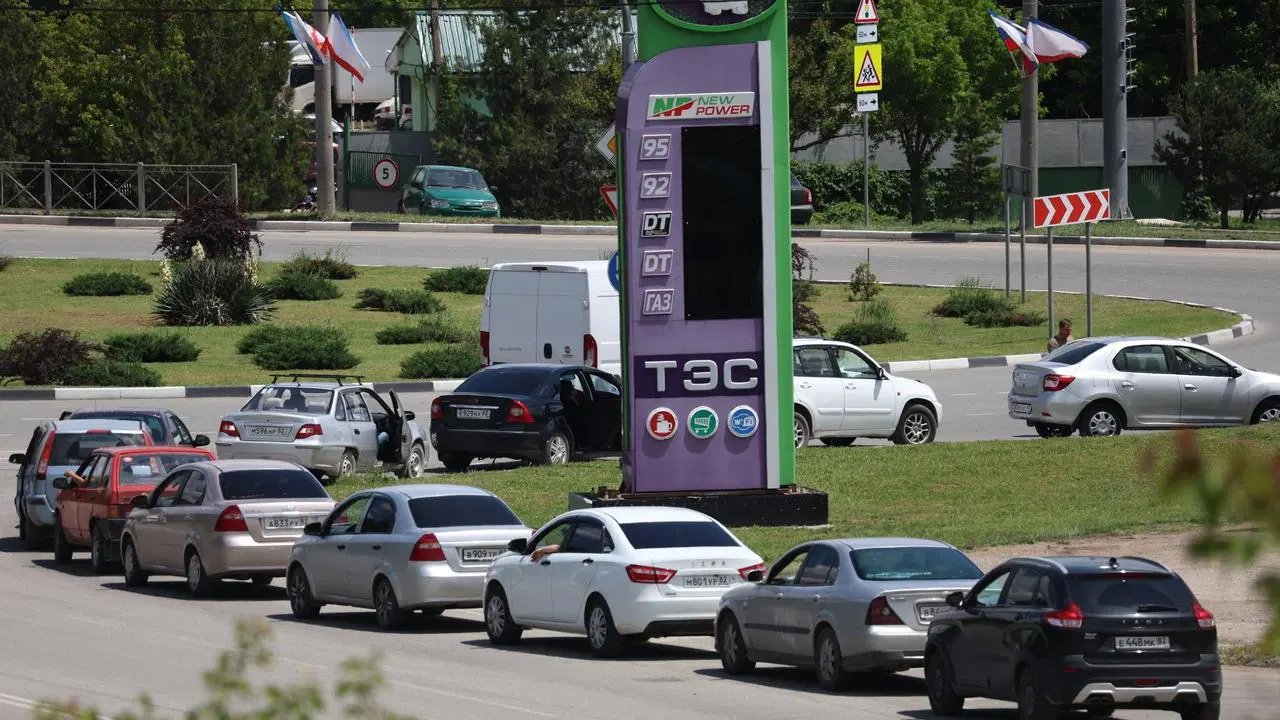
Oil prices fell sharply following the initial reopening of the strait. Brent crude dropped 3.8 percent to $73.87 a barrel Thursday, trading below pre-war levels from late February when crude was around $70 per barrel. U.S. benchmark crude fell 3.9 percent to $70.34 a barrel. However, Chevron's Chief Financial Officer Eimear Bonner told CNBC that "it's going to take time" for pump prices to fall, citing the lag between wholesale and retail pricing.