On Friday, the Trump administration issued a directive that cut off foreign access to Anthropic's latest AI models, Fable 5 and Mythos 5, as reported by The Hill. This move by the government, citing unspecified national security concerns, has forced Anthropic to comply by disabling access to these models for all customers. The decision has sparked a new round of disputes and raised questions about AI sovereignty and the implications for software engineering and visual understanding advancements, as detailed by Mother Jones.
Anthropic, in line with the government's directive, has disabled access to Fable 5 and Mythos 5, which are the latest models of Claude, for all customers, as stated in France 24. The company has acknowledged the potential for its technology to be misused, having released a preview model in April to a select few industry partners to test for potential vulnerabilities and capabilities that could be misused to create hacking tools.
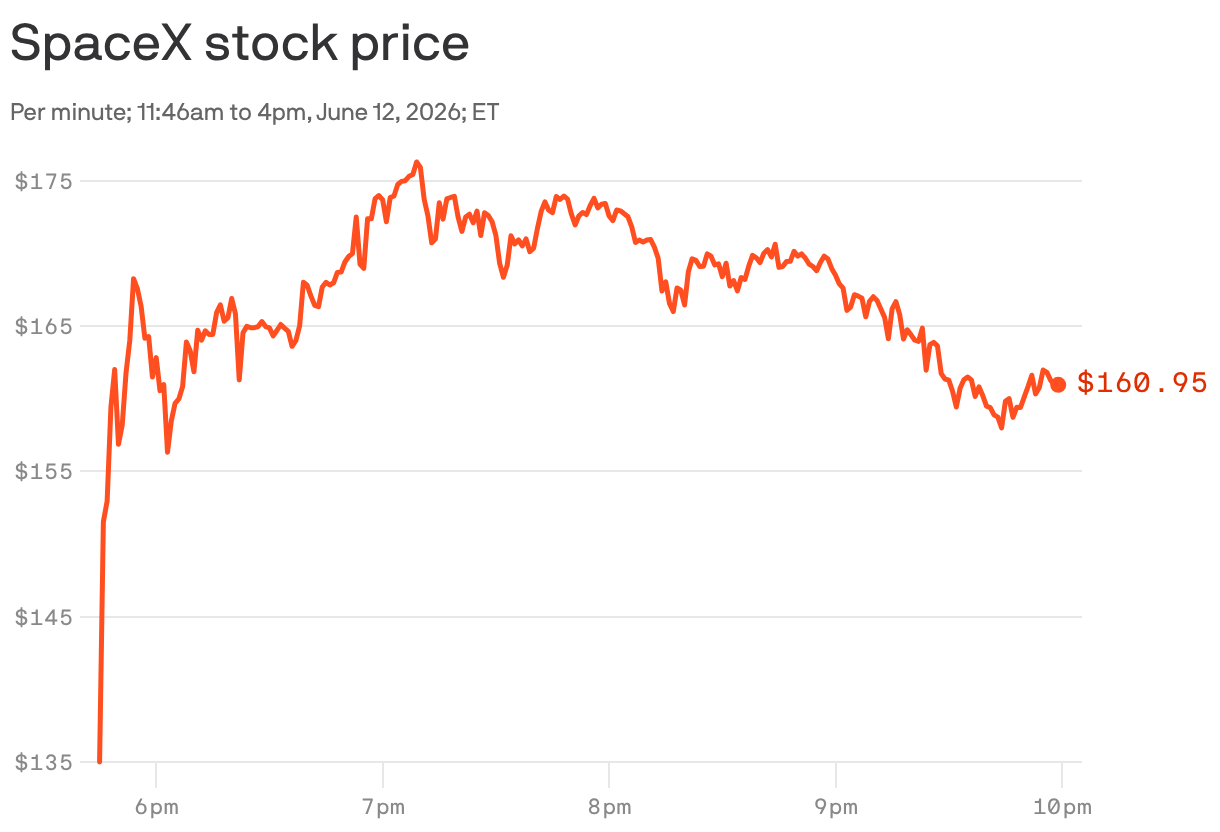
Anthropic has positioned itself as an ethical AI company, which has significantly contributed to its industry leadership, especially amid growing public disapproval of AI development. The company filed for an initial public offering earlier this month. SpaceX entered the stock market on Friday, making founder Elon Musk a trillionaire. However, the restrictions imposed by the Trump administration could have far-reaching effects on the global AI landscape, as other nations like China and the United Arab Emirates are pushing for "sovereign AI" to overcome reliance on nations with stringent data privacy and safeguard rules.
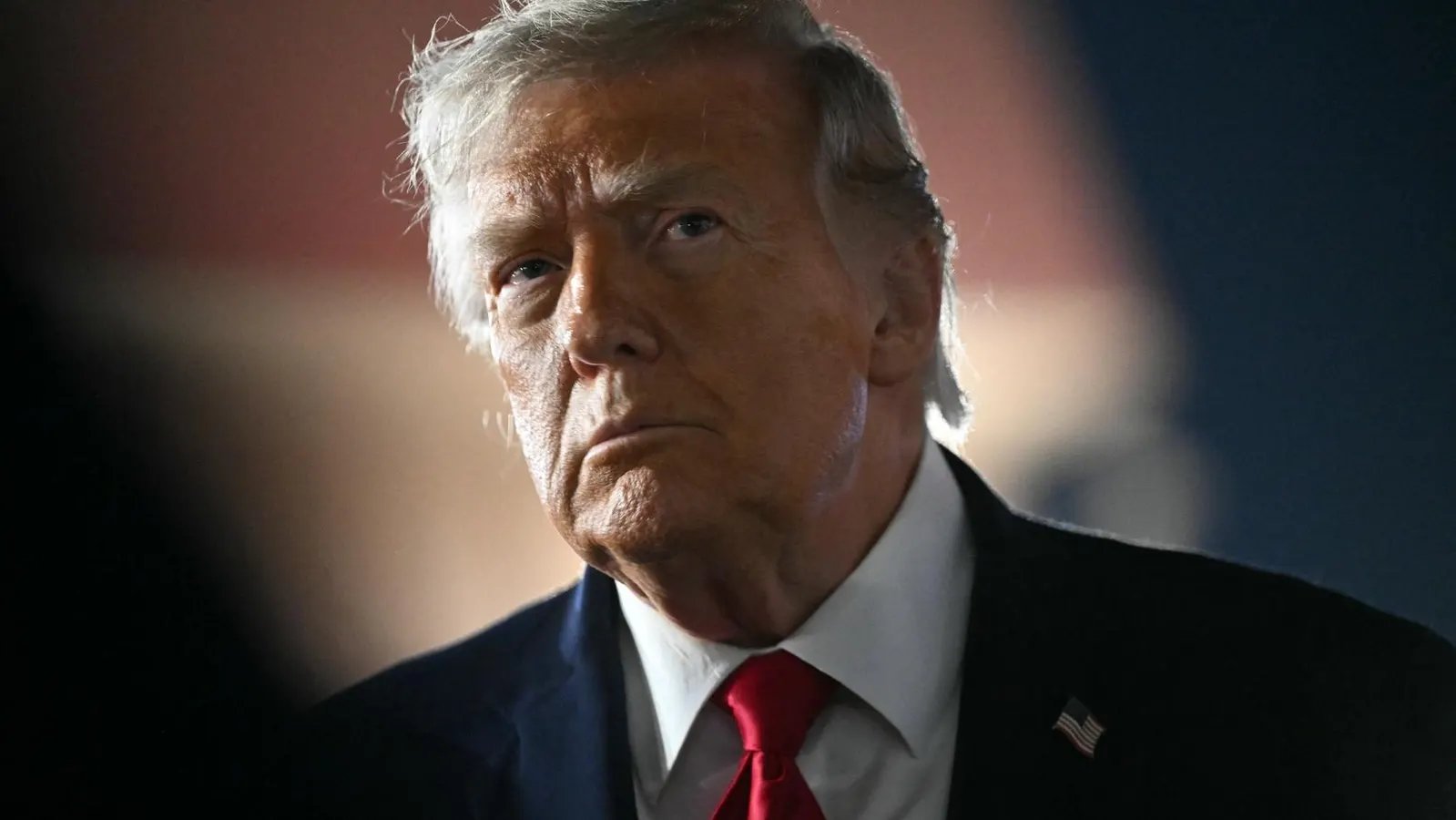
At the time of the February ban, Trump labeled Anthropic as "a radical left, woke company" due to its unwillingness to permit the military to use its technology. CEO Dario Amodei responded that the US government's demands—namely, mass surveillance of Americans and fully autonomous weapons—would allow it to violate the company's safeguard policies. Despite these attacks, developers continue to raise funds and build at a rapid pace, indicating a resilient and evolving AI industry that is adapting to the changing political and ethical landscape.
On Friday, the Trump administration issued a directive that cut off foreign access to Anthropic's latest AI models, Fable 5 and Mythos 5, as reported by The Hill. This move by the government, citing unspecified national security concerns, has forced Anthropic to comply by disabling access to these models for all customers. The decision has sparked a new round of disputes and raised questions about AI sovereignty and the implications for software engineering and visual understanding advancements, as detailed by Mother Jones.
Anthropic, in line with the government's directive, has disabled access to Fable 5 and Mythos 5, which are the latest models of Claude, for all customers, as stated in France 24. The company has acknowledged the potential for its technology to be misused, having released a preview model in April to a select few industry partners to test for the creation of hacking tools. The restrictions could undermine defensive security efforts, while also accelerating calls for sovereign AI capabilities, as warned by cybersecurity experts in the Times of India.
Anthropic has positioned itself as an ethical AI company, which has significantly contributed to its industry leadership, especially amid growing public disapproval of AI development. The company filed for an initial public offering earlier this month, and the recent stock market success of SpaceX might serve as an encouraging sign for Anthropic and its major competitor, OpenAI. However, the restrictions imposed by the Trump administration could have far-reaching effects on the global AI landscape, as other nations like China and the United Arab Emirates are pushing for "sovereign AI" to overcome reliance on nations with stringent data privacy and safeguard rules.
The Trump administration's actions follow a previous ban in February that barred all federal agencies from using Anthropic products. At the time, Trump labeled Anthropic as "a radical left, woke company" due to its unwillingness to permit the military to use its technology. CEO Dario Amodei responded by stating that the US government's demands would allow it to violate the company's safeguard policies. Despite these attacks, developers continue to raise funds and build at a rapid pace, indicating a resilient and evolving AI industry that is adapting to the changing political and ethical landscape.
Highlighted text was flagged by the council. Tap to see feedback.