
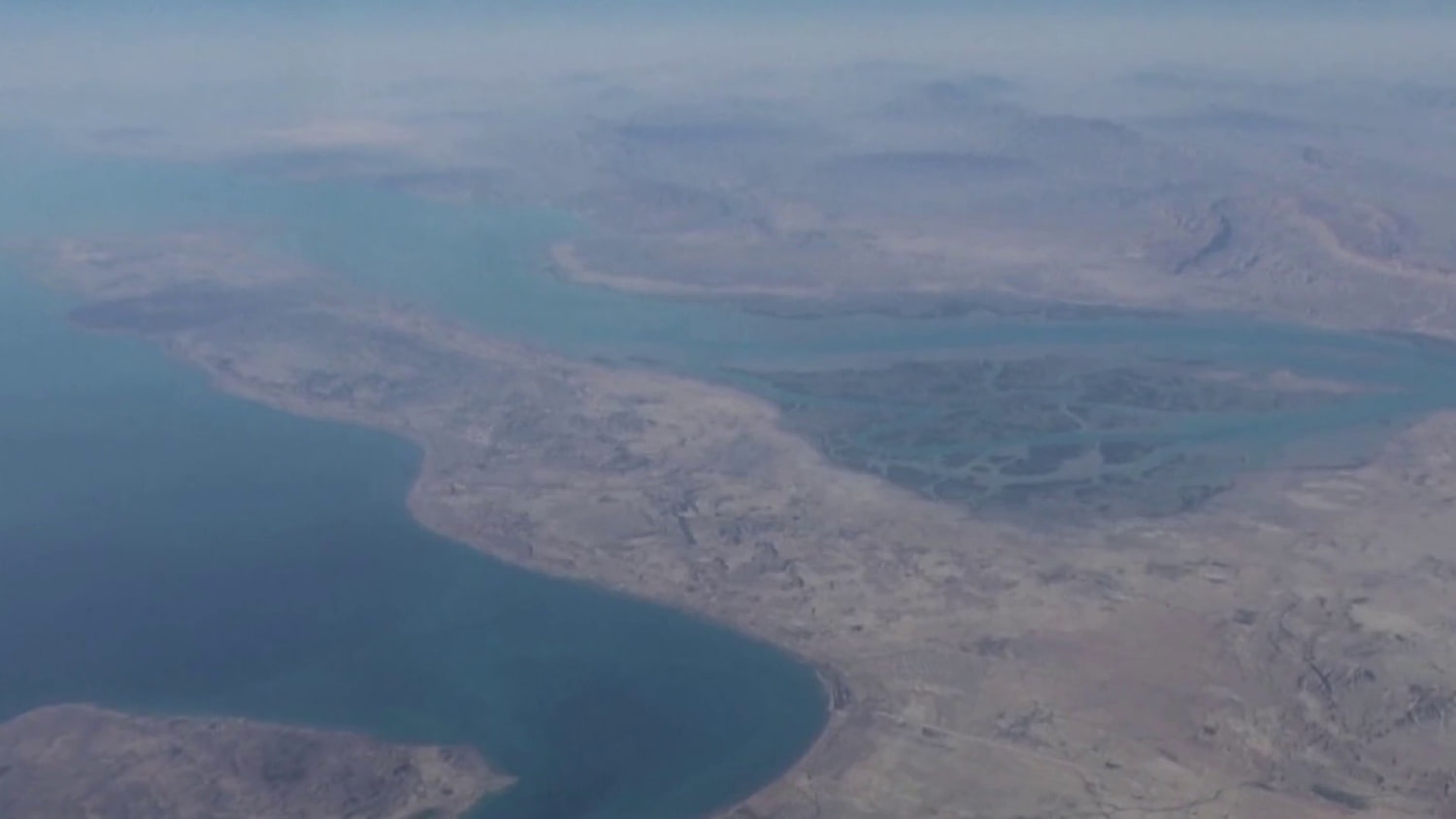





Project Freedom Underway
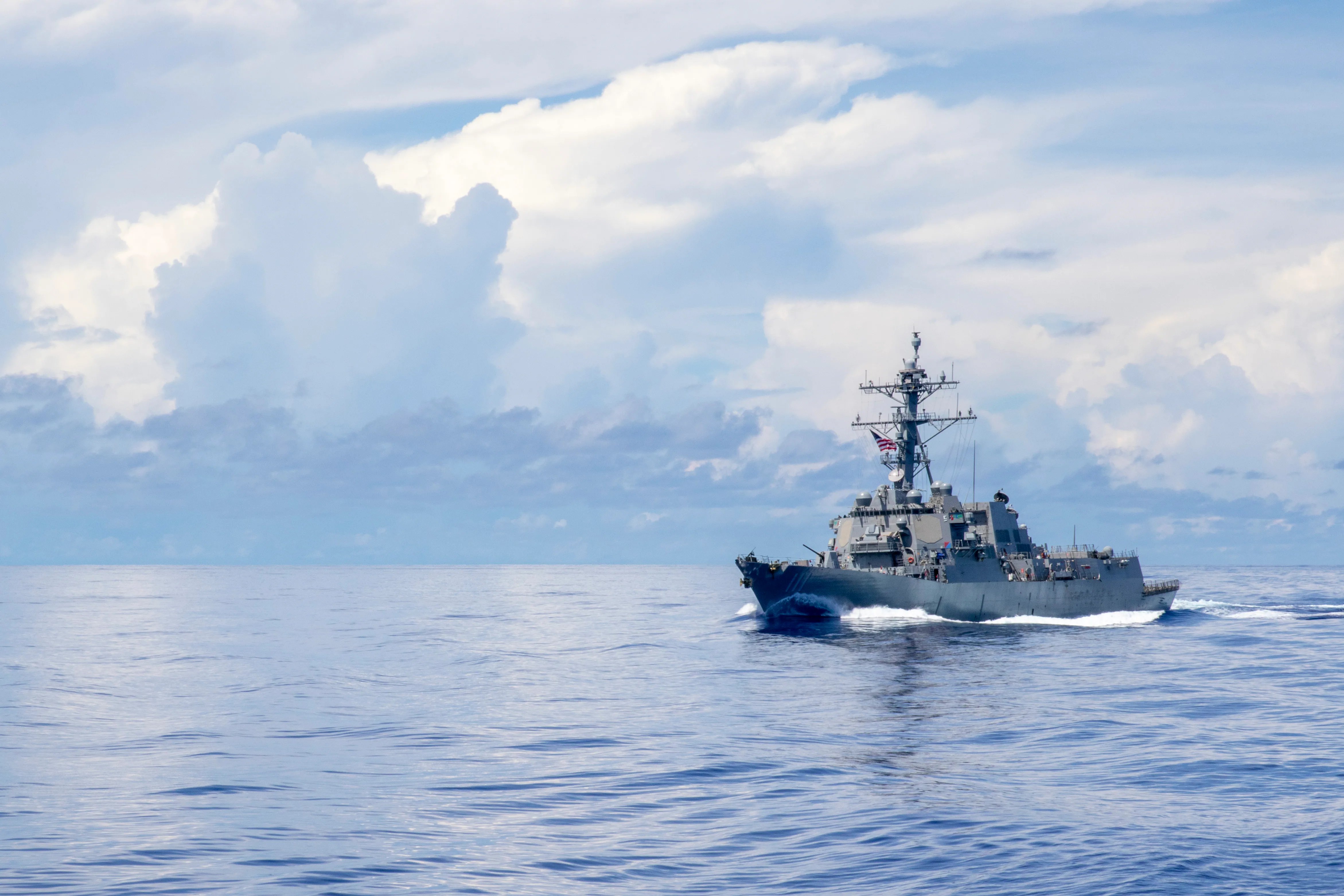
The fragile ceasefire between the U.S. and Iran faced renewed strain as the U.S. initiated "Project Freedom" to guide commercial vessels through the Strait of Hormuz. This move aims to break Iran's control over the waterway, through which a fifth of the world's oil and natural gas typically passes, potentially easing global economic concerns. Two U.S. Navy destroyers, the USS Truxtun and USS Mason, navigated the strait and entered the Persian Gulf on Monday, despite a barrage of Iranian attacks, according to defense officials.
Iranian Response
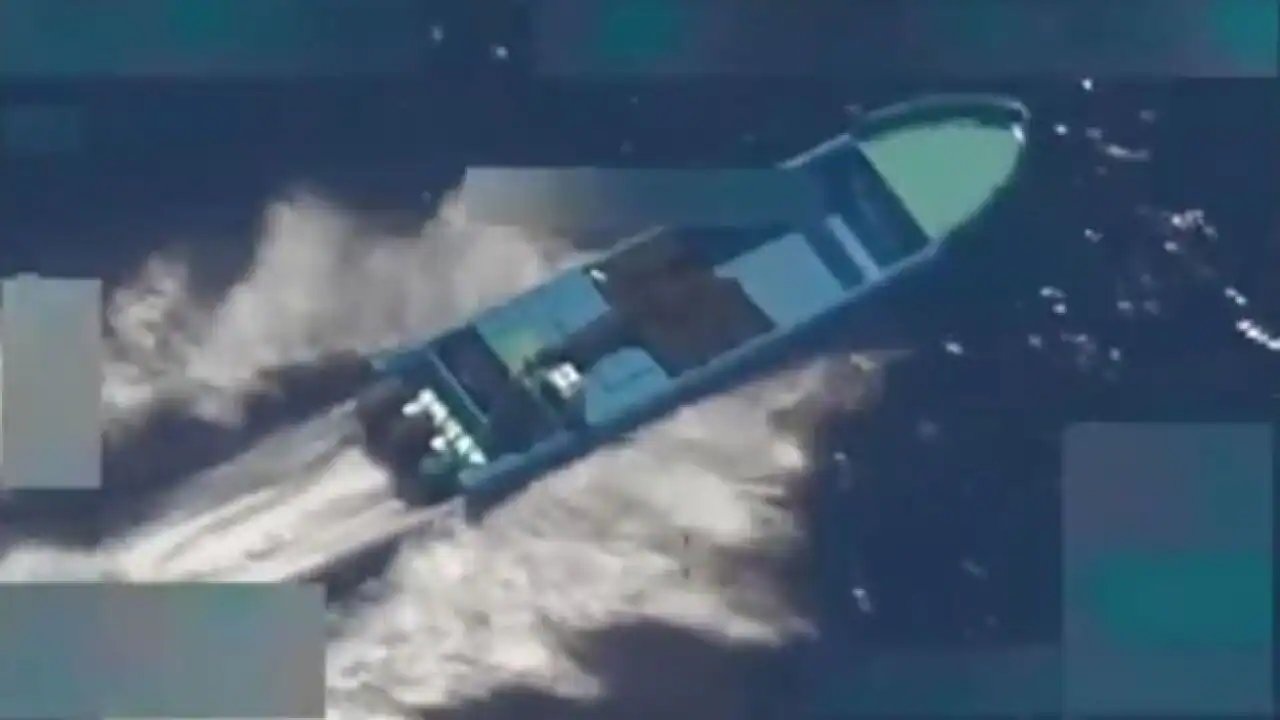
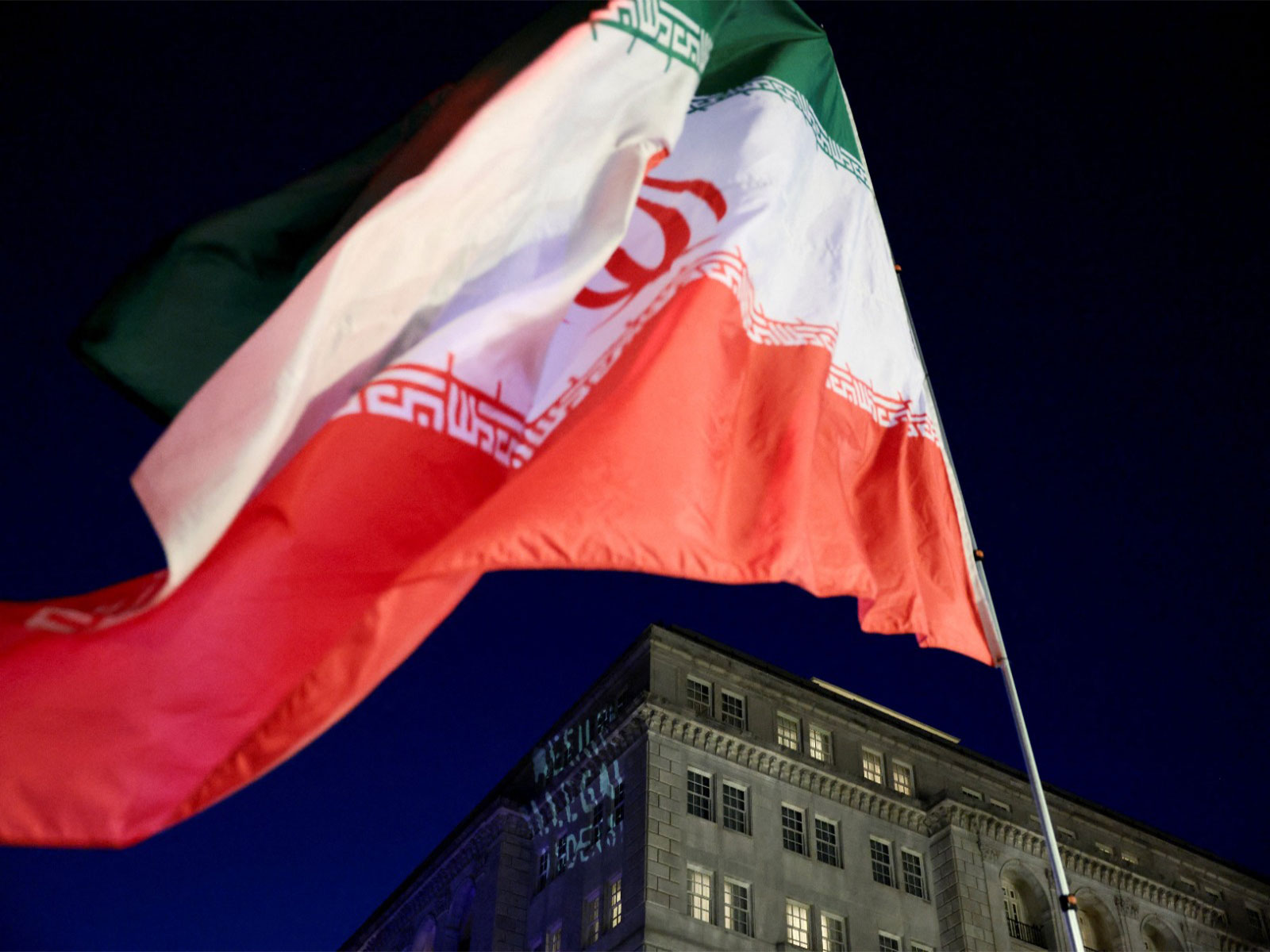
Iran's armed forces warned they would not allow passage to American combat forces. In response to Project Freedom, Iran launched cruise missiles, drones, and small boats at civilian ships under U.S. military protection, according to Adm. Brad Cooper, commander of U.S. Central Command. U.S. forces destroyed six Iranian small boats that attempted to interfere with commercial vessels, Cooper said.
Attacks on UAE
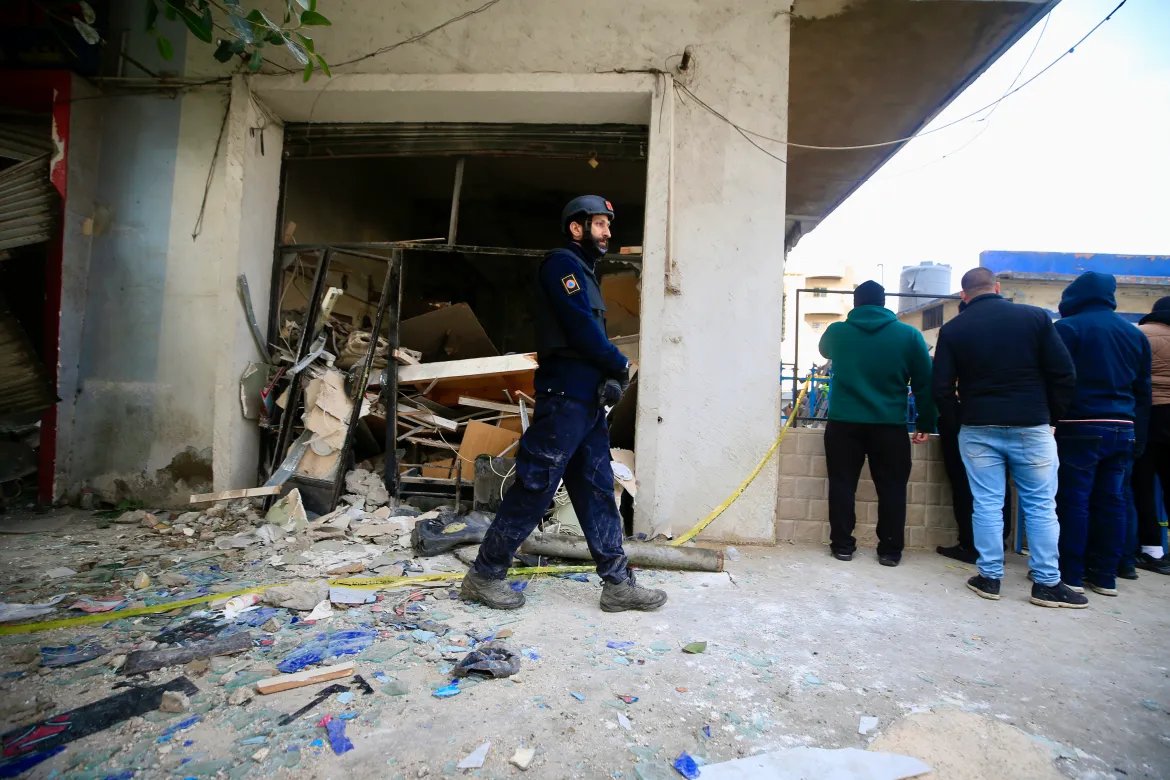
The United Arab Emirates reported that Iran fired four cruise missiles toward its territory on Monday, the first attacks since the ceasefire went into effect last month. The UAE Defense Ministry said three cruise missiles were intercepted, and the fourth landed in the sea. A drone also struck a fuel facility in Fujairah, starting a fire and wounding three Indian nationals.
Conflicting Claims
Iran's state-run IRNA news agency rejected claims that its boats were destroyed. The Islamic Revolutionary Guard Corps (IRGC) denied any ships had passed through the strait. President Trump stated that Iran had fired on a South Korean cargo ship.
International Condemnation
Indian Prime Minister Narendra Modi condemned the attacks, calling the targeting of civilians and infrastructure "unacceptable." Saudi Arabia called for de-escalation and restraint. Pakistan's Prime Minister Shehbaz Sharif expressed solidarity with the UAE.
South Korean Involvement
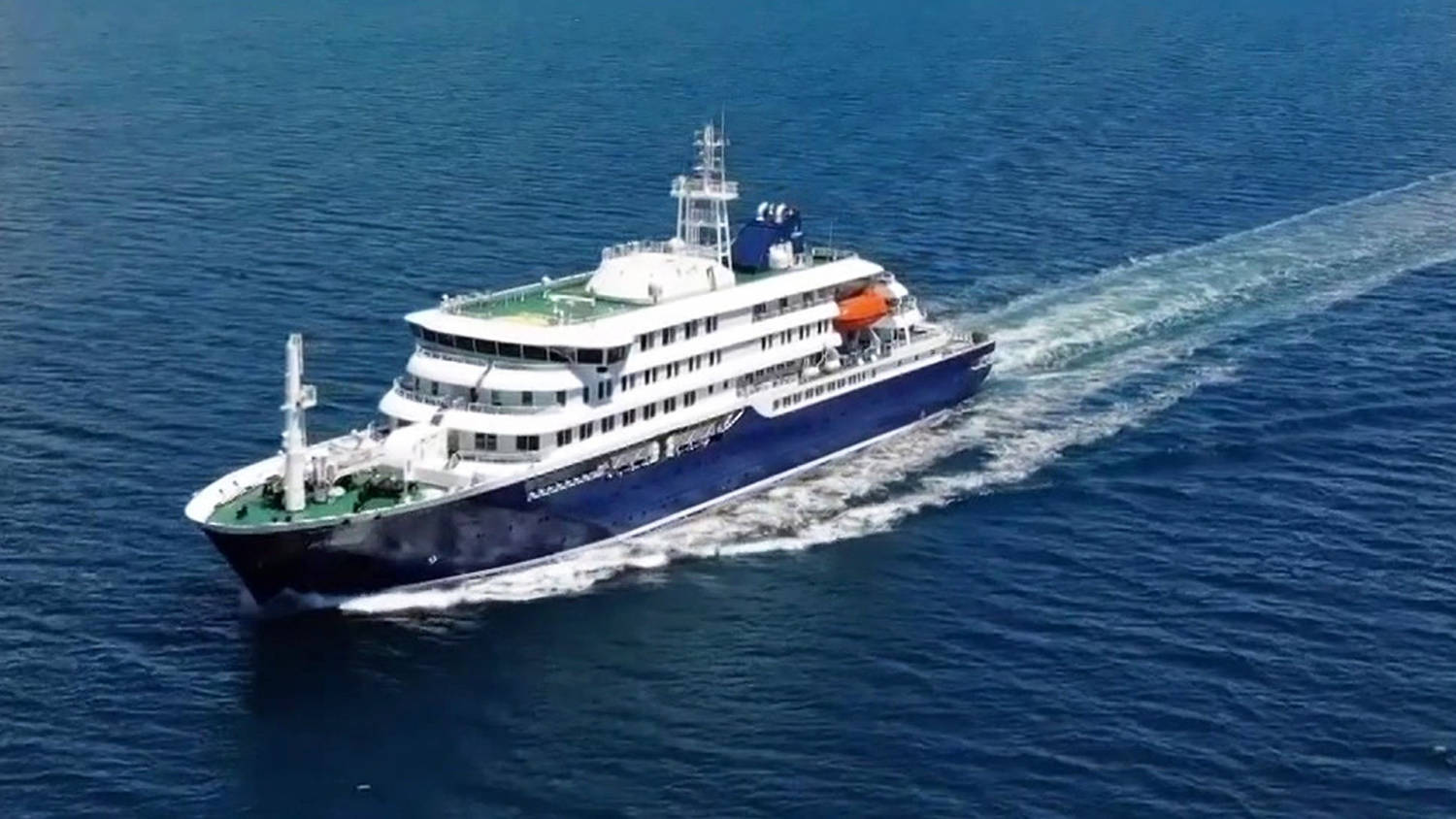
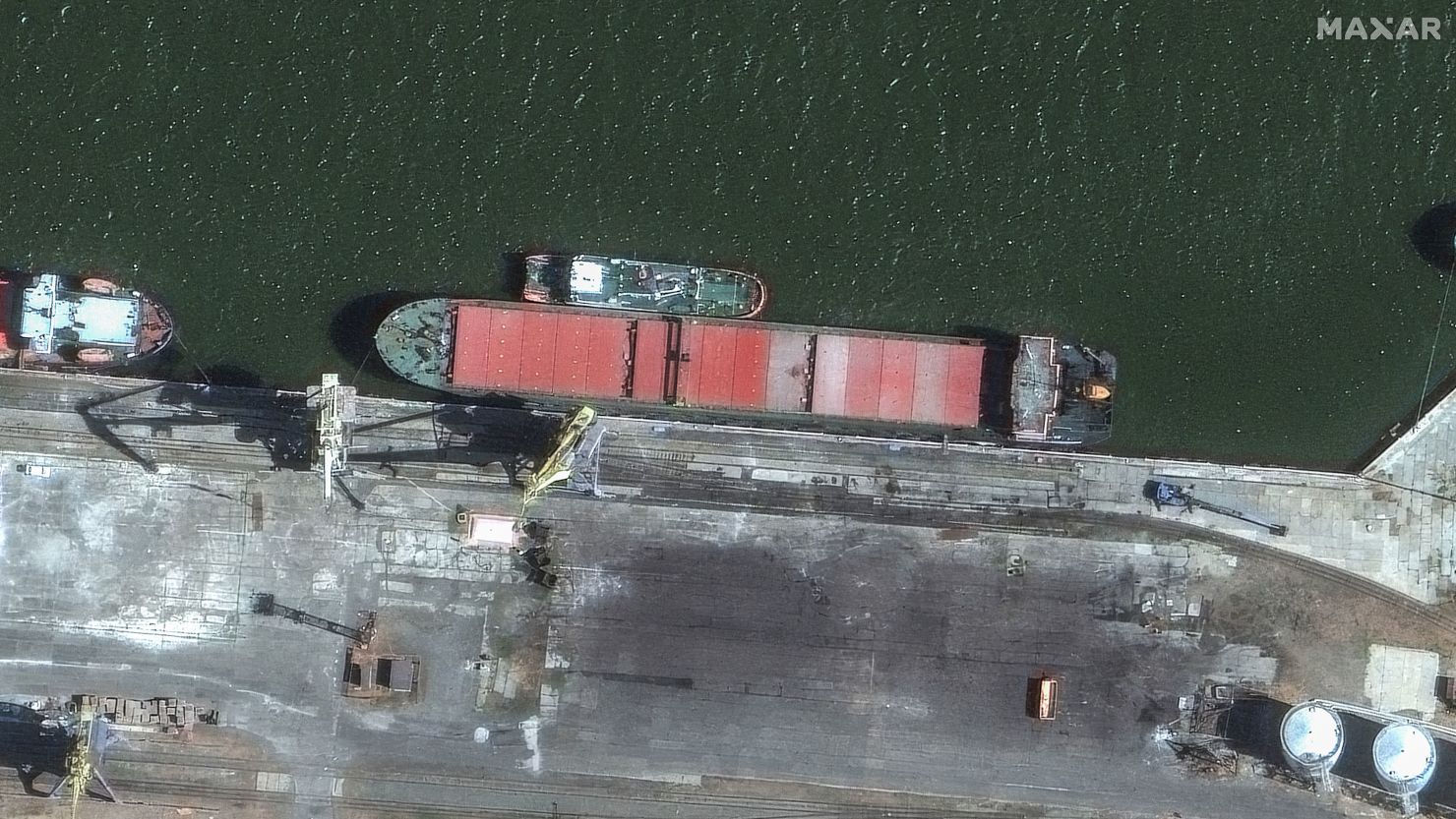
President Trump urged South Korea to join the Iran war after Seoul reported an explosion on a ship traveling in the Strait of Hormuz. South Korea's foreign ministry said that all 24 crew members aboard the stricken HMM Namu were unharmed. The HMM Namu, almost 590 feet long, sails under the flag of Panama.
Diplomatic Efforts
U.S. Ambassador to the UN Mike Waltz said the U.S. will be co-drafting a Security Council resolution with Bahrain and its Gulf allies to hold Iran accountable for its chokehold over the Strait of Hormuz. Iran’s Foreign Minister Abbas Araghchi is traveling to Beijing for talks with Chinese Foreign Minister Wang Yi. Treasury Secretary Scott Bessent pressed China to ramp up diplomatic pressure on Iran to open the Strait of Hormuz.
Ceasefire Status
President Trump stopped short of saying the ceasefire had been violated. Trump told ABC News Iran "better hope" the ceasefire holds. Former Vice President Mike Pence said the conflict "had to happen."
Shipping Industry Concerns
Shipping industry experts remain skeptical about whether vessels will be able to travel safely to and from the Gulf under Trump’s plan. Maersk said the Alliance Fairfax, a U.S.-flagged vehicle carrier, left the Gulf accompanied by the U.S. military.
As tensions remain high, the U.S. military has advised ships to cross the strait in Oman's waters, saying it has set up an "enhanced security area," a move that could further complicate the already strained international relations in the region.

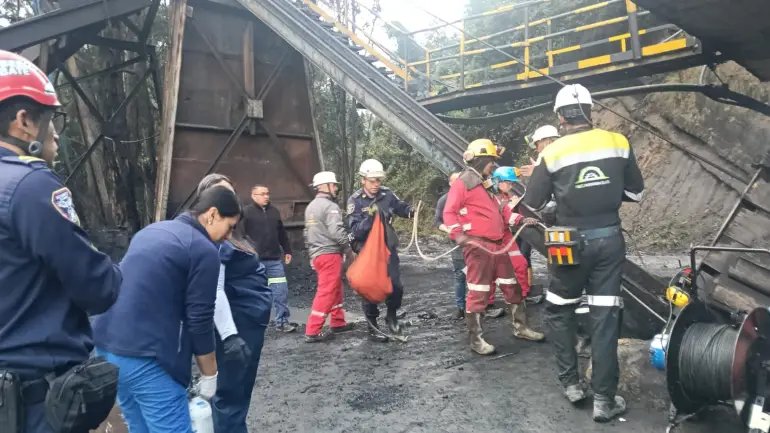







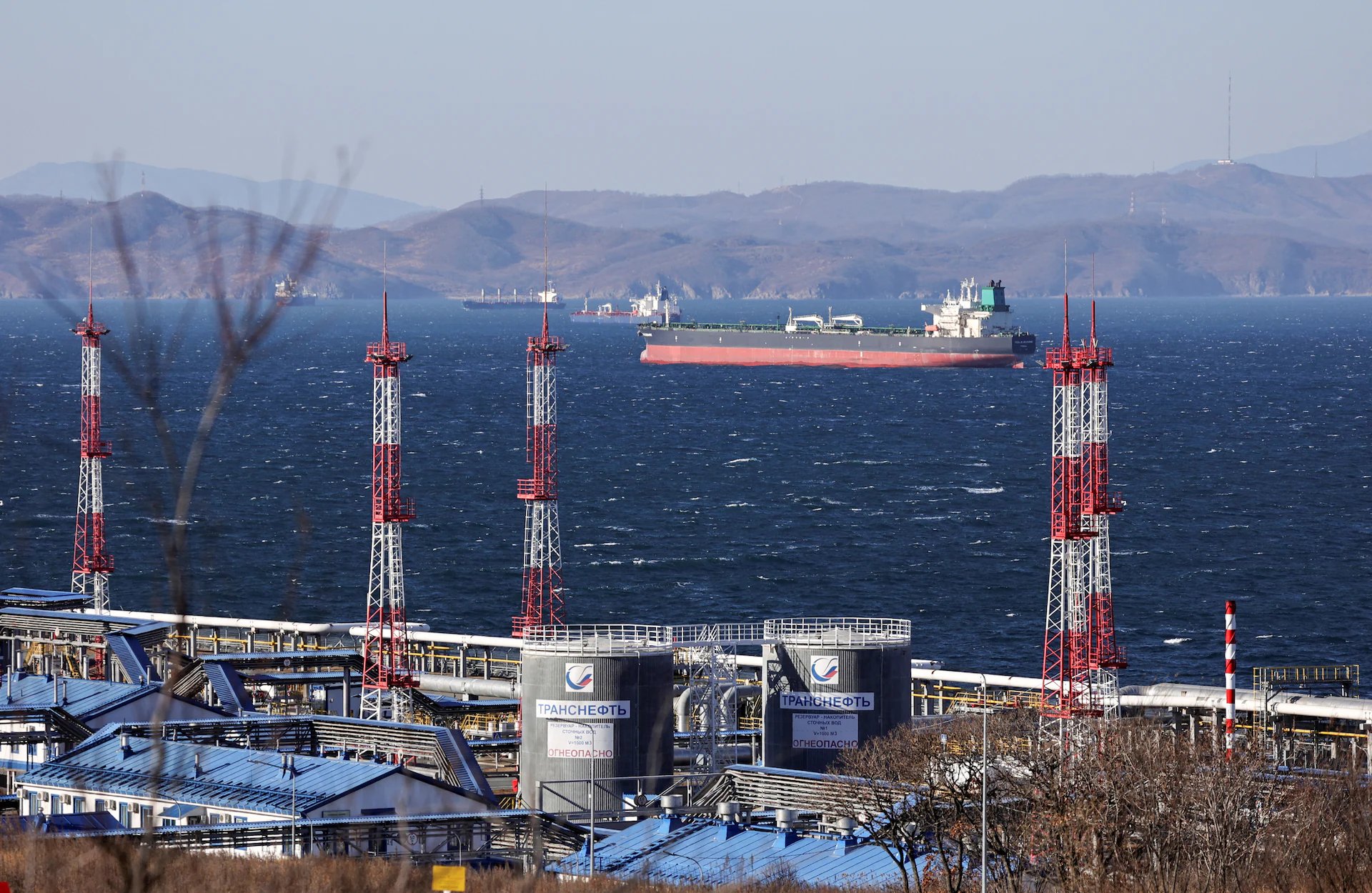
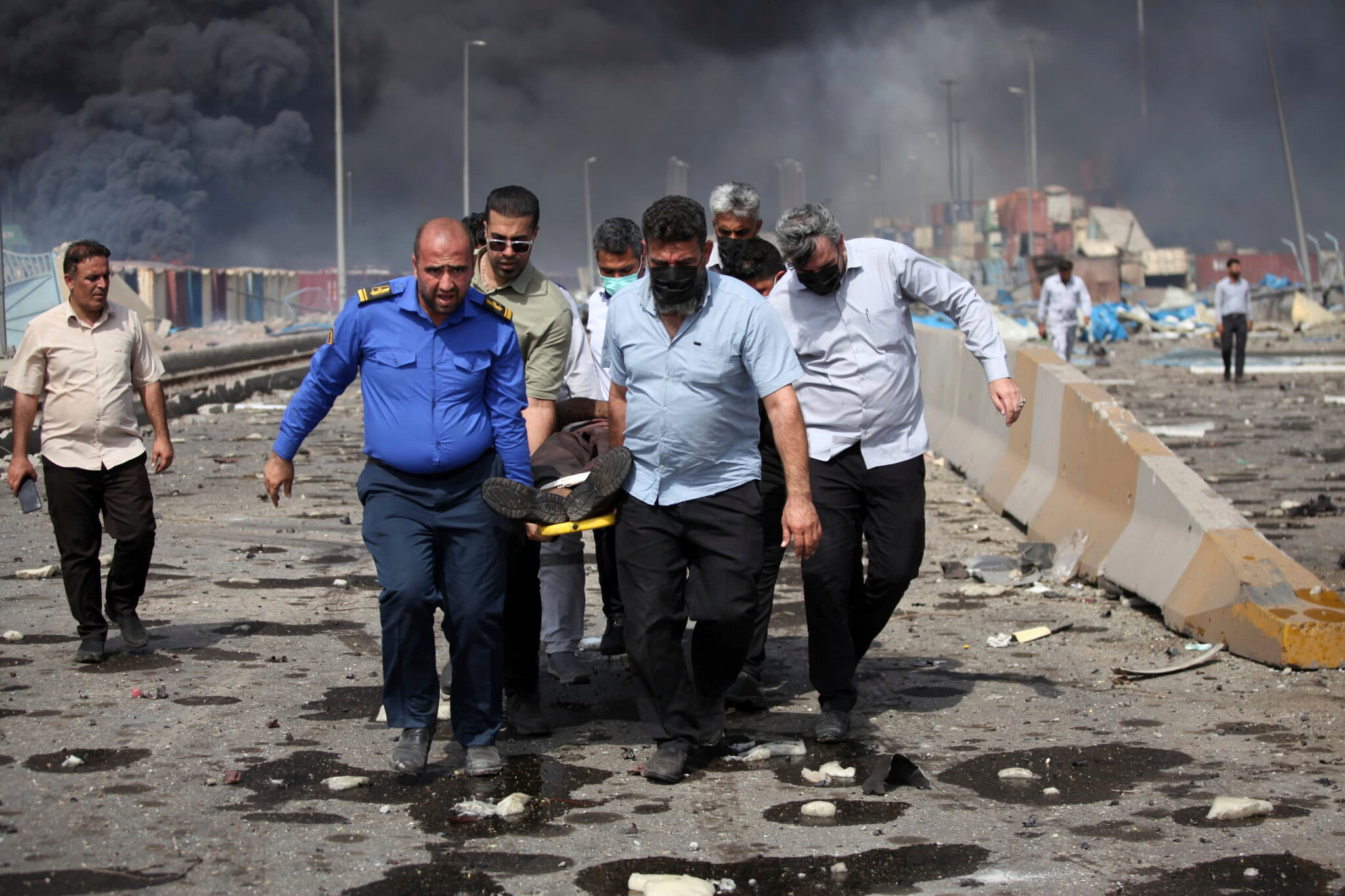





The United Arab Emirates' Defense Ministry reported that one drone attack sparked a fire at a key oil facility, wounding three Indian nationals.