




Overnight Operation Kills Dozens
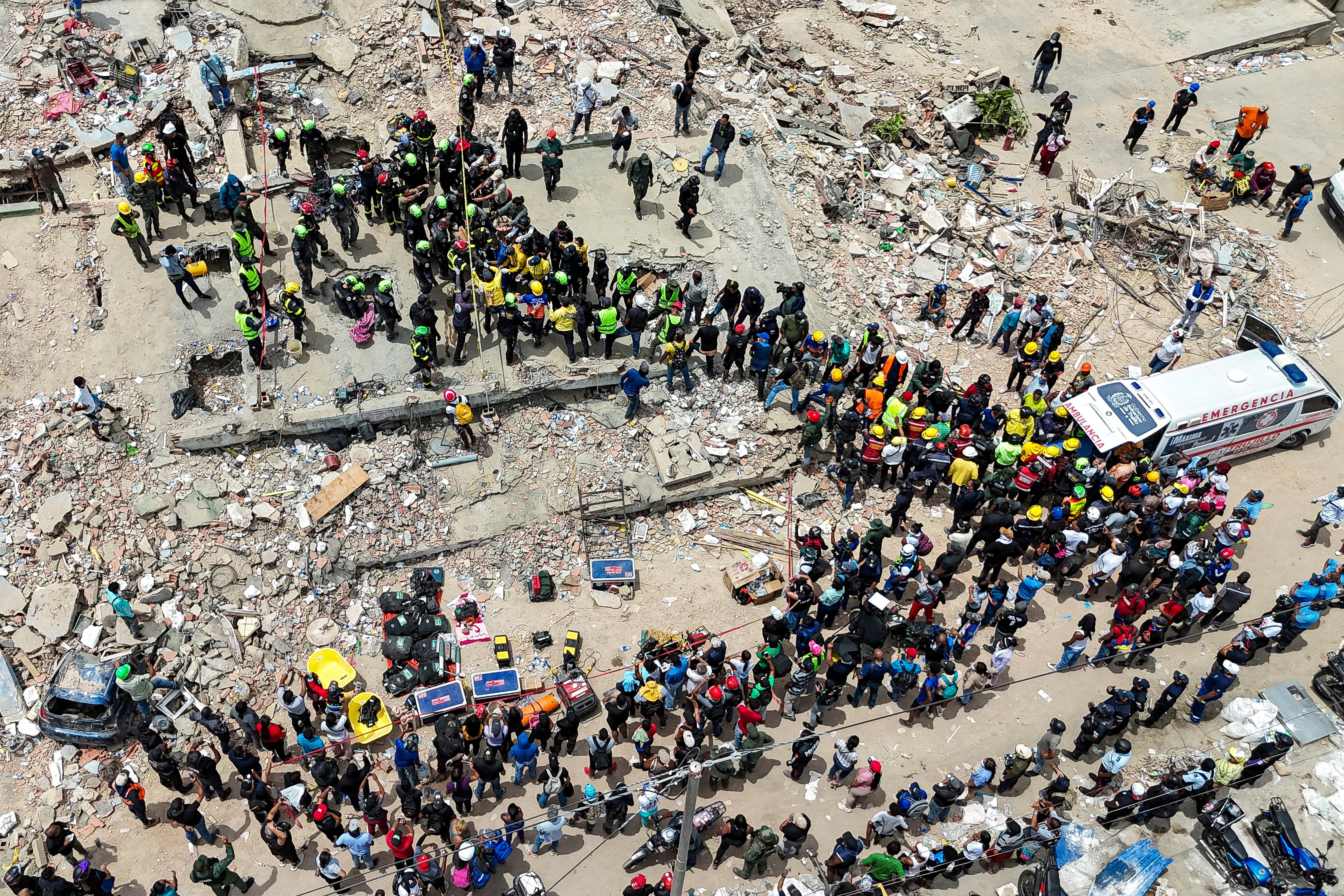
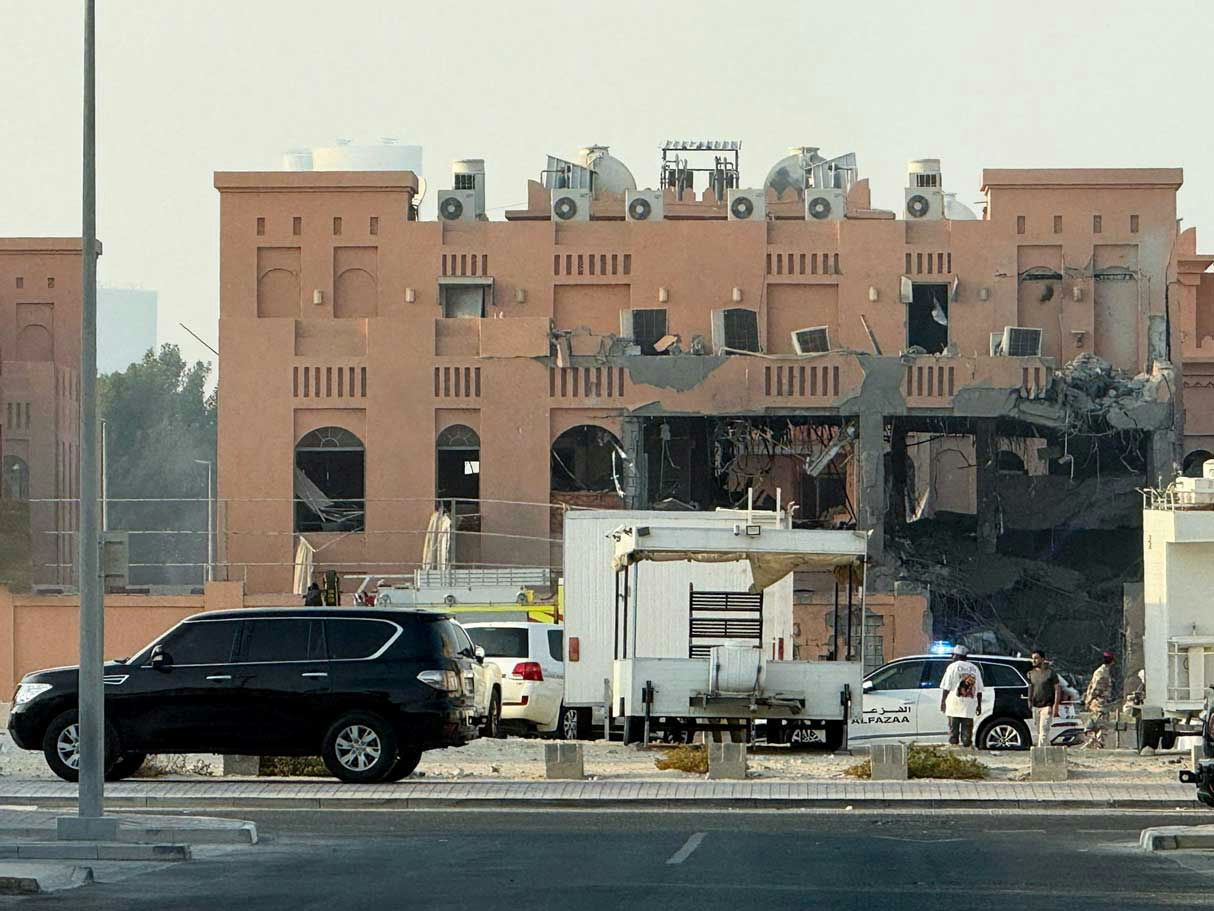
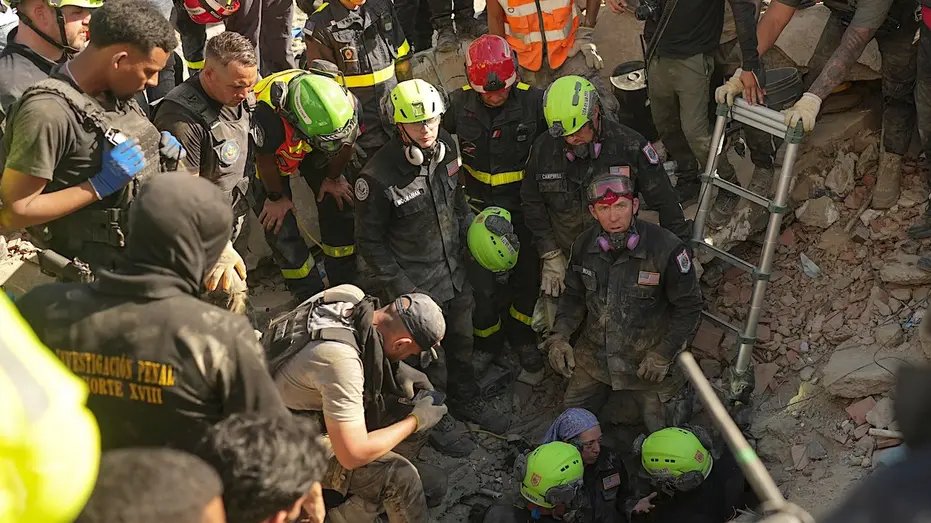
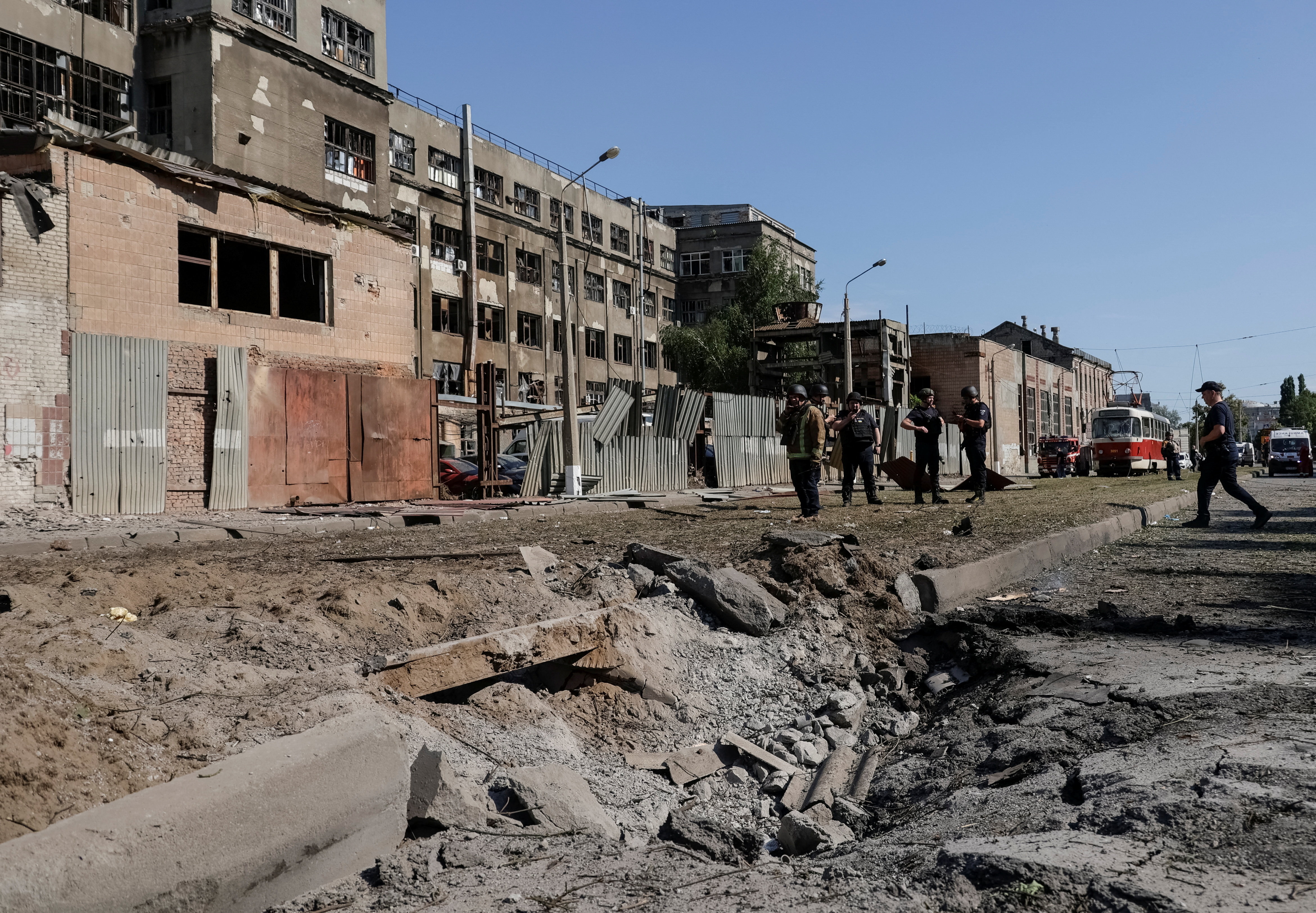
Pakistani forces' ground operations and strikes killed at least 36 civilians in Afghanistan overnight and wounded more than 160 others, Afghan officials said Monday. The attacks struck homes across three provinces along the Pakistan-Afghanistan border: Paktia, Paktika, and Kunar. Hamdullah Fitrat, the deputy spokesperson for Afghanistan's Taliban government, described a pattern of repeated strikes on civilian areas. Pakistani forces targeted a home in Paktia's Chamkani district, killing an older man and a child while wounding other family members. When residents gathered to rescue people, the area was struck again, killing 28 villagers and wounding 158, Fitrat said.
A second strike killed six people, mostly women and children, in a village in Giyan district, Paktika province. A third strike hit a civilian home in Kunar province, causing no deaths but killing approximately 30 livestock. The village of Mandokhail in Paktia province sustained the heaviest casualties, according to Taliban officials.
Adam Khan, a 63-year-old resident, told news agencies he "cannot put into words the condition of the children I saw at the hospital, or the screams of their parents and siblings." He described victims as "children, elderly people and women" sleeping in homes when strikes occurred.
Pakistan's Justification for the Operation
Pakistan's Information Minister Attaullah Tarar said the overnight operation killed 29 fighters and destroyed weapons and ammunition stockpiles belonging to Jamaat-ul-Ahrar and Fitna al-Khawarij. Tarar shared three videos on social media that he said showed projectiles striking sprawling camps and safe havens in the three Afghan provinces.
The operation followed a militant attack on Sunday targeting the regional headquarters of the paramilitary Rangers in Karachi that killed three soldiers. Jamaat-ul-Ahrar claimed responsibility for the Karachi attack. Security forces killed three attackers and arrested a fourth assailant, whom the military identified as a wounded Afghan national.
Pakistan's Ministry of Foreign Affairs said it summoned Afghanistan's top diplomat in Islamabad to protest the involvement of Afghan nationals in recent attacks. Tarar said Pakistan's counter-terrorism campaign "will continue at full pace to wipe out the menace of foreign-sponsored and supported terrorism from the country."
Afghanistan and Regional Condemnation
Afghanistan condemned the strikes as a "cowardly act of aggression" and an "act of brutality." Hayatullah Mohajer Farahi, the deputy minister for publications at the Ministry of Information and Culture, said Afghanistan would respond "in due time." On Monday, Afghanistan and Pakistan summoned each other's top diplomats to protest the attacks.
Zia Ahmad Takal, the Afghanistan Foreign Ministry's deputy spokesperson, accused Islamabad of repeatedly blaming Afghanistan for security incidents inside Pakistan without "credible evidence." Pakistan's behavior "seriously harms the atmosphere of trust between the two countries, good neighborly relations and the security and stability of the region," Takal said.
India's Foreign Ministry spokesperson Randhir Jaiswal called Pakistan's allegations of Indian involvement "baseless allegations." He said Pakistan should "look inwards, take credible action against the terror infrastructure on its territory." India's ministry of external affairs separately described the airstrikes as a "blatant act of aggression."
Escalation in Months-Long Conflict
The strikes marked a return to large-scale military operations after less than three weeks of relative quiet. They ended roughly a month of calm that followed what Islamabad had described as an "open war" between the neighboring countries, despite international efforts to broker lasting peace. Dozens of people have been killed in cross-border fighting since February, when Afghanistan launched retaliatory strikes after Pakistan carried out airstrikes inside Afghan territory.
Multiple rounds of talks have failed to secure a lasting ceasefire. China hosted the two sides in April, and Beijing later said Pakistan and Afghanistan had agreed not to escalate their conflict and to explore a solution.
Pakistani officials said an uneasy calm prevailed along the border Monday, with security forces remaining on high alert.