In a move that could reshape Serbia's political landscape, President Aleksandar Vučić announced his resignation within weeks, sparking speculation about his potential shift to the role of Prime Minister. This decision comes amidst over a year of protests led by university students demanding political change. Vučić, currently in his second term, is barred from running for president again under Serbia's election law, with both presidential and parliamentary elections scheduled for next year.
The announcement paves the way for early elections, a demand that has been vocalized by youth demonstrators in Serbia for over twelve months. These protests have targeted Vučić's increasingly autocratic rule, pushing for a more democratic political environment. Vučić's resignation could be a response to these pressures, although he has yet to specify an exact resignation date or schedule for the upcoming elections.
While Vučić's resignation is set to occur within weeks, there is rampant speculation about his political future. He has hinted at leaving the presidential post before, raising questions about a possible move to the more powerful position of Prime Minister.
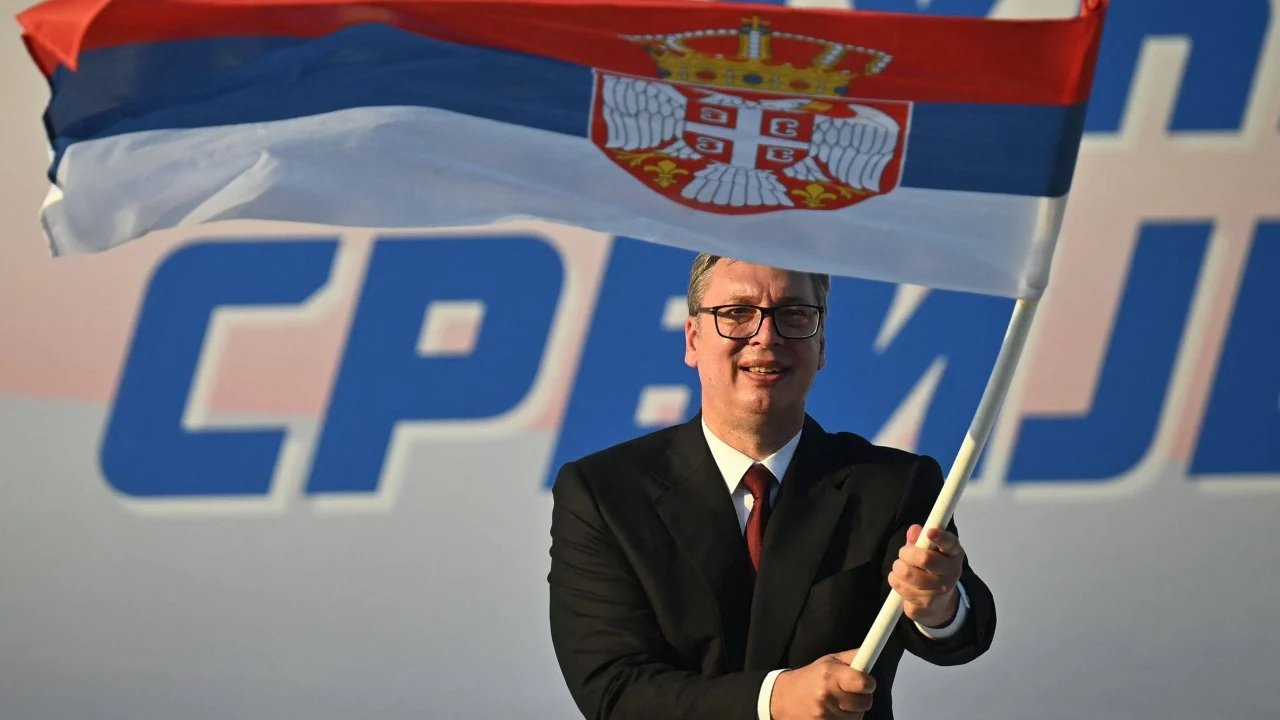
Despite his impending resignation, Vučić has pledged to support his right-wing Serbian Progressive Party in the upcoming elections. Addressing a crowd in downtown Belgrade, he stated, "We will win more convincingly than ever before," indicating confidence in his party's electoral prospects even after his departure from the presidency.
Key details remain unsettled: the exact timing of Vučić's resignation and the election schedule. Additionally, the impact of his potential shift to the Prime Minister role on Serbia's political stability and the response of the opposition remain to be seen.
In a move that could reshape Serbia's political landscape, President Aleksandar Vučić announced his resignation within weeks, sparking speculation about his potential shift to the role of Prime Minister. This decision comes amidst over a year of protests led by university students demanding political change. Vučić, currently in his second term, is barred from running for president again under Serbia's election law, with both presidential and parliamentary elections scheduled for next year.
The announcement paves the way for early elections, a demand that has been vocalized by youth demonstrators in Serbia for over twelve months. These protests have targeted Vučić's increasingly autocratic rule, pushing for a more democratic political environment. Vučić's resignation could be a response to these pressures, although he has yet to specify an exact resignation date or schedule for the upcoming elections.
While Vučić's resignation is set to occur within weeks, there is rampant speculation about his political future. He has hinted at leaving the presidential post before, raising questions about a possible move to the more powerful position of Prime Minister. This potential transition adds another layer of complexity to the ongoing political tensions in Serbia and could significantly influence the country's direction.
Despite his impending resignation, Vučić has pledged to support his right-wing Serbian Progressive Party in the upcoming elections. Addressing a crowd in downtown Belgrade, he stated, “We will win more convincingly than ever before,” indicating confidence in his party's electoral prospects even after his departure from the presidency.
Many questions remain unanswered following Vučić's announcement. The exact timing of his resignation and the scheduling of the elections are yet to be determined. Additionally, the impact of his potential shift to the Prime Minister role on Serbia's political stability and the response of the opposition remain to be seen. As Serbia navigates these uncertain political waters, the country's future hangs in the balance.
Highlighted text was flagged by the council. Tap to see feedback.









For example, Vučić stated he would help his right-wing Serbian Progressive Party at the coming election, indicating his continued involvement in politics despite resigning from the presidency.