
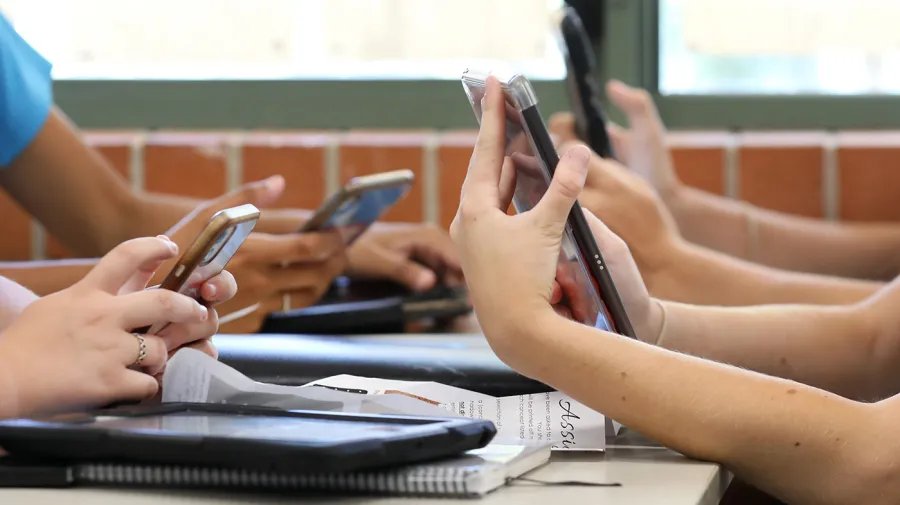





New Legislation Targets Under-16 Accounts
Australia announced plans to double potential fines for social media platforms that fail to prevent children under 16 from creating accounts. The maximum fine will increase to 99 million Australian dollars (approximately $68 million) for companies like Facebook and Instagram that do not comply with age restrictions. Communications Minister Anika Wells blamed the platforms' resistance to the age restrictions for the need to toughen the laws, saying Big Tech was "taking the Mickey."
ESafety Commissioner's Expanded Powers
The new legislation will enhance the authority of eSafety Commissioner Julie Inman Grant, allowing her to demand information and documents from social media companies to ensure compliance with Australian law. This includes data from third parties that provide age verification technology. Inman Grant has previously indicated the possibility of court action against platforms failing to adequately restrict access for underage users. The government initially reported that more than 5 million children had accounts removed, deactivated or restricted after the ban became law. But eSafety reported in March that seven in 10 children who held accounts on restricted platforms on Dec. 10 remained on Facebook, Instagram, Snapchat and TikTok.
Criticism of Existing Regulations
Senior opposition lawmaker Jane Hume criticized the original legislation as "undercooked," arguing that it lacked necessary enforcement mechanisms. Hume stated that the social media ban wasn't working due to insufficient laws, echoing concerns that the platforms were not being held accountable. The government passed the original legislation with widespread support in 2024, but the lack of improvement since then has prompted calls for stricter measures.
Global Implications and Observations
Australia's approach has drawn attention from other nations considering similar restrictions on social media use for minors. Other countries are closely watching the effectiveness of Australia's ban, as they contemplate their own regulations. The effort to protect children online resonates with growing global concerns about youth safety in digital spaces, especially as incidents of online solicitation and exploitation continue to rise.
The Broader Context of Youth and Social Media
The issue of social media access for children is not isolated to Australia. In Germany, about 1.5 million young people use social media to a problematic extent. Education Minister Karin Prien has advocated for a legal minimum age of 13 for social media use, emphasizing the importance of safeguarding youth until they reach 18.
Next Steps for Social Media Regulation
As Australia prepares to introduce draft legislation, the focus remains on ensuring that social media companies take meaningful steps to comply with age restrictions. Wells reiterated that the new changes aim to provide the eSafety Commissioner with the tools necessary to hold platforms accountable. With the increasing scrutiny on social media's role in children's lives, the outcomes of these regulatory changes could set a precedent for other countries looking to enhance online safety for minors.




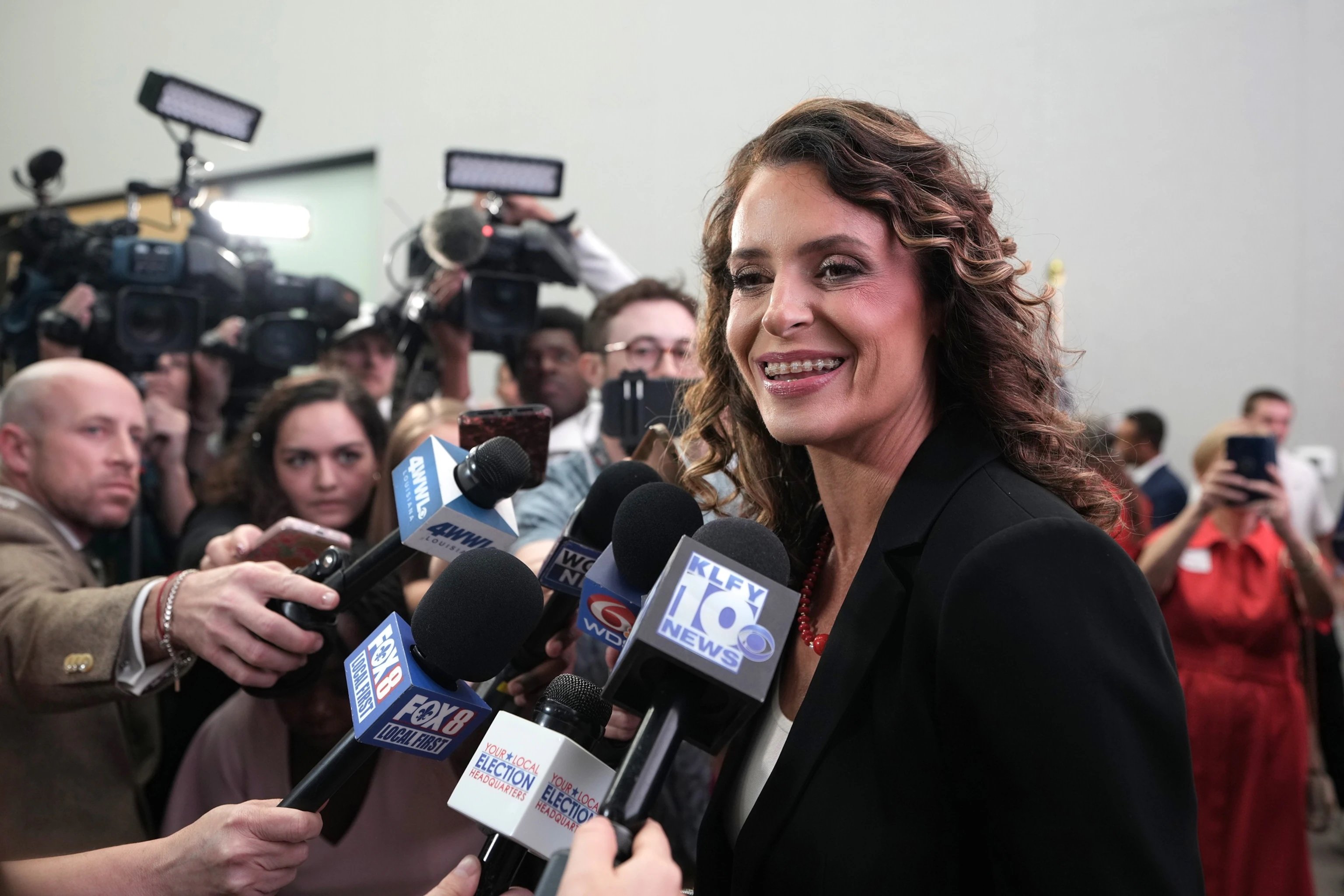









The sources also report that eSafety Commissioner Julie Inman Grant expressed satisfaction with the progress made by platforms X, Kick, Reddit, Threads, and Twitch in restricting access for underage users.