The Case at Hand
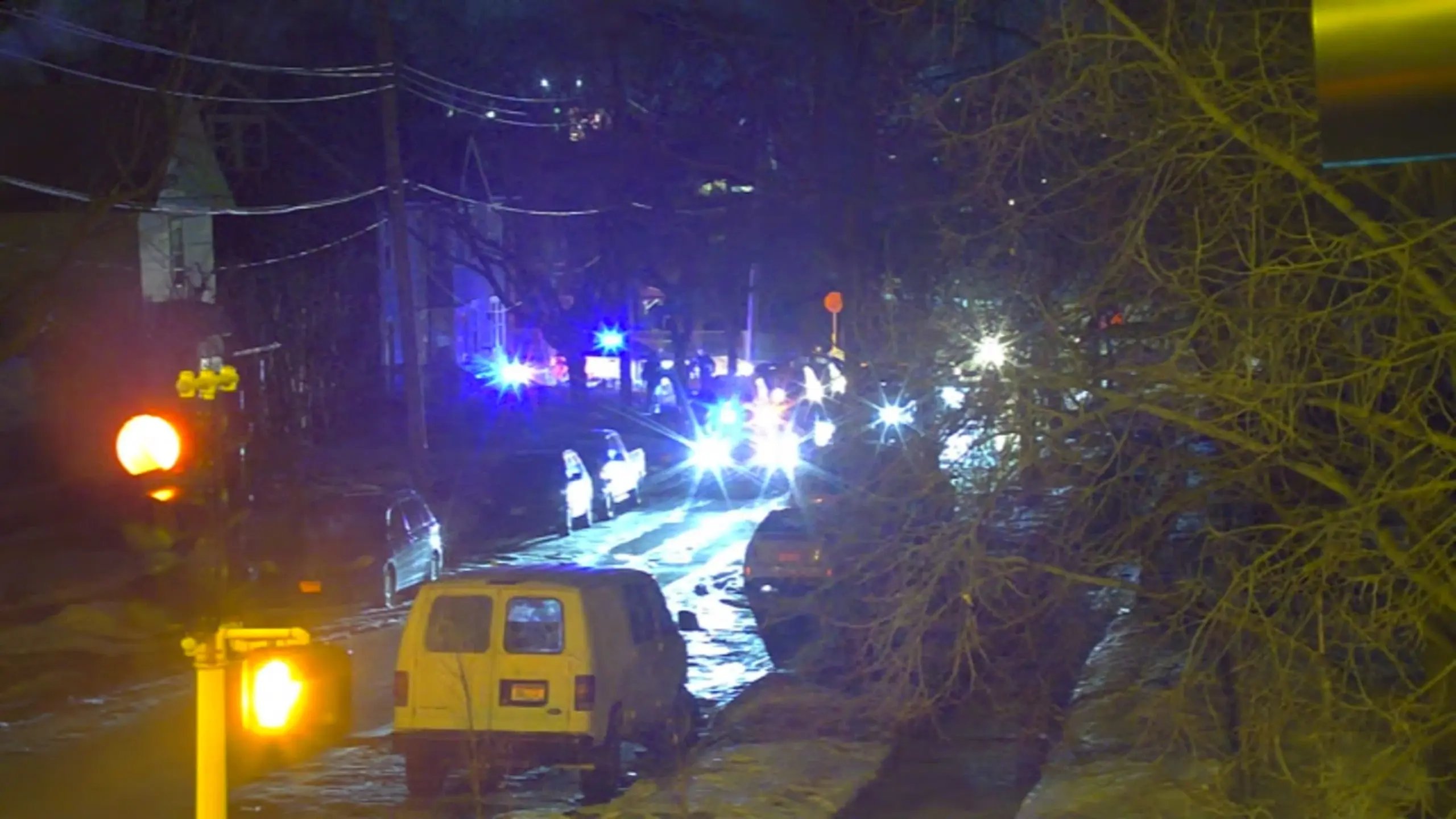
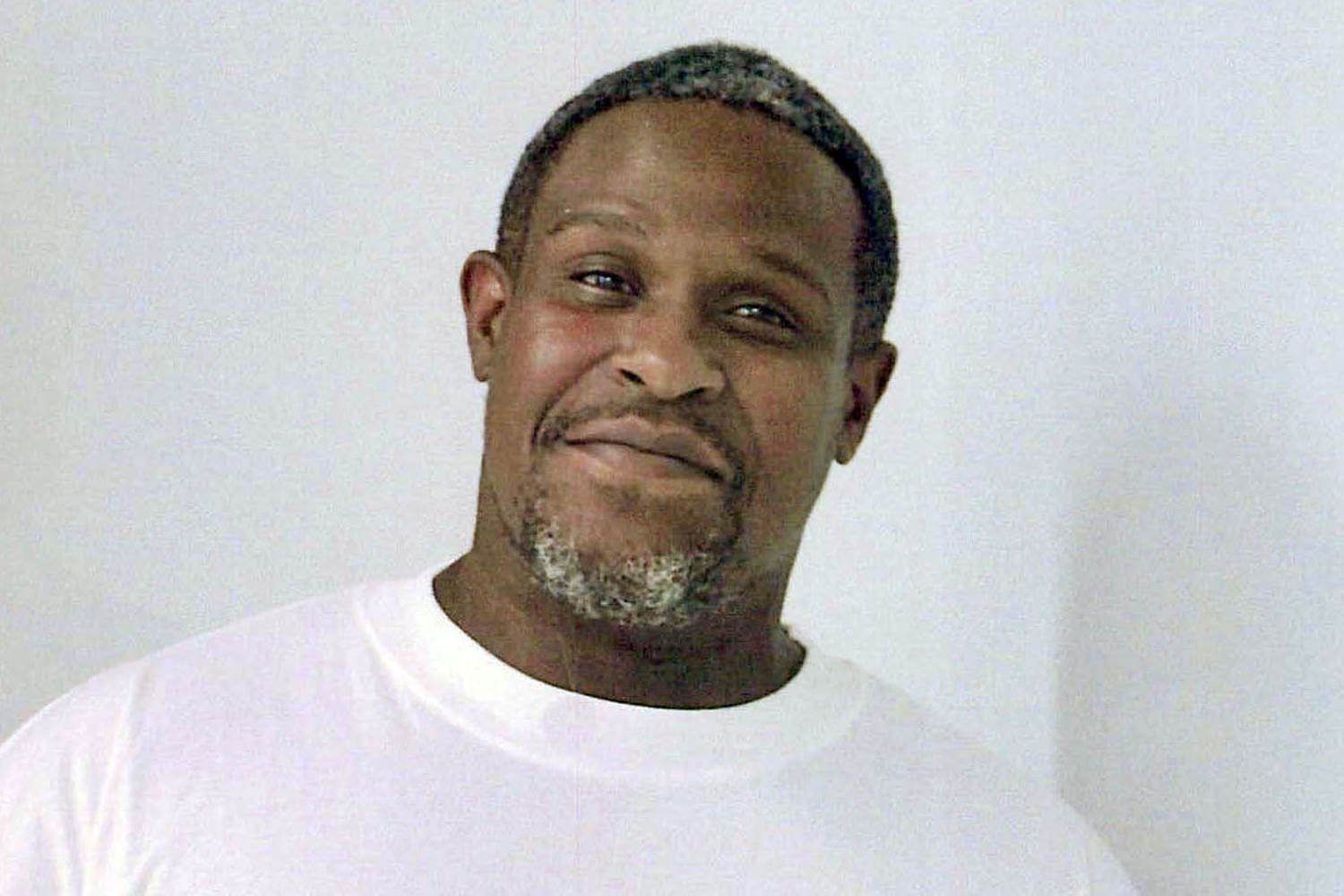
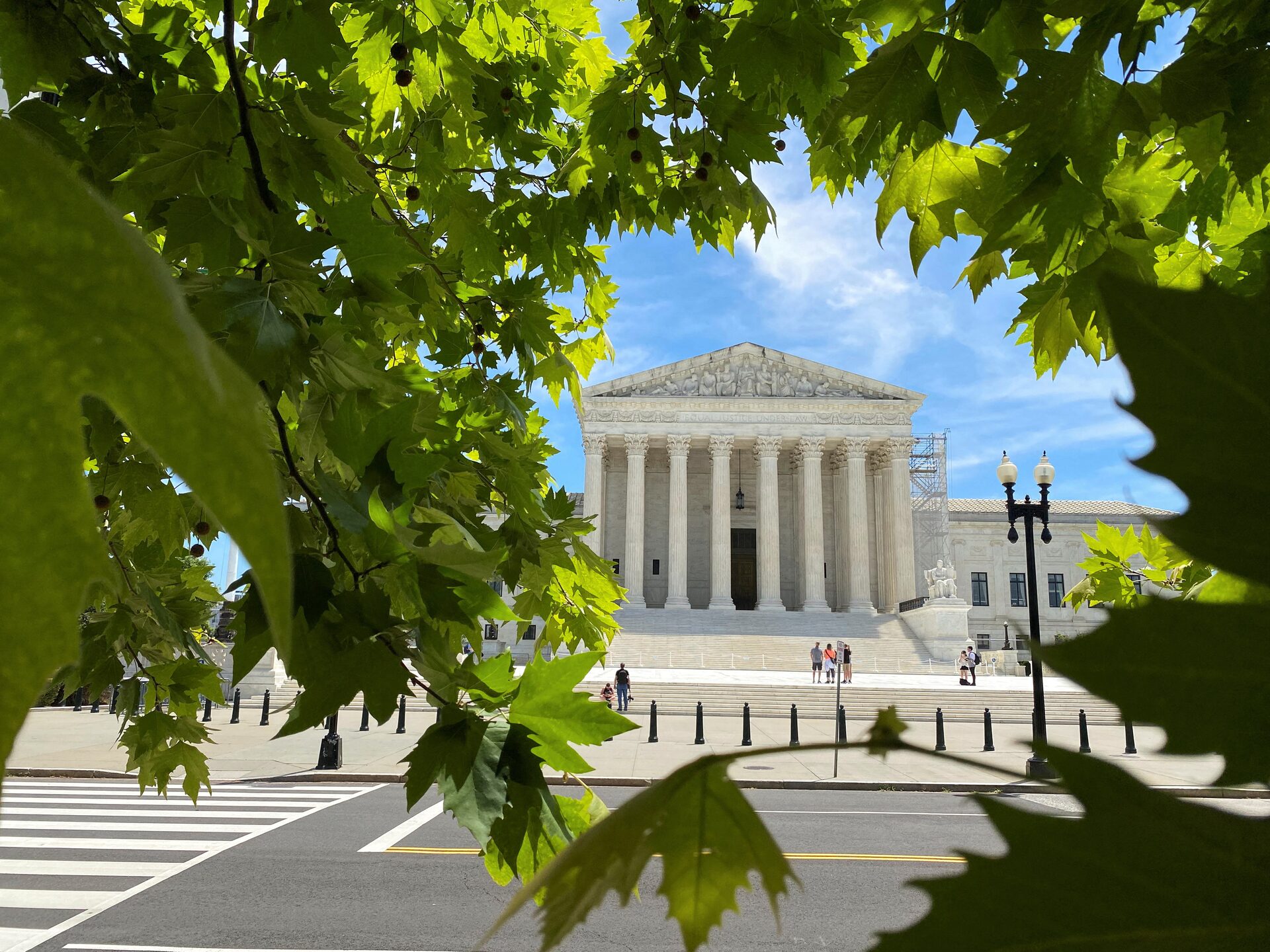
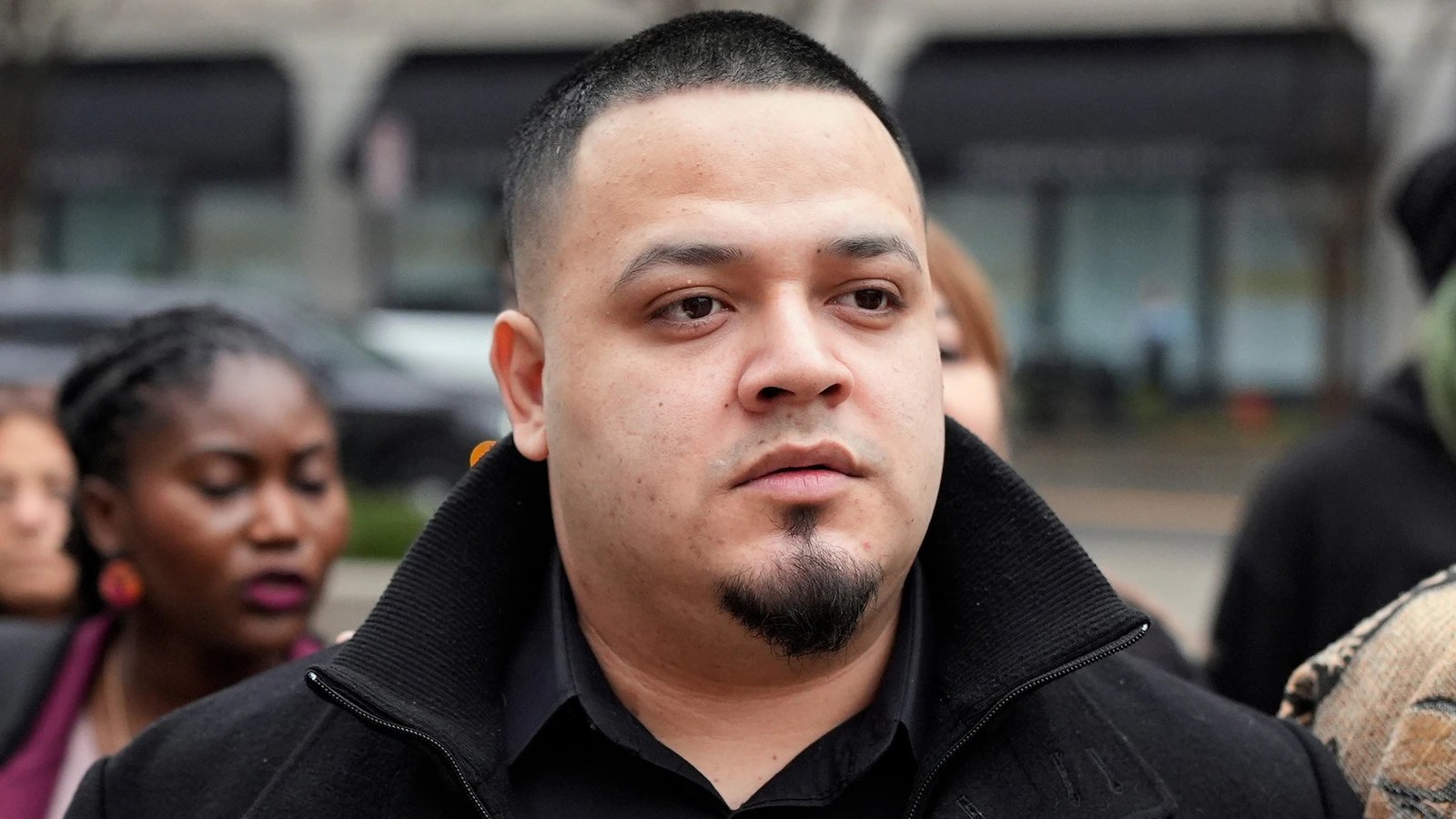
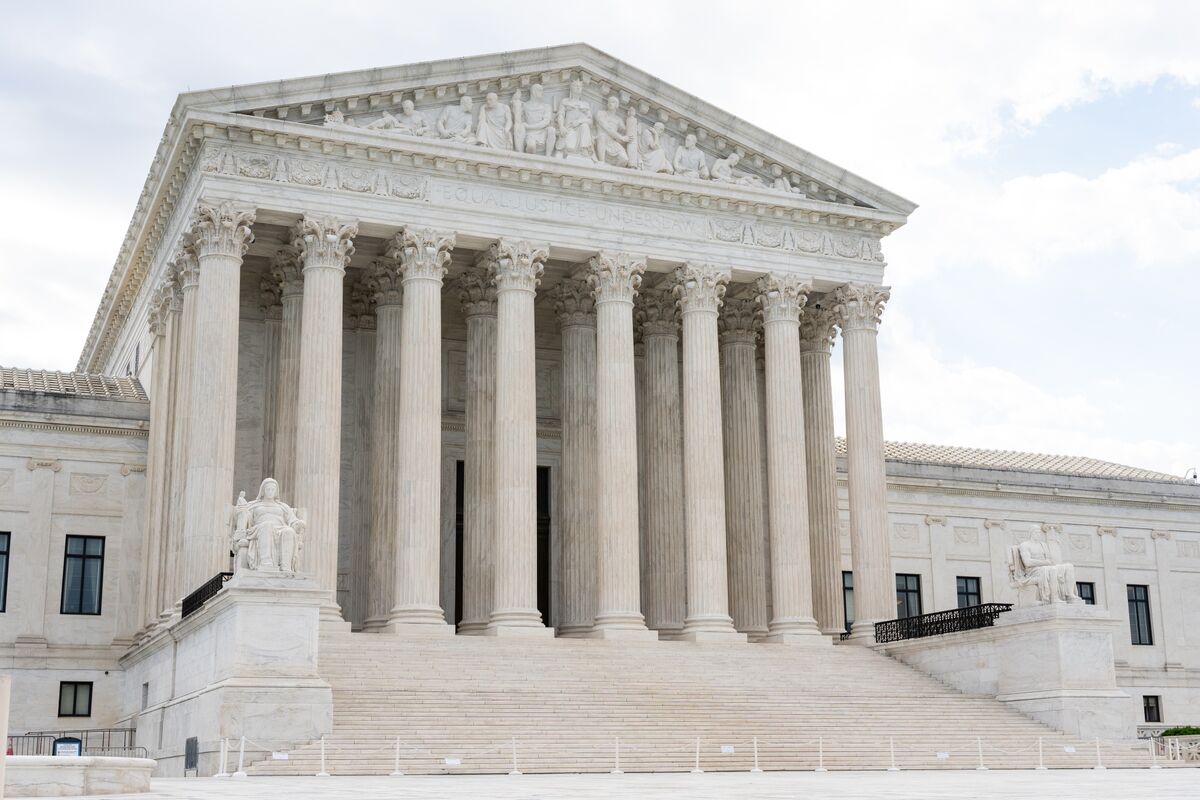
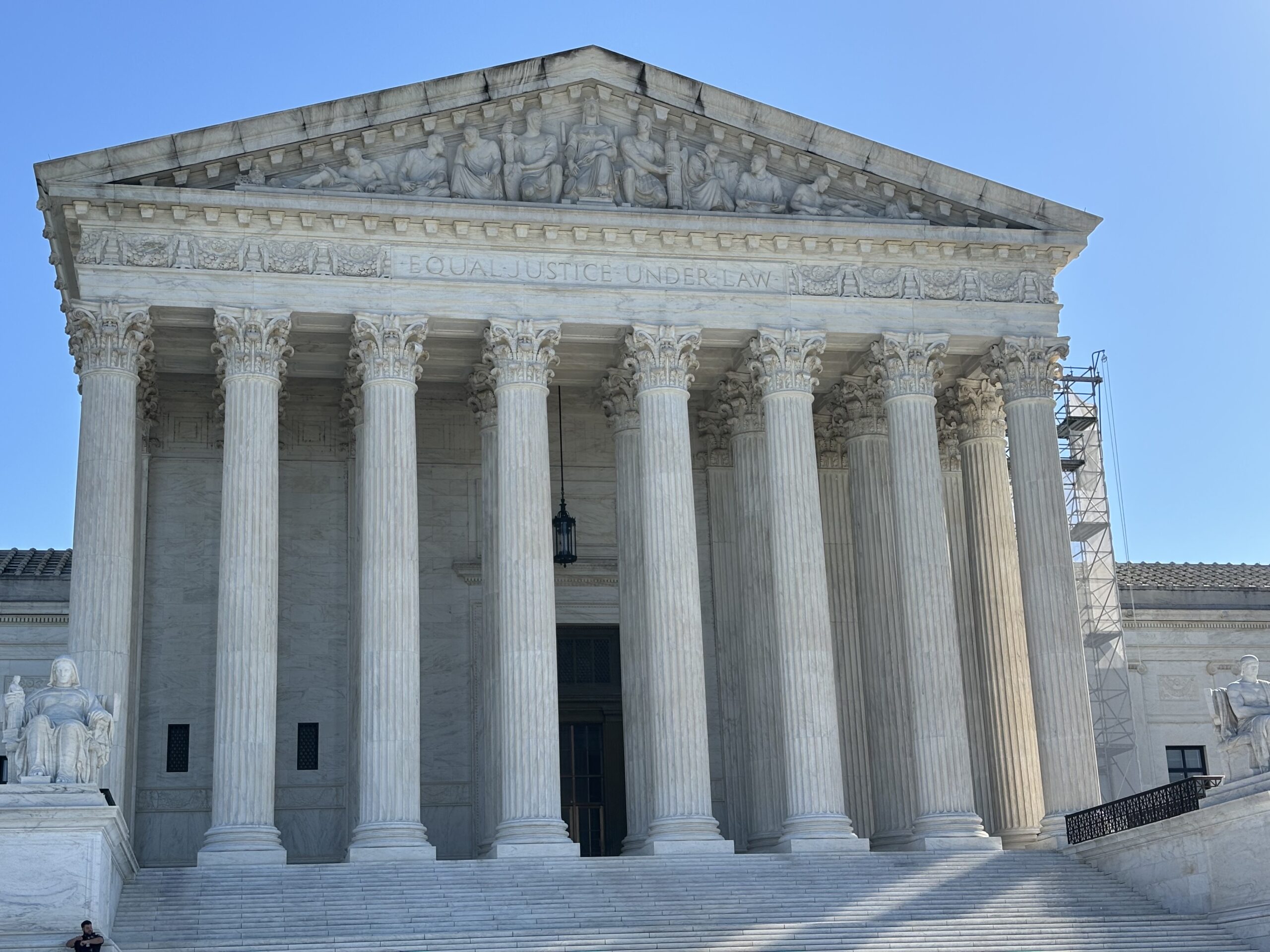
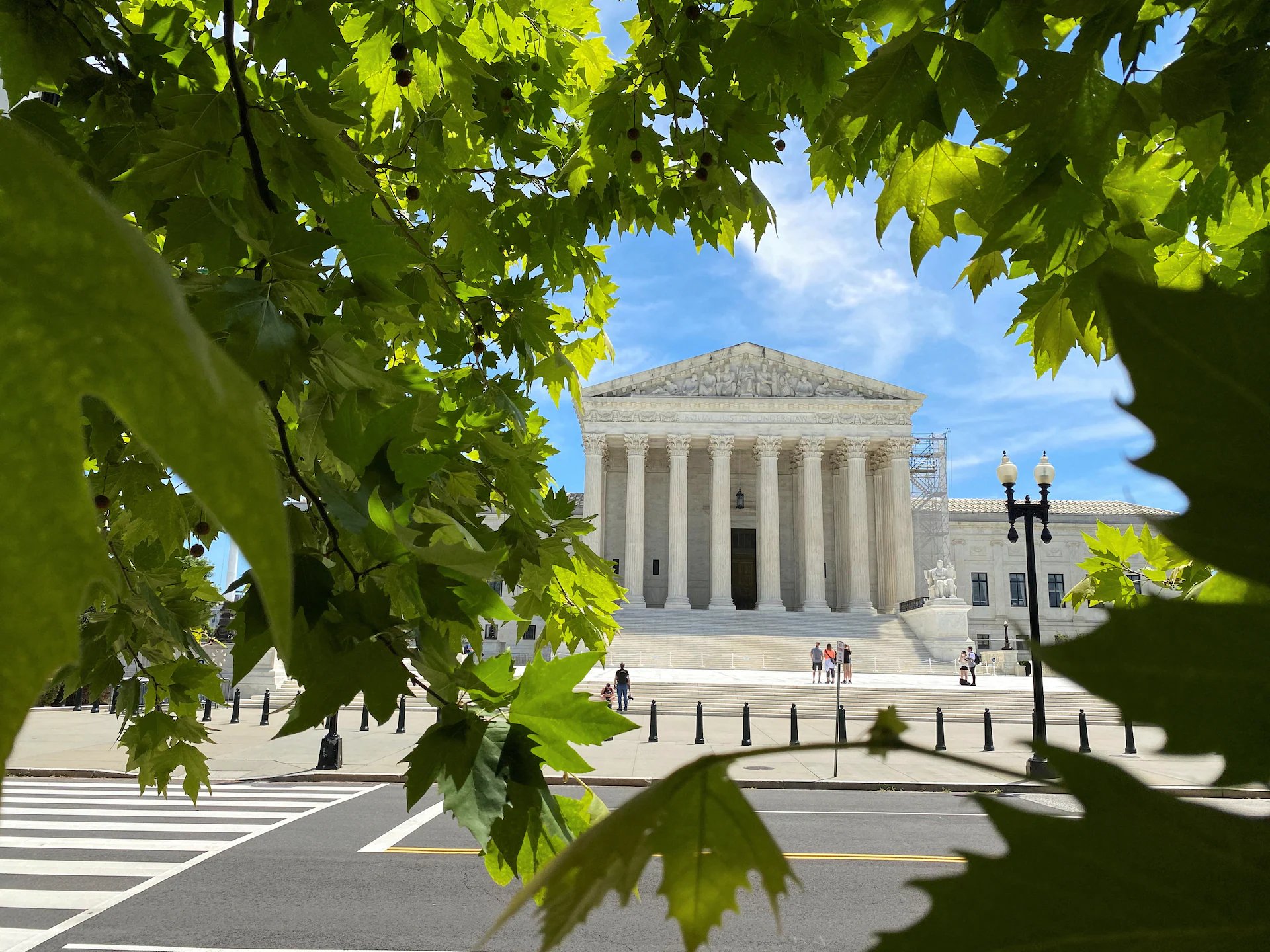
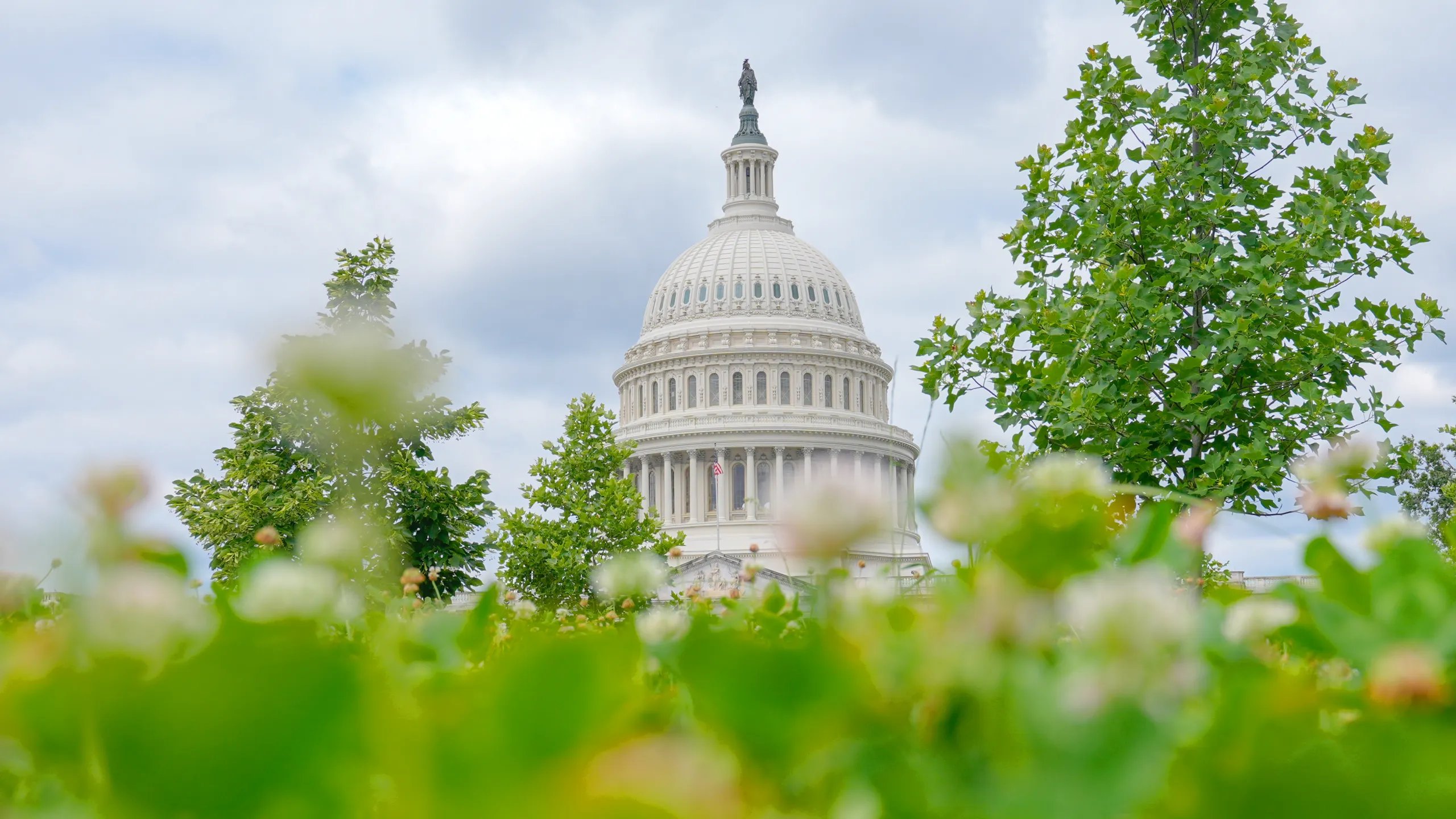
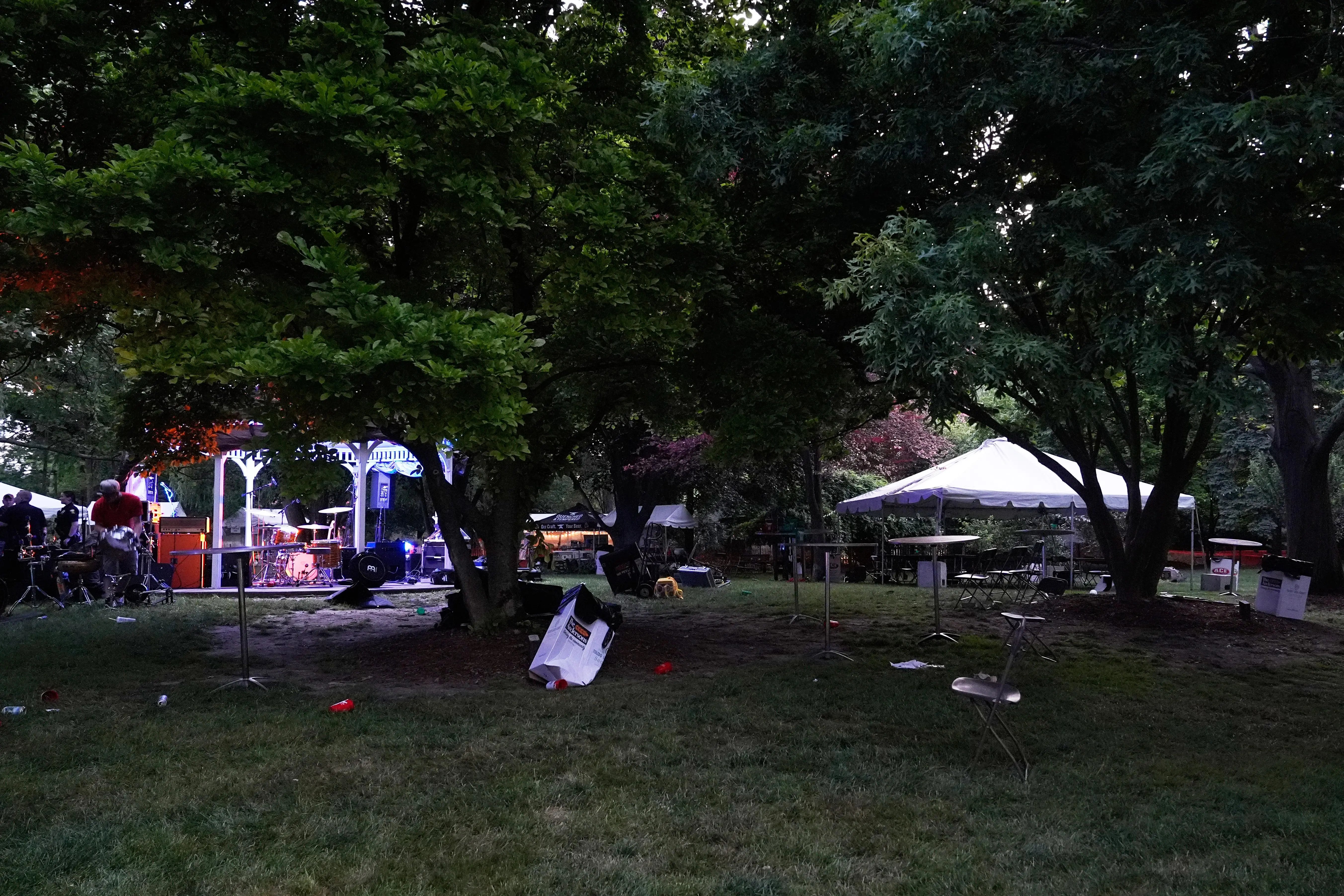
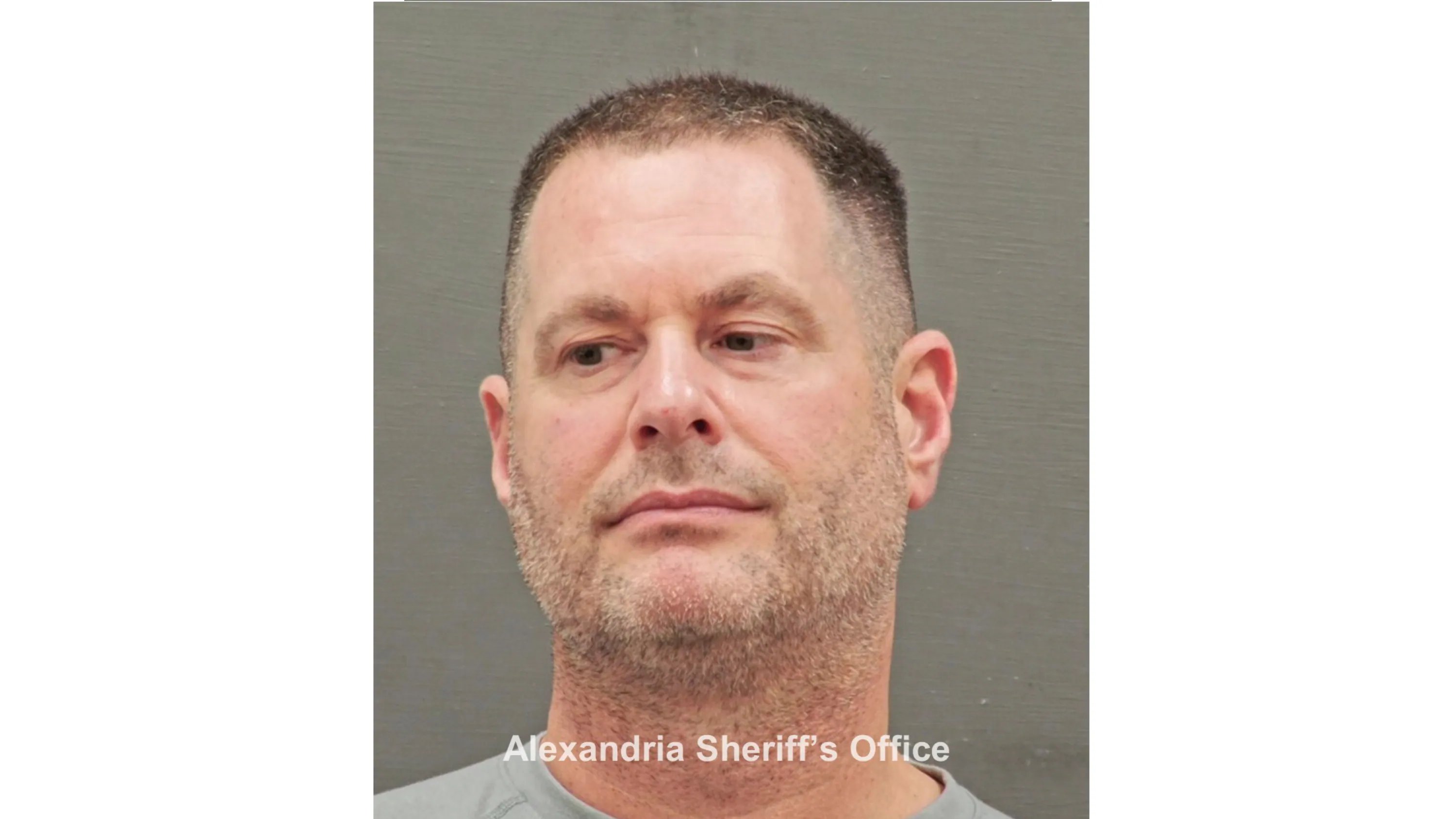
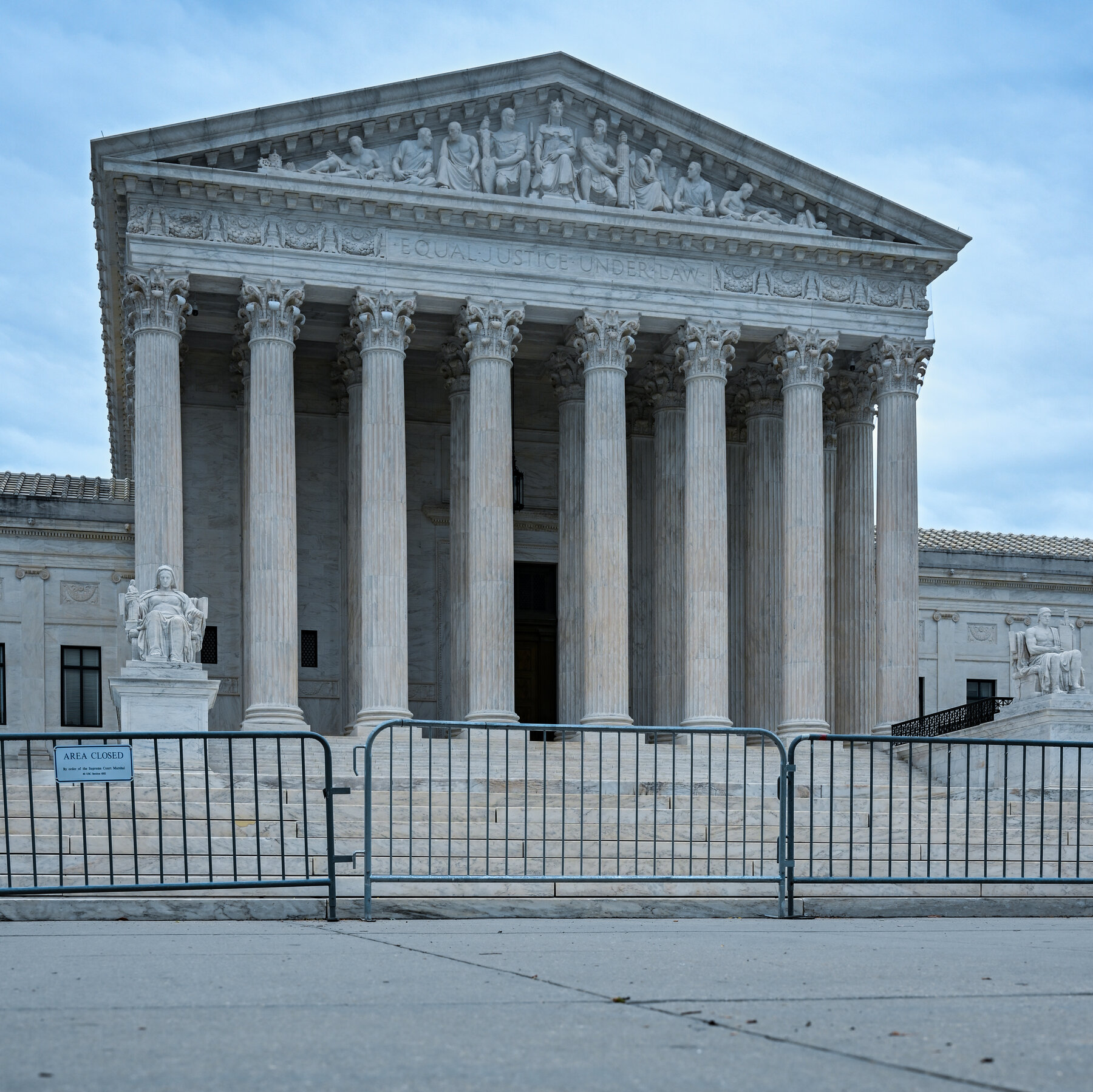
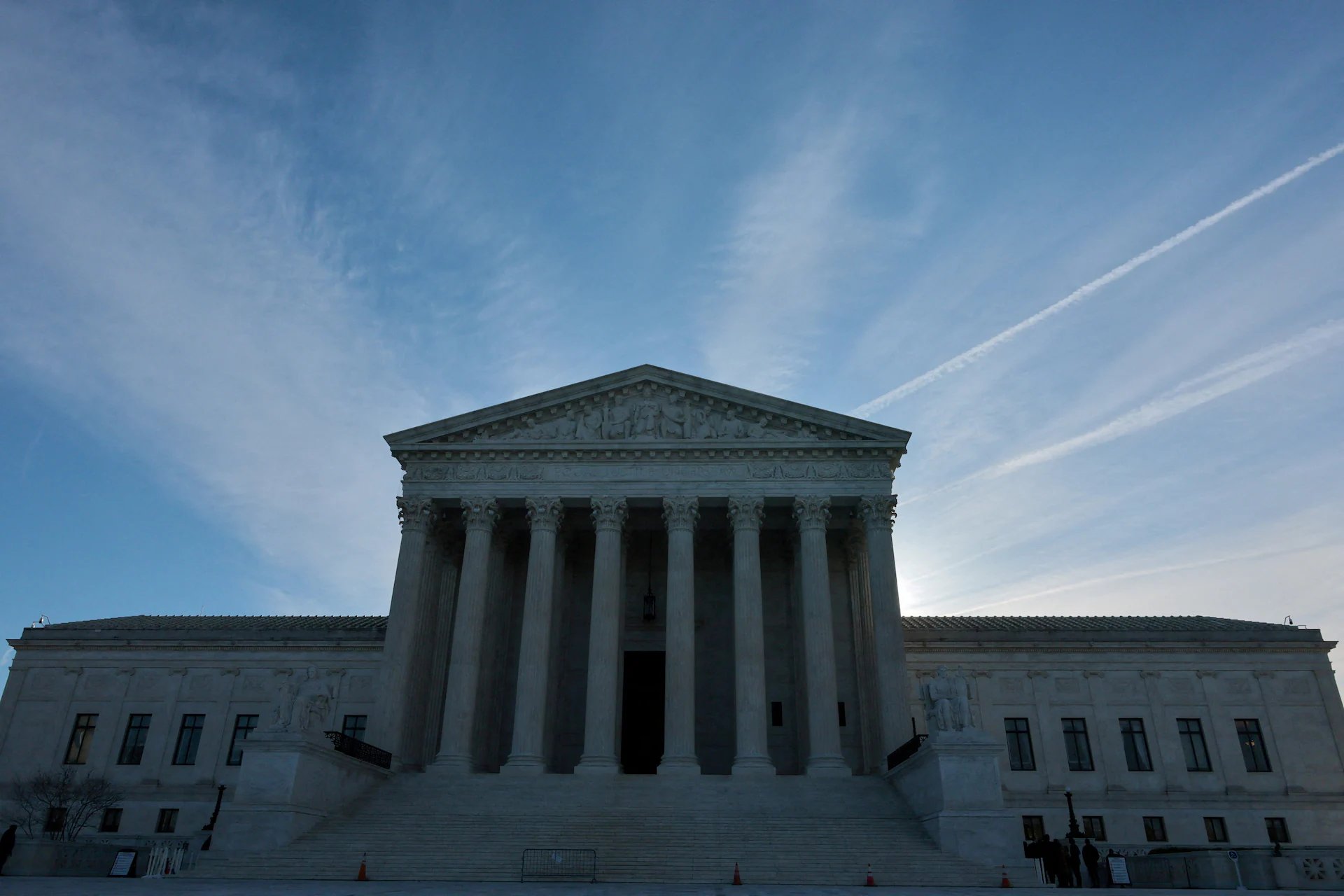
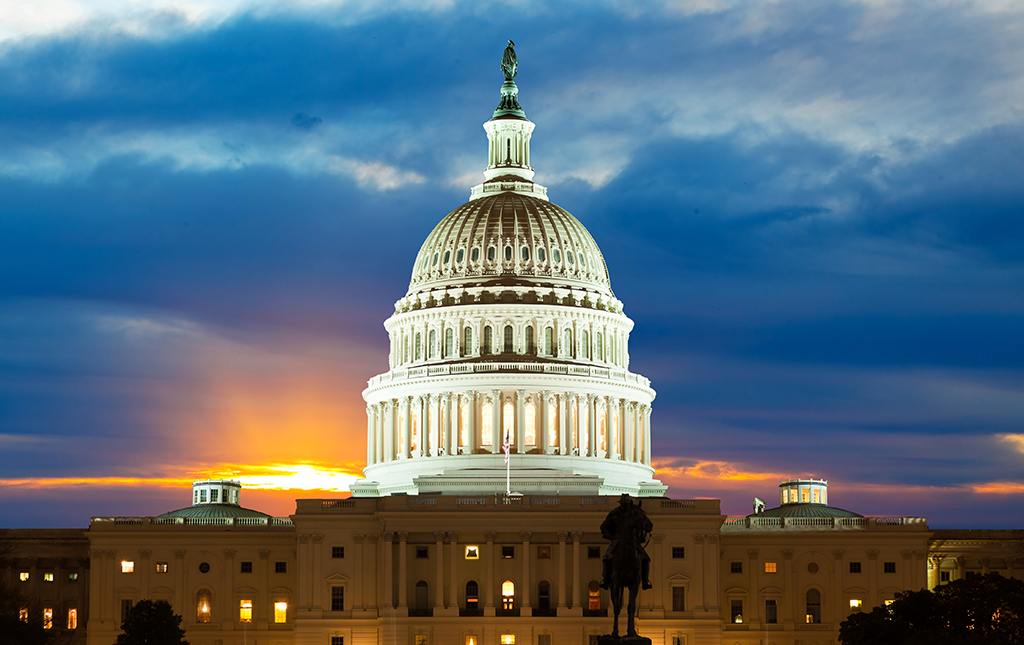
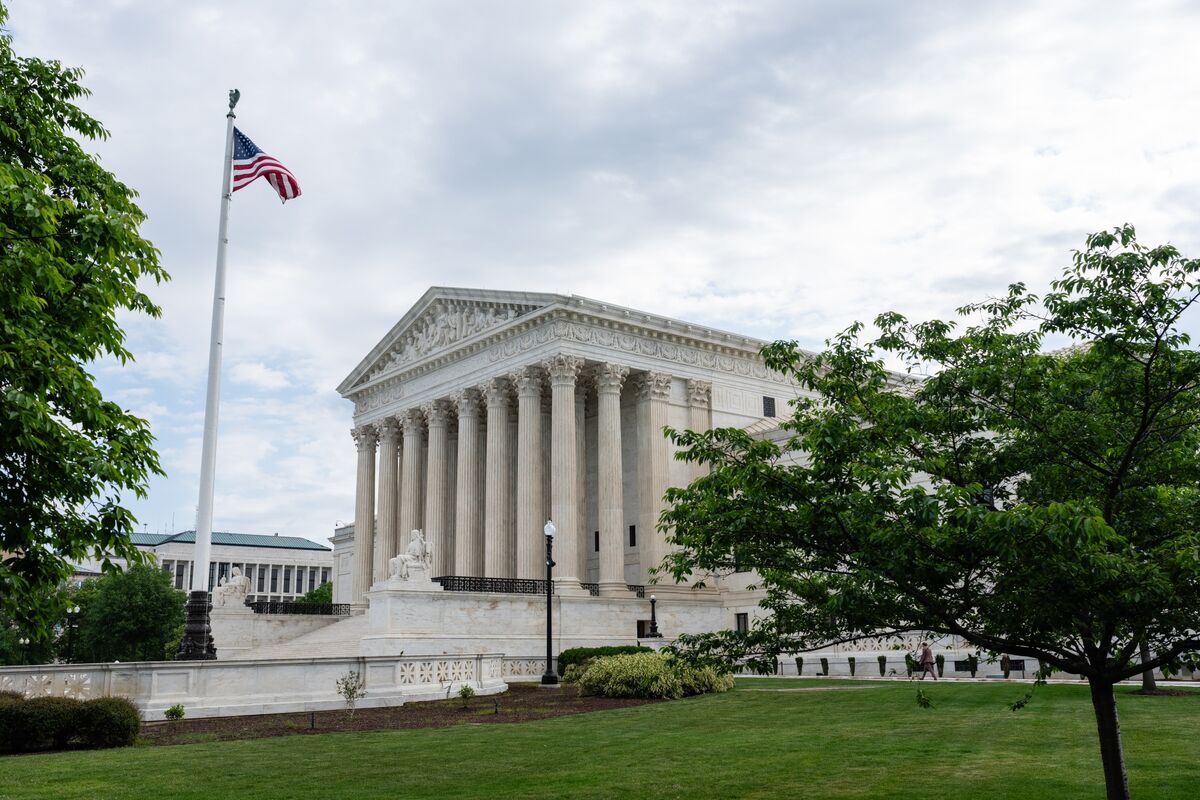
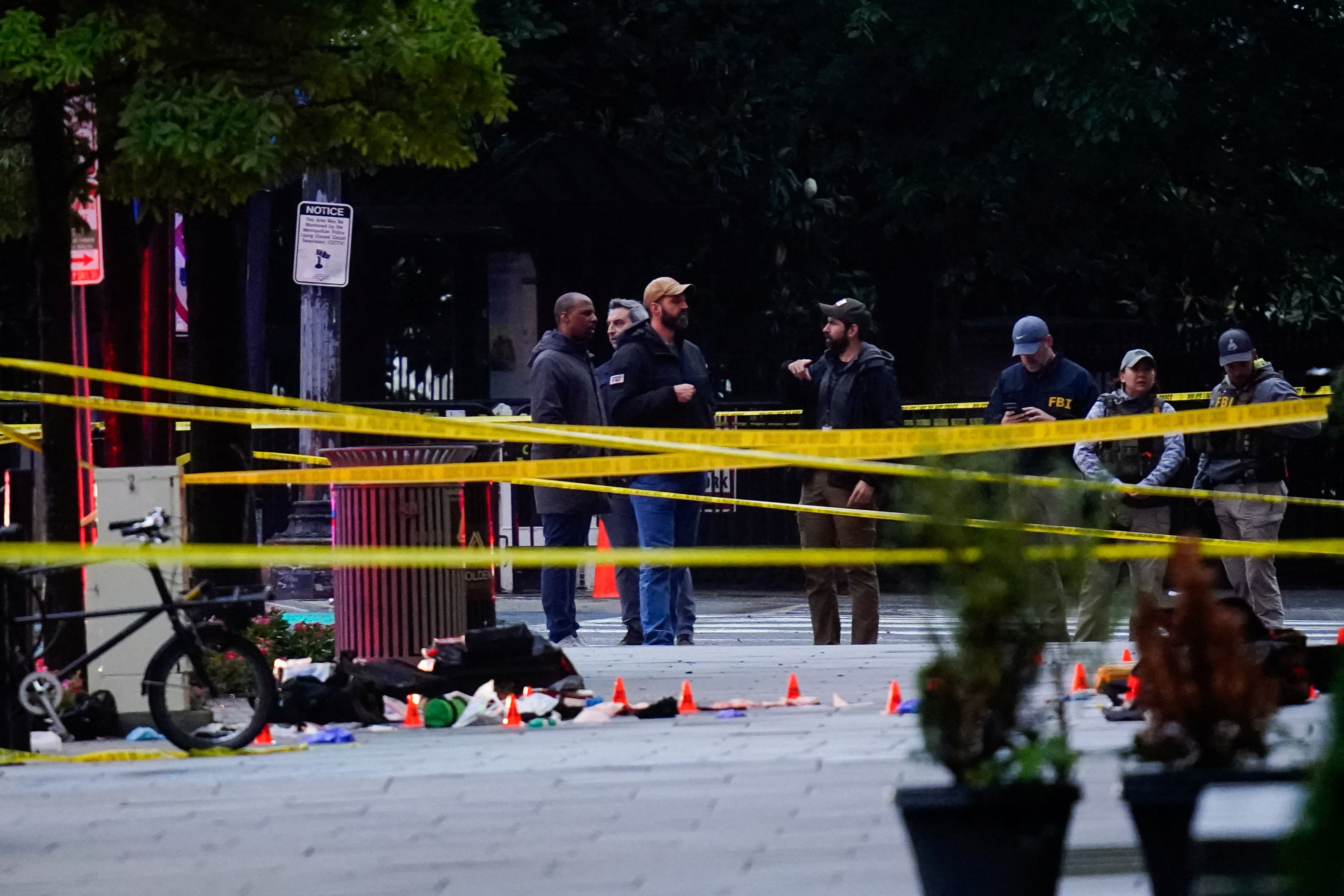
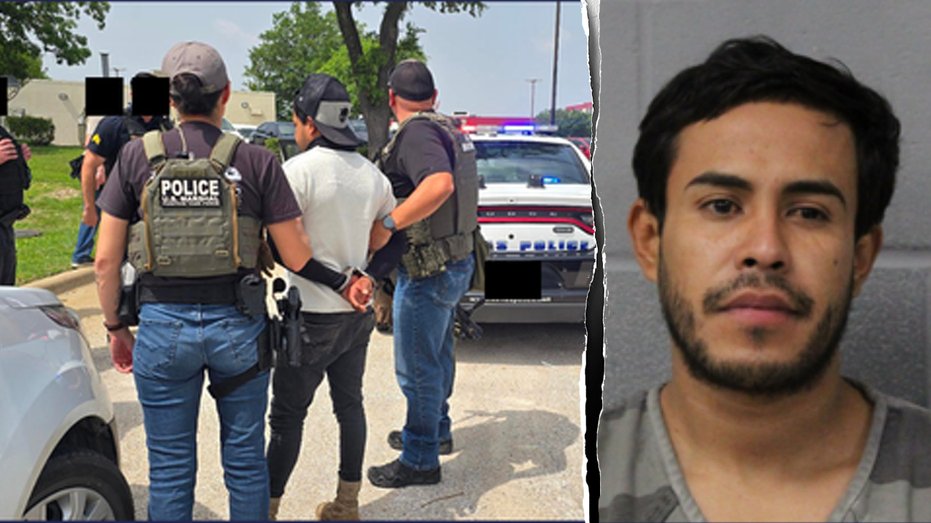
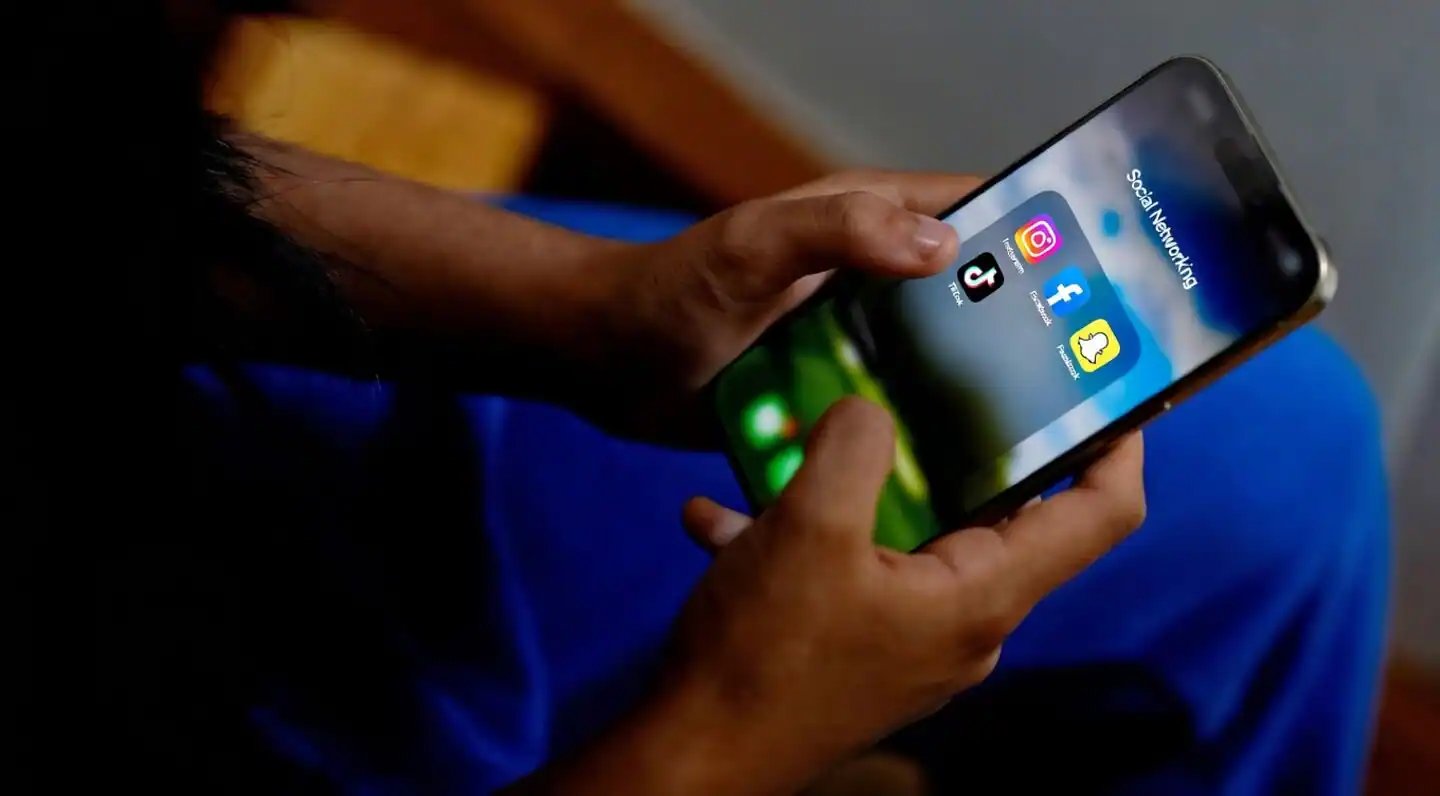
The Supreme Court is hearing a pivotal case regarding geofence warrants, a tool that allows law enforcement to obtain location data from tech companies like Google to identify individuals near a crime scene. The case stems from the 2019 armed robbery of a credit union in Midlothian, Virginia, where suspect Okello Chatrie was linked to the crime through geolocation data. Chatrie's defense argues that this broad search violated his Fourth Amendment rights against unreasonable searches and seizures.
Implications for Digital Privacy
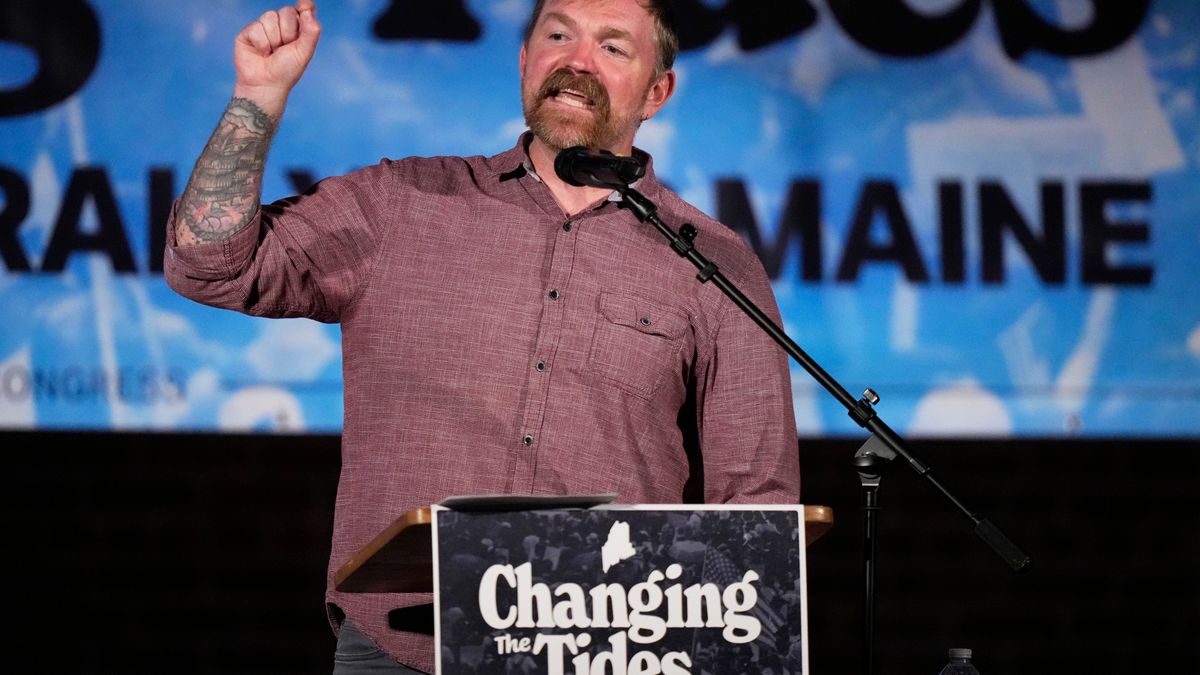
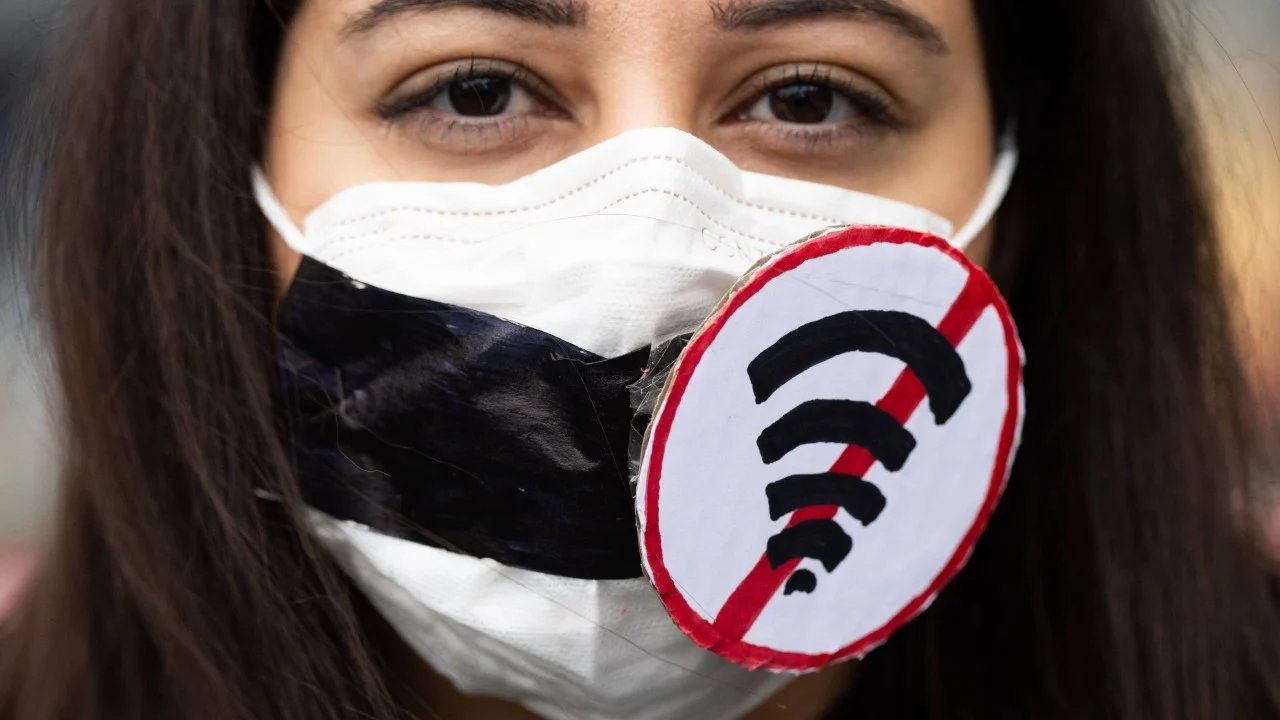
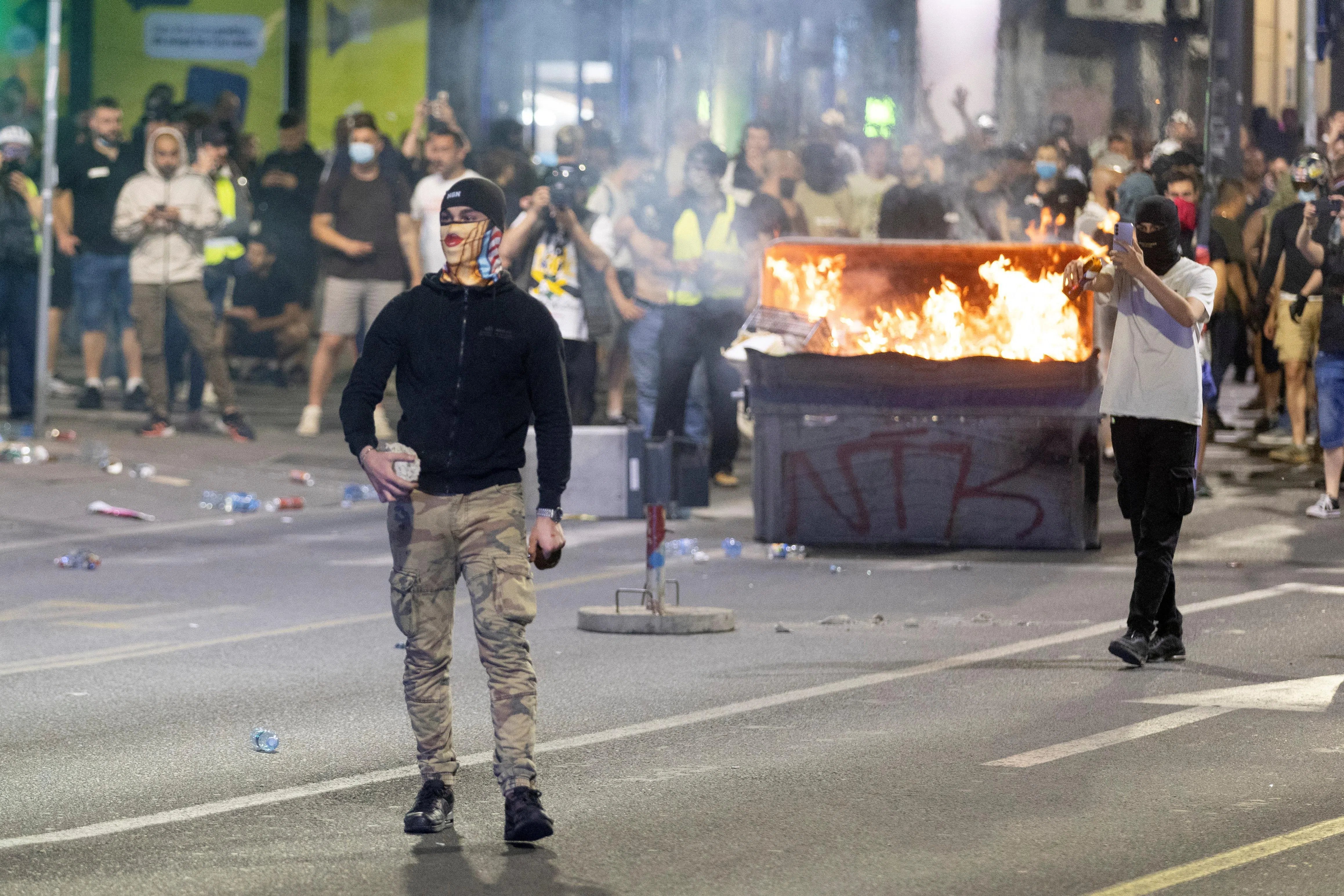
Geofence warrants enable police to request data from multiple users within a specific geographic area and timeframe, often sweeping up information from innocent individuals. Privacy advocates, such as Jake Karr from the Knight First Amendment Institute, warn that these practices resemble authoritarian surveillance tactics. Karr stated, "It's the stuff authoritarian nightmares are made of," highlighting concerns that such warrants could infringe on free speech rights, particularly in politically sensitive contexts.
Government's Stance
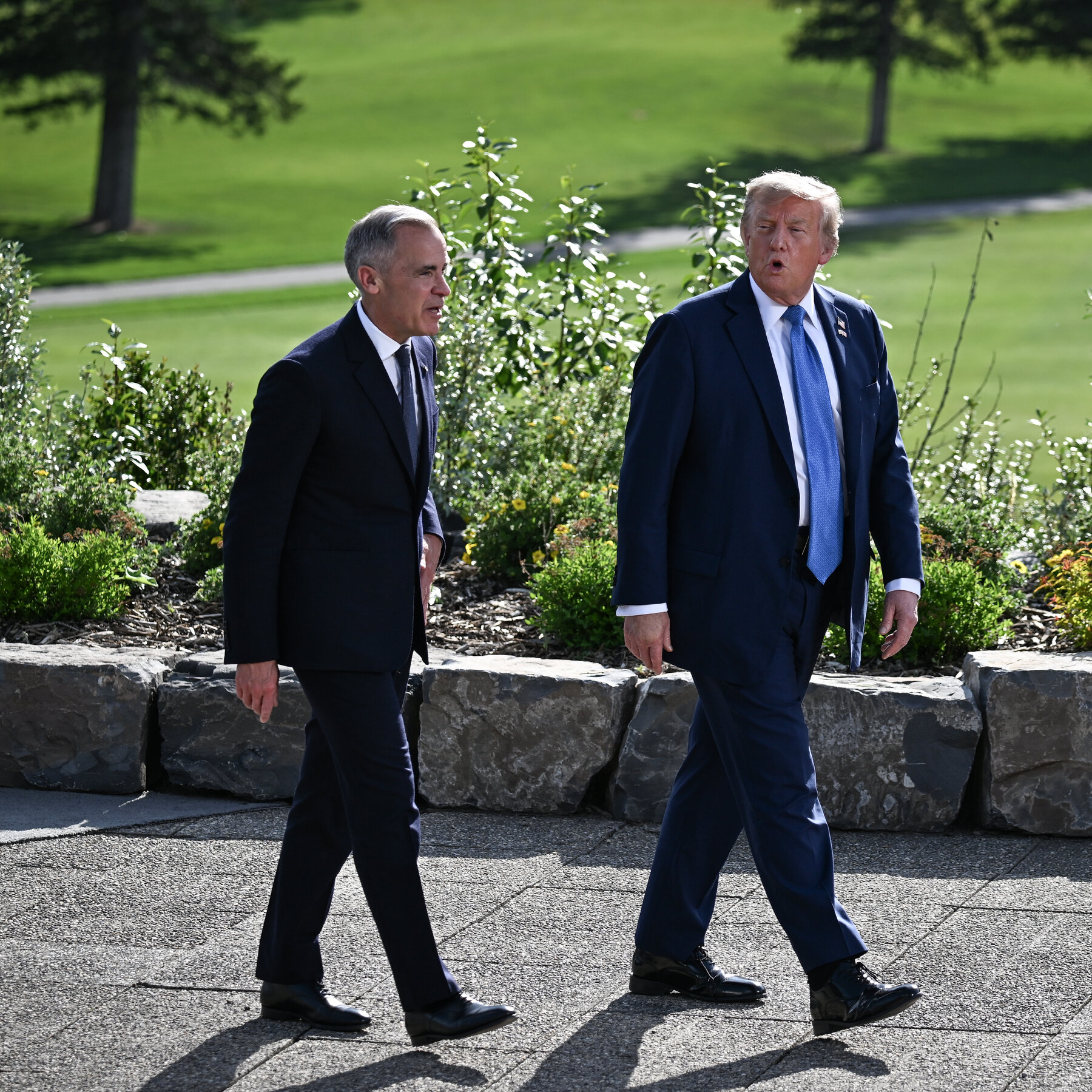
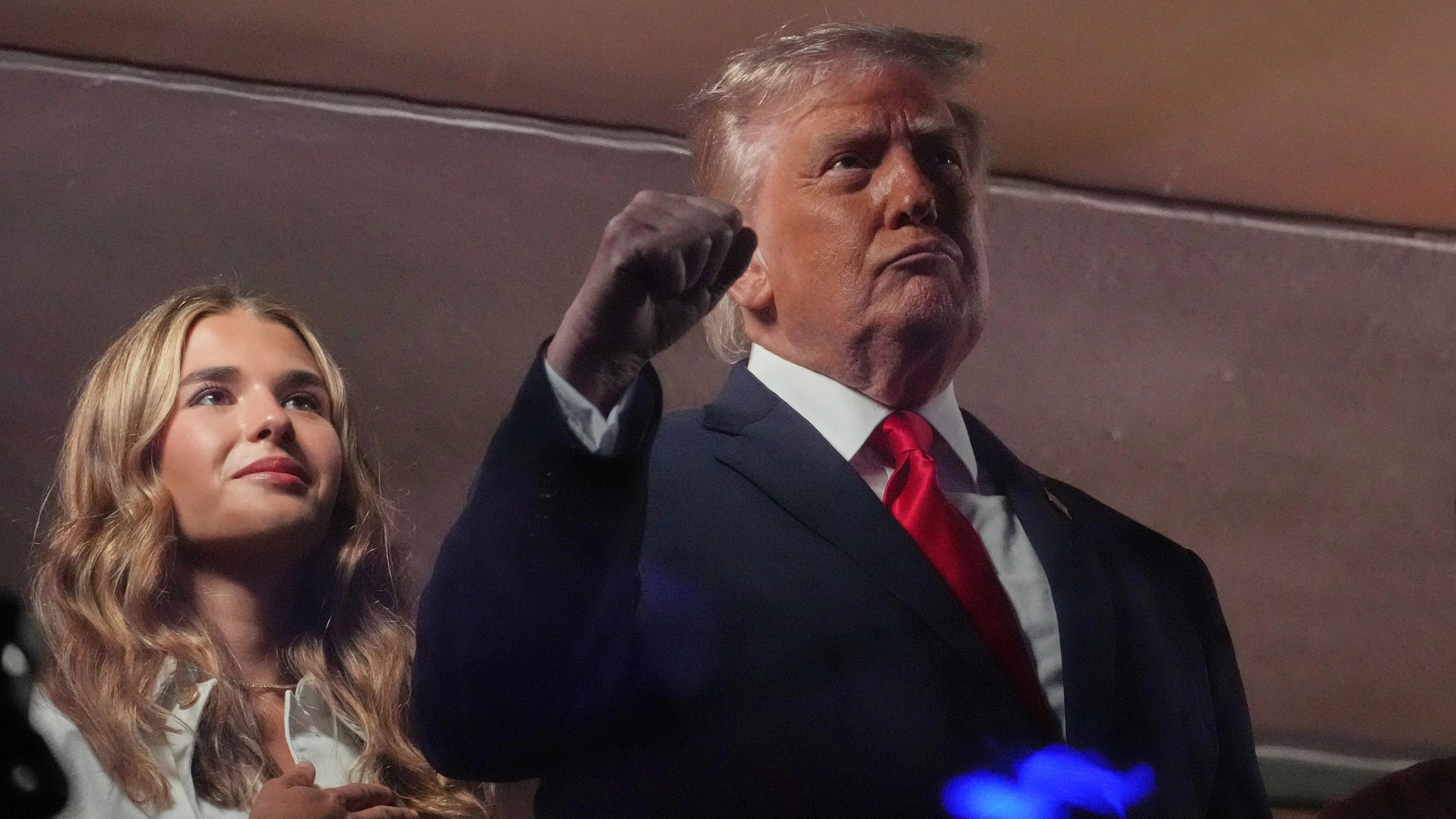
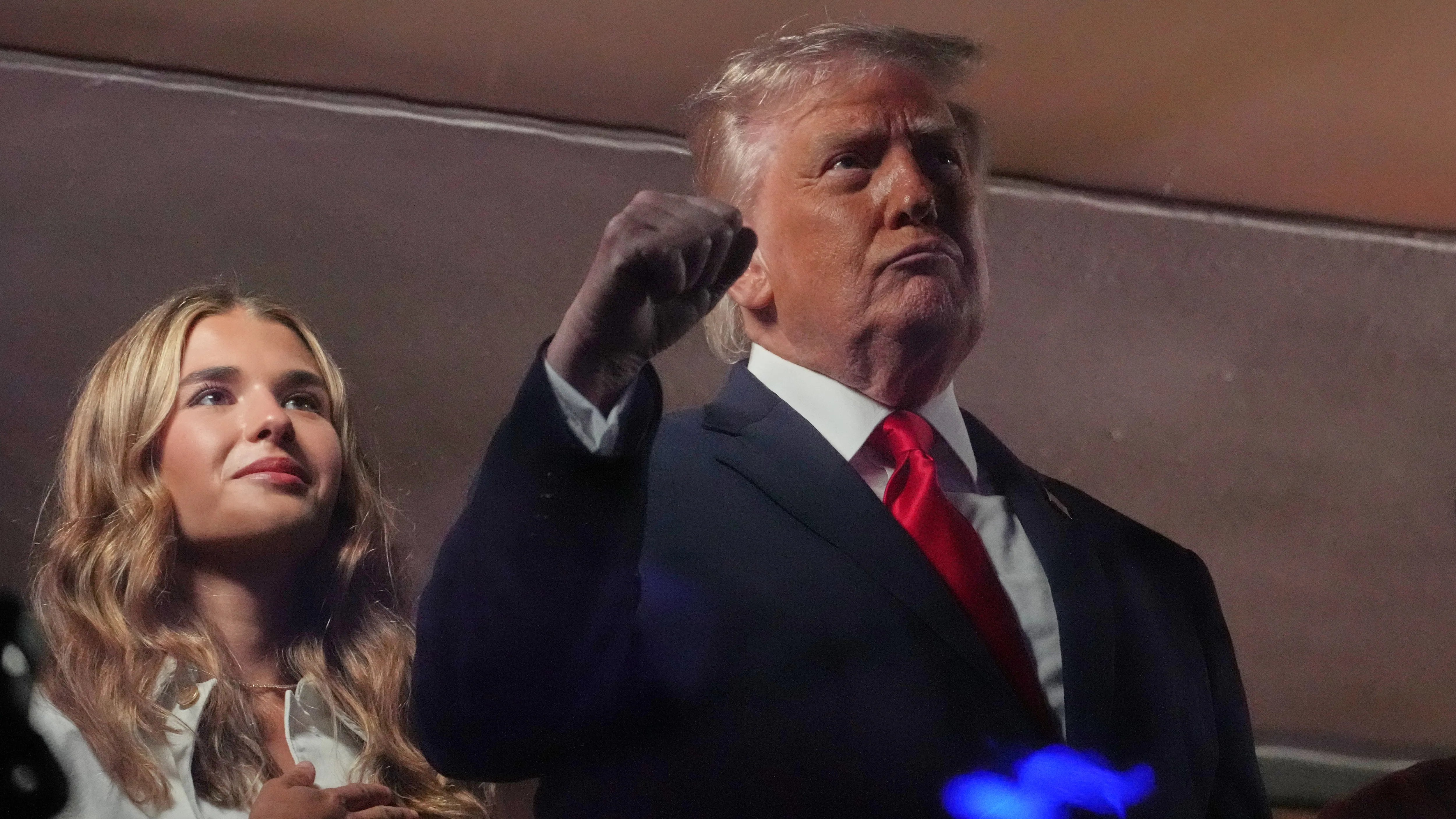
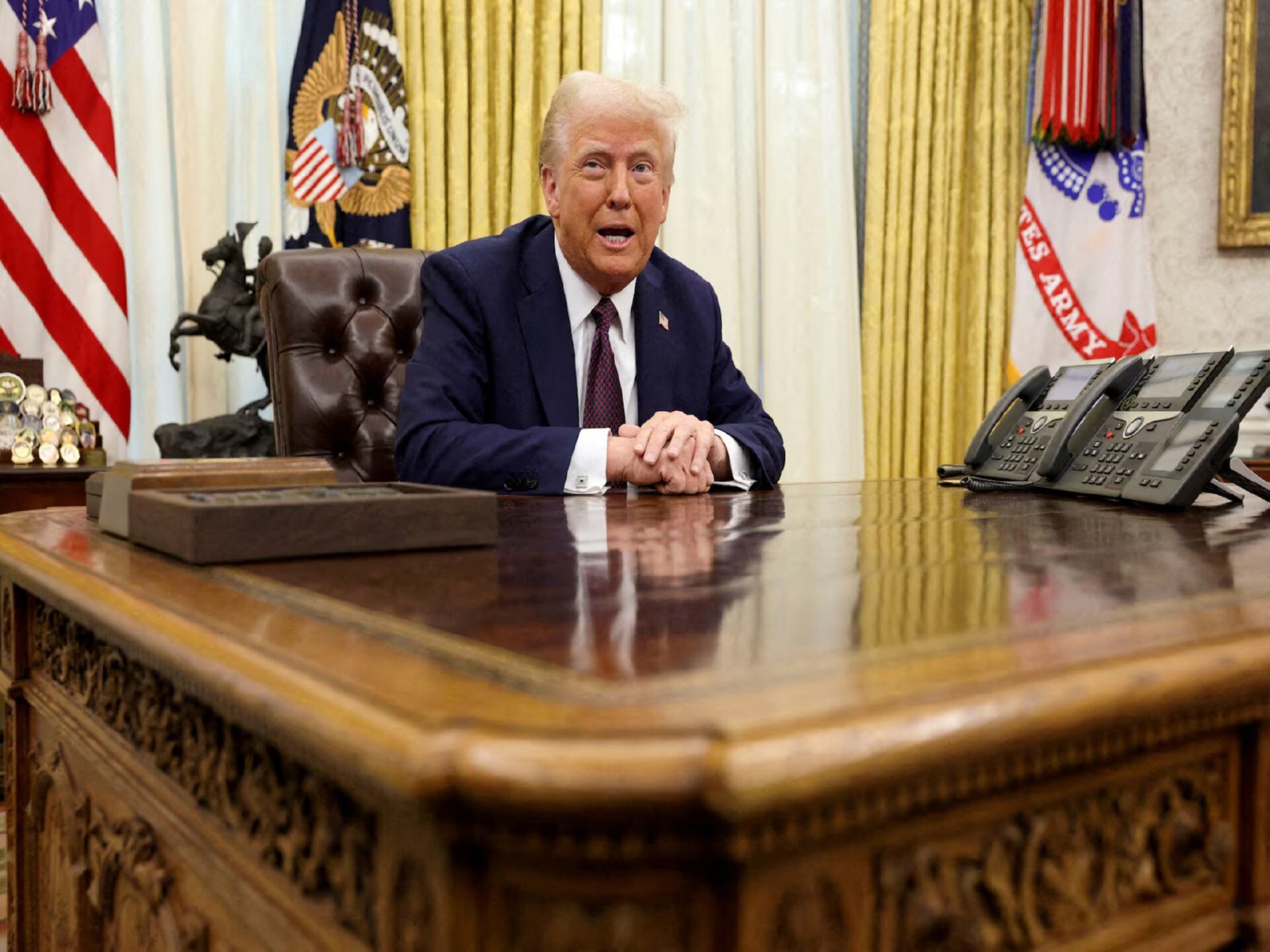
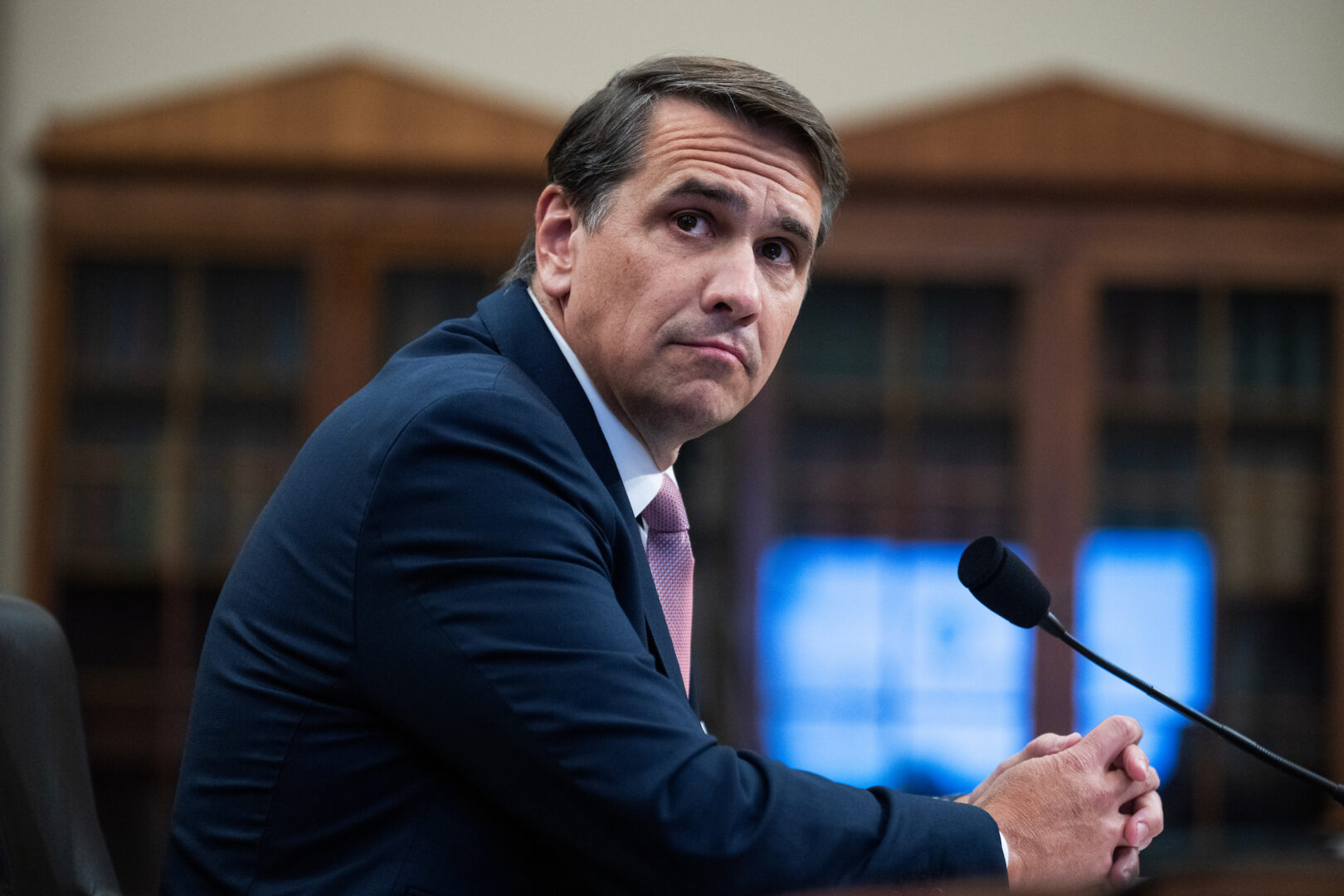
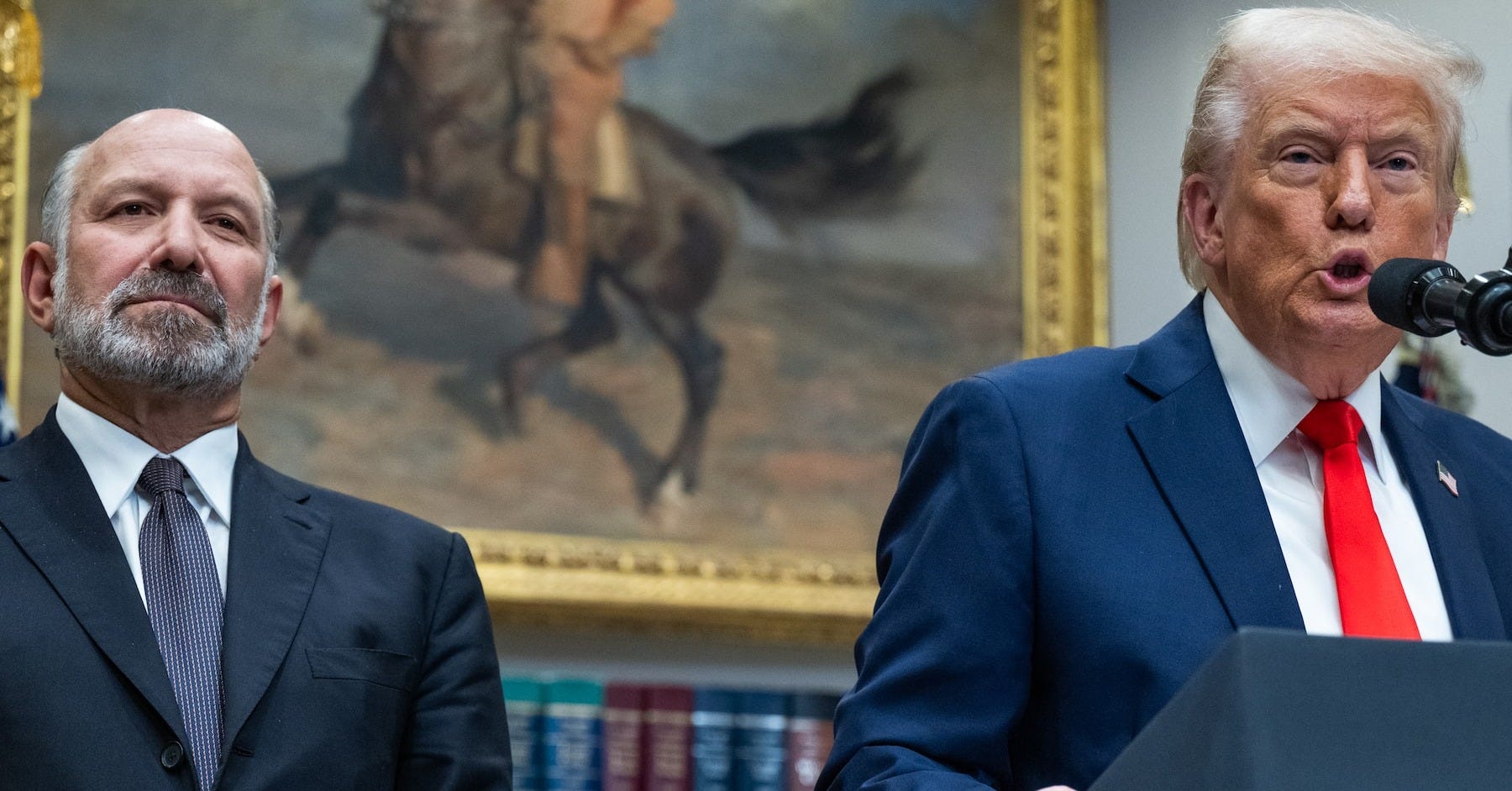
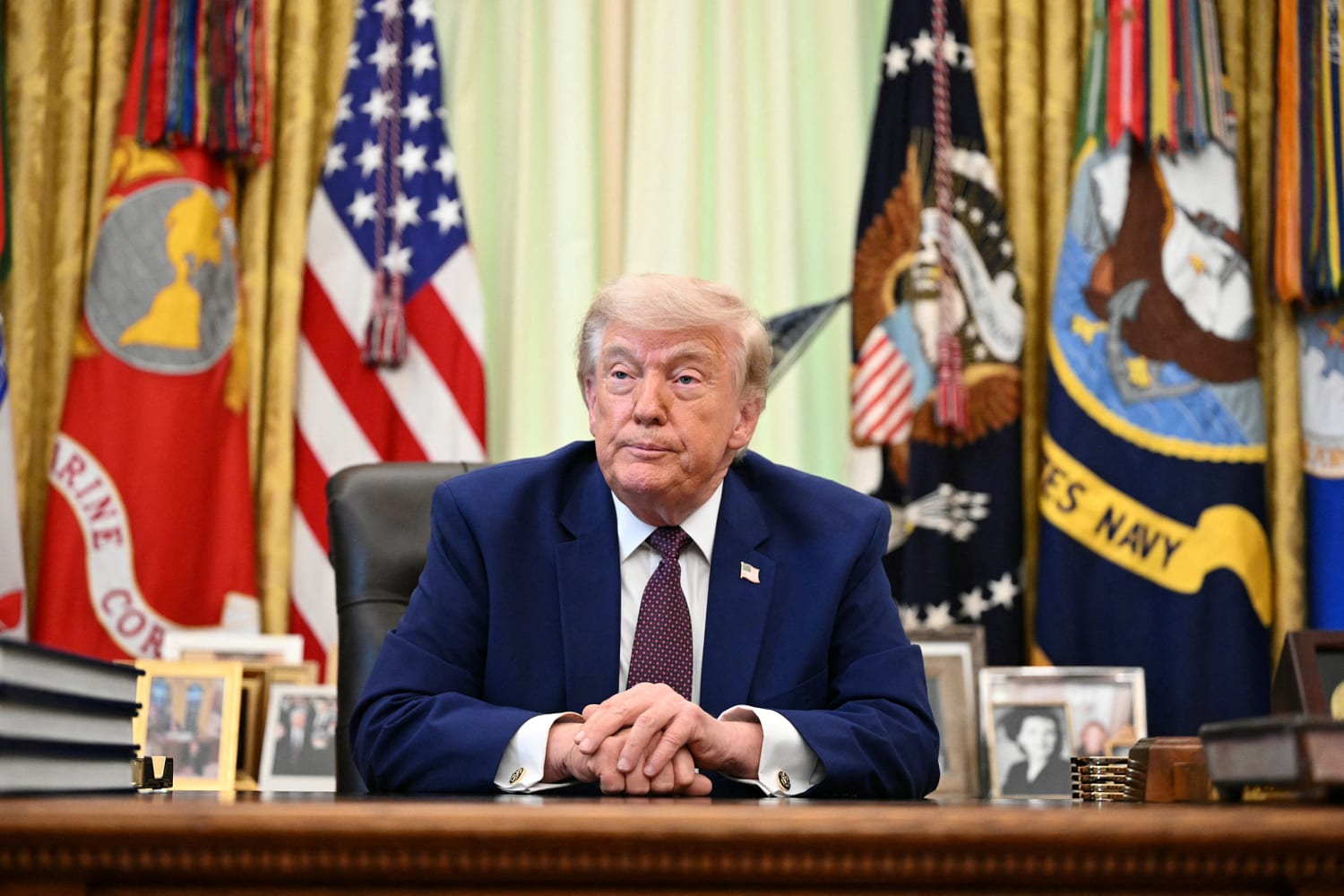
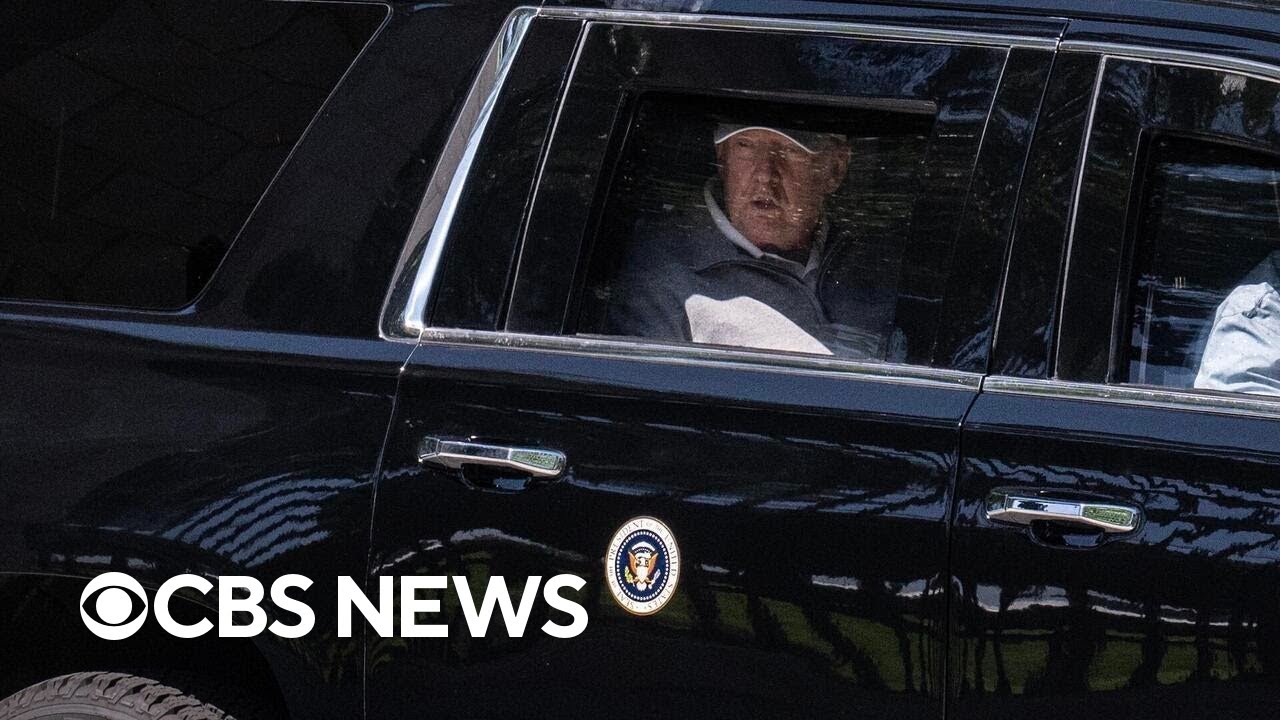
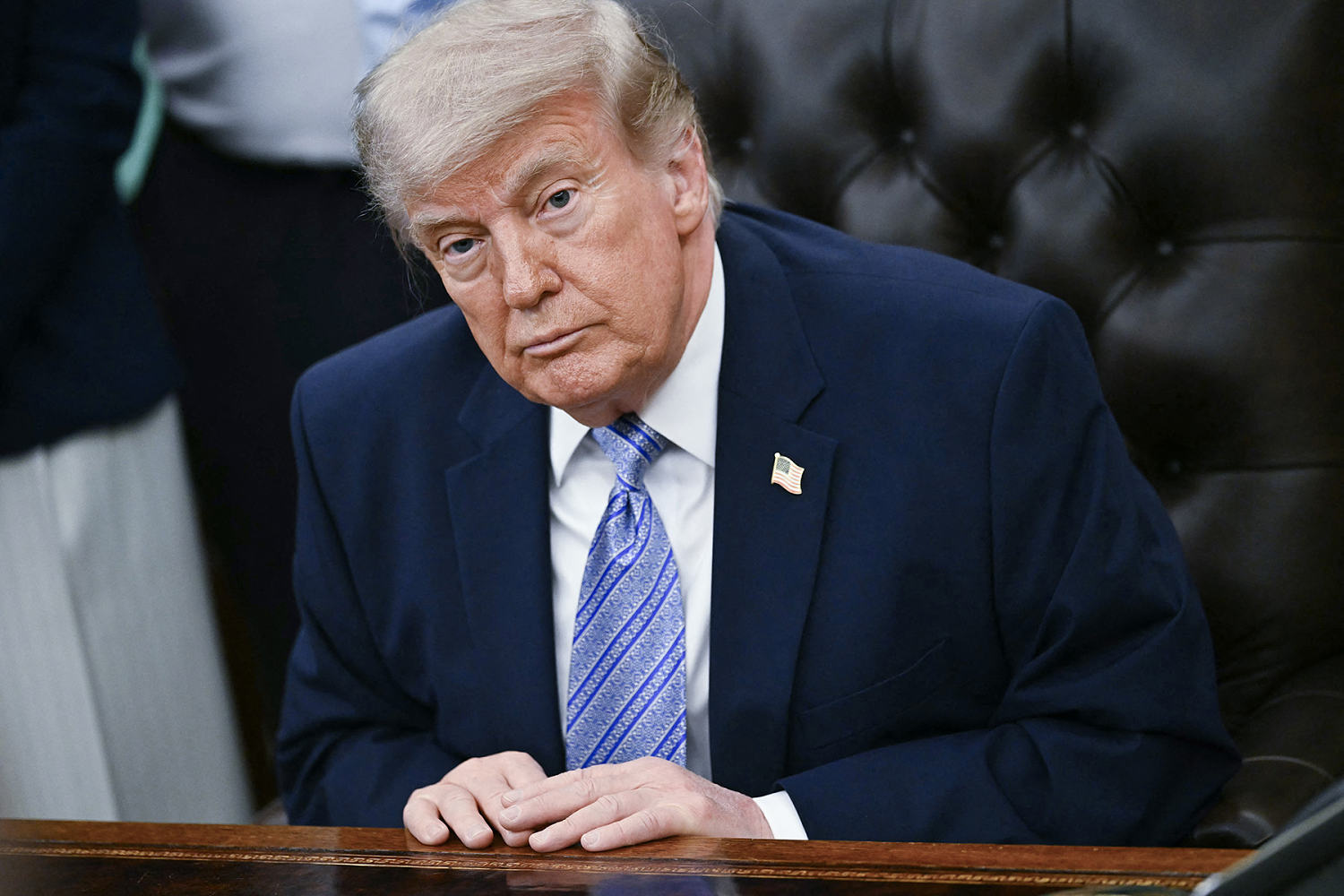
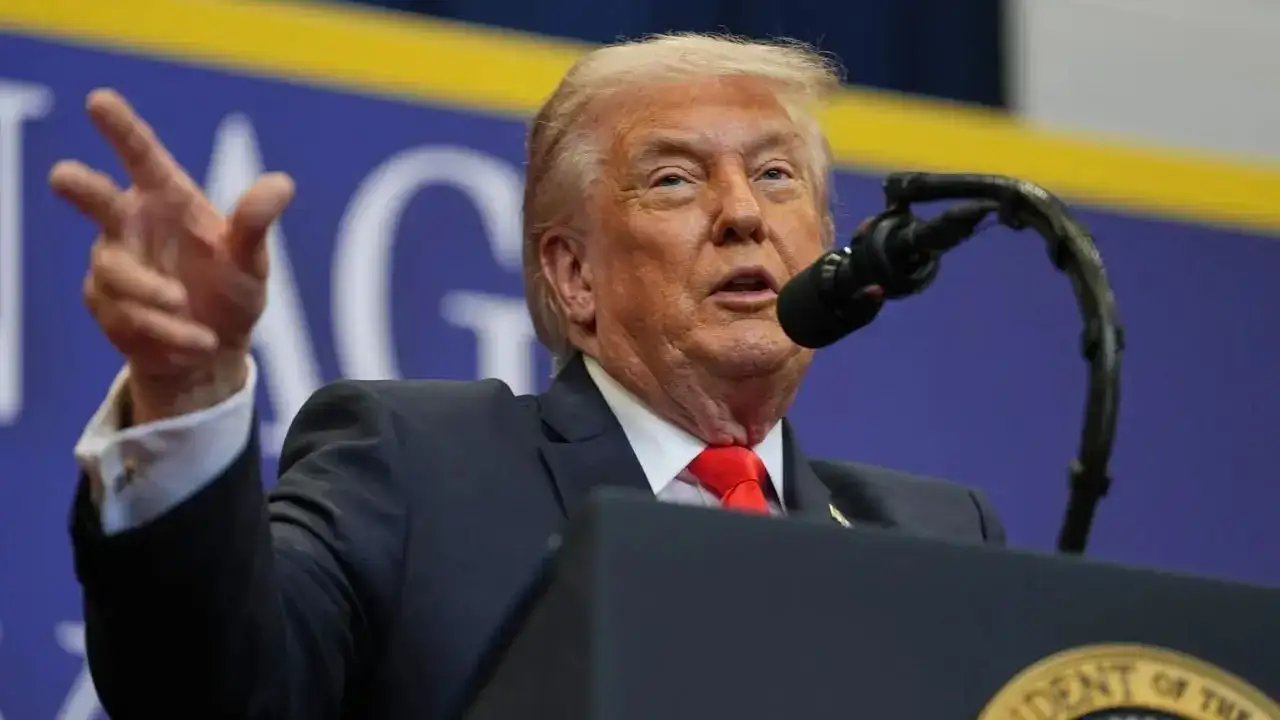
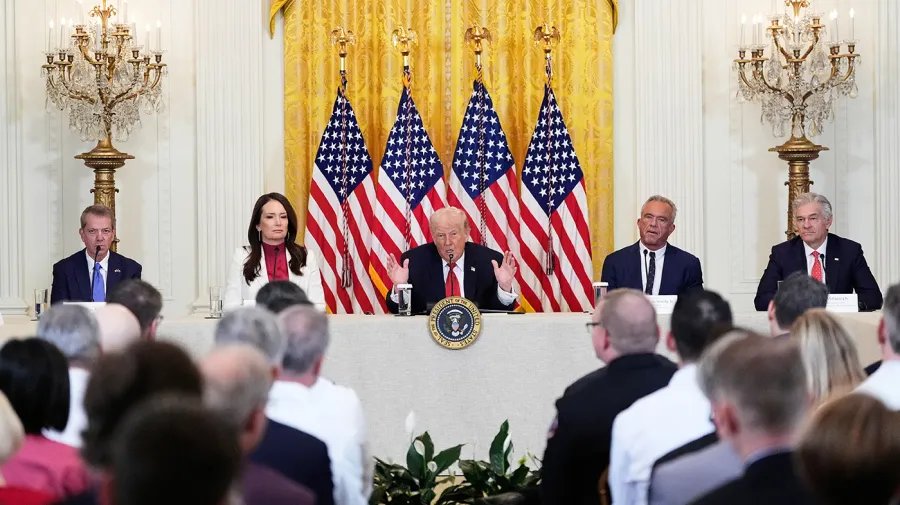
The Trump administration, represented by Solicitor General D. John Sauer, defends the use of geofence warrants, arguing that no search occurs if officers do not have a specific suspect in mind. The government asserts that individuals do not have a reasonable expectation of privacy regarding location data shared with Google, even if a warrant is required. In Chatrie's case, the warrant was deemed lawful because law enforcement had probable cause to believe the data would help identify the robber.
Google's Evolving Policies
In response to growing privacy concerns, Google has changed its data storage policies. The company now stores location history on individual devices rather than on its servers, which means it can no longer respond to geofence warrants based on location history data. This change could significantly impact how future cases are handled, as law enforcement may face challenges in obtaining such data.
Broader Context of Surveillance
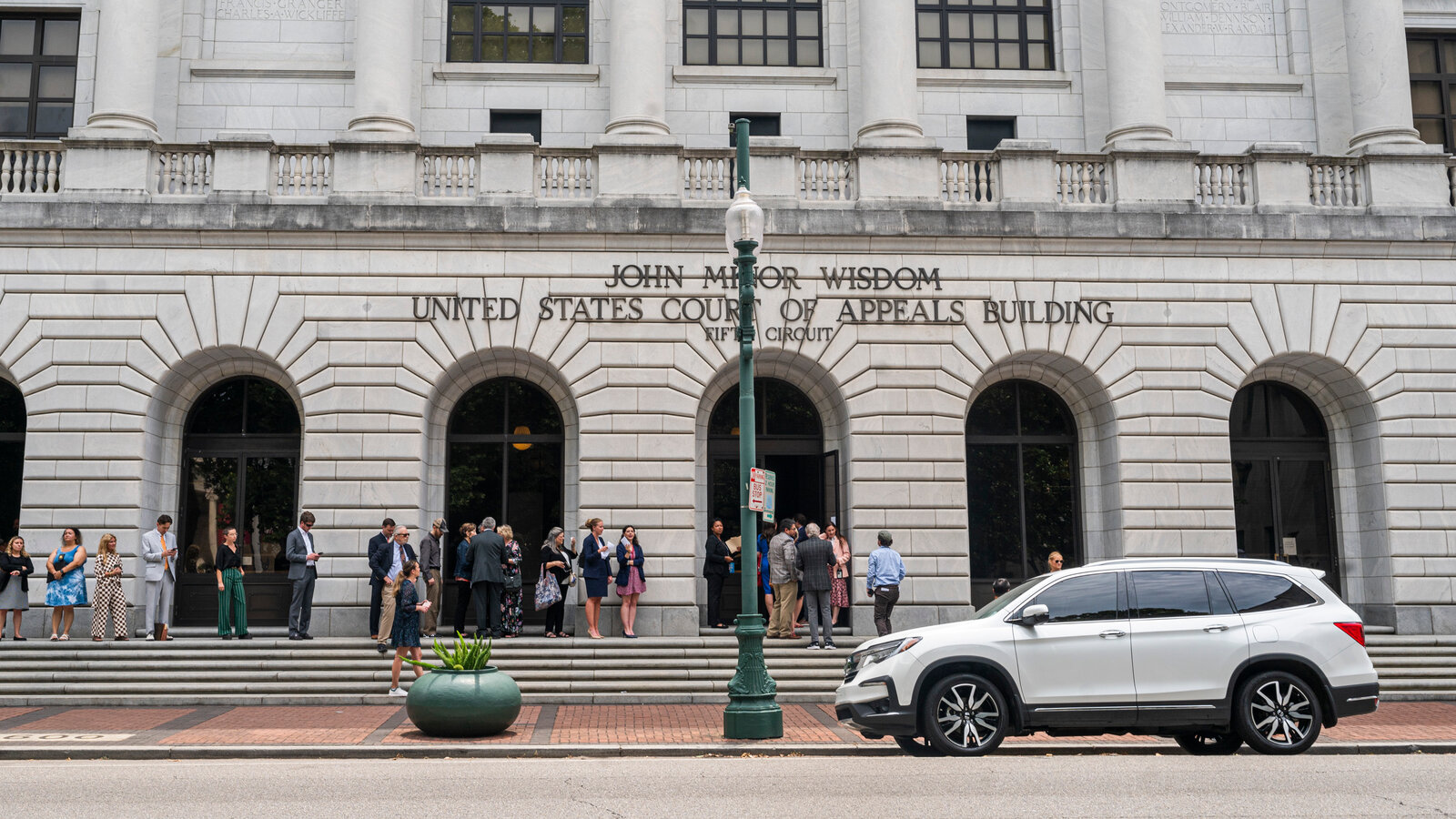
The Supreme Court has previously ruled that warrants are necessary for accessing cell phone tower data, raising questions about the balance between law enforcement needs and individual privacy rights. The current case could set a new precedent for how the Fourth Amendment applies to emerging technologies and law enforcement practices in the digital age.
Next Steps for the Court
As the justices deliberate on this landmark case, the outcome could redefine the legal landscape surrounding digital privacy and surveillance. A ruling favoring geofence warrants may embolden law enforcement agencies to employ broader surveillance tactics, while a decision against them could reinforce individual privacy protections. The case not only affects Chatrie but could have far-reaching consequences for how technology intersects with constitutional rights.