Quarterly Results Driven by Higher Costs to Consumers
Sherwin-Williams reported quarterly sales growth fueled primarily by price hikes rather than increased volume, according to the company's latest earnings. The paint manufacturer raised prices during the quarter, allowing it to grow revenue even as customer demand remained flat. The strategy reflects a broader pattern across industries where companies are passing costs to consumers rather than absorbing them.
How Price Increases Replaced Volume Growth
The company's quarterly performance showed that price increases, not higher unit sales, drove the revenue expansion. Sherwin-Williams did not report significant growth in the number of units sold during the period. Instead, the company relied on charging more per unit to boost its top line. This approach differs from traditional growth models where companies expand revenue by selling more products at stable prices.
Broader Industry Pricing Pressures
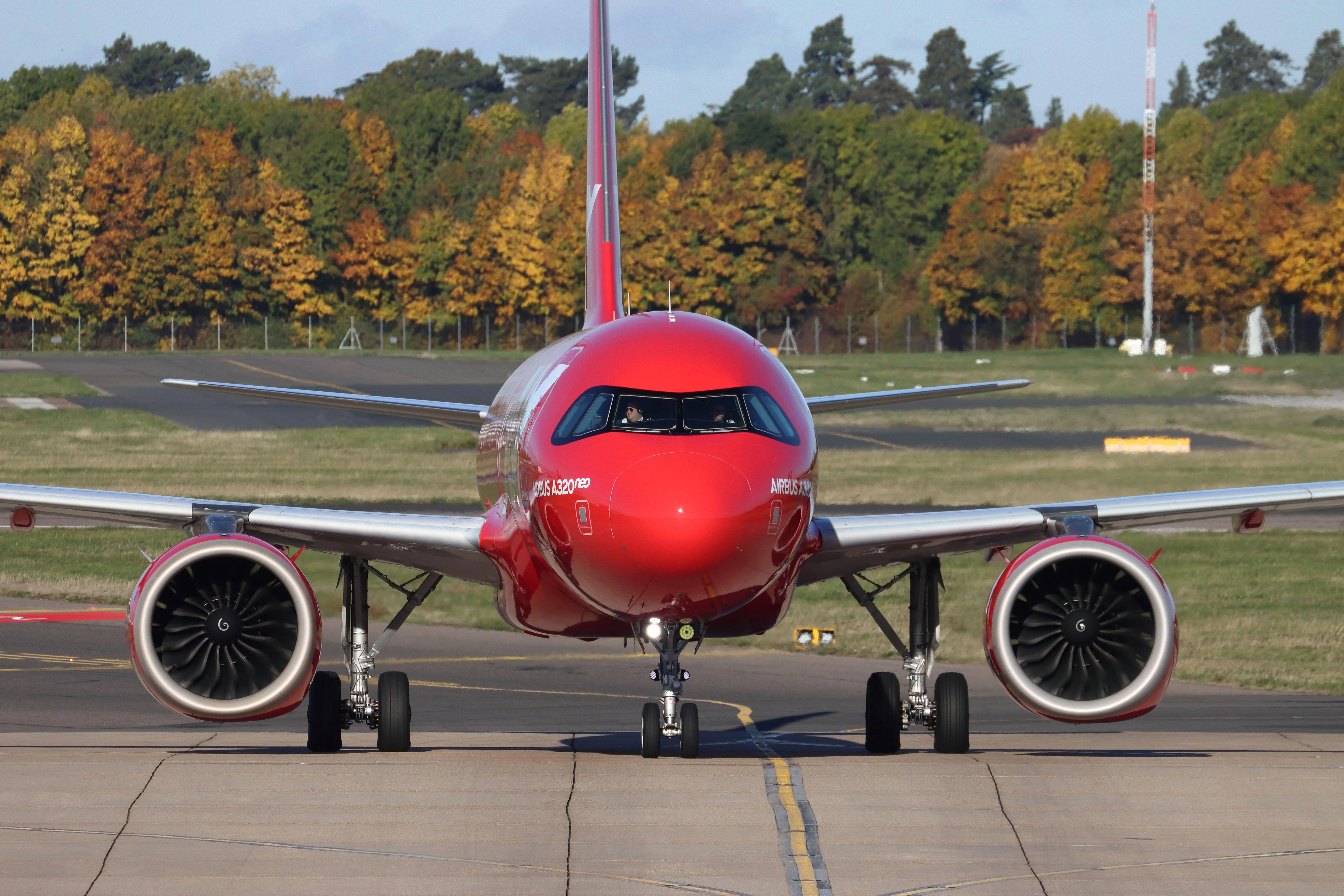
Other sectors are adopting similar strategies. JetBlue announced plans to raise fares and cut capacity as high fuel costs widened its quarterly loss. The airline will reduce the number of flights it operates while charging passengers more per ticket. Hilton raised its room revenue growth forecast for the year, indicating the hospitality industry is also benefiting from higher prices. These moves suggest companies across multiple industries are prioritizing price increases over volume growth to maintain profitability amid cost pressures.
Consumer Impact and Market Implications
Sherwin-Williams' reliance on price hikes to drive growth means consumers buying paint face higher costs without necessarily receiving more product or improved quality. The company's approach works in the near term but raises questions about long-term demand if prices continue climbing. As more industries adopt similar pricing strategies, household budgets face pressure across paint, travel, and hospitality categories simultaneously.