The Charges
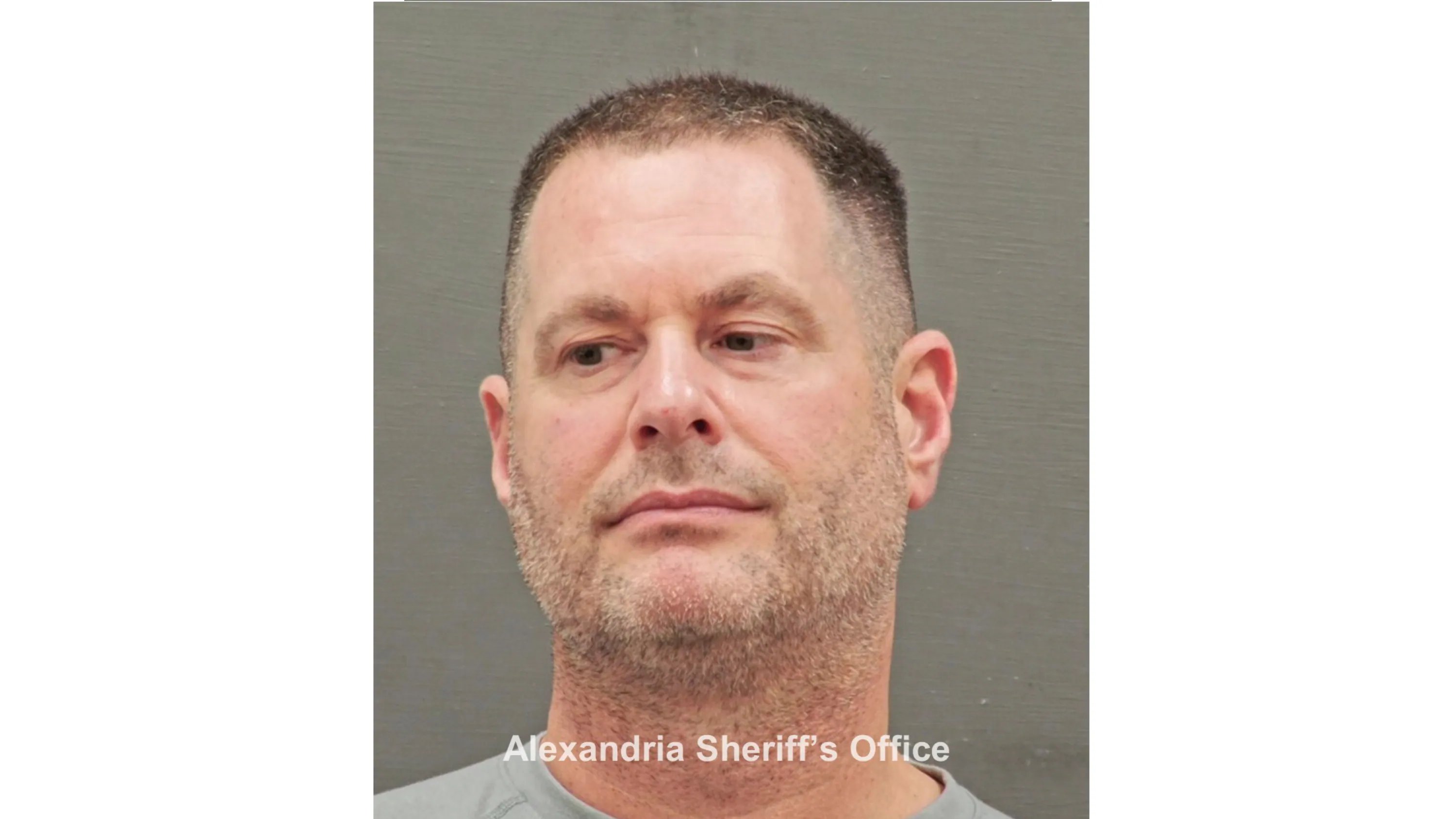
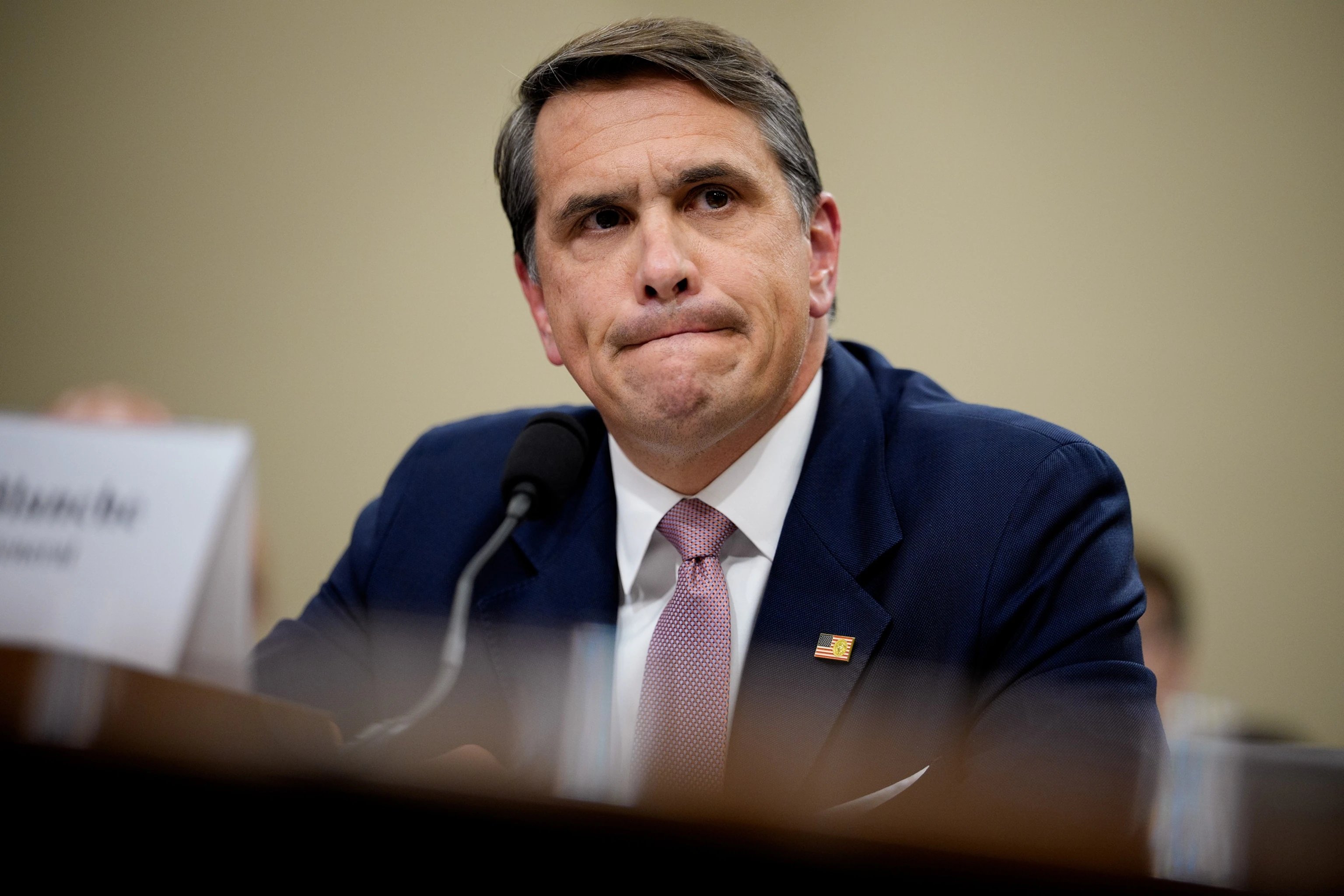
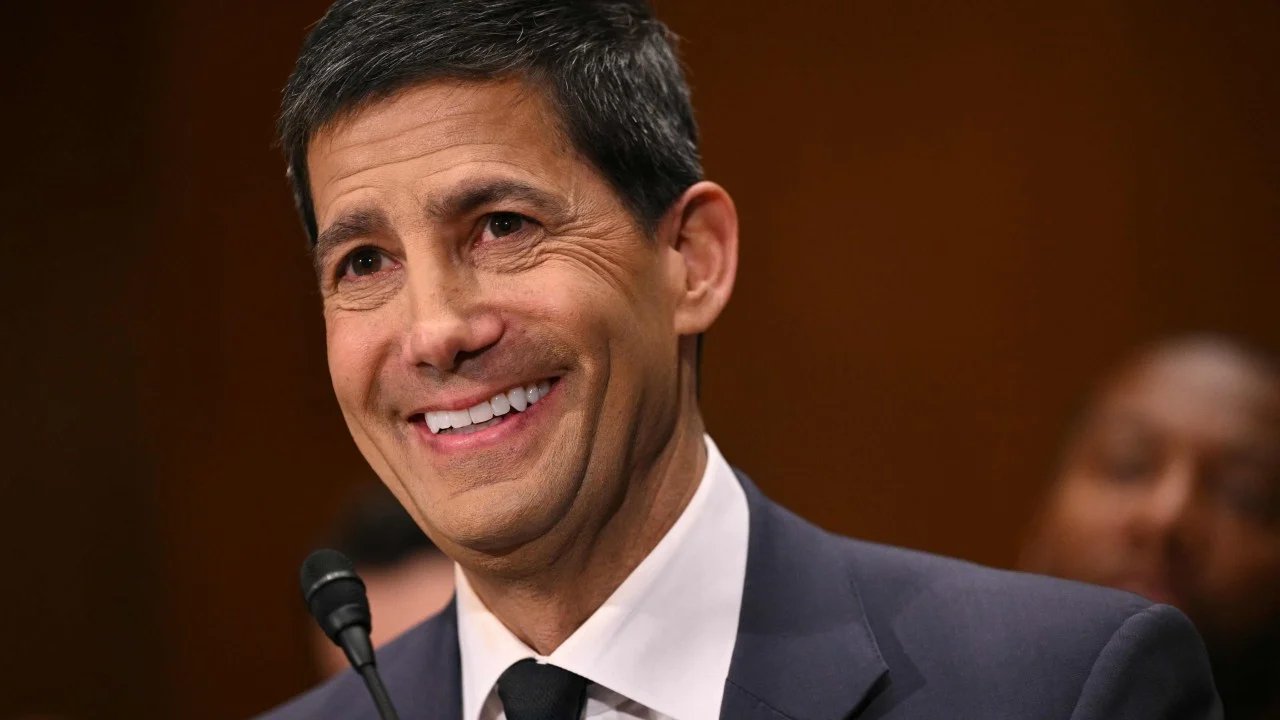
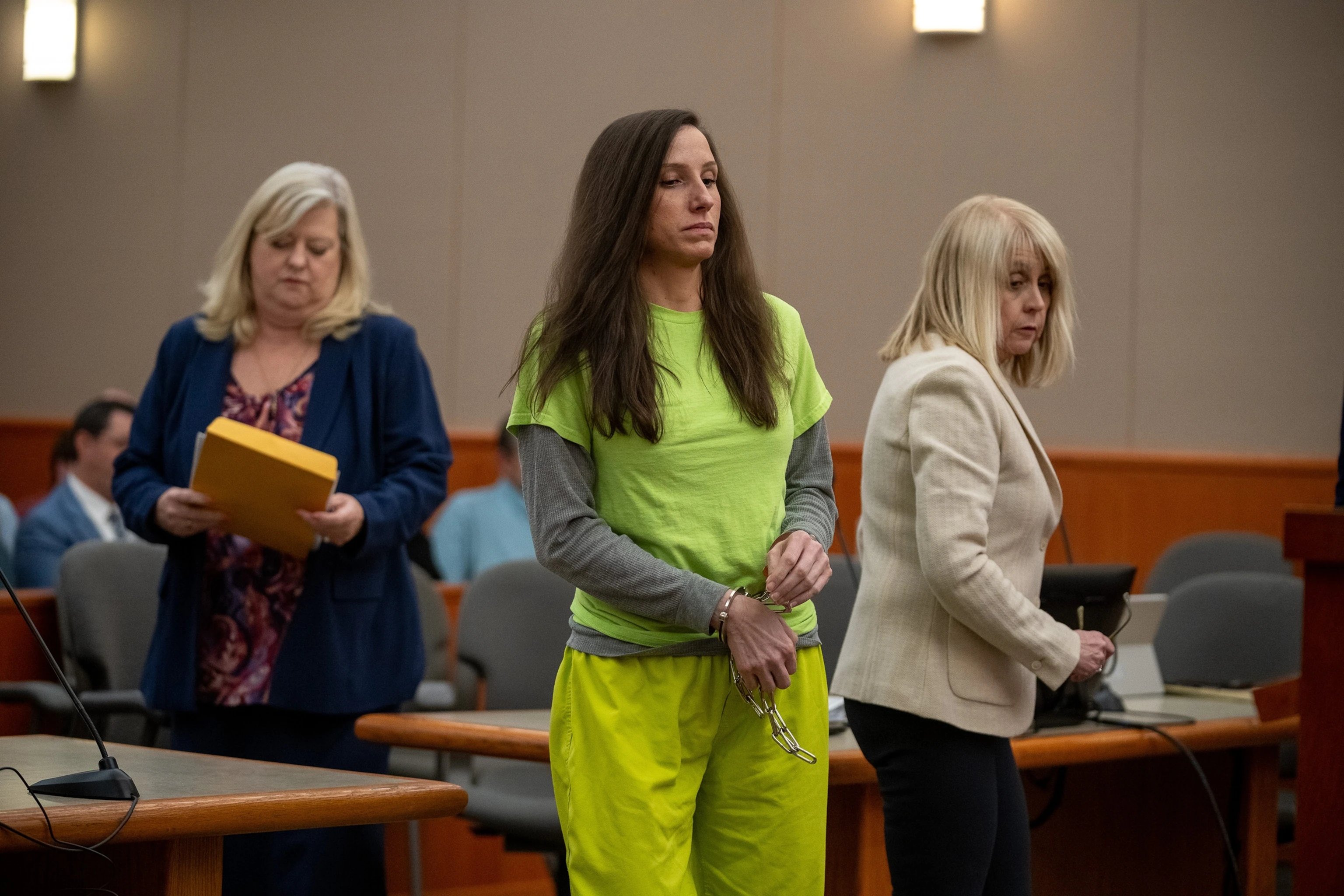
A federal grand jury in the Eastern District of North Carolina indicted former FBI Director James Comey on Tuesday, marking the second time the Trump administration has prosecuted him. The indictment charges Comey with two counts: knowingly and willfully making a threat to take the life of the president and inflict bodily harm, and knowingly and willfully transmitting in interstate commerce a threat to kill the president. A warrant for his arrest was issued, though Acting Attorney General Todd Blanche said Comey was welcome to turn himself in to law enforcement.
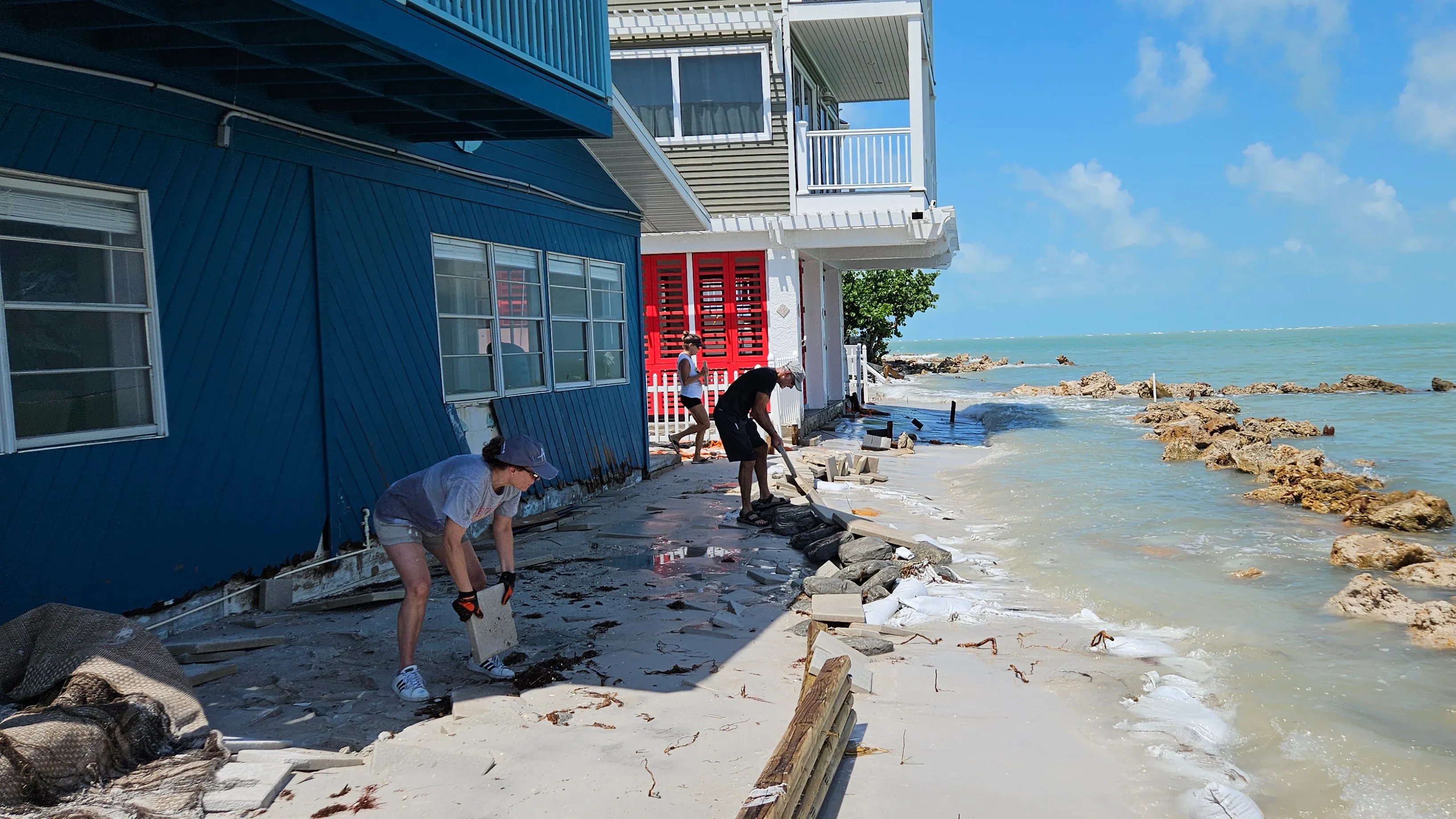
The charges stem from an Instagram post Comey shared in May 2025 showing seashells arranged on a North Carolina beach to form the numbers "86 47." The indictment alleges that "a reasonable recipient who is familiar with the circumstances would interpret" the image "as a serious expression of an intent to do harm to the President of the United States." Comey deleted the post after backlash and said he was unaware the numbers were associated with violence.
The Interpretation
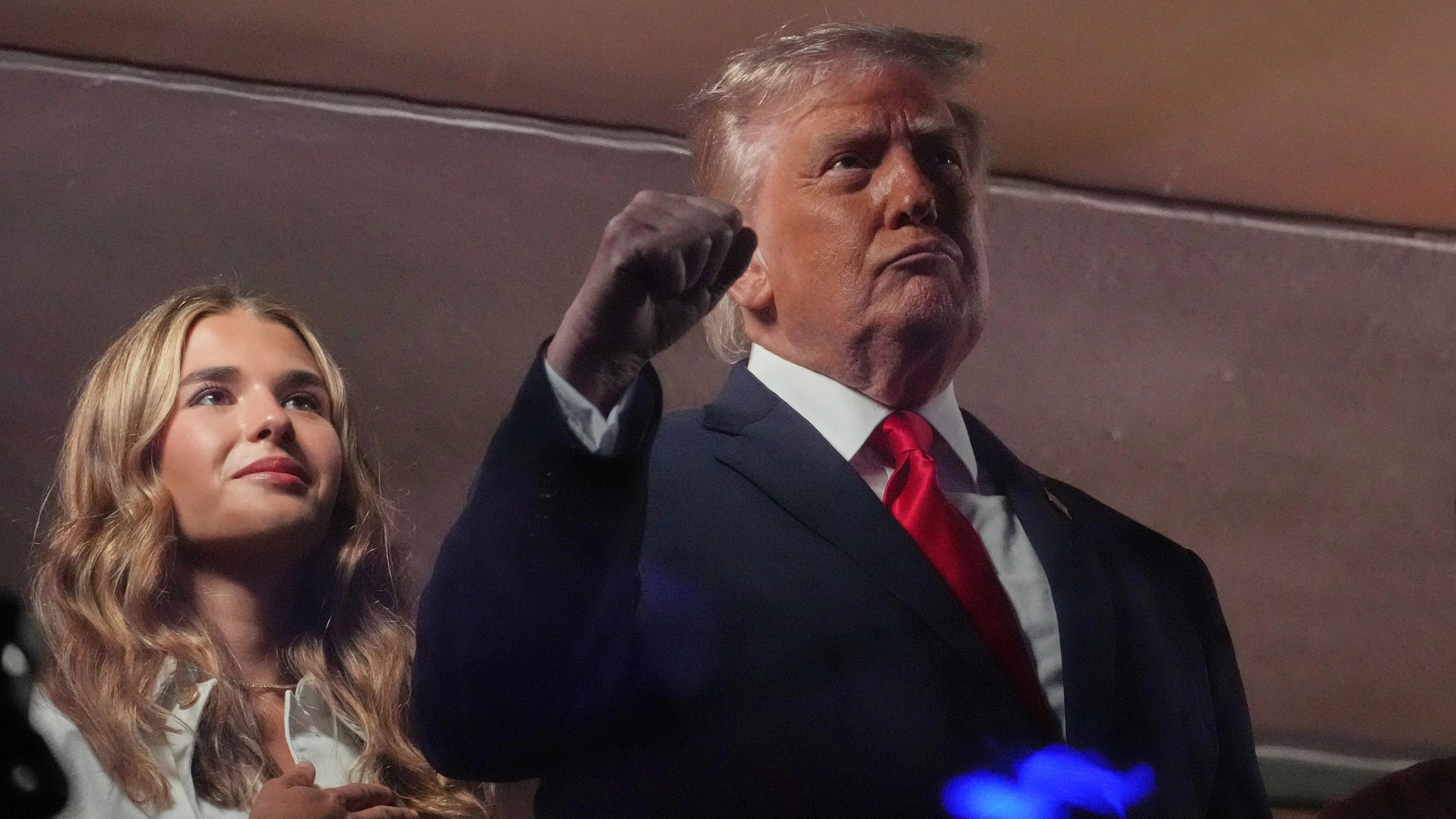
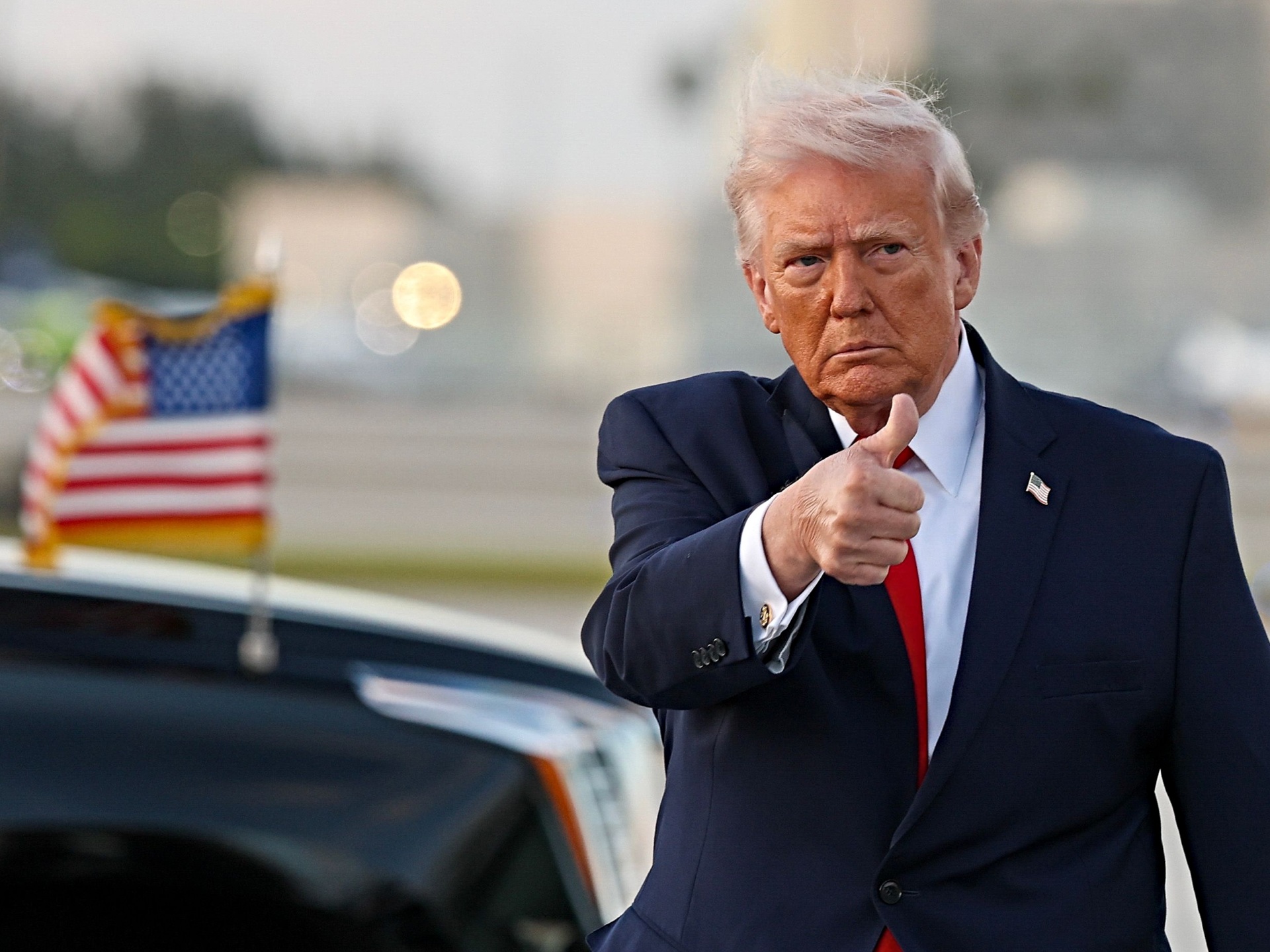
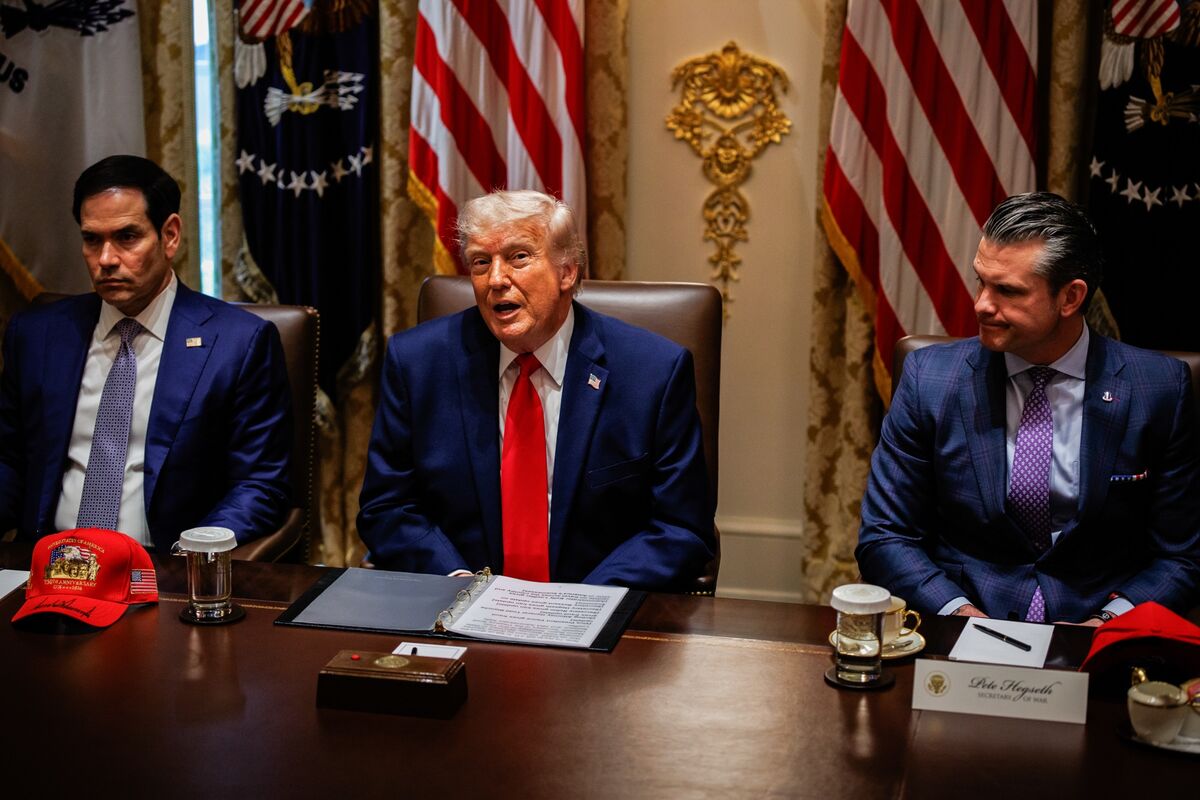
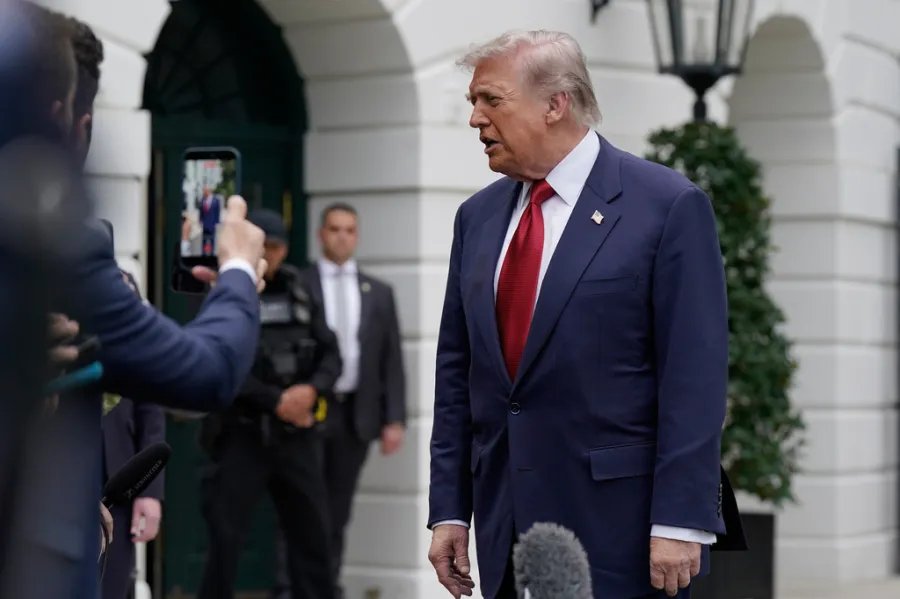
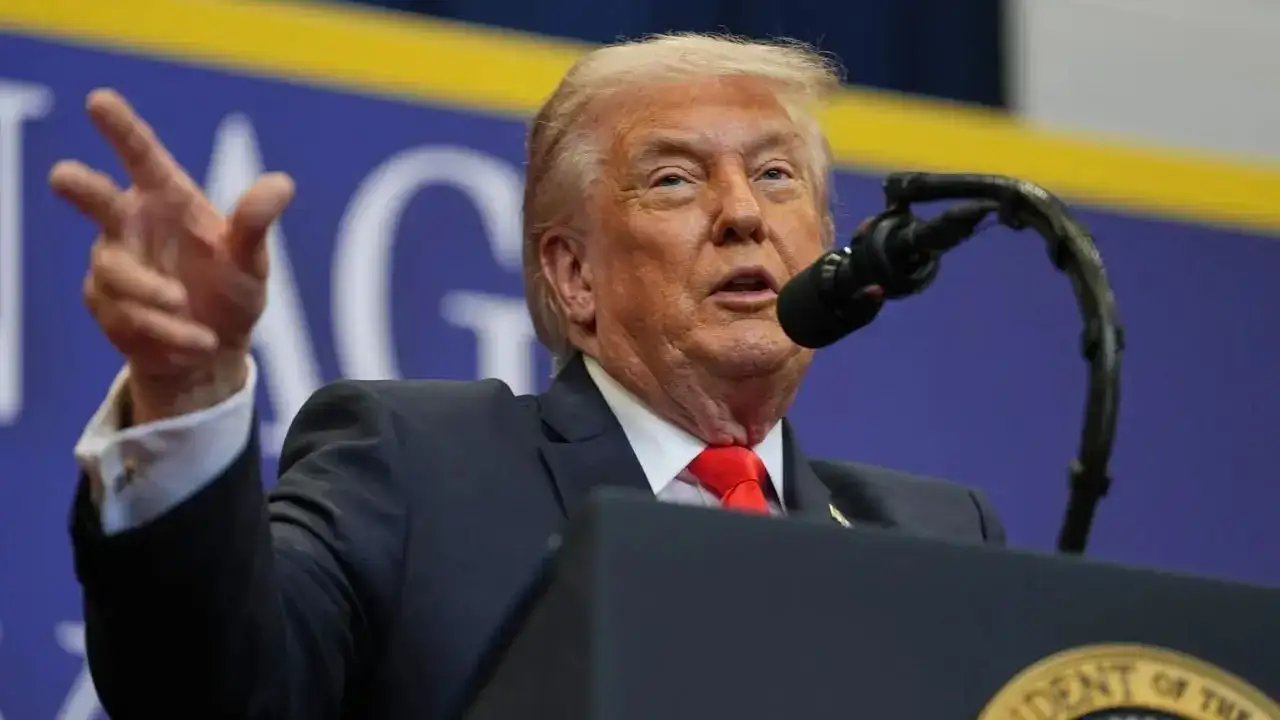
Trump allies interpreted the numbers as a veiled assassination threat. The number 86 is slang meaning to "nix," "eject," or "get rid of" something, while 47 refers to Trump's status as the nation's 47th president. When asked about the post last year, Trump told Fox News that Comey "knew exactly what that meant" and called it "loud and clear" assassination language. He suggested at the time that then-Attorney General Pam Bondi should decide whether to prosecute.
Comey disputed this reading in a May 15 Instagram post. "I posted earlier a picture of some shells I saw today on a beach walk, which I assumed were a political message. I didn't realize some folks associate those numbers with violence. It never occurred to me but I oppose violence of any kind so I took the post down," he wrote. When the Secret Service interviewed him about the post, then-Homeland Security Secretary Kristi Noem claimed Comey had "just called for the assassination" of the president.
The Government's Position
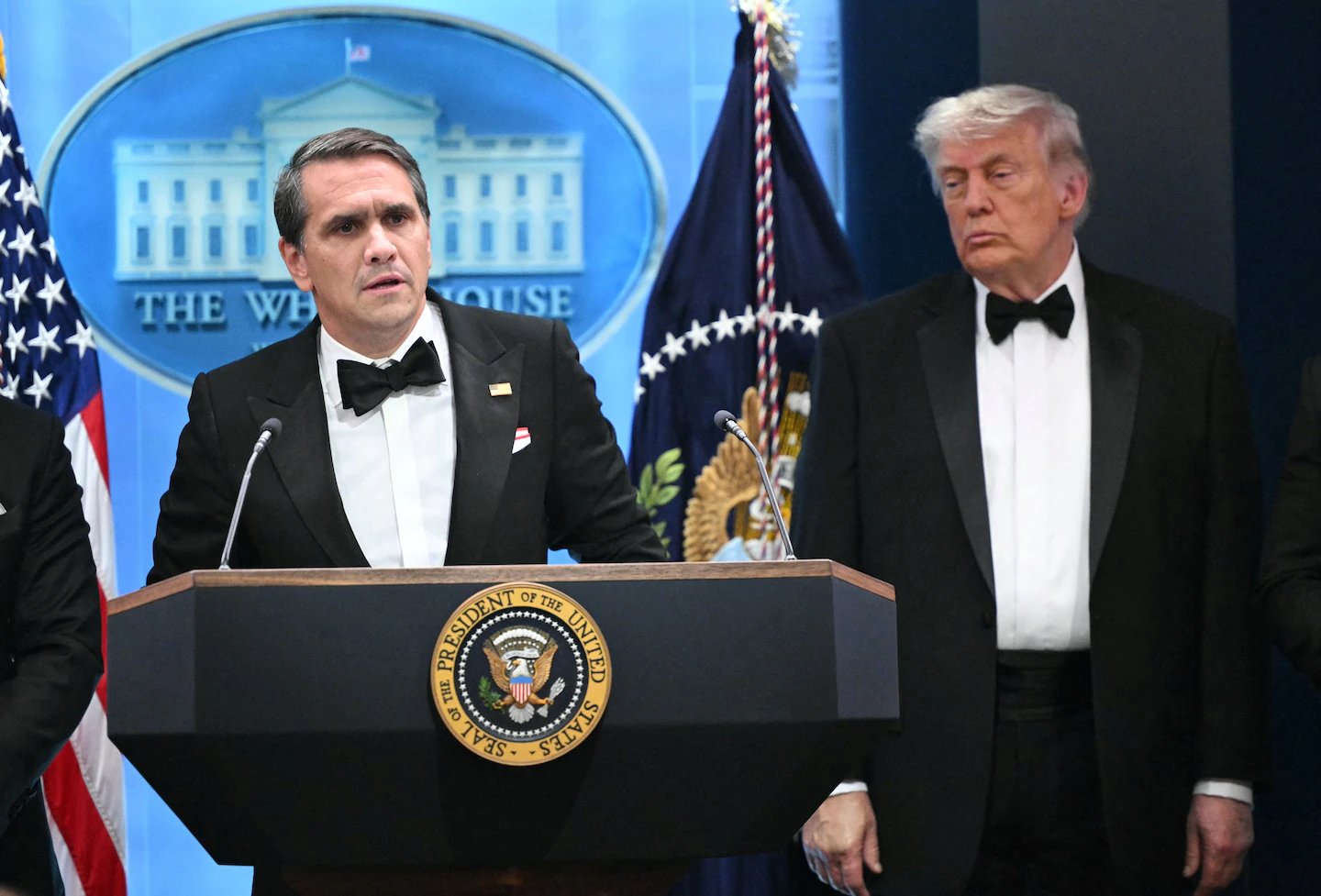
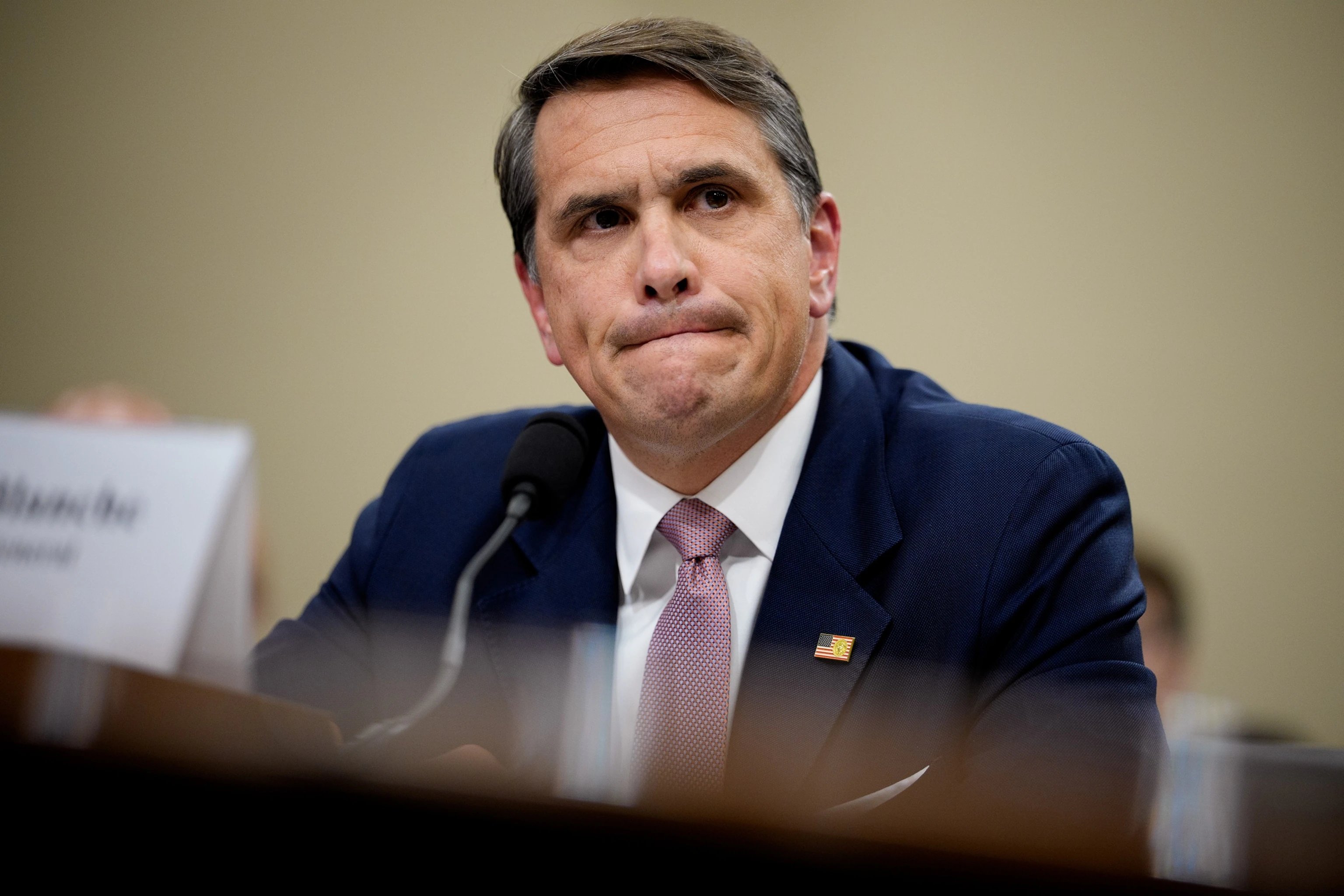
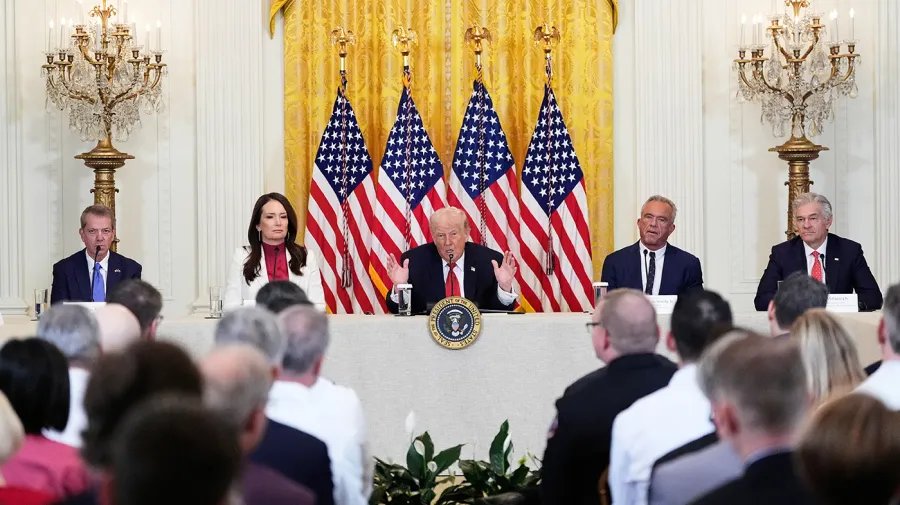
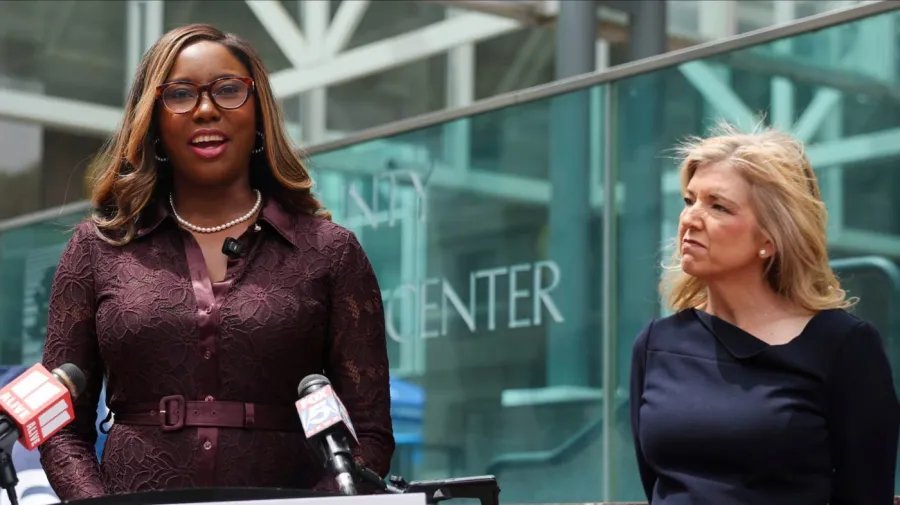
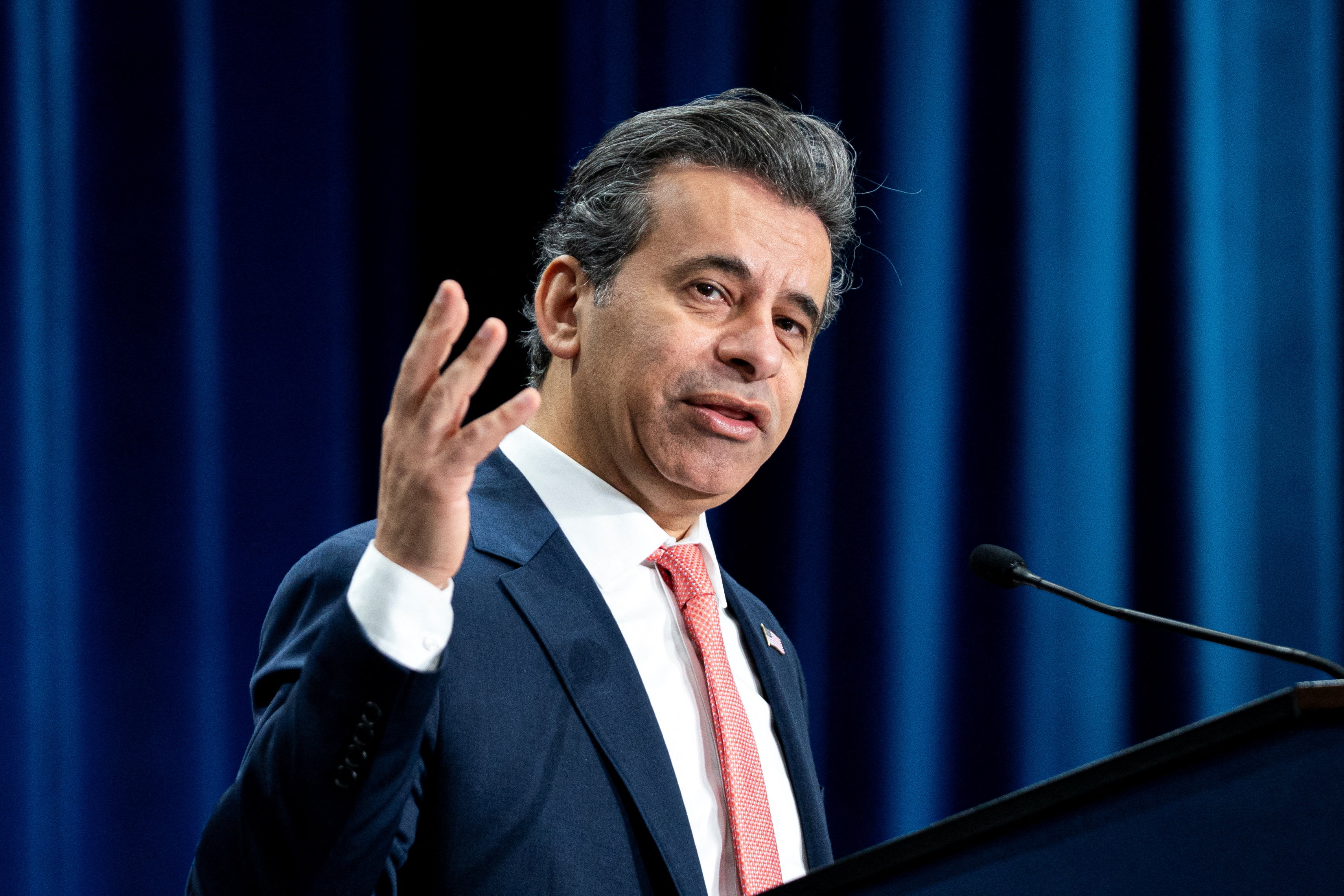
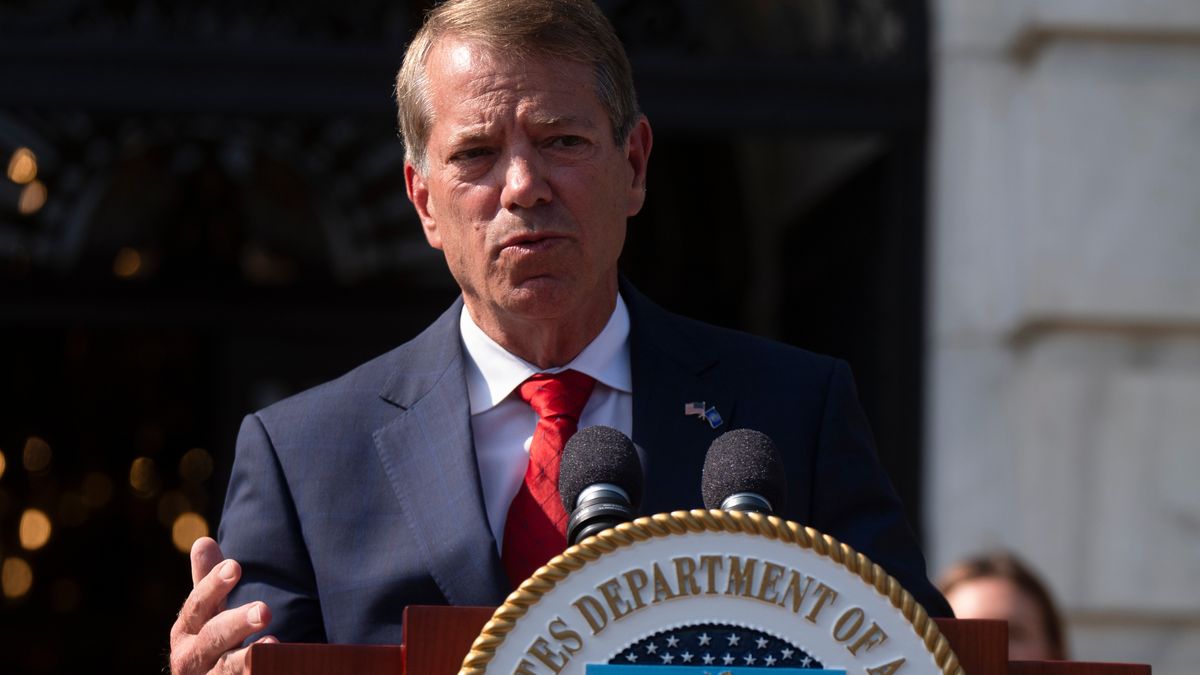
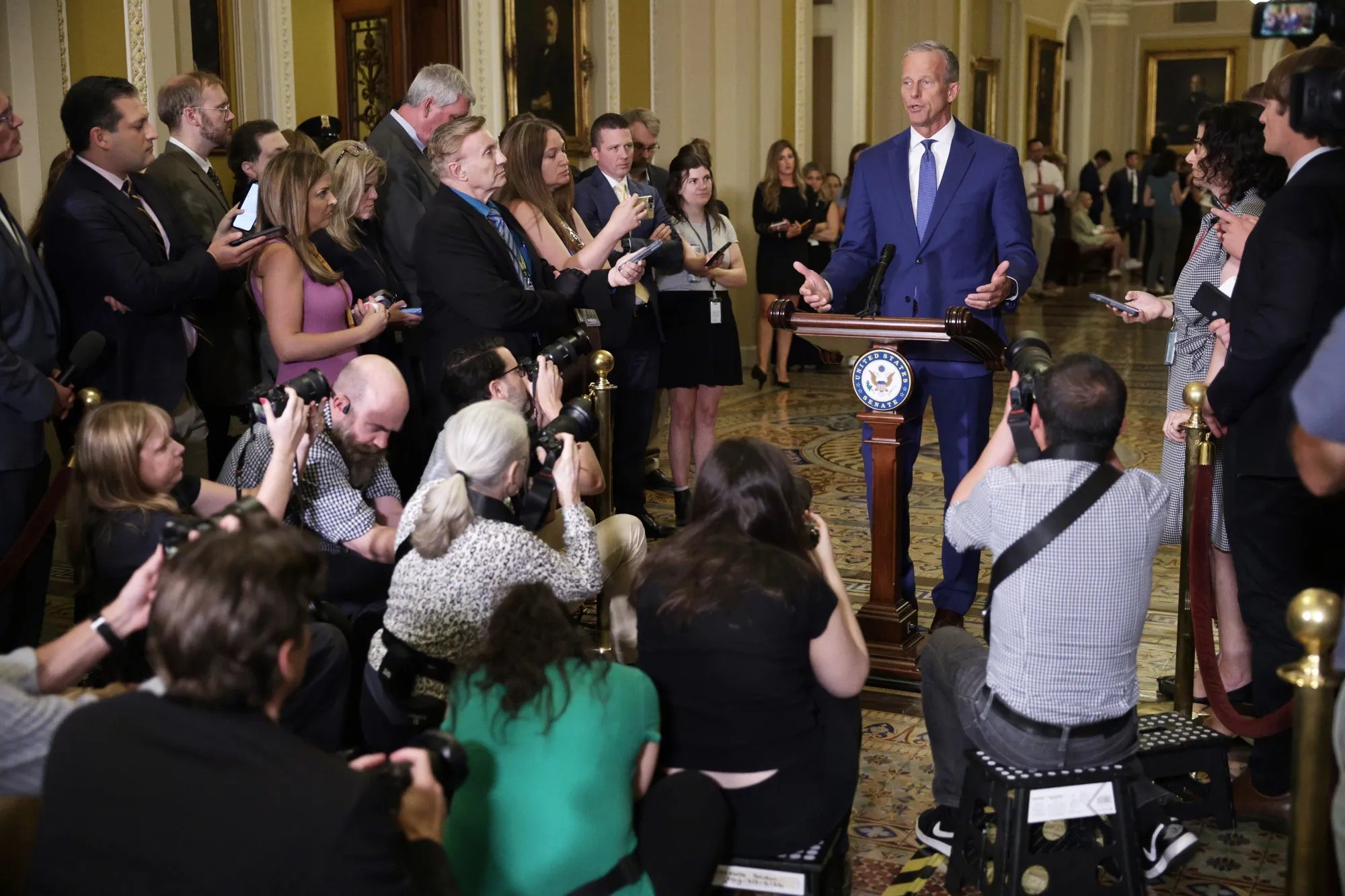
Blanche told reporters that the prosecution does not threaten free speech. "You are not allowed to threaten the president of the United States of America," he said at a Tuesday press conference. He added that the investigation has been underway for roughly a year and remains ongoing, and that the case stands out only because it involves Comey, not because of the conduct itself. "That's not my decision. That's Congress' decision in a statute that they passed, that we charge multiple times a year," Blanche said.
U.S. Attorney W. Ellis Boyle said in a statement that "in the Eastern District of North Carolina, it doesn't matter who you are. We take all threats cases seriously and prosecute anyone who violates federal law, regardless of title or status."
Comey's Response
Comey responded to the indictment in a video posted to his Substack account hours after the charges were announced. "Well, they're back. Nothing has changed with me. I'm still innocent, I'm still not afraid, and I still believe in the independent federal judiciary, so let's go," he said. He also criticized the prosecution more broadly, stating: "It's really important that all of us remember this is not who we are as a country. This is not how the Department of Justice is supposed to be."
The History
This is the second indictment of Comey under Trump's current administration. In September, a federal grand jury charged him with lying to Congress during testimony in 2020 and obstructing a congressional proceeding. That case was dismissed in November after a federal judge found that Lindsey Halligan, the prosecutor who secured the indictment, had been unlawfully appointed to her position. The Justice Department appealed the dismissal, and Halligan left the department in January.
After the first indictment was thrown out, Comey predicted Trump would come after him again. "I know that Donald Trump will probably come after me again, and my attitude is going to be the same. I'm innocent. I am not afraid, and I believe in an independent federal judiciary," he said in a video at the time. Comey's lawyers had argued the first prosecution was vindictive and selective, claiming Trump ordered prosecutors to charge him out of "personal spite."