Regulatory Action Following Kimmel's Joke
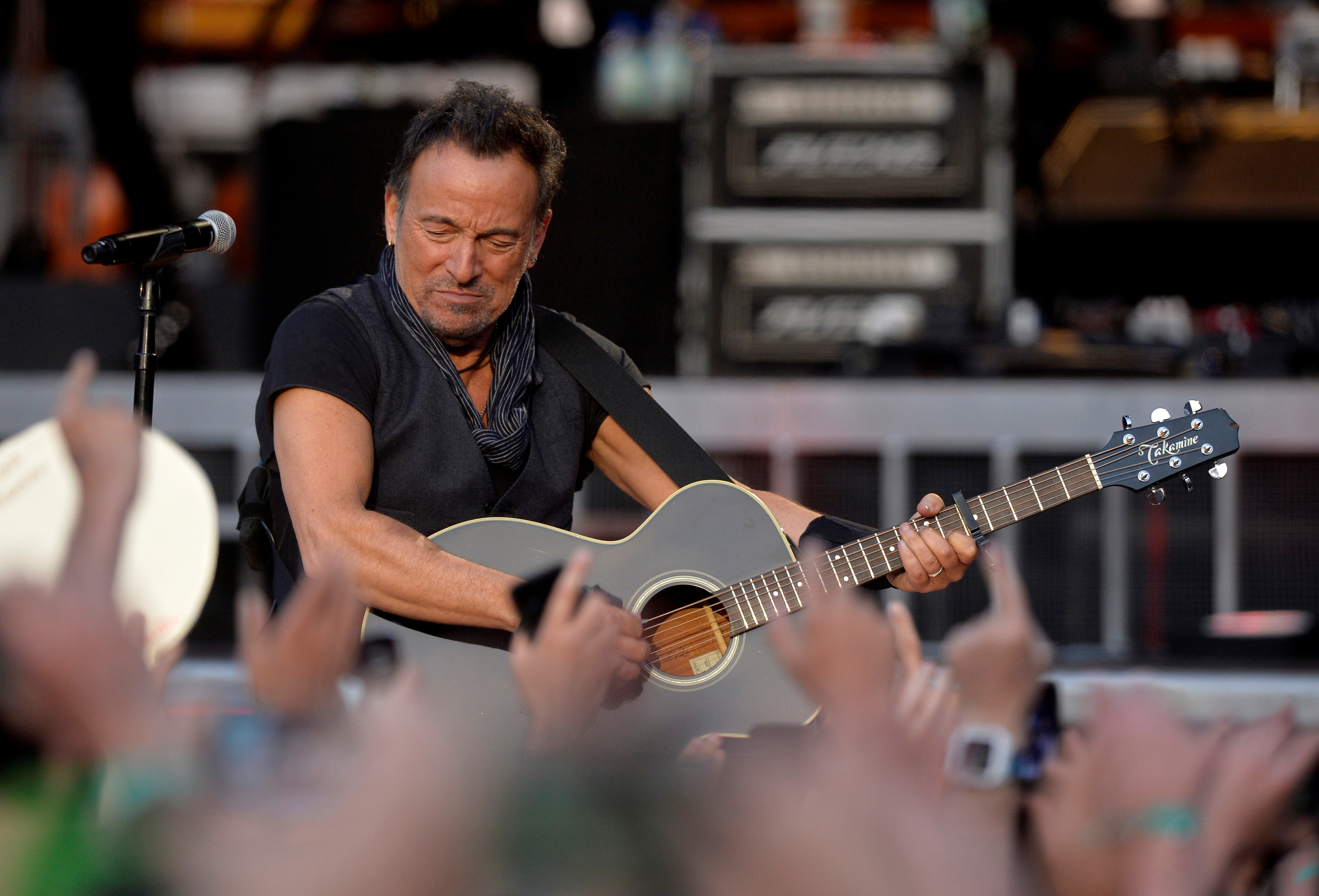
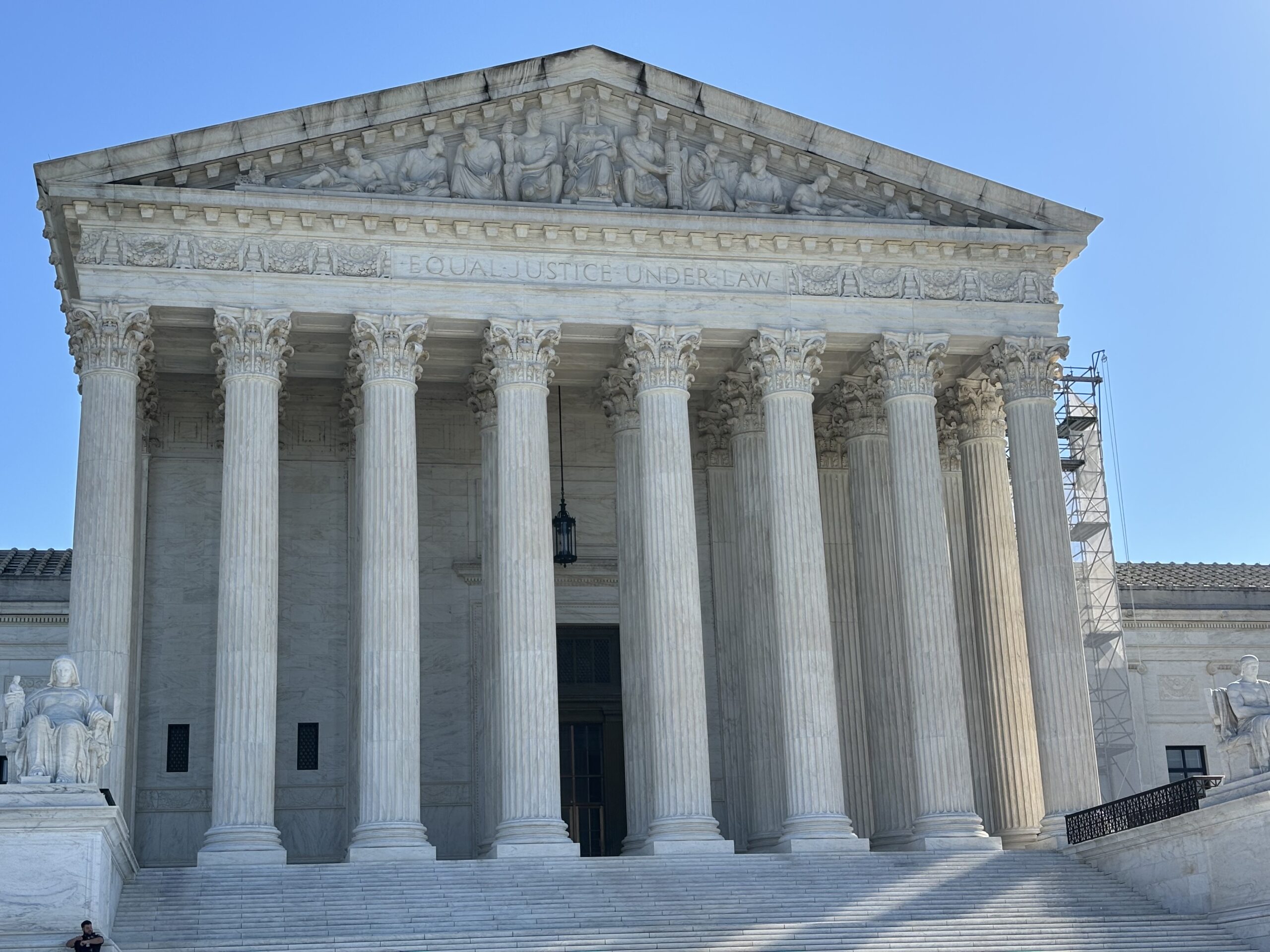
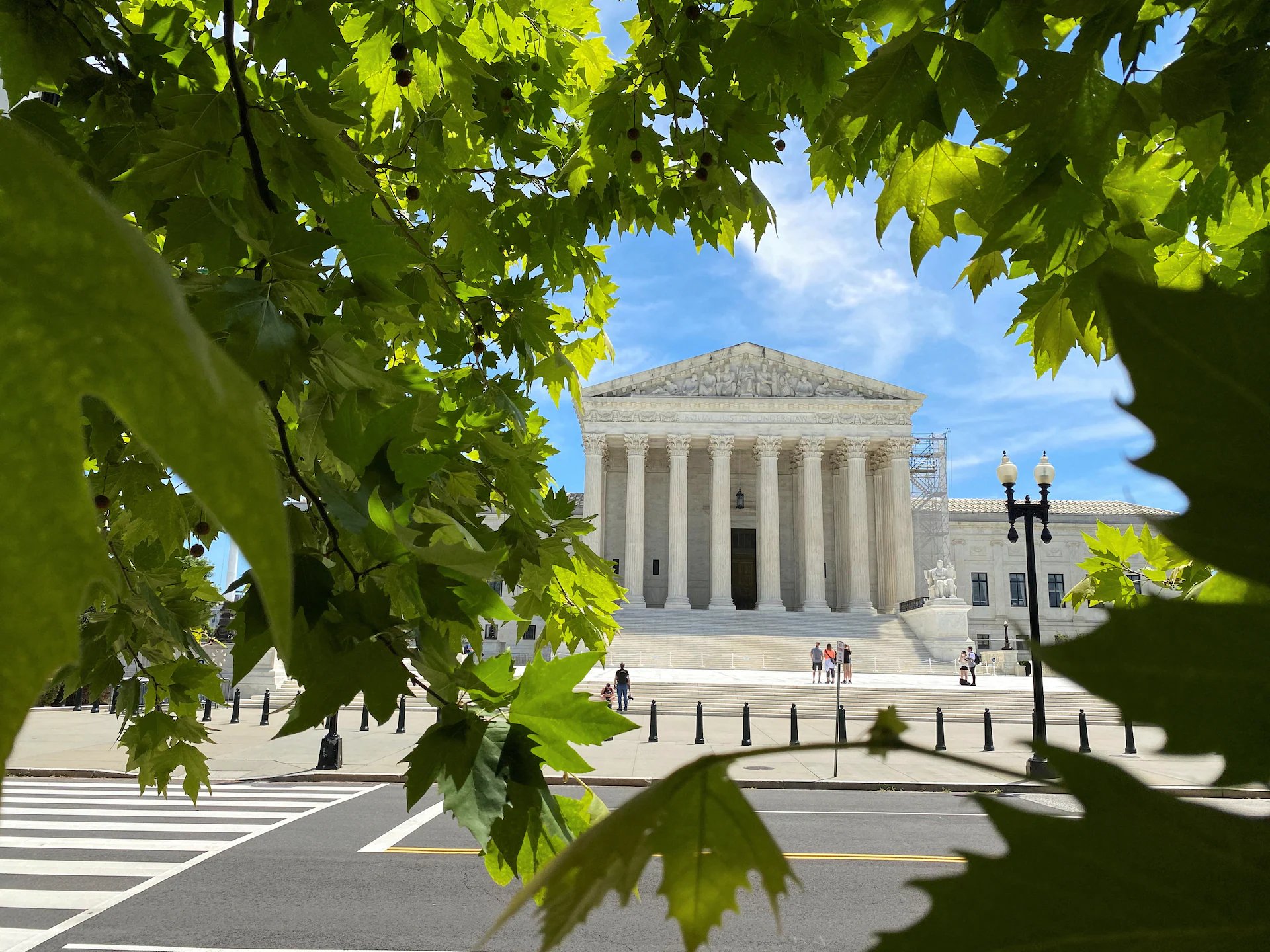
The Federal Communications Commission (FCC) has ordered Walt Disney Co. to file early license renewal applications for its ABC television stations. This directive follows a backlash against late-night host Jimmy Kimmel, who made a joke about First Lady Melania Trump during his show on April 23. The FCC's investigation focuses on possible violations of the Communications Act of 1934 and the agency's prohibition on unlawful discrimination, with particular scrutiny on Disney's diversity, equity, and inclusion practices that have been under review since March 2025.
Background of the Controversy
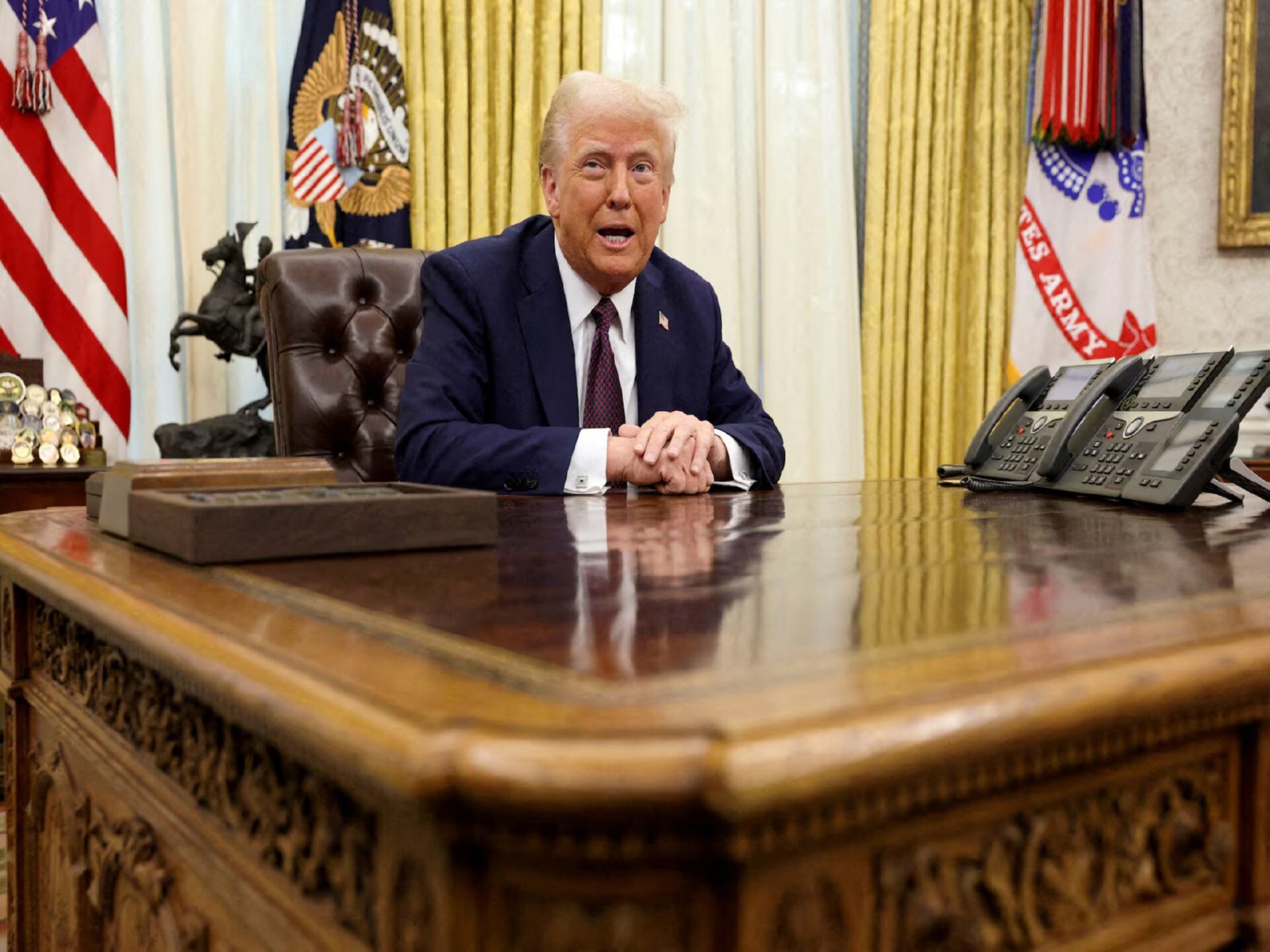
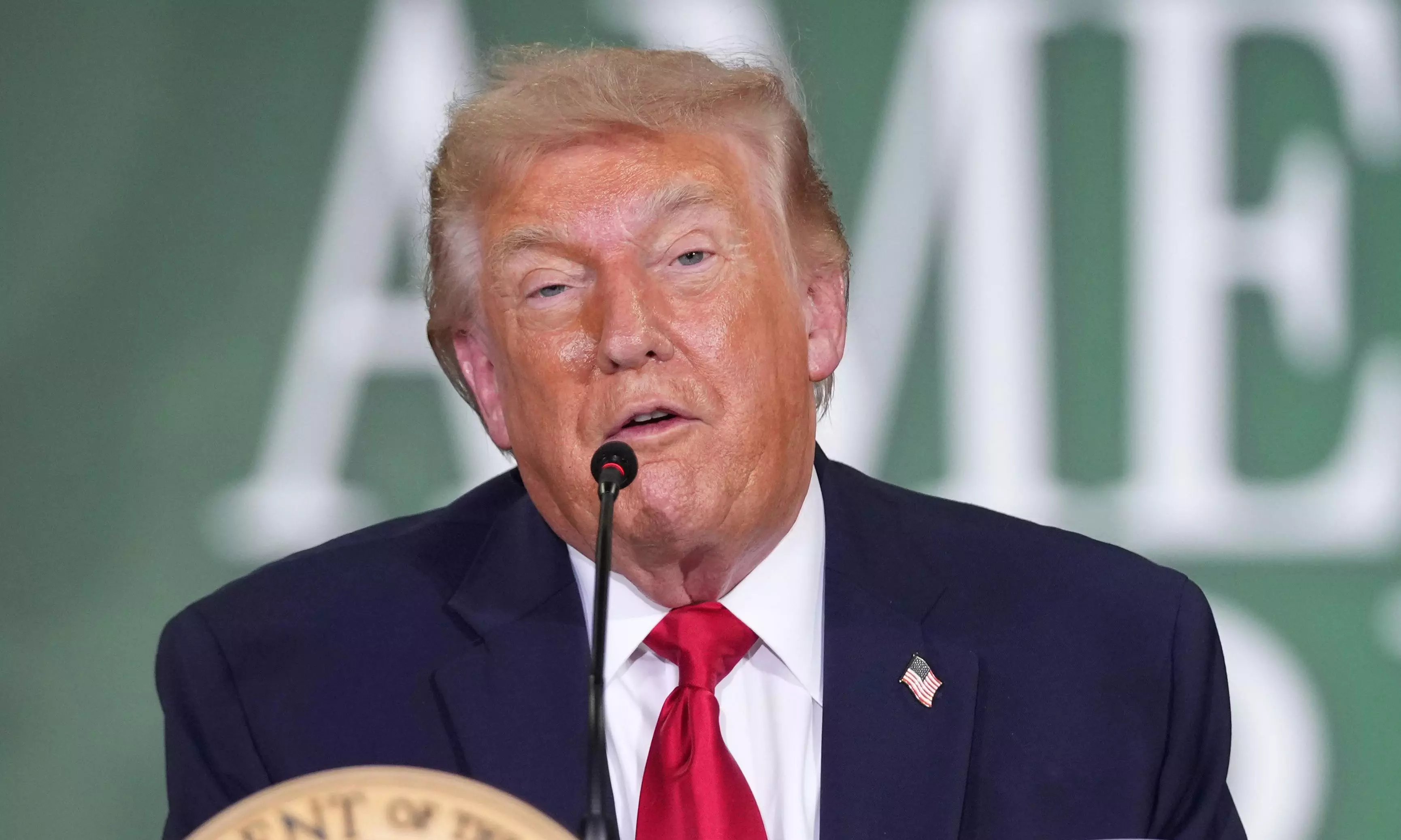
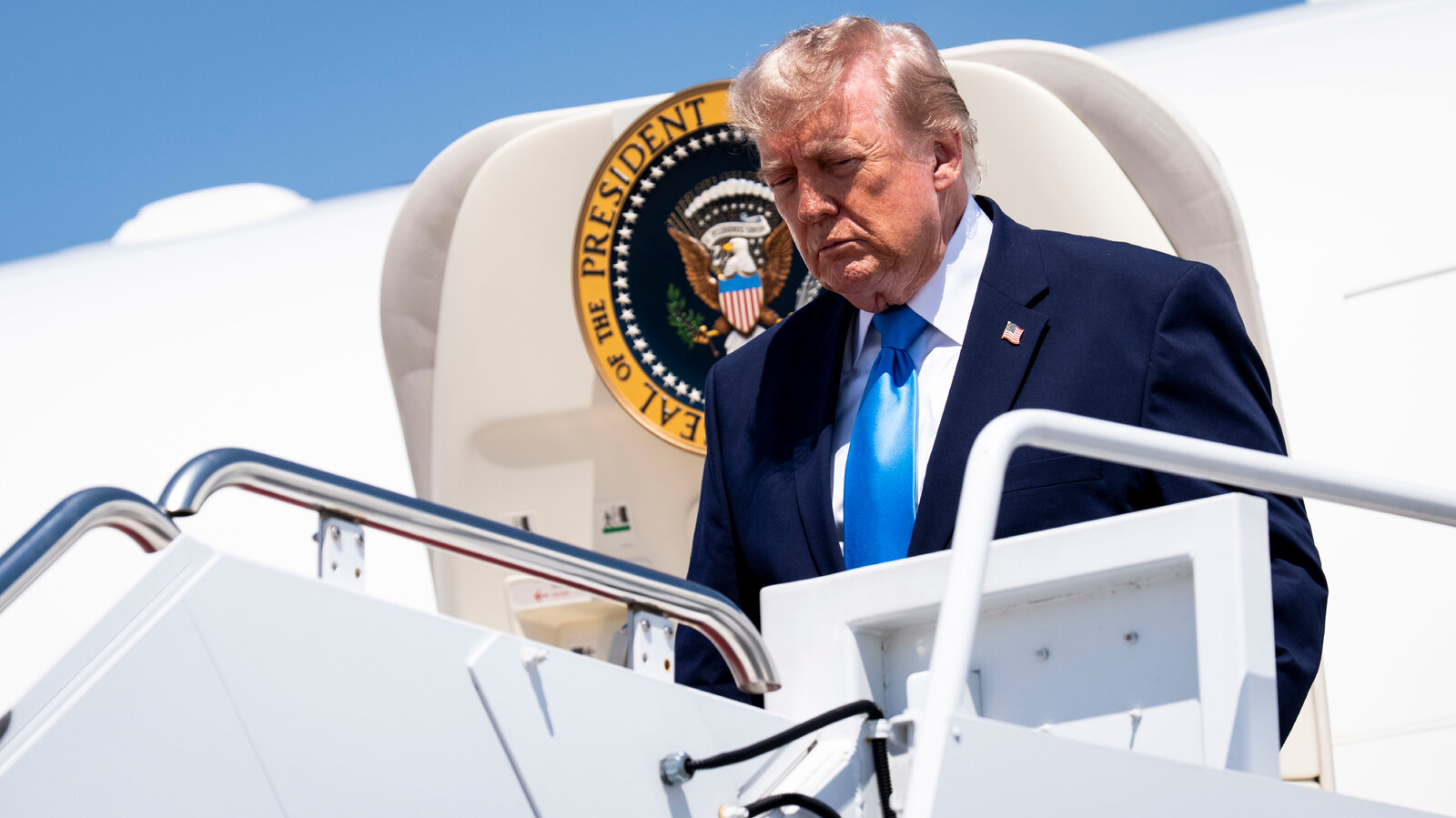
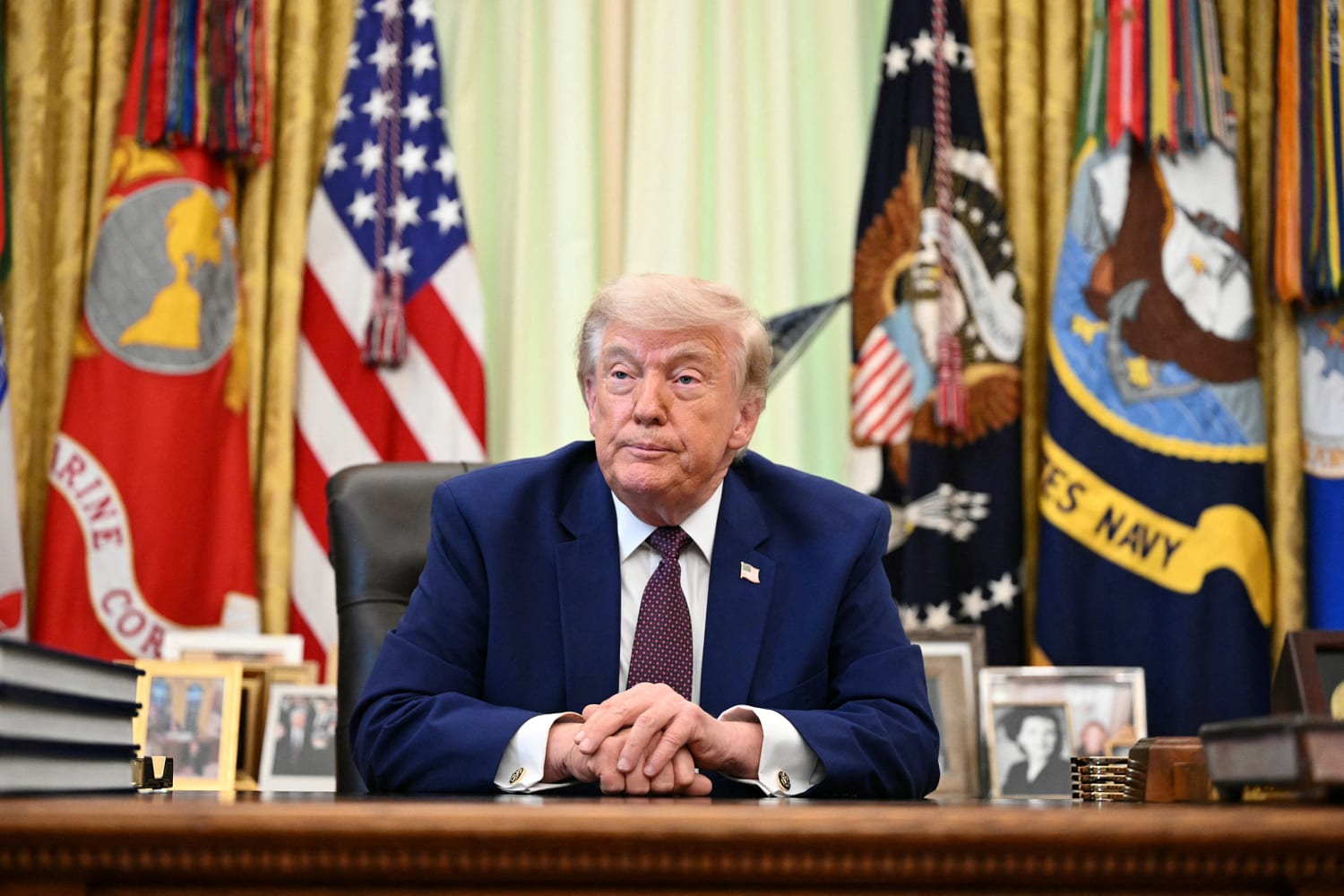
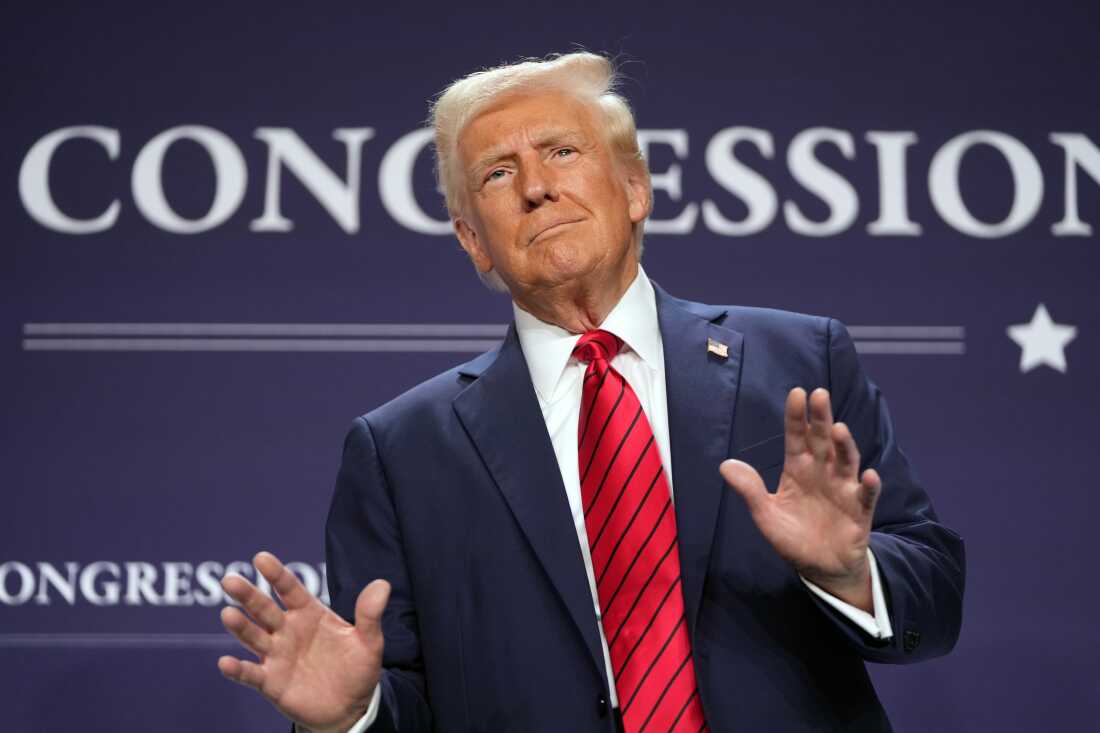
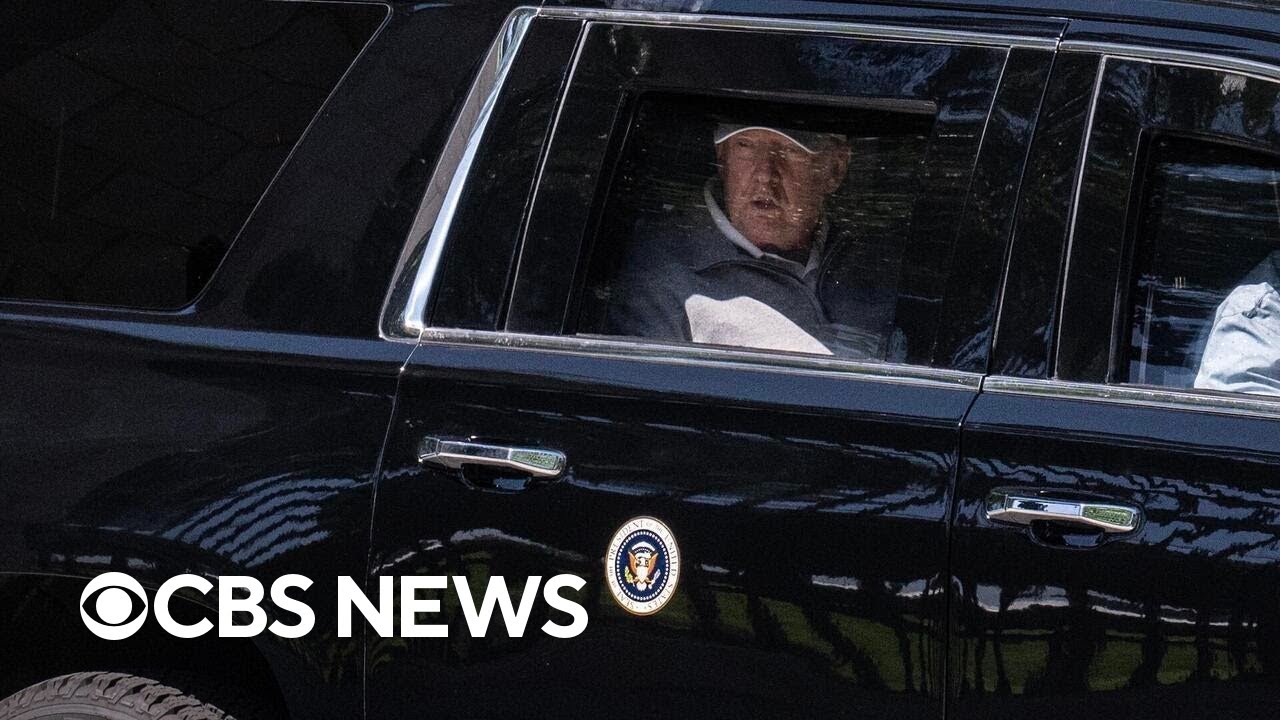
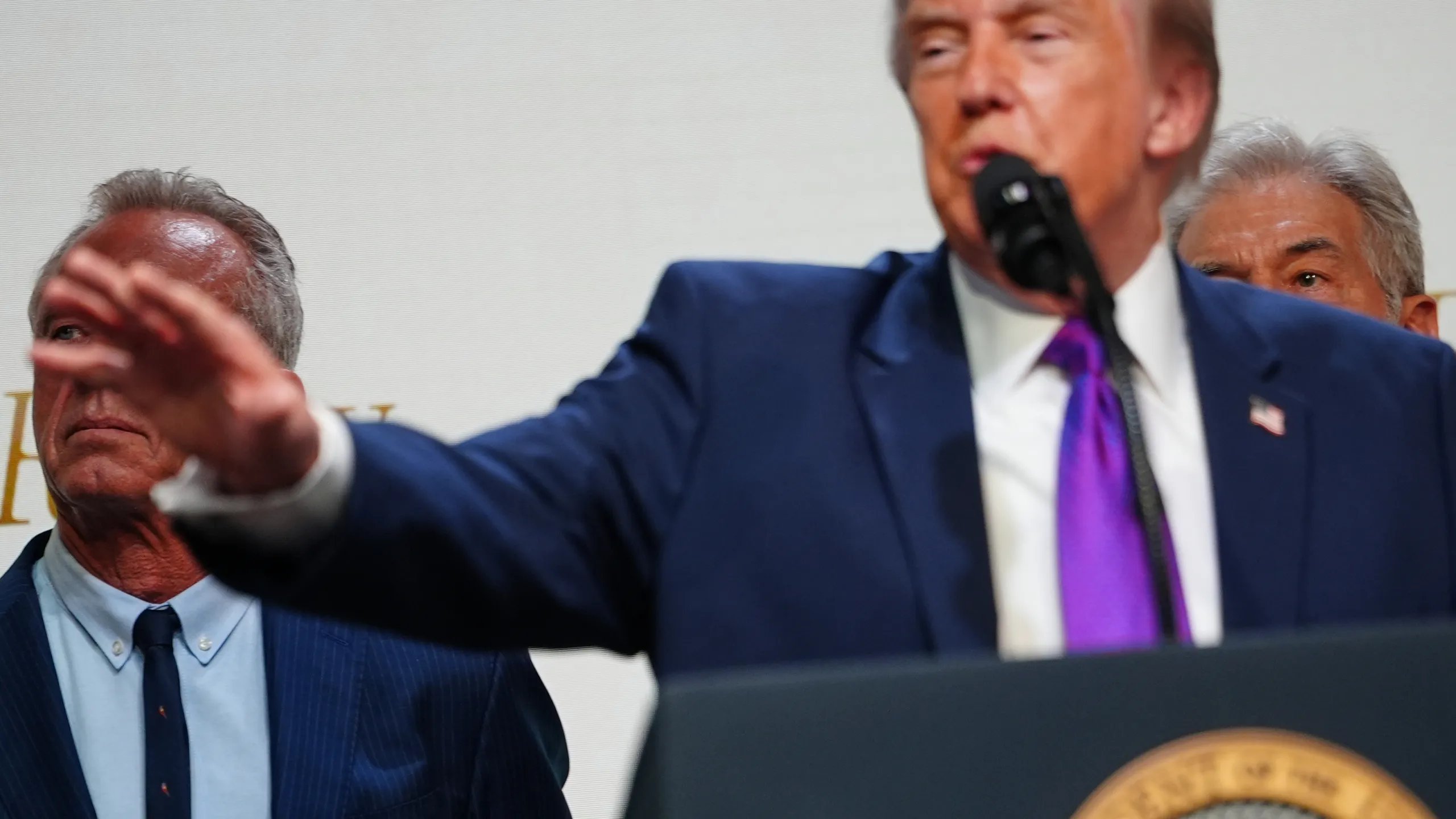
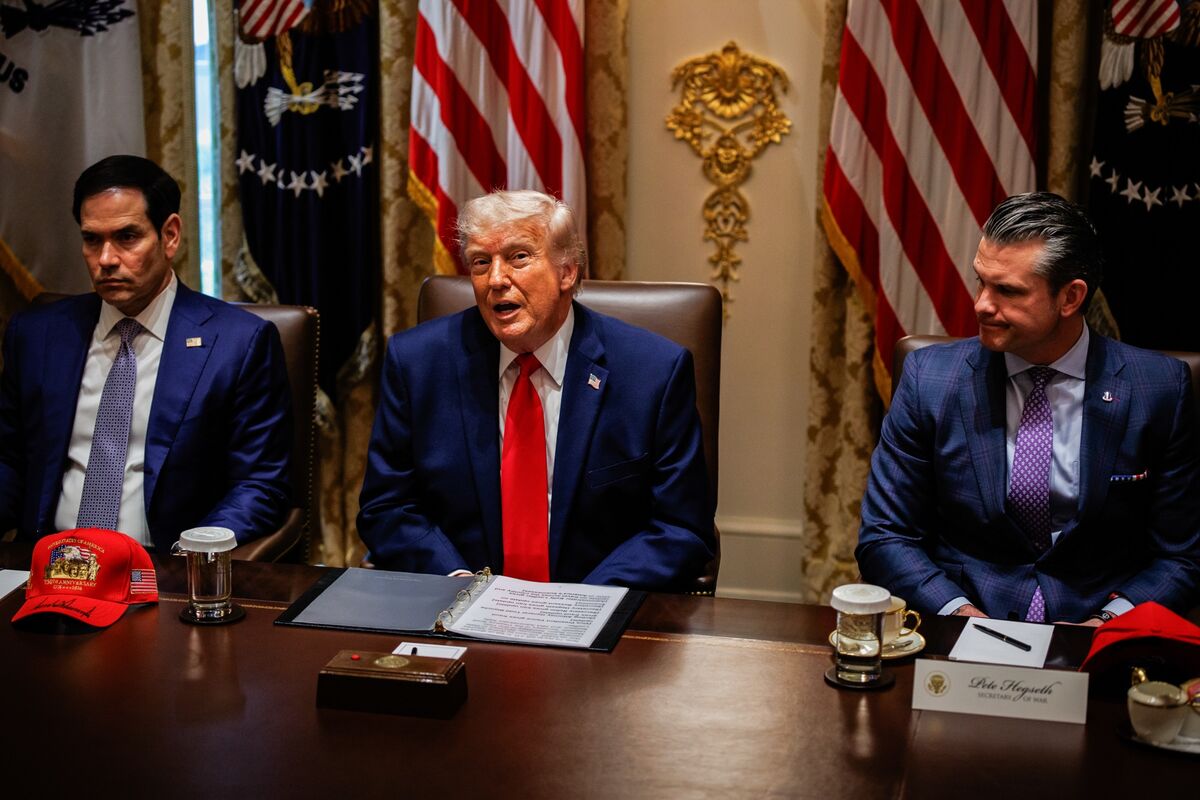
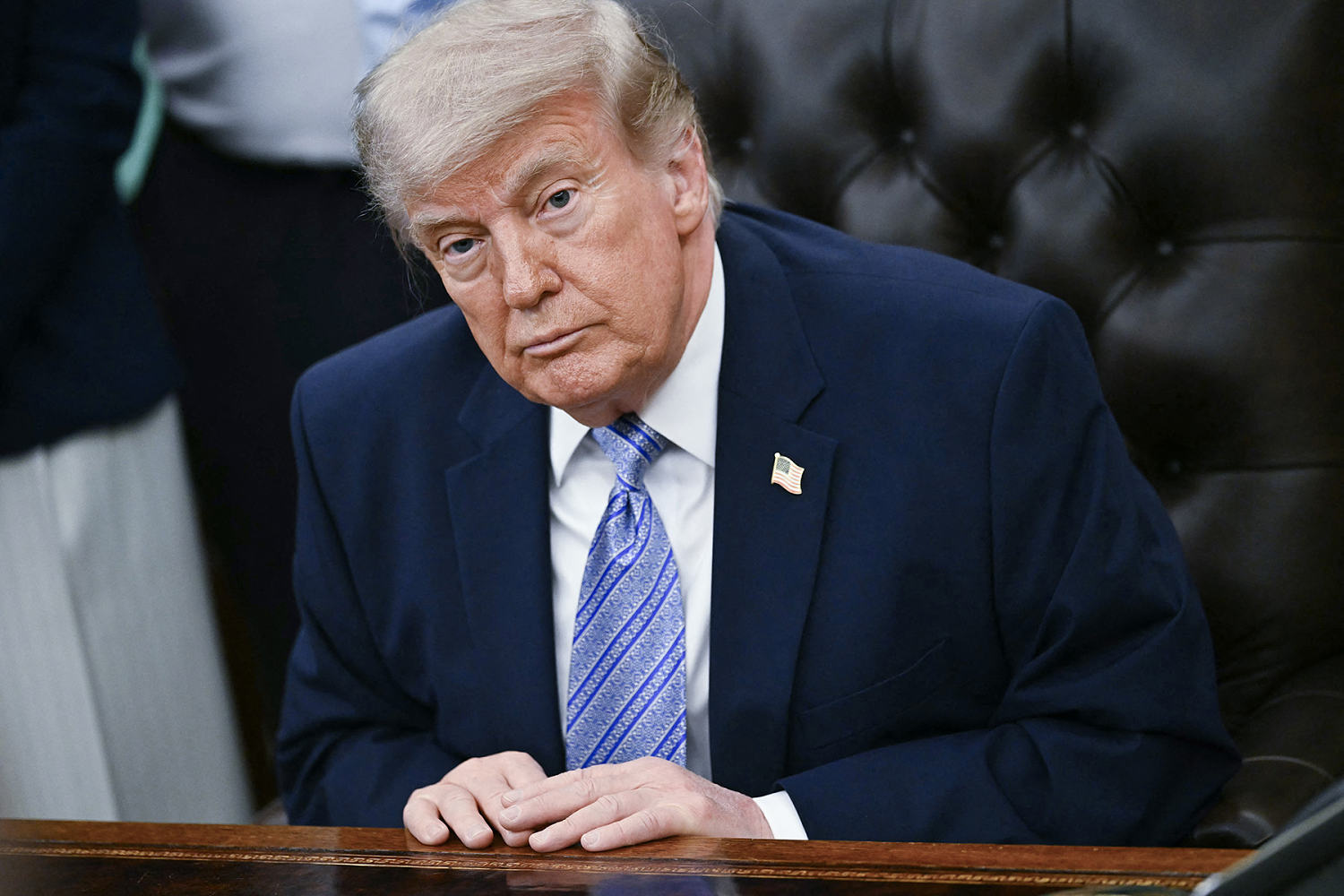
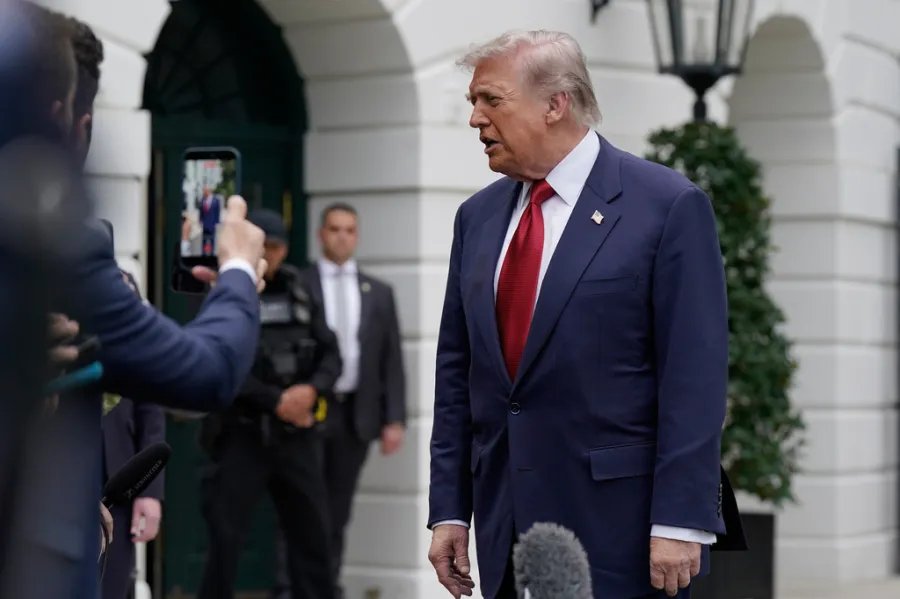
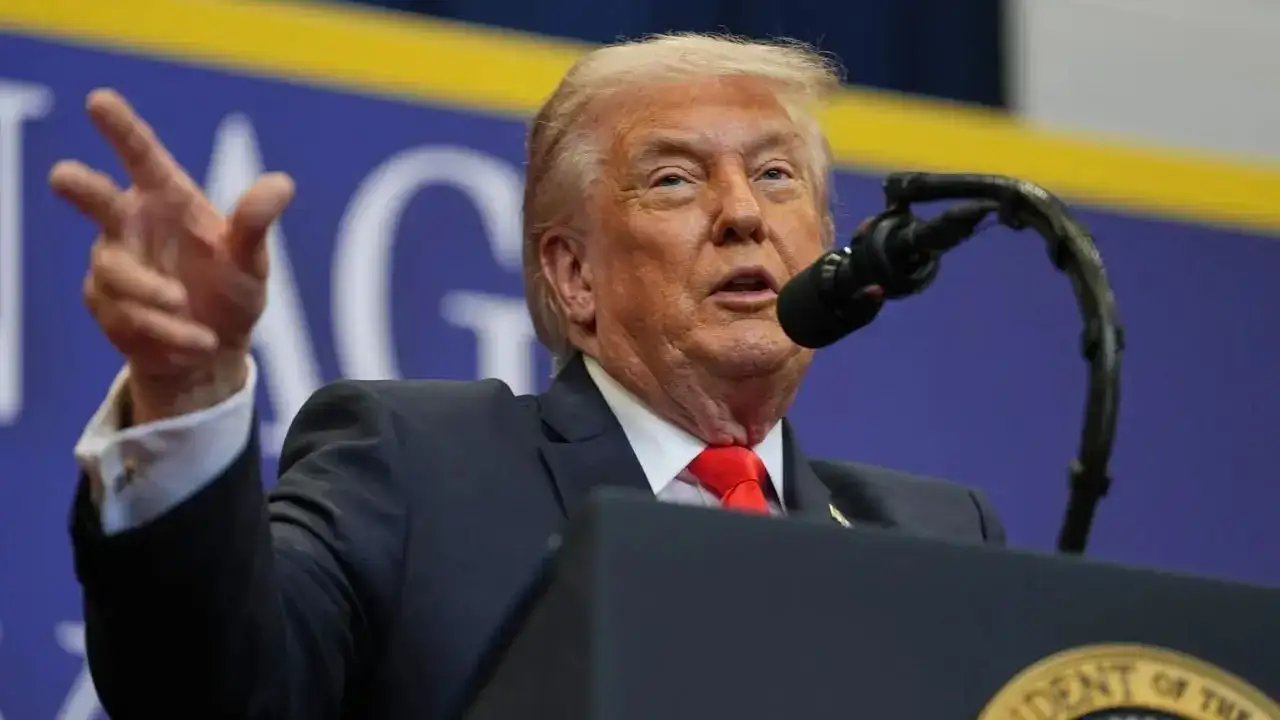
Kimmel's joke, which described Melania Trump as having "the glow of an expectant widow," drew ire from President Trump and the First Lady, who called for his firing. In a social media post, Trump stated, "I appreciate that so many people are incensed by Kimmel's despicable call to violence." The FCC's order for Disney to seek early renewals of its eight ABC-owned television stations, including WABC-TV in New York and KABC-TV in Los Angeles, comes after the feud between Trump and Kimmel.
Disney's Response to the FCC
In response to the FCC's order, a Disney spokesperson emphasized the company's commitment to compliance with FCC regulations. "ABC and its stations have a long record of operating in full compliance with FCC rules and serving their local communities," the spokesperson stated. Disney aims to demonstrate their qualifications as licensees under the Communications Act and the First Amendment through appropriate legal channels.
Implications for ABC's Future
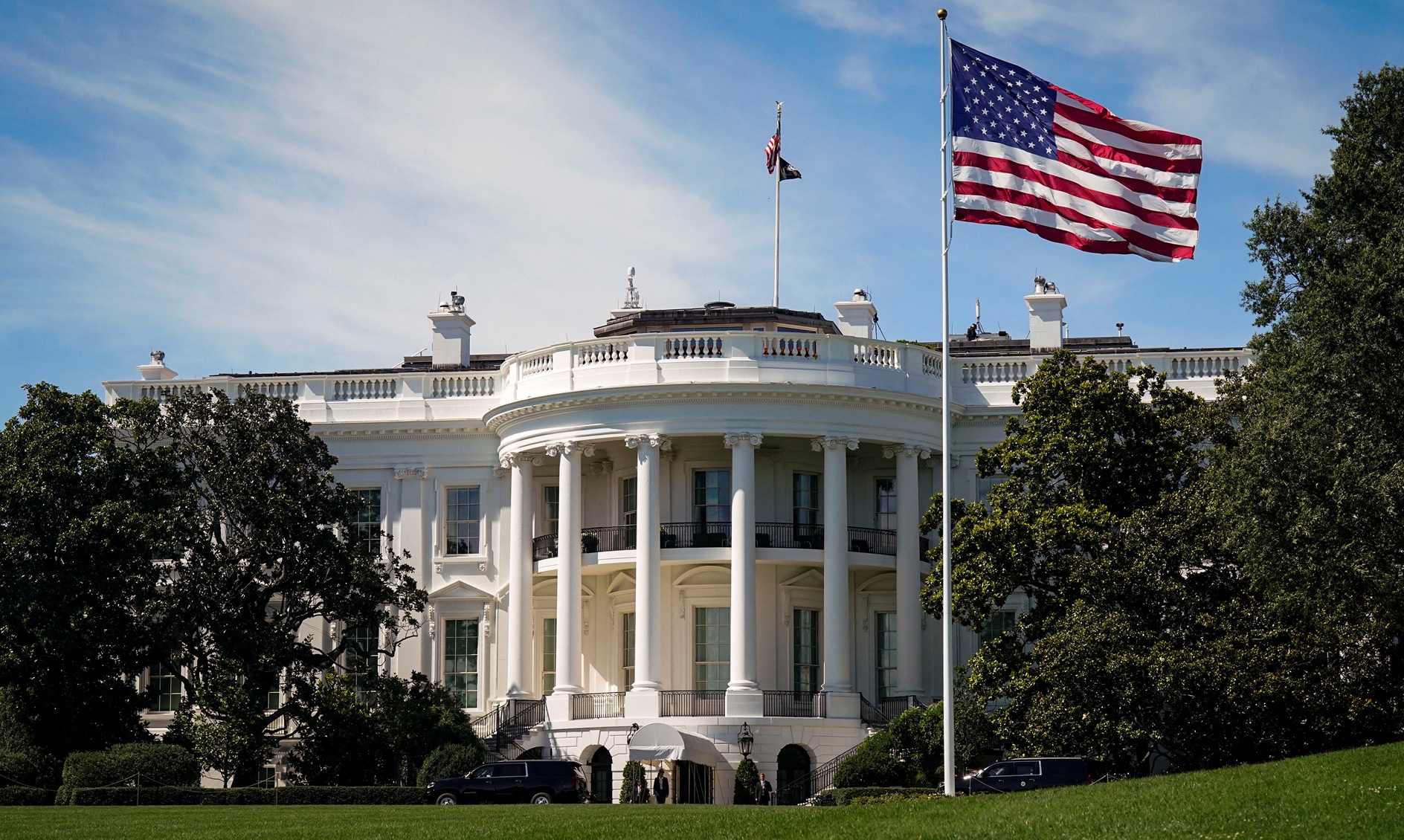
The ABC licenses were originally scheduled for renewal between 2028 and 2031. The investigation into Disney's practices comes at a time when the network is already navigating the fallout from Kimmel's comments and the subsequent political pressure from the White House.
Free Speech and Political Clashes
Kimmel defended his joke in a subsequent monologue, asserting that it was a lighthearted commentary on the Trumps' age difference. "It was not by any stretch of the definition a call to assassination," he stated, reinforcing his view on the importance of free speech. This incident marks a continuation of tensions between the FCC and Disney, as the agency previously criticized Kimmel for comments made after the shooting of conservative activist Charlie Kirk.
Expert Opinions on Regulatory Authority
Experts have weighed in on the implications of the FCC's actions. Jameel Jaffer, executive director at the Knight First Amendment Institute, noted that the FCC lacks the authority to cancel broadcasters' licenses based solely on perceived political views. He emphasized the importance of safeguarding free speech rights amid regulatory scrutiny, suggesting that the FCC's actions could be viewed as politically motivated.
The Broader Impact on Broadcasting
The FCC's review of Disney's ABC stations signals a potential shift in the regulatory landscape for broadcasters, particularly those navigating politically charged content. As these reviews unfold, the outcomes could influence broadcasting standards and practices across the industry, impacting how media companies operate in a politically sensitive environment. Viewers may soon see changes in programming or policies as networks adapt to the evolving regulatory climate.
The ongoing investigation into Disney's ABC stations underscores the complex relationship between media, politics, and regulation. As the situation develops, it remains to be seen how it will affect not just the network but also the broader landscape of broadcast media in the United States.