




Project Freedom Underway
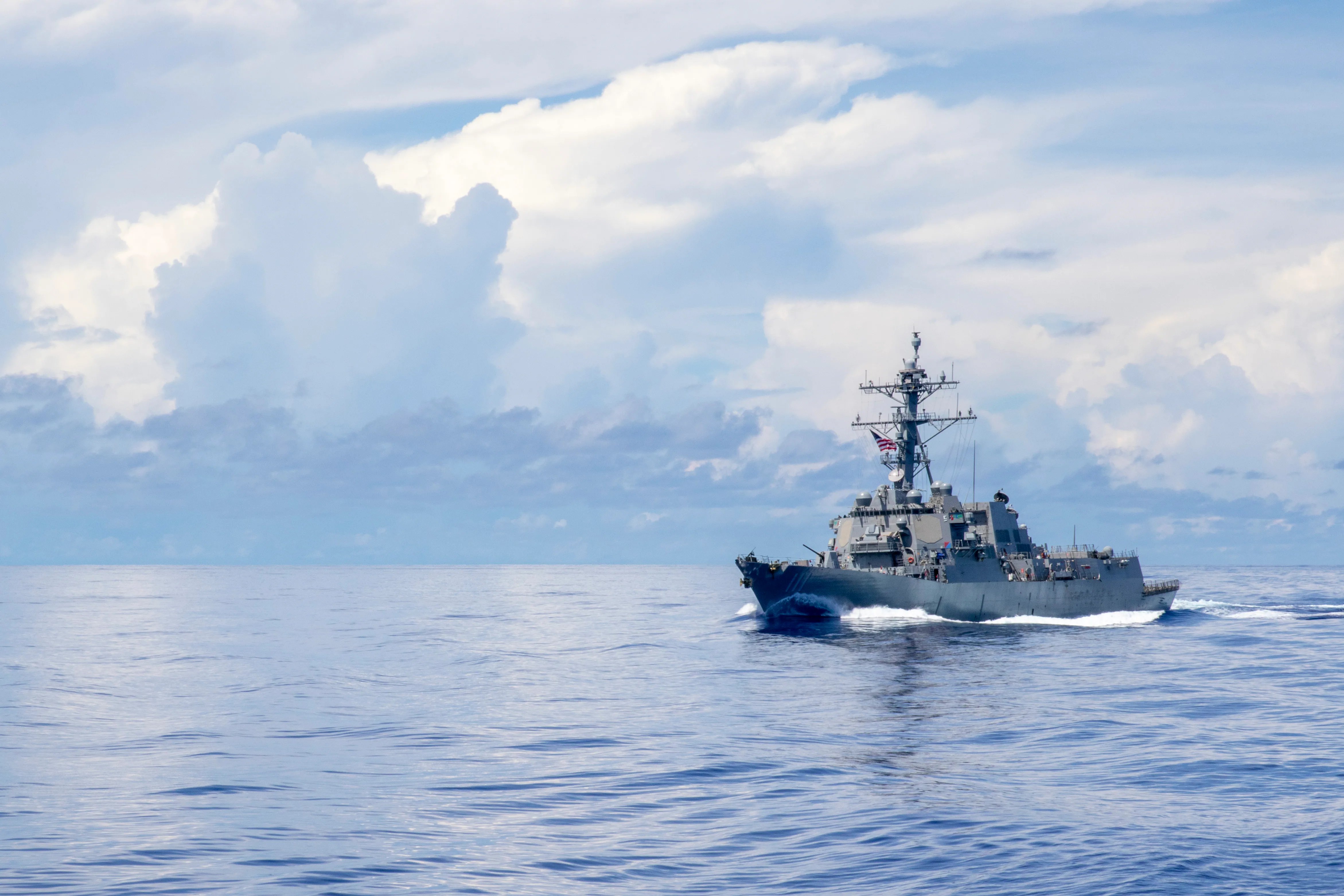
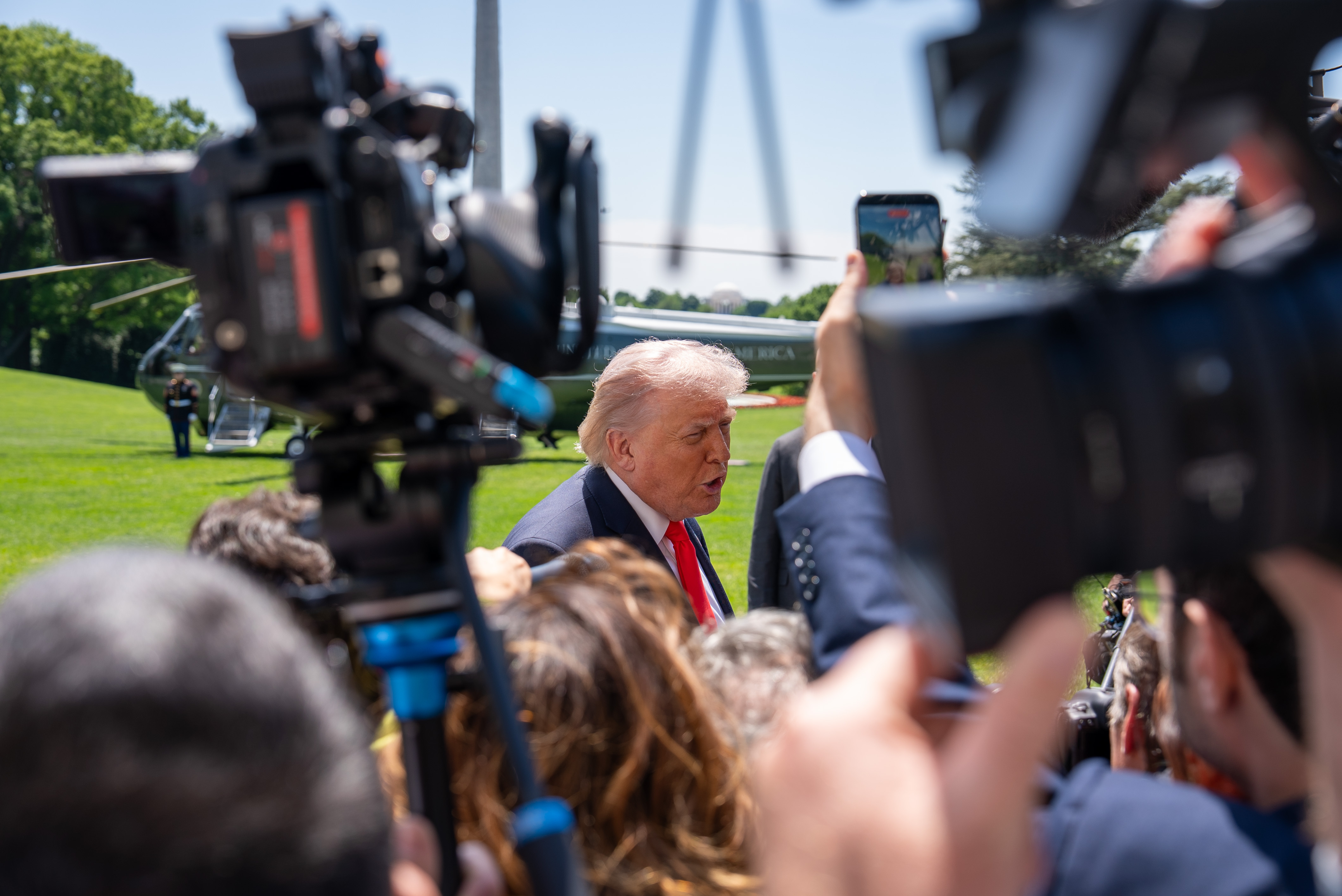
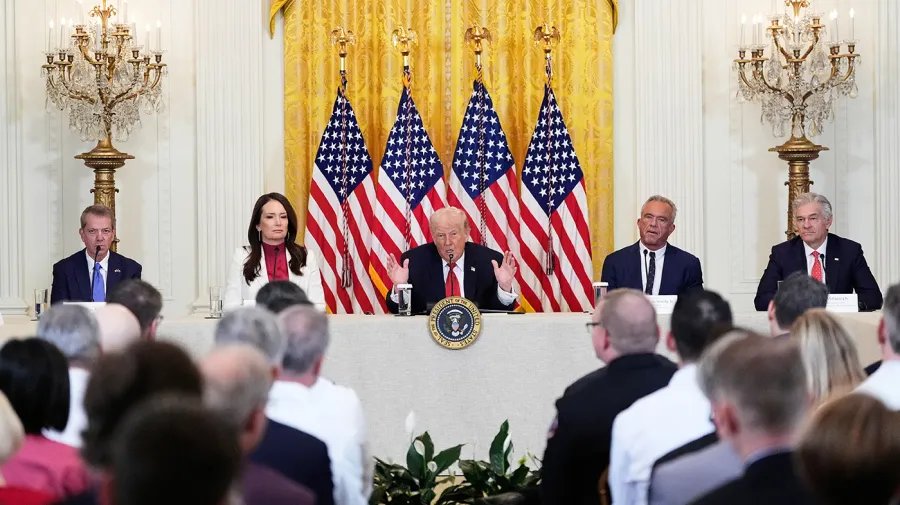
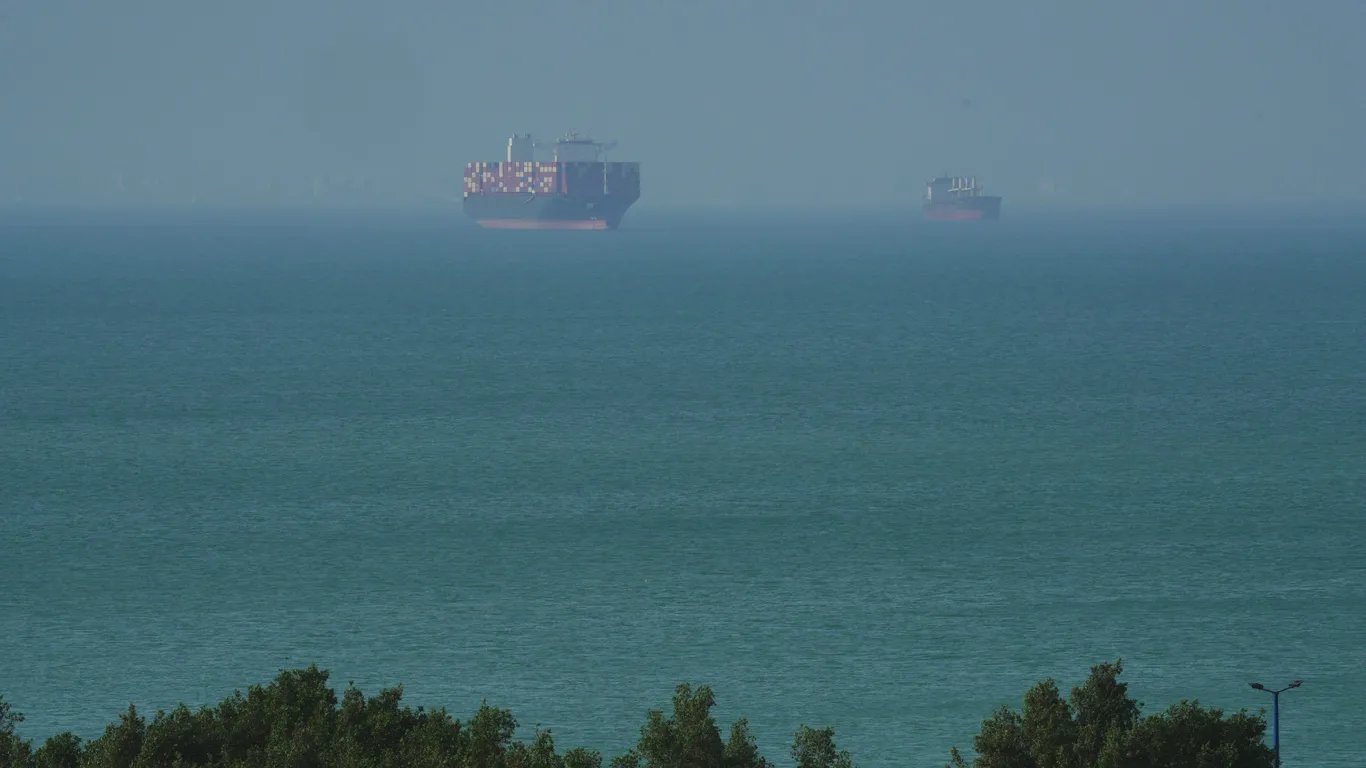
The U.S. military launched "Project Freedom" to guide ships through the Strait of Hormuz, leading to clashes with Iranian forces and raising concerns about a return to full-scale war. President Donald Trump announced the initiative to help stranded ships, but Iran warned that any foreign armed force entering the passage "will be subjected to attack." Two U.S.-flagged merchant vessels successfully transited the strait under the project's auspices, according to Central Command.
Attacks and Counter-Threats
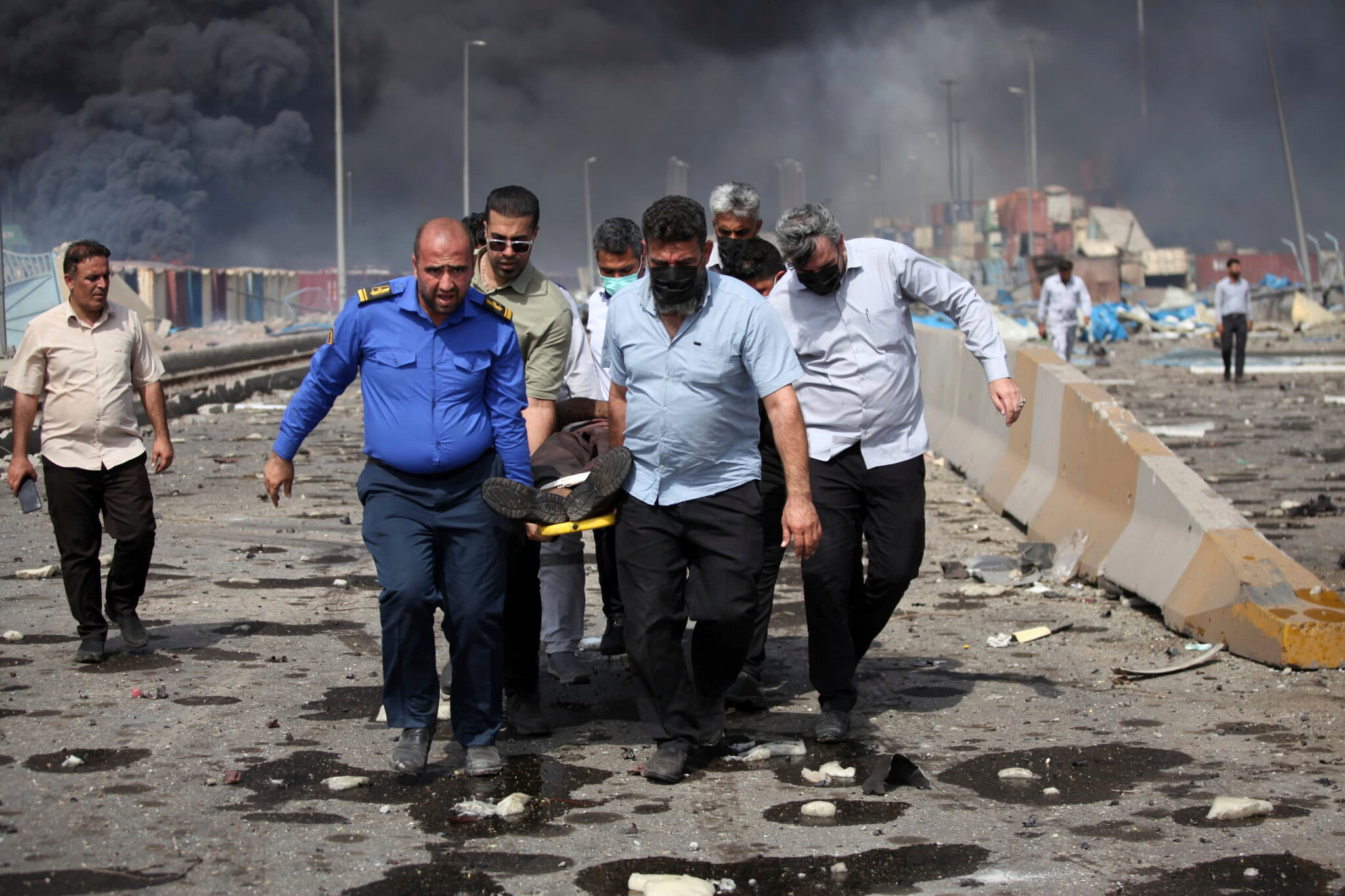
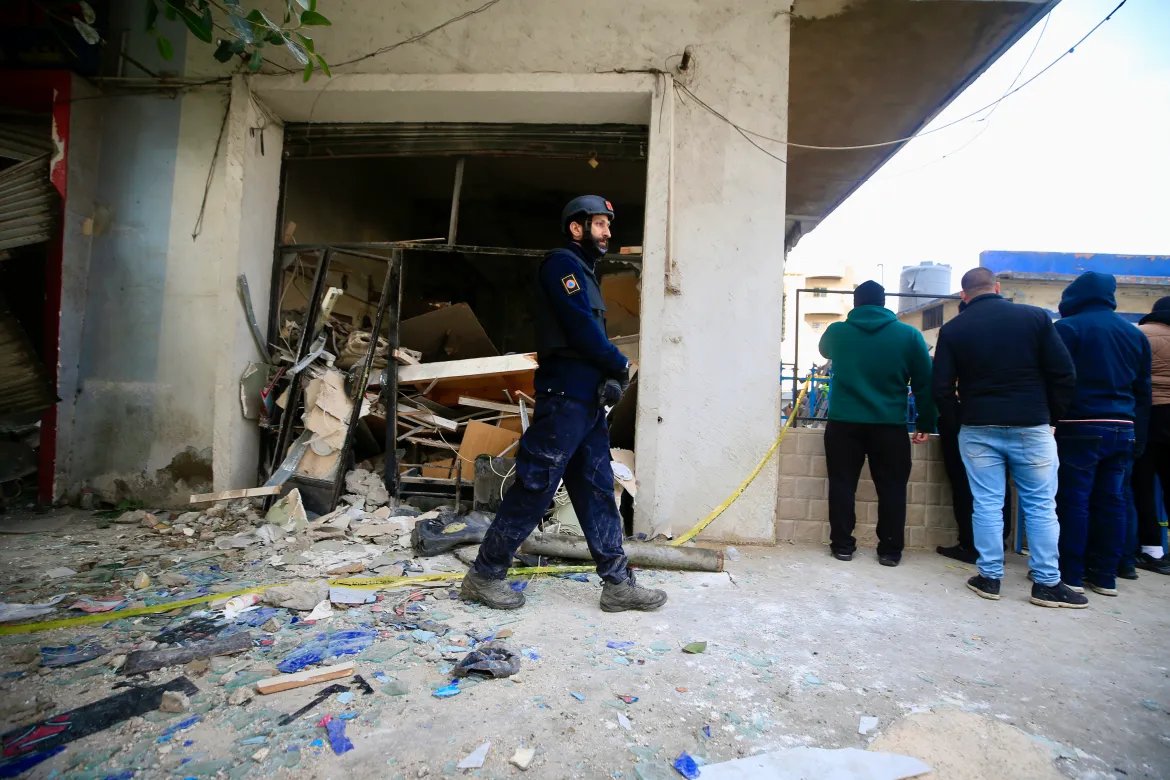
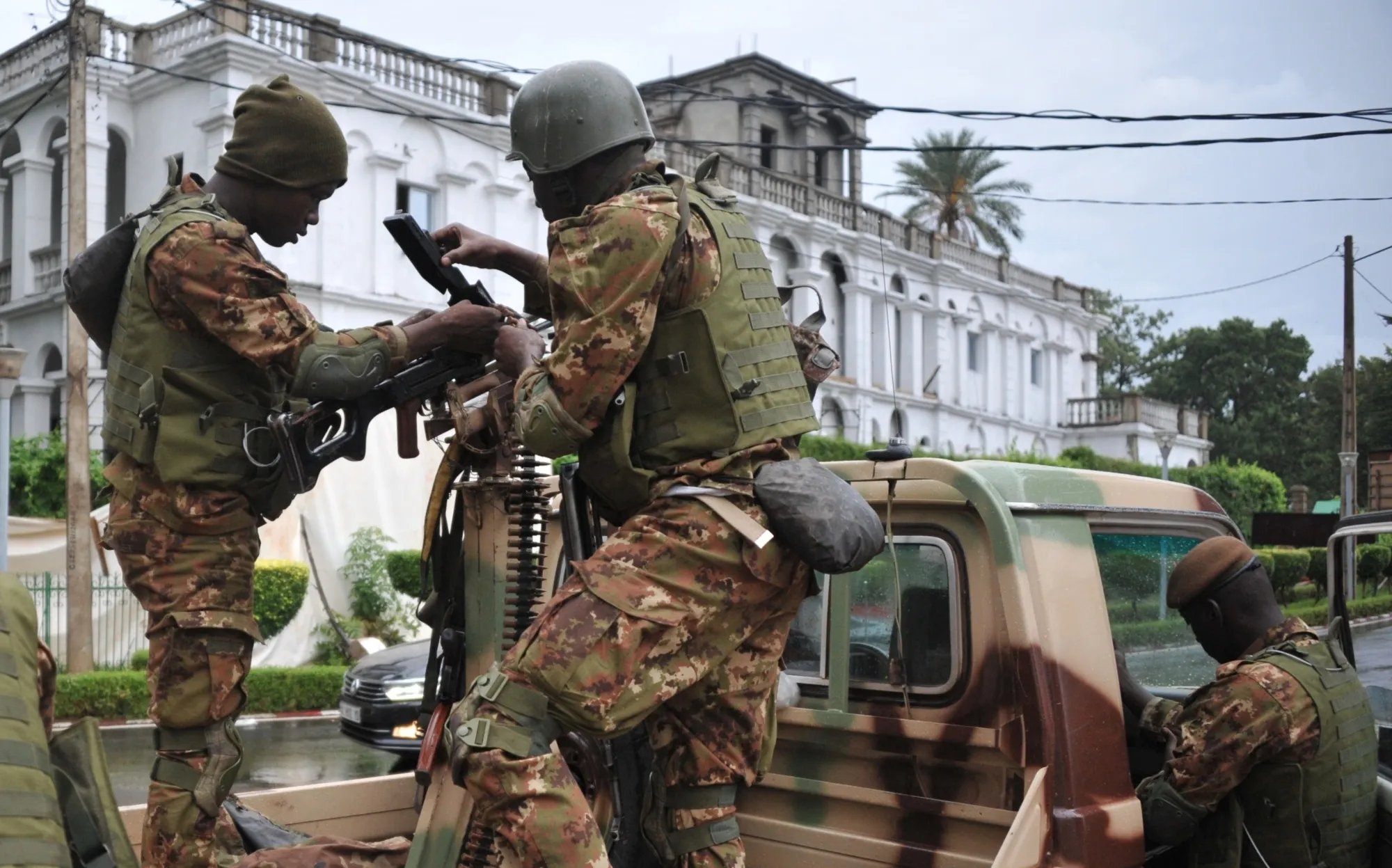
The United Arab Emirates reported missile and drone attacks from Iran, the first since a ceasefire began in early April. The UAE Defense Ministry said three cruise missiles were intercepted, while a fourth fell into the sea. A drone strike ignited a fire at a fuel facility in Fujairah, injuring three Indian nationals. The UAE condemned the "renewed treacherous Iranian aggression." Iran's military command warned that ships must coordinate with them, and Maj. Gen. Ali Abdollahi stated that any foreign military force approaching the Strait of Hormuz "will be targeted."
U.S. Response and Iranian Denial
U.S. Central Command said six Iranian small boats were destroyed by U.S. military helicopters after Iran launched cruise missiles and drones at commercial vessels under U.S. protection. Adm. Brad Cooper, commander of U.S. Central Command, claimed a passage was now open in the strait under the U.S. "defensive umbrella." However, the Islamic Revolutionary Guard Corps denied any ships had passed through the strait and threatened to stop violating vessels by force. Treasury Secretary Scott Bessent told Fox News the U.S. military had "absolute control" of the waterway.
Shipping Industry Concerns
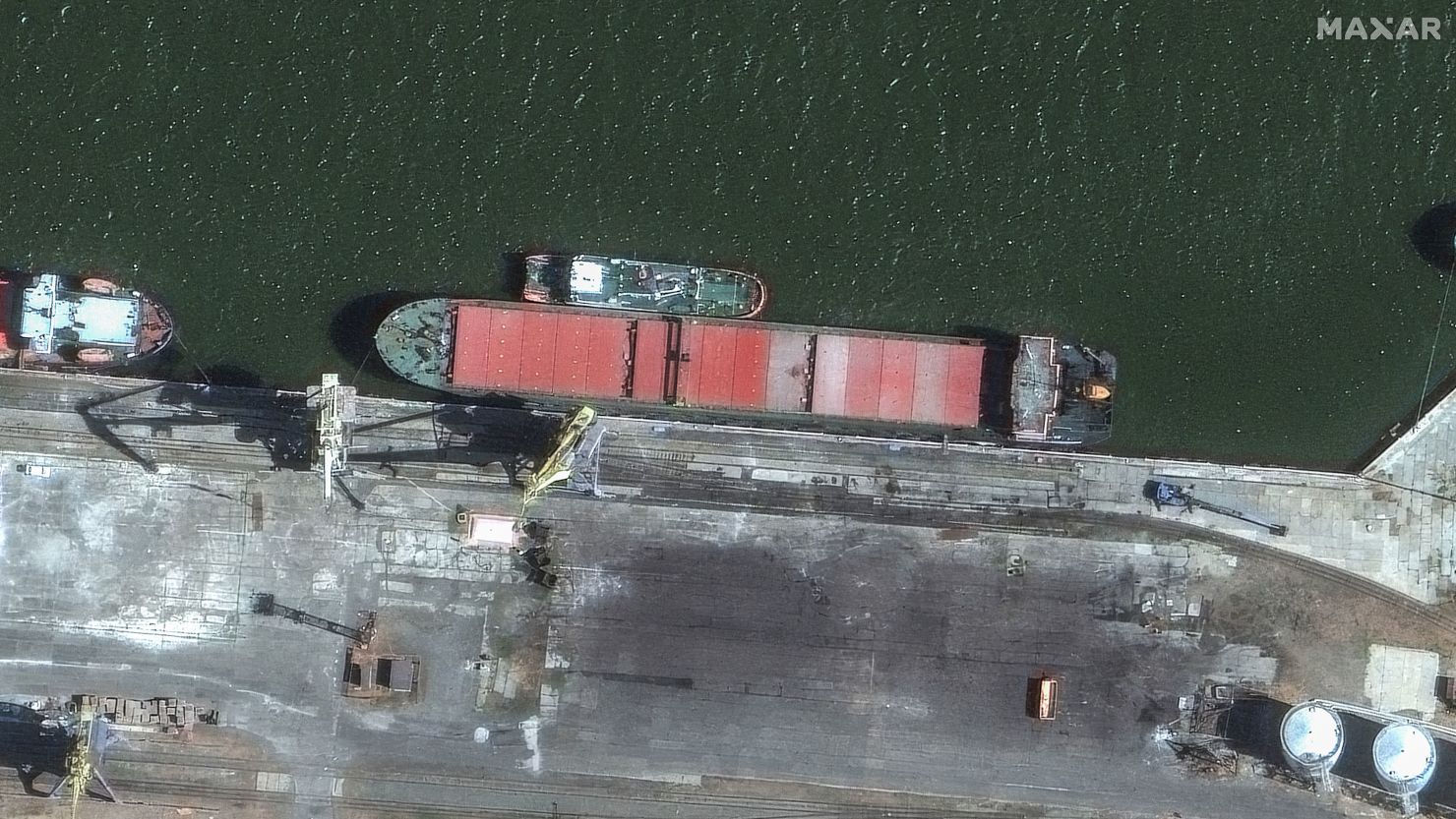
The world’s shipping industry questioned the safety of vessels traveling to and from the Gulf. President Trump said Iran had "taken some shots at unrelated Nations," damaging a South Korean cargo ship. South Korean officials confirmed an explosion occurred on a commercial vessel in the strait, but the cause remained under investigation. The UAE accused Iran of targeting a tanker linked to its main oil company with two drones.
Diplomatic Efforts and Economic Impact
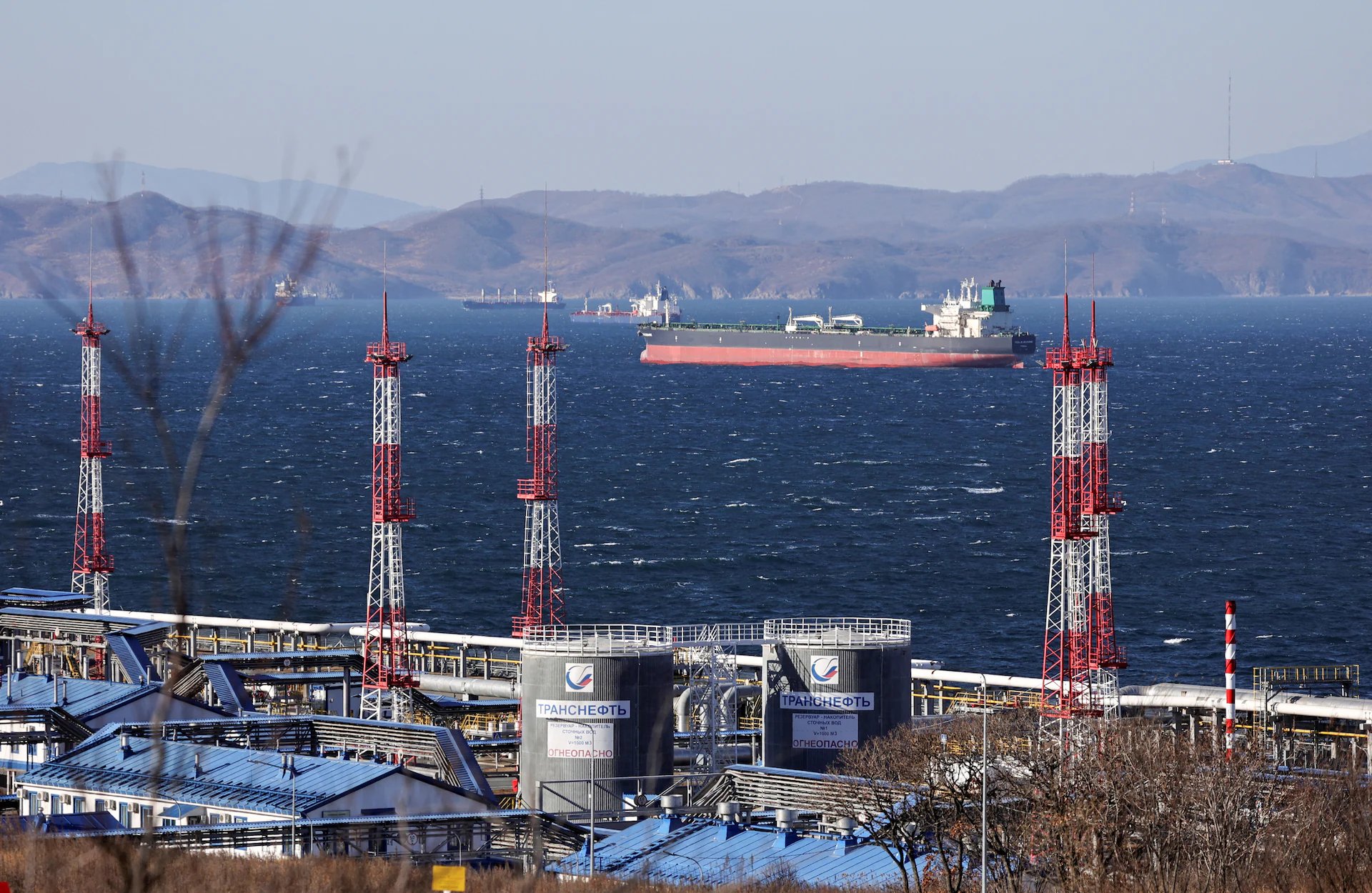
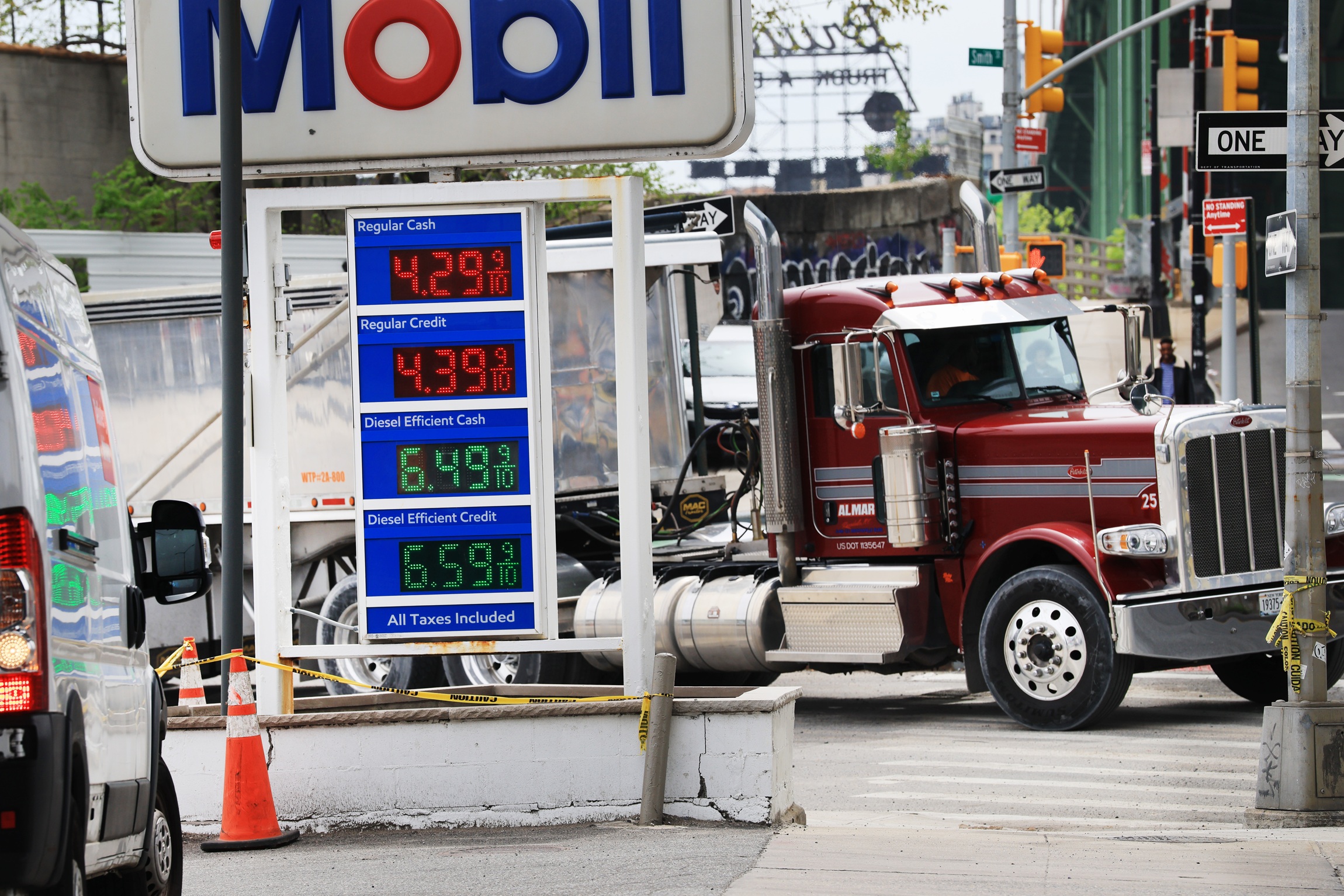
The U.S. proposed a UN Security Council resolution to condemn Iran's laying of sea mines and establishment of "toll booths" in the Strait of Hormuz. The U.S.-led Joint Maritime Information Center advised ships to cross the strait in Oman's waters, setting up an "enhanced security area." The disruption of the waterway has squeezed countries dependent on Persian Gulf oil and gas, raising prices. The U.S. has enforced a naval blockade on Iranian ports since April 13, depriving Tehran of oil revenue.
Ceasefire Violations and Future Outlook
Iran's latest proposal for ending the war calls for the U.S. lifting sanctions, ending the blockade, and withdrawing forces from the region. Foreign Ministry spokesperson Esmail Baghaei said changing demands made diplomacy difficult. As tensions rise, the UAE issued missile warnings urging residents to find shelter, and commercial planes bound for the UAE turned around midair, demonstrating the immediate impact of the conflict on civilian life and global commerce.