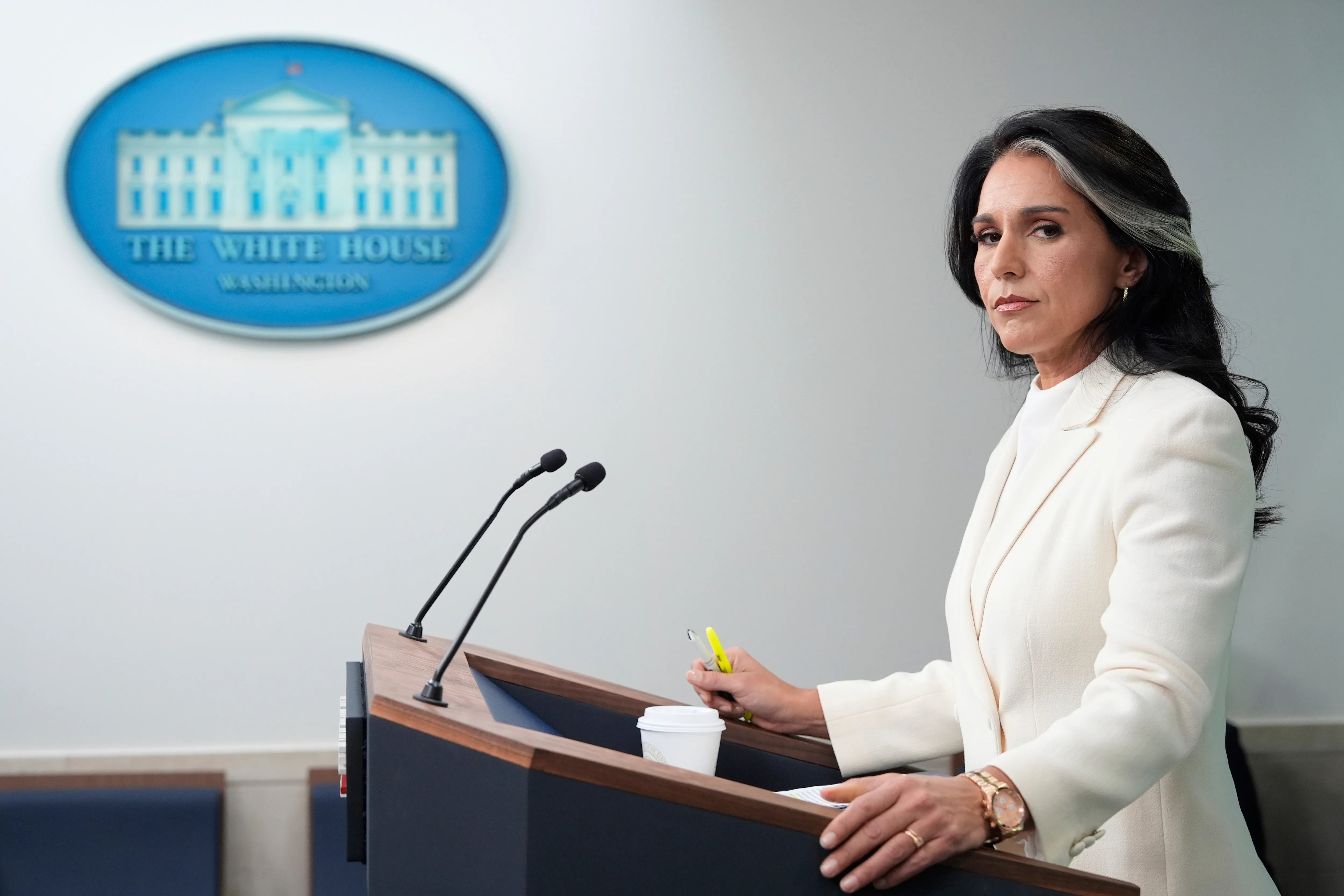
Americans will no longer receive cash rebates for replacing gas appliances with high-efficiency electric models.
Ethiopia banned imports of gasoline and diesel cars in early 2024. Transport Minister Alemu Sime announced the world's first such ban to advance green development and reduce fuel costs. The country now has more than 100,000 electric vehicles out of 1.2 million registered vehicles.
Electric passenger cars make up more than 5 percent of Ethiopia's total fleet. That share matches the European Union average. The government aims to reach 500,000 electric vehicles by 2030.
Addis Ababa added 100 new electric buses to its fleet in 2025. Bus driver Shashe Asemare said the vehicles produce no exhaust fumes and run without the noise of gasoline engines. Passenger Zeraye Tekelu called them comfortable and a step forward for the country because they do not pollute the air.
Ethiopia spent about €4 billion on fuel imports in 2023 and 2024. Conventional fuel prices have more than tripled since 2022. The Ministry of Transport and Logistics cited global oil market instability from the Iran war as a reason to accelerate the shift to electric vehicles.
The country offers tax breaks for electric vehicles and operates 17 plants that assemble EVs using parts from China. It also expanded climate-friendly public transport including fully electric light rail. More than two-thirds of Addis Ababa's daily passengers ride shared minibus taxis, a fleet of 8,000 to 10,000 vehicles now targeted for electrification.
Ethiopia generates more than 96 percent of its electricity from renewable hydropower. The Grand Ethiopian Renaissance Dam, with capacity exceeding 5,000 megawatts, is expected to more than double the country's electricity supply. This clean power base means electric vehicles produce almost no emissions from source to wheel.
Taxi driver Abdurahman Ali switched from a Toyota Vitz to a Chinese-made Changan electric hatchback. He previously spent 40,000 to 50,000 birr per month on fuel. His electric charging costs now run about 5,000 birr monthly at home.
New electric cars start at around €17,000 in a country where many salaries fall below €1,000 per year. Despite the high relative price, Abdurahman said the vehicle is more comfortable and delivers major savings.
Ethiopia has only about 500 charging stations nationwide, with most located in Addis Ababa. Abdurahman Ali noted the network remains insufficient outside the capital. Private operator Ezekiyas Dufera opened a 24-hour station this year that uses an app for transparent pricing.
Ezekiyas reported occasional electricity outages but said conditions have improved and the business opportunity is strong. The government continues to promote carpooling, walking and cycling alongside electric vehicle adoption. Roughly half of Ethiopia's population of more than 110 million still lacks access to electricity.
Ethiopia's approach combines an import ban, tax incentives and public fleet conversion to drive electric adoption. Both nations cite economic pressures from fuel prices as a central motivation.
Ethiopian drivers like Abdurahman Ali report monthly fuel savings that exceed 80 percent after switching. Ethiopia's hydropower resources provide a low-emission foundation that many other countries lack.
Ethiopia plans further expansion of electric public transport to serve the majority of Addis Ababa commuters. As both nations pursue lower fuel dependence, differing national strategies will shape future household energy and transportation costs in each country.
Americans will no longer receive cash rebates for replacing gas appliances with high-efficiency electric models. The Energy Department issued new guidance that reinterprets a program created under the 2022 Inflation Reduction Act. This change eliminates direct financial incentives that helped consumers lower the upfront cost of electric heat pumps, stoves and water heaters.
The rebates targeted purchases that reduce household energy bills and cut emissions from fossil fuel appliances. Without them, families face the full price difference between gas and electric options. The decision reverses a key consumer-facing element of federal support for home energy efficiency.
Ethiopia banned imports of gasoline and diesel cars in early 2024. Transport Minister Alemu Sime announced the world's first such ban to advance green development and reduce fuel costs. The country now has more than 100,000 electric vehicles out of 1.2 million registered vehicles.
Electric passenger cars make up more than 5 percent of Ethiopia's total fleet. That share matches the European Union average. The government aims to reach 500,000 electric vehicles by 2030.
Addis Ababa added 100 new electric buses to its fleet in 2025. Bus driver Shashe Asemare said the vehicles produce no exhaust fumes and run without the noise of gasoline engines. Passenger Zeraye Tekelu called them comfortable and a step forward for the country because they do not pollute the air.
Ethiopia spent about €4 billion on fuel imports in 2023 and 2024. Conventional fuel prices have more than tripled since 2022. The Ministry of Transport and Logistics cited global oil market instability from the Iran war as a reason to accelerate the shift to electric vehicles.
The country offers tax breaks for electric vehicles and operates 17 plants that assemble EVs using parts from China. It also expanded climate-friendly public transport including fully electric light rail. More than two-thirds of Addis Ababa's daily passengers ride shared minibus taxis, a fleet of 8,000 to 10,000 vehicles now targeted for electrification.
Ethiopia generates more than 96 percent of its electricity from renewable hydropower. The Grand Ethiopian Renaissance Dam, with capacity exceeding 5,000 megawatts, is expected to more than double the country's electricity supply. This clean power base means electric vehicles produce almost no emissions from source to wheel.
Taxi driver Abdurahman Ali switched from a Toyota Vitz to a Chinese-made Changan electric hatchback. He previously spent 40,000 to 50,000 birr per month on fuel. His electric charging costs now run about 5,000 birr monthly at home.
New electric cars start at around €17,000 in a country where many salaries fall below €1,000 per year. Despite the high relative price, Abdurahman said the vehicle is more comfortable and delivers major savings.
Ethiopia has only about 500 charging stations nationwide, with most located in Addis Ababa. Abdurahman Ali noted the network remains insufficient outside the capital. Private operator Ezekiyas Dufera opened a 24-hour station this year that uses an app for transparent pricing.
Ezekiyas reported occasional electricity outages but said conditions have improved and the business opportunity is strong. The government continues to promote carpooling, walking and cycling alongside electric vehicle adoption. Roughly half of Ethiopia's population of more than 110 million still lacks access to electricity.
The U.S. policy shift removes a rebate that directly lowered the cost of switching from gas to electric home appliances. Ethiopia's approach combines an import ban, tax incentives and public fleet conversion to drive electric adoption. Both nations cite economic pressures from fuel prices as a central motivation.
U.S. households will absorb the full expense of electric upgrades without the federal rebate. Ethiopian drivers like Abdurahman Ali report monthly fuel savings that exceed 80 percent after switching. Ethiopia's hydropower resources provide a low-emission foundation that many other countries lack.
The Energy Department's reinterpretation of the Inflation Reduction Act program ends one pathway for consumers to manage energy transition expenses. Ethiopia plans further expansion of electric public transport to serve the majority of Addis Ababa commuters. These differing national strategies will shape future household energy and transportation costs in each country.
The concrete outcome for American families is the loss of cash assistance for electric appliance purchases. Ethiopian EV owners already measure their gains in thousands of birr saved each month. As both nations pursue lower fuel dependence, the tangible difference in consumer incentives will influence adoption rates for years ahead.
Highlighted text was flagged by the council. Tap to see feedback.