




Heated Exchanges on Peace Talks
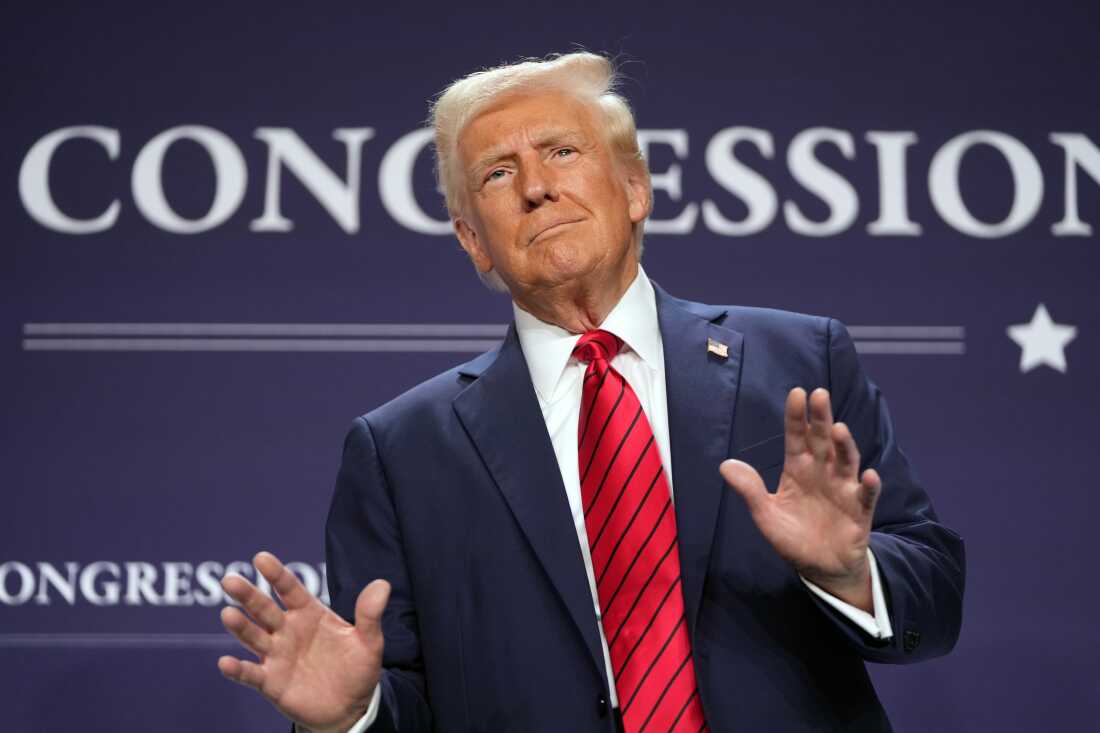
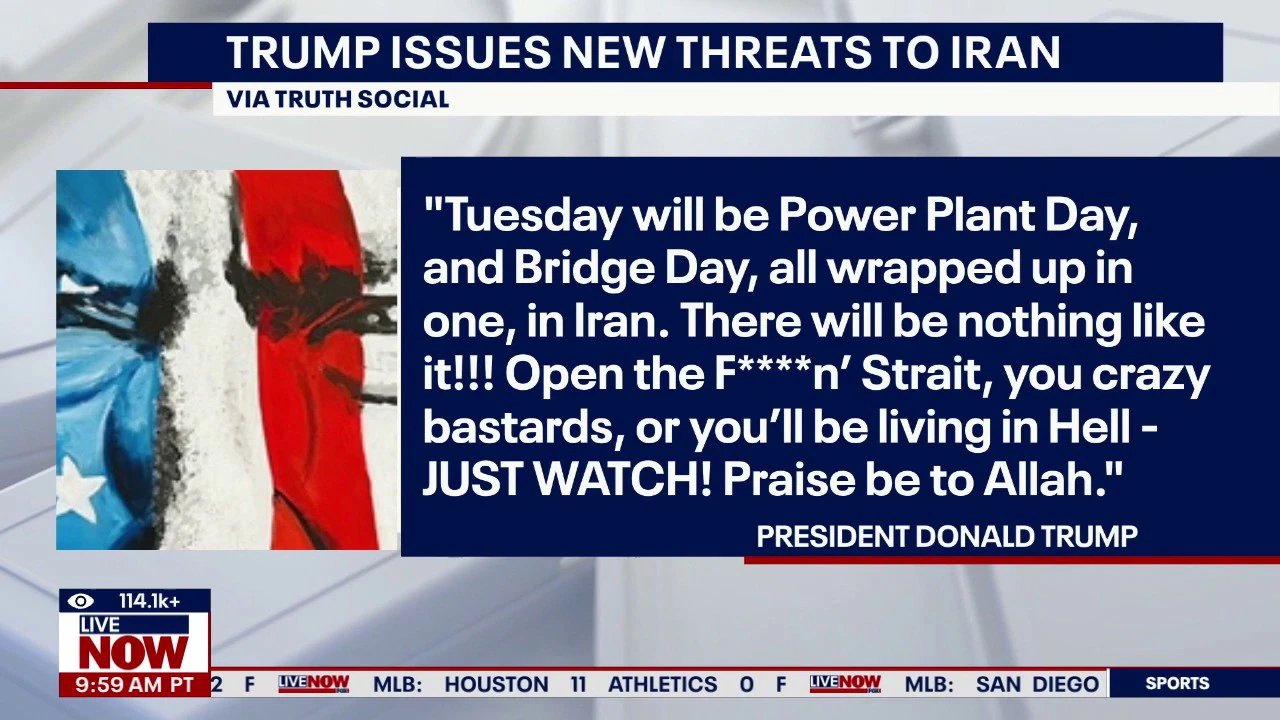
President Donald Trump and Israeli Prime Minister Benjamin Netanyahu are experiencing heightened tensions over Israel's military campaign in Lebanon. In a phone conversation with Netanyahu, Trump reportedly exploded on the call, cursing, calling him "crazy" and accusing the prime minister of "ingratitude." Israel's intensifying war in Lebanon has become the main sticking point blocking a peace deal with Iran.
Military Actions Intensify
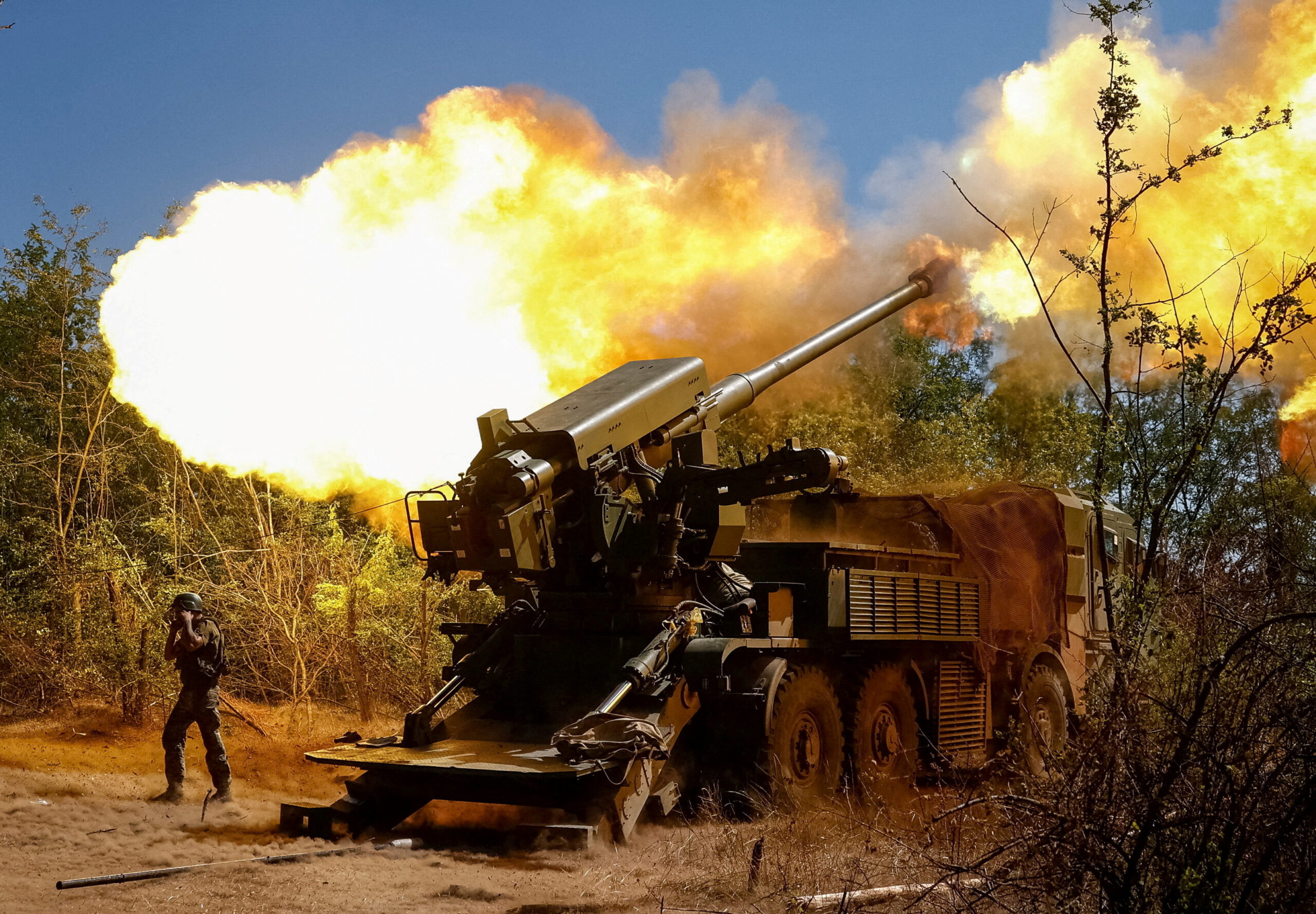
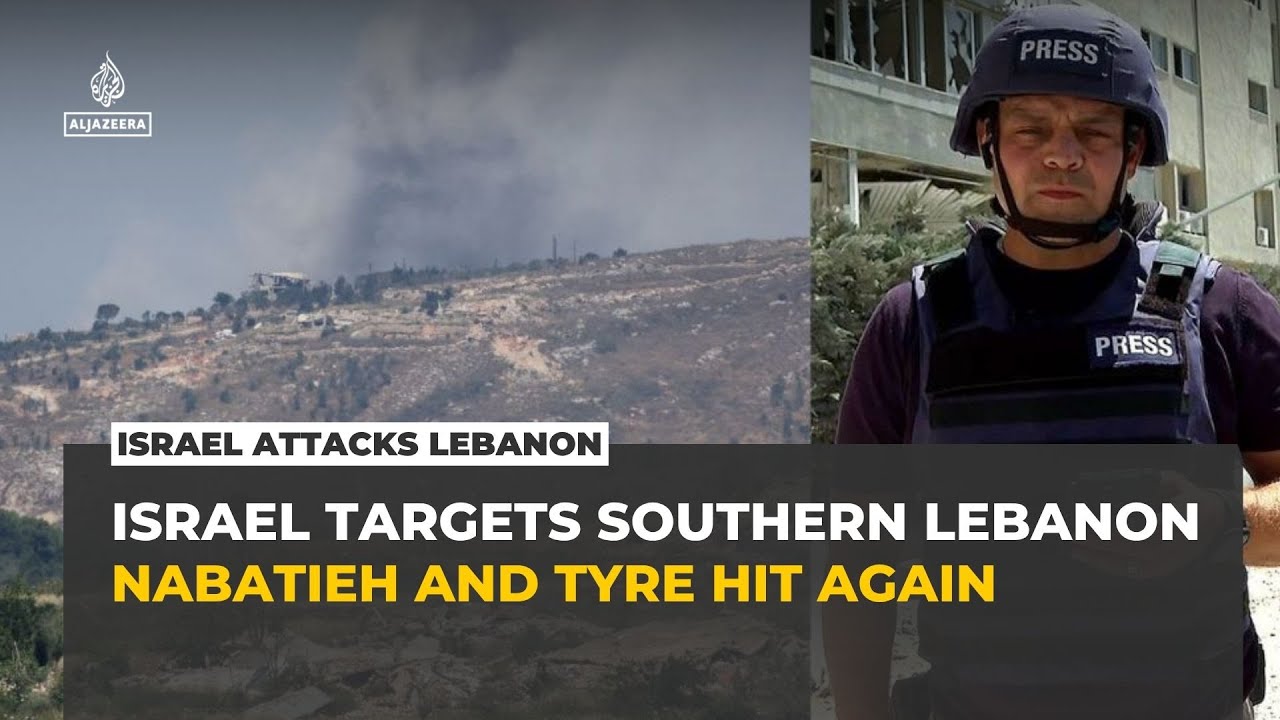
Israel's strikes in Lebanon have escalated dramatically, with air raids hitting southern cities like Tyre and Nabatiyeh. An Israeli attack on the southern Lebanese city of Tyre on Monday caused damage to the Jabal Amel hospital and destroyed a nearby building. Despite claims of a partial ceasefire, Hezbollah said its fighters had targeted Israeli tanks overnight. The ongoing violence has resulted in at least 3,433 deaths in Lebanon since the conflict began, according to local health authorities, while Israel has reported 25 soldiers and four civilians killed.
Diverging Accounts of Ceasefire
Trump announced that Israel and Hezbollah had agreed to halt hostilities. Netanyahu confirmed the agreement but said strikes on Beirut would continue "if Hezbollah does not stop attacking our cities and civilians," and that Israeli forces would still operate in southern Lebanon. While the ceasefire appears to be largely holding, there was further violence overnight.
Impact on U.S.-Iran Relations
Israel's military actions in Lebanon have become the main sticking point blocking a peace deal with Iran, with Iranian officials warning that violations of the ceasefire in Lebanon threaten the broader U.S.-Iran truce. Iran's Tasnim news agency, affiliated with Iran's Islamic Revolutionary Guard Corps, reported that Tehran could suspend indirect negotiations with the US over Israeli military actions in Lebanon. Trump's administration has attempted to disentangle the ongoing violence from its diplomatic efforts, but the link between Israel's actions and the fate of broader peace talks remains evident.
Economic Ramifications of Ongoing Conflict
The war has disrupted global oil markets, with Brent crude prices spiking nearly $5 a barrel to $97.44 amidst escalating tensions. The conflict has effectively closed the Strait of Hormuz, a crucial passage for about 20% of the world's oil supply. As military actions continue, analysts predict further volatility in energy prices, which could have significant implications for global markets and economies.
The Path Forward
As the situation in Lebanon evolves, the future of U.S.-Iran negotiations hangs in the balance, contingent on Israel's military strategy. Trump remains optimistic about achieving a peace deal, asserting that talks with Iran are progressing. However, the discord between the U.S. and Israel complicates efforts to stabilize the region. The international community watches closely, as developments in Lebanon could reshape Middle Eastern geopolitics and impact global energy security.