




Framework Agreement Signed in Washington
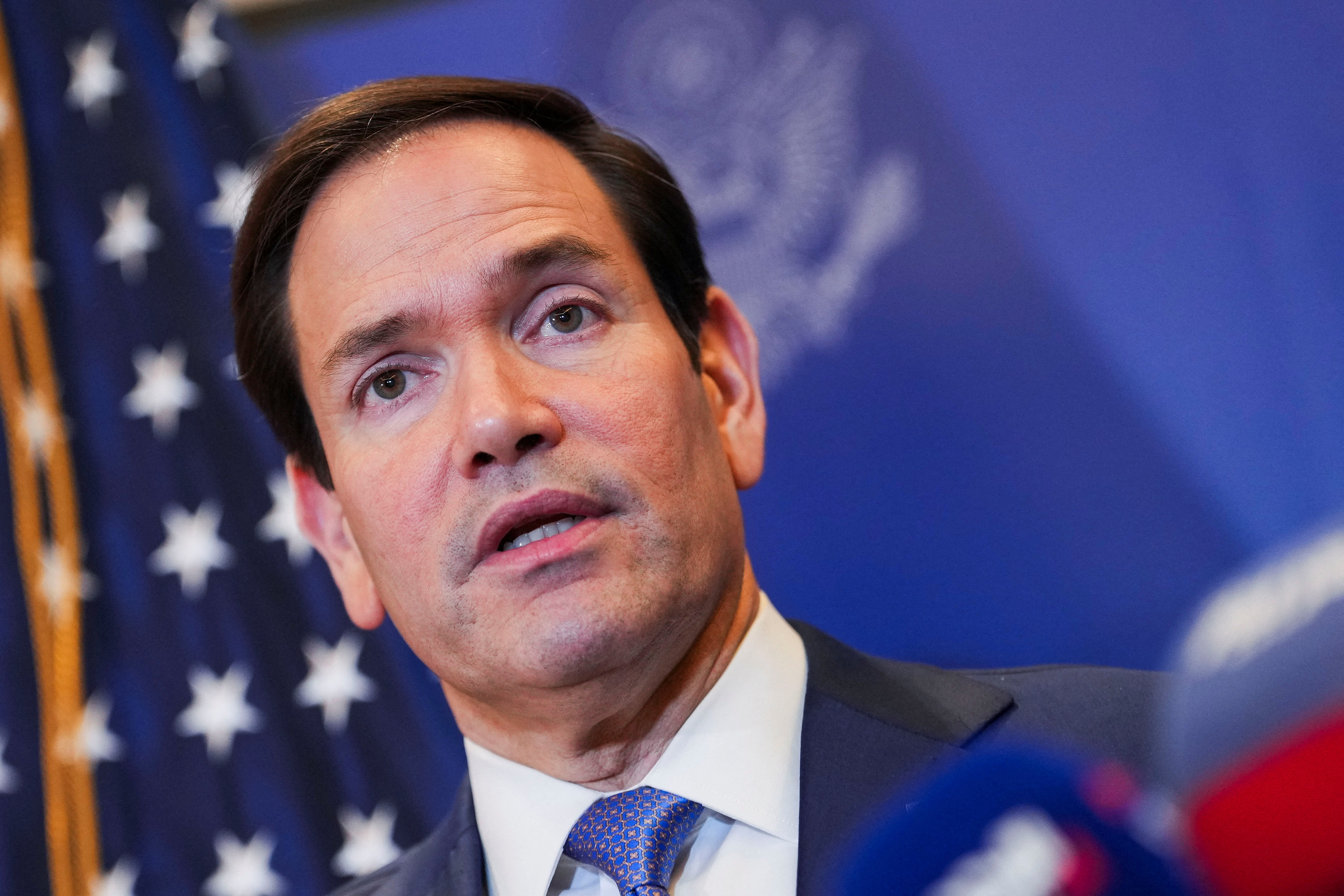
Israel and Lebanon have signed a framework agreement in Washington after several days of negotiations mediated by the U.S. U.S. Secretary of State Marco Rubio stated that the agreement begins to put in place a framework for lasting peace and security, emphasizing that it marks the beginning of a structured process to restore Lebanon's sovereignty and dismantle Hezbollah's military capabilities. The agreement was signed by the ambassadors of both nations and aims to facilitate an Israeli withdrawal from southern Lebanon, a territory Israel currently occupies.
Key Provisions of the Agreement
The 14-point framework outlines several immediate steps to de-escalate tensions. Among these, Israel will begin withdrawing from two pilot areas in southern Lebanon, allowing the Lebanese Armed Forces (LAF) to establish control there. One area is located north of the Litani River, while the other is south of it. A U.S.-led military coordination group will assist the LAF to ensure these zones are free from Hezbollah presence. The agreement also affirms each state's right to live in peace and calls for a cessation of hostile actions in international forums.
Ongoing Threats from Hezbollah
Despite the agreement, Hezbollah remains a significant obstacle to peace. The group is not a party to the framework and has openly criticized it. Hassan Fadlallah, a Hezbollah-affiliated lawmaker, warned that the Lebanese government could face a "civil war" if it attempts to enforce the agreement without addressing Hezbollah's military presence. Israeli Prime Minister Benjamin Netanyahu reiterated that Israeli forces would maintain a security zone in southern Lebanon until Hezbollah is disarmed, highlighting the fragile security situation in the region.
Humanitarian Context and Casualties
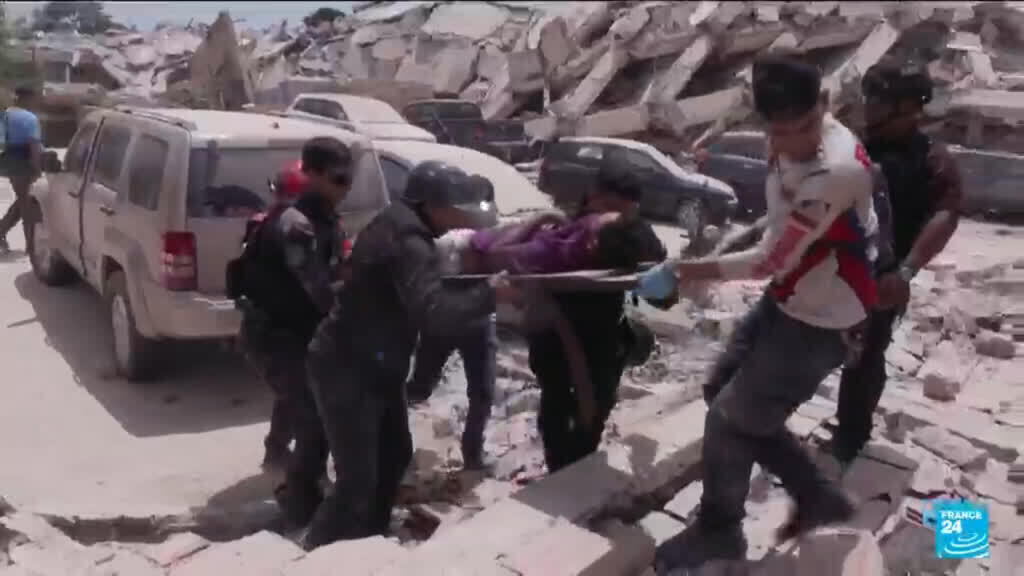
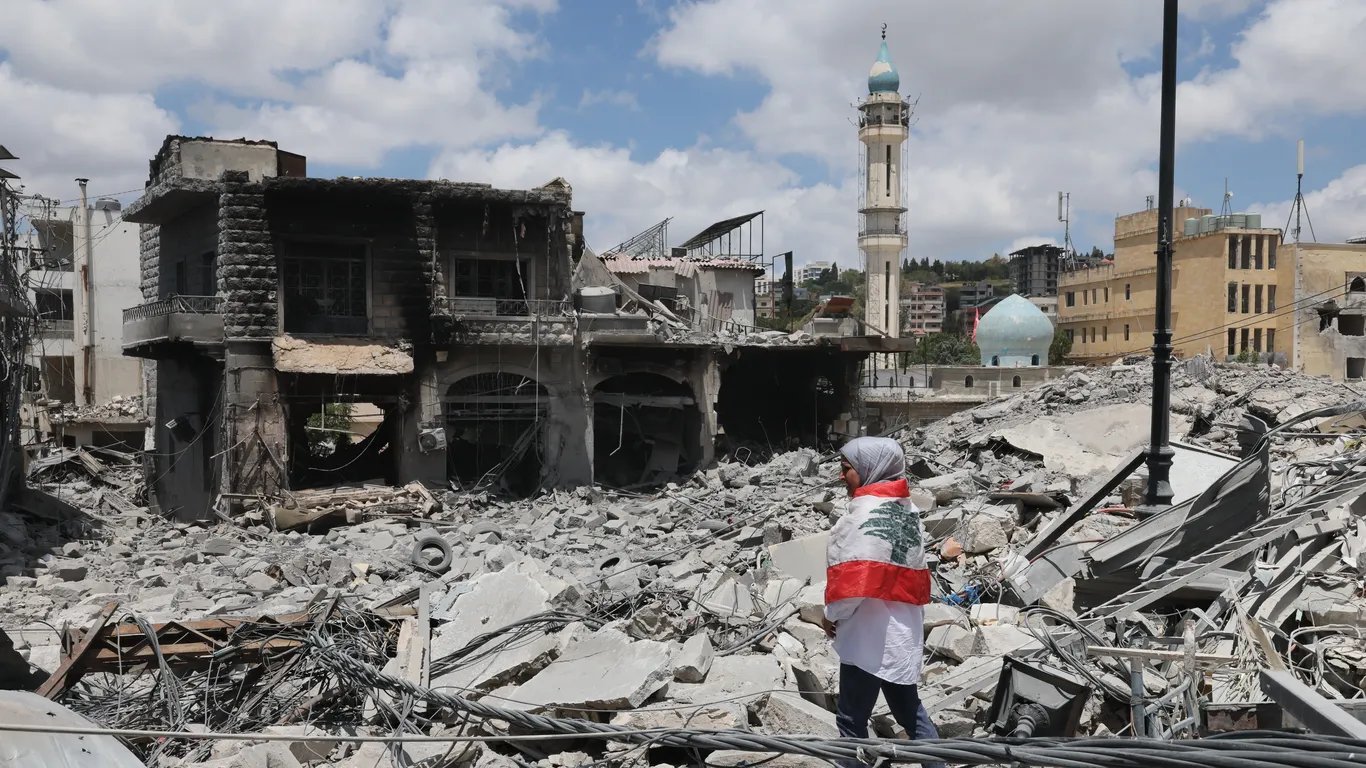
The ongoing conflict has resulted in significant casualties, with at least 4,192 reported deaths and over 11,600 injuries in Lebanon since hostilities escalated. Israeli authorities reported 36 soldiers and four civilians killed in the conflict. The humanitarian toll emphasizes the urgency of stabilizing the region, particularly as Lebanon grapples with a massive displacement crisis affecting over 1.2 million people.
U.S. Role and Regional Implications
The U.S. has positioned itself as a key mediator in the agreement, pledging $100 million in humanitarian assistance and military training for Lebanese troops. Rubio's involvement included discussions with both Netanyahu and Lebanese President Joseph Aoun to finalize the terms of the agreement. The U.S. aims to counter Iranian influence in Lebanon, particularly through its support of Hezbollah, as part of a broader strategy to stabilize the region.
Future Challenges Ahead
While the agreement represents a diplomatic breakthrough, previous ceasefires have seen violations from both sides, and the current fragile ceasefire may be tested further. The Israeli military retains the right to act against threats, complicating the potential for a lasting peace. As both nations move forward, the success of the framework will largely depend on the disarmament of Hezbollah and the establishment of stable governance in Lebanon.
The signing of this framework agreement could reshape the geopolitical landscape in the Middle East, but the path to peace remains fraught with challenges and uncertainties.