




Tehran Suspends Negotiations
Iran suspended high-stakes negotiations with the United States on Monday to protest Israel's expanding military offensive in Lebanon, according to government-aligned media. The Iranian negotiating team will suspend "talks and the exchange of texts through mediators," the semiofficial news agency Tasnim reported. Iran's foreign ministry stated that the U.S. "bears direct responsibility both for the violations of the ceasefire against Iran and for the violations committed by the Zionist regime against Lebanon."
The suspension complicates efforts to end a three-month war. The U.S. and Israel launched strikes on Iran on February 28, triggering a broader conflict that expanded when Hezbollah began firing rockets into Israel on March 2. A ceasefire went into force on April 8 but has been extended amid continued military actions by both sides.
Trump's Contradictory Messages
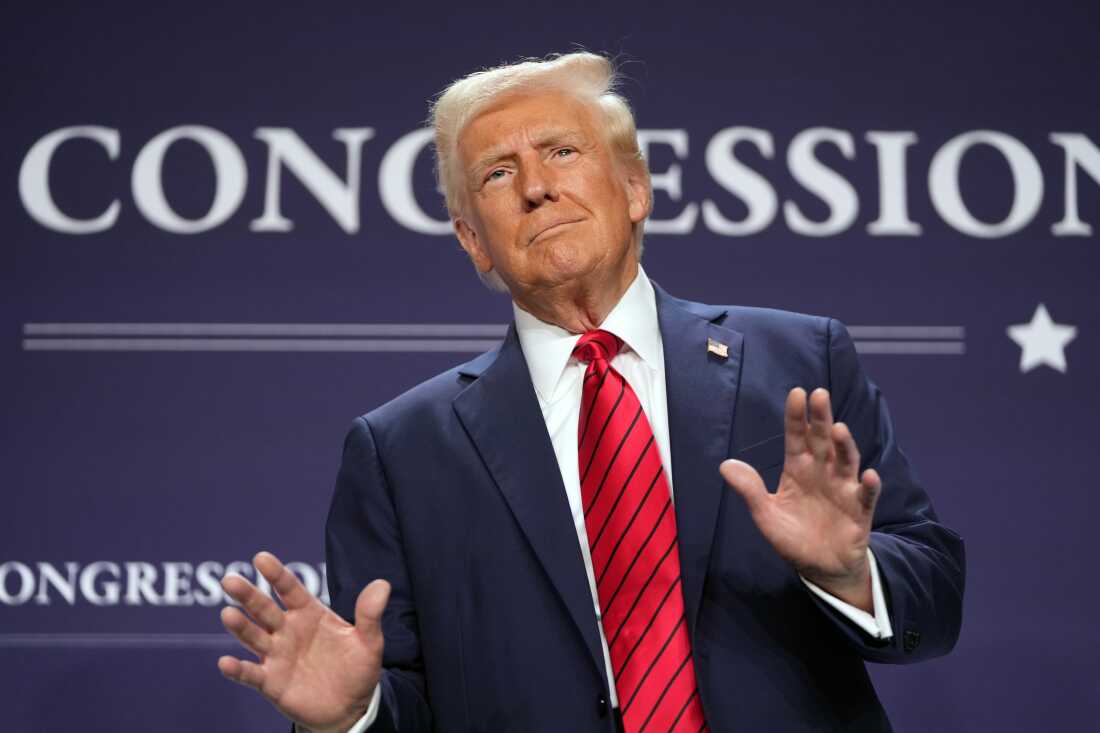
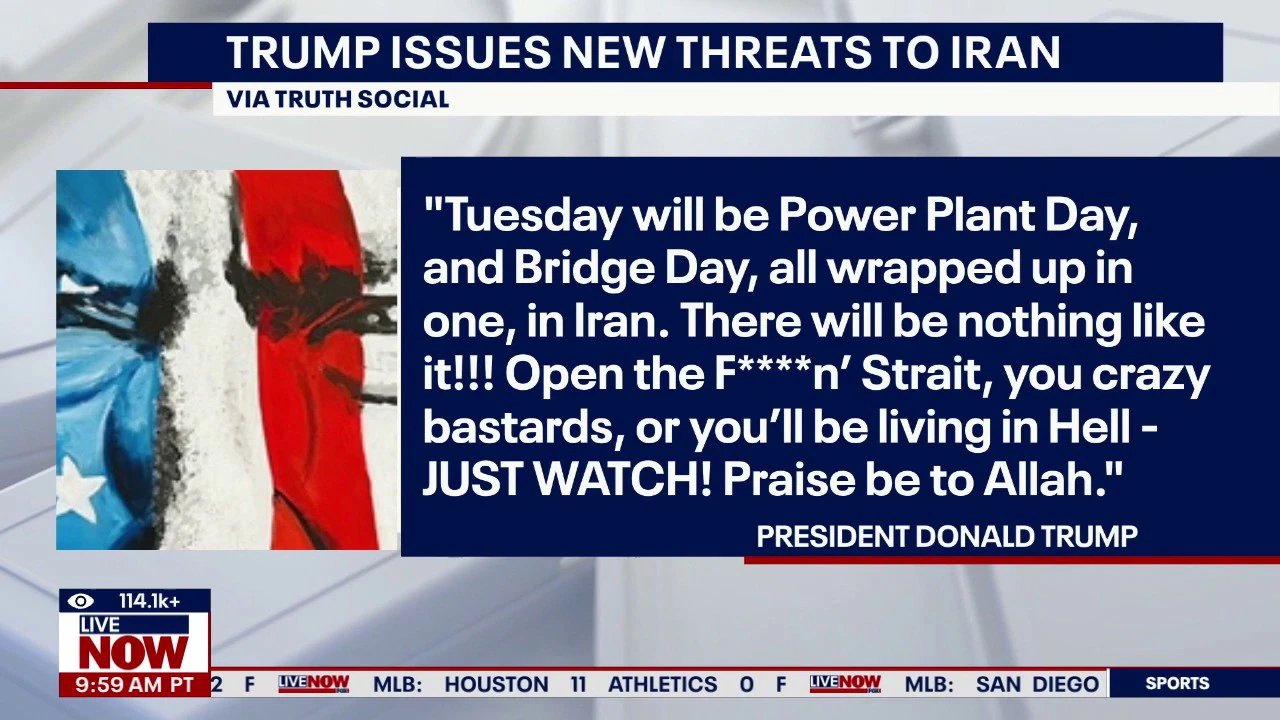
President Donald Trump told NBC News he had not been informed of Iran's decision to suspend negotiations ahead of time but that "I think it's fine if they're done talking." He added that Iran's negotiators are "better negotiators than they are fighters." Yet minutes later, Trump wrote on Truth Social that "Talks are continuing, at a rapid pace, with the Islamic Republic of Iran."
Trump also said he would maintain the U.S. naval blockade of Iranian ports. "We'll keep the blockade," he stated. "If they don't want to talk, that's OK with me. I think it's fine. I don't particularly want to talk either. We talk too much."
On the same afternoon, Trump claimed he had spoken to Israeli Prime Minister Benjamin Netanyahu and representatives from Hezbollah, stating that both sides agreed to stop attacking each other in Lebanon. He wrote that "no Troops going to Beirut" and that "all shooting will stop."
Israel's Deepening Offensive
Despite the ceasefire, Israel pressed ahead with military operations in Lebanon. Over the weekend, Israeli forces marked their deepest incursion into the country in 26 years by capturing Beaufort Castle. On Monday, Prime Minister Benjamin Netanyahu and Defense Minister Israel Katz ordered attacks on the Hezbollah-controlled southern suburbs of Beirut, known as Dahiyeh.
Netanyahu and Katz stated in a joint statement that "in light of the repeated violations of the ceasefire in Lebanon by the terrorist organization Hezbollah and the attacks on our cities and citizens," they had instructed the Israeli Defense Forces to "strike terror targets in the Dahiyeh district of Beirut."
Iran's Conditions and Threats
Iran's Foreign Minister Abbas Araghchi stated that the ceasefire between the U.S. and Iran should include Lebanon, a position Tehran has consistently demanded. "Violation on one front is a violation of the ceasefire on all fronts," he wrote on X, adding that "the U.S. and Israel are responsible for the consequences of any violation."
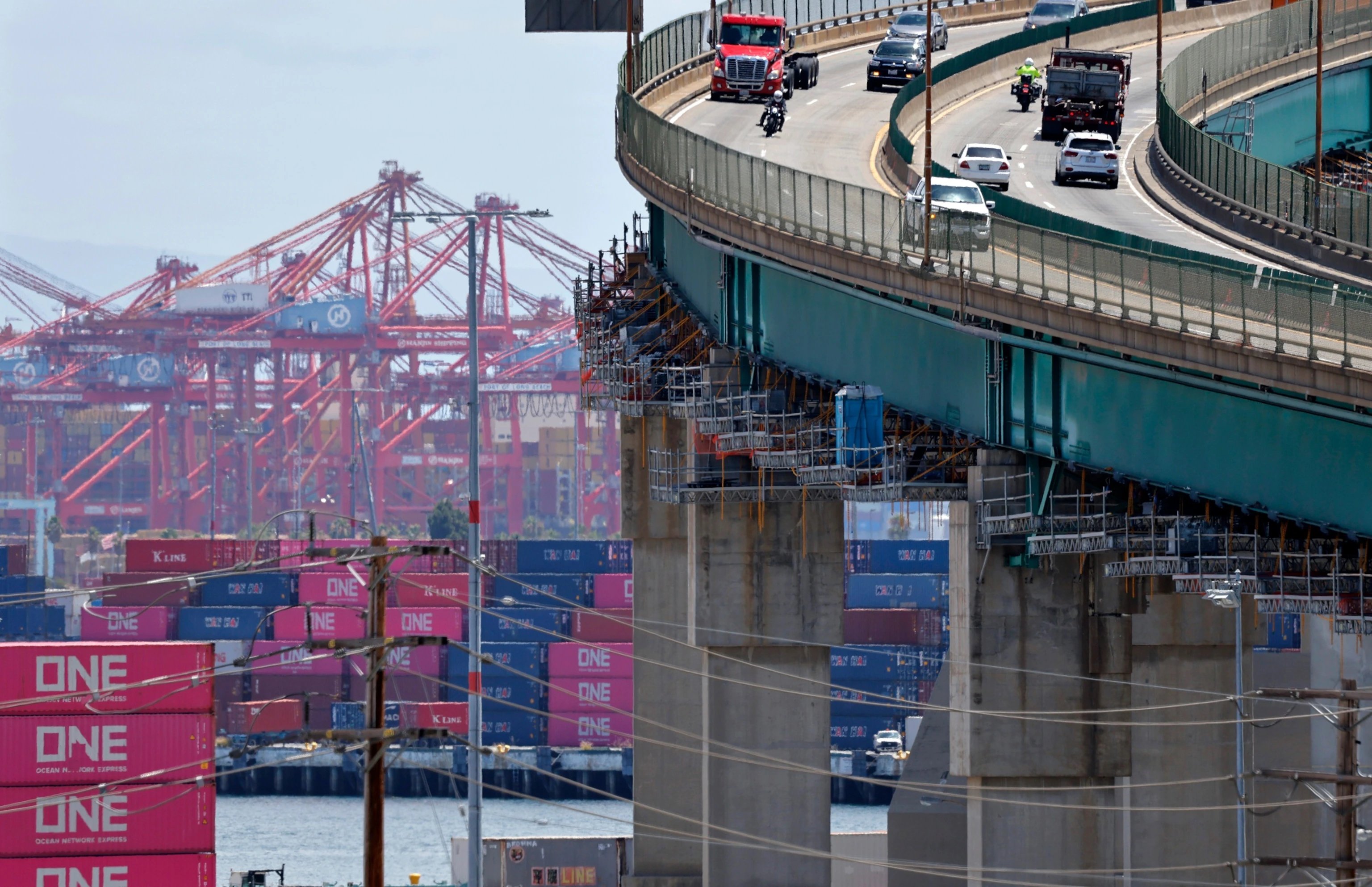
Iran's lead negotiator Mohammad Bagher Ghalibaf accused the U.S. of breaching the ceasefire through its naval blockade of Iranian ports and Israel's escalation in Lebanon, calling these "clear evidence of US noncompliance with the ceasefire." Tasnim reported that Tehran would consider a full closure of the Strait of Hormuz and would choke other waterways including the Bab el-Mandeb Strait. Oil prices surged more than $6 per barrel after the report.
Ongoing Military Clashes
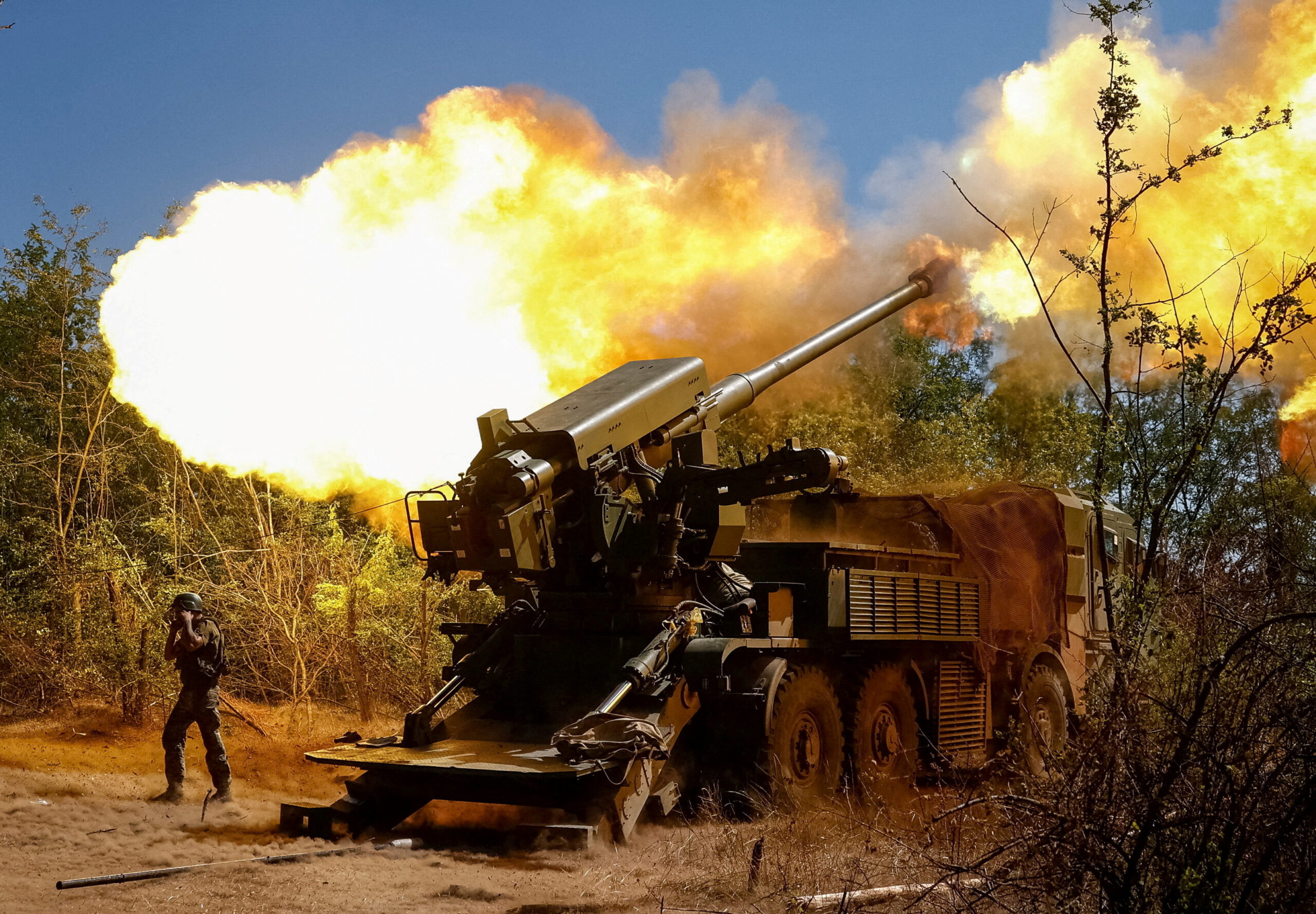
The U.S. military and Iran exchanged strikes over the weekend and into Monday. The U.S. military said it targeted radar and drone control sites in Iran around the city of Geruk and on Qeshm Island over the weekend after Iranian forces shot down a U.S. MQ-1 Predator drone. Iran's Islamic Revolutionary Guard Corps said it targeted a U.S. air base in retaliation, though it did not identify the base. Kuwait, which hosts a major U.S. base, reported intercepting incoming drone and missile fire on Monday.
Foreign Ministry spokesman Esmaeil Baqaei said negotiations were taking place "amid severe suspicion and mistrust," with the U.S. "constantly changing its views and putting forward new or contradictory demands." He emphasized that "a ceasefire in Lebanon is an essential condition for any deal aimed at ending the war" and that there were currently no negotiations with the U.S. over Tehran's nuclear program.