Policy Shift in Capital Punishment
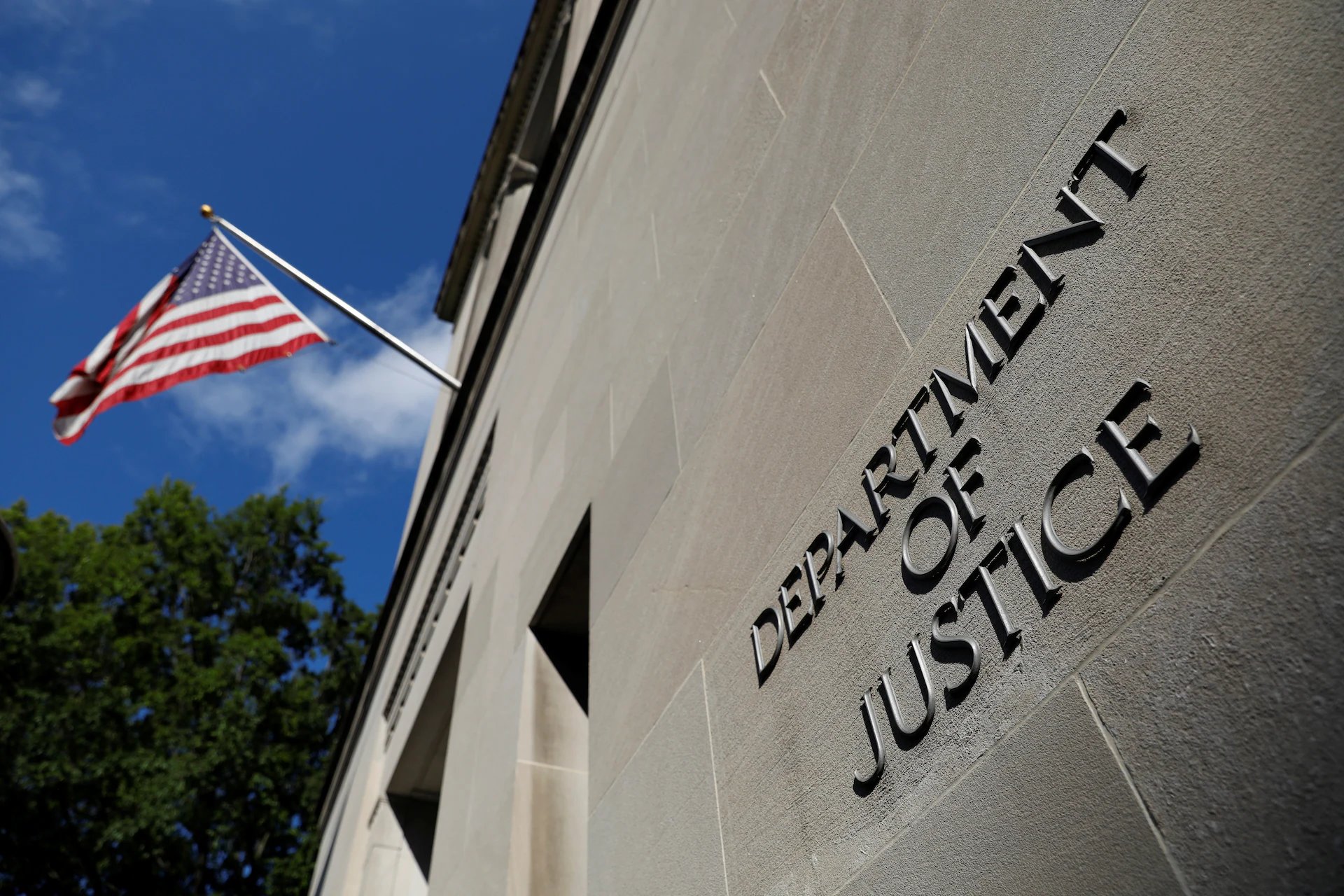
The Justice Department announced on Friday the reinstatement of firing squads and the drug pentobarbital for federal executions, marking a significant policy shift under President Donald Trump's administration. This decision aims to "strengthen" the federal death penalty, which the department claims is essential for delivering justice and closure for victims' families. The new protocols include both lethal injection and firing squad methods, expanding the options available for capital punishment.
Executive Order on Death Penalty
On the first day of his second administration, President Trump signed an executive order mandating the pursuit of the death penalty for severe crimes, particularly in cases involving the murder of law enforcement officers and crimes committed by illegal immigrants. The Justice Department stated that these measures aim to deter severe crimes and restore the federal death penalty, which had been paused during the Biden administration.
Lifting the Moratorium
The Biden administration had instituted a moratorium on federal executions, during which time 37 of the 40 inmates facing death sentences had their sentences commuted to life without parole. In February 2025, former Attorney General Pam Bondi lifted this moratorium, directing federal prosecutors to seek the death penalty in relevant cases, including the trial of Luigi Mangione, accused of killing the CEO of UnitedHealthcare.
Criticism of Previous Administration
Acting Attorney General Todd Blanche criticized the previous administration for what he termed a failure to protect the public by not pursuing the death penalty. He stated that the Biden administration's actions had transformed death sentences into life sentences, effectively undermining the legal framework for capital punishment. The Justice Department's report also dismissed concerns regarding the use of pentobarbital, asserting that it does not violate the Eighth Amendment, which prohibits cruel and unusual punishments.
Controversial Methods
The reauthorization of firing squads as a method of execution is controversial, as only five states currently allow this practice. The Death Penalty Information Center, an advocacy group, estimates that at least 202 people in the U.S. have been exonerated since 1973 after receiving death sentences.
Global Context of Capital Punishment
While the United States maintains capital punishment, a growing number of countries are moving towards abolishing it. Approximately 141 nations have eliminated the death penalty, with only 55 countries still permitting it. The stark contrast in global trends raises questions about the future of capital punishment in the U.S., especially as public sentiment continues to evolve.
Next Steps for the DOJ
The Justice Department's report calls on the Federal Bureau of Prisons to consider expanding federal death row and constructing additional facilities to permit additional manners of execution. This move aims to streamline the process for carrying out capital sentences once inmates have exhausted their appeals. As the administration advocates for these changes, the implications for the justice system and the lives of death row inmates remain profound and contentious.