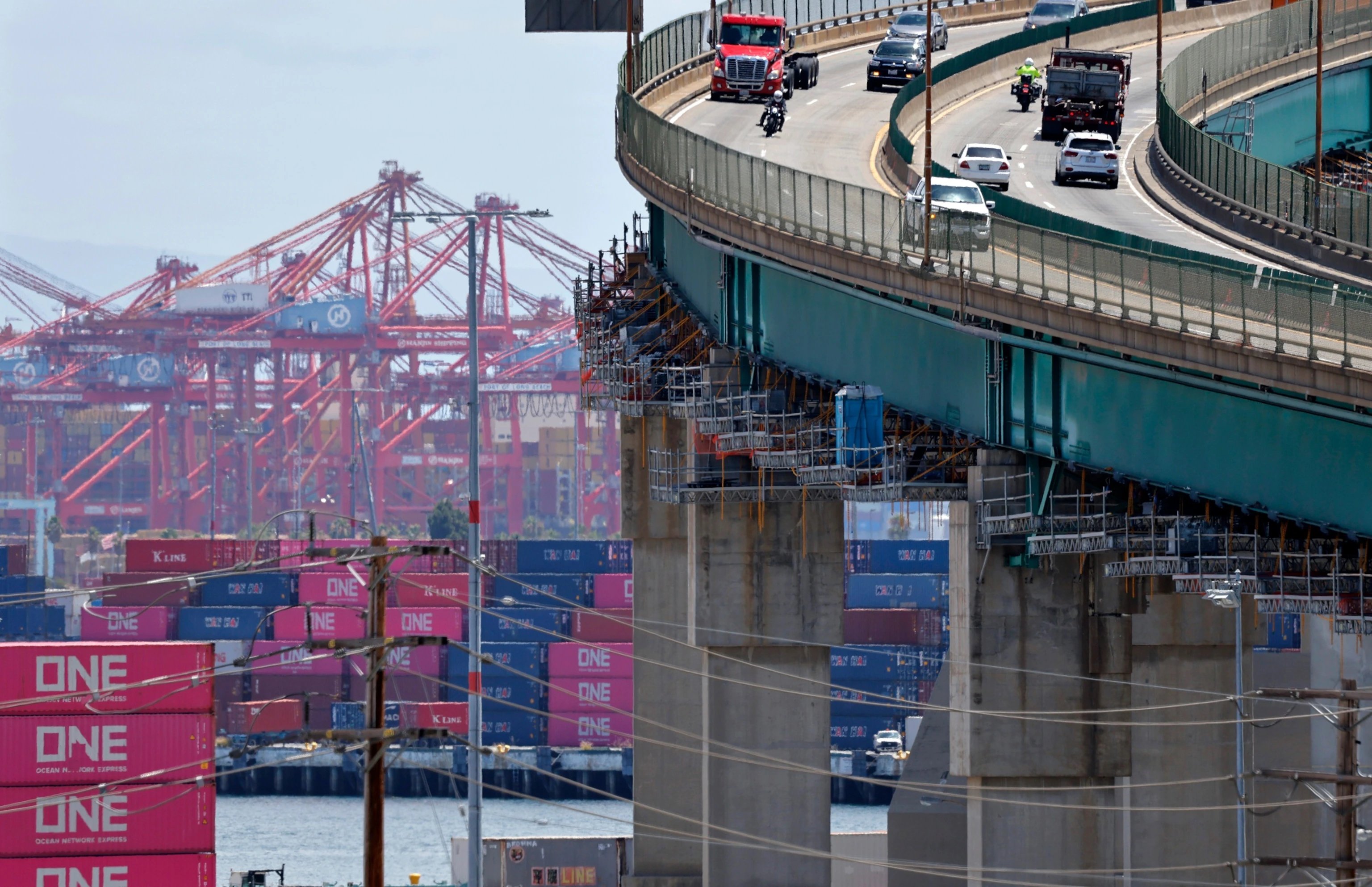
Canada has formally submitted a request to the United States and Mexico to extend the North American free trade agreement, known as USMCA, for an additional 16 years. As stated by Canada-US trade minister Dominic LeBlanc, the deal is "highly beneficial" to all parties involved. This request comes ahead of a July 1 deadline to renegotiate the pact, which has intertwined the economies of the United States, Mexico, and Canada since the early 1990s.
The formal request is made amidst growing domestic pressure on Prime Minister Mark Carney to secure a deal with the U.S., with Canada's lagging economic growth and high youth unemployment rate being significant concerns. LeBlanc is set to meet with U.S. trade representative Jamieson Greer to discuss not only the extension but also sectoral tariffs, which have been a point of contention. Canada seeks the removal or reduction of U.S. tariffs on its steel, aluminium, automobiles, and lumber, while the U.S. has called for greater access to Canadian markets, particularly in dairy, and has proposed stricter automotive rules of origin.
The negotiations have been fraught with tension, with trade discussions between the U.S. and Canada frozen since late last year. The U.S. has cited provincial decisions to remove American alcohol from shelves—a response to Trump's tariffs—as a trade irritant. Greer has indicated that Canada may have to accept some tariffs if it wants to engage with the U.S. on reviewing the agreement.
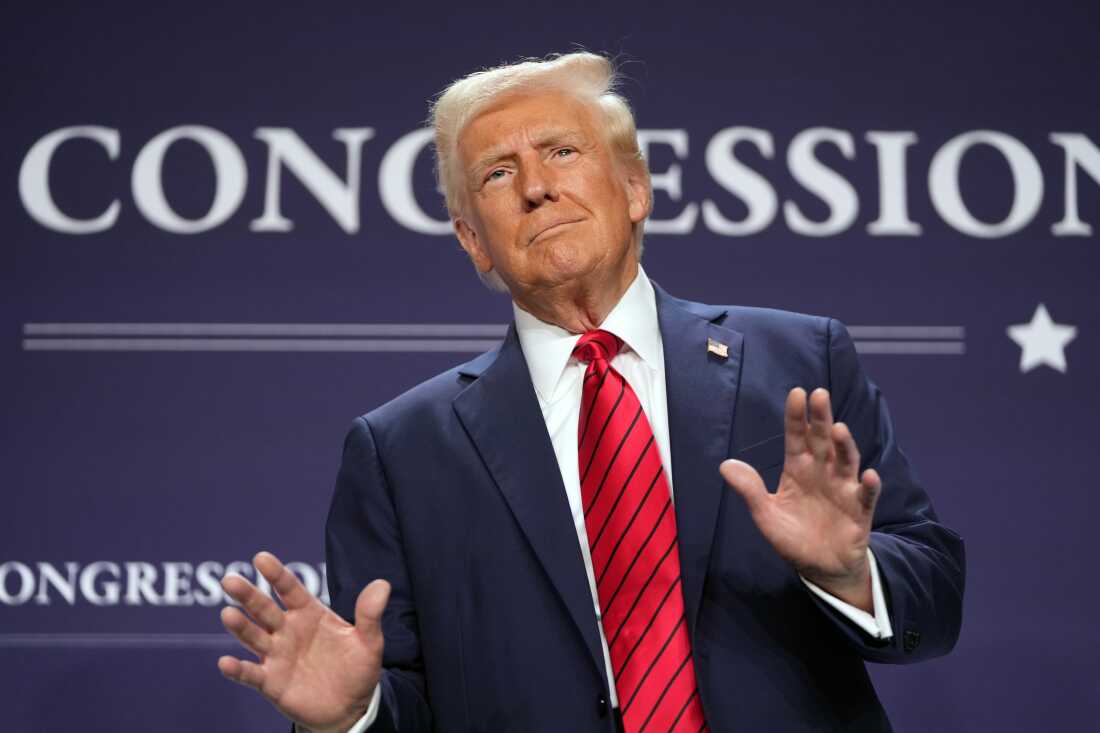
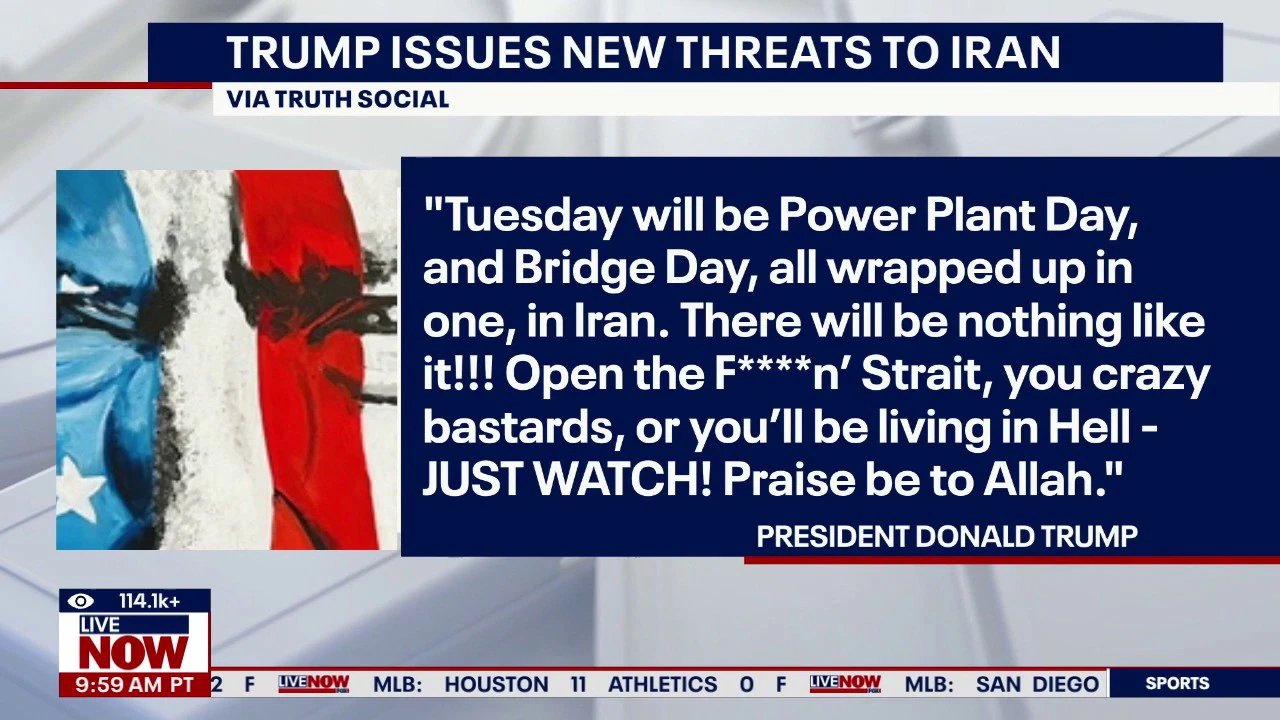
The request for the USMCA extension is further complicated by political posturing, with President Trump recently reviving "51st state" rhetoric on social media, angering Canadians and leading to a strong response from Ontario Premier Doug Ford, who stated, "Canada will never be the 51st state. Canada is not for sale." This rhetoric adds another layer of complexity to the already challenging negotiations.
If Canada, the U.S., and Mexico do not agree to extend the USMCA by July 1, the pact would revert to annual reviews until 2036.
Canada has formally submitted a request to the United States and Mexico to extend the North American free trade agreement, known as USMCA, for an additional 16 years. As stated by Canada-US trade minister Dominic LeBlanc, the deal is “highly beneficial” to all parties involved. This request comes ahead of a crucial July deadline to renegotiate the pact, which governs billions in U.S. trade and has significant implications for the economies of all three countries.
The formal request is made amidst growing domestic pressure on Prime Minister Mark Carney to secure a deal with the U.S., with Canada’s lagging economic growth and high youth unemployment rate being significant concerns. LeBlanc is set to meet with U.S. trade representative Jamieson Greer to discuss not only the extension but also sectoral tariffs, which have been a point of contention. Canada seeks the removal or reduction of U.S. tariffs on its steel, aluminium, automobiles, and lumber, while the U.S. has called for greater access to Canadian markets, particularly in dairy, and has proposed stricter automotive rules of origin.
The negotiations have been fraught with tension, with trade discussions between the U.S. and Canada frozen since late last year. The U.S. has cited multiple trade irritants with Canada, including provincial decisions to remove American alcohol from shelves in response to tariffs imposed by President Trump. Greer has indicated that Canada may have to accept some form of U.S. levies if it wants to engage with the U.S. on reviewing the agreement.
The request for the USMCA extension is further complicated by political posturing, with President Trump recently reviving "51st state" rhetoric on social media, angering Canadians and leading to a strong response from Ontario Premier Doug Ford, who stated, "Canada will never be the 51st state. Canada is not for sale." This rhetoric adds another layer of complexity to the already challenging negotiations.
If Canada, the U.S., and Mexico do not agree to extend the USMCA by July 1, the pact would revert to annual reviews until 2036, introducing a degree of uncertainty that could impact trade relations and economic planning. The outcome of these negotiations will not only shape the economic landscape of North America but also have far-reaching consequences for international trade dynamics and the political relationships between these neighboring nations.
Highlighted text was flagged by the council. Tap to see feedback.










The sources also report that Canada’s chief trade negotiator Janice Charette will accompany LeBlanc to the meeting with Greer.