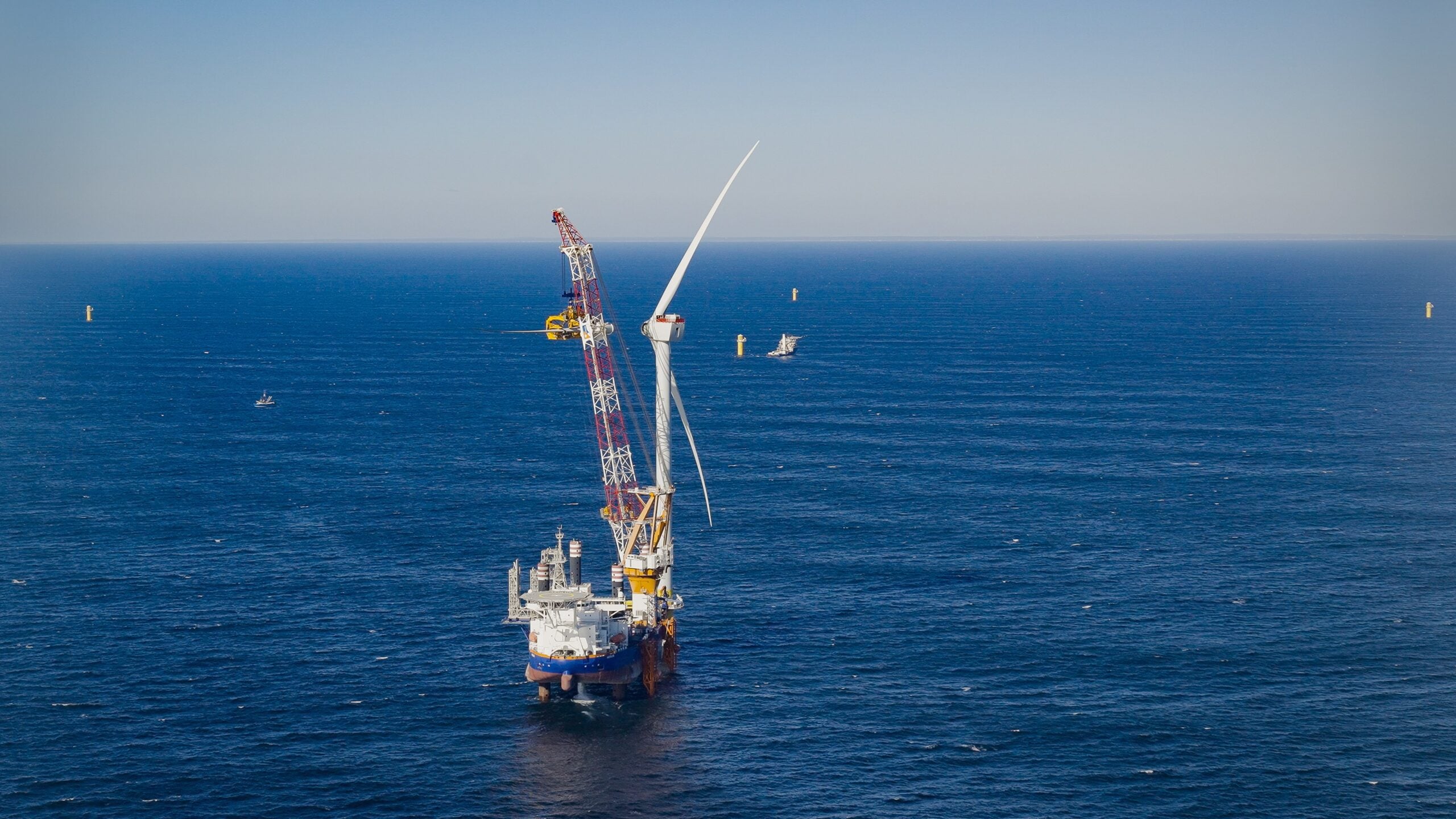
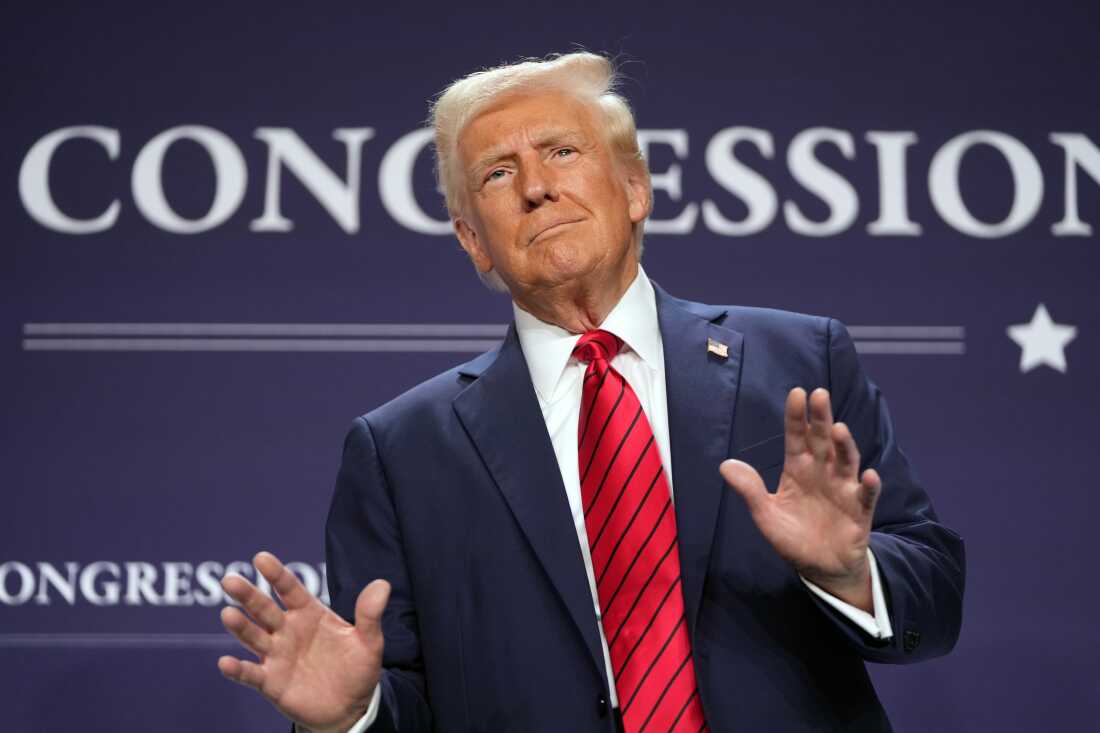
Seven blue states have initiated legal action to block a controversial deal orchestrated by the Trump administration. New York, Connecticut, Maine, Massachusetts, New Jersey, Rhode Island, and Vermont filed a lawsuit aiming to reverse a decision that would allow a French company to abandon its rights to develop offshore wind farms in exchange for significant investments in fossil fuels. The states argue that this deal undermines their commitment to renewable energy and violates environmental regulations.
The lawsuit asserts that the deal contravenes existing laws designed to promote clean energy initiatives. The states contend that the cancellation of the wind lease, which was set to support the development of renewable energy sources, poses a direct threat to their energy policies and climate goals.
The deal's ramifications extend beyond environmental concerns, with potential economic impacts on job creation in the renewable energy sector. The states argue that by prioritizing fossil fuel investments, the Trump administration is jeopardizing these economic opportunities.
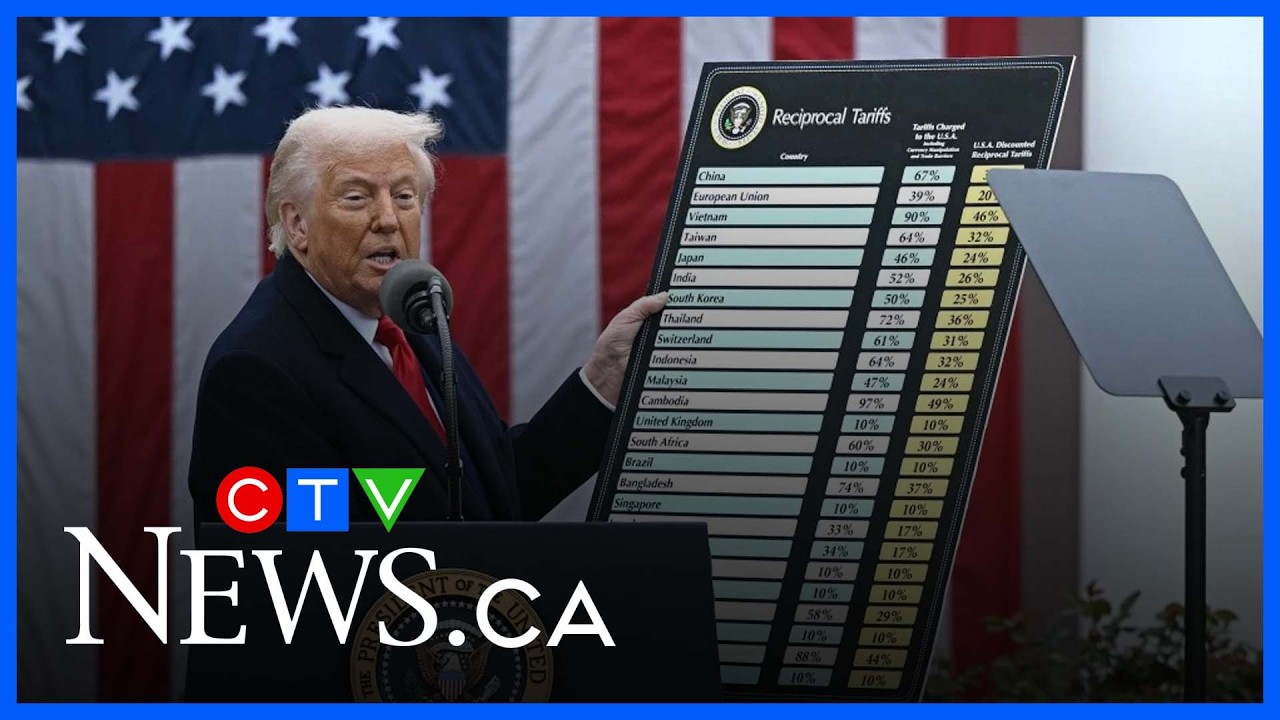
This lawsuit occurs against a backdrop of increasing tension between traditional energy sectors and renewable initiatives. According to Reuters (May 3, 2026), the Trump administration halted U.S. onshore wind development, citing national security concerns.
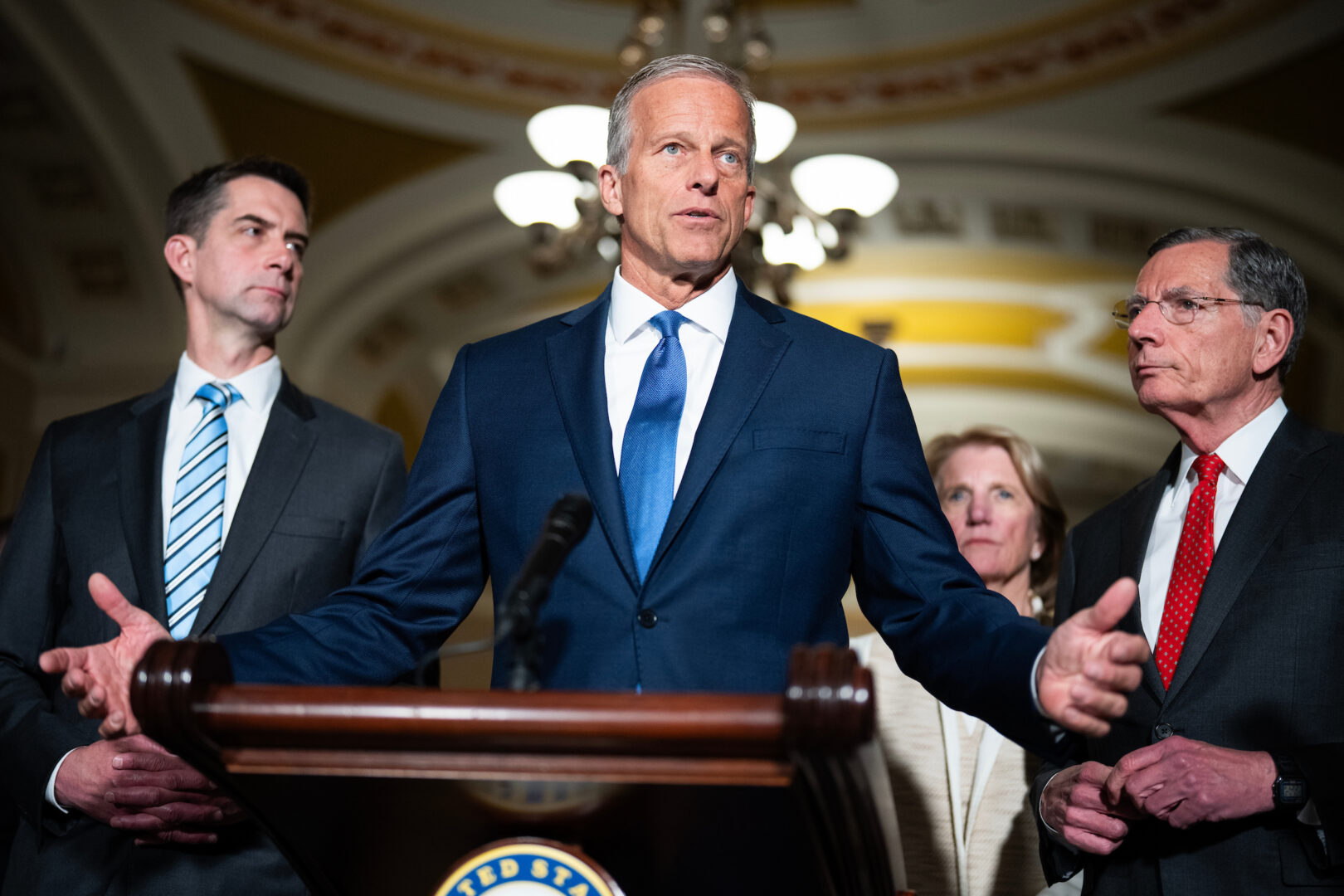
Reactions to the lawsuit have been mixed. Supporters of the deal, including certain energy sector representatives, argue that fossil fuel investments are essential for economic stability and energy independence. They contend that transitioning to renewable energy too quickly could lead to energy shortages and economic downturns. However, opponents maintain that the long-term benefits of renewable energy far outweigh short-term fossil fuel gains, urging a comprehensive approach to energy policy that prioritizes sustainability.
As the legal battle unfolds, the outcome could have significant implications for energy policy and environmental regulations in the United States. The lawsuit not only challenges the current administration's energy strategy but also sets a precedent for how states can respond to federal energy decisions. The blue states are prepared to fight for their renewable energy future, hoping to influence national policy and protect their environmental interests.
Seven blue states have initiated legal action to block a controversial deal orchestrated by the Trump administration. New York, Connecticut, Maine, Massachusetts, New Jersey, Rhode Island, and Vermont filed a lawsuit aiming to reverse a decision that would allow a French company to abandon its rights to develop offshore wind farms in exchange for significant investments in fossil fuels. The states argue that this deal undermines their commitment to renewable energy and violates environmental regulations.
The lawsuit asserts that the deal contravenes existing laws designed to promote clean energy initiatives. The states contend that the cancellation of the wind lease, which was set to support the development of renewable energy sources, poses a direct threat to their energy policies and climate goals. New York Attorney General Letitia James emphasized the importance of maintaining a robust offshore wind industry, stating, "We will not allow this administration to sacrifice our clean energy future for the benefit of fossil fuel interests."
The deal’s ramifications extend beyond environmental concerns, with potential economic impacts on job creation in the renewable energy sector. According to estimates, the offshore wind industry could create thousands of jobs and generate billions in revenue. The states argue that by prioritizing fossil fuel investments, the Trump administration is jeopardizing these economic opportunities. Massachusetts Governor Maura Healey highlighted the necessity of transitioning to clean energy, saying, "This lawsuit is about protecting jobs and ensuring a sustainable future for our communities."
This lawsuit occurs against a backdrop of increasing tension between traditional energy sectors and renewable initiatives. The Trump administration has faced criticism for its stance on wind energy, with reports indicating that it halted U.S. onshore wind development citing national security concerns. The cancellation of wind projects has raised alarms among environmental advocates, who argue that such actions threaten progress toward reducing carbon emissions.
Reactions to the lawsuit have been mixed. Supporters of the deal, including certain energy sector representatives, argue that fossil fuel investments are essential for economic stability and energy independence. They contend that transitioning to renewable energy too quickly could lead to energy shortages and economic downturns. However, opponents maintain that the long-term benefits of renewable energy far outweigh short-term fossil fuel gains, urging a comprehensive approach to energy policy that prioritizes sustainability.
As the legal battle unfolds, the outcome could have significant implications for energy policy and environmental regulations in the United States. The lawsuit not only challenges the current administration's energy strategy but also sets a precedent for how states can respond to federal energy decisions. The blue states are prepared to fight for their renewable energy future, hoping to influence national policy and protect their environmental interests.
Highlighted text was flagged by the council. Tap to see feedback.