




The lawsuit and its scope
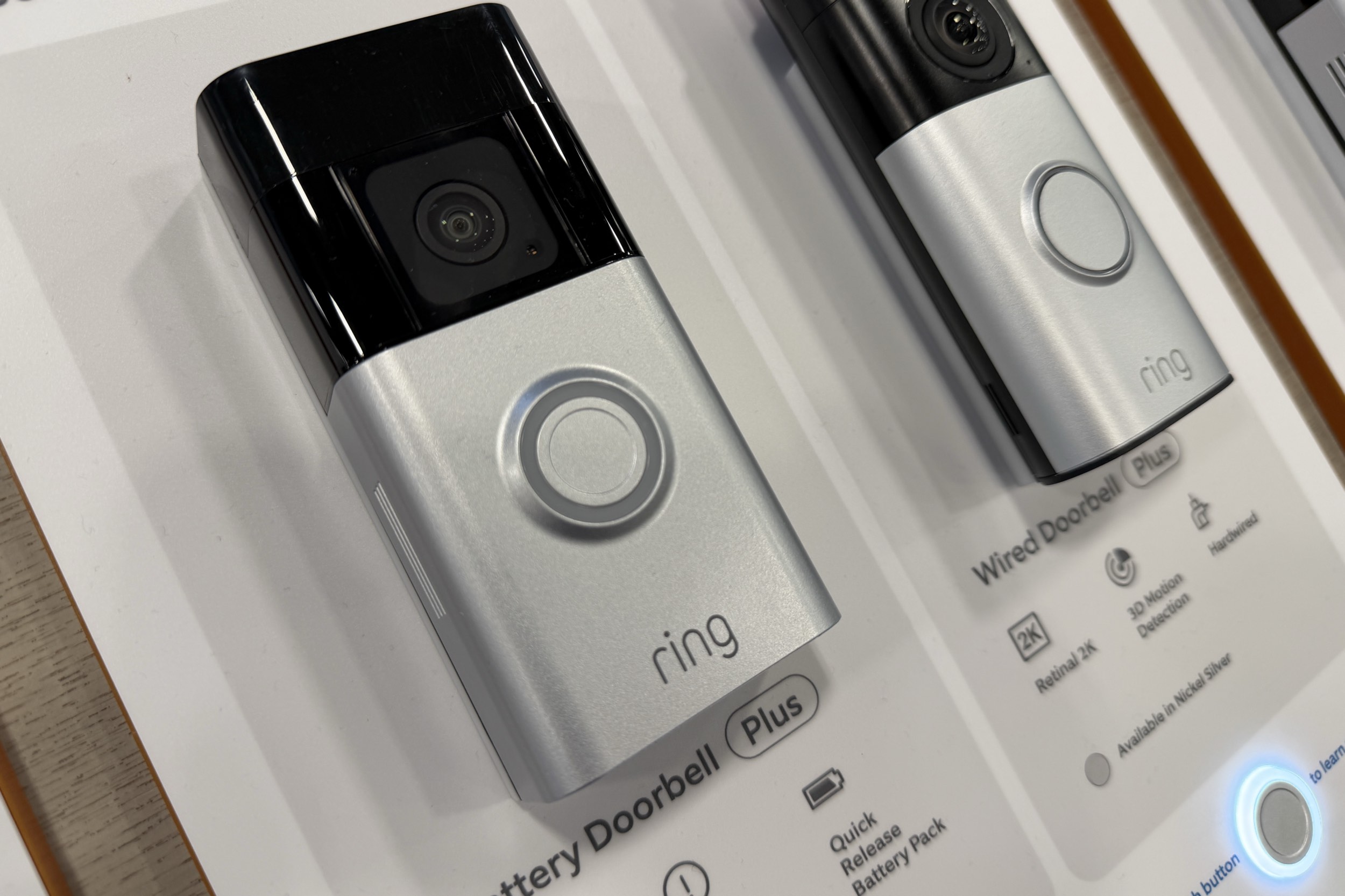
Charles Sigwalt, a Virginia resident, filed a class-action lawsuit Monday in federal court in Seattle against Amazon over Ring's "Familiar Faces" feature, which uses facial recognition technology to scan and identify people who approach doorbell cameras. The suit alleges that Ring collected Sigwalt's facial data without his knowledge or permission while he visited friends' and family members' homes. According to the complaint, the system creates a "face print" that allows Ring to re-identify individuals each time the technology scans them.
The lawsuit seeks damages exceeding $5 million and aims to represent all Americans whose faces were recorded by Ring cameras since the feature launched. Sigwalt proposes a nationwide class of all people in the US whose faces were scanned, plus a subclass for Virginia residents specifically.
How Familiar Faces works
Instead of a generic notification saying "Person at Front Door," owners receive alerts with names, such as "John at Front Door." The system learns to recognize friends, family, and frequent visitors over time, according to Ring's website.
The lawsuit describes the technology's mechanics in detail: "Familiar Faces uses facial recognition technology to scan the face of all guests and passersby before categorizing who they are using artificial intelligence. AI then collects a 'face print' of the respective person and translates it into a unique patchwork of numbers that allows Ring to re-identify who that person is each time Familiar Faces deploys facial recognition on them." Camera owners can create a personal directory of up to 50 familiar faces and can turn the feature on or off.
The consent problem
The core allegation centers on people who never agreed to facial scanning. Sigwalt's complaint states: "When plaintiffs and class members entered the homes and businesses of places which had Ring cameras that deployed Familiar Faces, they did not consent to have their privacy rights violated at the entrance way." The complaint alleges that visitors, delivery drivers, postal workers, and others have no consent mechanism for facial scanning and cannot opt out of being scanned by Ring cameras.
Senator Edward Markey of Massachusetts has raised the same concern. In a February letter summarizing Amazon's responses to his inquiries, Markey noted that "Ring's privacy protections apply only to device owners who may 'opt in' to the Familiar Faces feature, while providing no comparable consent mechanism for individuals unknowingly subjected to facial recognition." Markey also revealed that people seeking deletion of their biometric data must request removal from each individual Ring device owner separately, forcing people to make separate deletion requests for every home they visit.
Selective enforcement raises questions
The lawsuit highlights an apparent inconsistency in Ring's approach. Ring told The Washington Post that Familiar Faces will not be available in Texas, Illinois, or Portland, Oregon because those jurisdictions have strict laws banning biometric facial recognition surveillance. The complaint argues this demonstrates Ring's ability to comply with privacy protections: "Ring clearly has the ability to follow biometric privacy laws with respect to the Familiar Faces feature—but it deliberately chooses not to."
Legal violations alleged
Sigwalt's complaint charges violations of federal and state law. It alleges Ring violates Section 5 of the Federal Trade Commission Act, which prohibits deceptive and unfair trade practices, particularly when companies engage in "surreptitious and unexpected collection or use of biometric information." The suit also cites Virginia state law prohibiting the use of people's pictures for purposes of trade without their consent.
Additional allegations include intrusion upon seclusion, negligence, and unjust enrichment. The complaint asserts that Amazon profited from increased Ring camera sales due to the Familiar Faces feature without compensating the millions of people whose biometric data was collected and retained.
Prior enforcement actions and advocacy
This lawsuit follows a pattern of regulatory scrutiny of Ring's privacy practices. In 2023, the Federal Trade Commission filed suit claiming Ring gave thousands of employees and contractors access to customers' private video recordings and failed to protect security, leading to hackers threatening or sexually propositioning Ring owners. Amazon settled that case for $5.8 million without admitting wrongdoing.
The Electronic Frontier Foundation warned in November that Familiar Faces would scan "many people who have not consented to a face scan, including friends and family, political canvassers, postal workers, delivery drivers, children selling cookies, or maybe even some people passing on the sidewalk." The nonprofit urged regulators to investigate and protect people's privacy.