






Shareholders greenlight the merger
Warner Bros. Discovery shareholders voted overwhelmingly on Thursday to approve the sale of the company to Paramount Skydance, clearing a major hurdle for what would become one of the world's largest media conglomerates. Under the terms, shareholders will receive $31 per share, representing a 147% premium. The deal values the combined company at nearly $111 billion including debt.
CEO David Zaslav said in a statement that the approval represents "another key milestone toward completing this historic transaction that will deliver exceptional value to our stockholders." Warner Bros. chair Samuel DiPiazza added that the companies look forward to "creating an exceptional combined company that will expand consumer choice and benefit the global creative talent community."
What the merger combines
The deal would bring together two of Hollywood's remaining five legacy studios along with their sprawling media empires. Warner Bros. Discovery owns HBO Max, the Warner Bros. film production company, CNN, the Food Network, the Discovery Channel and various sports offerings. Paramount's portfolio includes CBS, Paramount Pictures, Comedy Central and Nickelodeon, plus the Paramount+ streaming service.
If approved by regulators, Paramount would fold HBO Max's customers into its streaming platform and consolidate the two major news networks, CBS and CNN, under single ownership.
Executive pay draws shareholder rebuke
While shareholders approved the deal, they cast an advisory vote against executive compensation plans tied to the merger. Under the proposed pay packages, CEO David Zaslav could receive up to $887 million if the sale is completed. Proxy advisor ISS had said Zaslav's potential payout was "extremely large."
Analyst Paolo Pescatore of PP Foresight said that "management now faces a twofold challenge: securing regulatory approval for the deal and proving it can create long-term value without fuelling concerns around excessive pay."
Regulatory hurdles remain
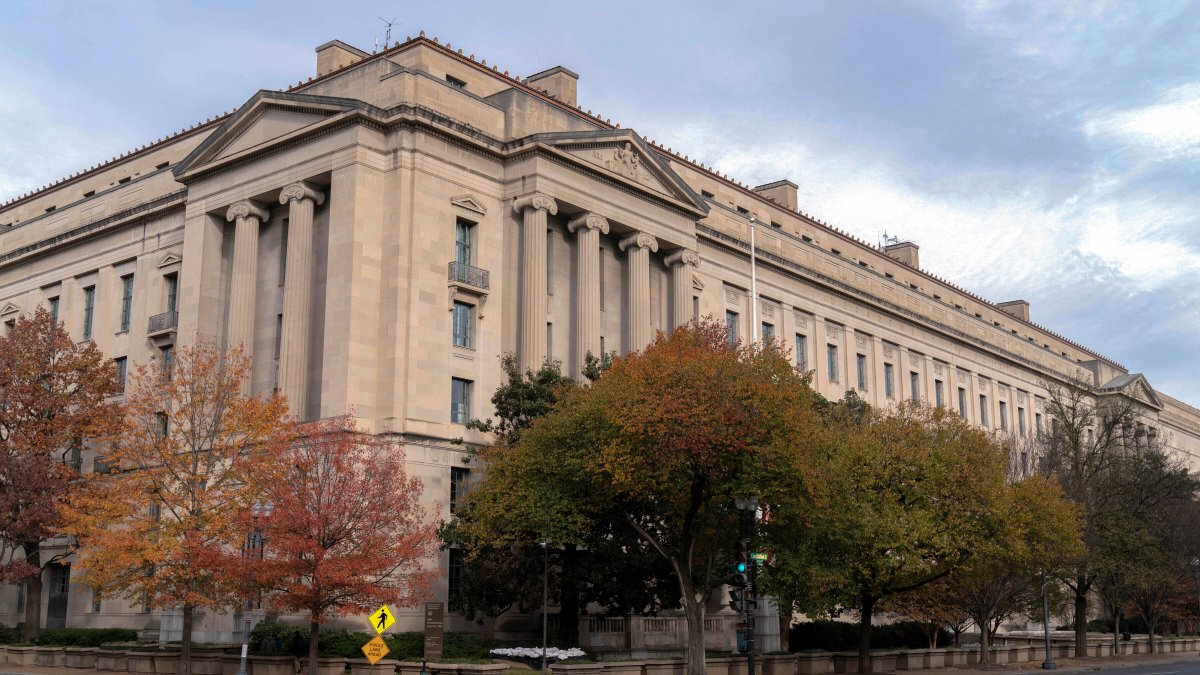
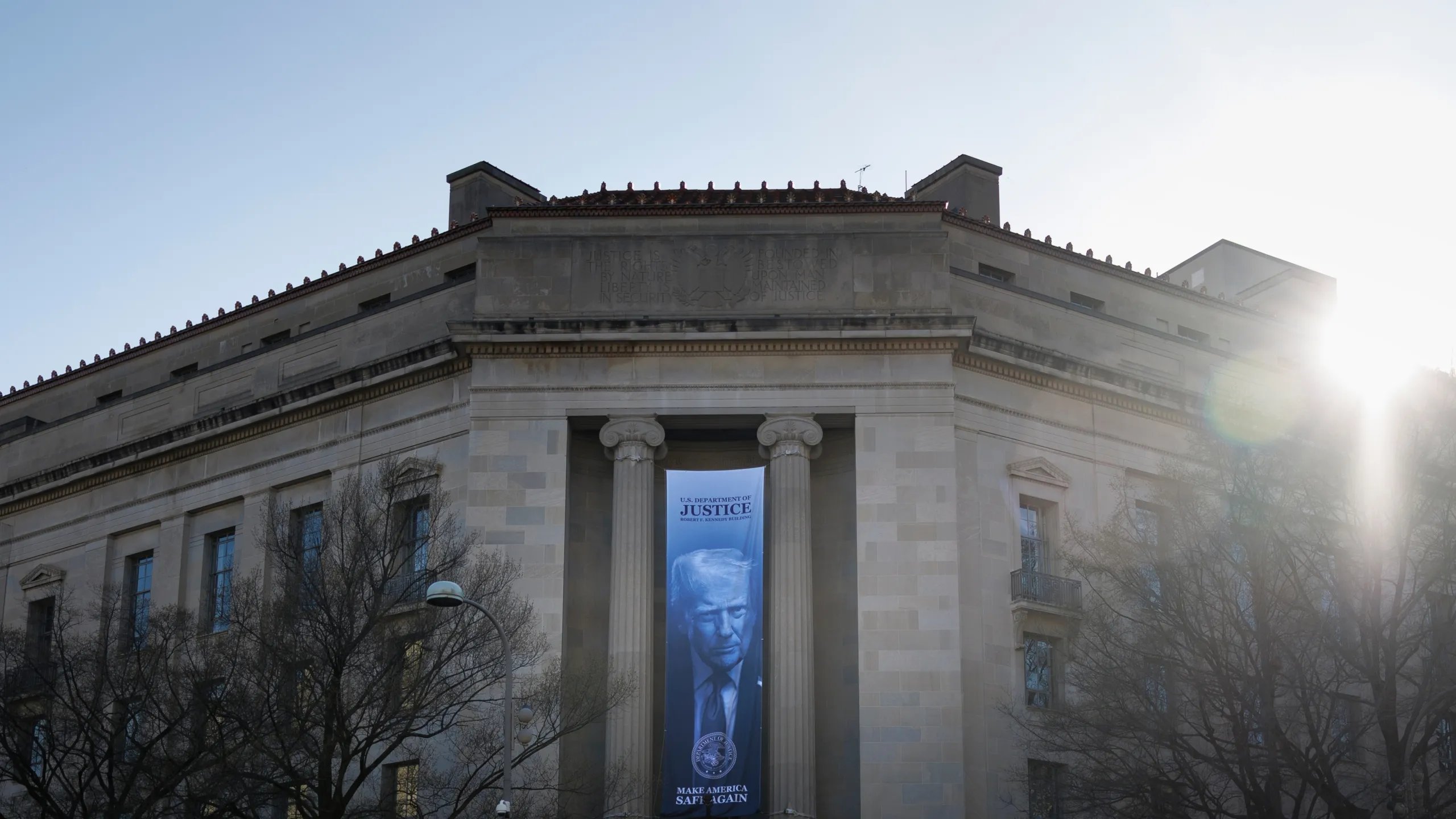
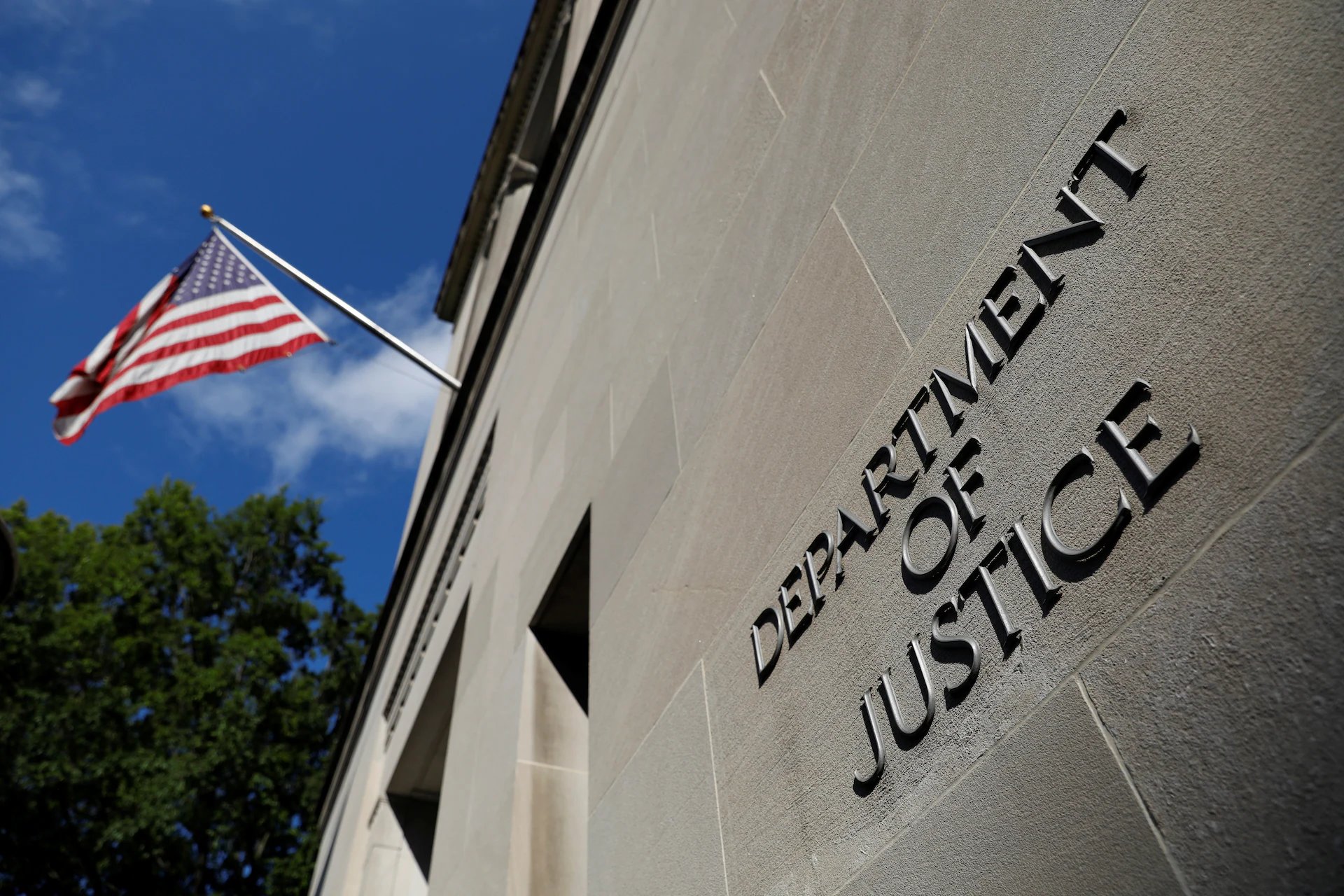
The deal still requires approval from the U.S. Department of Justice and European competition regulators before it can close. The Justice Department sent subpoenas in late March seeking information on how the merger would affect studio output, content rights, streaming competition and cinemas. Warner Bros. expects the deal to close sometime in the third fiscal quarter, pending regulatory clearances.
In Europe, the combined company would hold less than 20% market share across European Union markets, which analysts expect will reduce antitrust concerns for the European Commission. Mike Proulx of Forrester research said that "the real regulatory pressure sits overseas, where European authorities will focus on structural market impact."
Hollywood opposition and political concerns
More than 1,400 actors, directors and filmmakers, including Emma Thompson, Ben Stiller and Javier Bardem, signed a letter in April warning that the deal would result in "fewer opportunities for creators, fewer jobs across the production ecosystem, higher costs, and less choice for audiences in the United States and around the world."
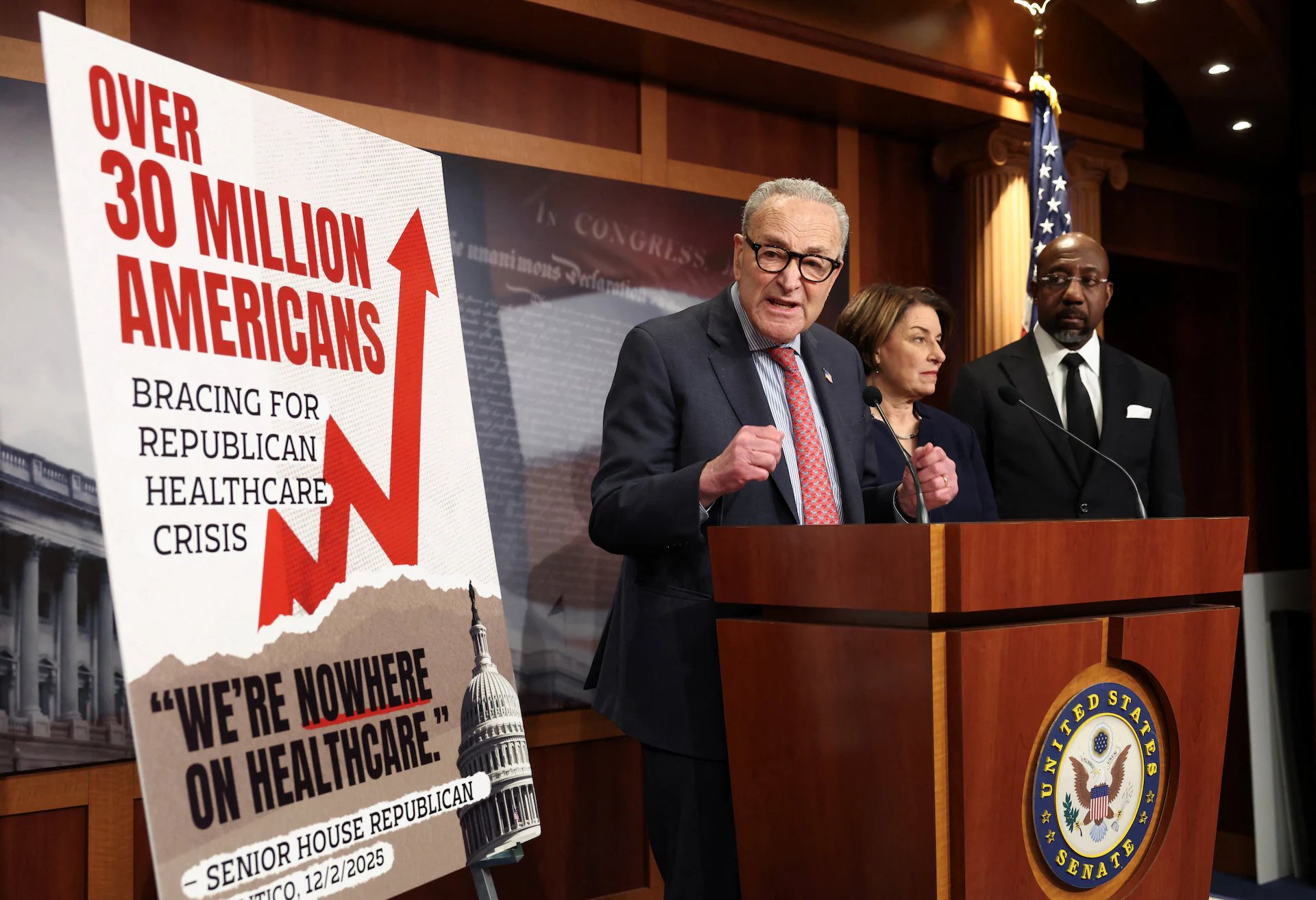
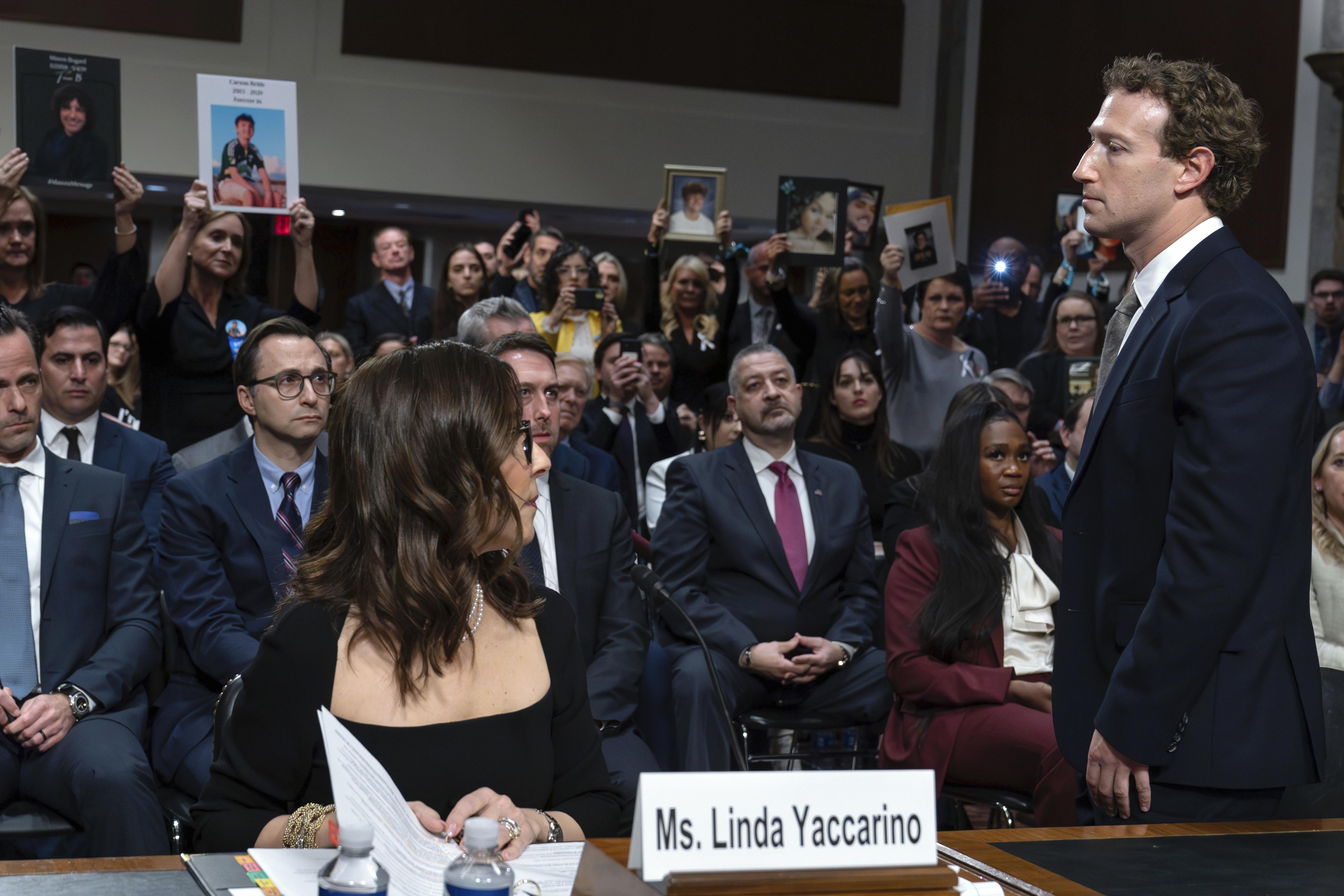
Democratic Senator Elizabeth Warren called the deal "an anti-trust disaster" and said state attorneys general would try to stop it. She said "we need to keep up this fight." Senator Cory Booker raised concerns about media consolidation at a congressional hearing, stating that "what is at stake is clearly not just a corporate deal, but who controls news, who controls entertainment, who controls storytelling."
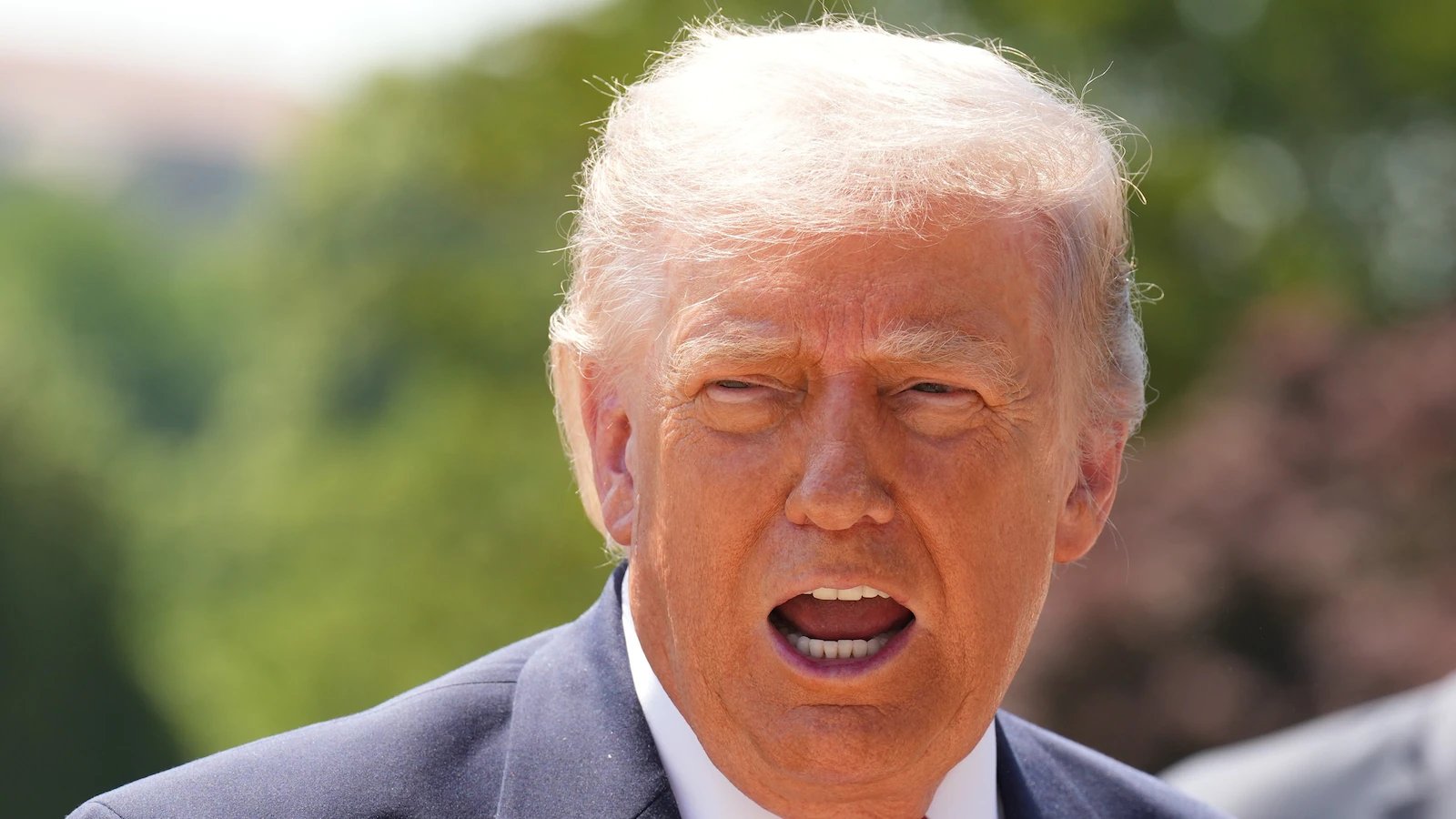
Critics have also raised concerns about CNN's editorial independence under Paramount ownership. Paramount owner David Ellison is described as a Trump ally, and in December the president attacked CNN's reporting and called its leadership "corrupt or incompetent." The deal includes financing from Saudi Arabia's Public Investment Fund and sovereign wealth funds from Qatar and the United Arab Emirates, though these investors will not have voting rights in the combined company. This has raised potential national security questions.
Paramount has pledged its commitment to talent and "ensuring creators have more avenues for their work, not fewer." However, Democratic Senator Elizabeth Warren called the deal "an anti-trust disaster" and said state attorneys general would try to stop it. Analyst Mike Proulx of Forrester said Washington "is likely to rubber stamp the deal," though the outcome remains uncertain.













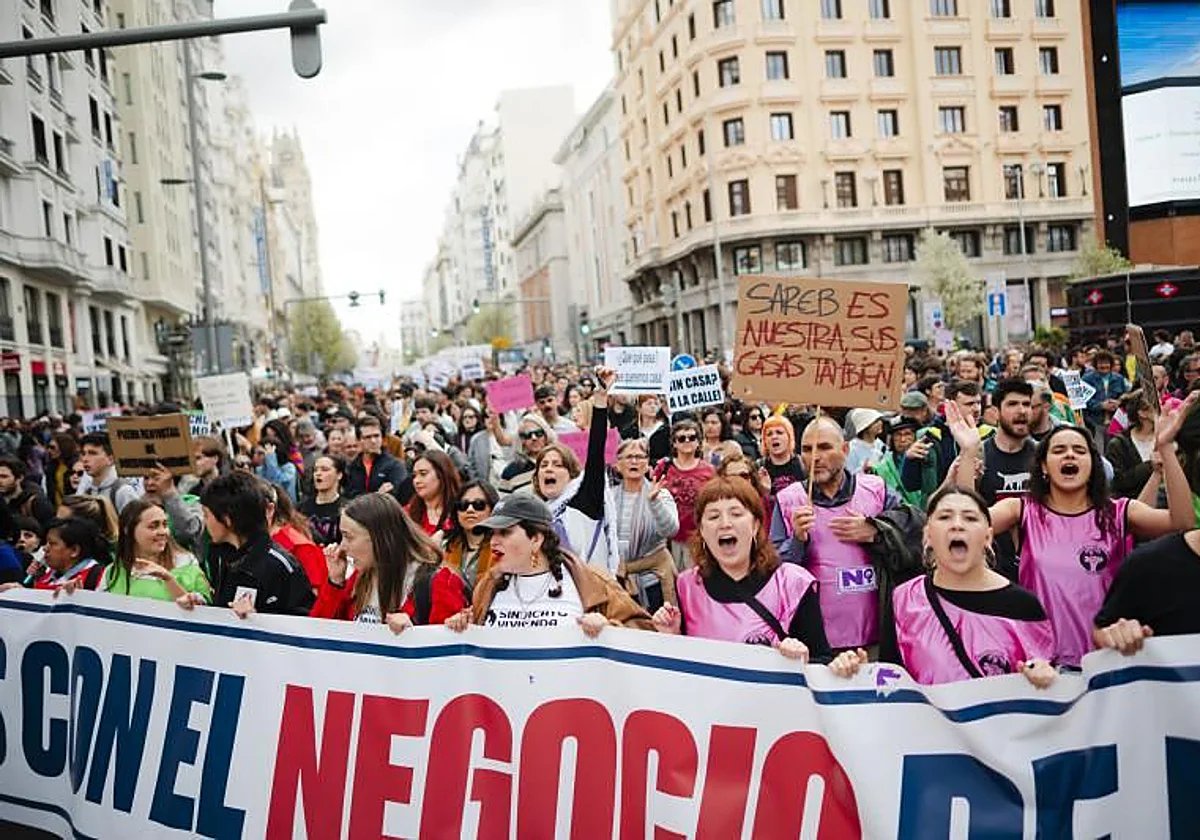
































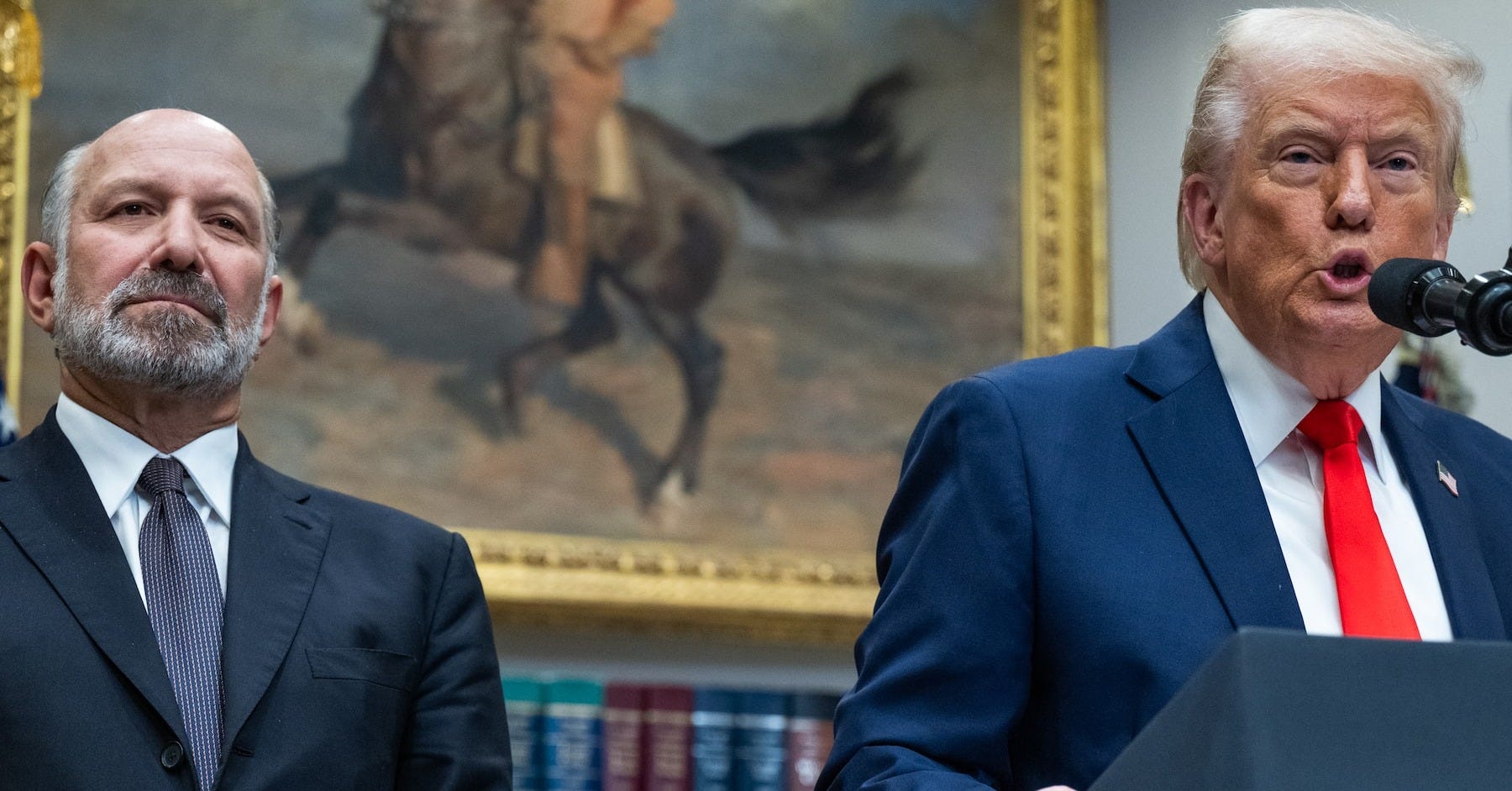
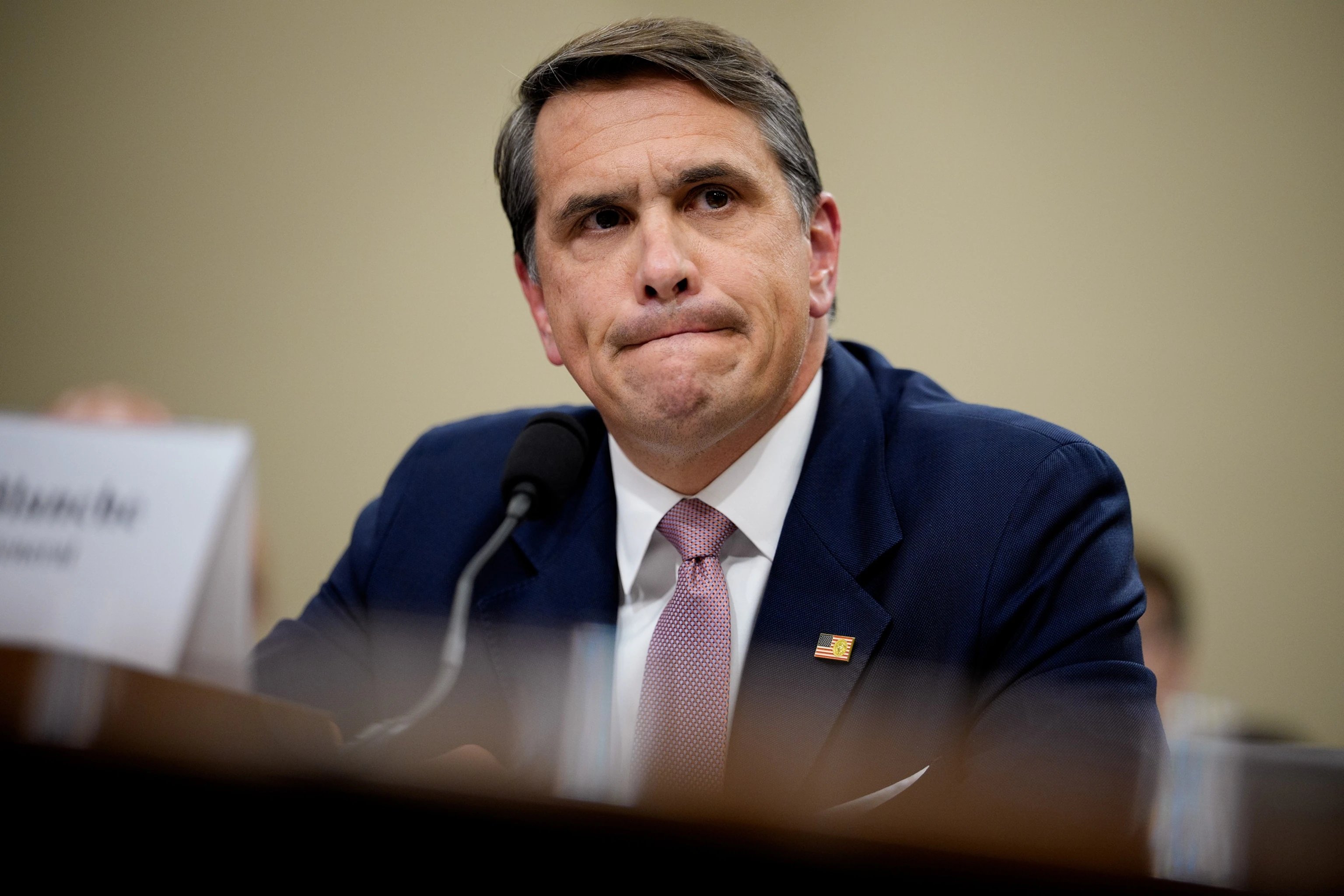
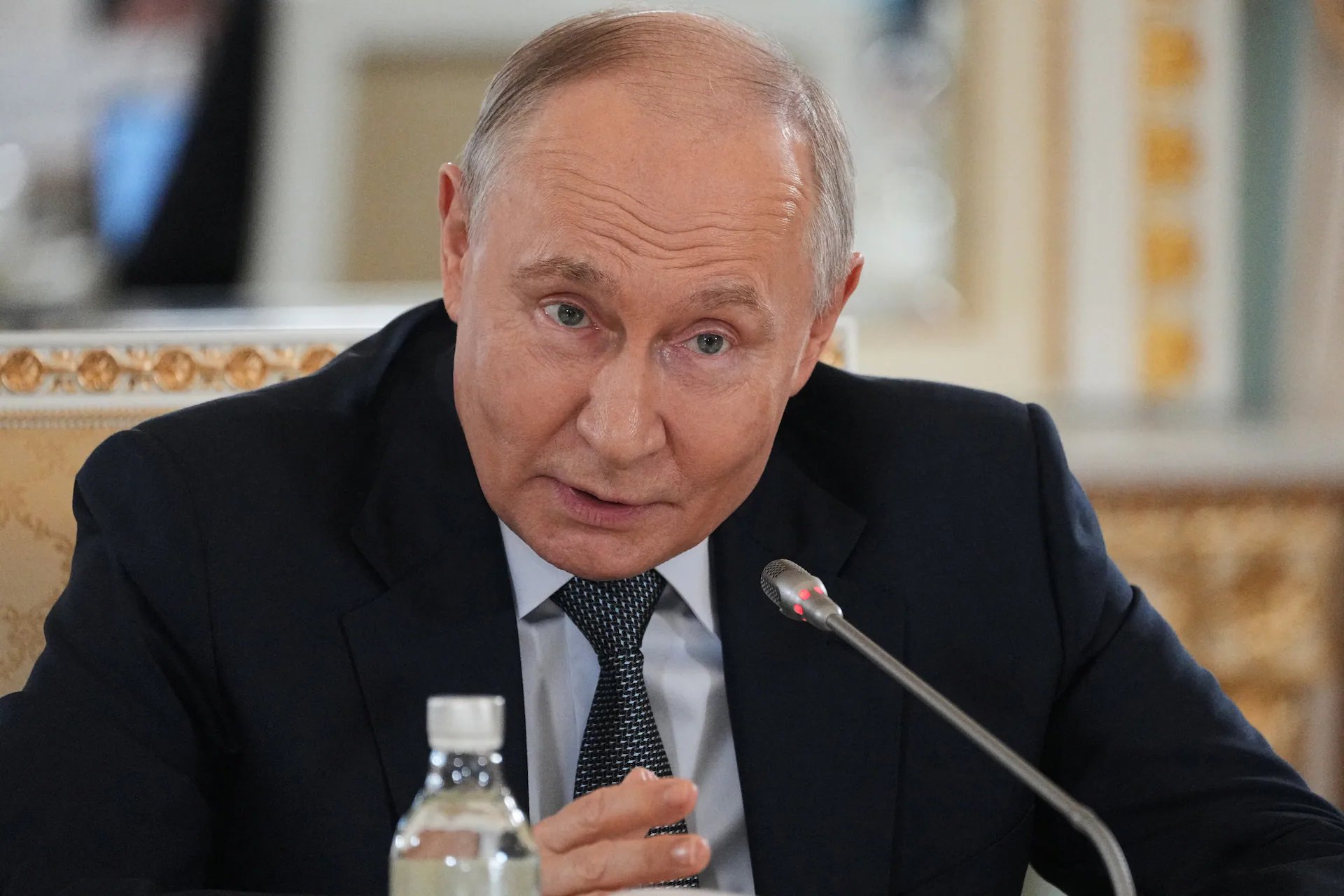
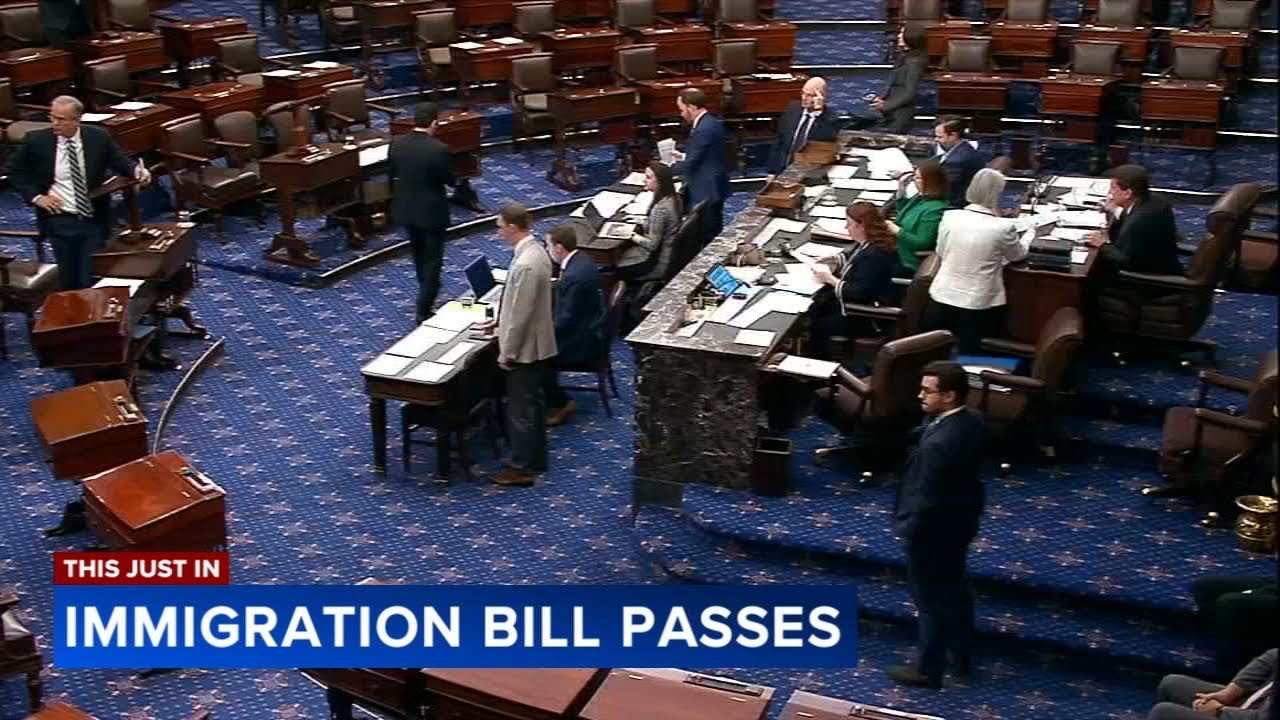








































































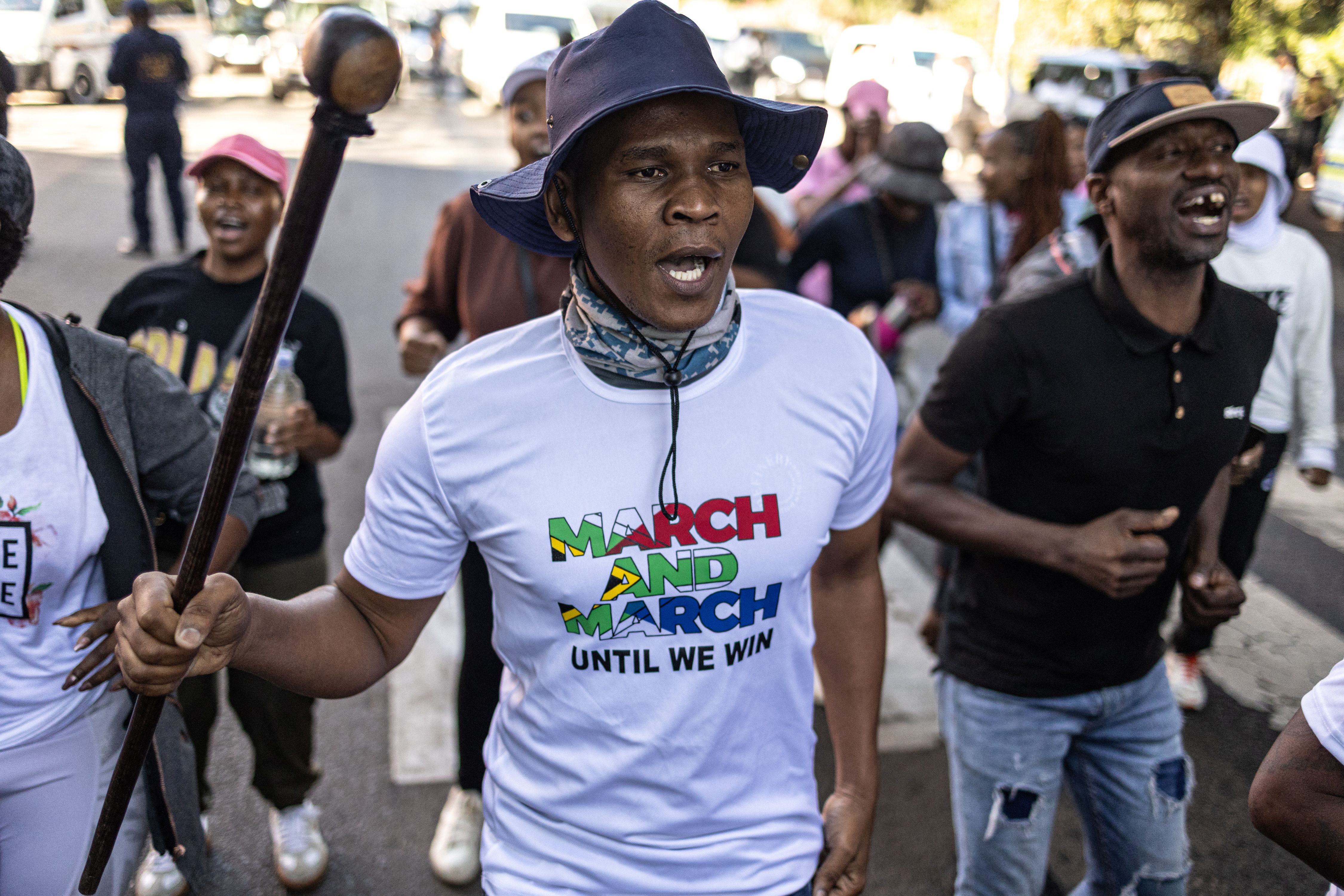



































The sources also report that Hulk actor Mark Ruffalo is joining protests against the deal outside a dinner hosted by Paramount's CEO David Ellison with former President Trump.