




Project Freedom Launch
The U.S. Navy is set to begin "guiding" ships through the Strait of Hormuz on Monday under a new initiative called "Project Freedom," according to President Donald Trump. This operation aims to assist vessels from countries not involved in the conflict with Iran. Trump announced the plan on Sunday, stating that the U.S. would help these ships safely navigate the restricted waterways.
Humanitarian Concerns
Trump highlighted the humanitarian aspect of the mission, noting that many ships are running low on food and other essential supplies for their crews. In a post on Truth Social, he described the effort as a "Humanitarian gesture on behalf of the United States, Middle Eastern Countries but, in particular, the Country of Iran." He also warned that any interference with the operation would be met with force.
U.S. Military Support
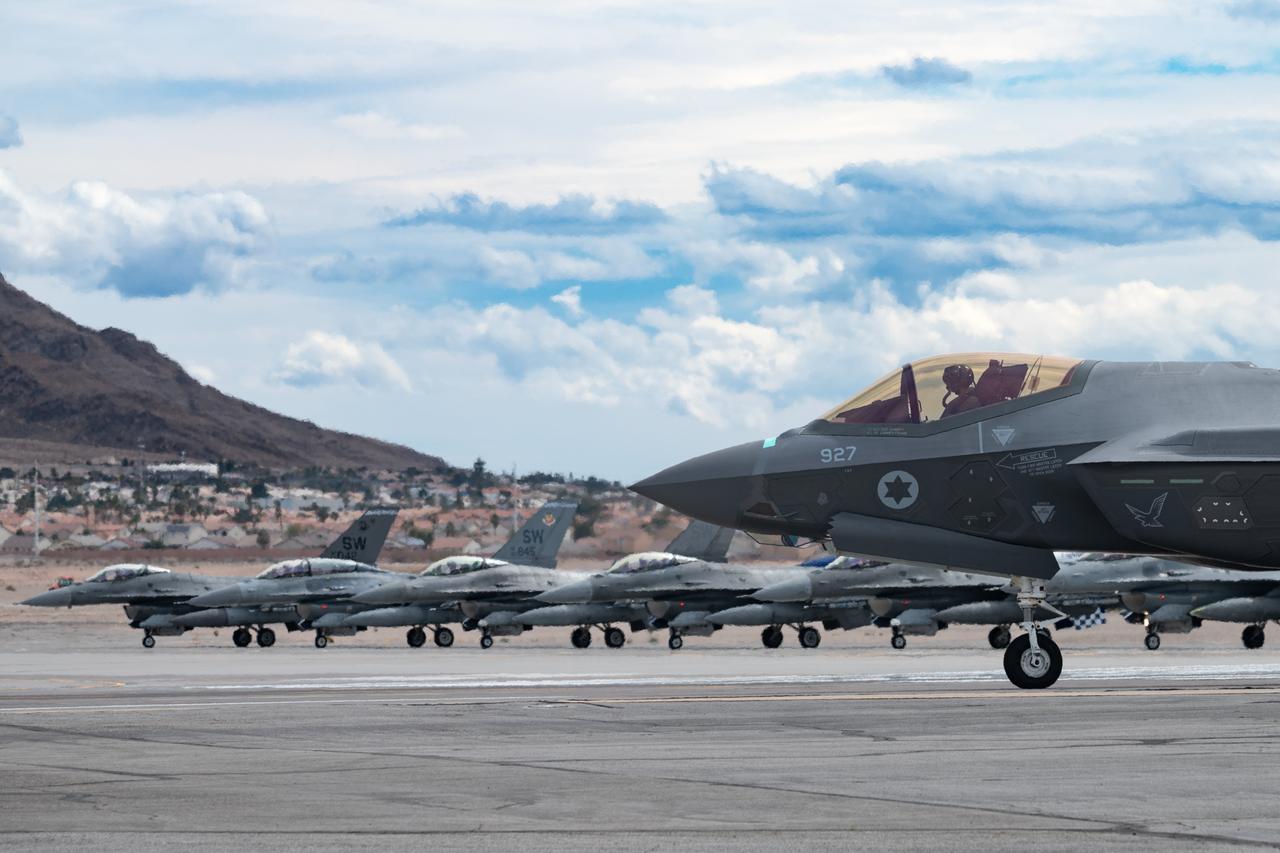
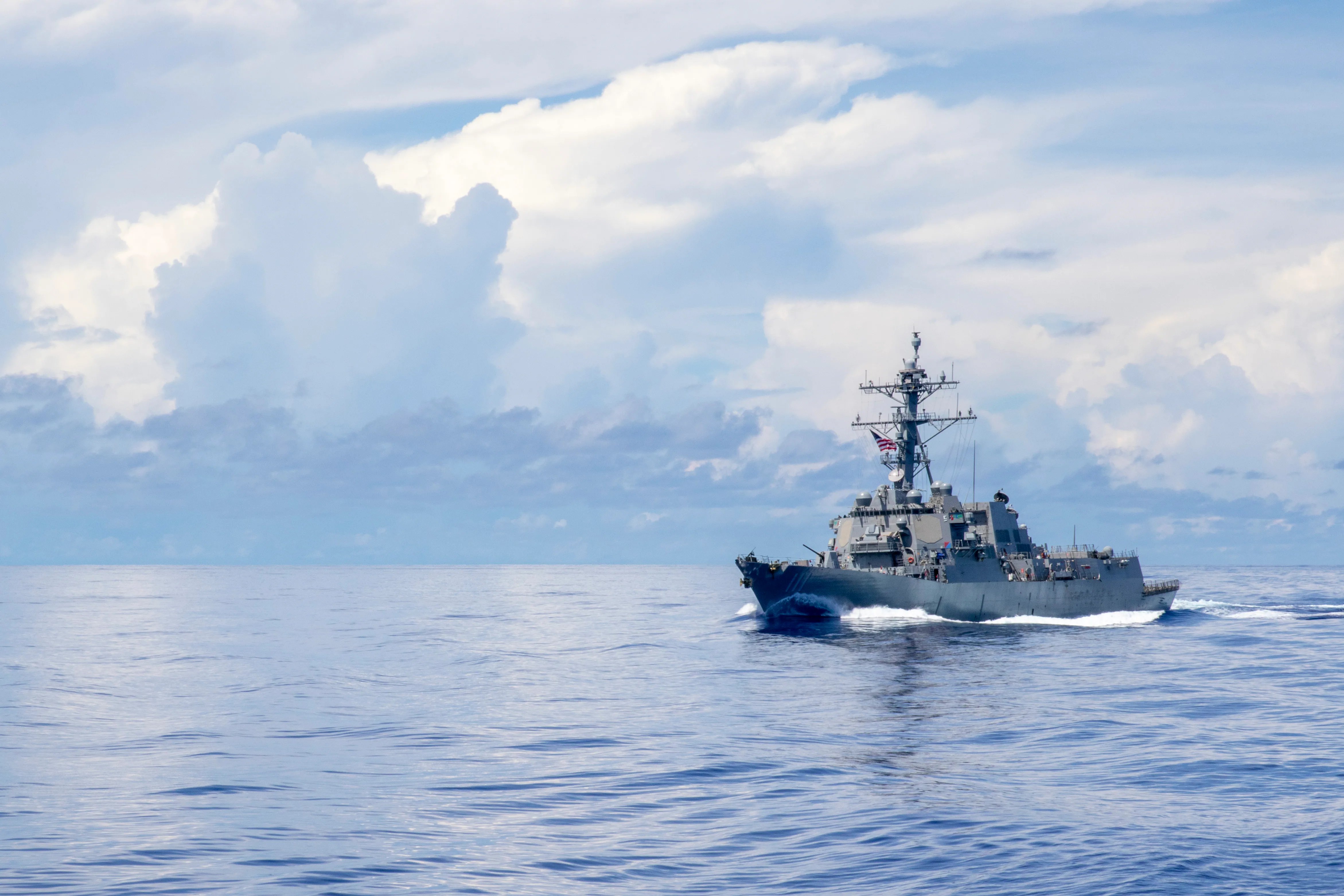
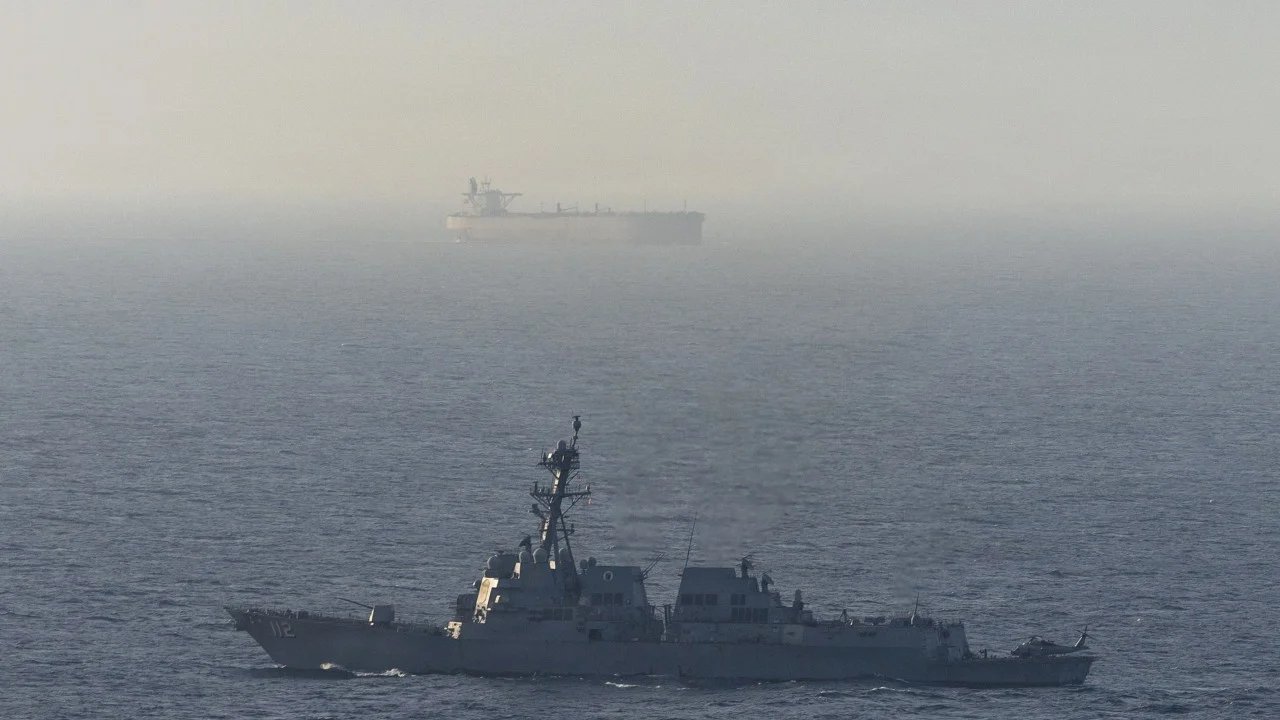
U.S. Central Command confirmed its support for Project Freedom, stating that it would deploy "guided-missile destroyers, over 100 land and sea-based aircraft, multi-domain unmanned platforms and 15,000 service members." However, two American officials clarified that the initiative would not necessarily involve U.S. Navy ships escorting commercial ships. Instead, the Navy would maintain a presence in the vicinity to deter Iranian military actions against commercial vessels. The U.S. Navy will provide information on safe maritime lanes, particularly those not mined by Iran.
Iranian Response
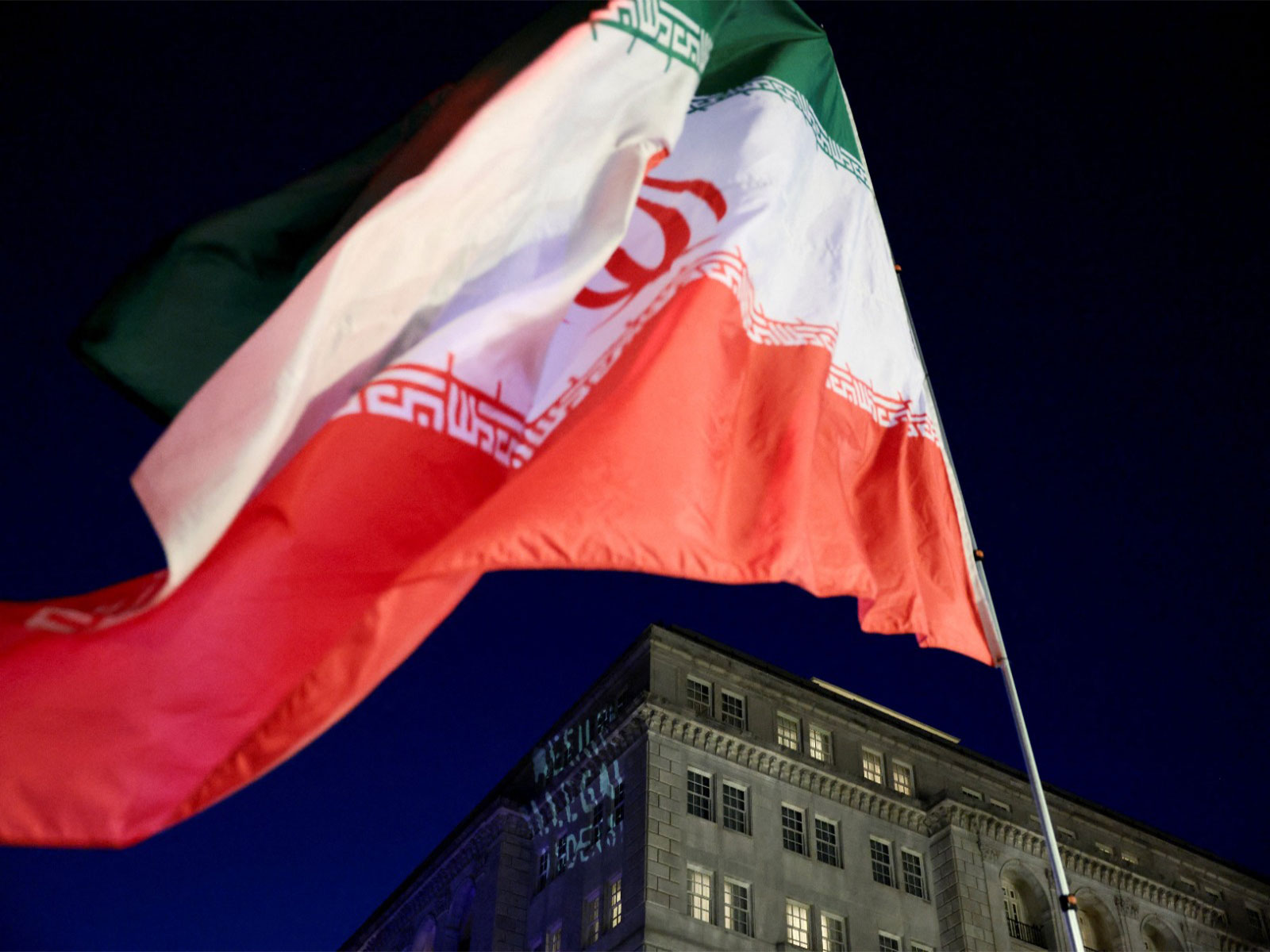
Iran has reacted to the announcement with skepticism and warnings. Ebrahim Azizi, head of the national security commission of Iran's parliament, stated that any American interference in the strait would be considered a violation of the ceasefire. The state-run IRNA news agency dismissed Trump's announcement as "delirium." Ali Nikzad, Iran's deputy parliament speaker, asserted that the Strait of Hormuz would not return to its pre-war conditions.
Attacks on Ships
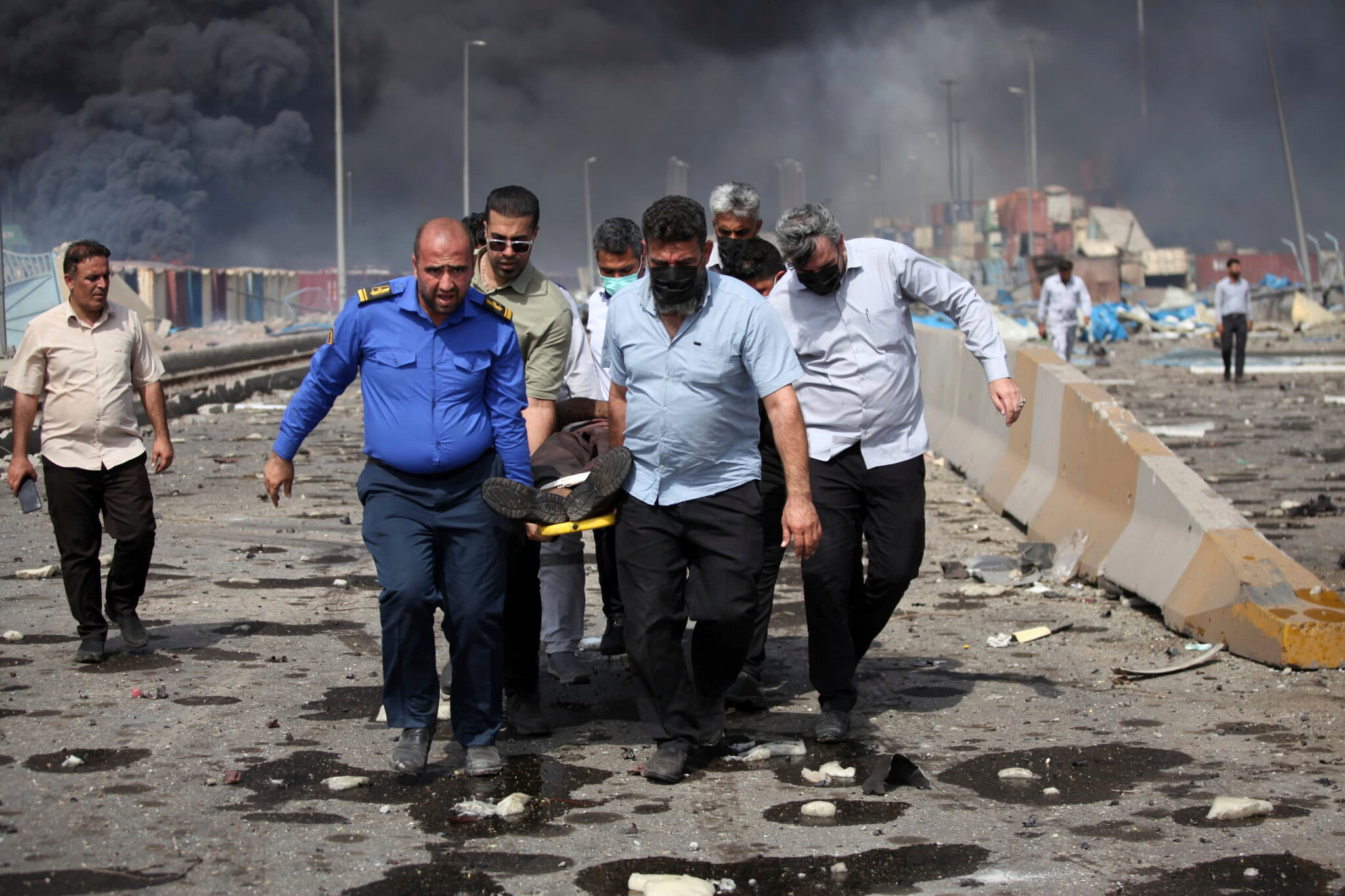
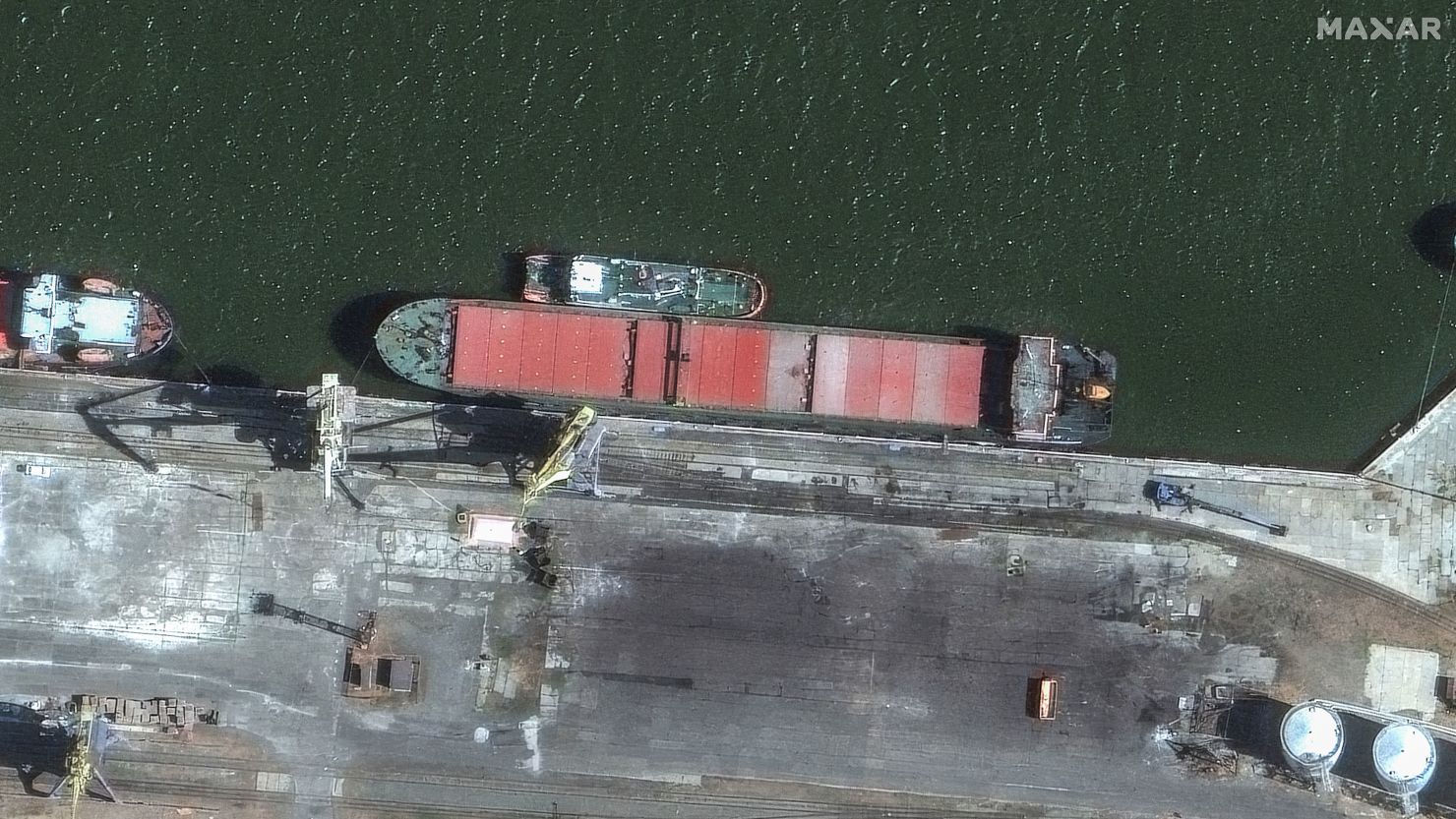
The announcement comes amidst reports of attacks on ships in the area. The United Kingdom Maritime Trade Operations center reported that a bulk carrier was attacked by multiple small craft 11 nautical miles west of Sirik, Iran. Another ship reported being hit by "unknown projectiles" 78 nautical miles north of Fujairah, United Arab Emirates. Both incidents occurred on Sunday, with all crew reported safe and no environmental impact.
Ongoing Negotiations
Despite the tensions, Trump indicated that discussions with Iran are ongoing and could lead to positive outcomes. He noted that the U.S. sent another amended draft for an agreement to end the war in response to Iran's latest proposal. Iran's Foreign Ministry spokesman Esmail Baghaei confirmed that Tehran is reviewing the U.S. response to its latest proposal to end the war. Iran's 14-point proposal calls for the U.S. lifting sanctions on Iran, ending the U.S. naval blockade of Iranian ports, withdrawing forces from the region and ceasing all hostilities, including Israel's operations in Lebanon.
Economic Impact
The closure of the Strait of Hormuz has significantly impacted global markets. The U.S. naval blockade since April 13 has deprived Tehran of oil revenue. Treasury Secretary Scott Bessent stated that Iran has gotten less than $1.3 million in tolls. Oil prices steadied as traders questioned the workability of Trump's plan.
The U.S. Central Command said 49 commercial ships have been told to turn back.