
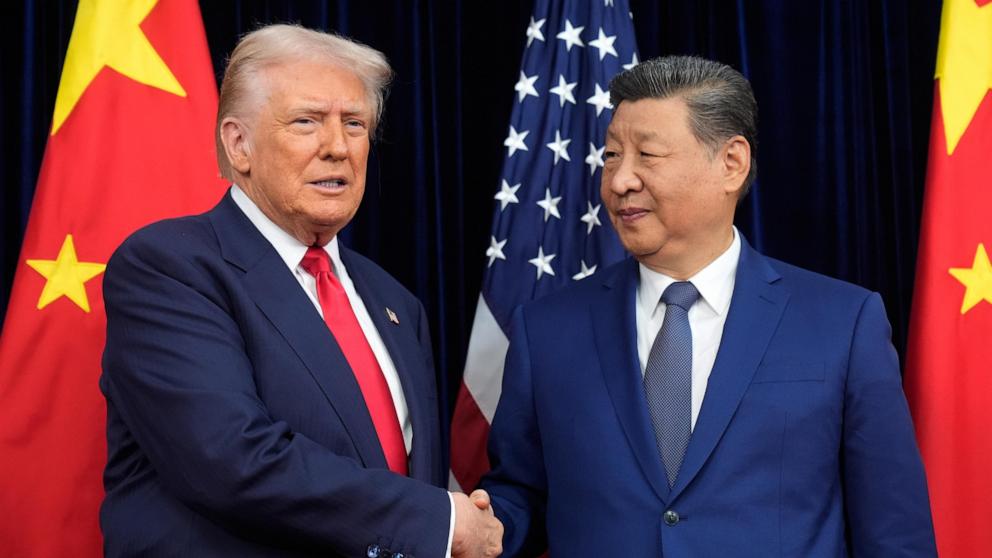





Trade and Tensions on the Agenda
President Donald Trump arrived in Beijing Tuesday for a state visit with Chinese President Xi Jinping, a trip shadowed by the ongoing war in Iran and rising concerns about artificial intelligence security. Trump told reporters before departing that trade would be the priority in discussions with Xi. Sixteen U.S. business executives, including Elon Musk of Tesla and Tim Cook of Apple, joined Trump on the trip.
Iran War Impacts Summit
While Trump downplayed the role of the Iran war in the summit, he also stated he planned to have a "long talk" with Xi about it. The war has disrupted global energy supplies and fueled economic uncertainty, adding strain to U.S.-China relations. The editorial board of *The Wall Street Journal* stated that Trump's strategy in the Iran war has not deterred Tehran. Democratic Representative Greg Stanton said Trump arrived in China in a weakened position to seek Beijing's help in resolving the war.
AI Security Concerns Rise
U.S. officials said that Trump is expected to discuss AI guardrails with Xi. Melanie Hart, senior director of the Atlantic Council's Global China Hub, said the trip is more likely to determine whether future U.S.-China discussions on AI security become substantive or remain largely symbolic. Advanced AI systems are viewed in both Washington and Beijing as economic engines, intelligence tools, and potential cyber weapons. The White House accused China last month of running "industrial-scale" campaigns to copy American AI models.
Taiwan Tensions Simmer
Secretary of State Marco Rubio told White House reporters that Taiwan would be a topic of conversation. A bipartisan group of eight senators inquired about the status of a $14 billion package of arms sales to Taiwan. China analysts said Xi Jinping will likely look to advance his goals in his meetings with Trump regarding Taiwan. Trump said he would discuss weapons sales to Taiwan with Xi, acknowledging that Xi would prefer the U.S. not sell weapons to Taiwan.
Ceasefire on "Life Support"
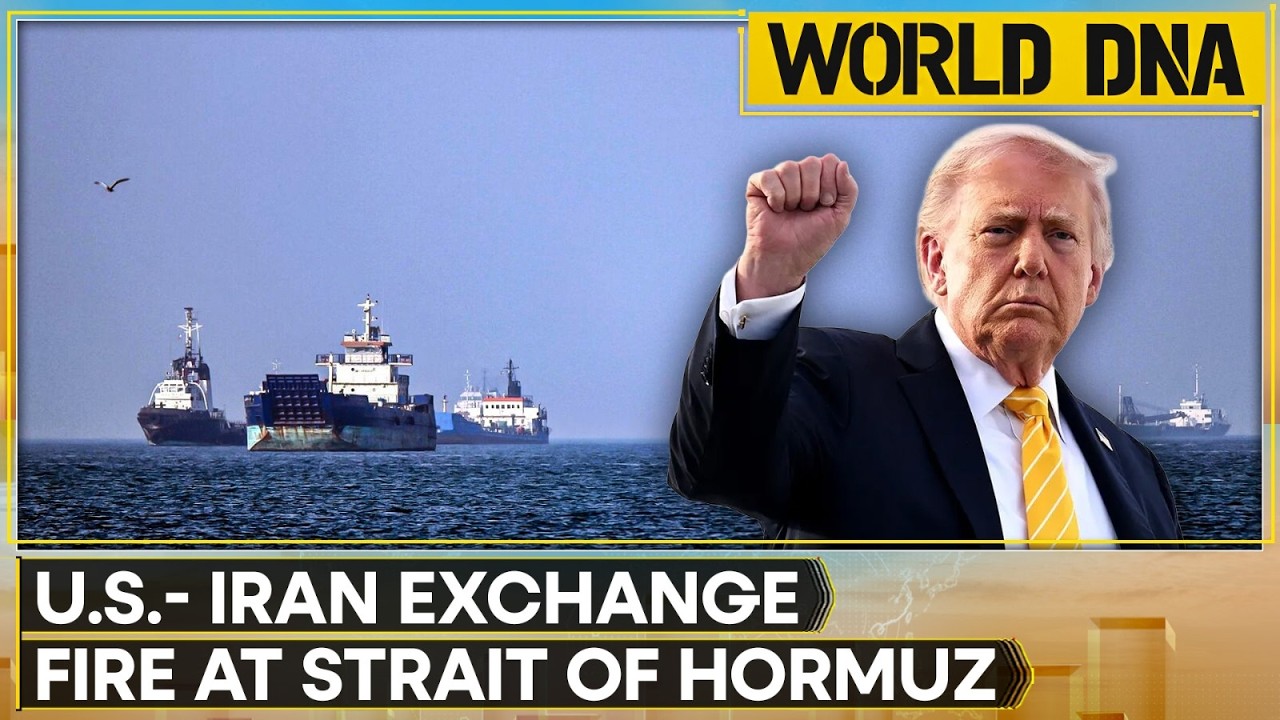
Trump described the ceasefire with Iran as being on "massive life support" and called Iran's response to a peace proposal "garbage." The U.S. military is considering renaming the war with Iran to “Operation Sledgehammer” if the current ceasefire collapses. Senator Lindsey Graham said he does not "trust Pakistan" as a mediator in Iran talks.
Inflation Concerns Mount
The Consumer Price Index rose 3.8% in April from a year earlier. Trump insisted that inflation is "short term." The national average for a gallon of gas in the U.S. was $4.50, according to AAA. President Trump said Americans' financial situation was "not even a little bit" of a motivating factor for him reaching a deal to end the war in Iran.
Pentagon Seeks Funds
Defense Secretary Pete Hegseth defended the Pentagon’s $1.5 trillion budget request before Congress. Hegseth stated the conflict has cost $29 billion so far. Senator Lisa Murkowski pushed Hegseth about the Trump administration's refusal to seek Congress' approval for military force in Iran.
Economic Fallout Spreads
German companies in China have grown more optimistic about the country’s economic outlook, according to the German Chamber of Commerce in China. Japanese snack giant Calbee has decided to temporarily switch to black and white packaging for some of its products due to supply instability in printing ink. Canadian tourism to the U.S. has plummeted by an average of 42%.
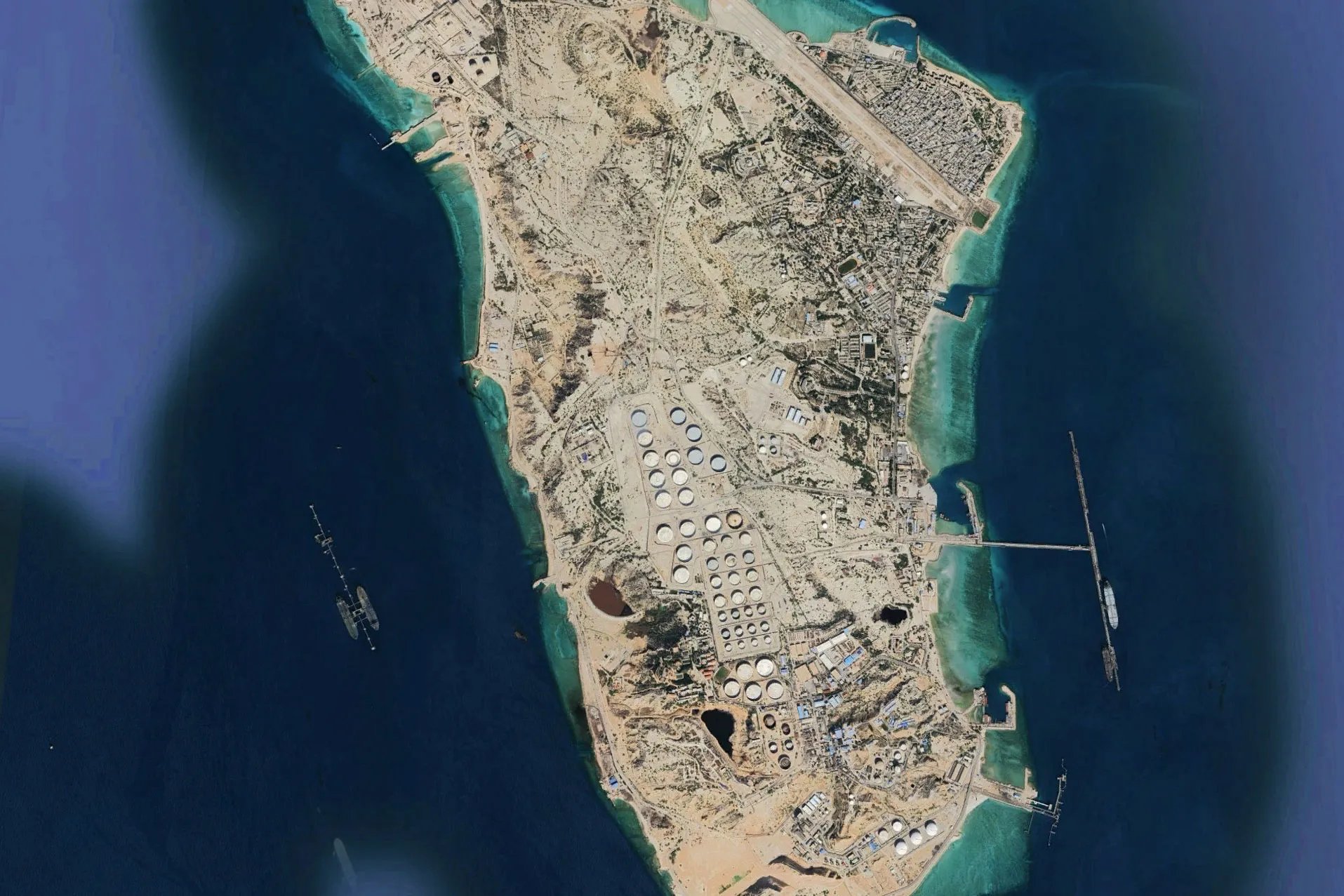
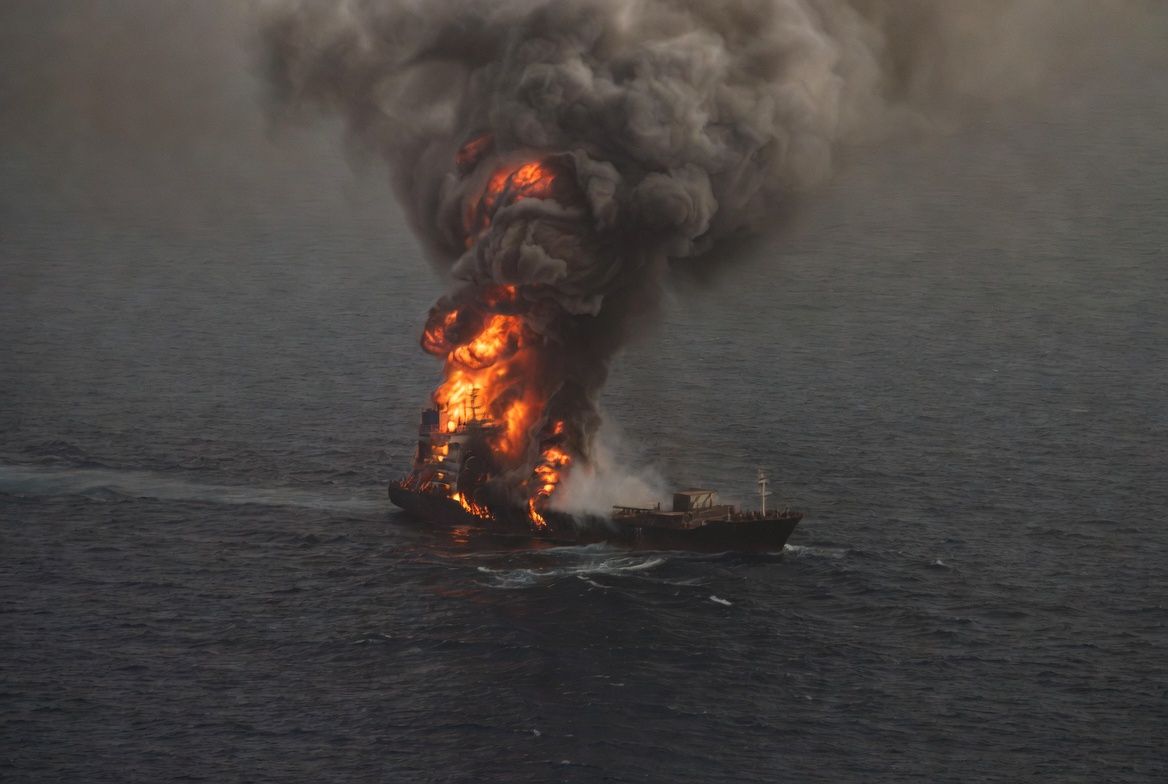
With the Strait of Hormuz effectively closed, Patrick De Haan, head of petroleum analysis for Gas Buddy, believes the national average price of gasoline could reach $5 per gallon as early as June.








The sources also report that the national average price of gas rose more than $1.50 since the war in Iran began in late February.