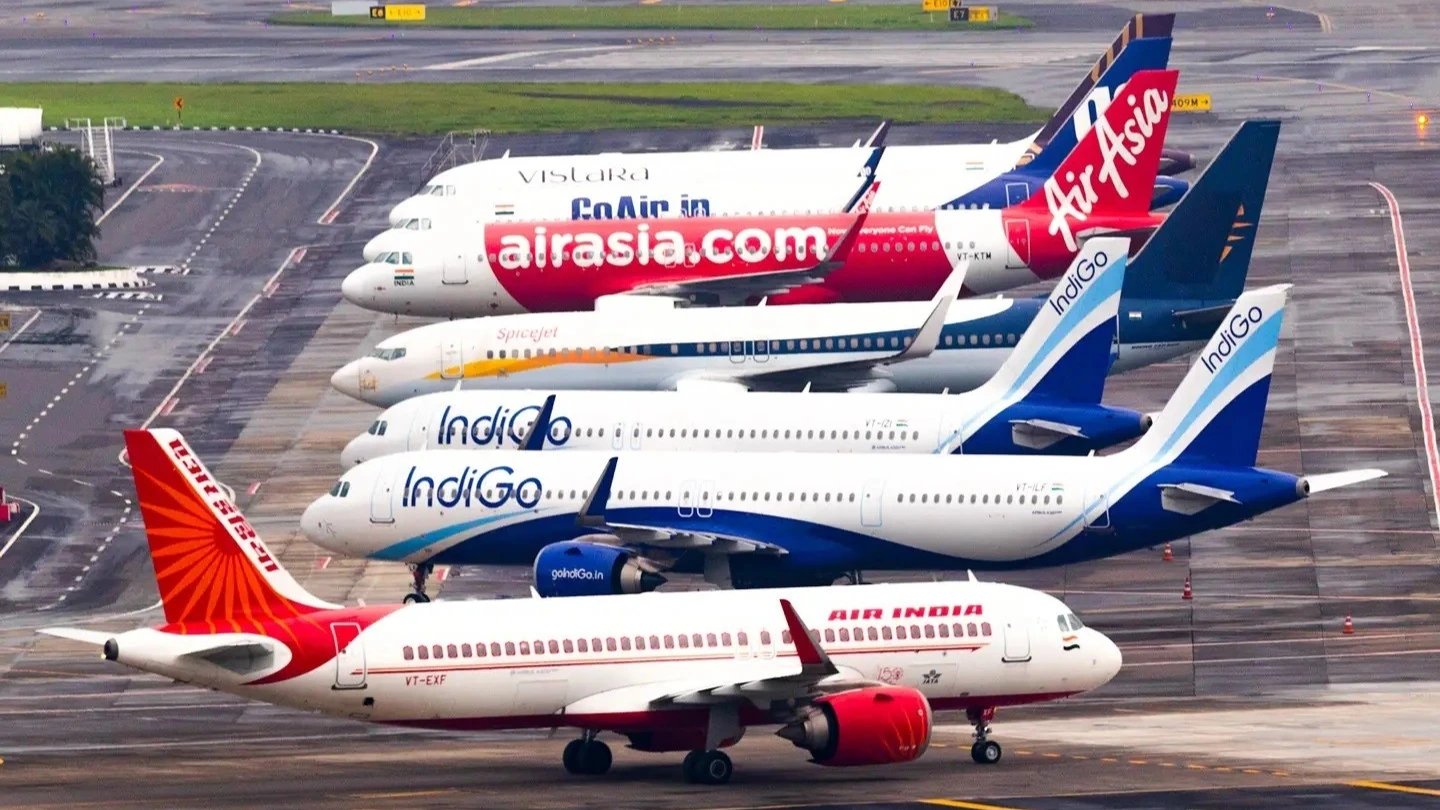
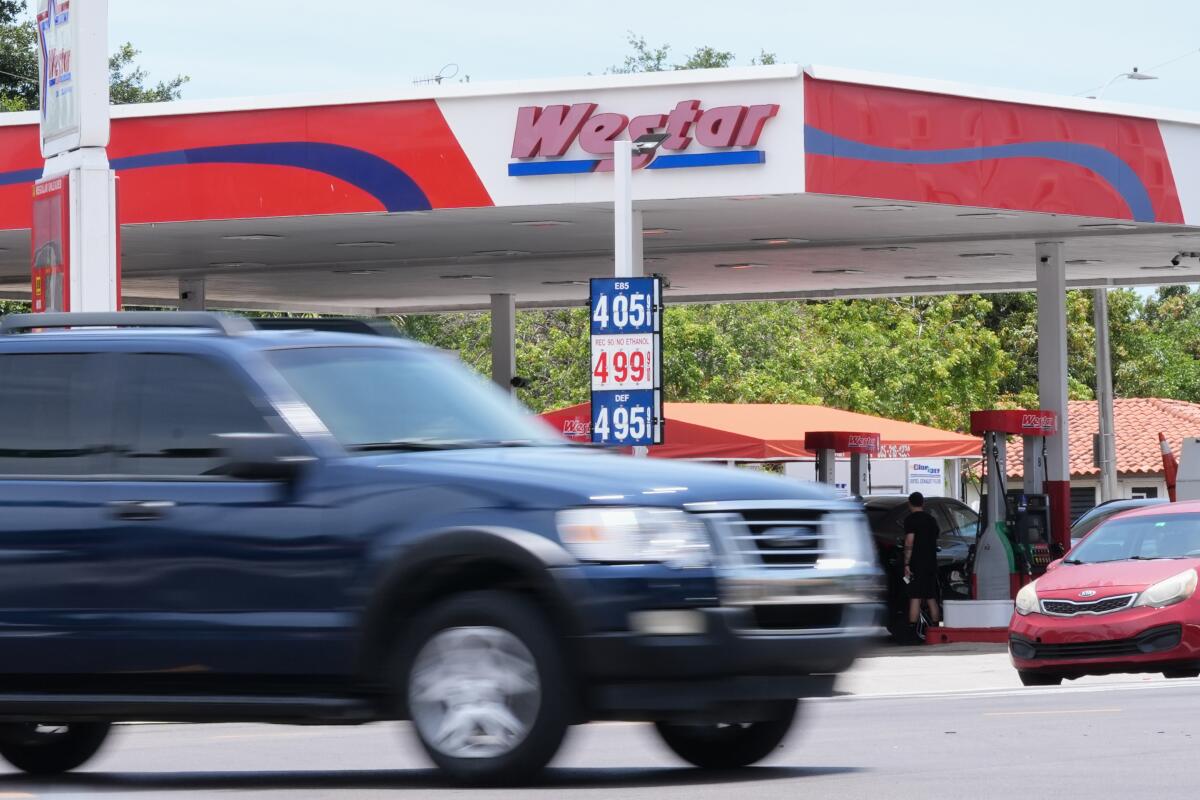
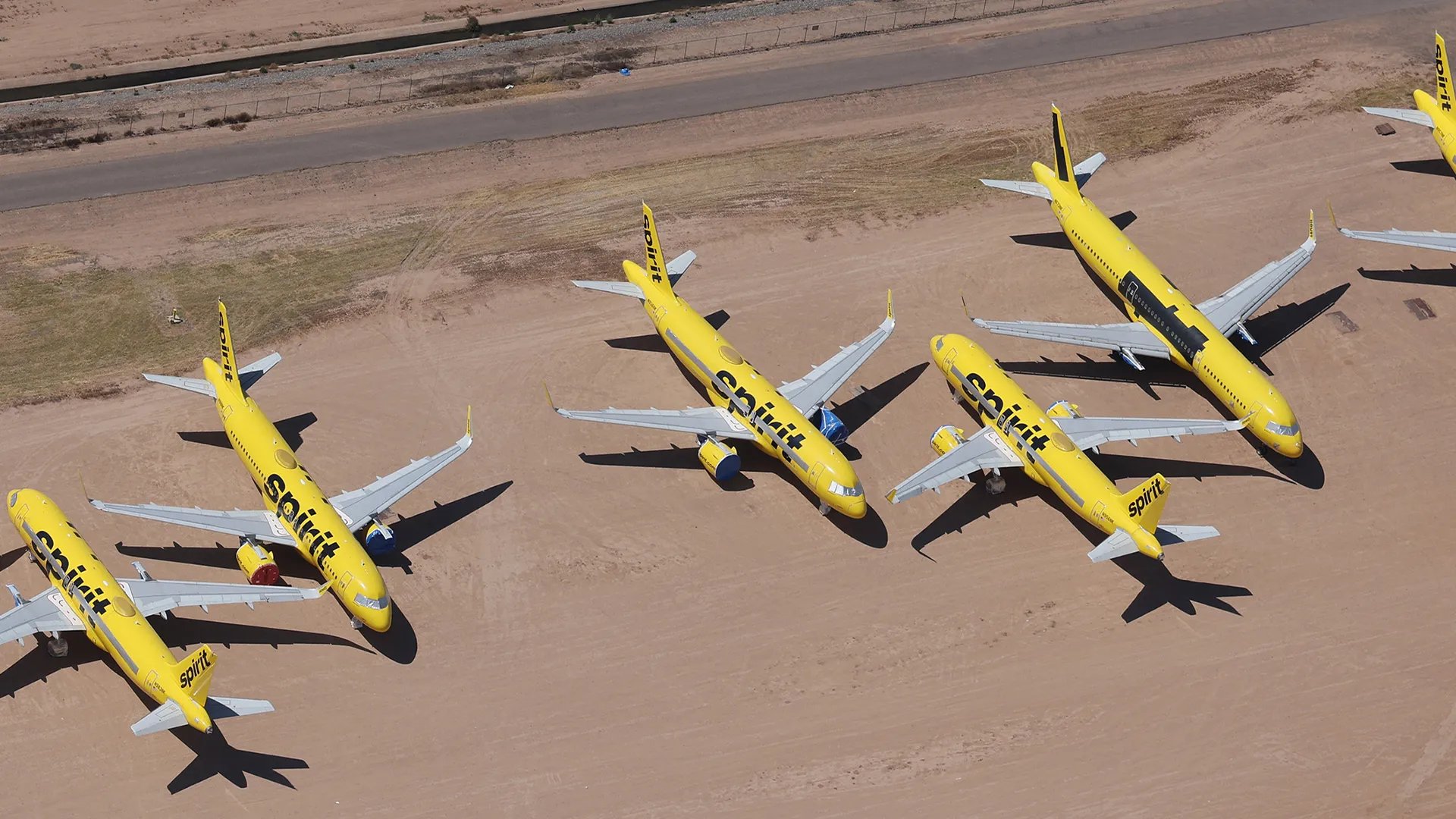
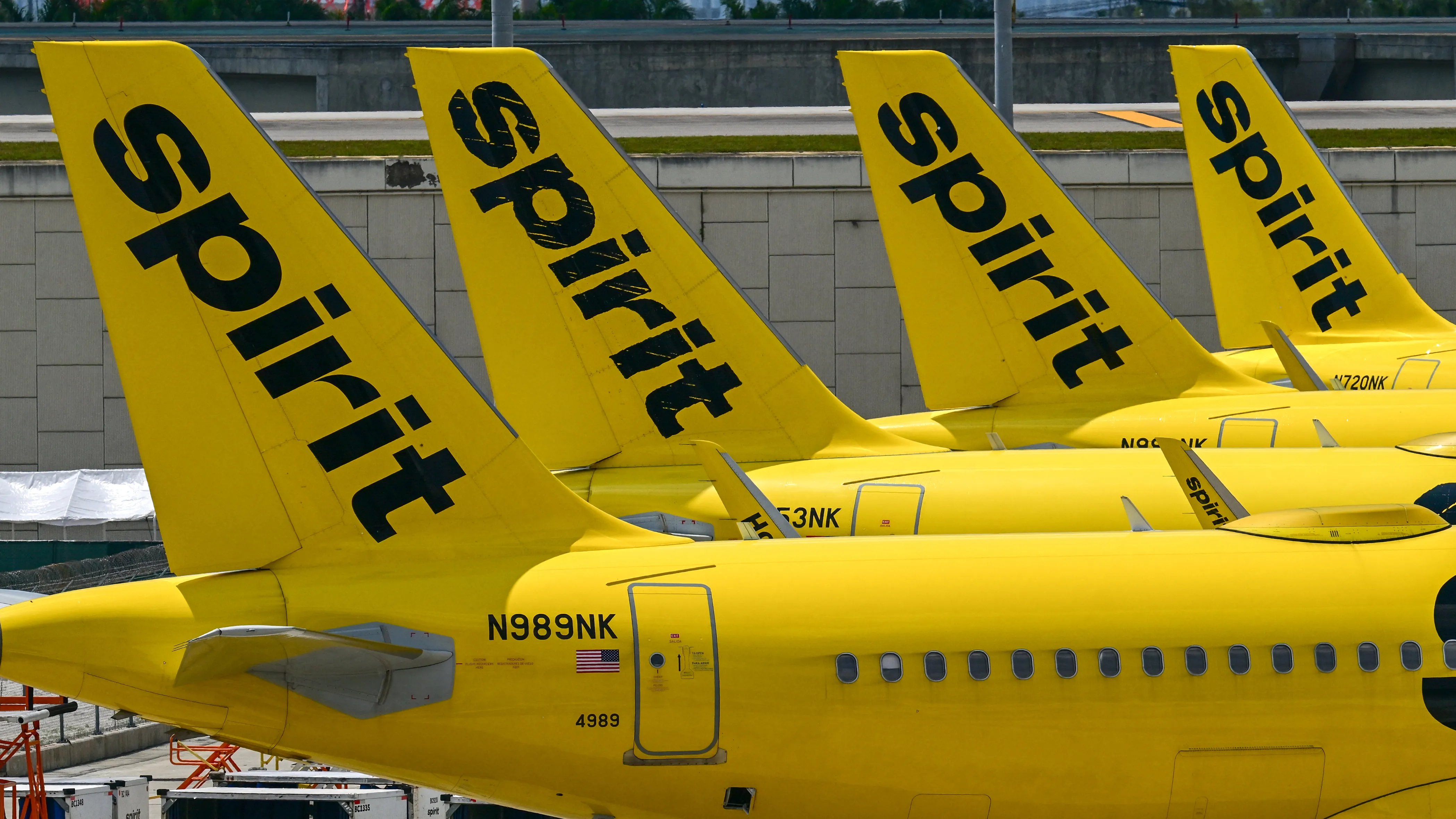
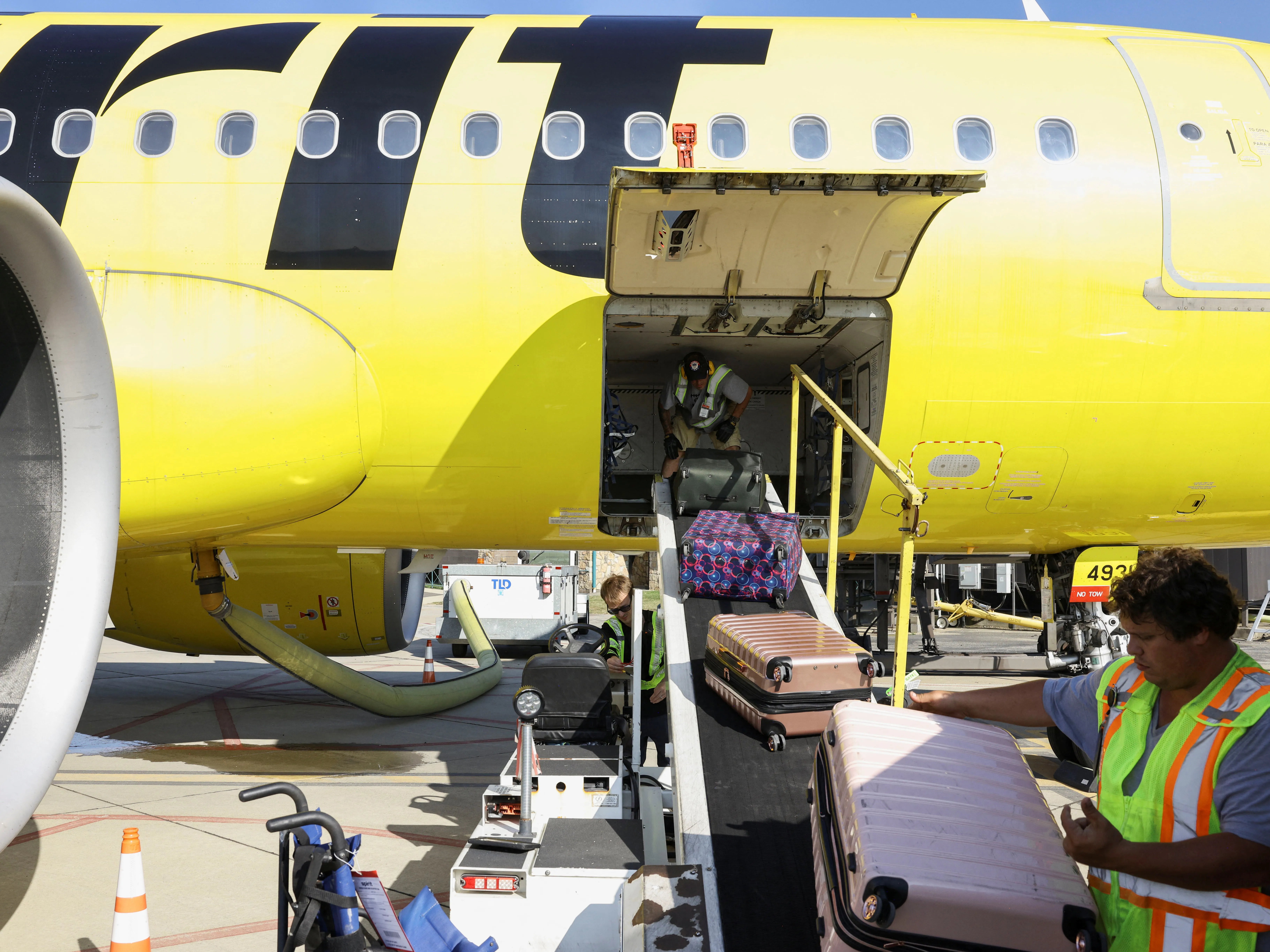
The Trump administration is negotiating a $500 million rescue package for Spirit Airlines, according to a source familiar with the matter. The deal would help the budget airline emerge from bankruptcy and address elevated fuel costs as carriers prepare for the summer travel season.
The government would likely receive equity warrants giving it a substantial ownership stake in Spirit, possibly as much as 90 percent. He procured a 10 percent stake in Intel in exchange for CHIPS Act funding and got Nvidia to agree to give the U.S. 25 percent revenue from certain chip sales to China in exchange for licensing.
The proposal has drawn criticism from Republican voices. Senator Ted Cruz called the bailout "an absolutely TERRIBLE idea" on social media.
Policy analyst Tad DeHaven at the Cato Institute raised concerns about competitive fairness. "You may temporarily save some jobs at Spirit, but what does this mean for everybody who's employed at the other airlines, who are clearly going to be put at a competitive disadvantage because now Spirit will be a privileged entity," DeHaven said. He also noted that Spirit holds only 3.4 percent of U.S. market share as of the 12-month period ending in February, distinguishing it from companies deemed too big to fail during the 2008 financial crisis.
The Association of Flight Attendants-CWA, a union representing workers at 20 airlines including Spirit, expressed support for intervention. "We are hopeful that the government will recognize the needs for emergency funds, especially in the current economic environment," a union spokesperson told Axios.
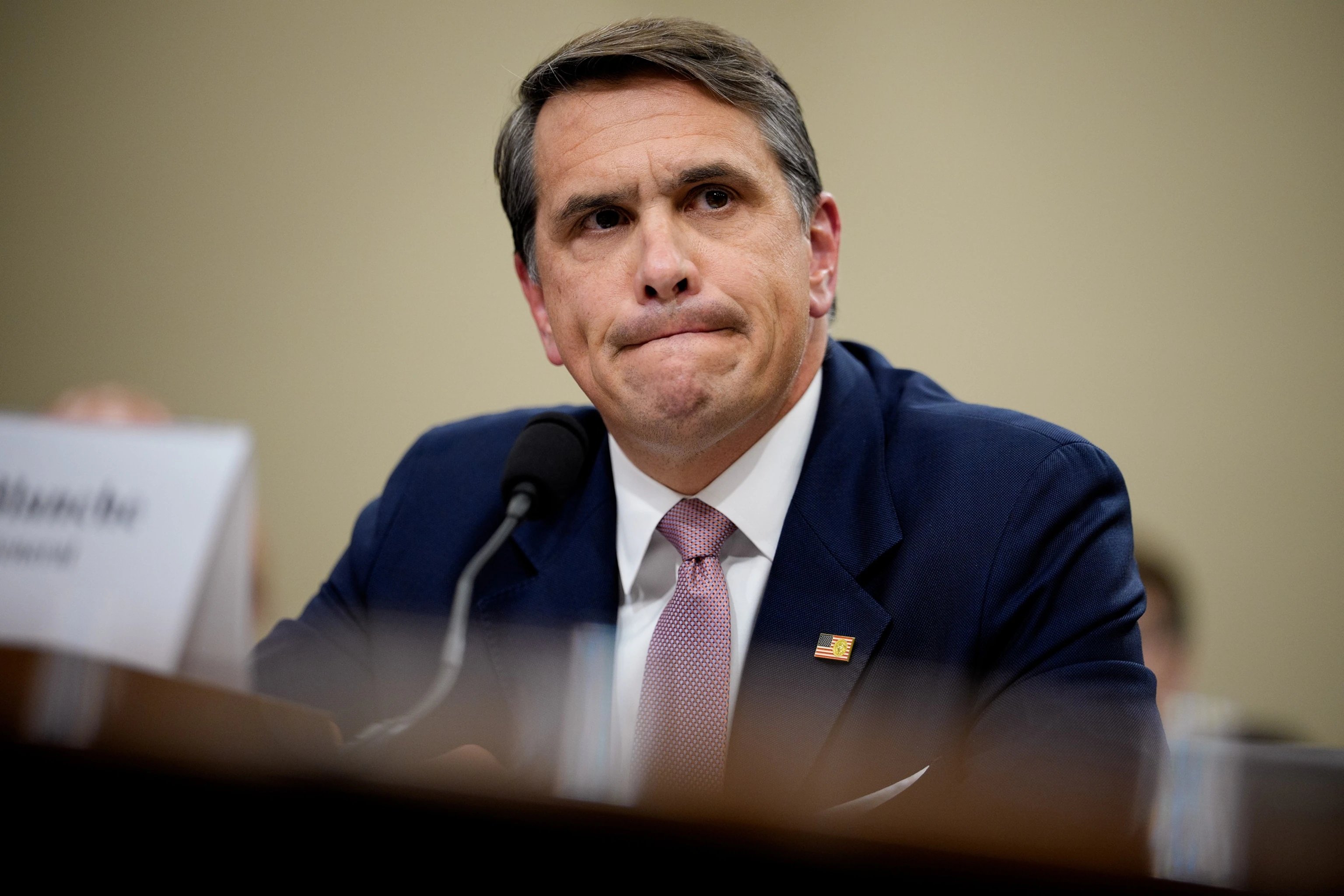
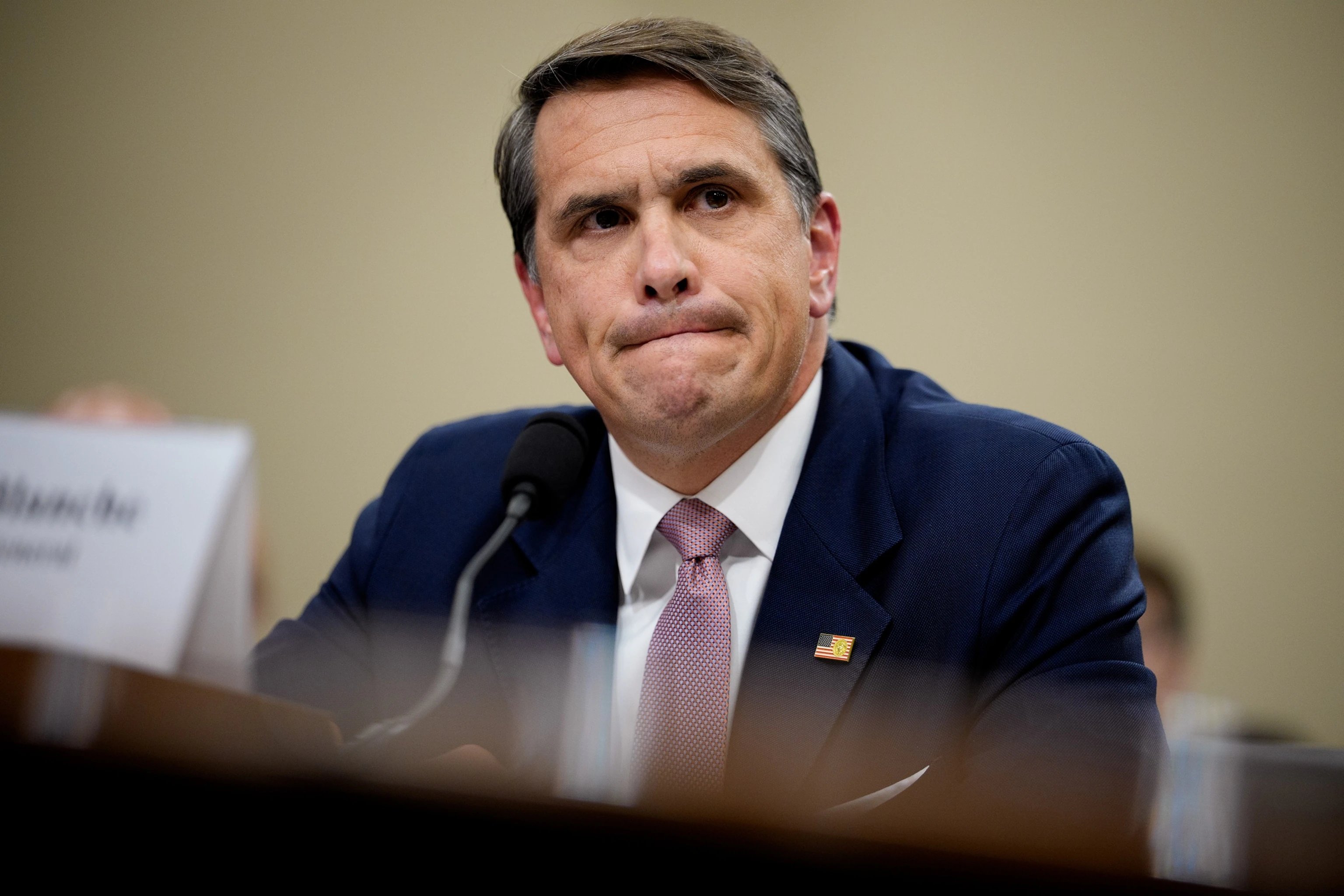
White House spokesman Kush Desai said the administration continues monitoring the situation. "The Trump administration continues to monitor the situation and overall health of the U.S. aviation industry that millions of Americans rely on every day for essential travel and their livelihoods," Desai stated. He also blamed the Biden administration's decision to block Spirit's proposed merger with JetBlue on anticompetitive grounds, saying Spirit "would be on a much firmer financial footing" had that merger been approved. Rohit Chopra, former director of the Consumer Financial Protection Bureau under Biden, defended the merger block, arguing Spirit's problems worsened after pursuing what he called an "illegal" merger and that the airline should have fixed its finances sooner.
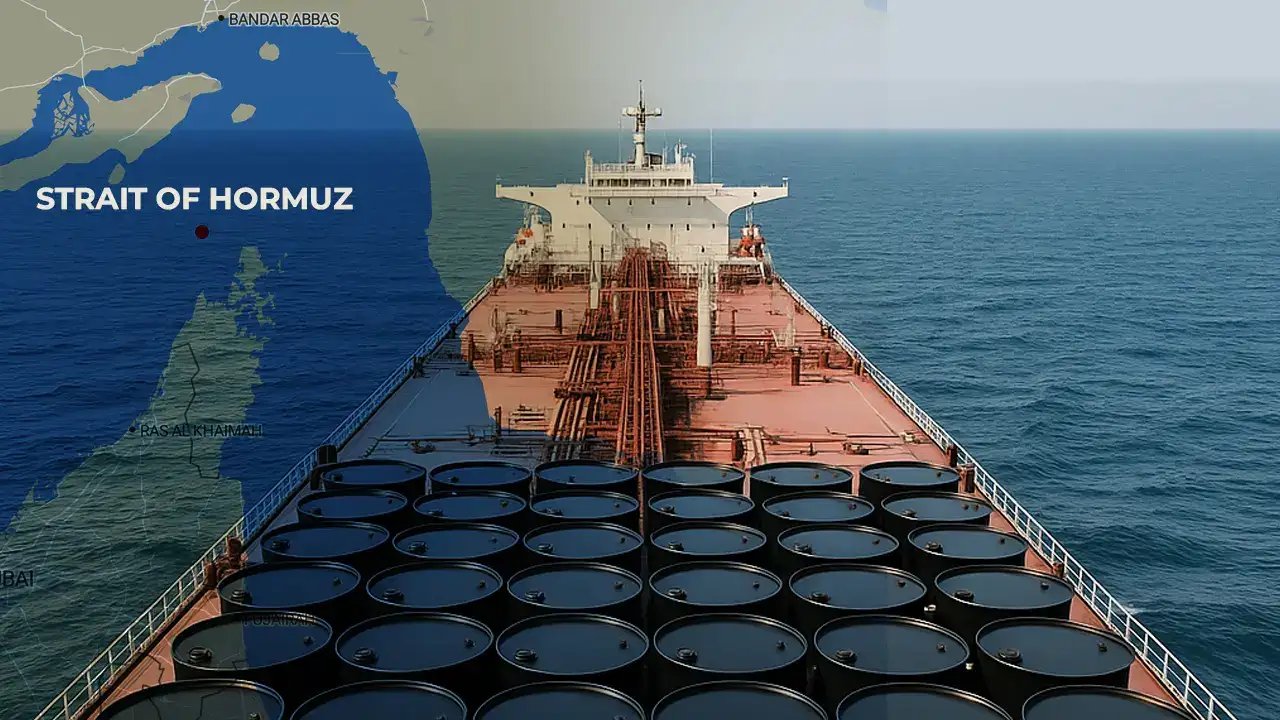
DeHaven attributed Spirit's crisis to multiple policy failures, citing both the Biden administration's "horrible antitrust policy" and Trump's "horrible foreign policy" regarding the Iran war, which spiked jet fuel prices.
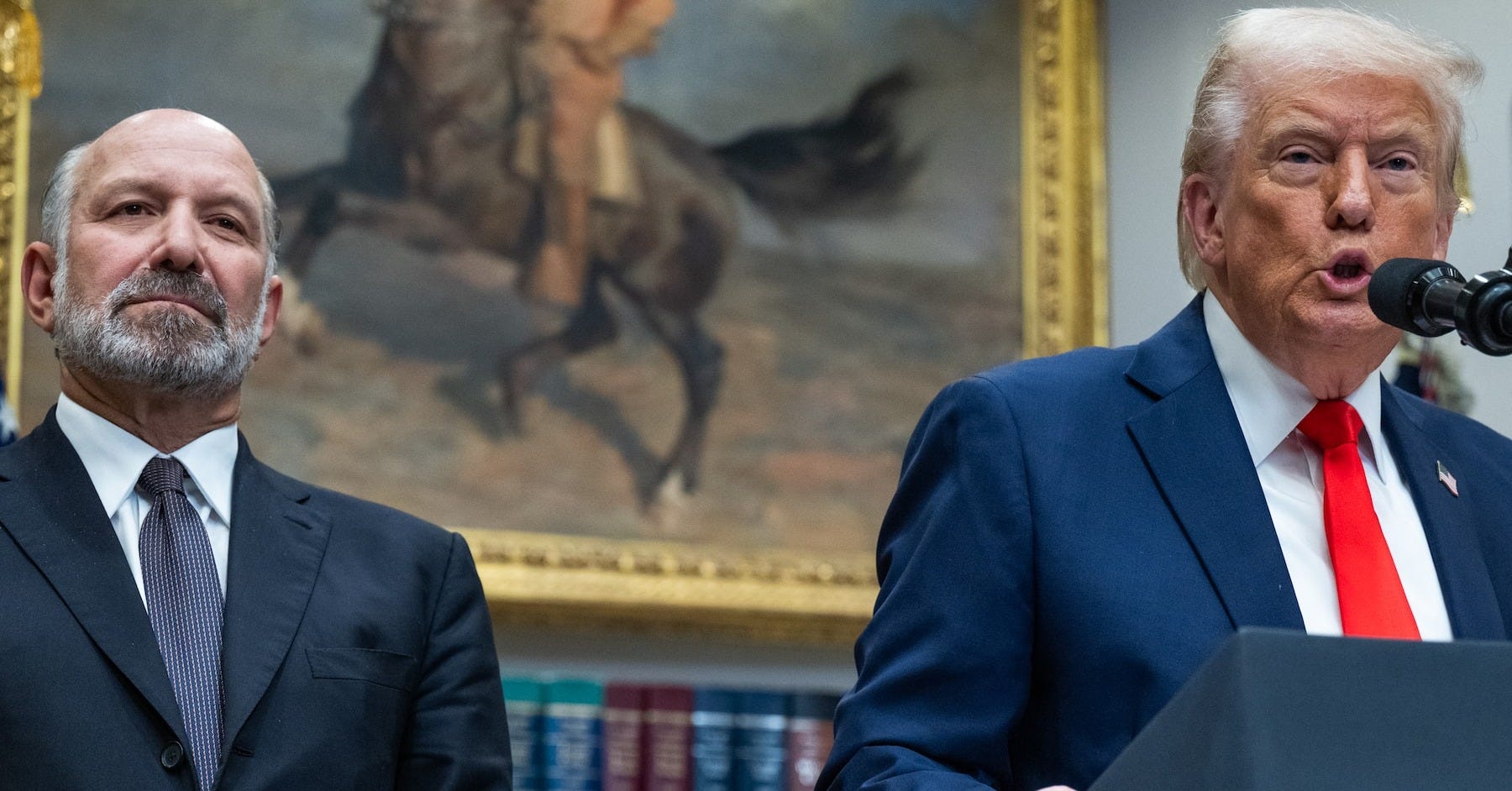
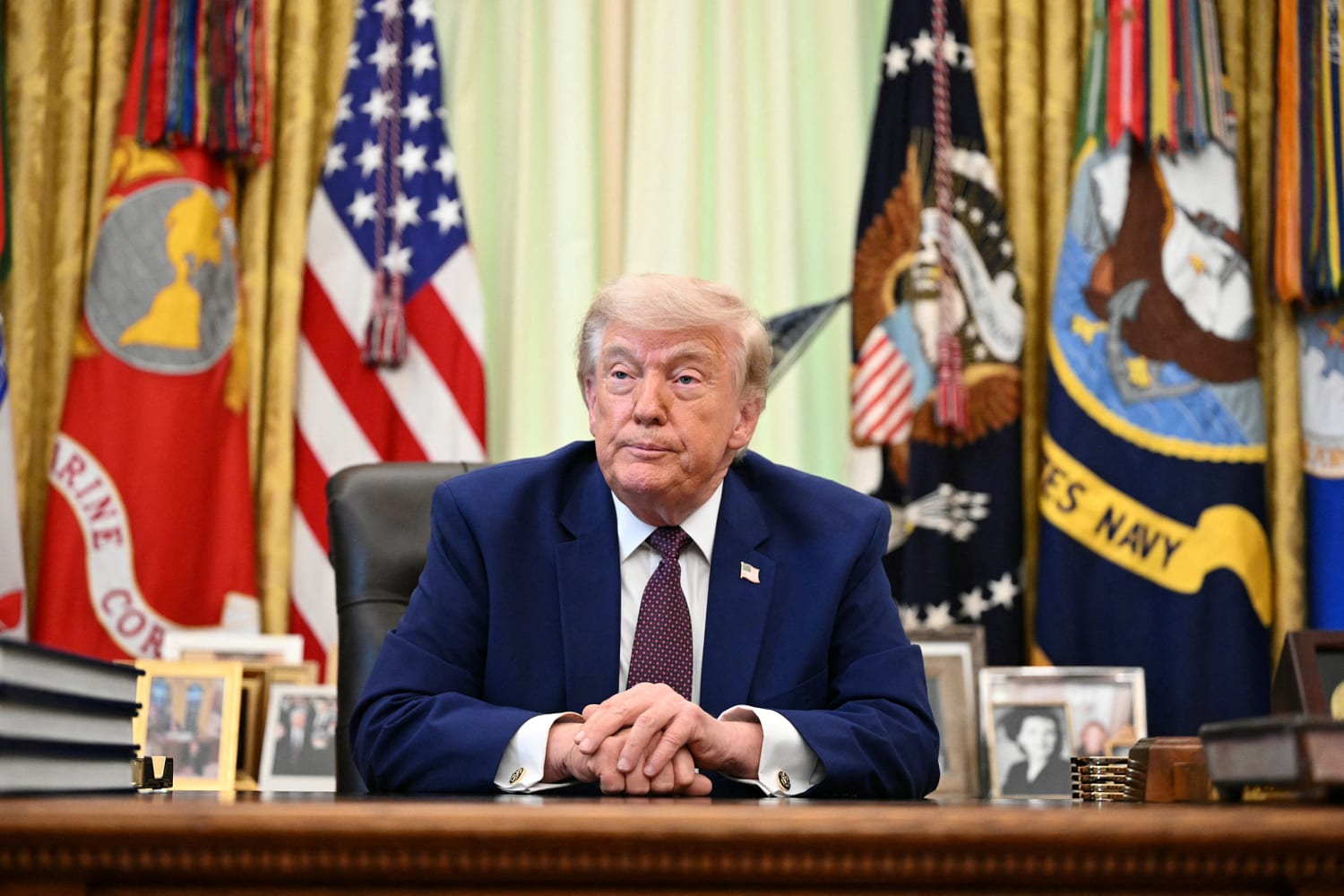
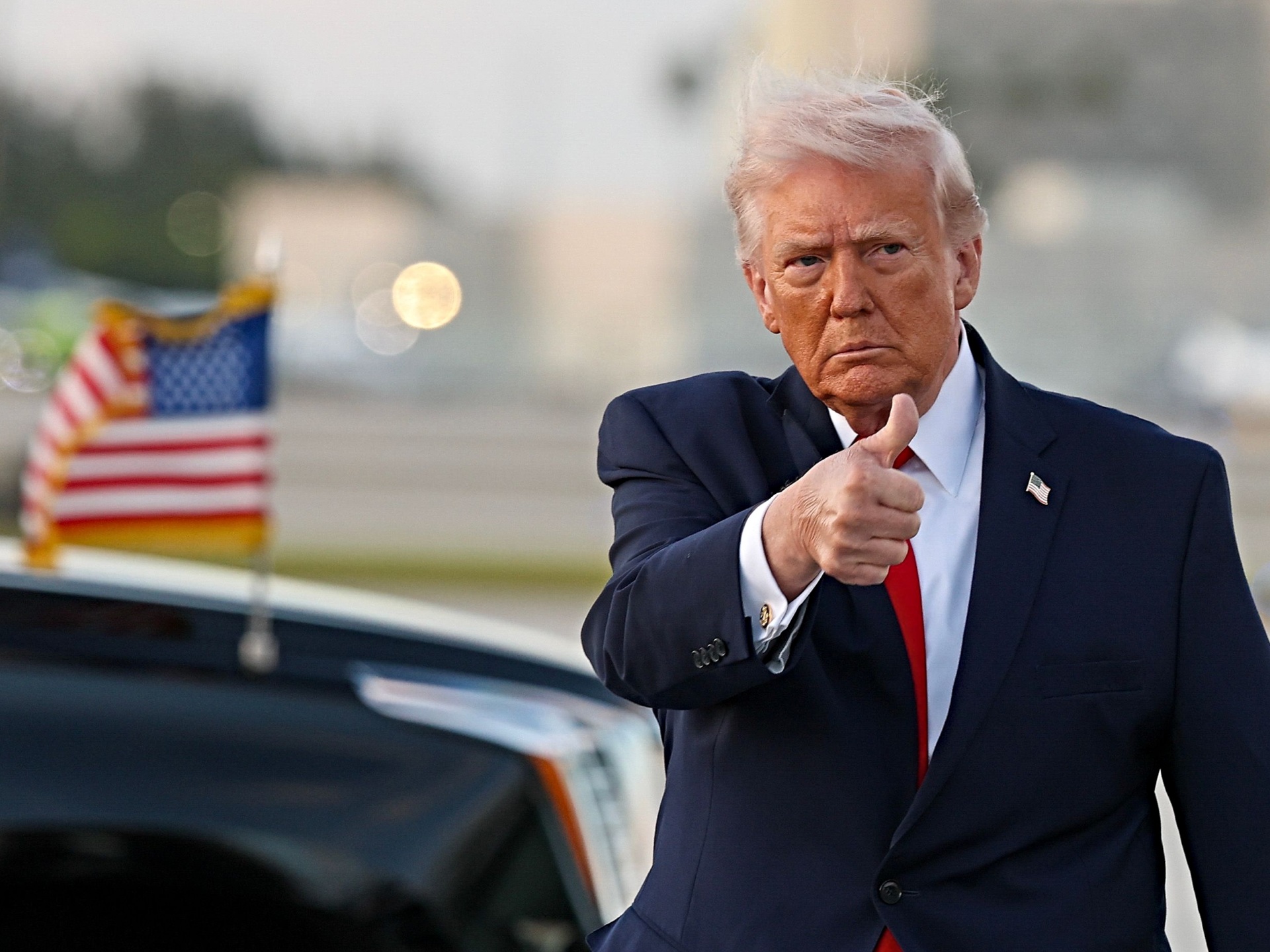
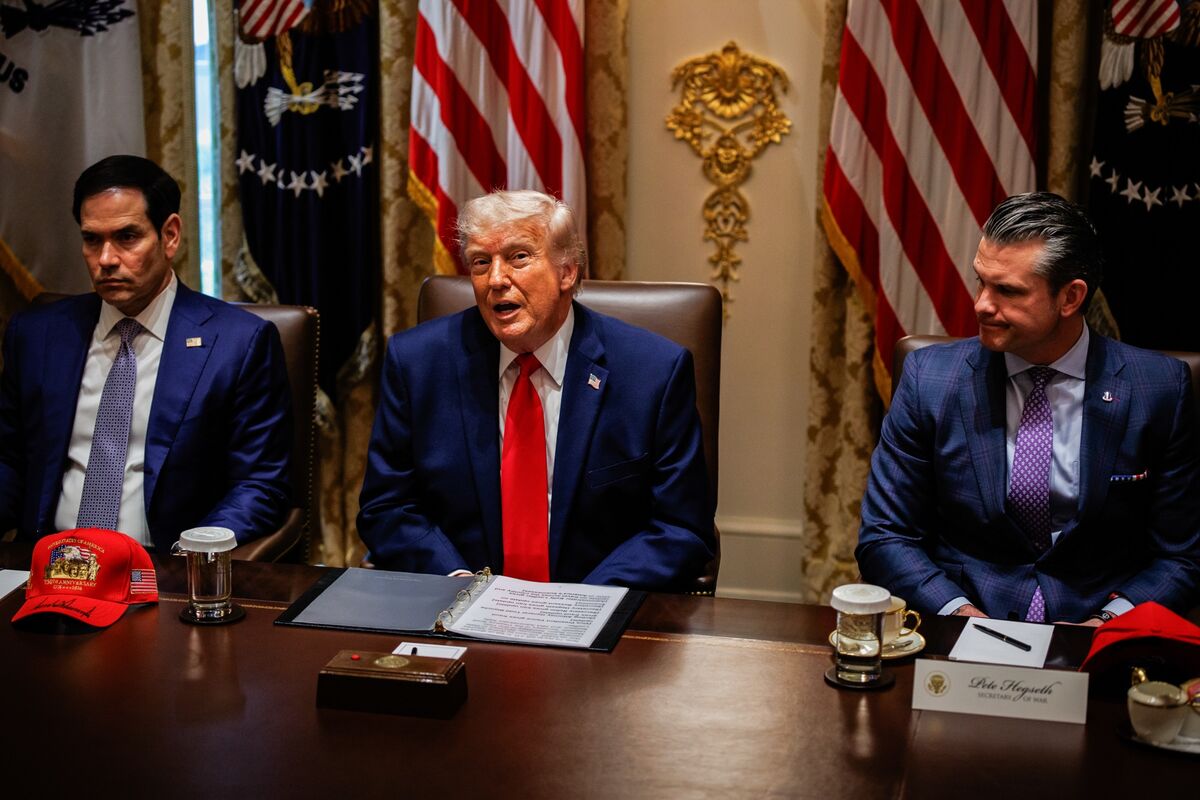
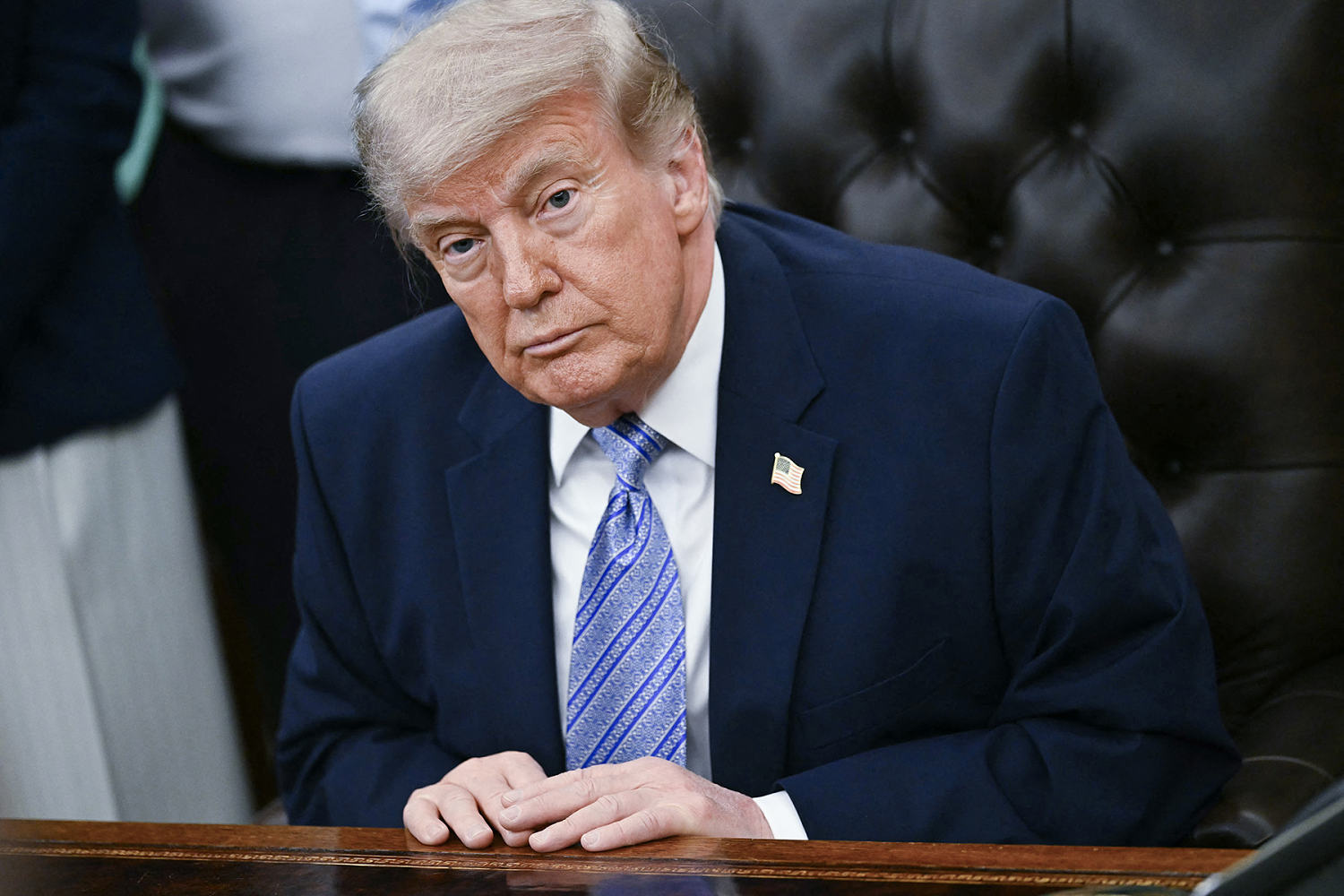
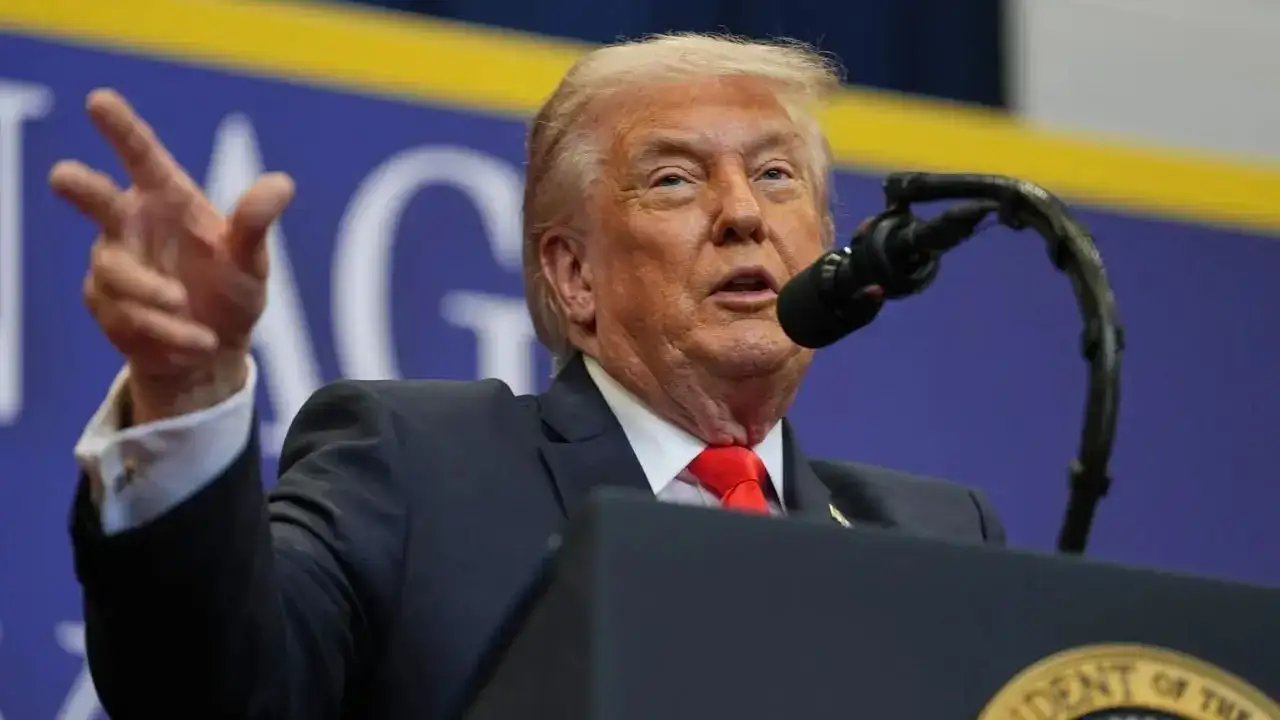
The Trump administration is negotiating a $500 million rescue package for Spirit Airlines, according to a source familiar with the matter. President Trump, Transportation Secretary Sean Duffy, and Commerce Secretary Howard Lutnick met to devise the plan. The deal would help the budget airline emerge from bankruptcy and address elevated fuel costs as carriers prepare for the summer travel season.
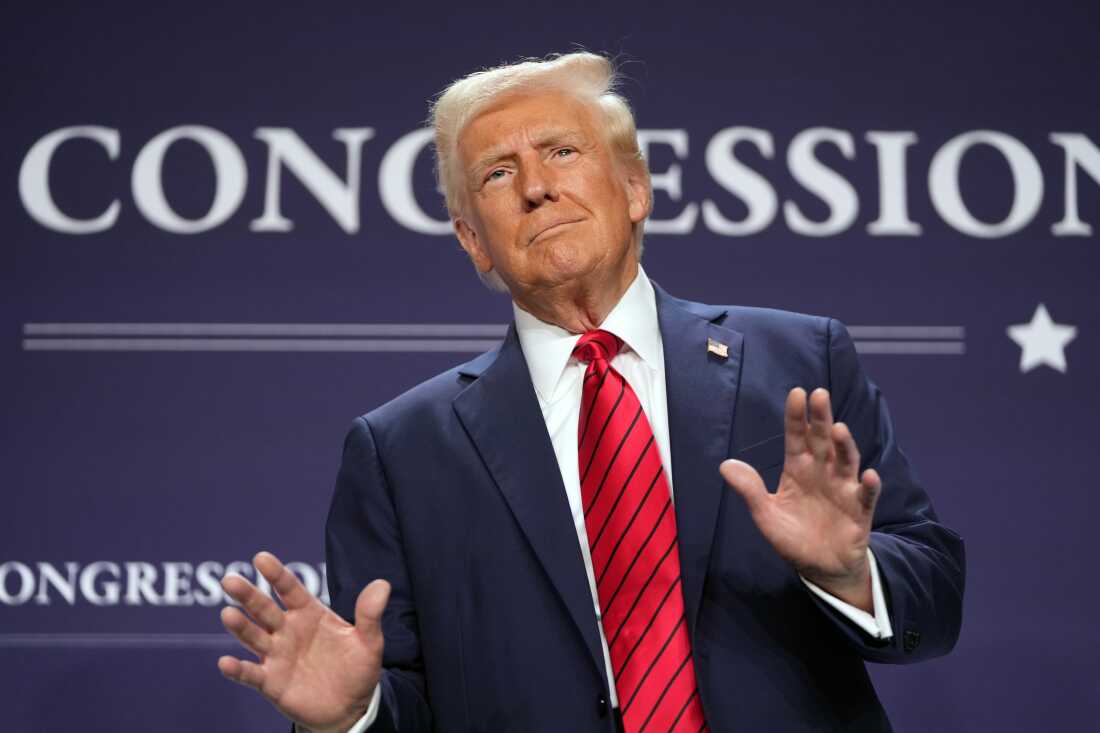
The government would likely receive equity warrants giving it a substantial ownership stake in Spirit, possibly as much as 90 percent. This marks the latest example of aggressive economic interventionism under Trump, who has previously tied government intervention to financial returns for the U.S. He acquired a 10 percent stake in Intel in exchange for CHIPS Act funding and negotiated a 25 percent revenue share from Nvidia on certain chip sales to China in exchange for licensing.
The proposal has drawn criticism from Republican voices. Senator Ted Cruz called the bailout "an absolutely TERRIBLE idea" on social media. Advancing American Freedom, an advocacy group founded by former Vice President Mike Pence, released a memo opposing the rescue deal, becoming the latest conservative voice to object.
Policy analyst Tad DeHaven at the Cato Institute raised concerns about competitive fairness. "You may temporarily save some jobs at Spirit, but what does this mean for everybody who's employed at the other airlines, who are clearly going to be put at a competitive disadvantage because now Spirit will be a privileged entity," DeHaven said. He also noted that Spirit holds only 3.4 percent of U.S. market share as of the 12-month period ending in February, distinguishing it from companies deemed too big to fail during the 2008 financial crisis.
The Association of Flight Attendants-CWA, a union representing workers at 20 airlines including Spirit, expressed support for intervention. "We are hopeful that the government will recognize the needs for emergency funds, especially in the current economic environment," a union spokesperson told Axios.
White House spokesman Kush Desai said the administration continues monitoring the situation. "The Trump administration continues to monitor the situation and overall health of the U.S. aviation industry that millions of Americans rely on every day for essential travel and their livelihoods," Desai stated. He also blamed the Biden administration's decision to block Spirit's proposed merger with JetBlue on anticompetitive grounds, saying Spirit "would be on a much firmer financial footing" had that merger been approved.
Rohit Chopra, former director of the Consumer Financial Protection Bureau under Biden, defended the merger block, arguing Spirit's problems worsened after pursuing what he called an "illegal" merger and that the airline should have fixed its finances sooner. DeHaven attributed Spirit's crisis to multiple policy failures, citing both the Biden administration's "horrible antitrust policy" and Trump's "horrible foreign policy" regarding the Iran war, which spiked jet fuel prices.
Highlighted text was flagged by the council. Tap to see feedback.