Navy Secretary John Phelan has been removed from his position, effective immediately, as tensions escalate in the Strait of Hormuz. Chief Pentagon spokesperson Sean Parnell confirmed the ouster but did not provide specific reasons for the decision.
A person familiar with the situation told Axios that Phelan "didn't understand he wasn't the boss" and bypassed the chain of command.
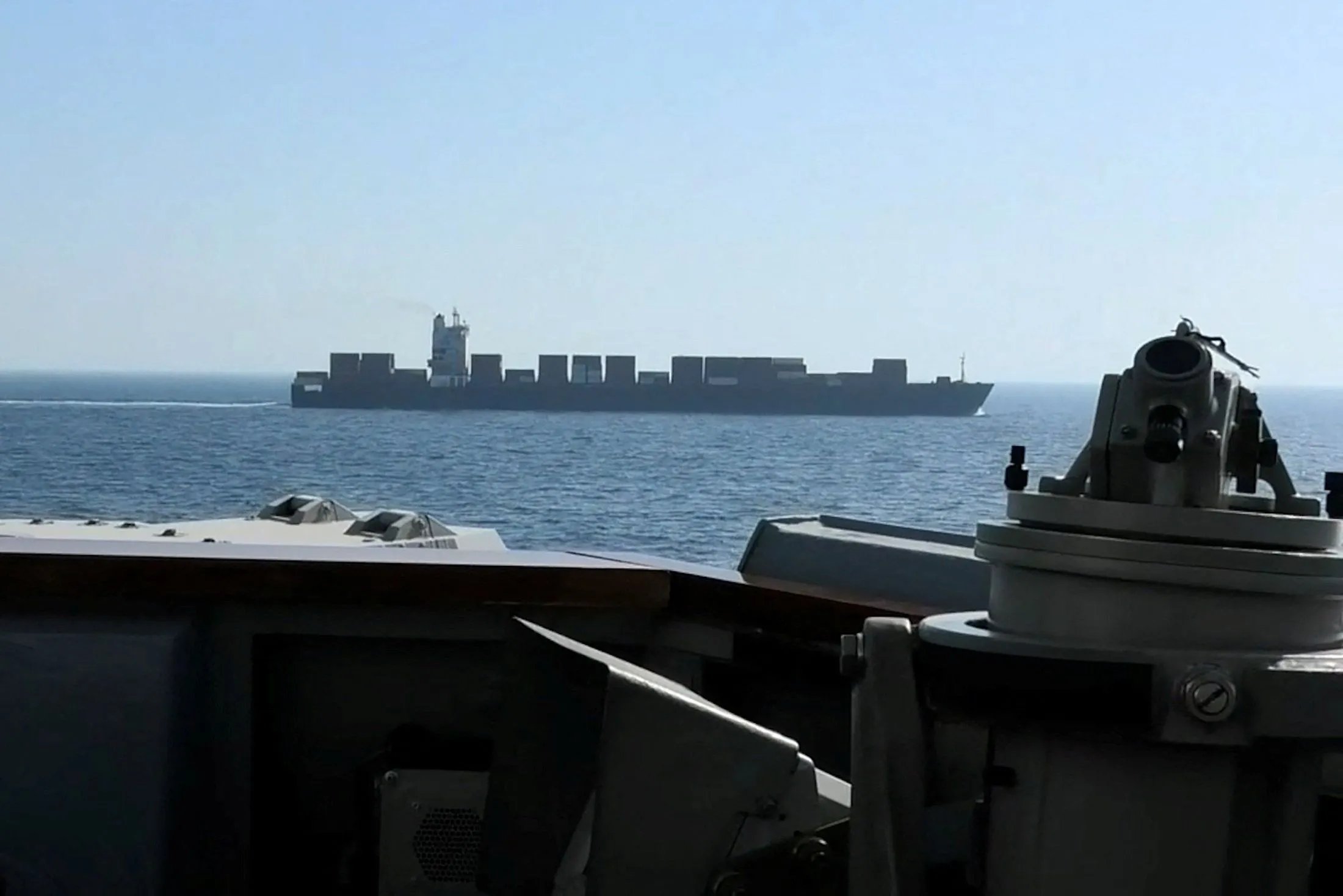
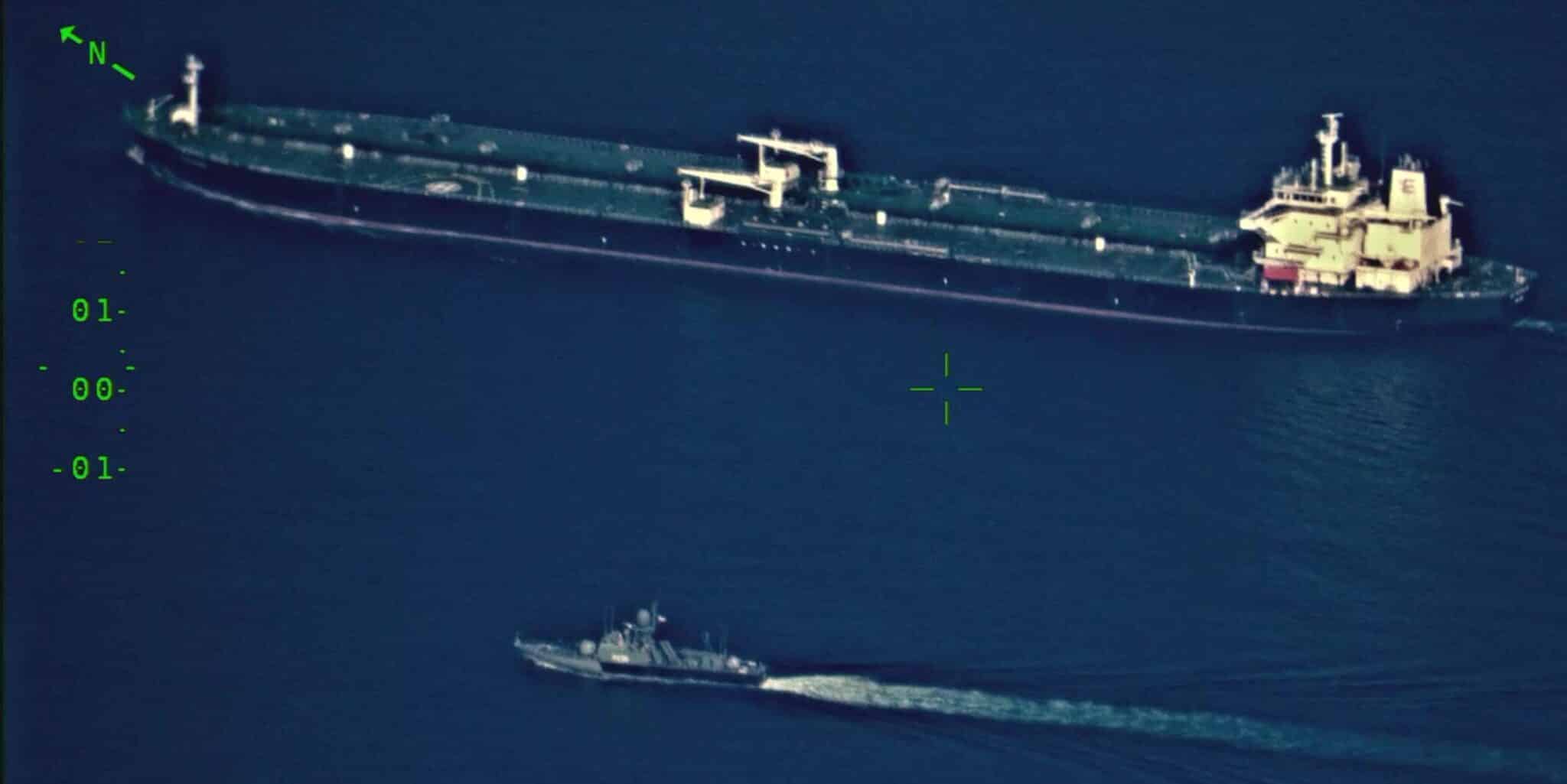
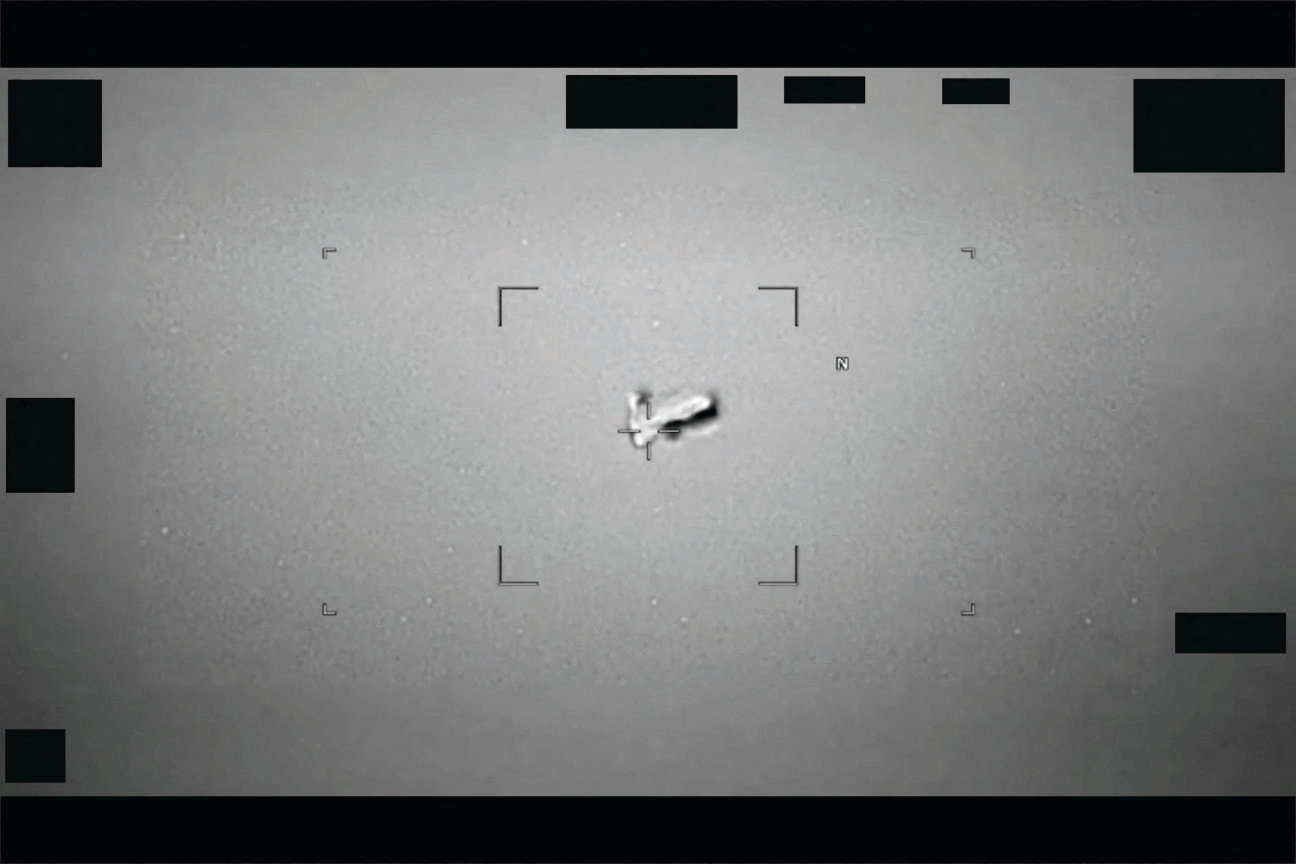
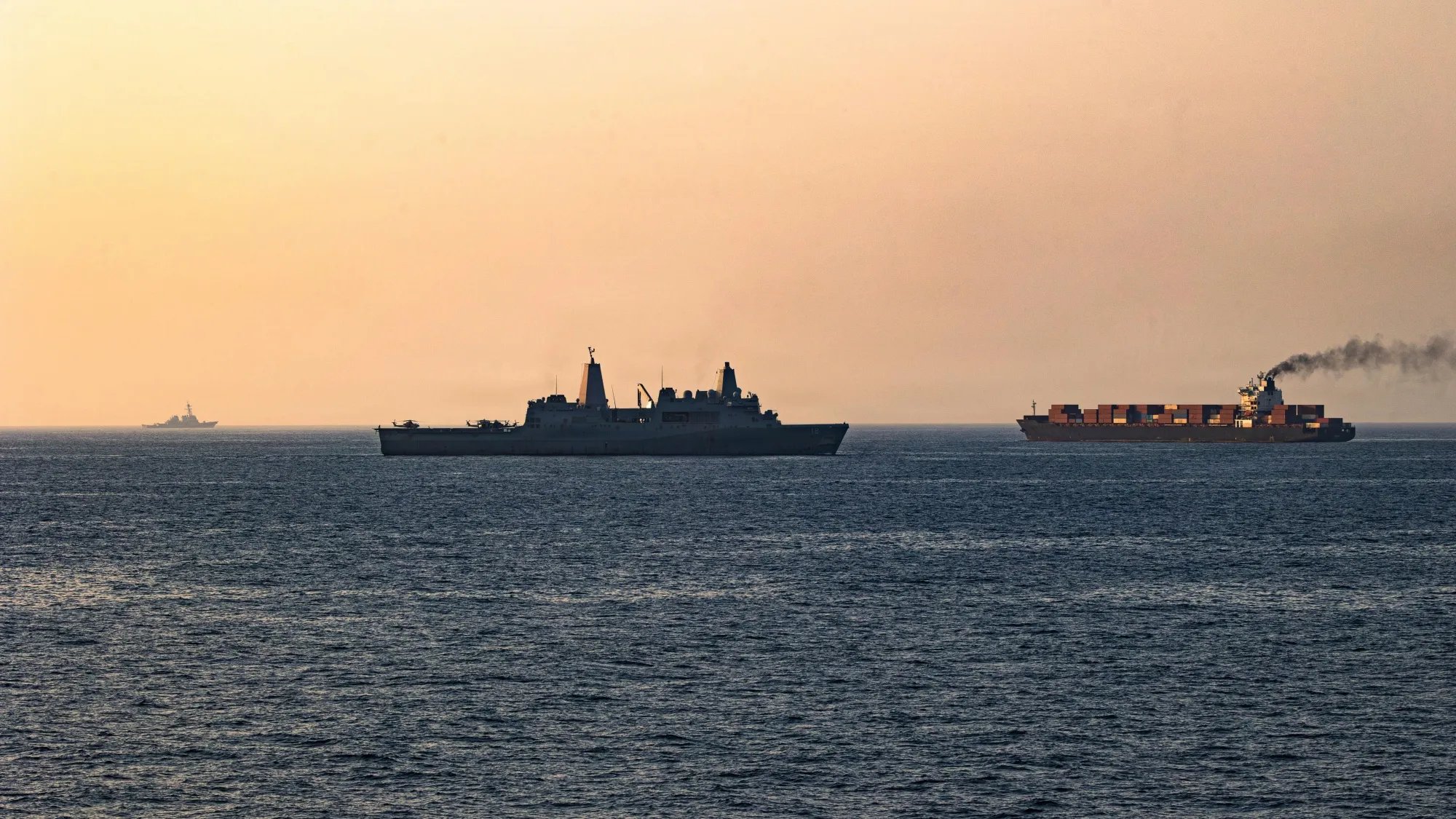
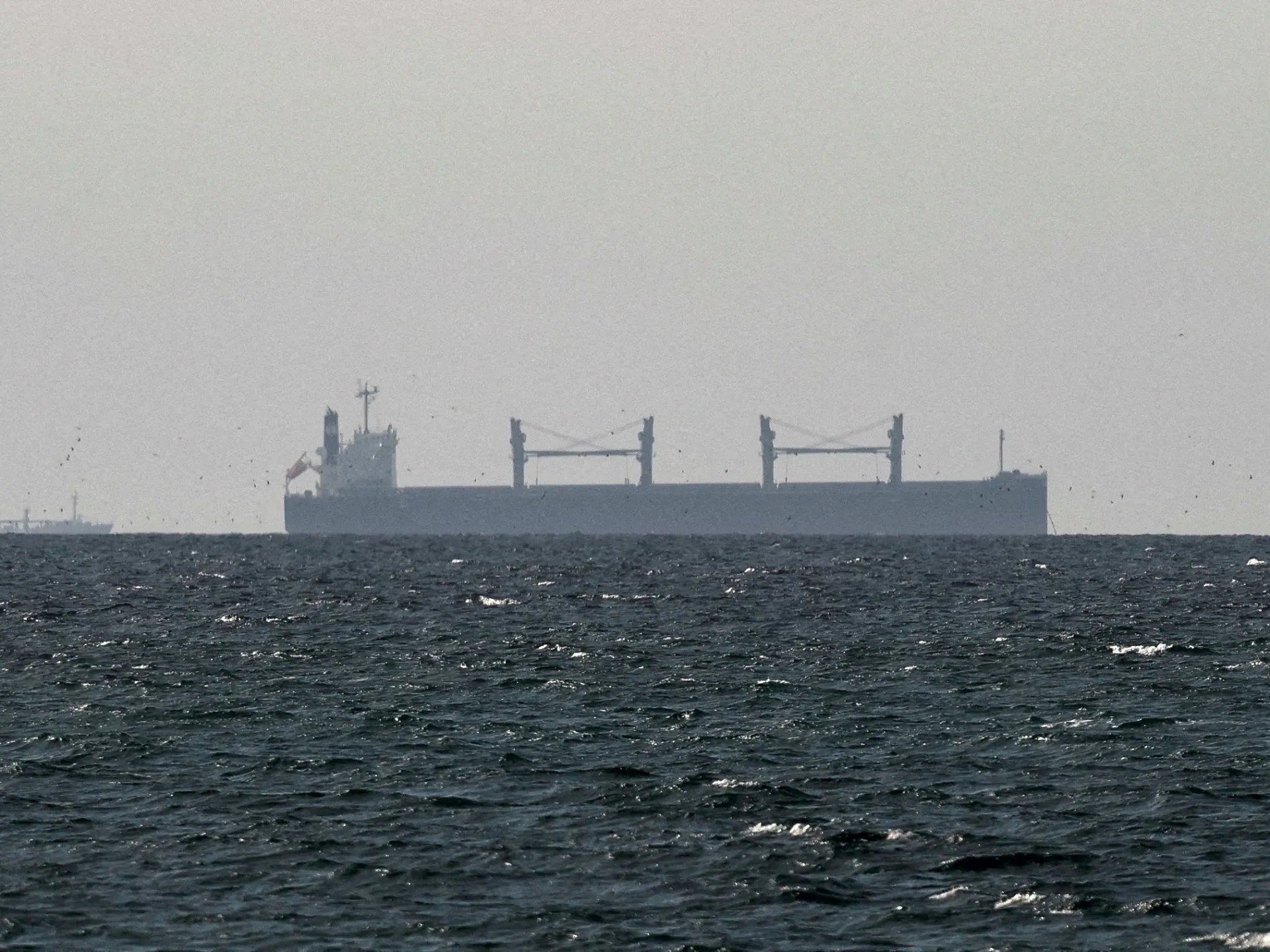
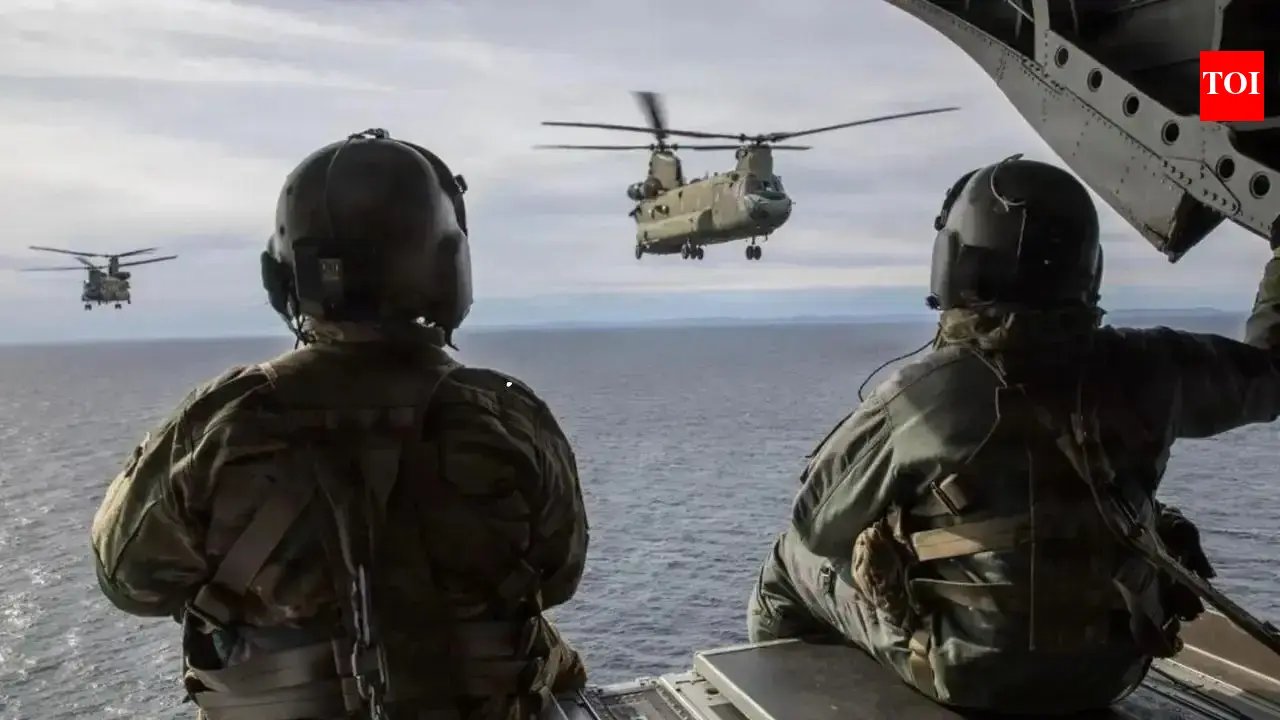
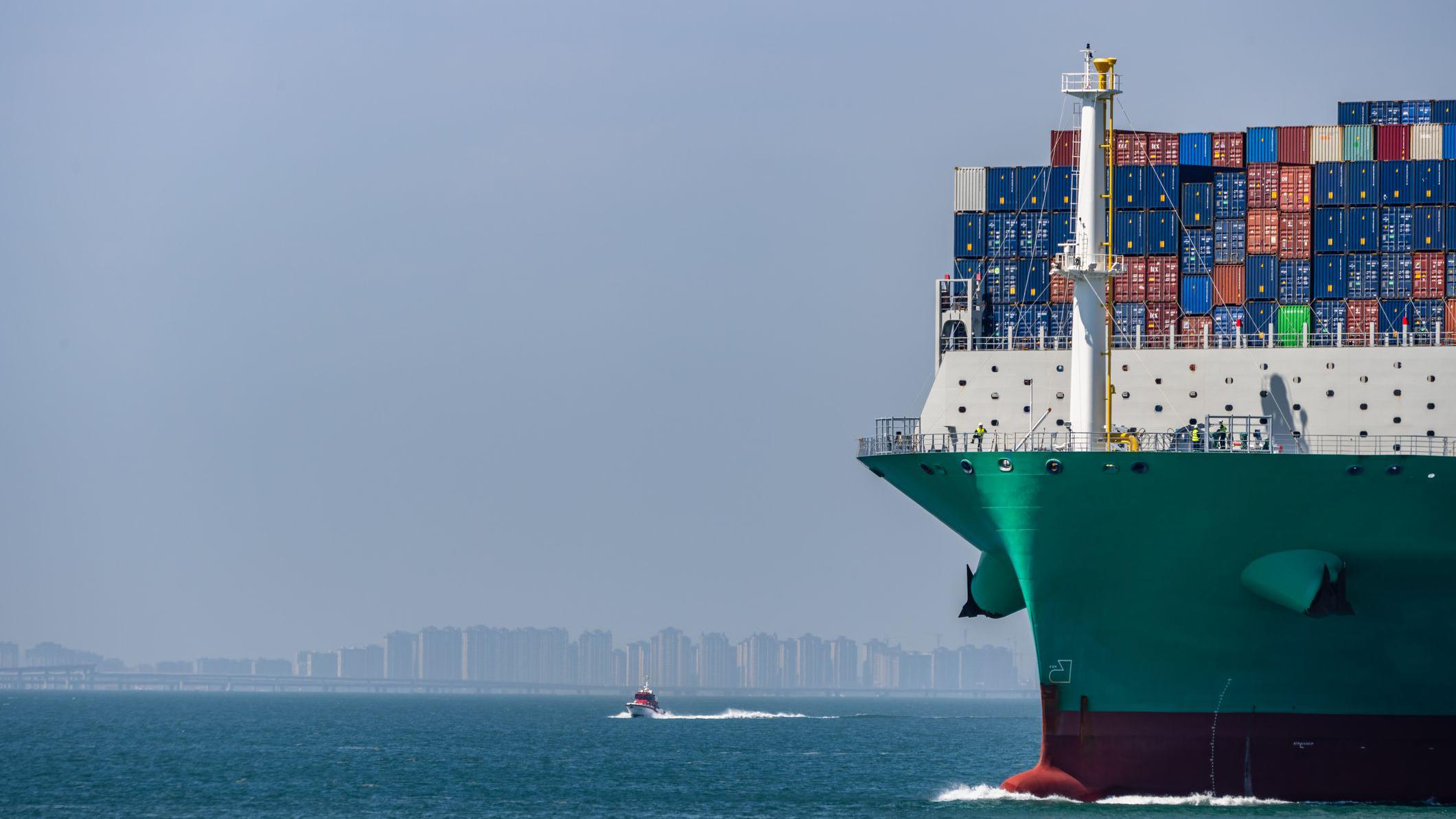
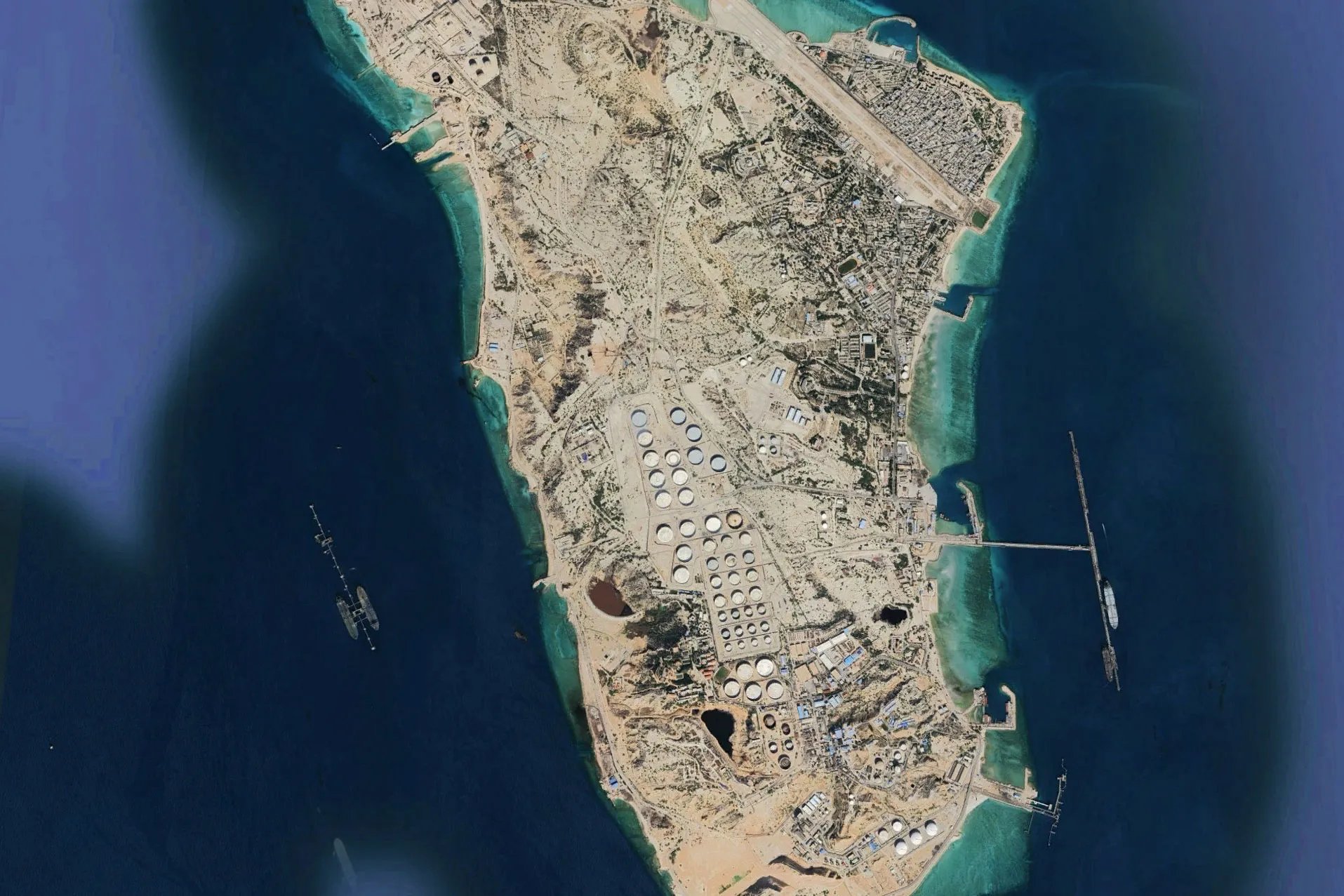
Phelan's firing occurs amid a naval standoff with Iran, which has intensified recently. The Strait of Hormuz has seen a significant reduction in shipping traffic, with only sporadic movements of vessels linked to Iran. The current blockade has raised concerns about the safety and security of maritime operations in one of the world's most critical waterways, emphasizing the urgency of effective naval leadership.
In the wake of Phelan's departure, Navy Undersecretary Hung Cao will assume the role of acting Navy Secretary. This transition comes at a pivotal moment as the U.S. Navy faces challenges in maintaining operations in a tense environment. Cao's ability to navigate the complexities of the situation will be closely watched by military analysts and policymakers.
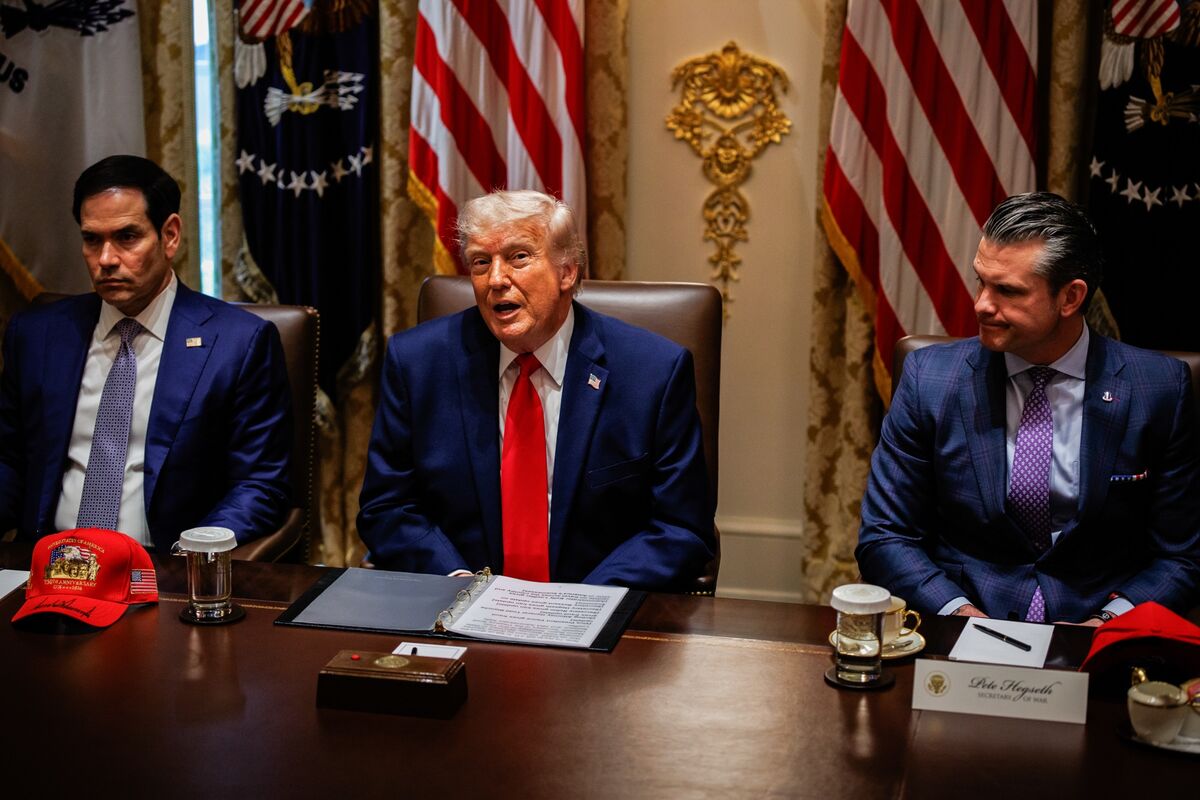
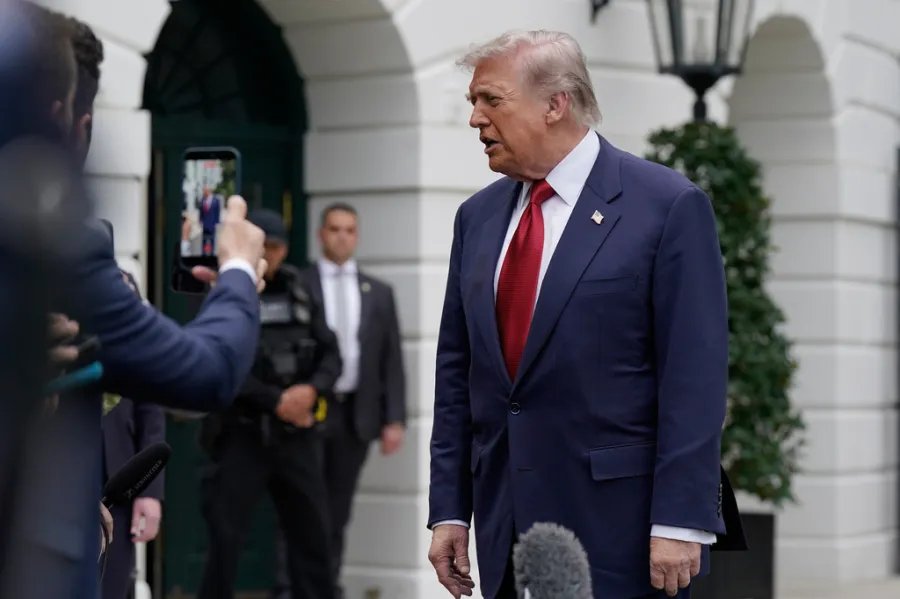
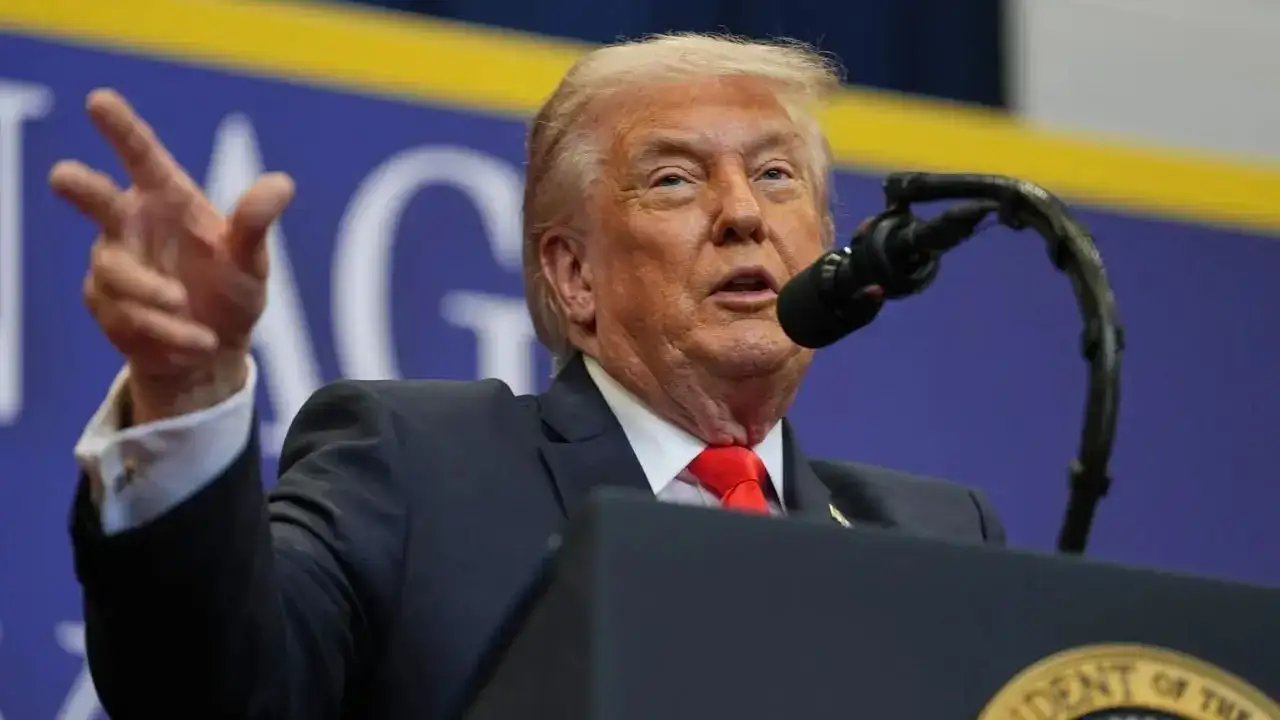
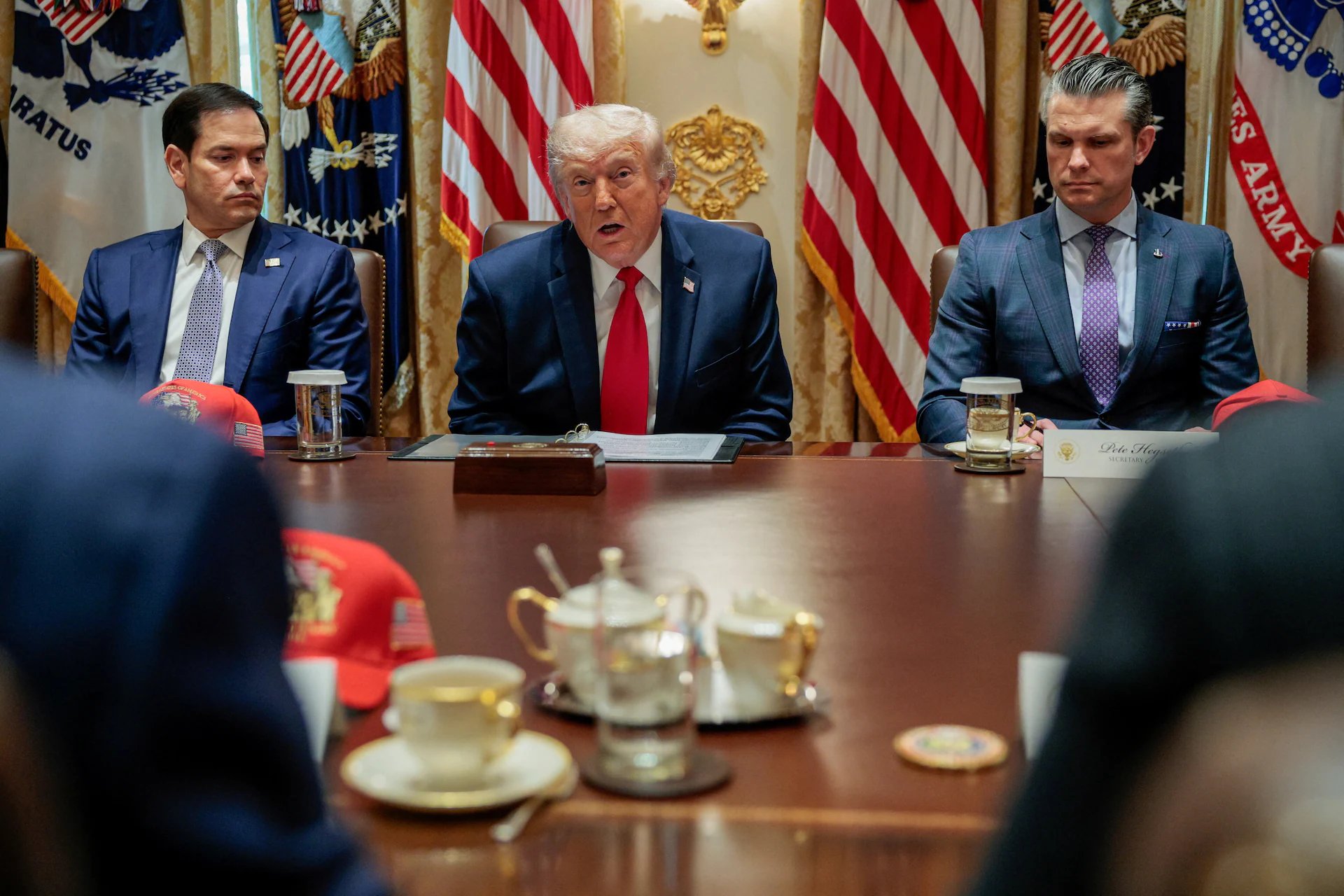
Phelan's exit is part of a broader trend of personnel changes within the military leadership under Hegseth, who has previously removed other high-ranking officials, including Army Chief of Staff Gen. Randy George. This ongoing reshuffling raises concerns about the potential impact on military strategy and operations, particularly as the U.S. navigates heightened tensions with Iran. Observers note that Hegseth's close relationships with key figures, including President Trump and Secretary of State Marco Rubio, may play a crucial role in shaping future military decisions.
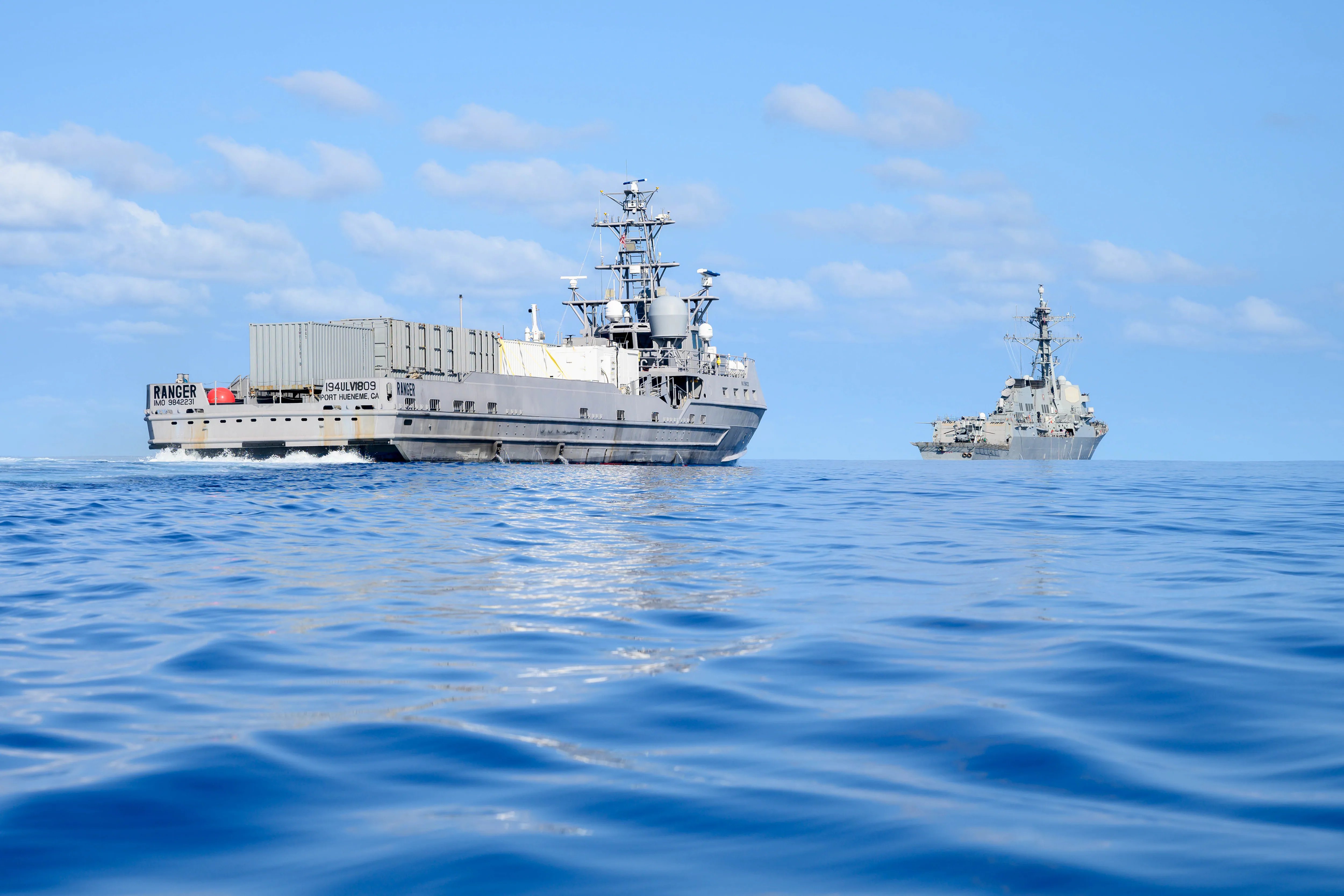
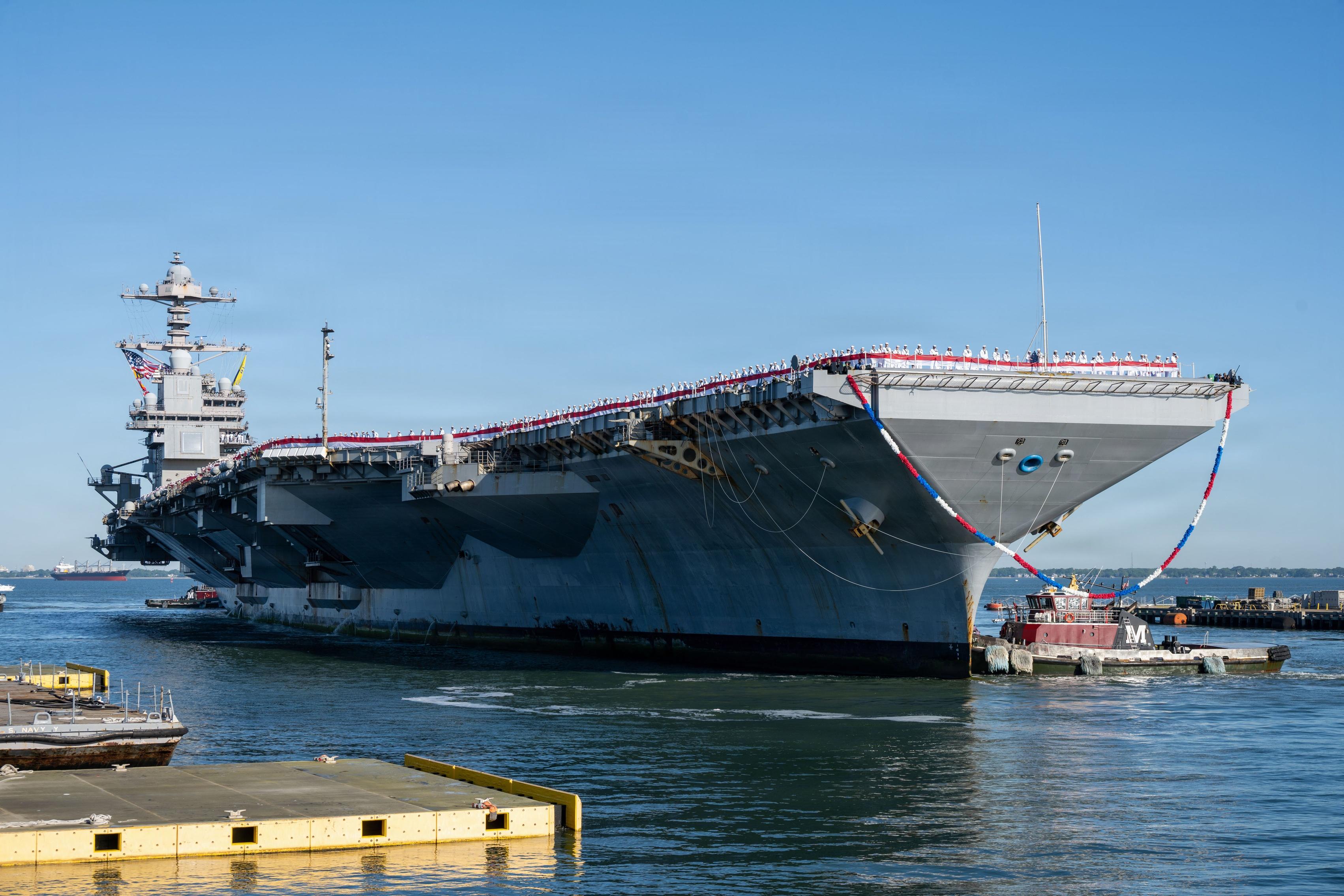
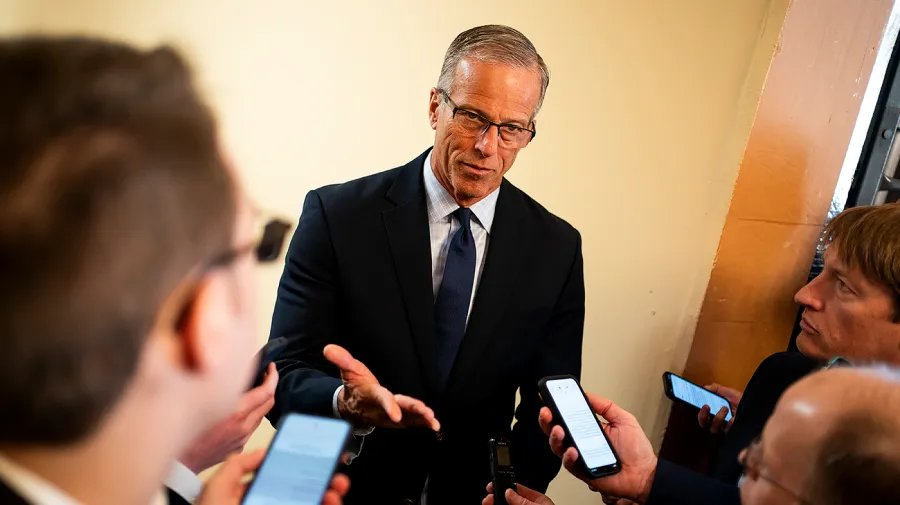
The firing of Phelan raises questions about the future direction of the Navy, particularly regarding its modernization initiatives. Phelan emphasized the need for improved shipbuilding capabilities, a sentiment he expressed just days before his dismissal during a meeting with reporters. As the Navy grapples with operational challenges in the Hormuz region, the leadership change could influence ongoing discussions about resource allocation and strategic priorities.
The evolving situation in the Strait of Hormuz and the Pentagon's leadership dynamics underscore the complexities facing U.S. military operations. As the Navy adjusts to this leadership transition, the implications for regional security and maritime safety will remain a focal point for military and diplomatic observers.
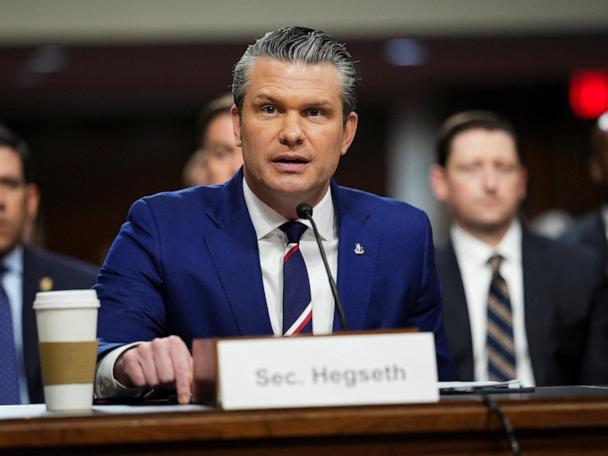
Navy Secretary John Phelan has been removed from his position, effective immediately, as tensions escalate in the Strait of Hormuz. Defense Secretary Pete Hegseth announced Phelan's dismissal on April 22, highlighting a significant shift in military leadership during a critical geopolitical crisis. Chief Pentagon spokesperson Sean Parnell confirmed the ouster but did not provide specific reasons for the decision.
Sources within the Pentagon suggest that Phelan's relationship with Hegseth deteriorated due to perceived insubordination. An insider stated that Phelan "didn't understand he wasn't the boss" and had a tendency to bypass the established chain of command, which reportedly did not sit well with Hegseth. This leadership change follows a pattern of abrupt departures among military officials under the current administration, raising questions about stability within the Pentagon.
Phelan's firing occurs amid a naval standoff with Iran, which has intensified recently. The Strait of Hormuz has seen a significant reduction in shipping traffic, with only sporadic movements of vessels linked to Iran. The current blockade has raised concerns about the safety and security of maritime operations in one of the world's most critical waterways, emphasizing the urgency of effective naval leadership.
In the wake of Phelan's departure, Navy Undersecretary Hung Cao will assume the role of acting Navy Secretary. This transition comes at a pivotal moment as the U.S. Navy faces challenges in maintaining operations in a tense environment. Cao's ability to navigate the complexities of the situation will be closely watched by military analysts and policymakers.
Phelan's exit is part of a broader trend of personnel changes within the military leadership under Hegseth, who has previously removed other high-ranking officials, including Army Chief of Staff Gen. Randy George. This ongoing reshuffling raises concerns about the potential impact on military strategy and operations, particularly as the U.S. navigates heightened tensions with Iran. Observers note that Hegseth's close relationships with key figures, including President Trump and Secretary of State Marco Rubio, may play a crucial role in shaping future military decisions.
The firing of Phelan raises questions about the future direction of the Navy, particularly regarding its modernization initiatives. Phelan emphasized the need for improved shipbuilding capabilities, a sentiment he expressed just days before his dismissal during a meeting with reporters. As the Navy grapples with operational challenges in the Hormuz region, the leadership change could influence ongoing discussions about resource allocation and strategic priorities.
The evolving situation in the Strait of Hormuz and the Pentagon's leadership dynamics underscore the complexities facing U.S. military operations. As the Navy adjusts to this leadership transition, the implications for regional security and maritime safety will remain a focal point for military and diplomatic observers.
Highlighted text was flagged by the council. Tap to see feedback.