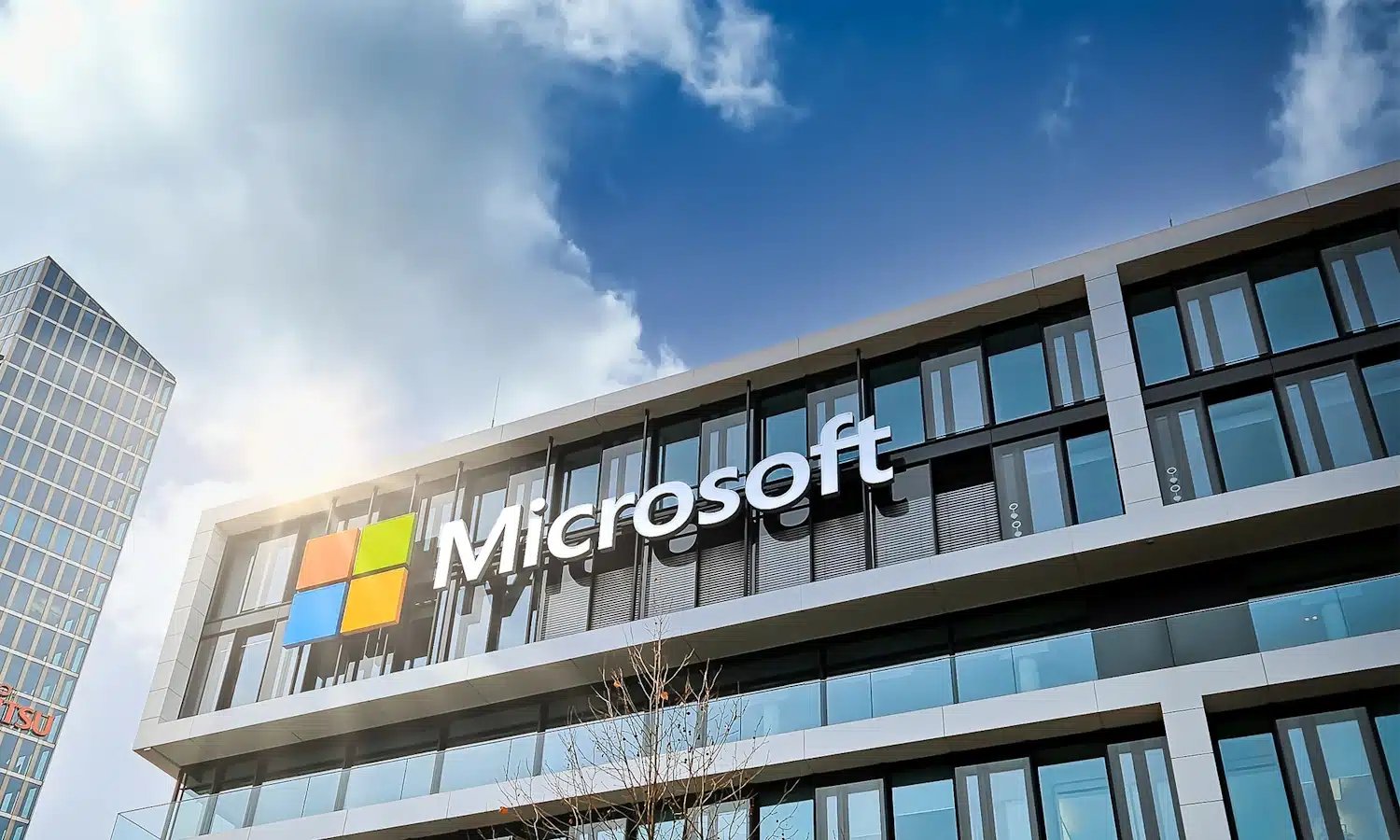
Microsoft is offering voluntary buyouts to 8,750 of its US employees, according to a memo from chief people officer Amy Coleman. The software giant will extend these offers in early May, affecting 7 percent of its US workforce and marking the company's initial foray into such programs.
Meta is cutting about 8,000 jobs, representing 10 percent of its total employees, to boost efficiency and fund new investments. The company plans to leave roughly 6,000 positions unfilled as part of this strategy, with announcements made on Thursday.
Meta and Microsoft are among tech companies redirecting resources toward artificial intelligence investments. Meta expects its expenses to reach between $162 billion and $169 billion this year, largely due to infrastructure costs and high salaries for AI specialists. The company broke ground this week on a $1 billion AI-optimized data center in Tulsa, Oklahoma, its 28th in the US. Microsoft operates a vast network of data centers to support cloud services and AI tools like Copilot, underscoring the financial pressures behind these decisions.
Wedbush analyst Dan Ives described Meta's job cuts as a way to automate tasks and maintain productivity with a smaller team. He noted in a Thursday investor update that this approach could streamline operations despite the reductions. Meanwhile, Meta's stock dropped 2.3 percent on Thursday, and Microsoft's shares fell 3.97 percent the same day, reflecting investor reactions to the announcements.
Workers at Microsoft now have the option to leave with company support through the buyout program, as stated in Coleman's memo. This contrasts with Meta's direct layoffs, which remove employees without offering transition support.
Microsoft is offering voluntary buyouts to 8,750 of its US employees, a move detailed in a memo from chief people officer Amy Coleman. The software giant will extend these offers in early May, affecting 7 percent of its US workforce and marking the company's initial foray into such programs. This development comes as tech firms redirect resources toward artificial intelligence, potentially altering job security for thousands of workers in similar roles nationwide.
Meta is cutting about 8,000 jobs, representing 10 percent of its total employees, to boost efficiency and fund new investments. The company plans to leave roughly 6,000 positions unfilled as part of this strategy, with announcements made on Thursday. These layoffs highlight a broader industry trend where employees face fewer opportunities amid rising AI expenditures.
Meta expects its expenses to reach between $162 billion and $169 billion this year, largely due to infrastructure costs and high salaries for AI specialists. The company broke ground this week on a $1 billion AI-optimized data center in Tulsa, Oklahoma, its 28th in the US. Microsoft operates a vast network of data centers to support cloud services and AI tools like Copilot, underscoring the financial pressures behind these decisions.
Wedbush analyst Dan Ives described Meta's job cuts as a way to automate tasks and maintain productivity with a smaller team. He noted in a Thursday investor update that this approach could streamline operations despite the reductions. Meanwhile, Meta's stock dropped 2.3 percent on Thursday, and Microsoft's shares fell 3.97 percent the same day, reflecting investor reactions to the announcements.
Workers at Microsoft now have the option to leave with company support through the buyout program, as stated in Coleman's memo. This contrasts with Meta's direct layoffs, which could leave affected employees without immediate alternatives in a tightening job market. For many in the tech sector, these changes mean weighing personal financial stability against evolving career paths in AI-driven industries.
Highlighted text was flagged by the council. Tap to see feedback.