






Urgent Travel Advisory Issued
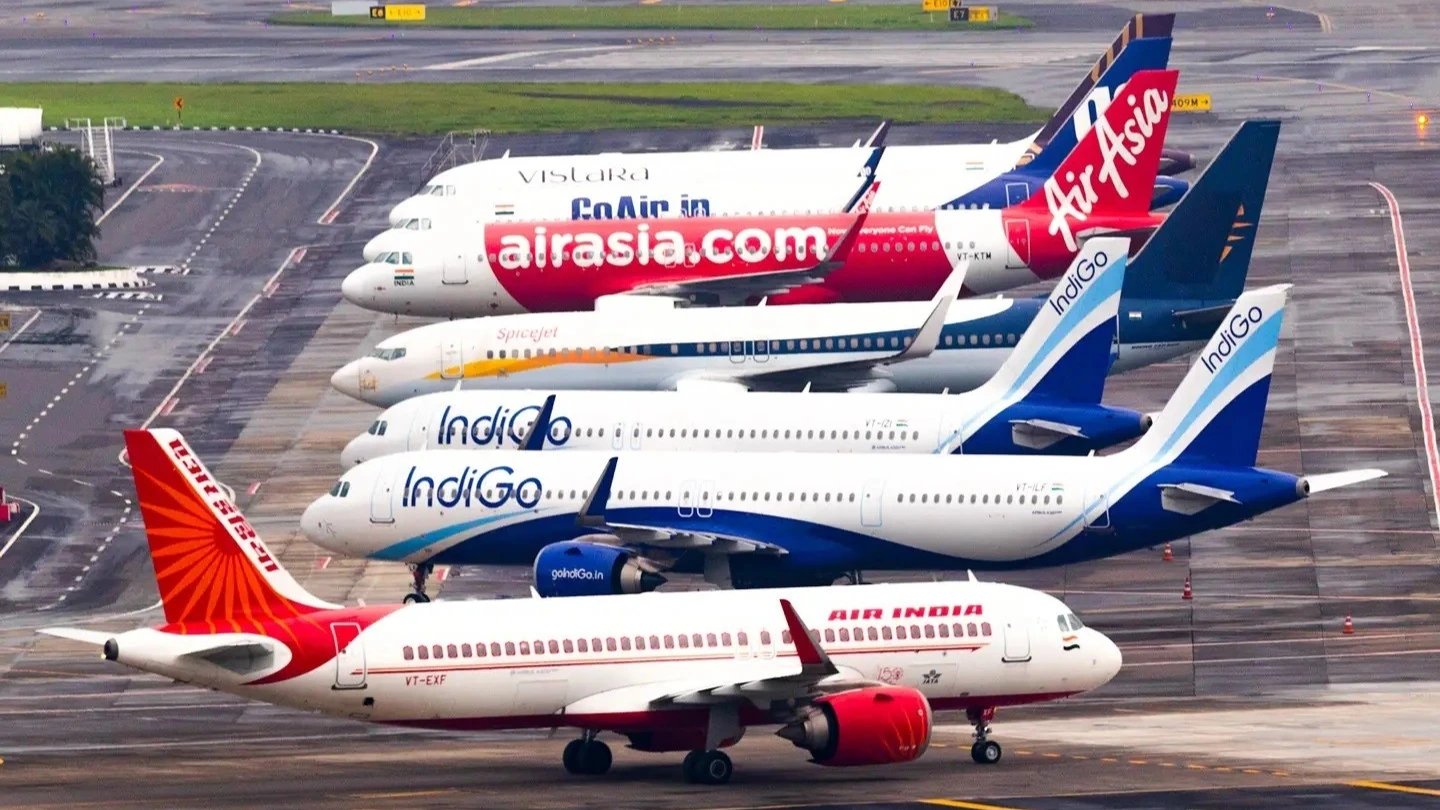
France has urged its citizens to leave Mali "as soon as possible" following a weekend of coordinated attacks by Tuareg-led rebels and Islamist militants. The French Foreign Ministry described the security situation as "extremely volatile," advising nationals to make arrangements for temporary departure on available commercial flights. Citizens are also instructed to limit their movements and stay at home until they can leave, while travel to Mali is strongly discouraged, regardless of the purpose.
Rebel Forces Claim Victories
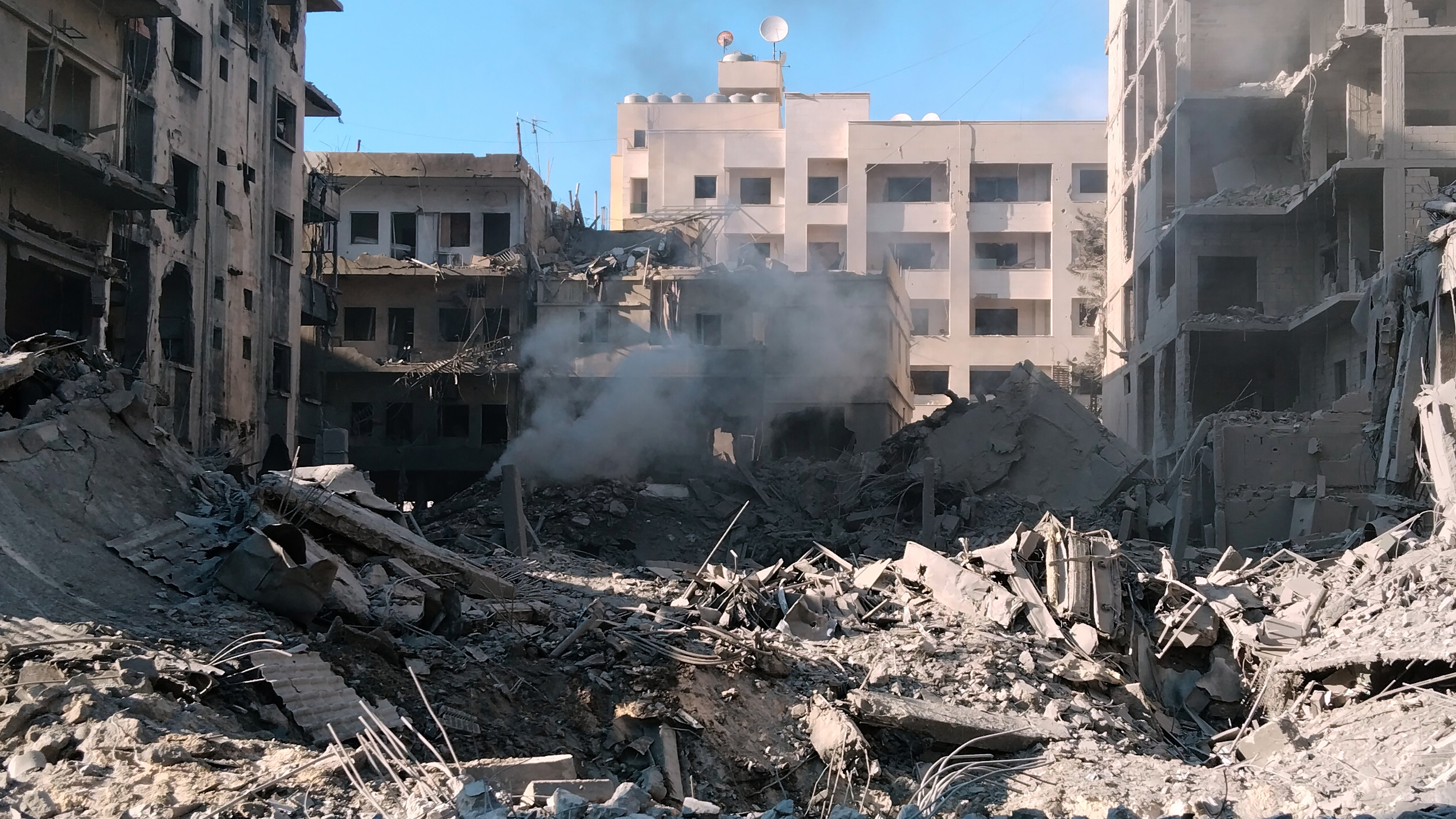
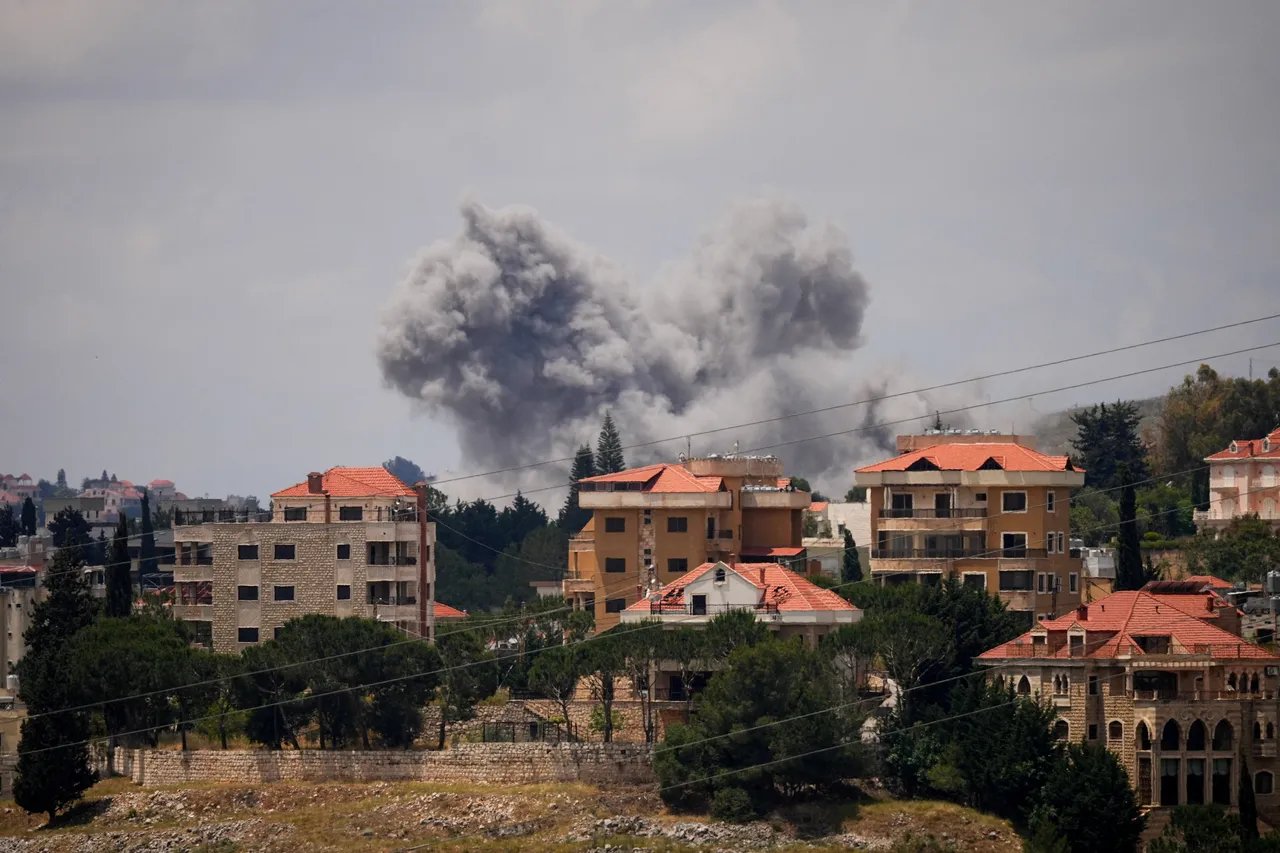
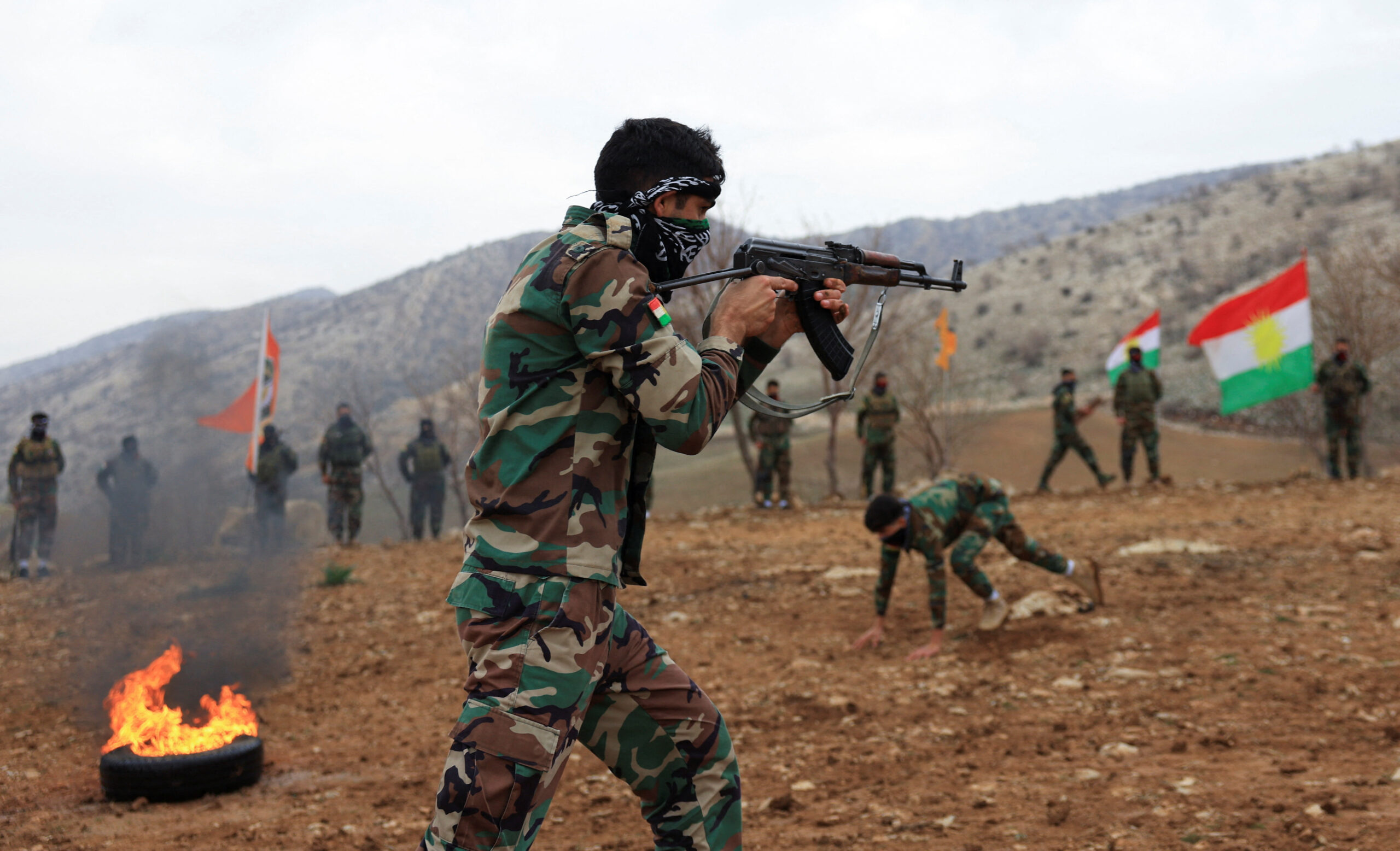
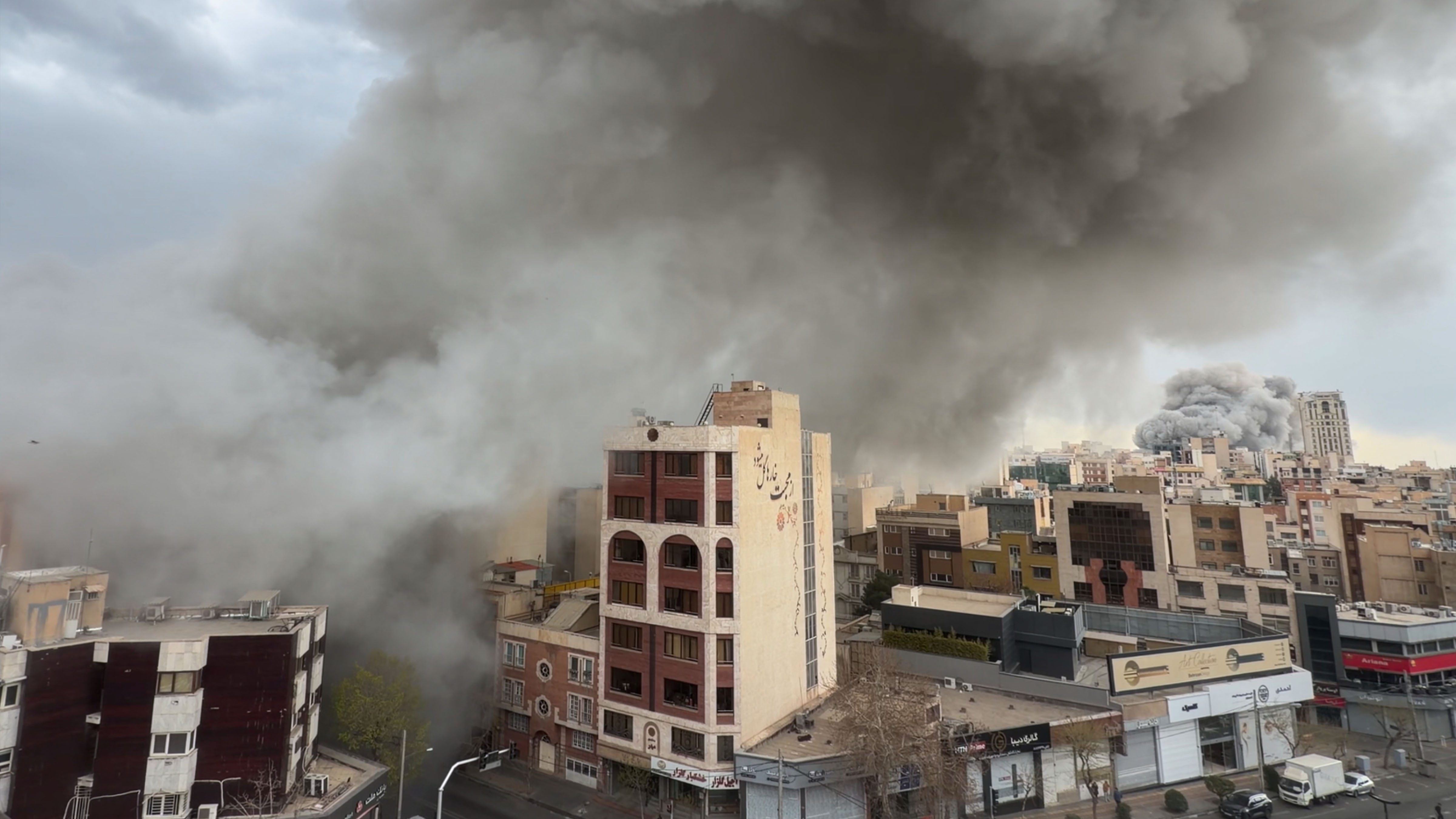
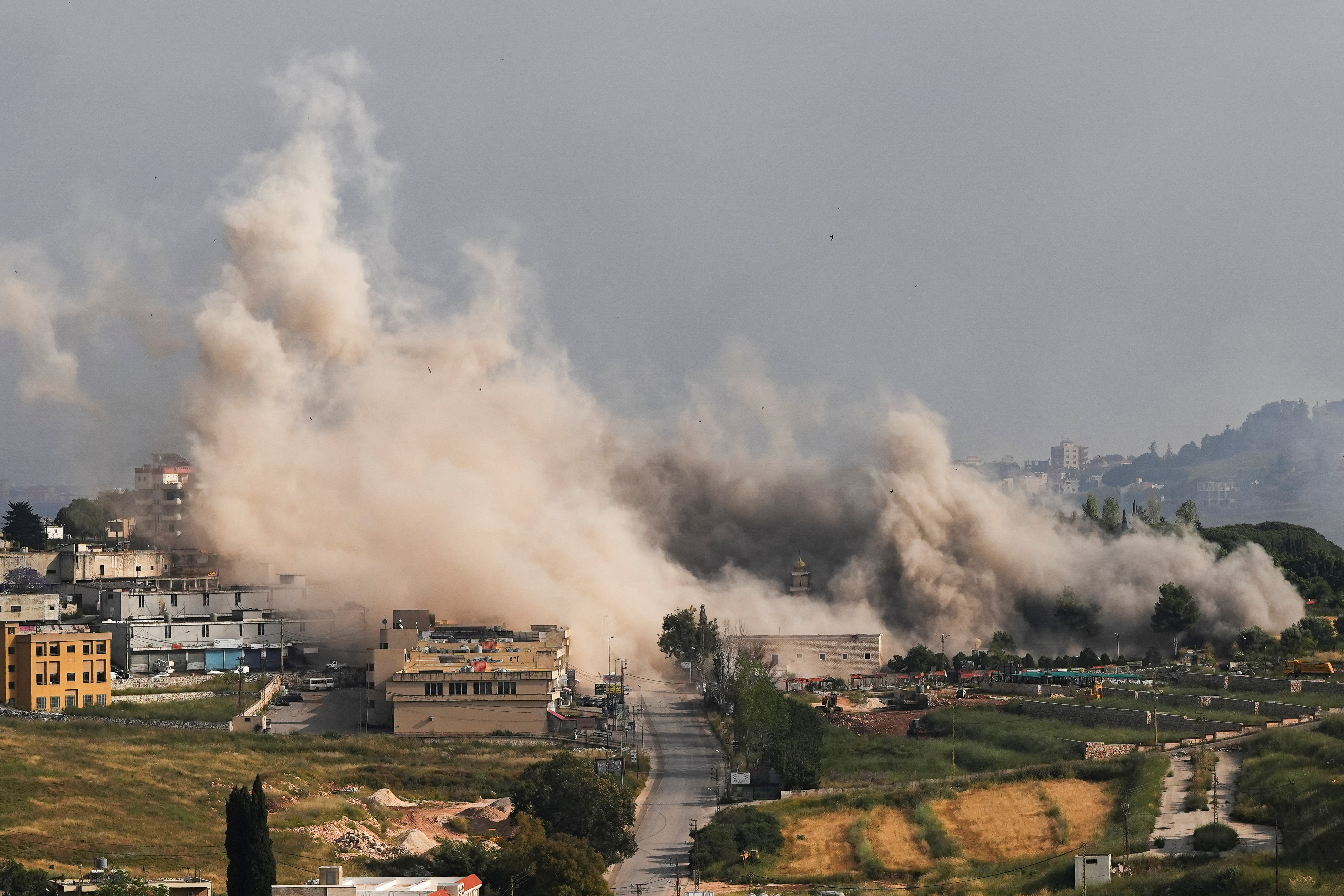
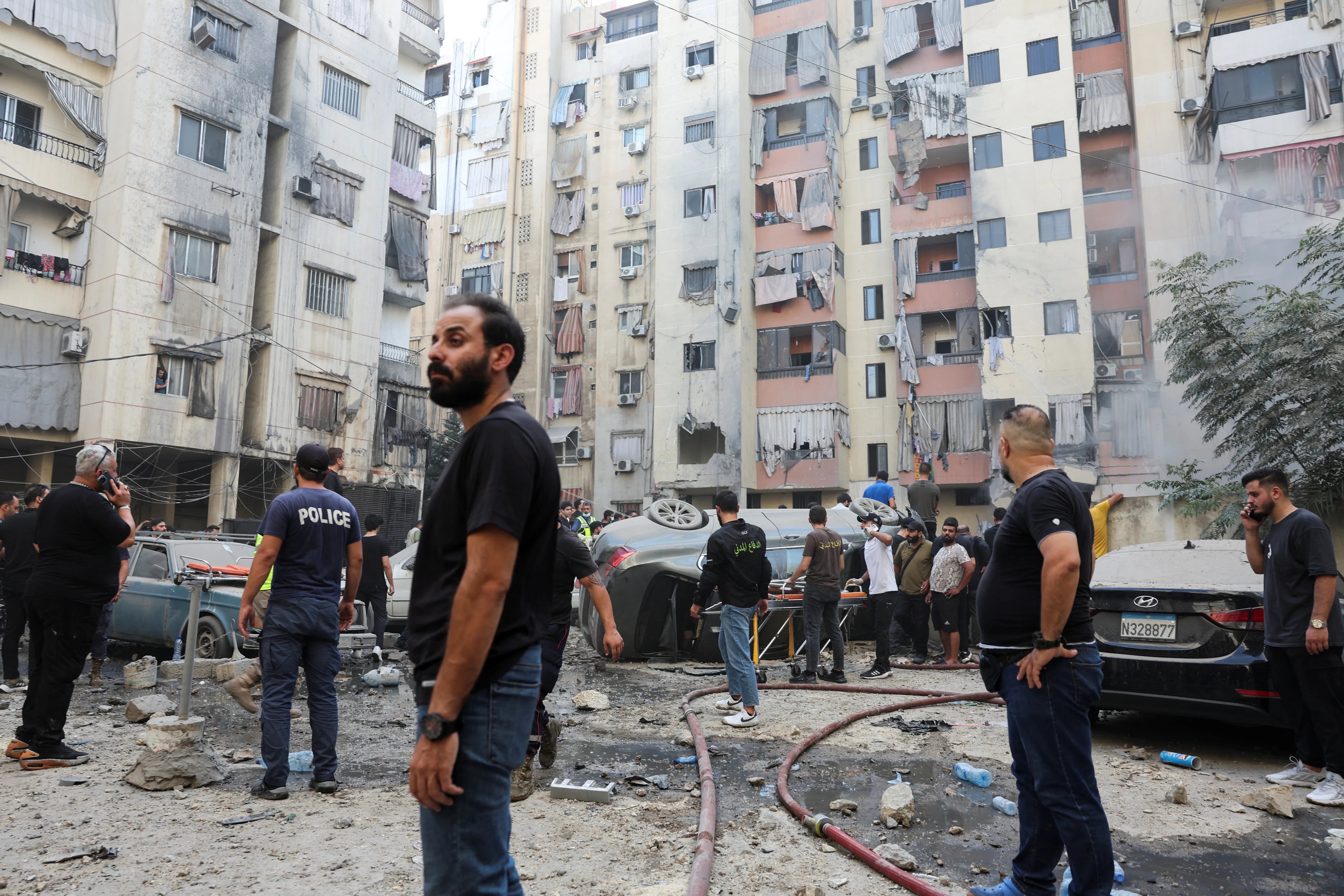
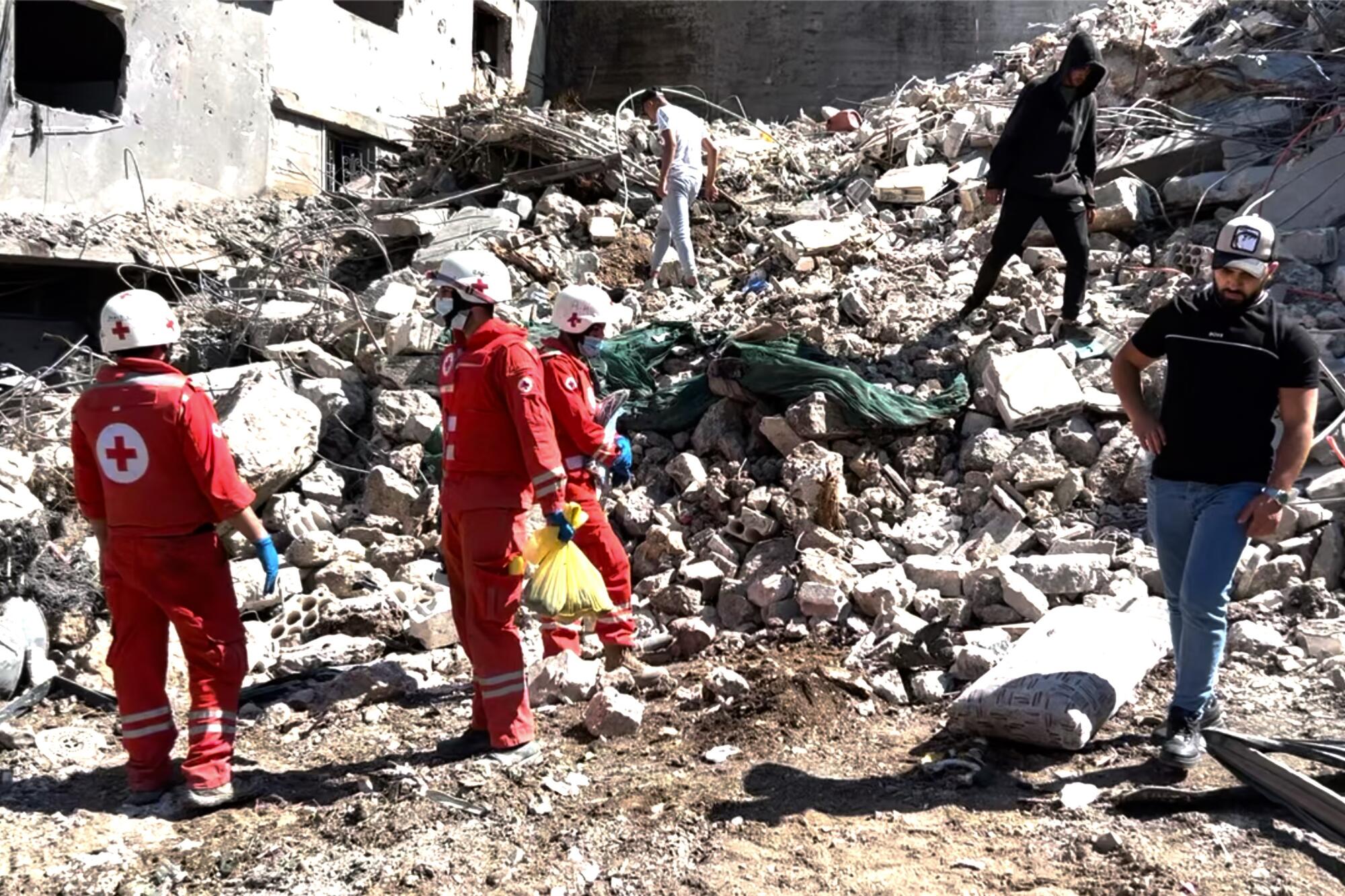
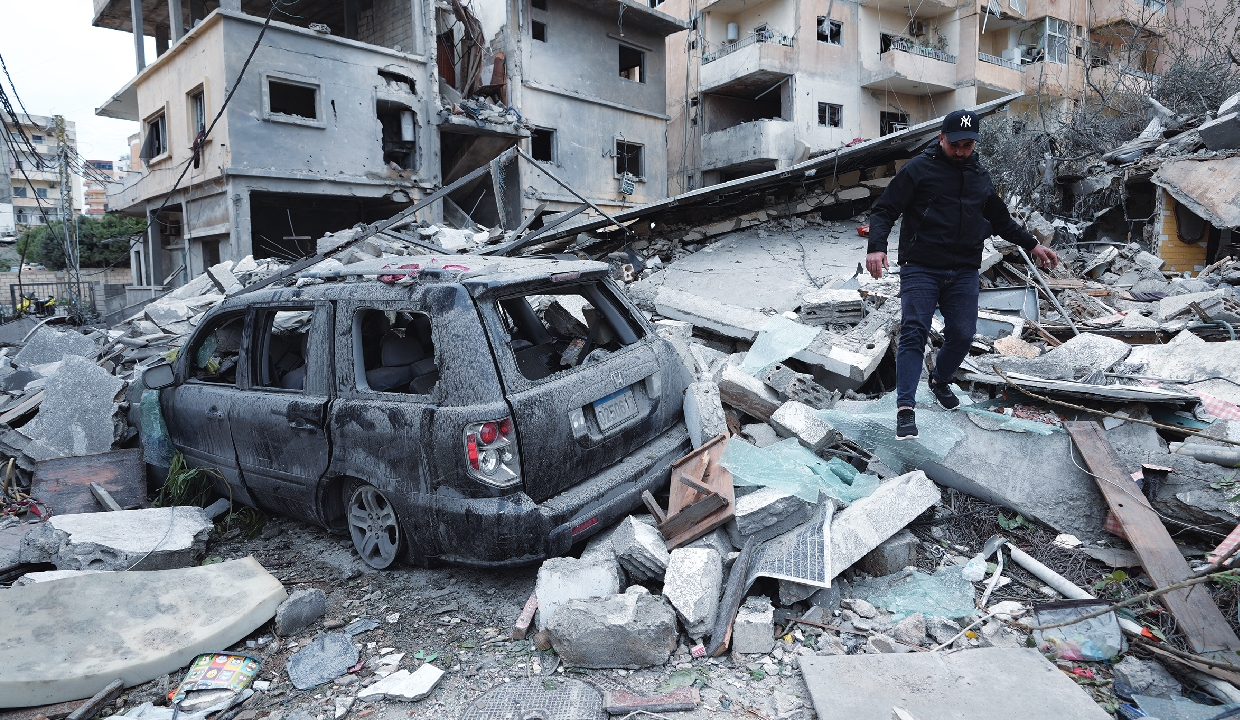
The recent violence marks a significant escalation in the conflict, with the Azawad Liberation Front (FLA) capturing the strategic northern town of Kidal and killing Mali's Defense Minister Sadio Camara. Camara died during a suicide bombing at his residence in Kati, which was part of a coordinated assault that included attacks across the capital, Bamako, and other major cities. A spokesperson for the FLA, Mohamed Elmaouloud Ramadane, declared that the junta governing Mali would "fall sooner or later," emphasizing their intent to control additional northern cities such as Gao and Timbuktu.
Russian Military's Role in Conflict
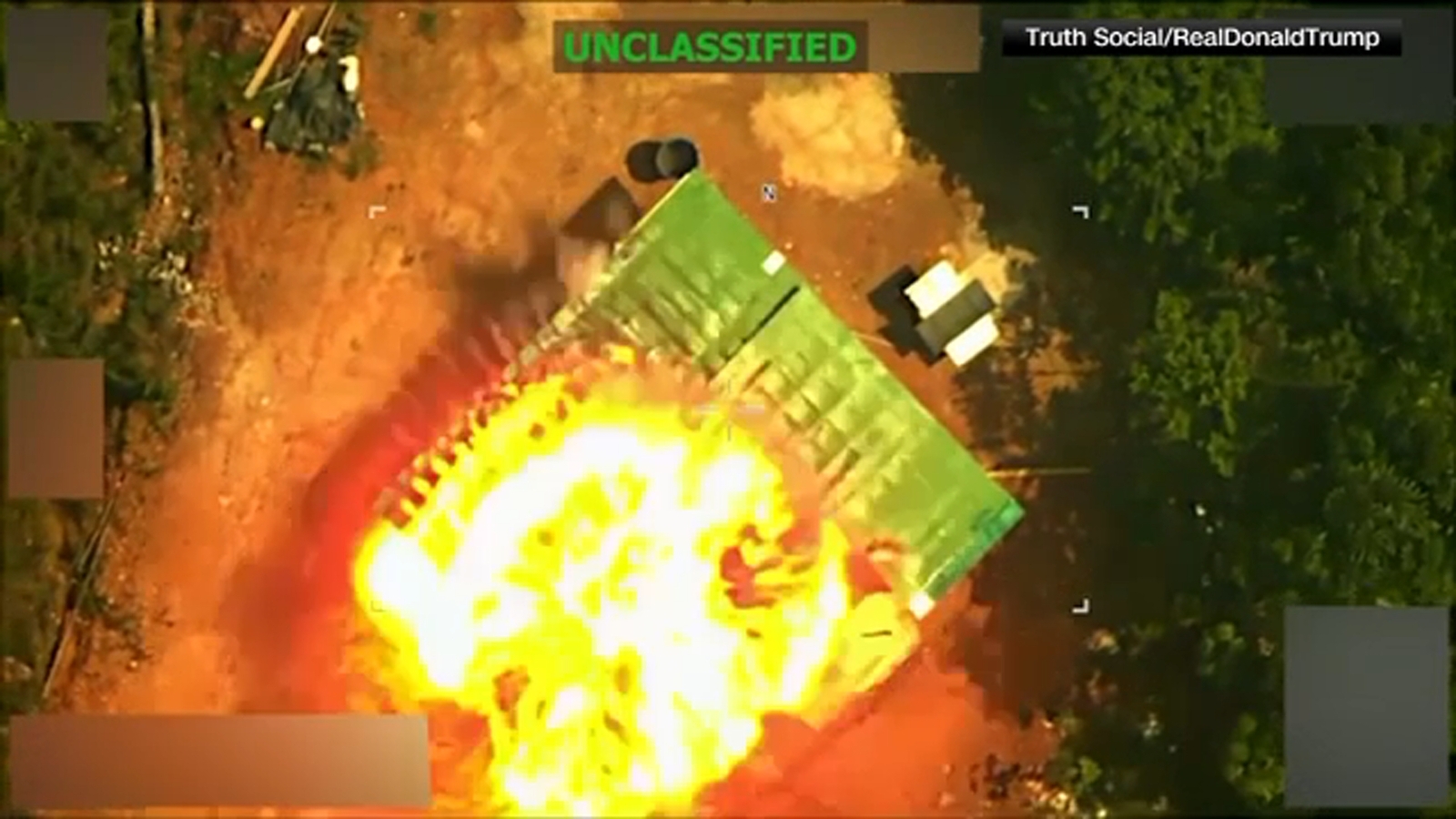
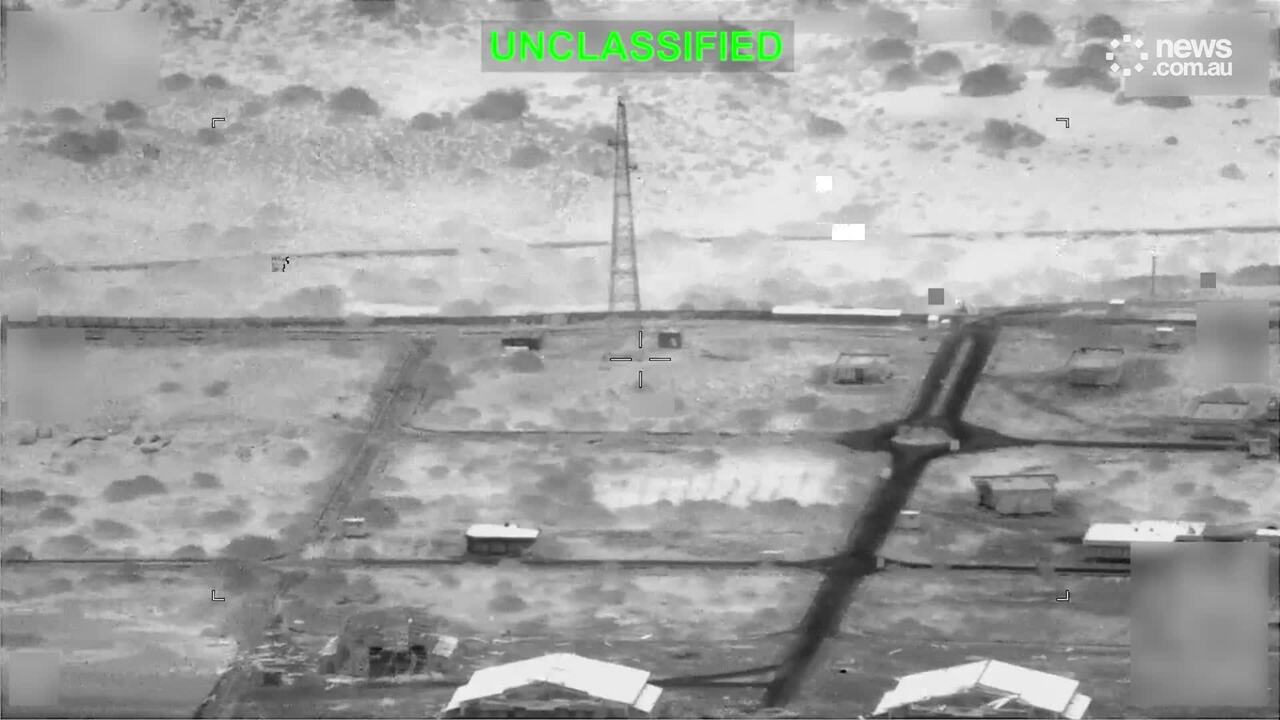
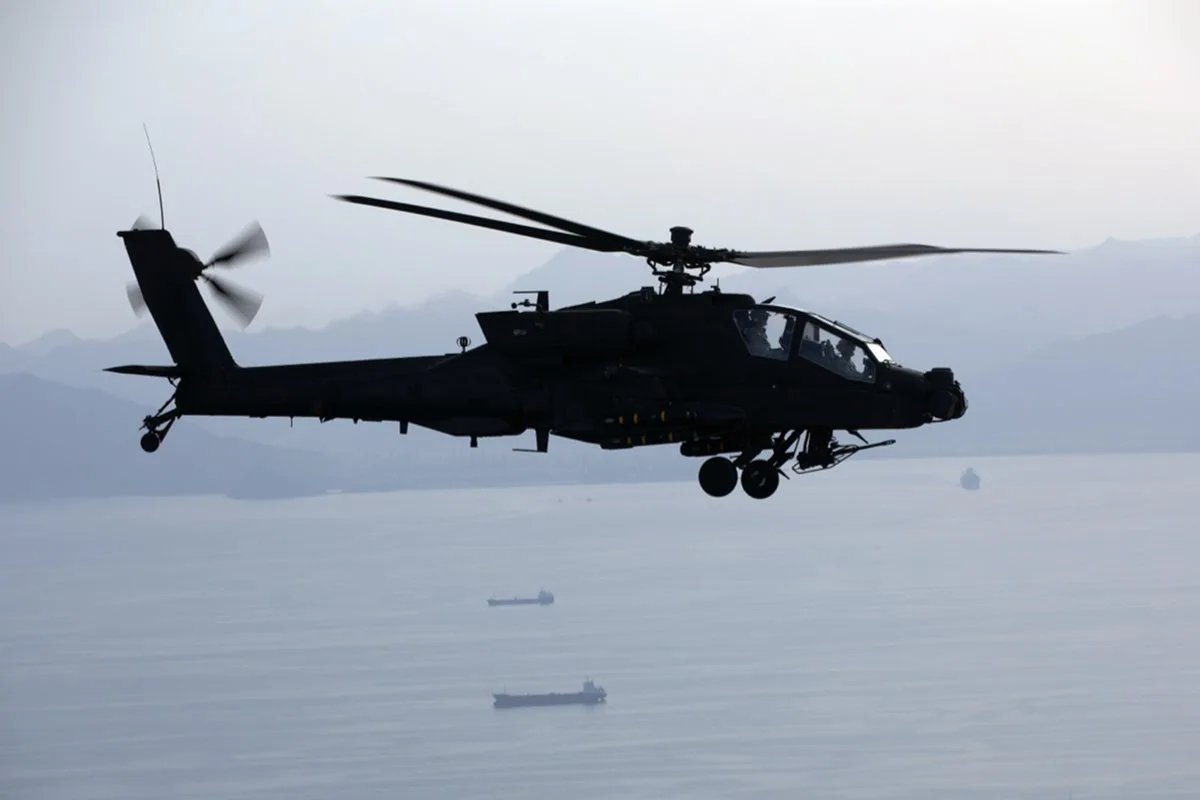
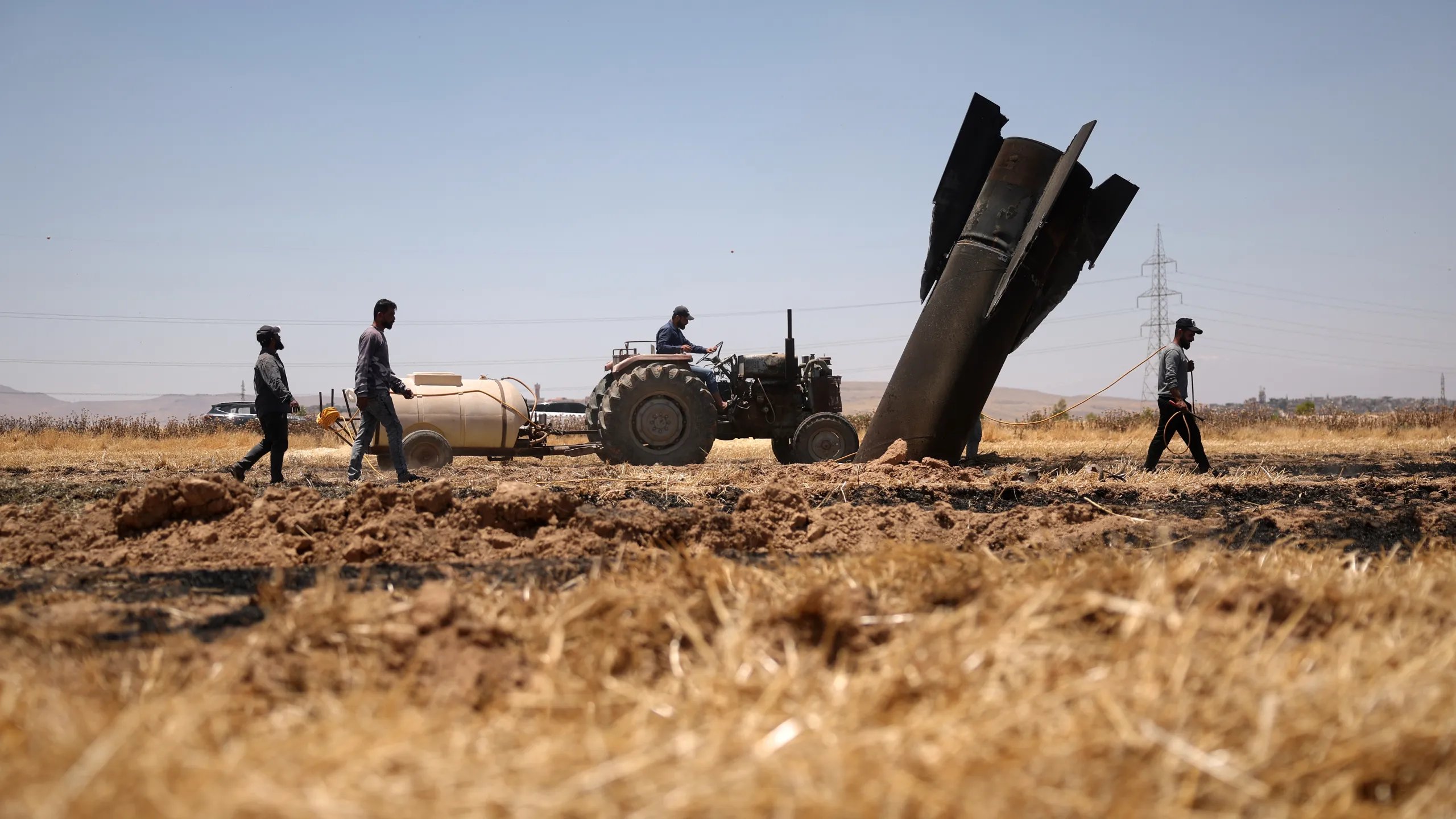
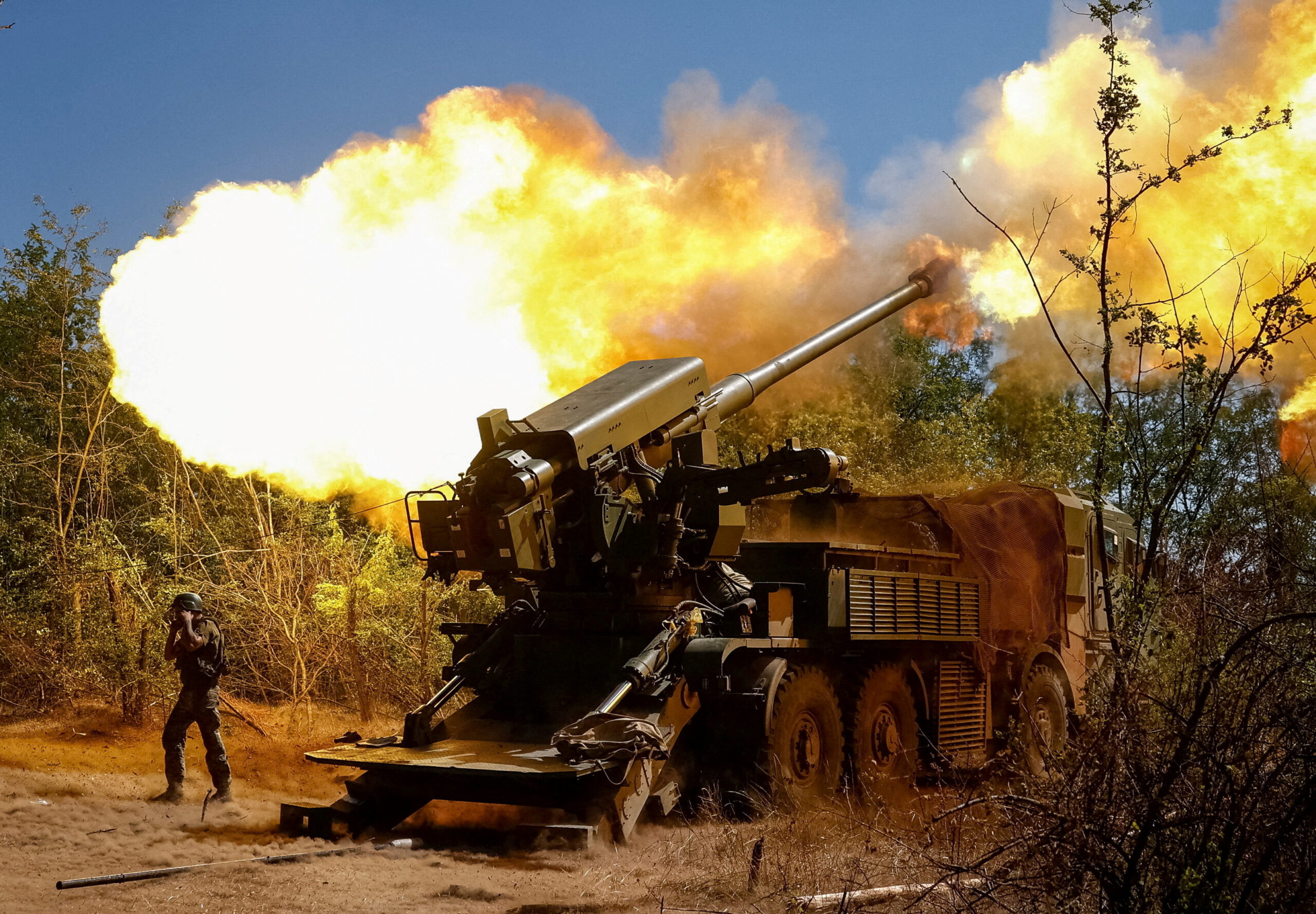
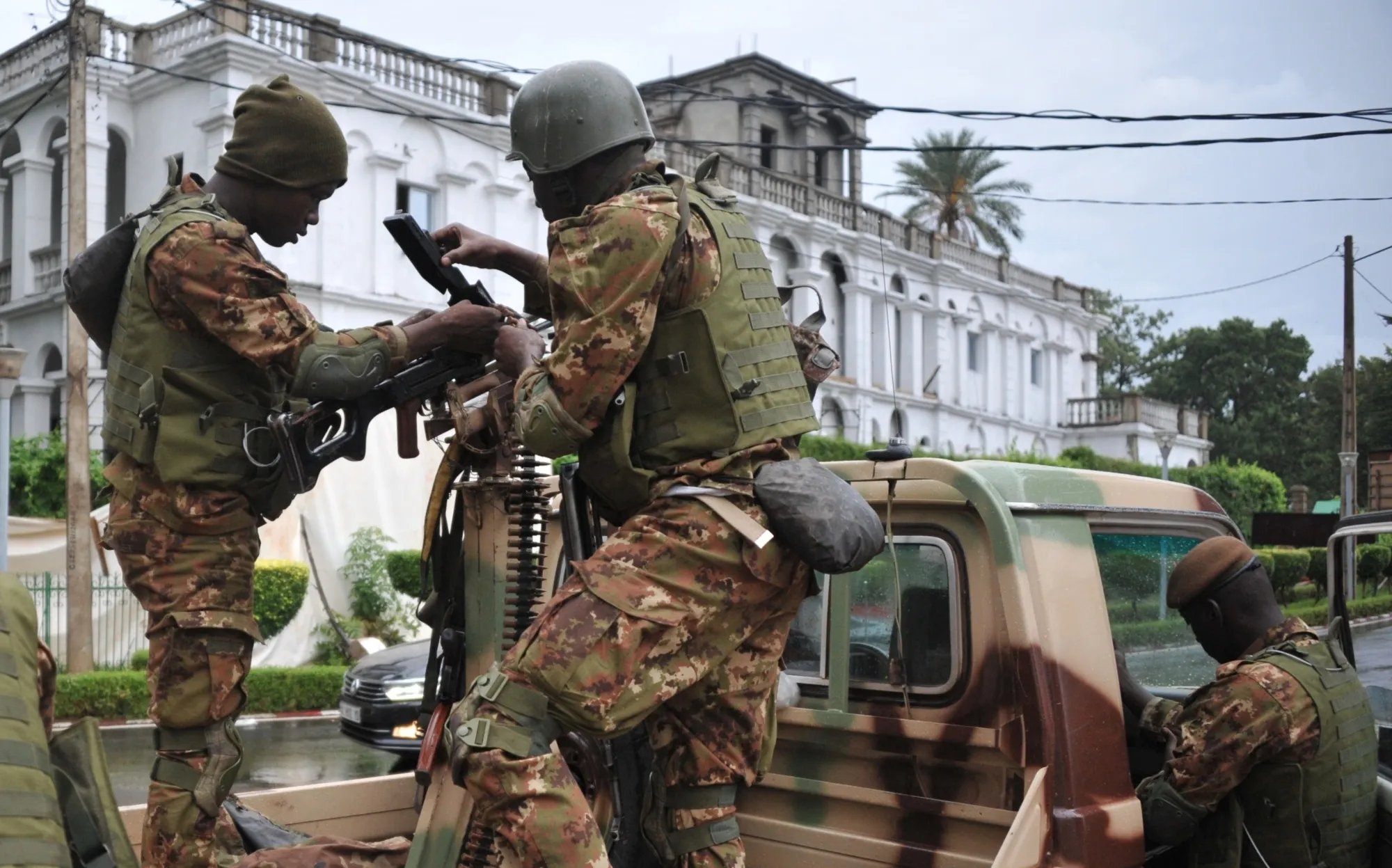
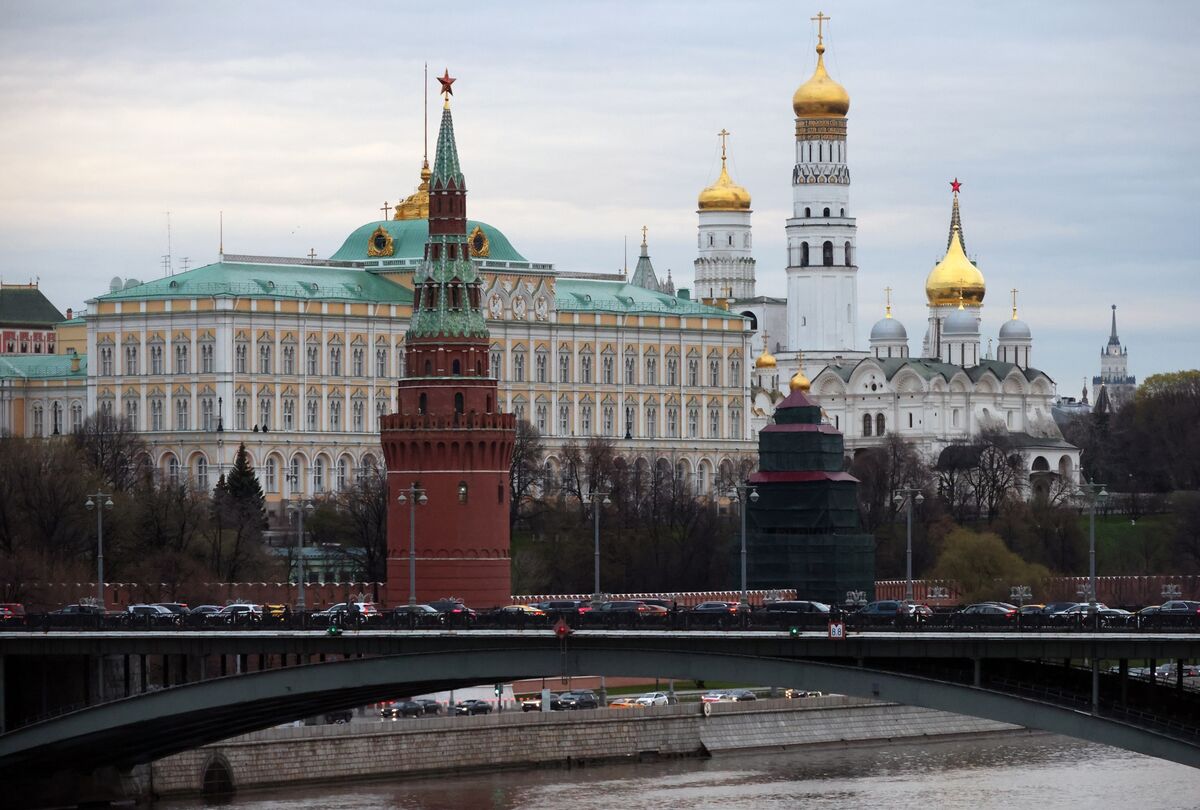
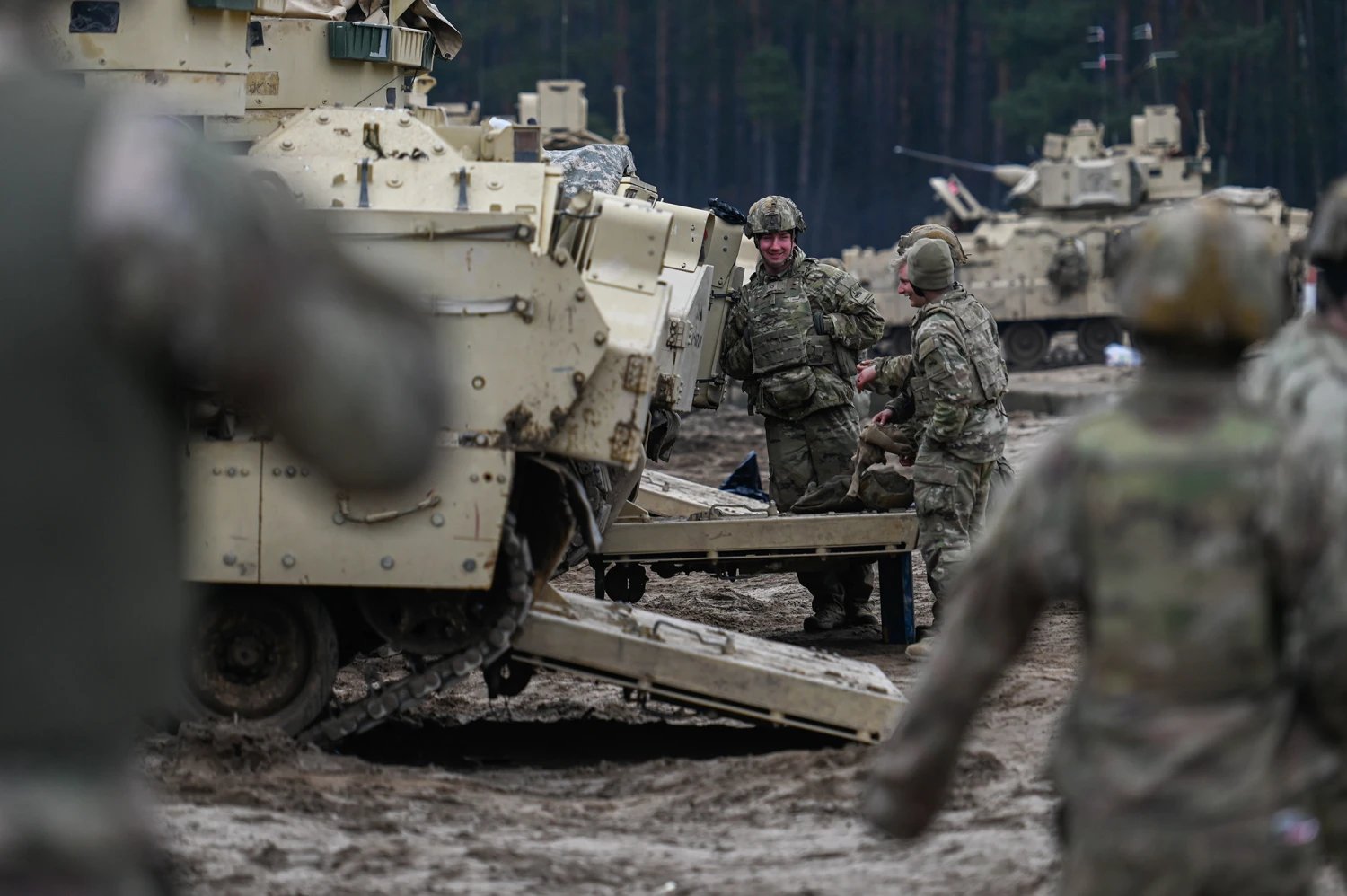
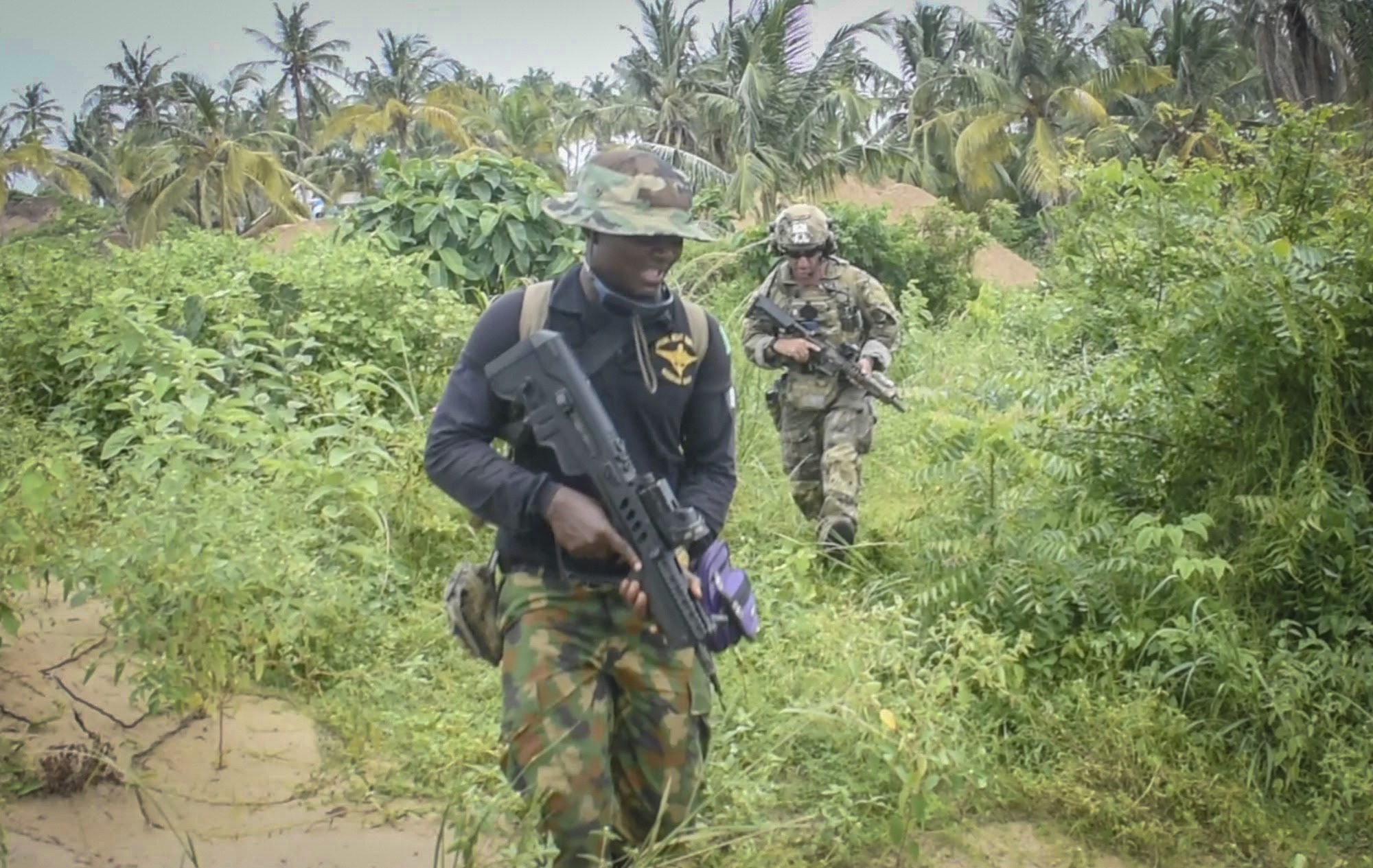
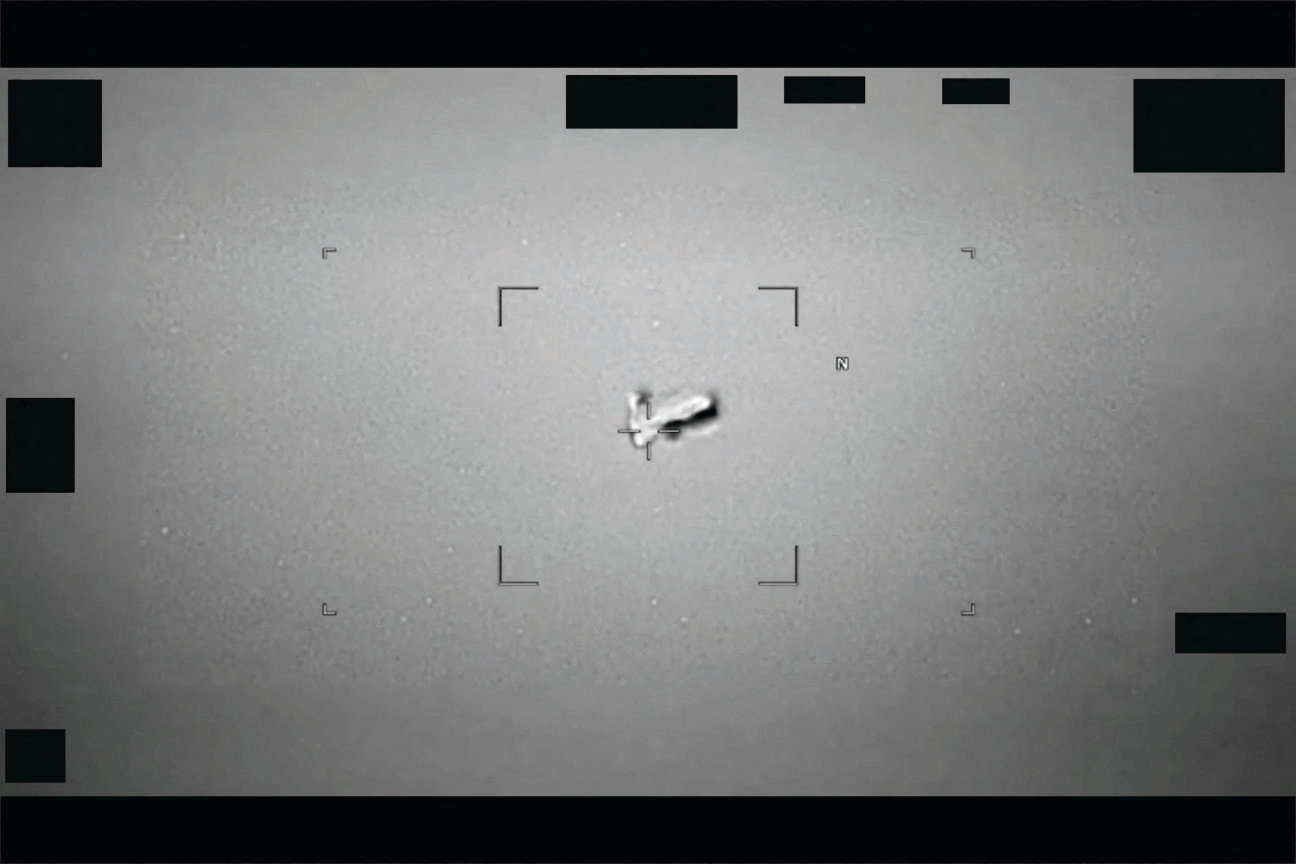
Russian paramilitary forces, known as the Africa Corps, have been supporting the Malian military against these rebel groups. However, they recently acknowledged sustaining losses and announced a withdrawal from Kidal. The Kremlin-controlled group claimed that up to 12,000 fighters participated in the recent offensive, and video footage has shown air strikes targeting rebel forces. Despite these efforts, the FLA has called for the complete withdrawal of Russian troops from Mali, criticizing their involvement in supporting the junta.
International Responses to the Crisis
The security crisis in Mali has prompted not only France but also the United Kingdom to issue travel advisories against all travel to the country. The UK Foreign Office advised its citizens to leave immediately by commercial flight if safe to do so, warning of the dangers of land travel due to ongoing terrorist threats. Meanwhile, the U.S. embassy in Mali has been closely monitoring the situation, advising citizens to shelter in place and remain alert.
Implications for Mali's Future
Mali is currently ruled by a military junta led by Gen Assimi Goïta, who seized power in 2020. Despite initially gaining popular support, the junta has struggled to manage the escalating violence from various armed groups, including the al-Qaeda-linked Jama'at Nusrat al-Islam wal-Muslimin (JNIM) and the FLA. The recent attacks indicate a shift in strategy from these groups, as they now target major urban centers rather than just rural areas.
A Deteriorating Security Landscape
Analysts have described the current situation as a "major escalation" in Mali's long-running conflict. Jean-Hervé Jezequel, Sahel director with the International Crisis Group, noted that the jihadist group's tactics have evolved, and they are now directly challenging the military government in urban settings. Dr. Sorcha MacLeod, an ex-member of the UN's working group on mercenaries, said the model offered by Moscow "isn't working but at the same time is costing poor countries millions in natural resources." Charlie Werb, an analyst with Aldebaran Threat Consultants, noted that the loss of equipment will be felt by the military.
Next Steps for French Nationals
As the security situation deteriorates, French nationals in Mali face immediate risks. The French government has emphasized the need for citizens to leave the country quickly, prioritizing their safety amid the escalating violence. Travelers are encouraged to stay informed and follow local authorities' guidance, as the unfolding conflict poses serious threats not only to residents but also to foreign nationals caught in the turmoil.




















































































































The sources also report that the Africa Corps, which supports Malian military operations, is directly controlled by Moscow and has replaced the Wagner Group in Mali.