Economic Implications of the Middle East War
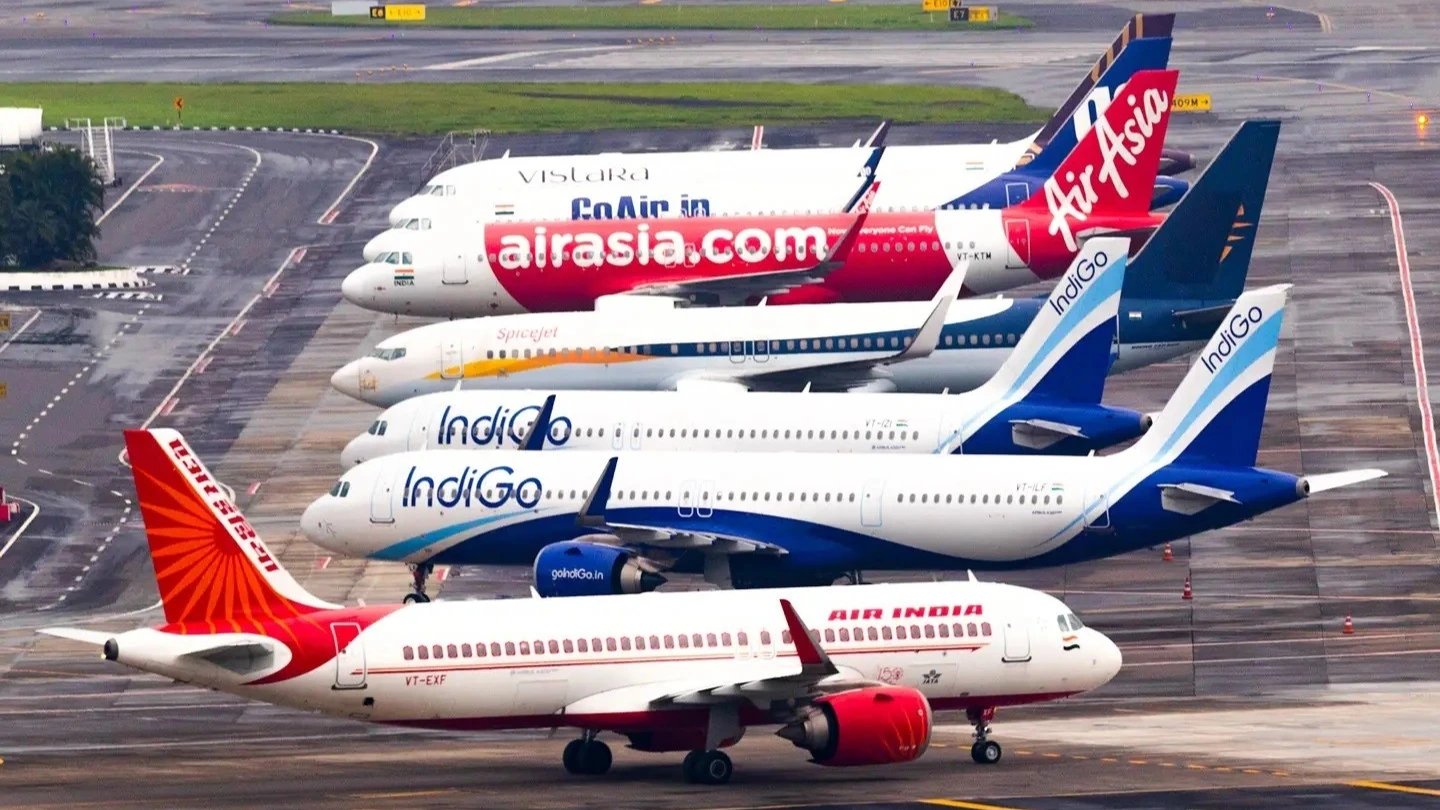
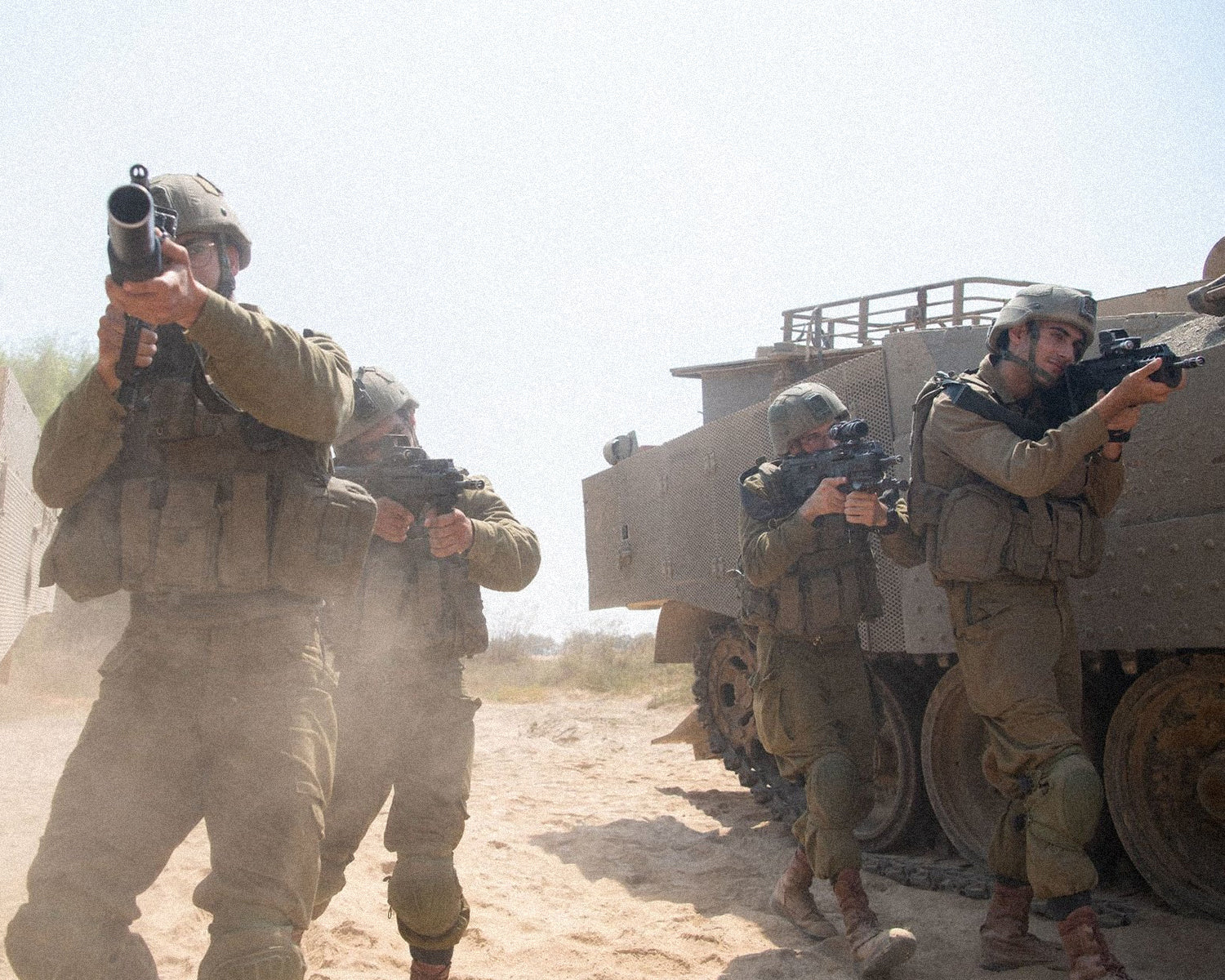
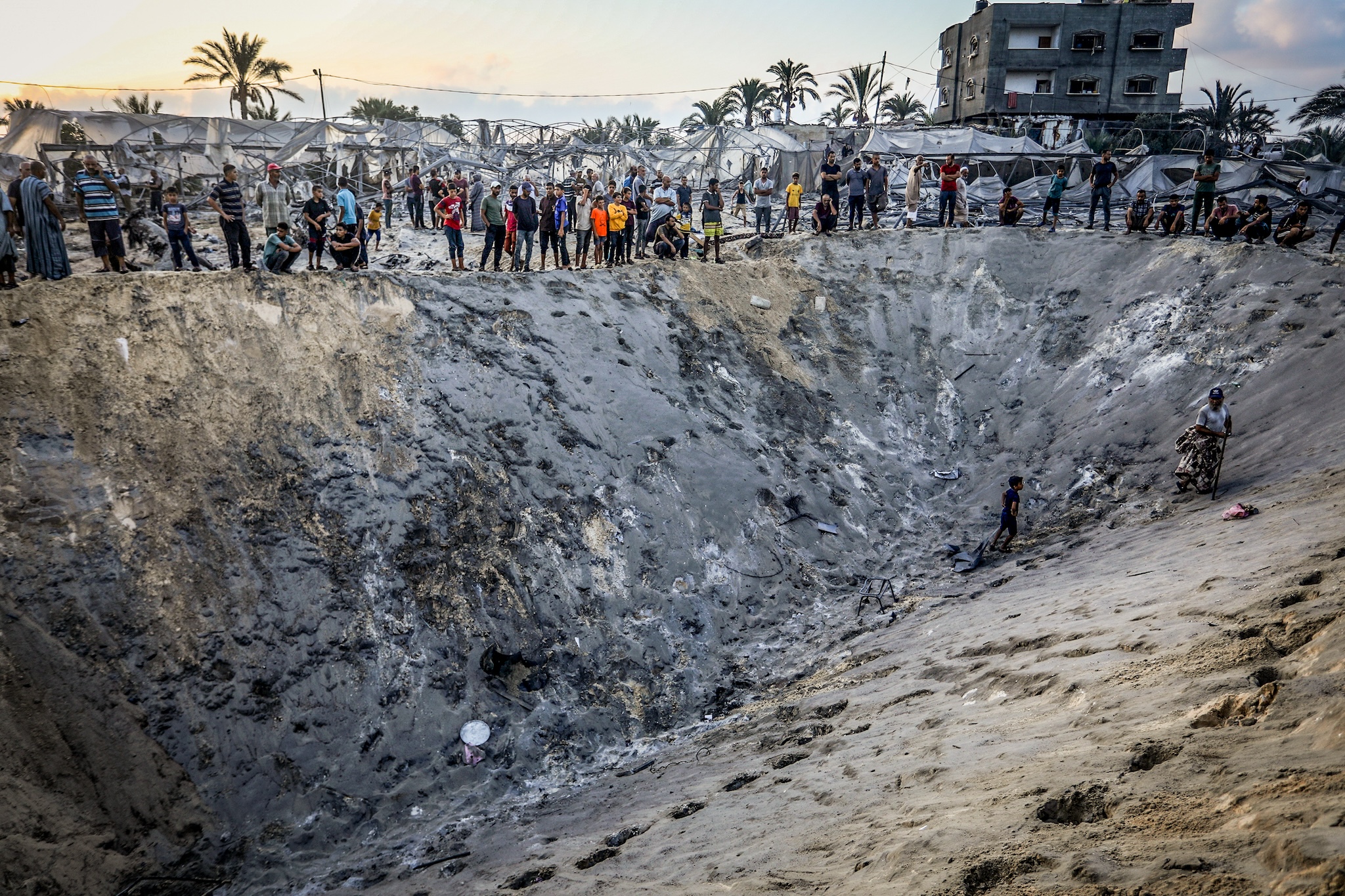
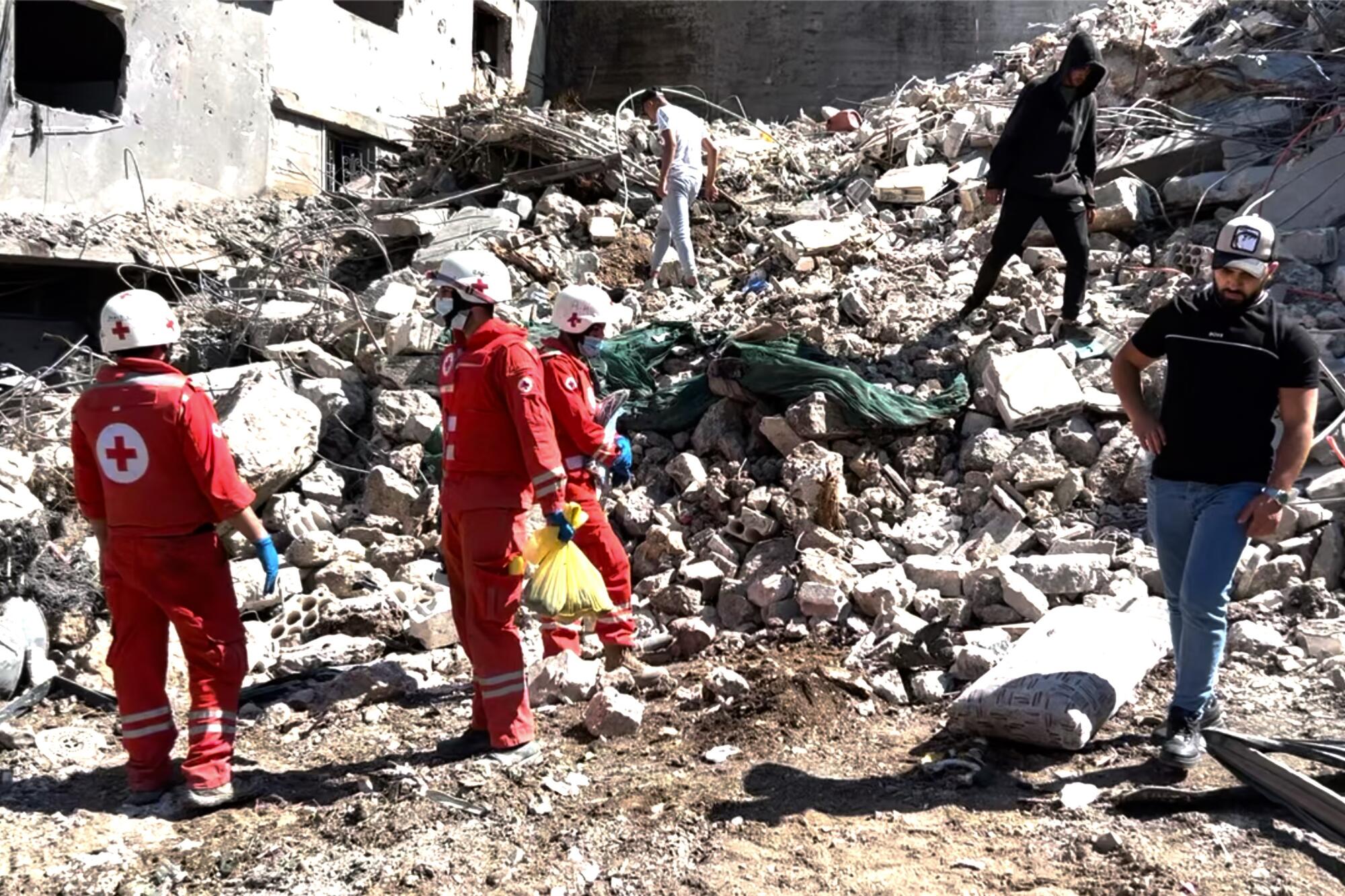
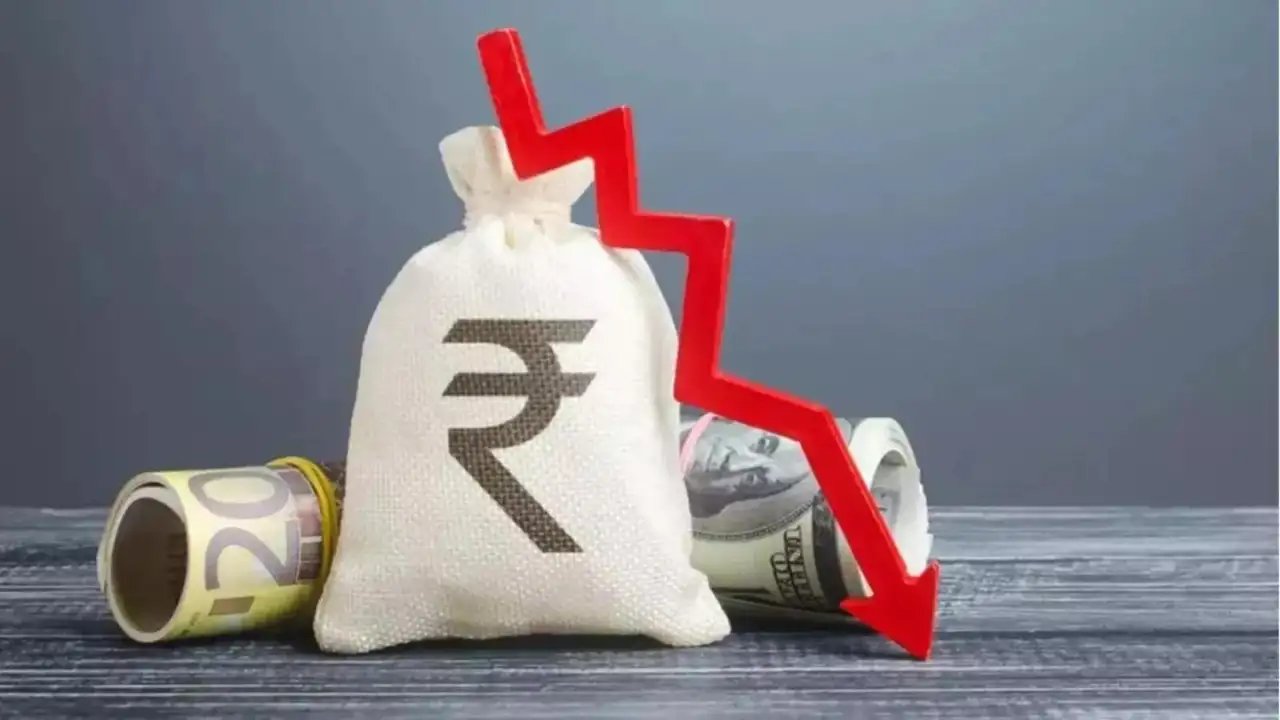
The Asian Development Bank (ADB) has revised its growth forecasts for the Asia-Pacific region due to the ongoing conflict in the Middle East, which has raised concerns about rising energy prices and supply chain disruptions. The ADB now projects a regional growth rate of 4.5% for 2026, down from an earlier estimate of 5.2%. This adjustment reflects the bank's concern that the war's impact could hinder economic recovery efforts across Asia.
Rising Energy Prices
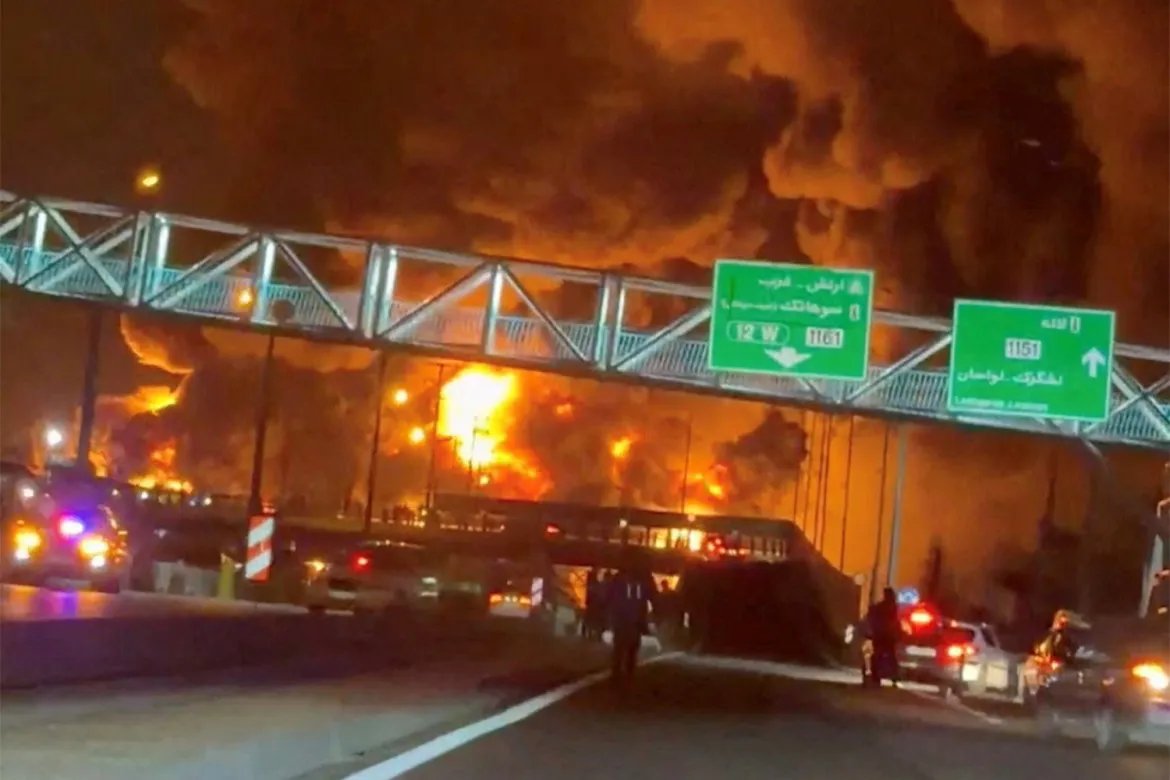
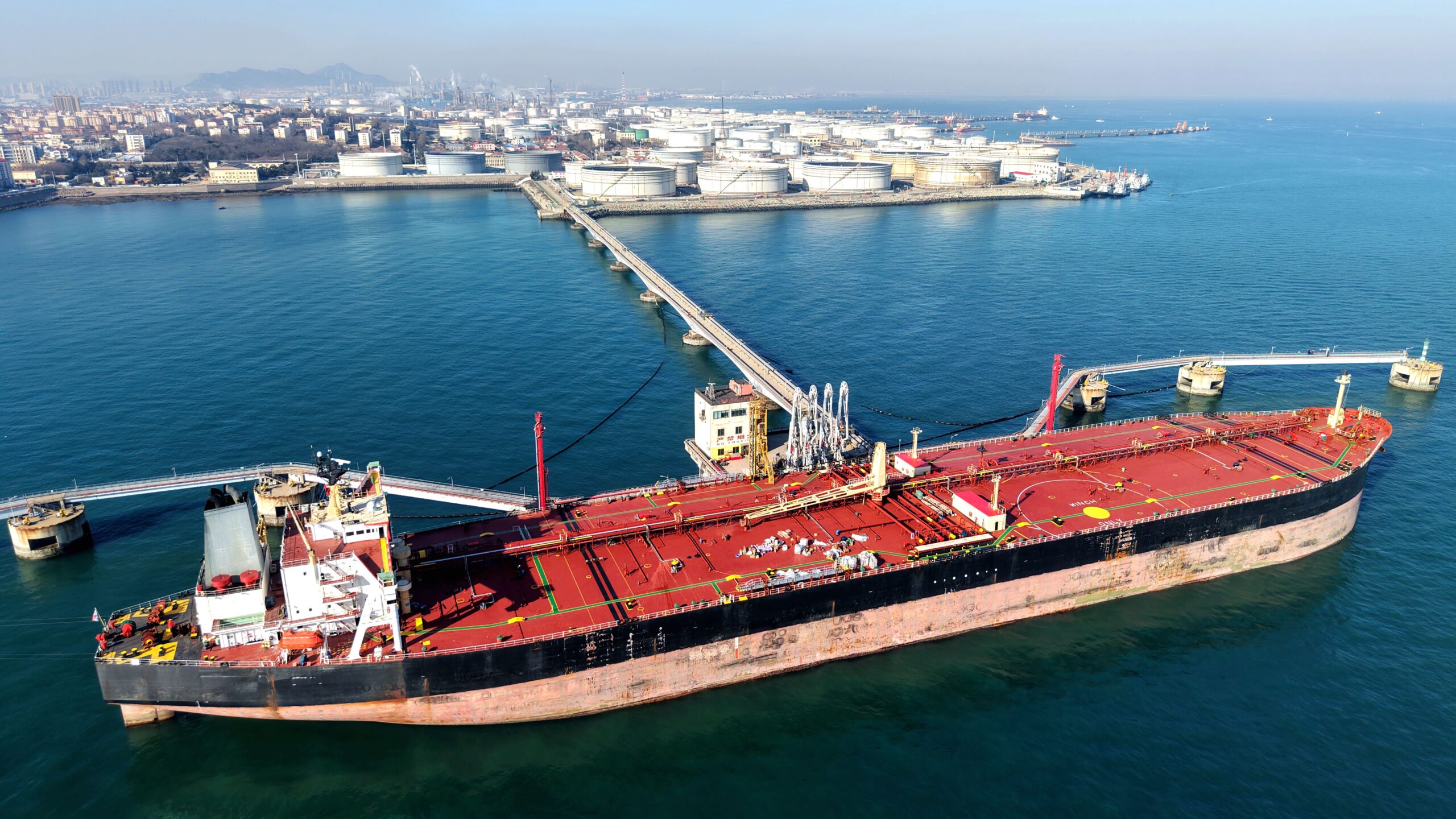
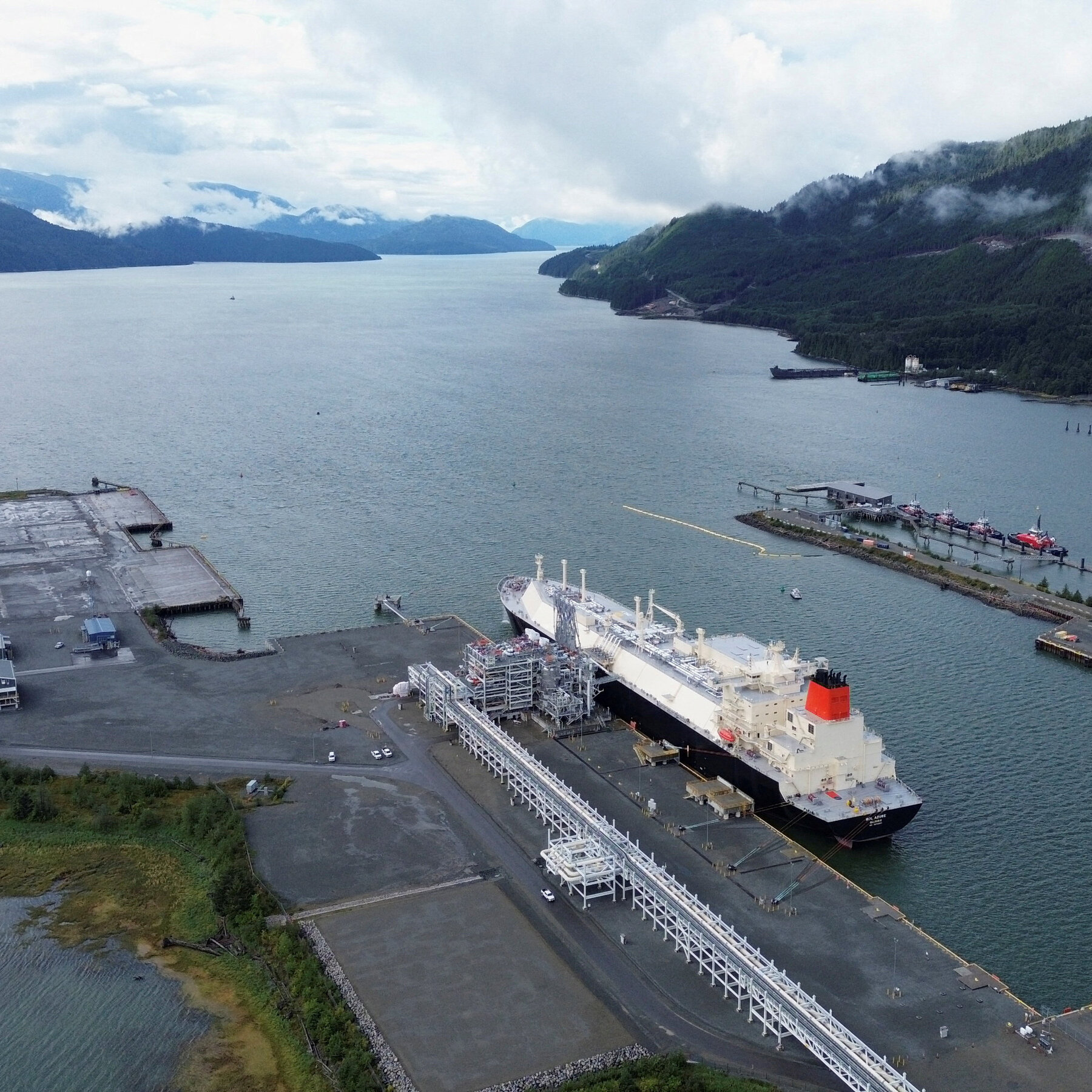
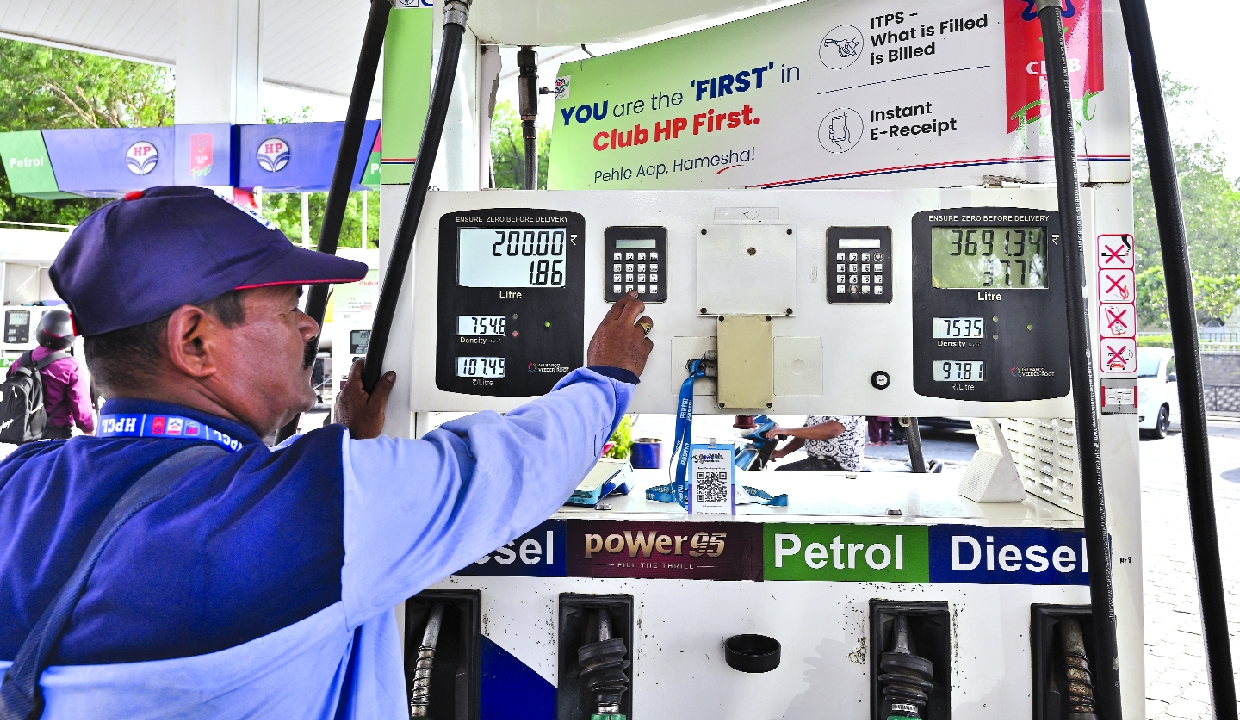
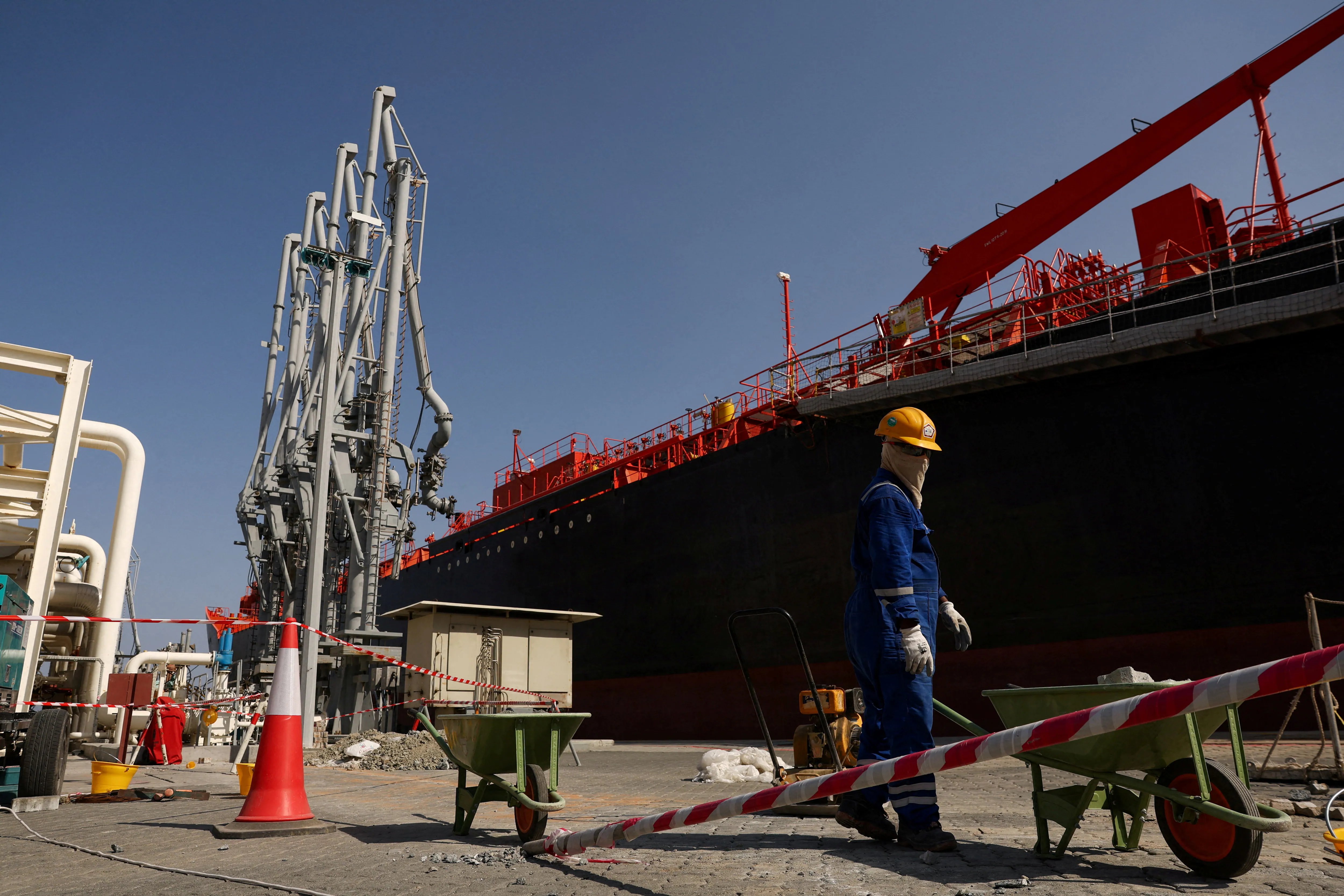
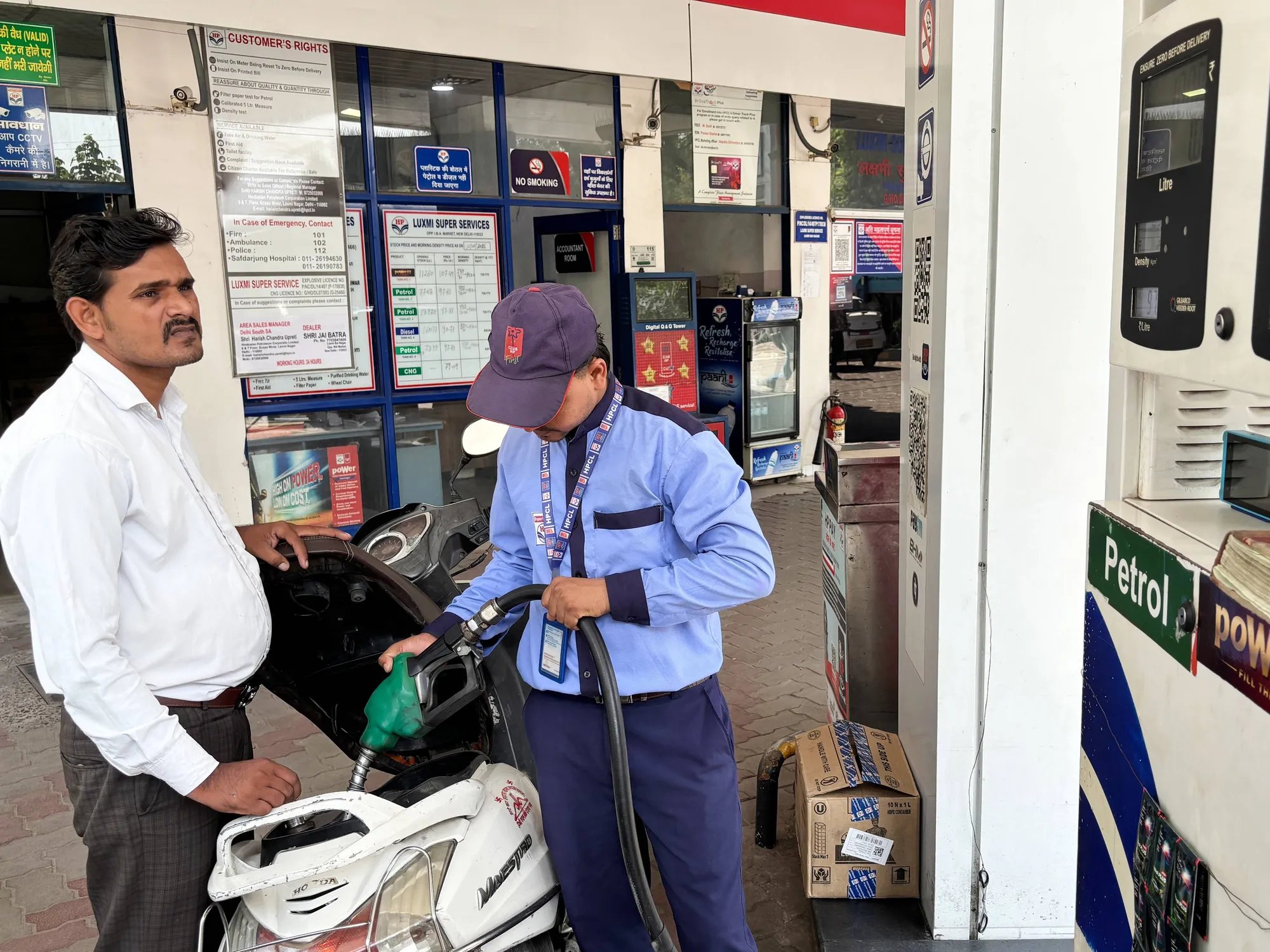
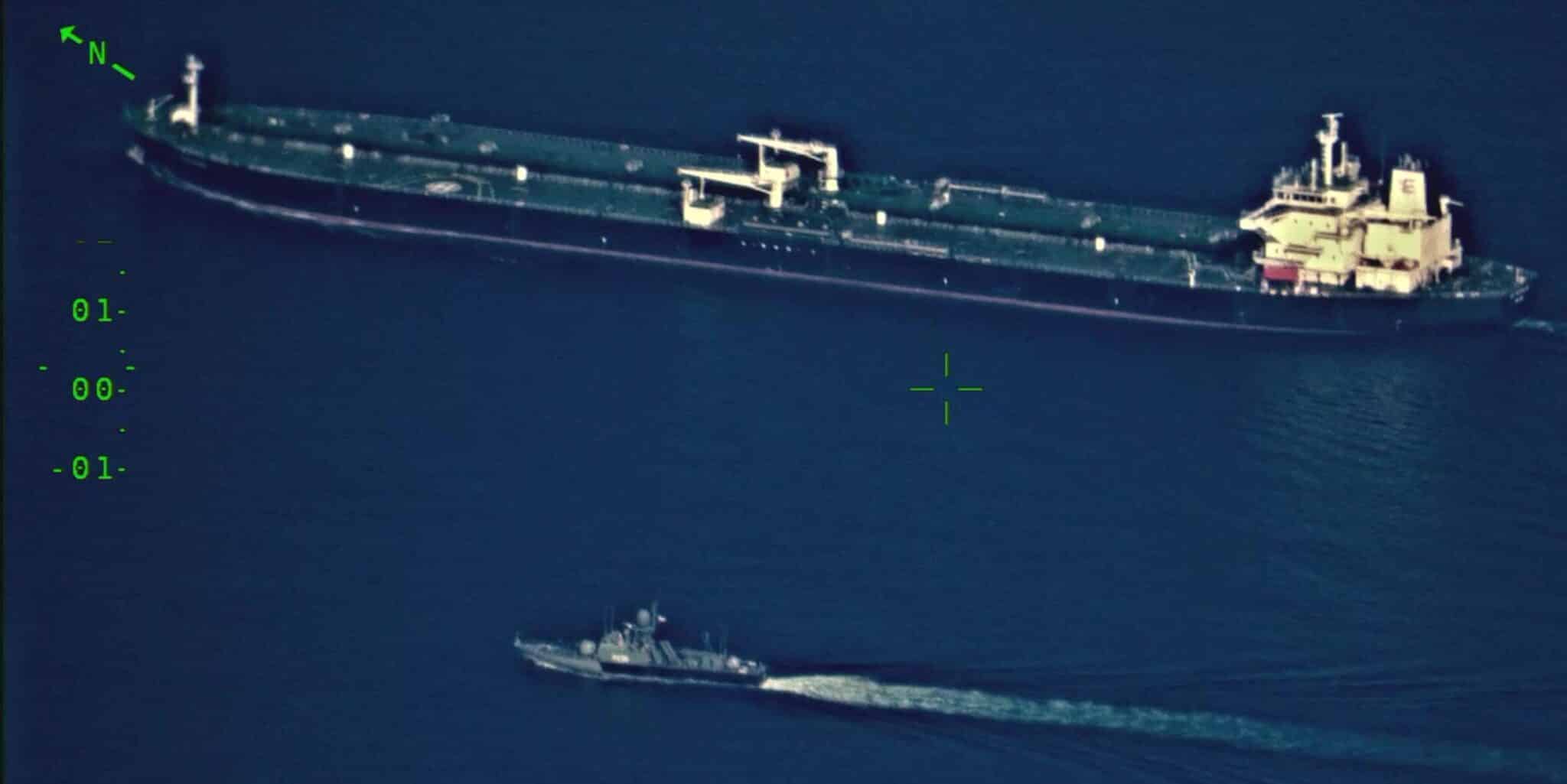
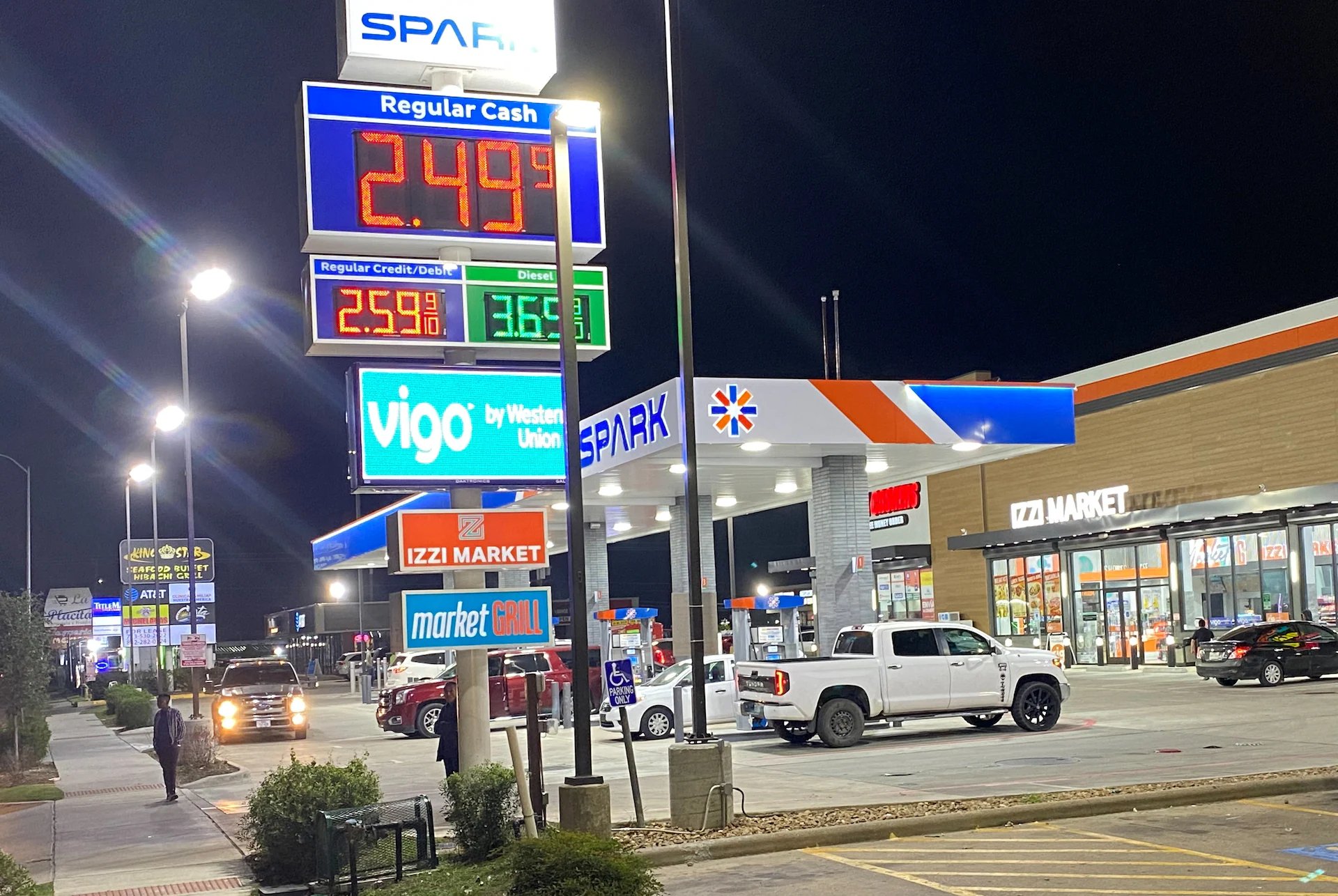
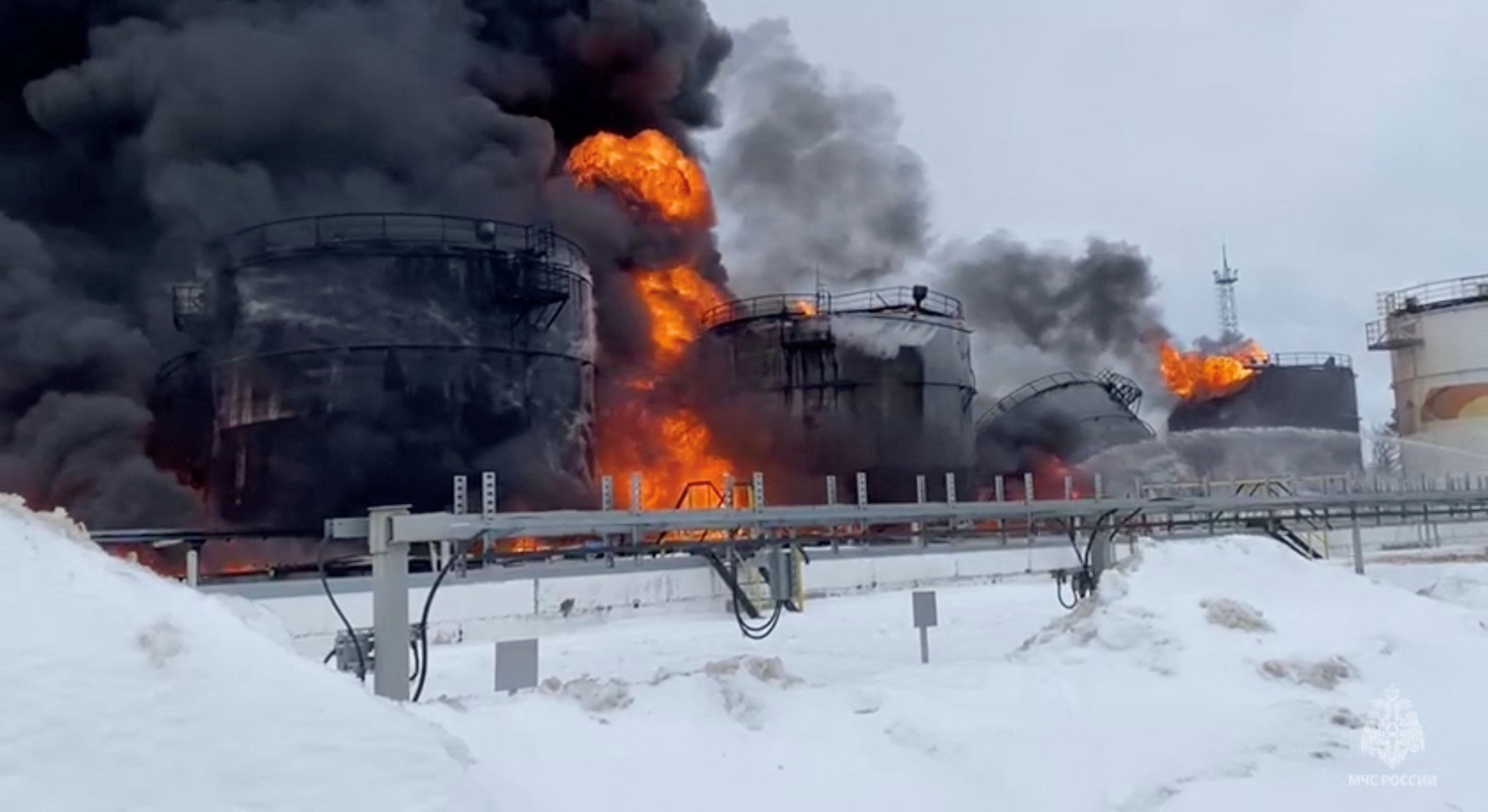
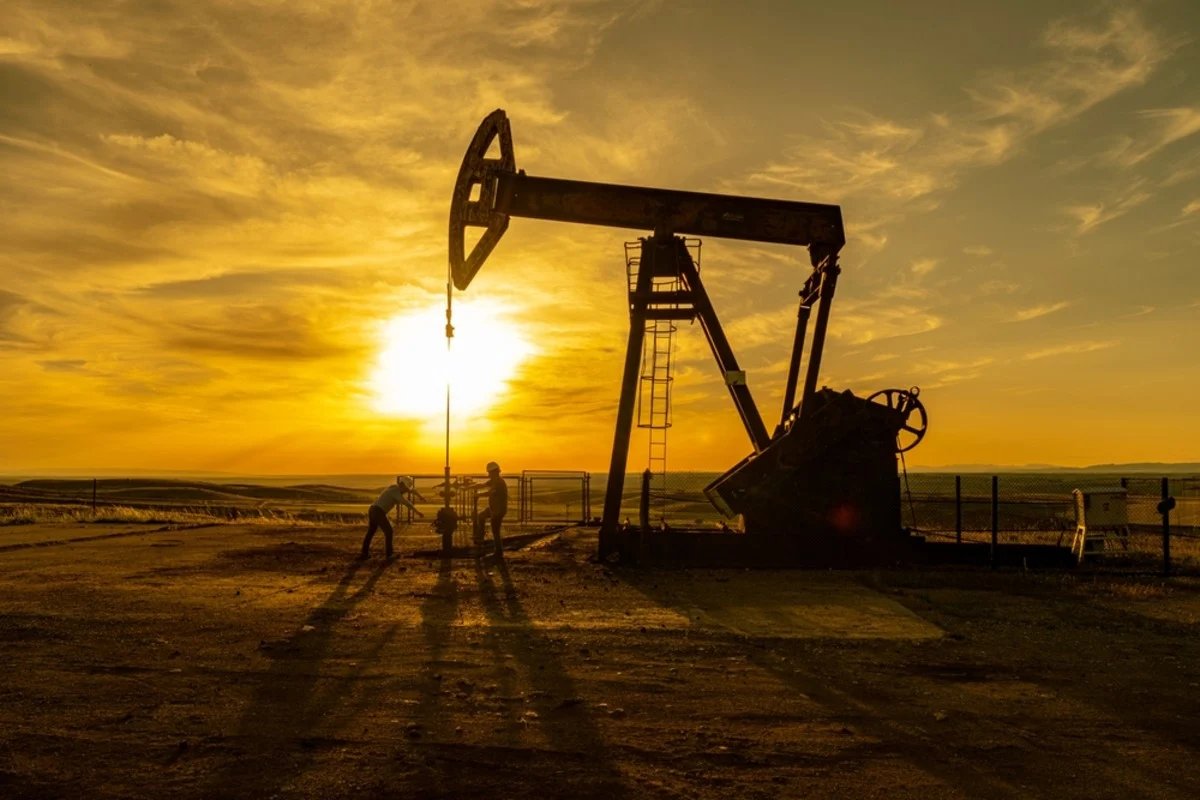
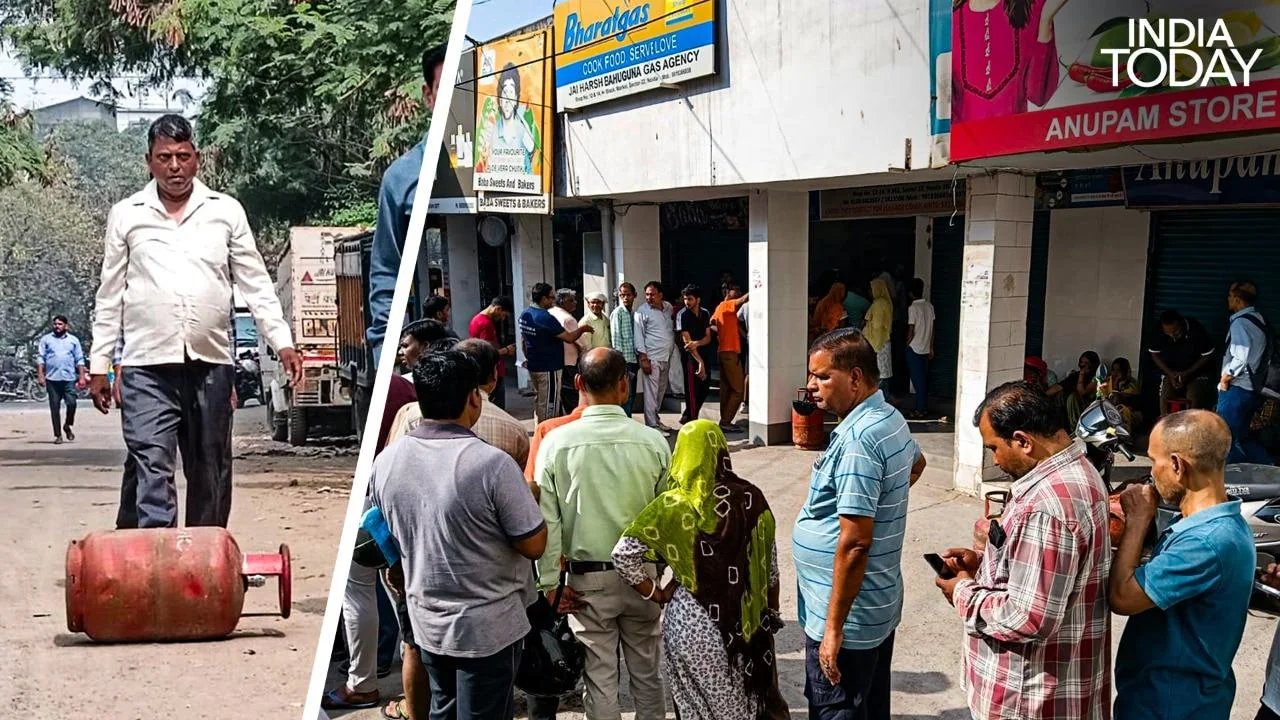
The ADB's report highlights that the conflict has led to increased global energy prices, which could further strain economies reliant on imported energy. The bank noted that oil prices surged by over 20% since the beginning of the conflict, impacting inflation and consumer spending. For countries in the region, this spike in energy costs could significantly affect their economic stability and growth prospects.
Impact on Data Centers and Technology Investments
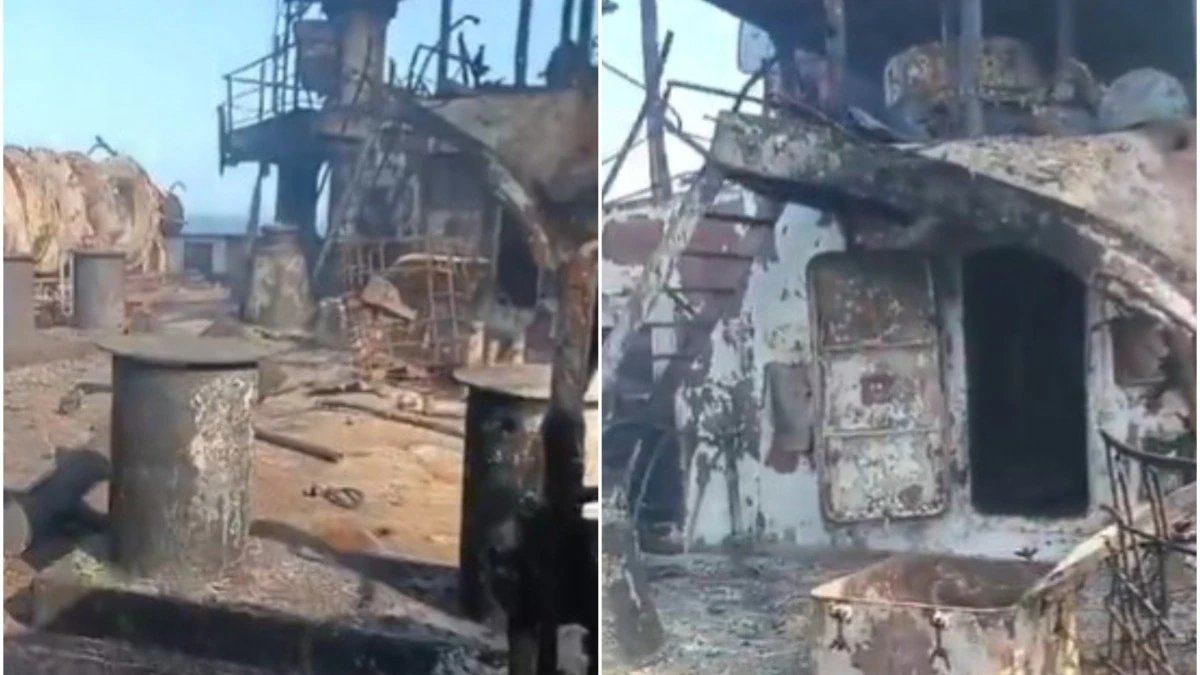
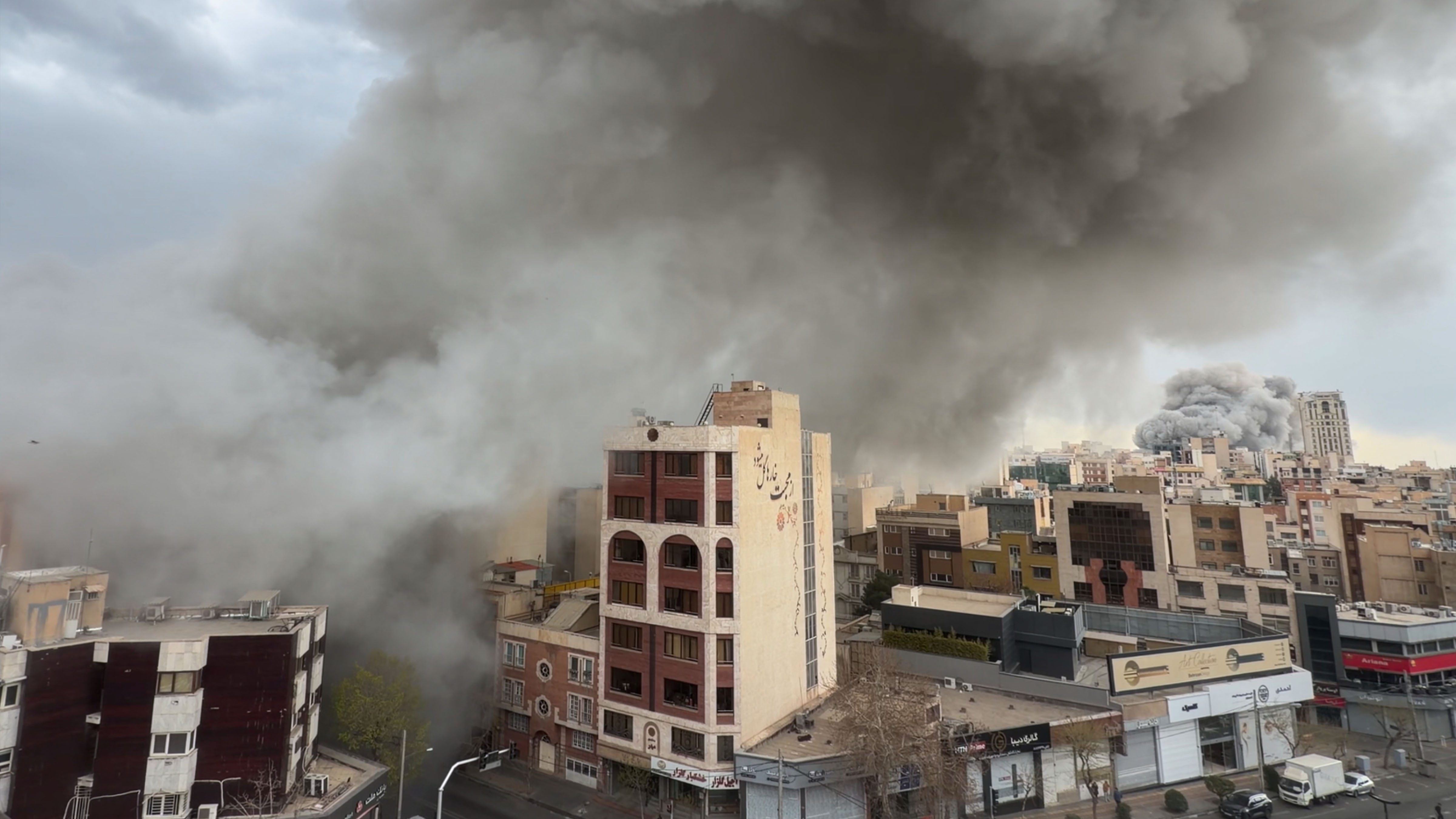
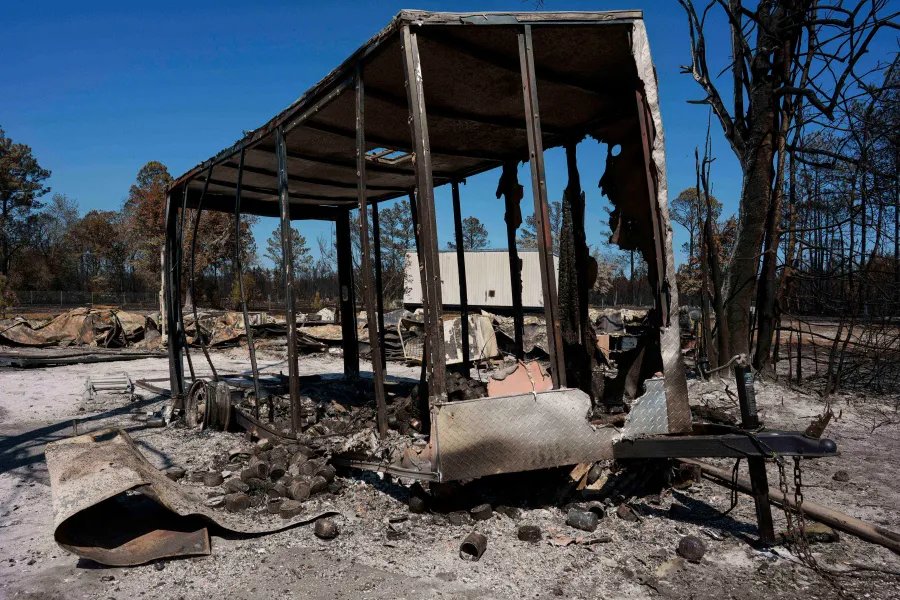
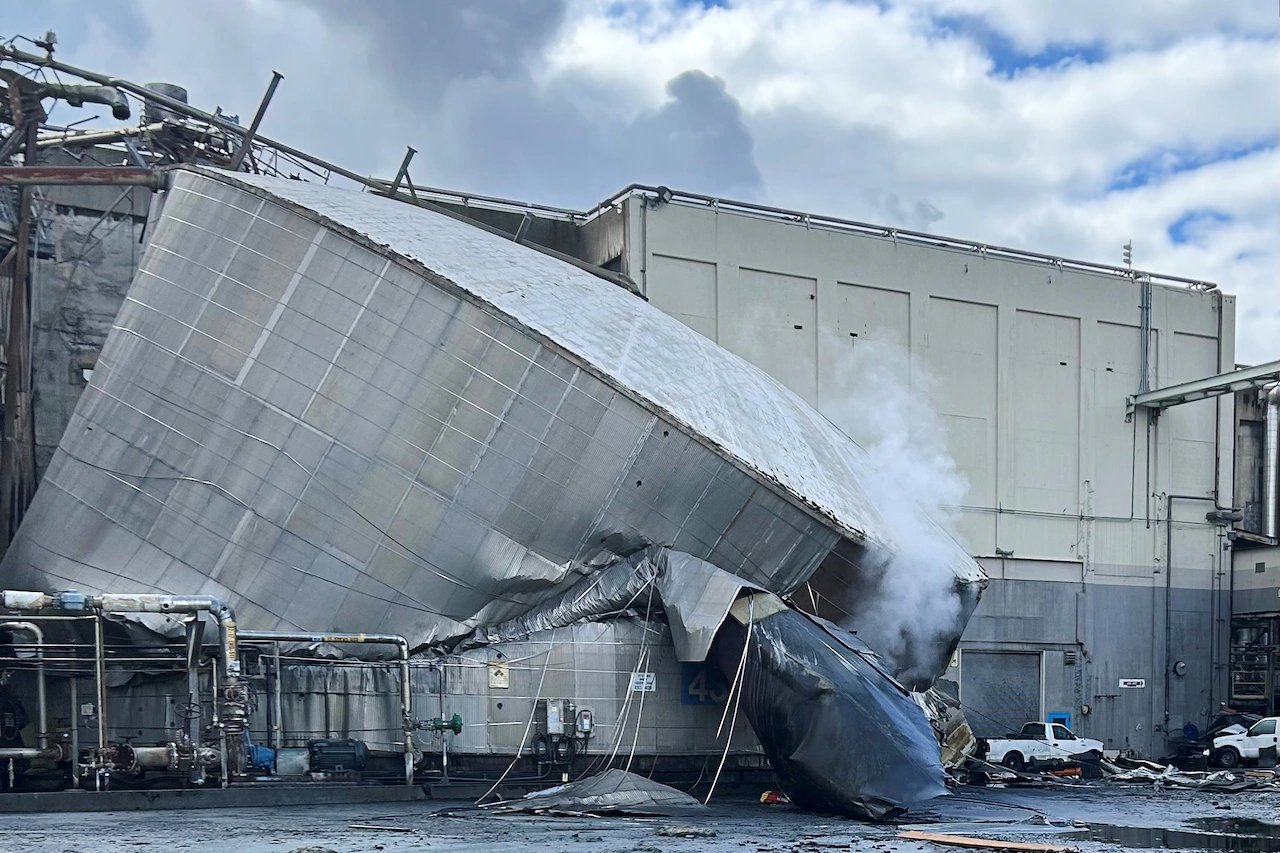
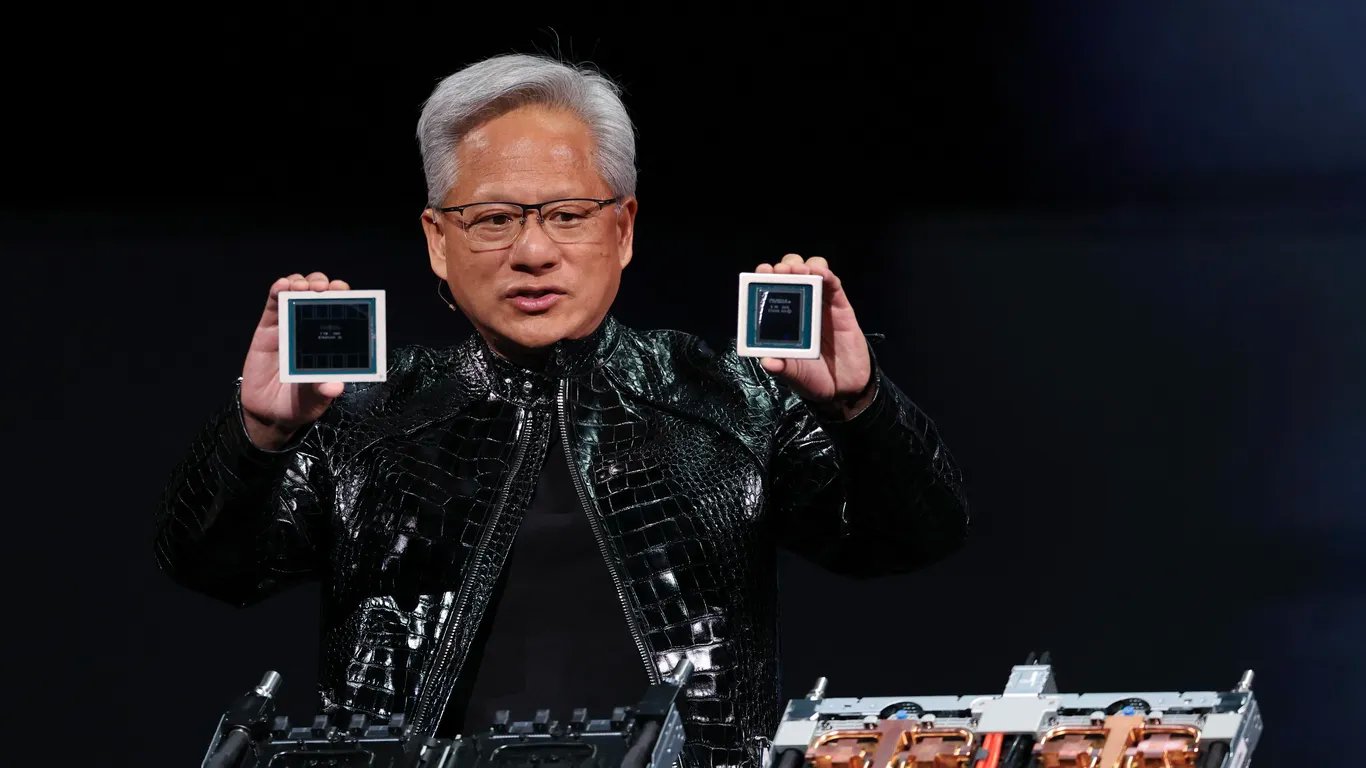
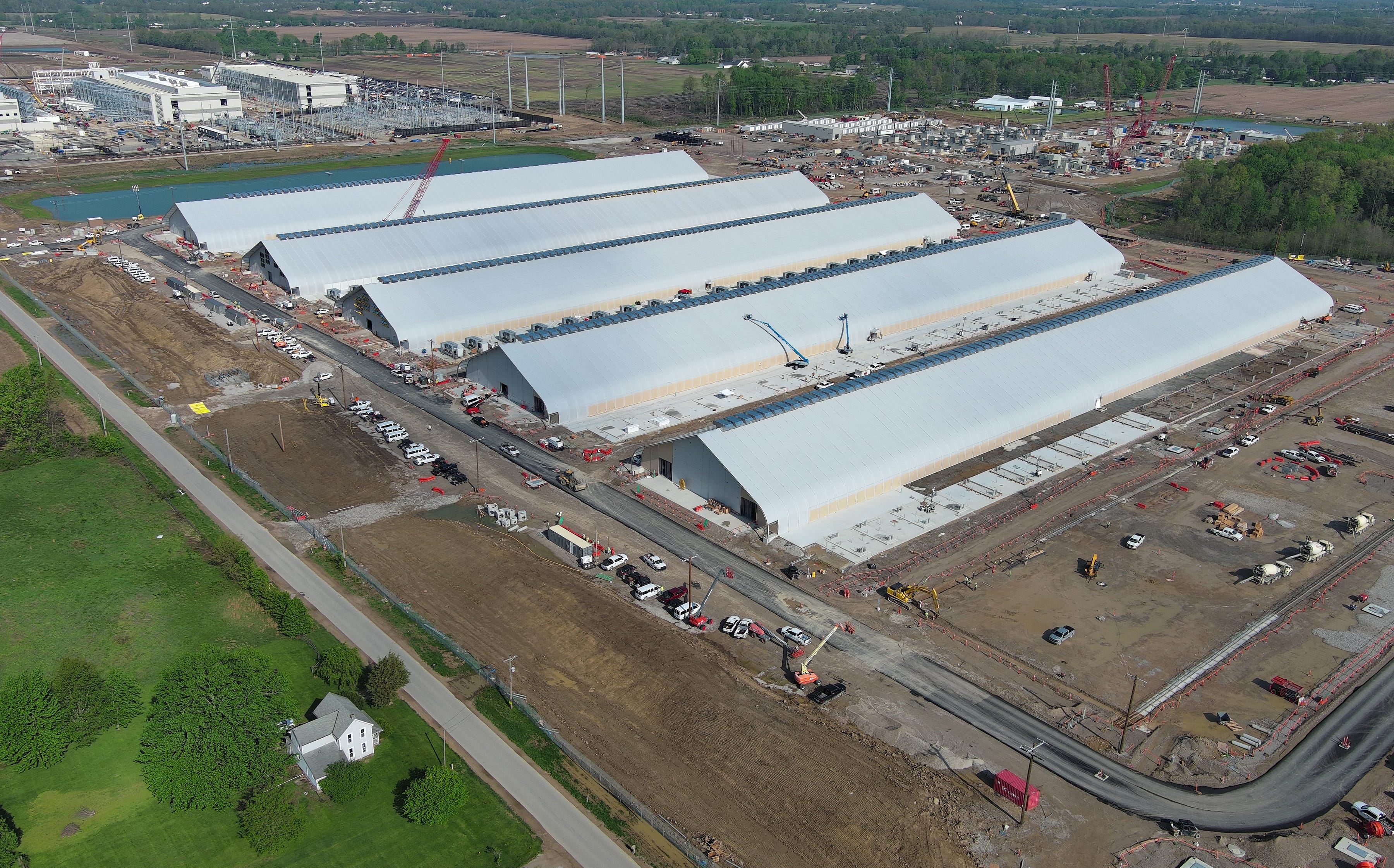
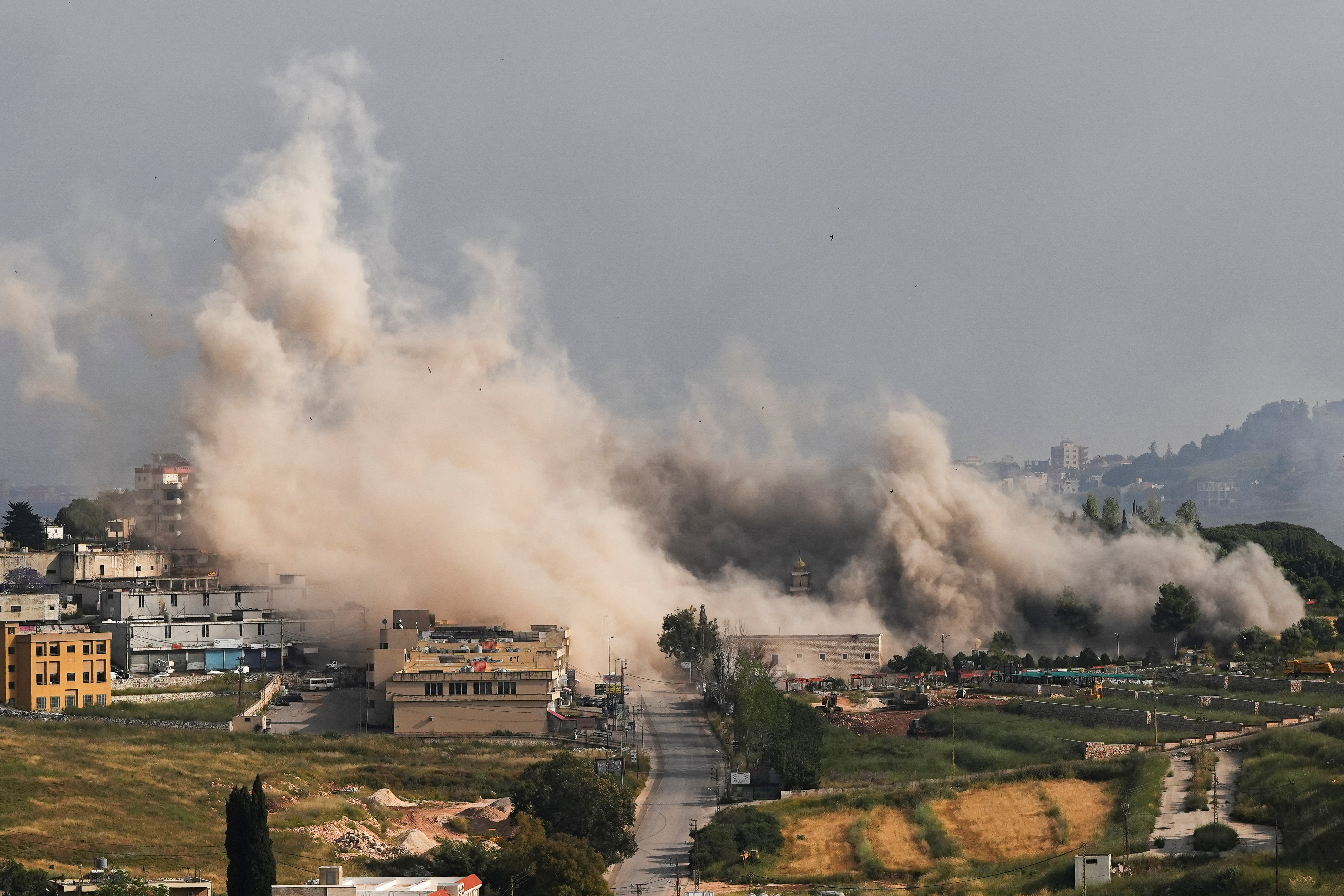
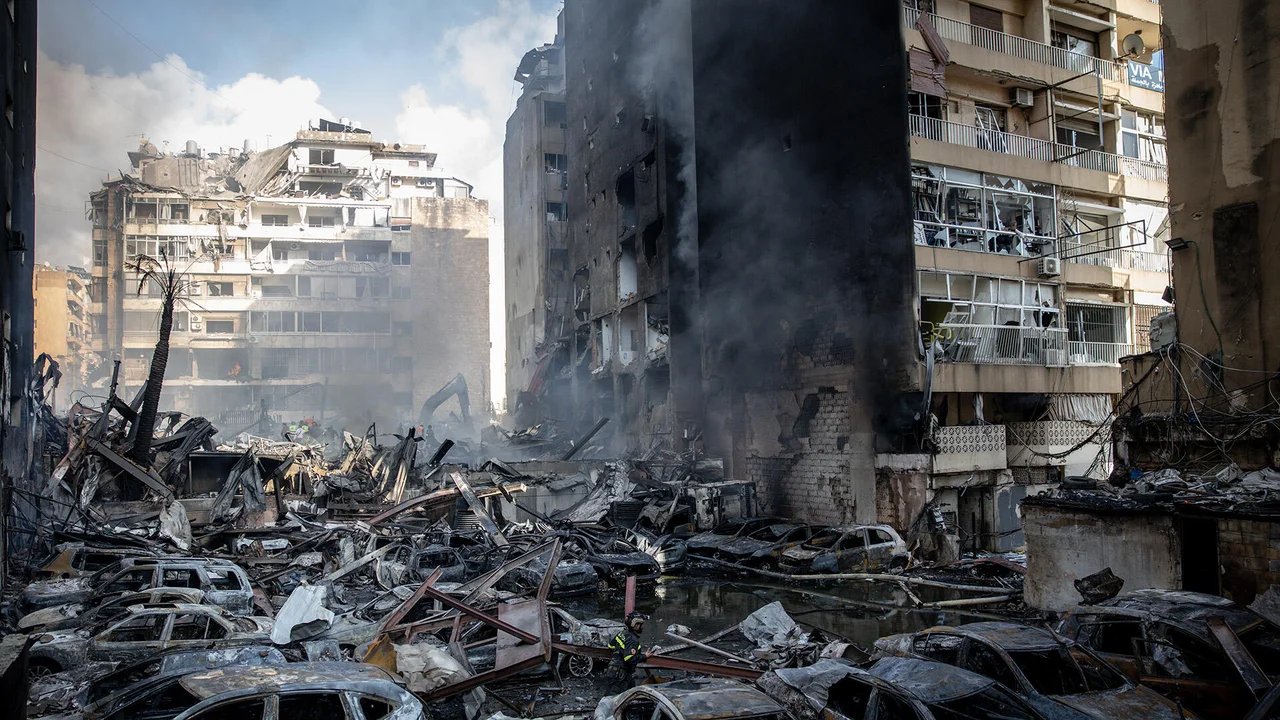
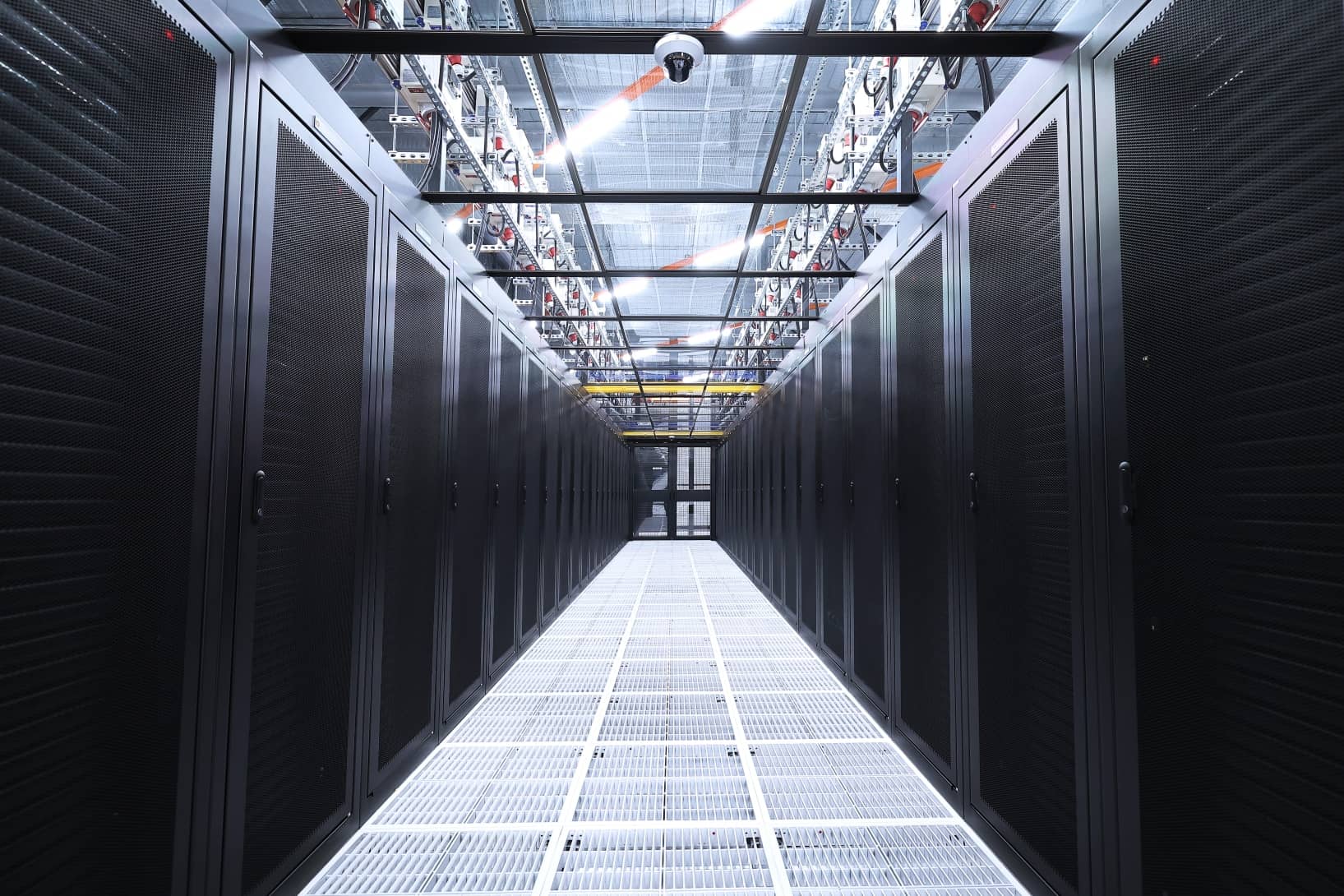
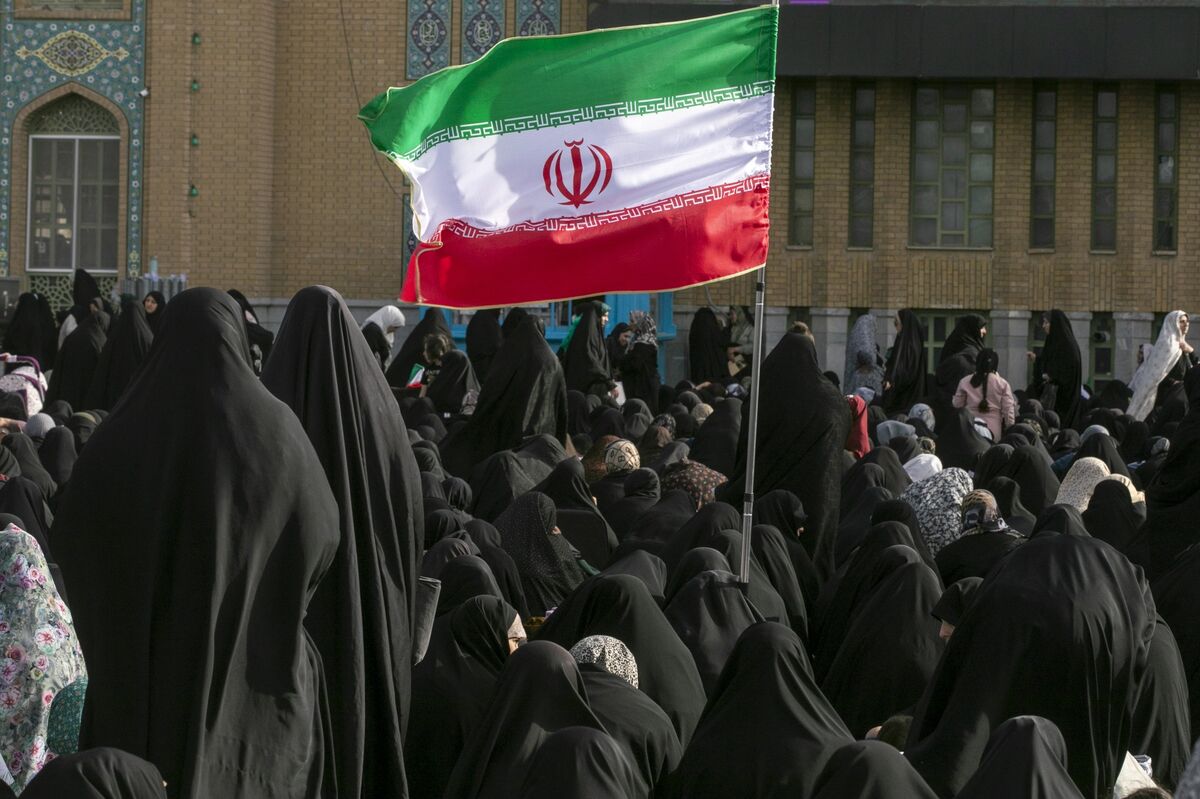
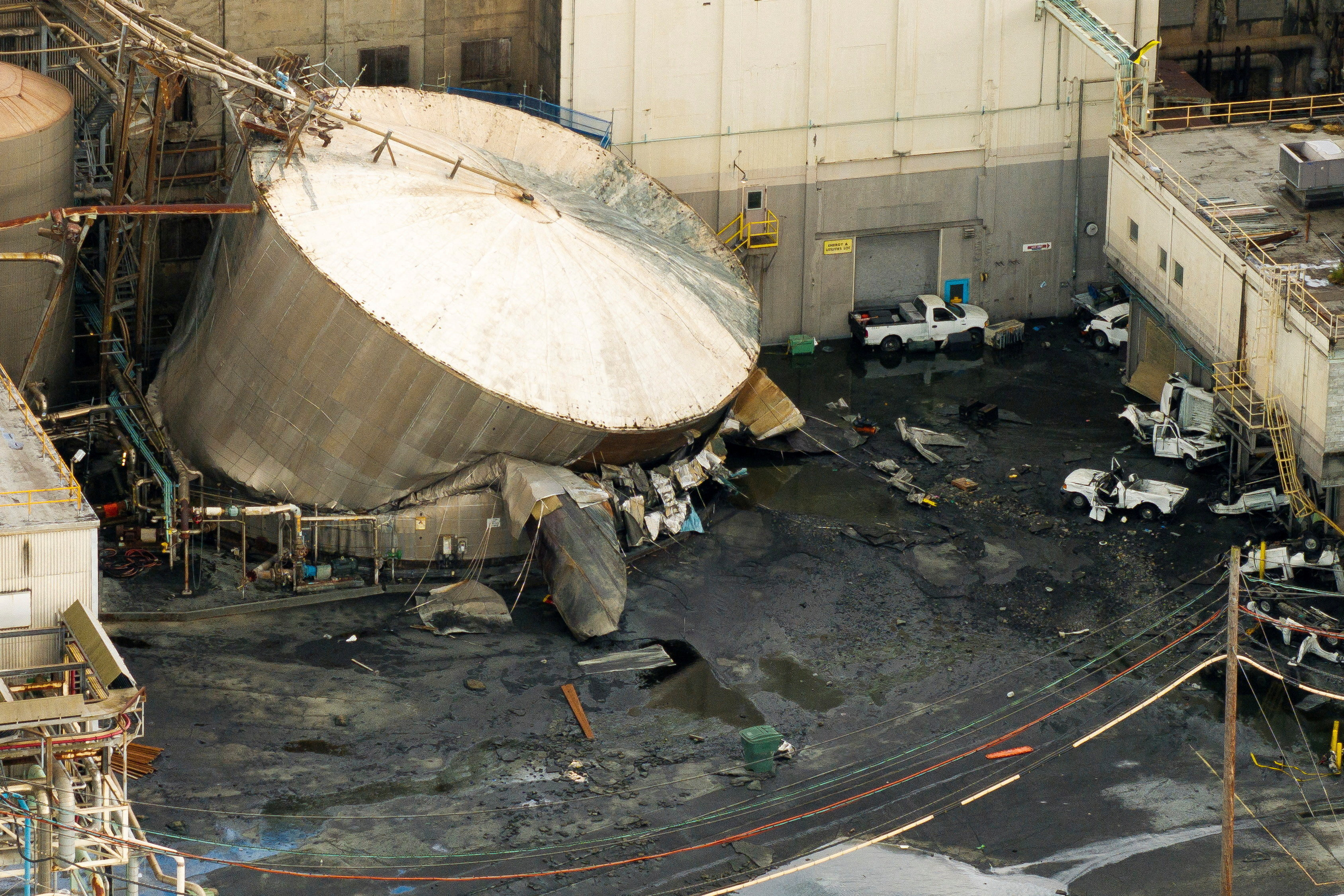
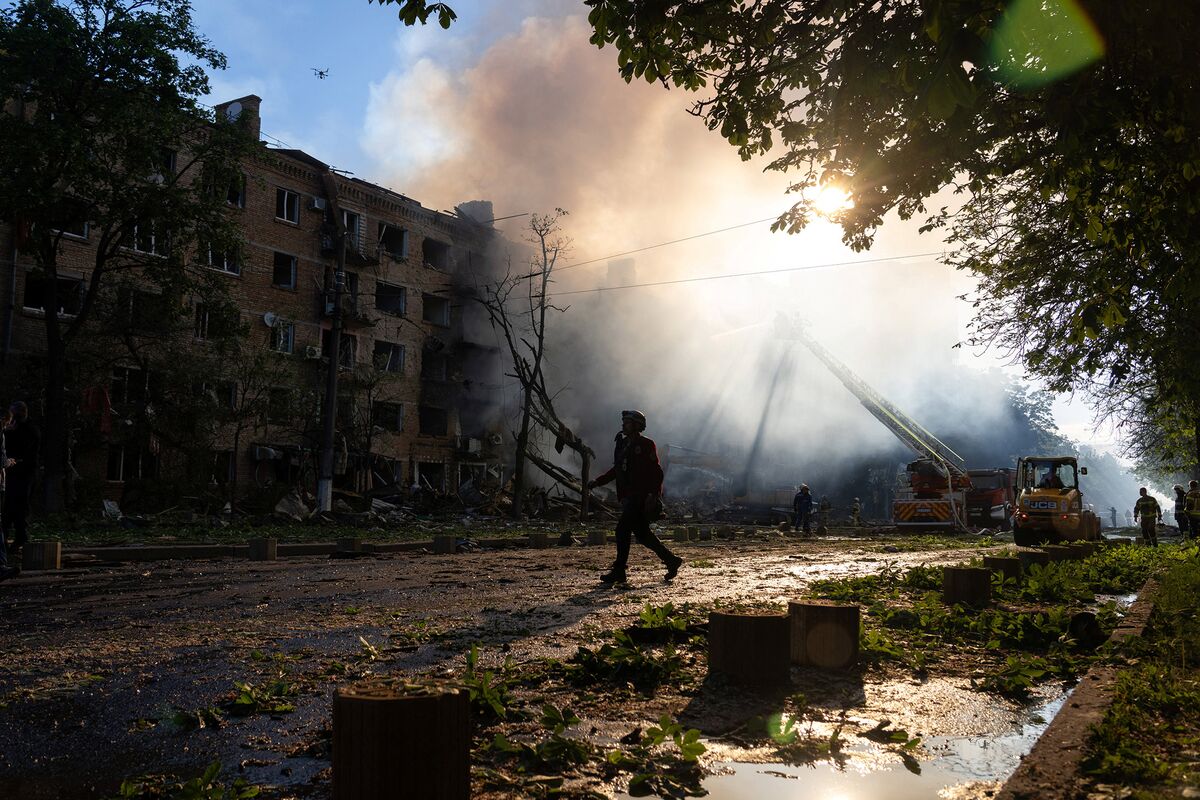
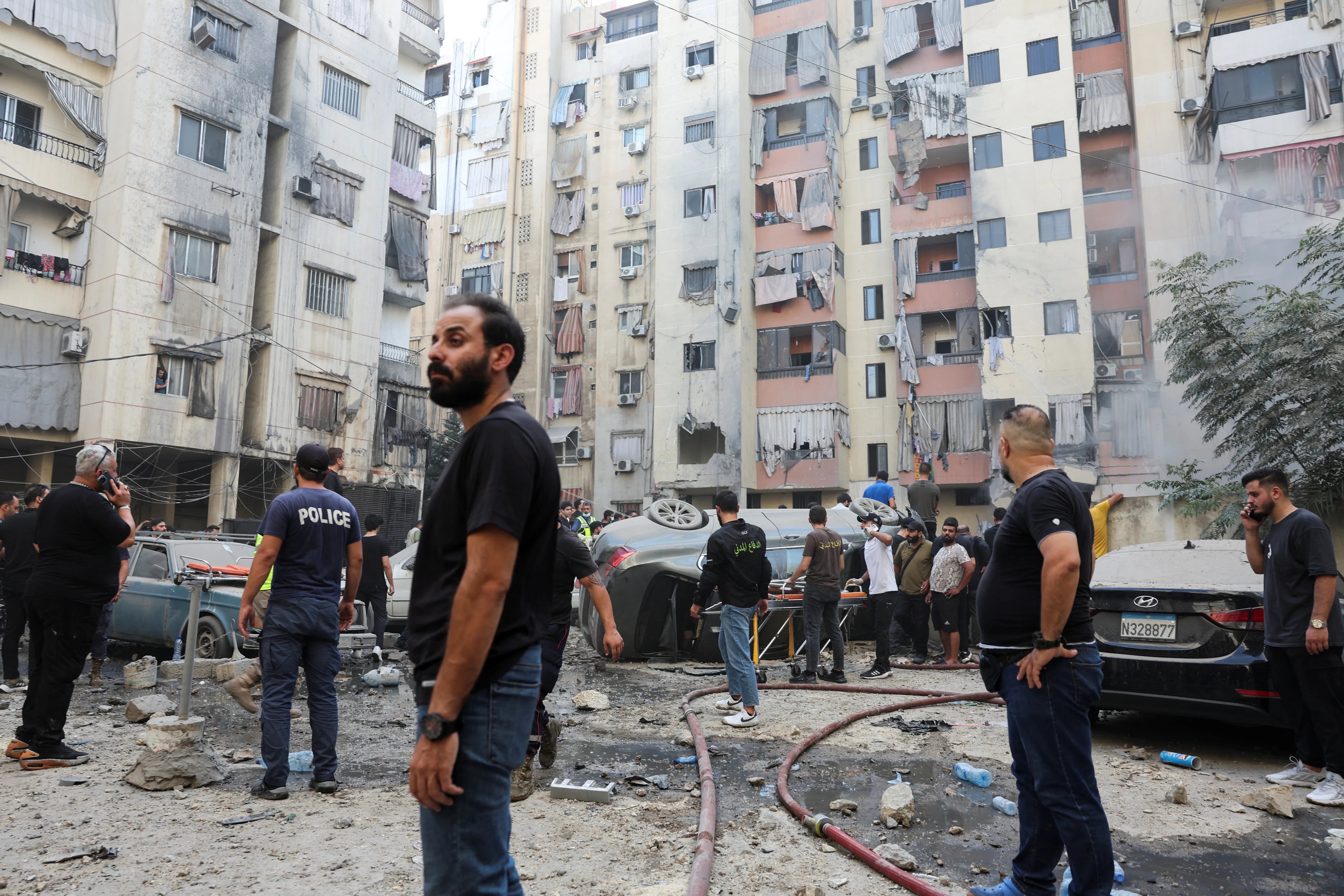
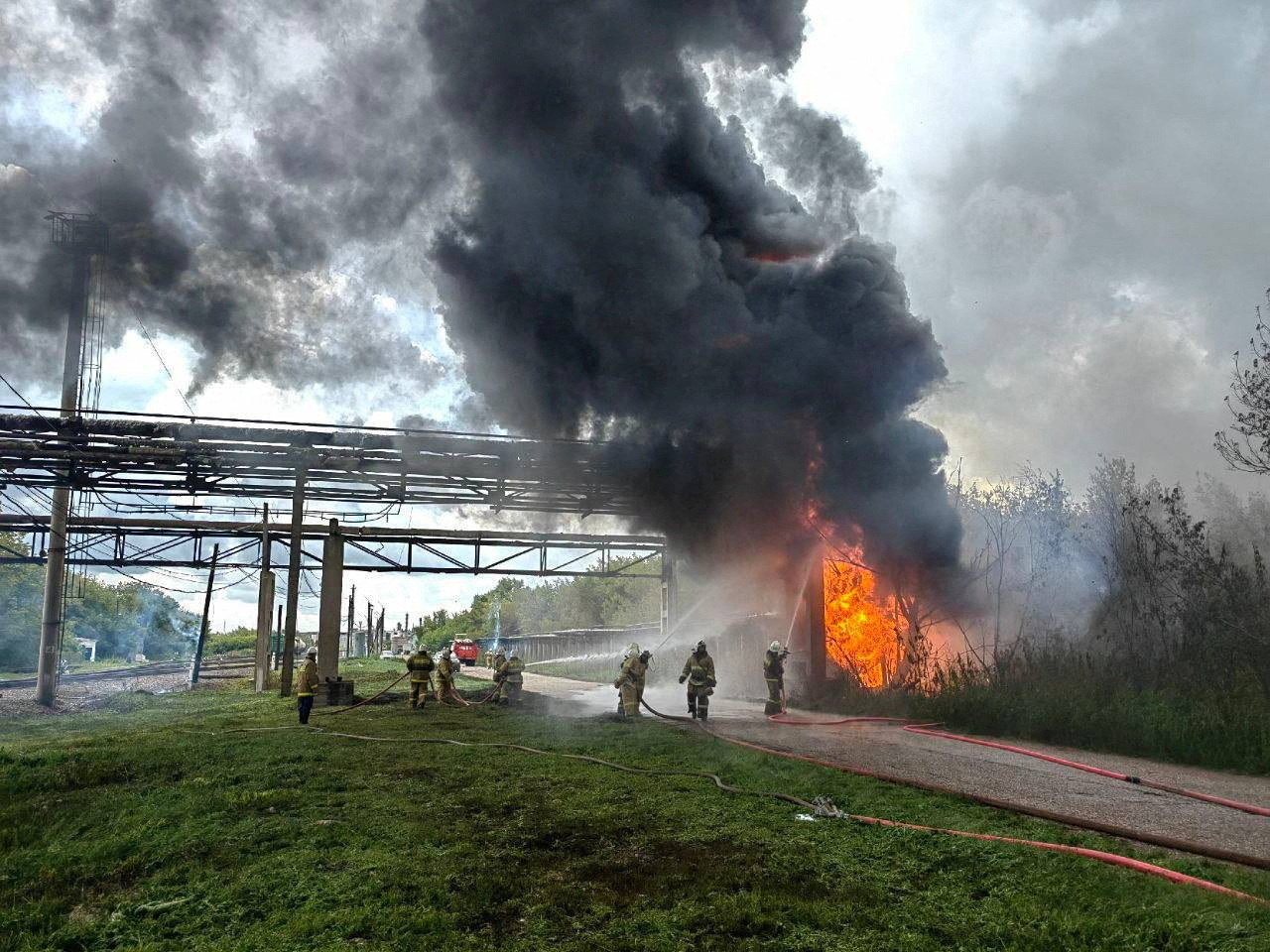
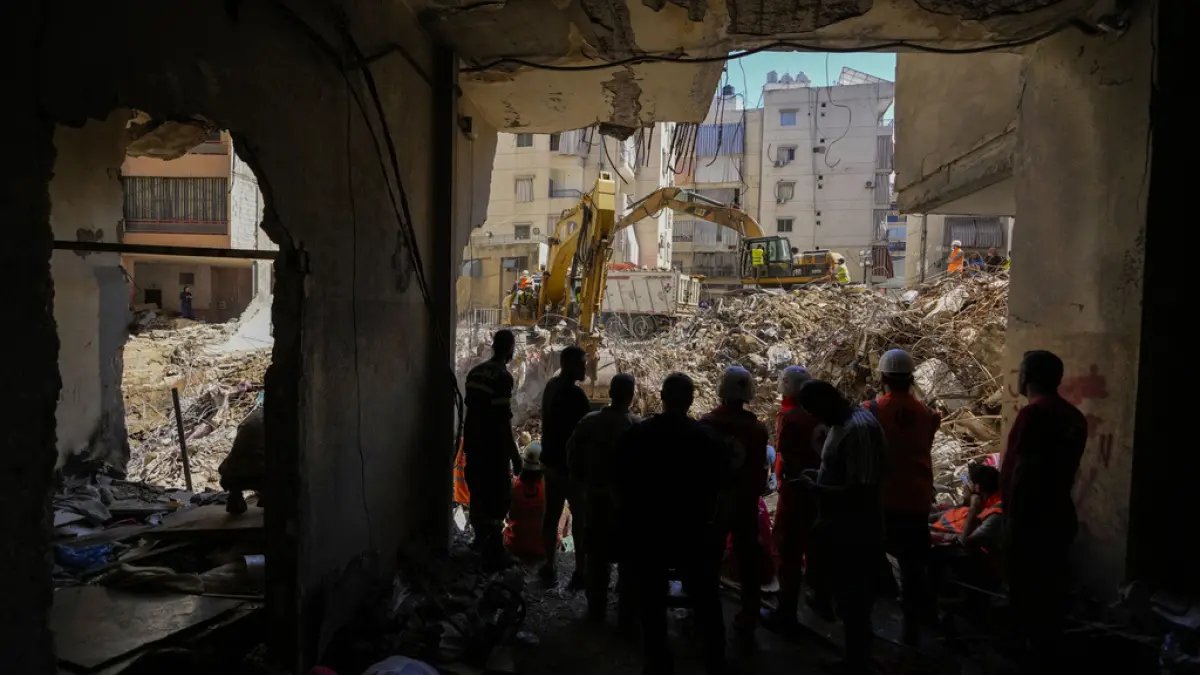
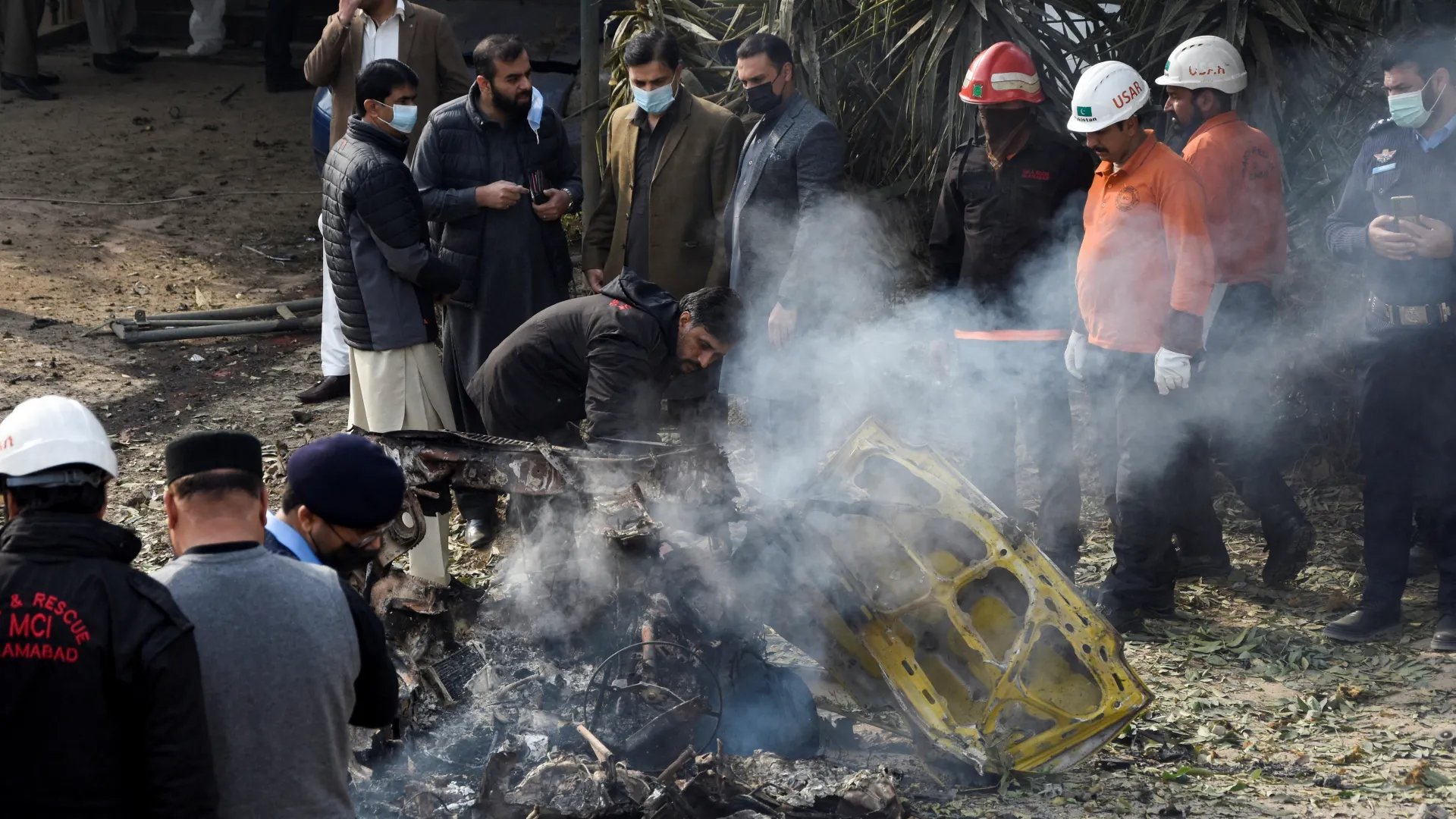
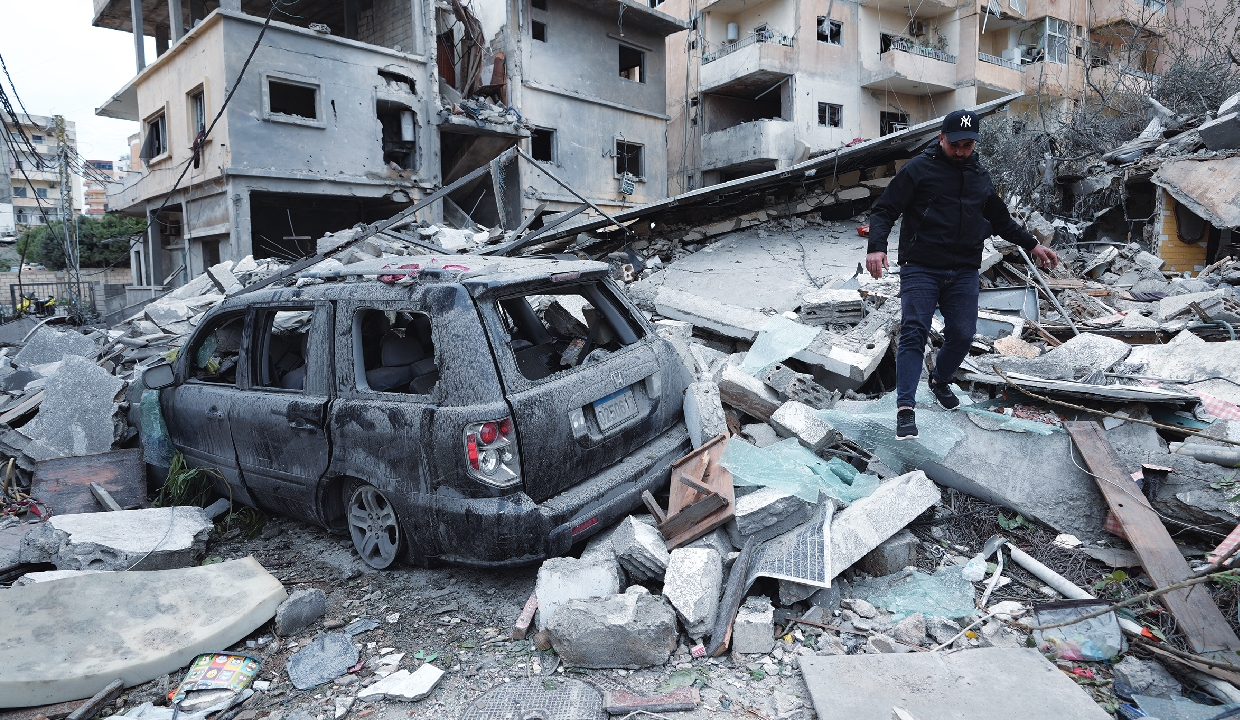
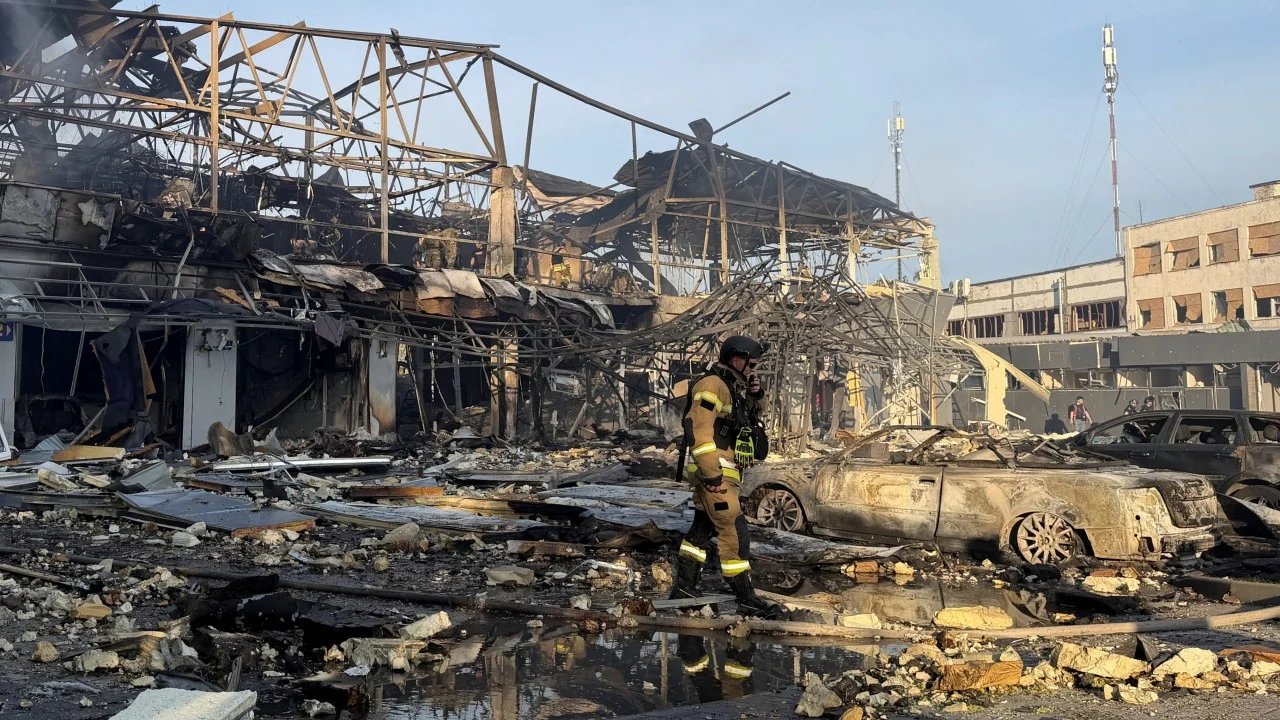
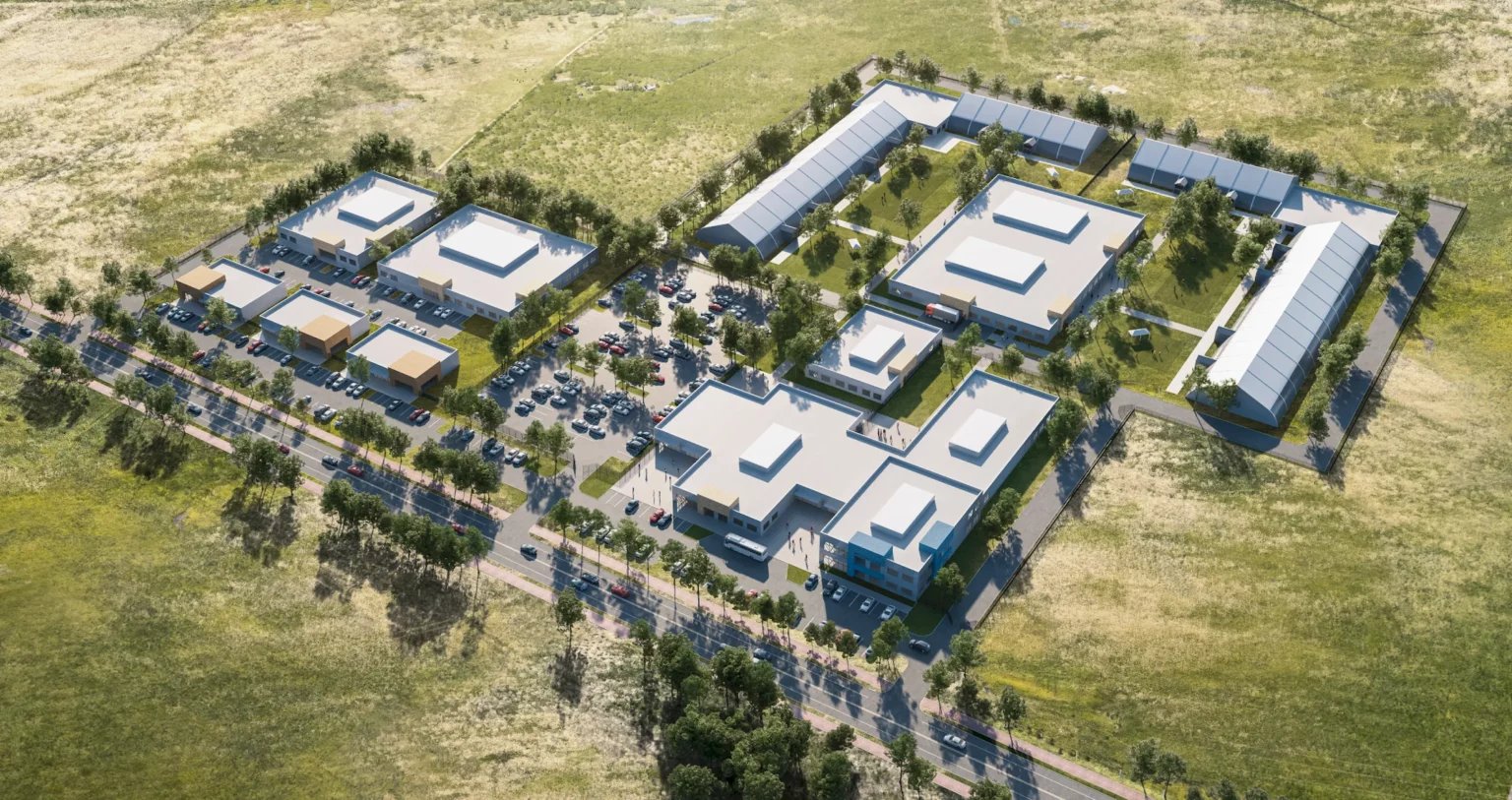
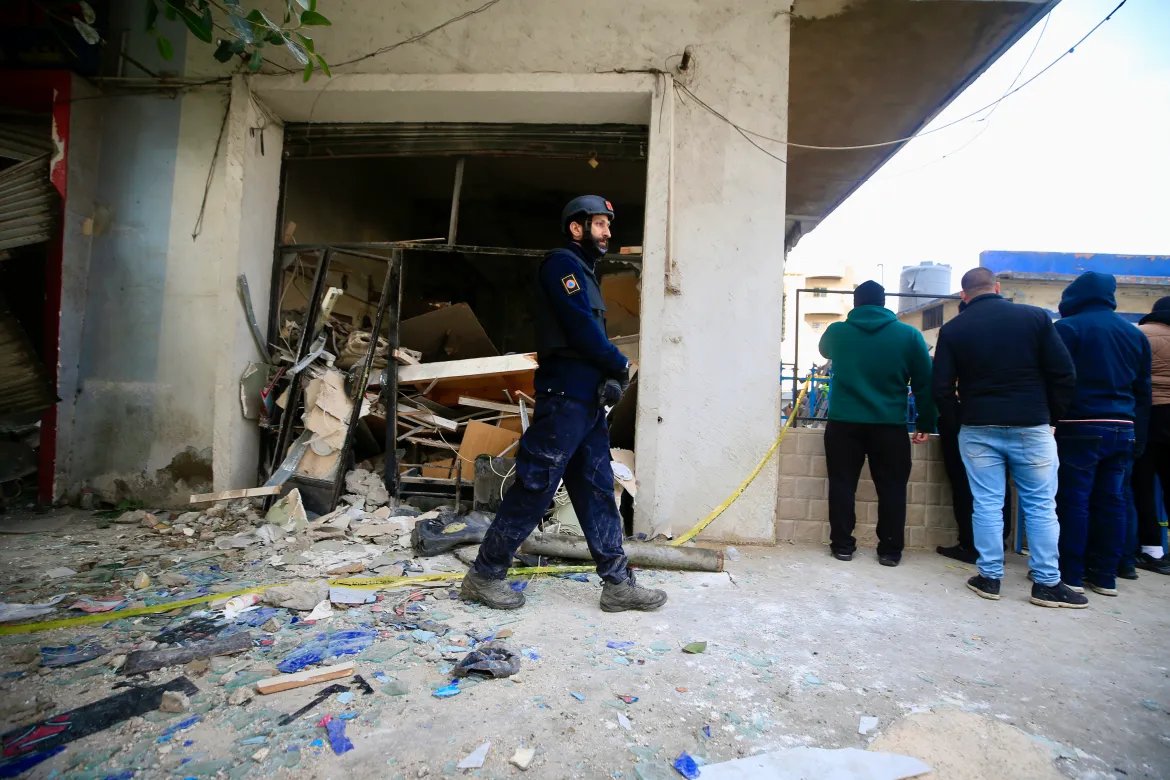
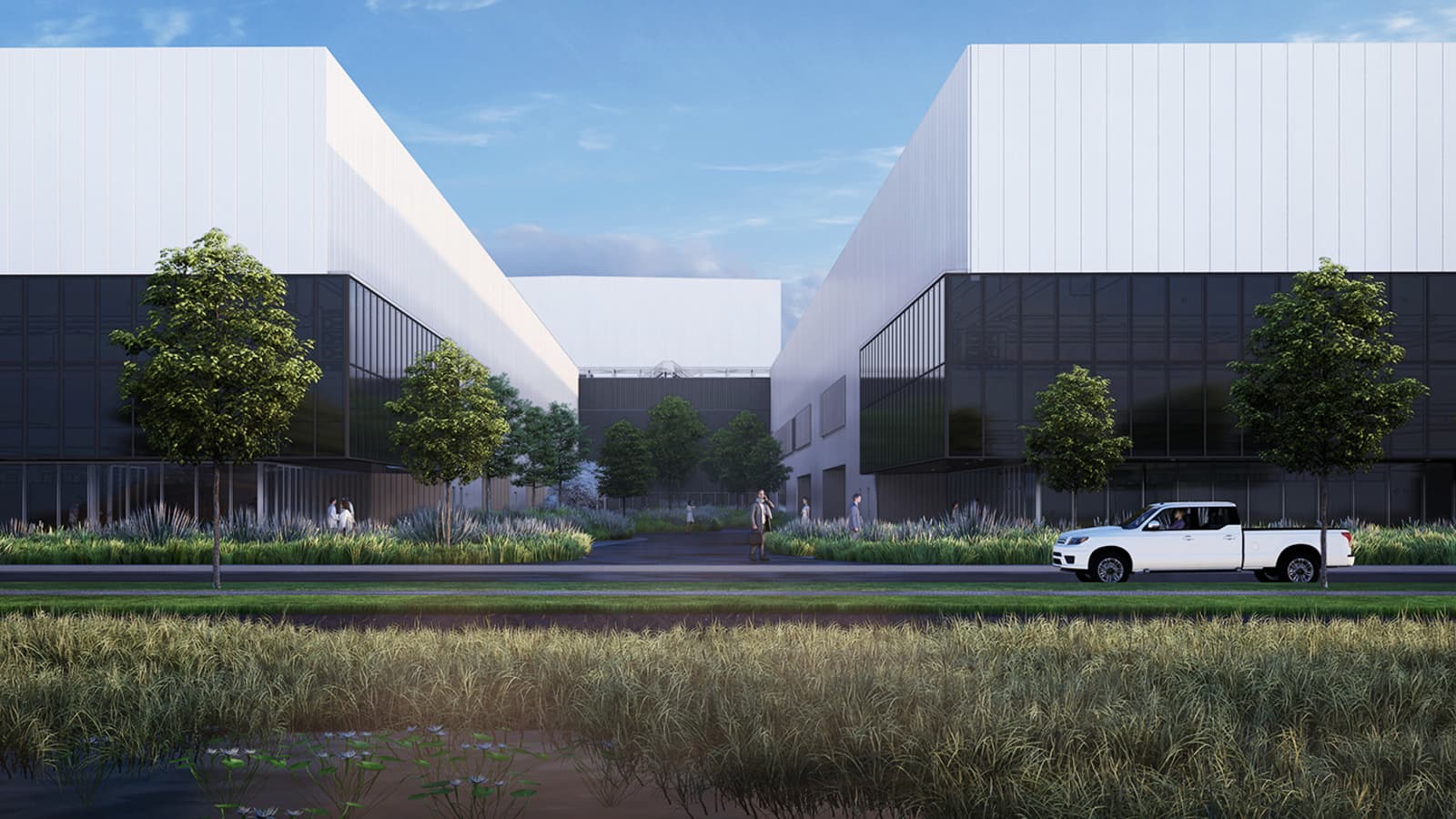
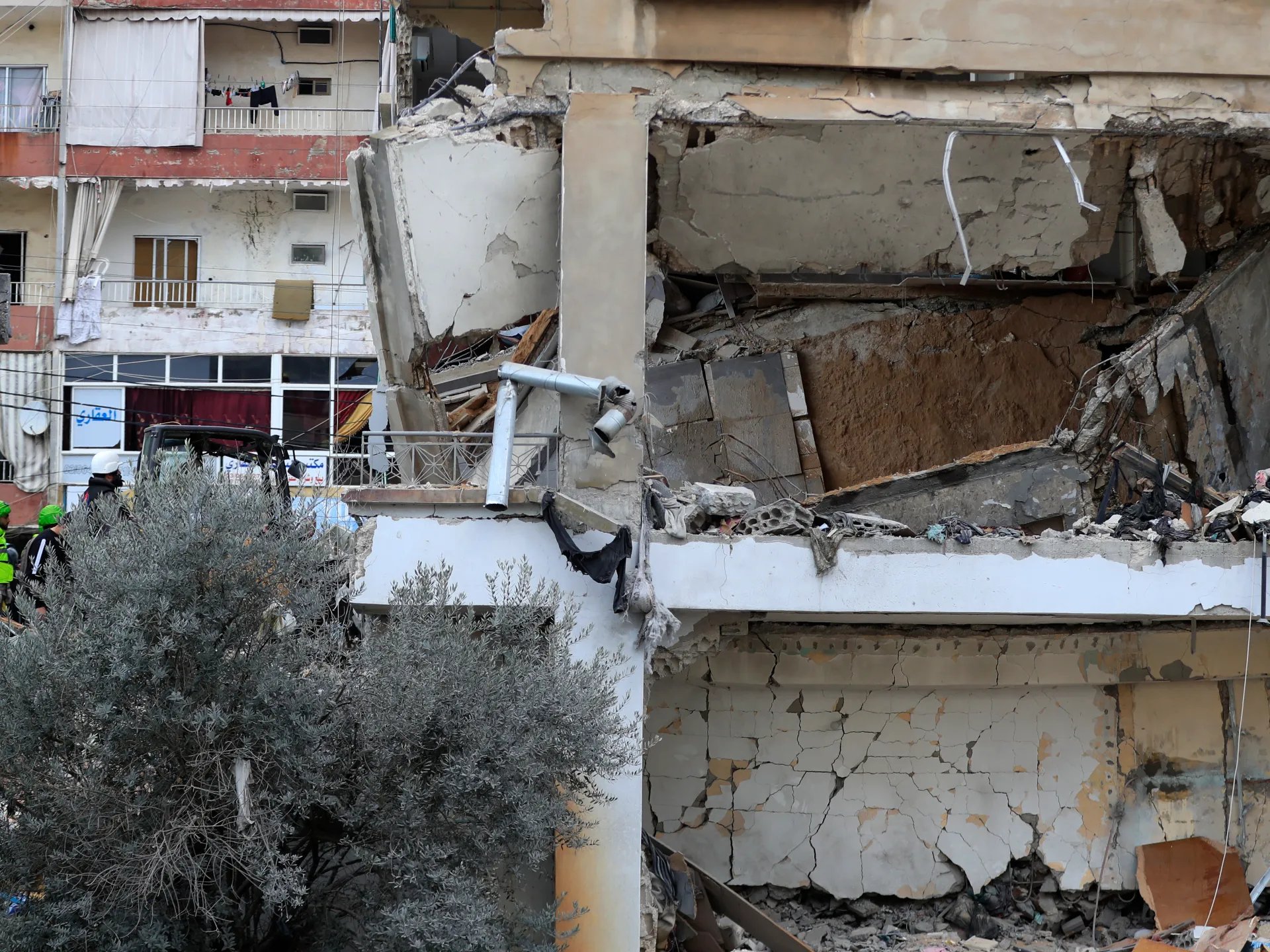
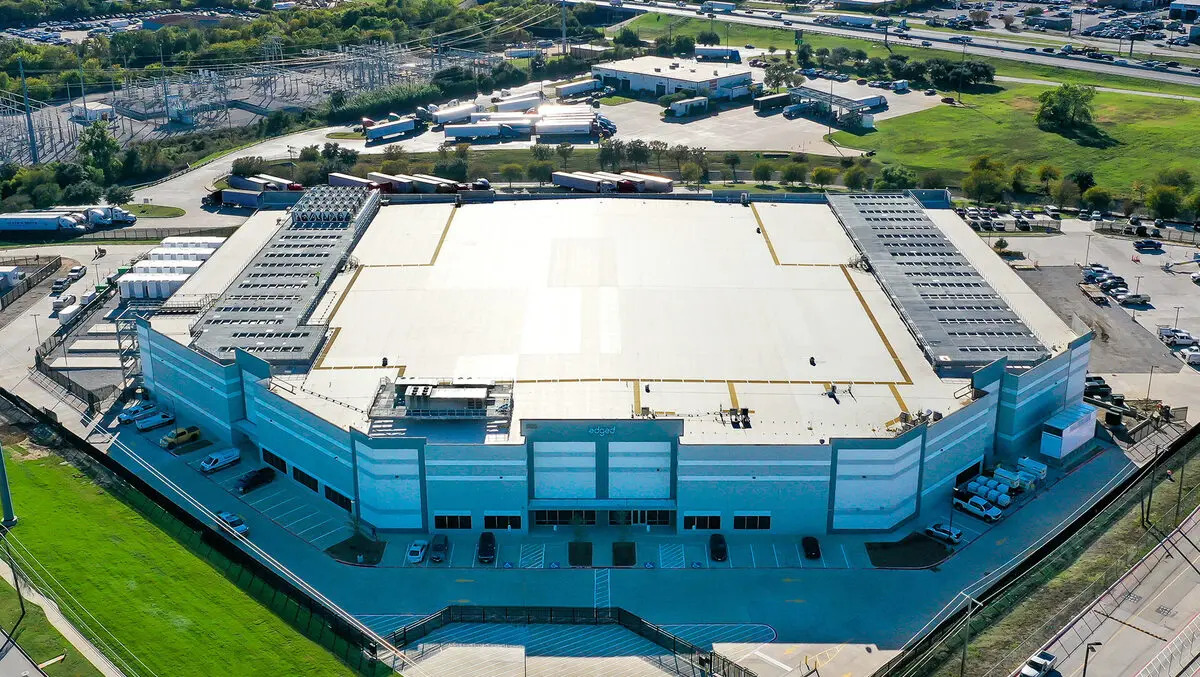
The war's repercussions extend into the technology sector, particularly data centers in the Middle East. A developer, Pure Data Centre Group, has paused all investments in the region after its facilities were damaged by Iranian missile strikes. CEO Gary Wojtaszek stated, "No one’s going to run into a burning building, so to speak," emphasizing the hesitance to invest in a volatile environment. The attacks have also disrupted services for major clients like Amazon Web Services, which reported damages to its data centers and incurred an estimated $150 million in waived customer charges due to service interruptions.
Shifts in Investment Strategies
Tech companies and investors are now reconsidering their strategies in the Middle East, which was once seen as a burgeoning hub for AI and cloud data centers. Reports indicate that companies may shift from large data center campuses to smaller, more distributed facilities, increasing operational costs but potentially enhancing security. This shift comes in response to threats from Iran's Revolutionary Guard Corps, which has targeted U.S. tech companies linked to military applications. The potential for further escalation has made investors wary.
Federal Reserve’s Response to Economic Uncertainty
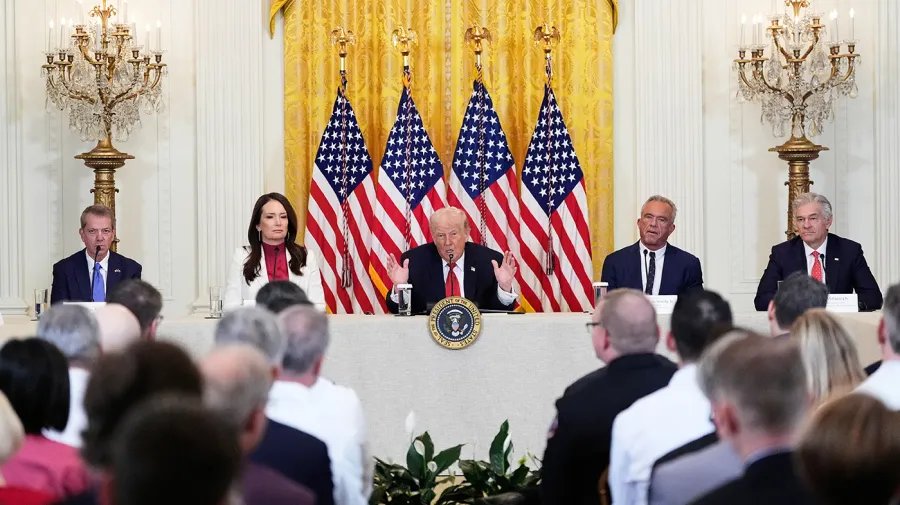
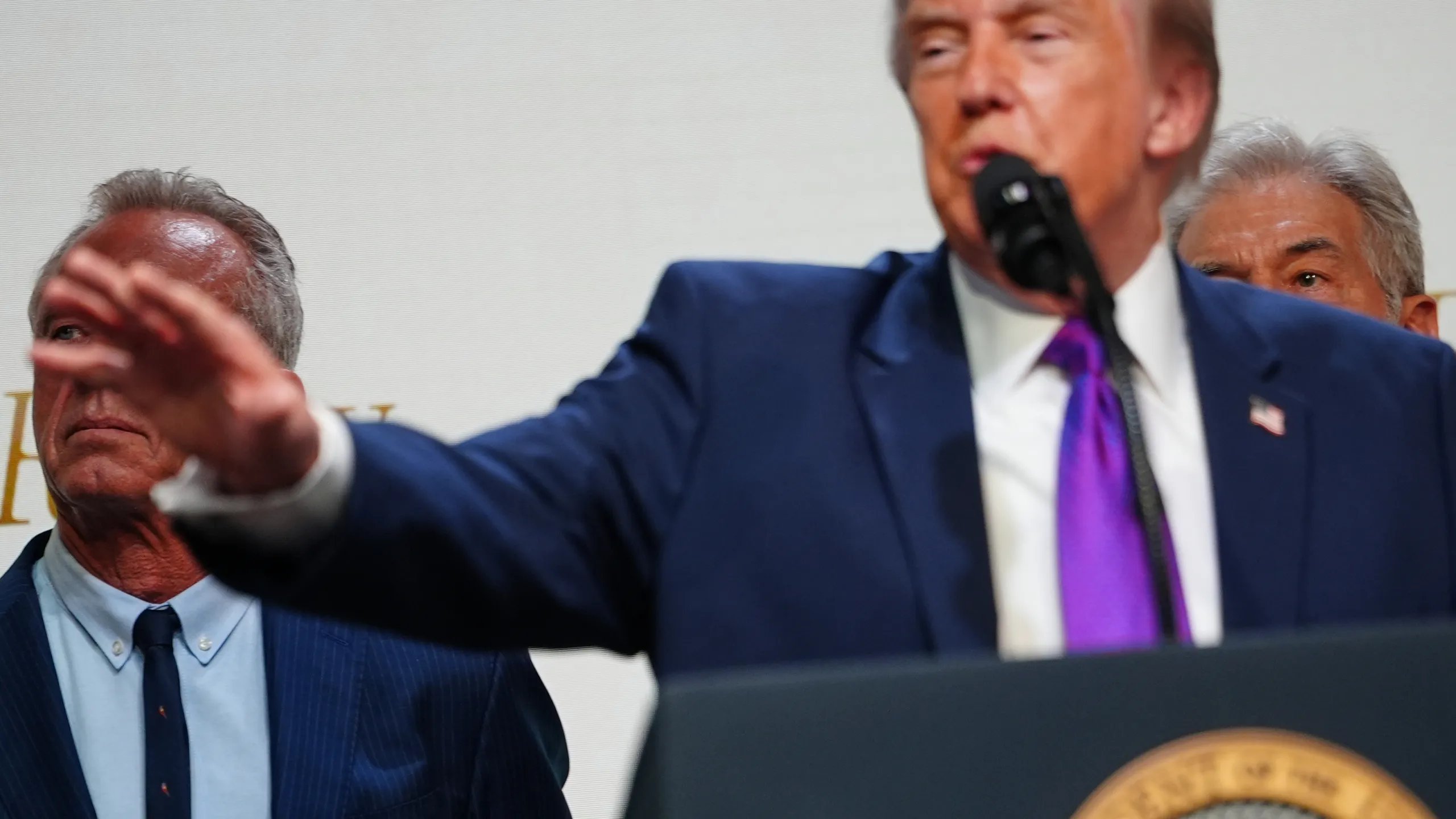
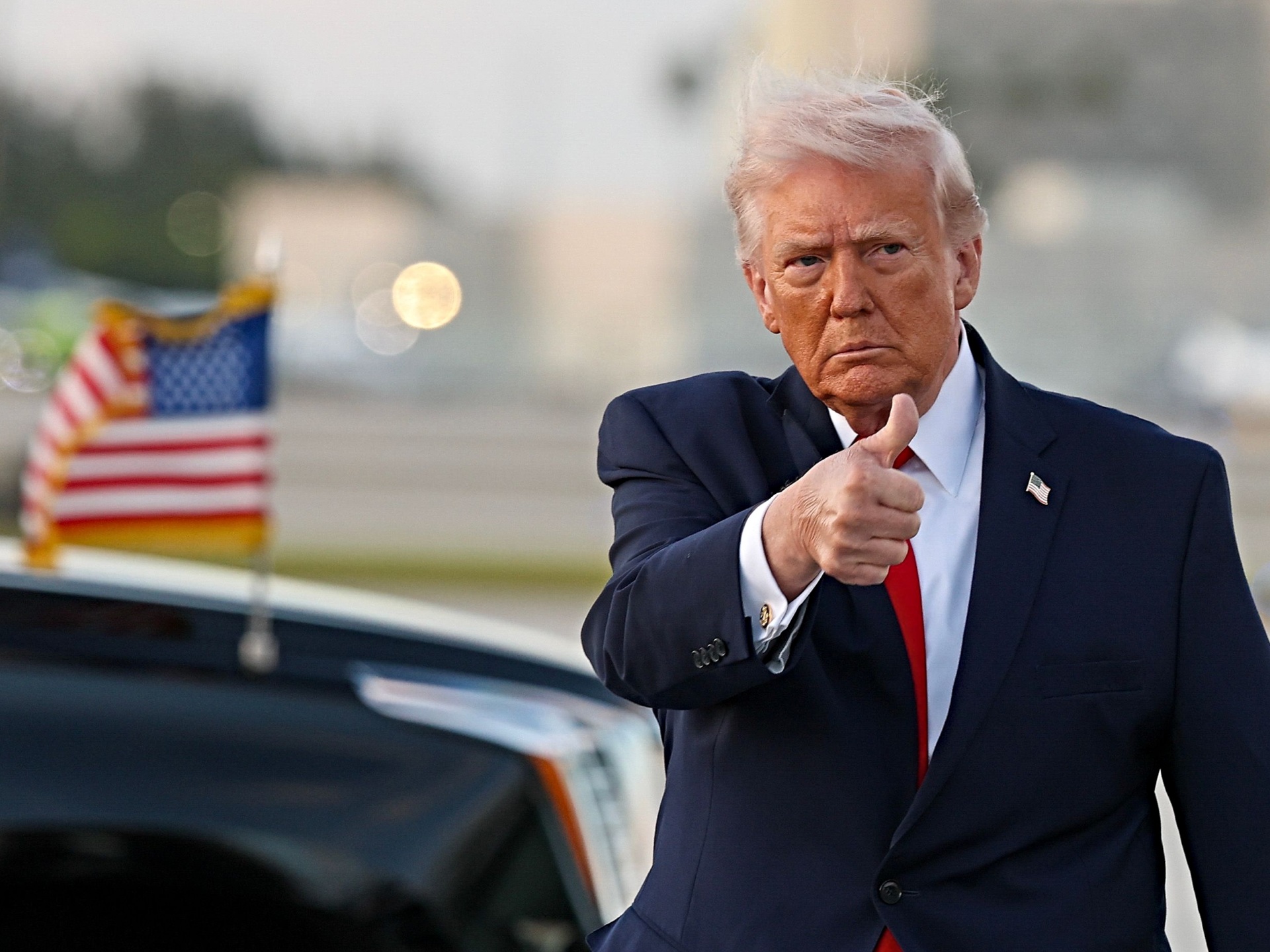
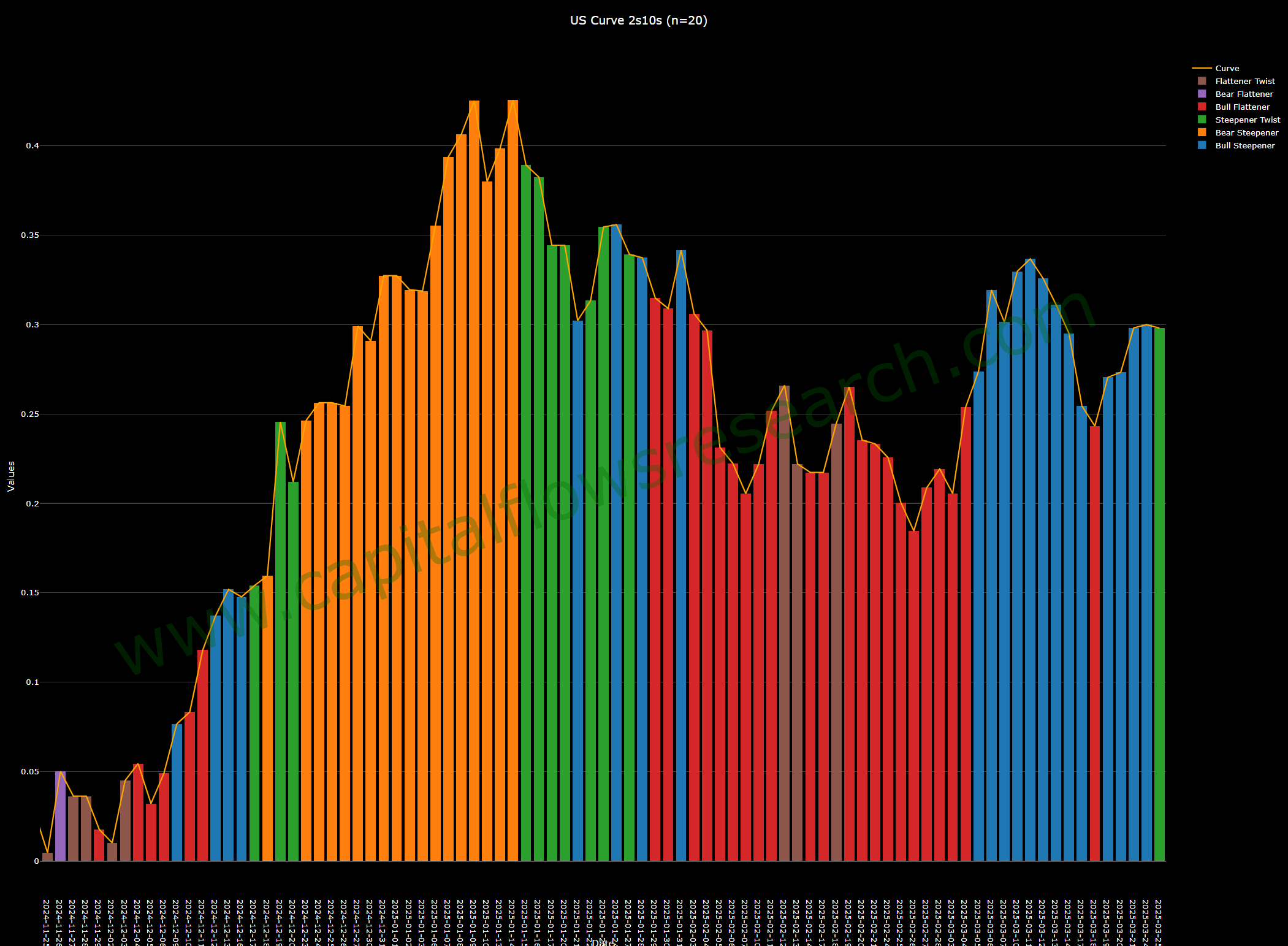
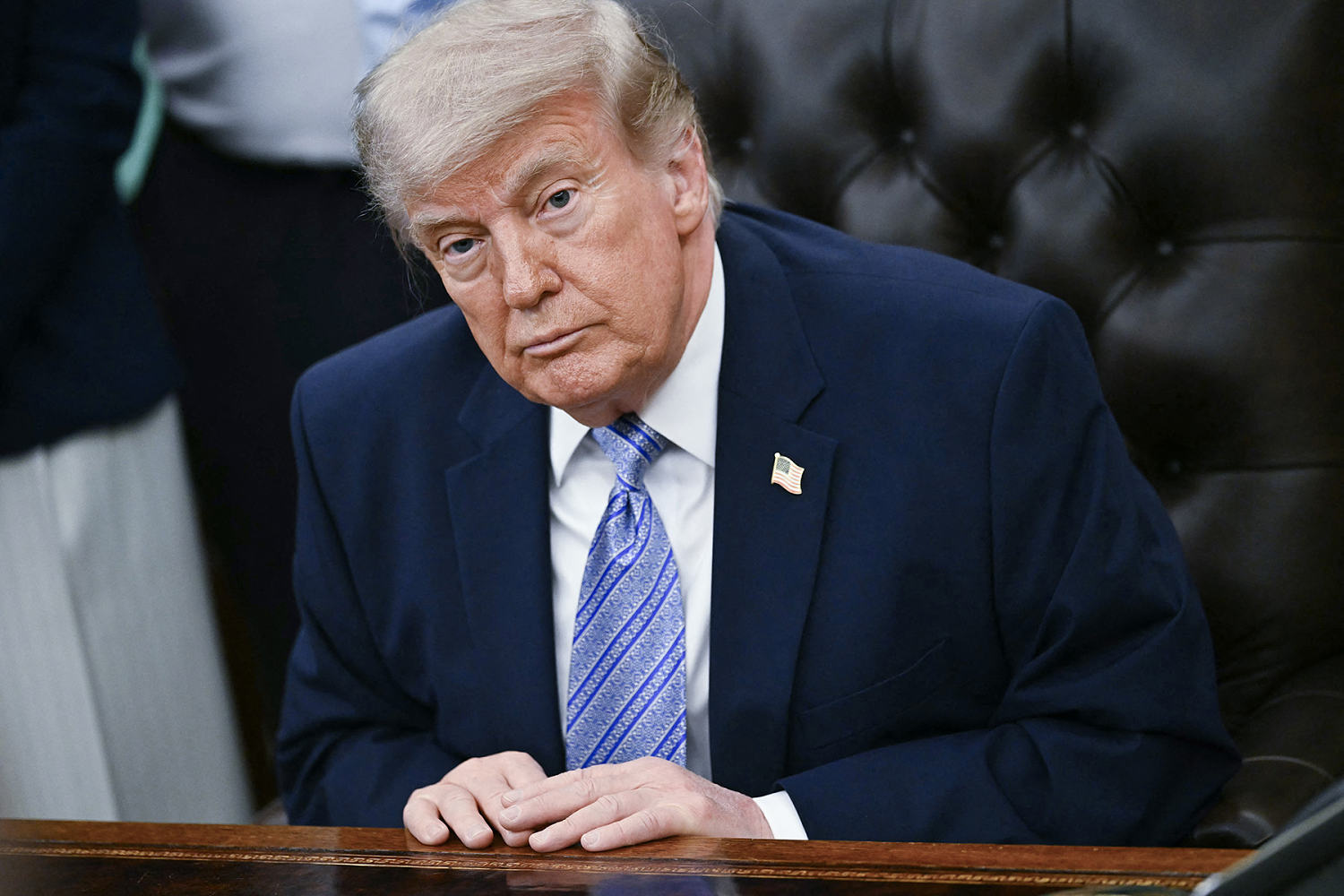
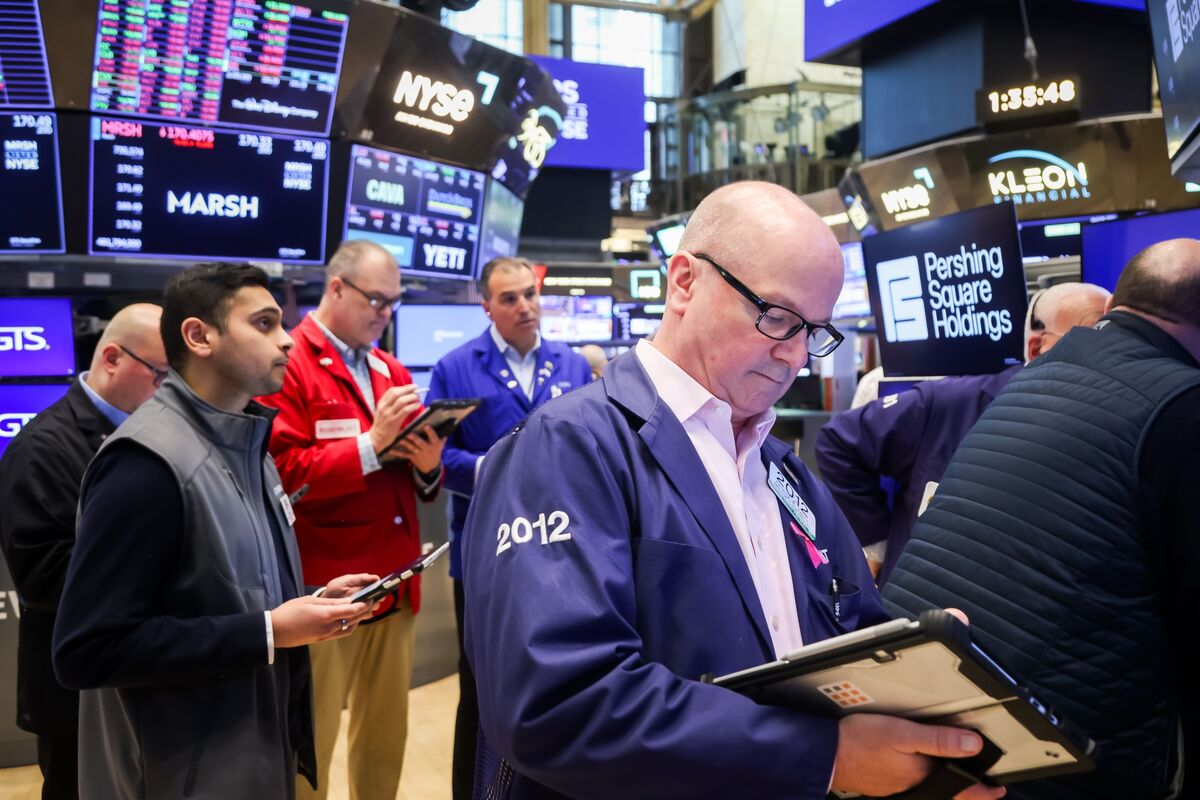
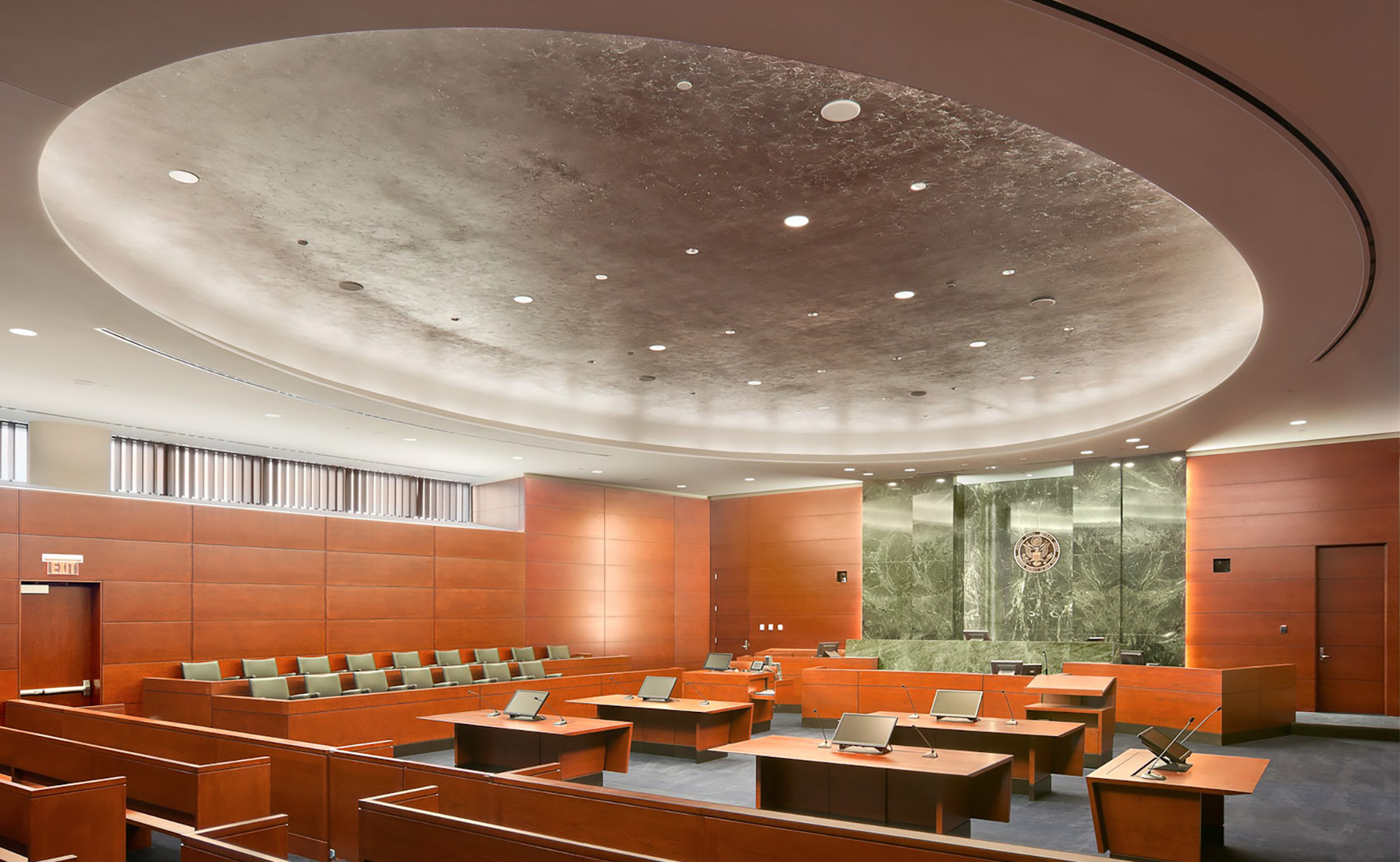
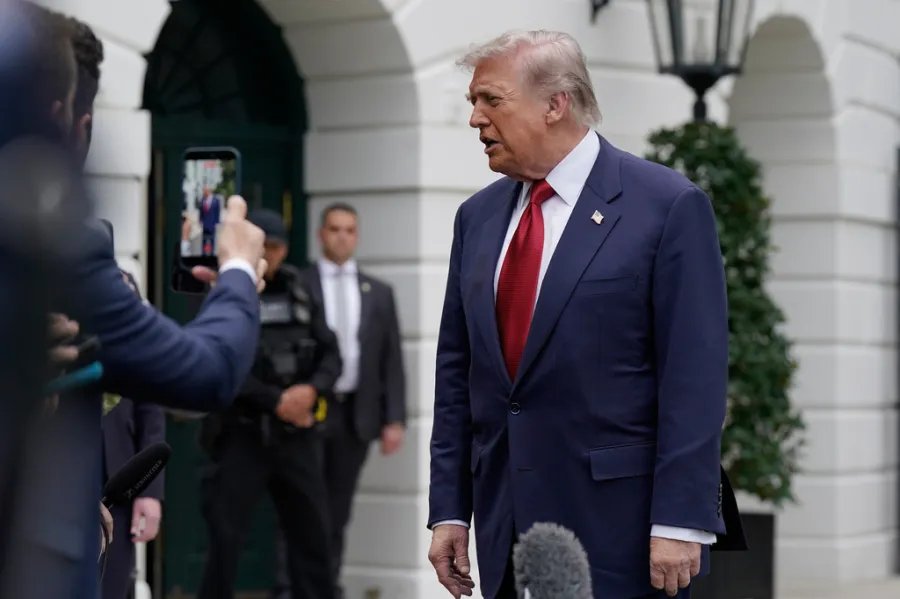
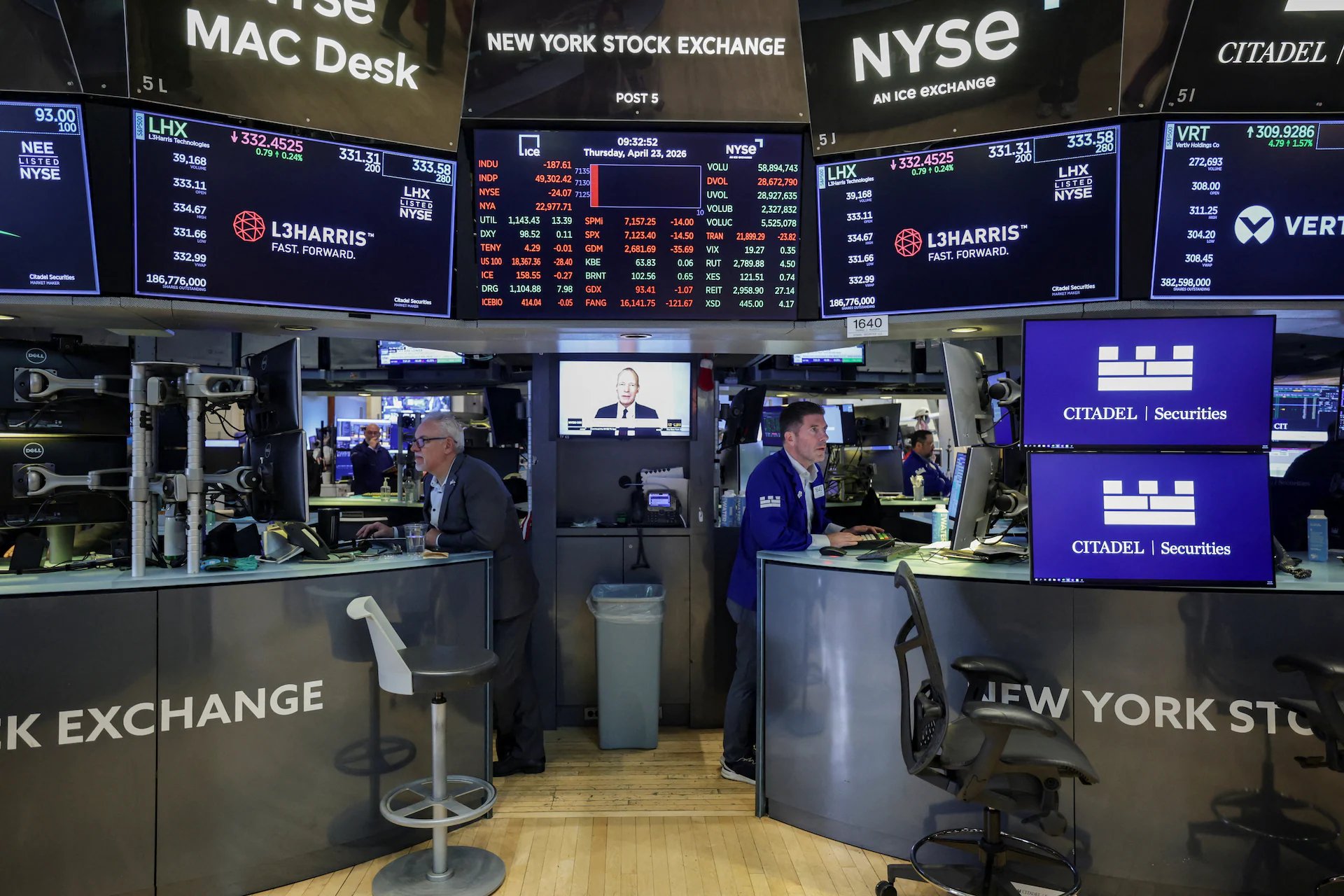
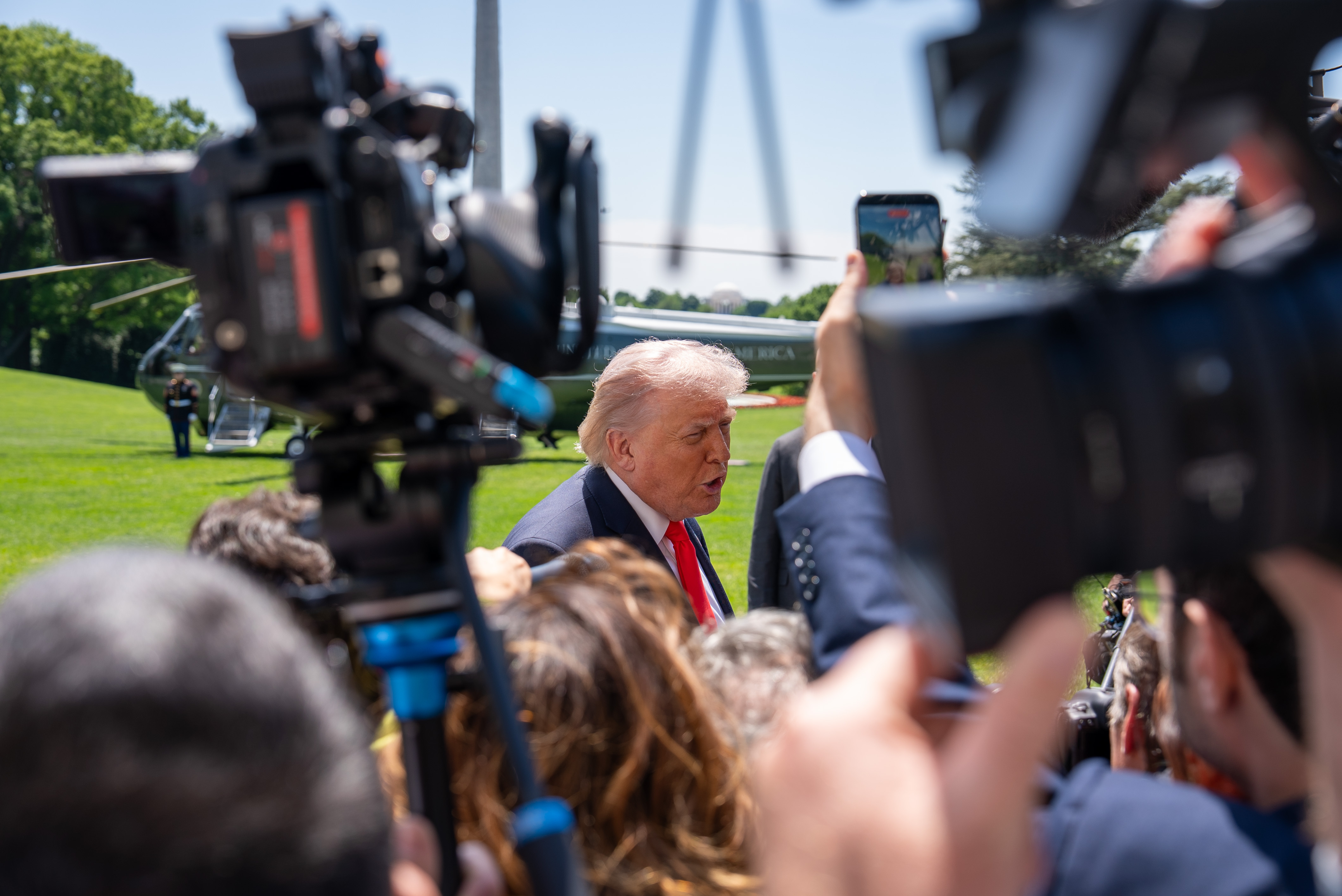
In the United States, the Federal Reserve has opted to keep interest rates unchanged in the 3.5-3.75% range, citing the uncertainty created by the Middle East conflicts. Chairman Jerome Powell emphasized the need to monitor economic indicators closely, particularly as rising energy prices pose upside risks to inflation. This decision reflects the interconnectedness of global events and their impact on domestic economic policy.
Long-term Outlook Amidst Short-term Challenges
Despite the immediate challenges posed by the conflict, some in the technology sector view the Middle East as a long-term opportunity. Pure DC’s Wojtaszek reaffirmed the company's commitment to the region, stating that they have "recommitted its focus on the Middle East" after obtaining necessary approvals to expand capacity at their damaged facility. This perspective suggests that while the current environment is fraught with risk, strategic investments may still be viable as conditions stabilize.
Conclusion: Navigating a Shifting Economic Landscape
As the Asian Development Bank's revised forecasts indicate, the economic landscape in the Asia-Pacific region is shifting due to geopolitical tensions. The effects of the Middle East war are being felt across various sectors, prompting businesses and governments to adapt their strategies. For individuals and companies in the region, staying informed and agile will be crucial as they navigate these uncertain waters.