





U.S. Delegation Sets Stage in Islamabad
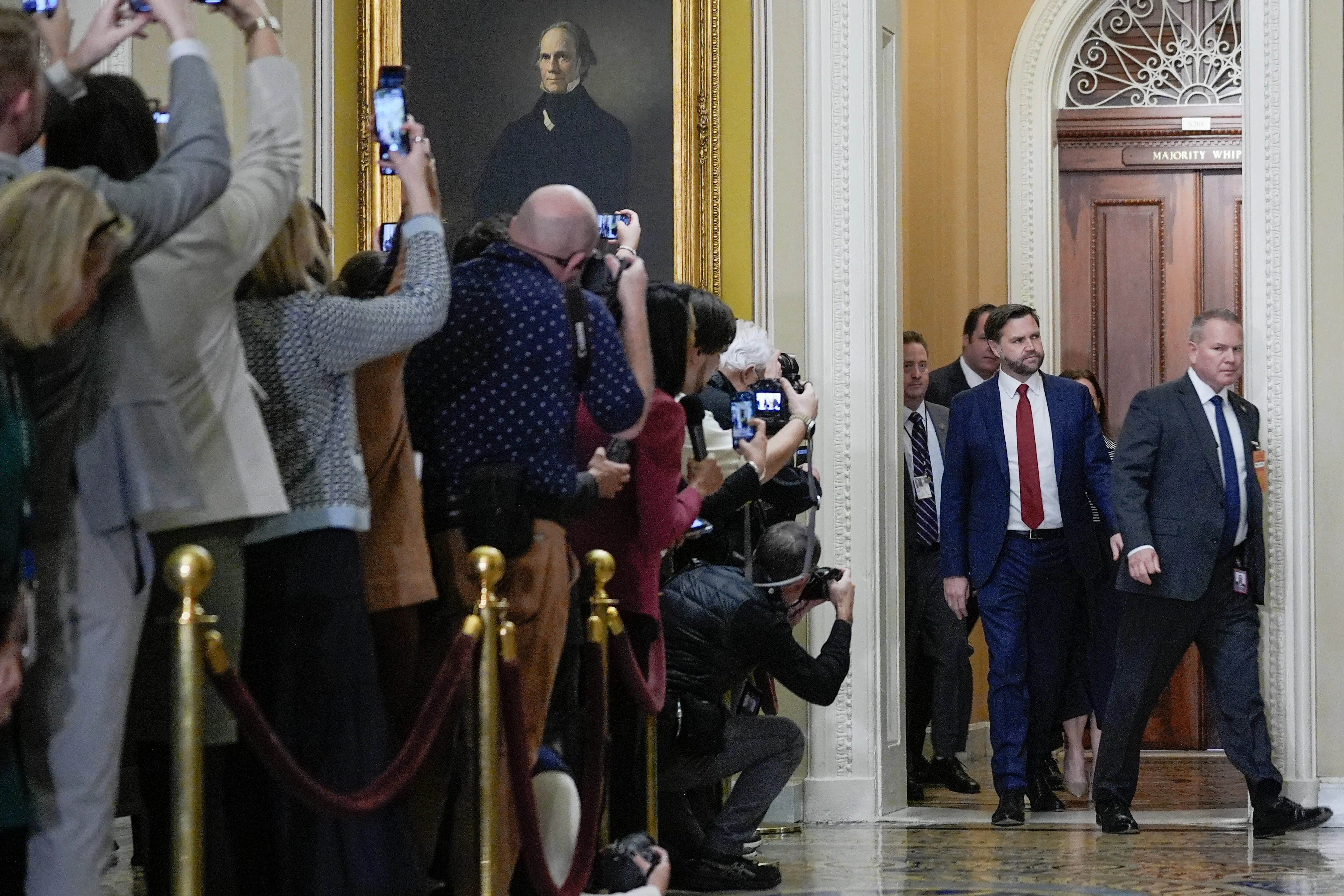
Vice President JD Vance arrived in Pakistan on Friday to lead U.S. negotiations with Iran, accompanied by Steve Witkoff and Jared Kushner, amid a fragile two-week ceasefire. The talks, scheduled for Saturday in Islamabad, aim to address Iran's nuclear program and end the conflict, with Pakistani officials mediating the discussions. Vance told reporters before departing that President Trump provided "pretty clear guidelines" for the team, warning that the U.S. would not tolerate bad faith from Iran.
Iran Demands Ceasefire in Lebanon and Asset Release
Iranian Parliamentary Speaker Mohammad Bagher Ghalibaf stated on Friday that negotiations cannot proceed without a ceasefire in Lebanon and the release of Iran's blocked assets, such as the $6 billion the Trump administration considered unfreezing from a Qatar bank account during February negotiations. Ghalibaf wrote on social media that these two measures were "mutually agreed upon" but not implemented, reflecting Iran's cautious stance upon arriving in Islamabad. Iranian Foreign Minister Abbas Araghchi, leading the delegation with Ghalibaf, echoed this distrust, telling state TV that past U.S. talks have ended in "failure and broken promises."
Fuel Price Surge Hits American Farmers
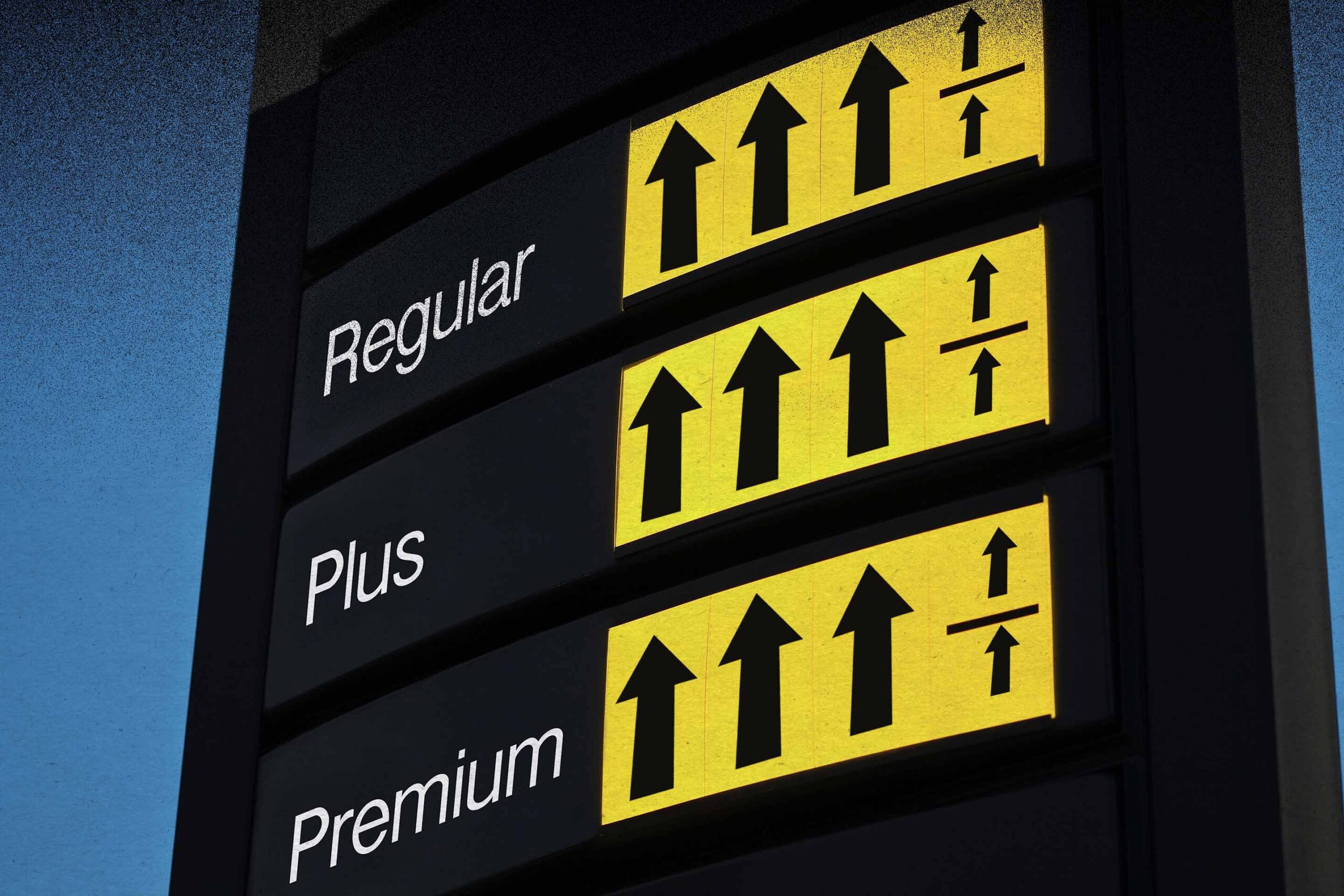
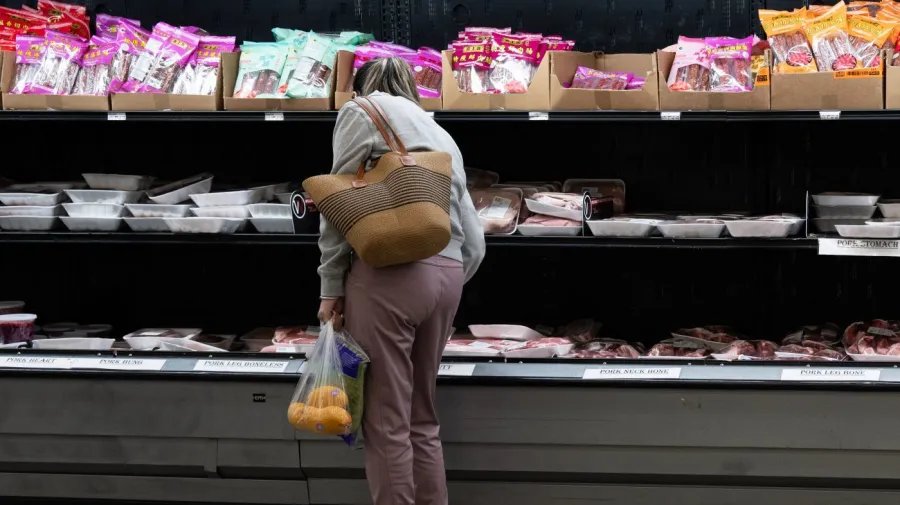
An Iowa farmer named Joe Dierickx reported to CBS News that the cost of farm diesel jumped from $1.89 a gallon in December to $4.17, forcing him to spend $41,000 to fill his 10,000-gallon tank instead of $18,000. This price hike, tied to disruptions in the Strait of Hormuz, has pushed U.S. inflation to a 3.3% annual rate in March, straining household budgets and farm profitability. Dierickx said the situation echoes challenges he faced in the 1980s, noting "We're not to the '80s style of unprofitability yet, but we're getting close. We're knocking on the door."
Israeli Strikes Complicate the Ceasefire
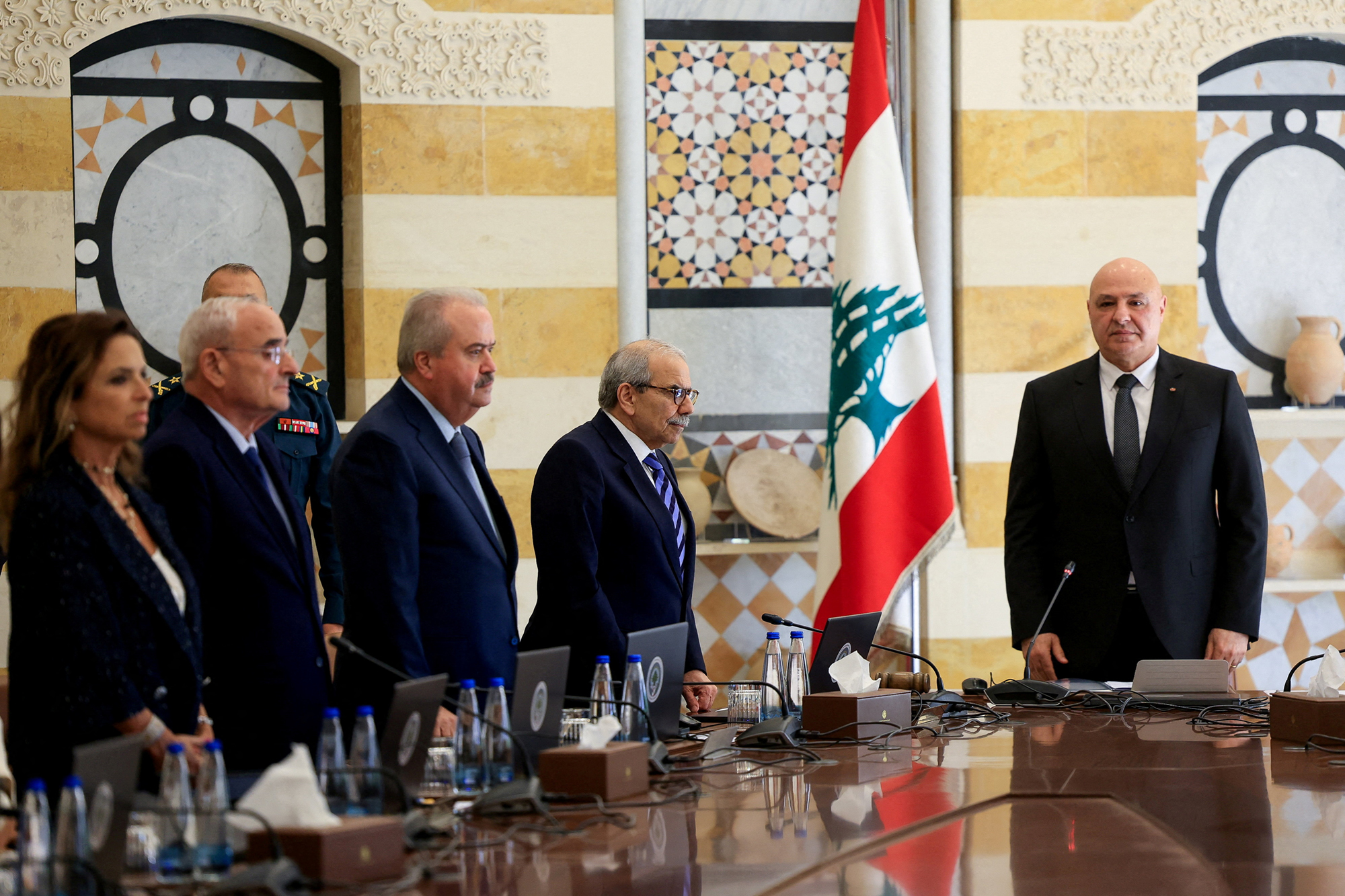
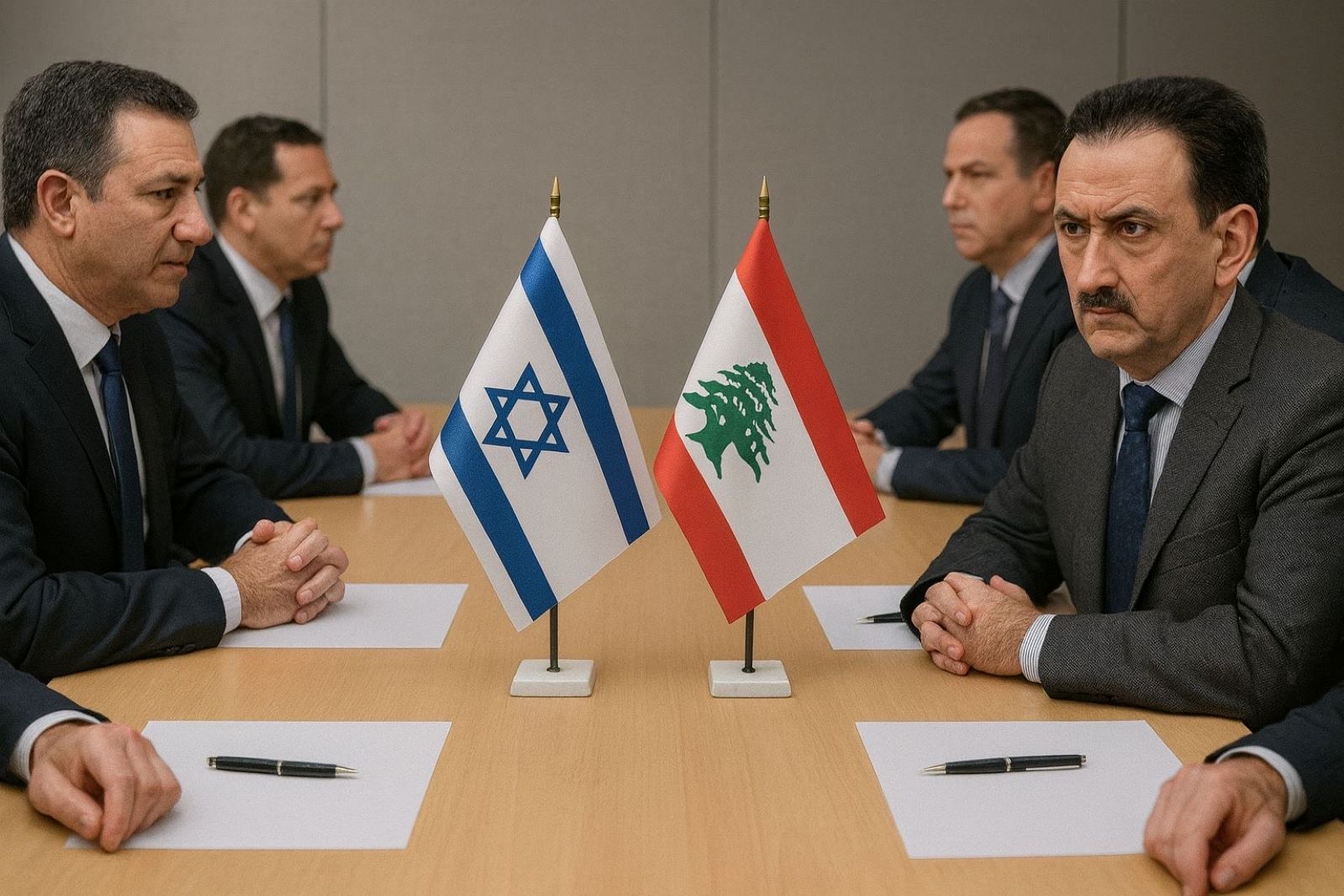
The Israeli military announced on Friday that its airstrikes in Lebanon killed more than 180 Hezbollah militants, with Lebanon's health ministry reporting 357 deaths and 1,223 injuries from those attacks. Hezbollah responded by claiming 72 strikes on Israeli targets on Thursday, including positions up to 20 miles inside Israel, escalating tensions that Iran says must stop for talks to succeed. Israel's Ambassador Yechiel Leiter clarified that his country agreed to negotiate with Lebanon's government but refused to discuss a ceasefire with Hezbollah, creating a rift in the broader truce.
Trump's Warnings Escalate Military Risks
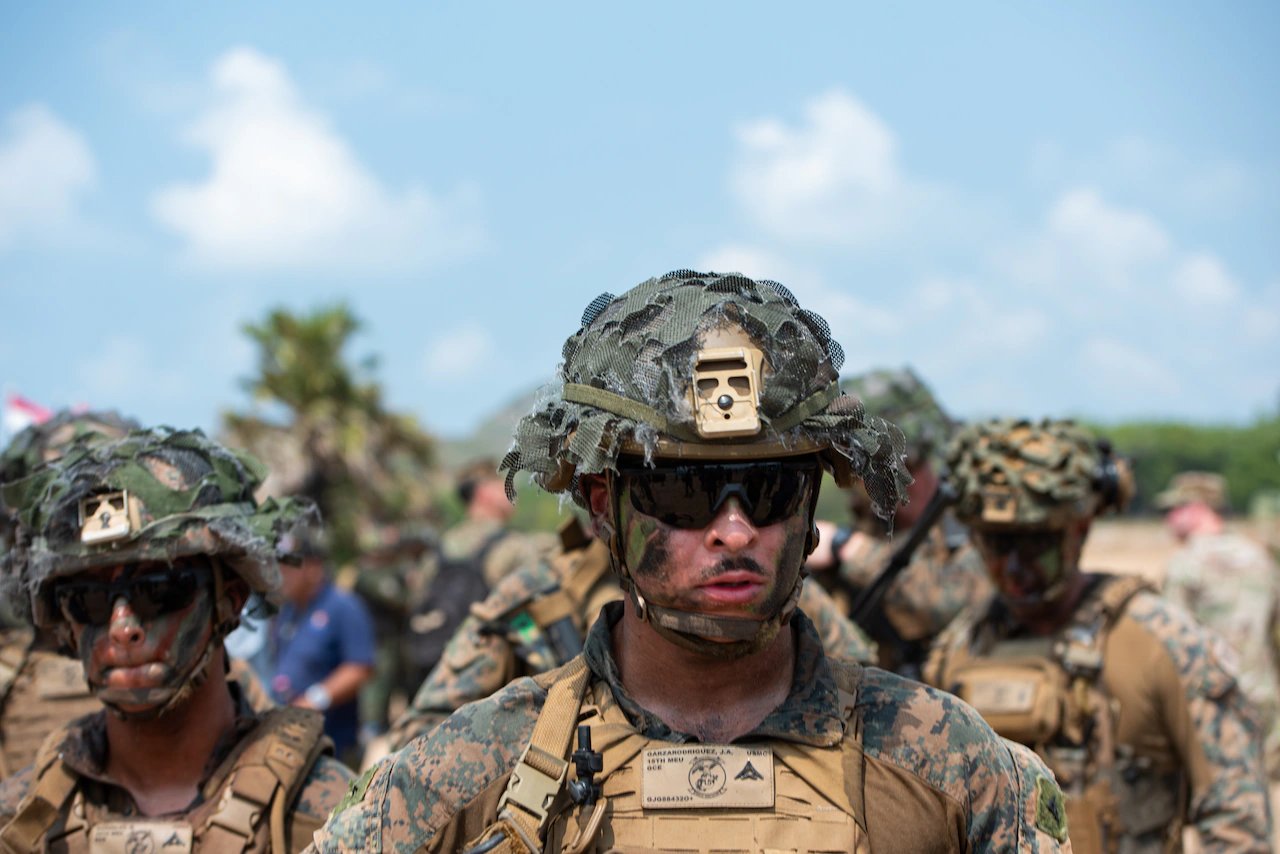
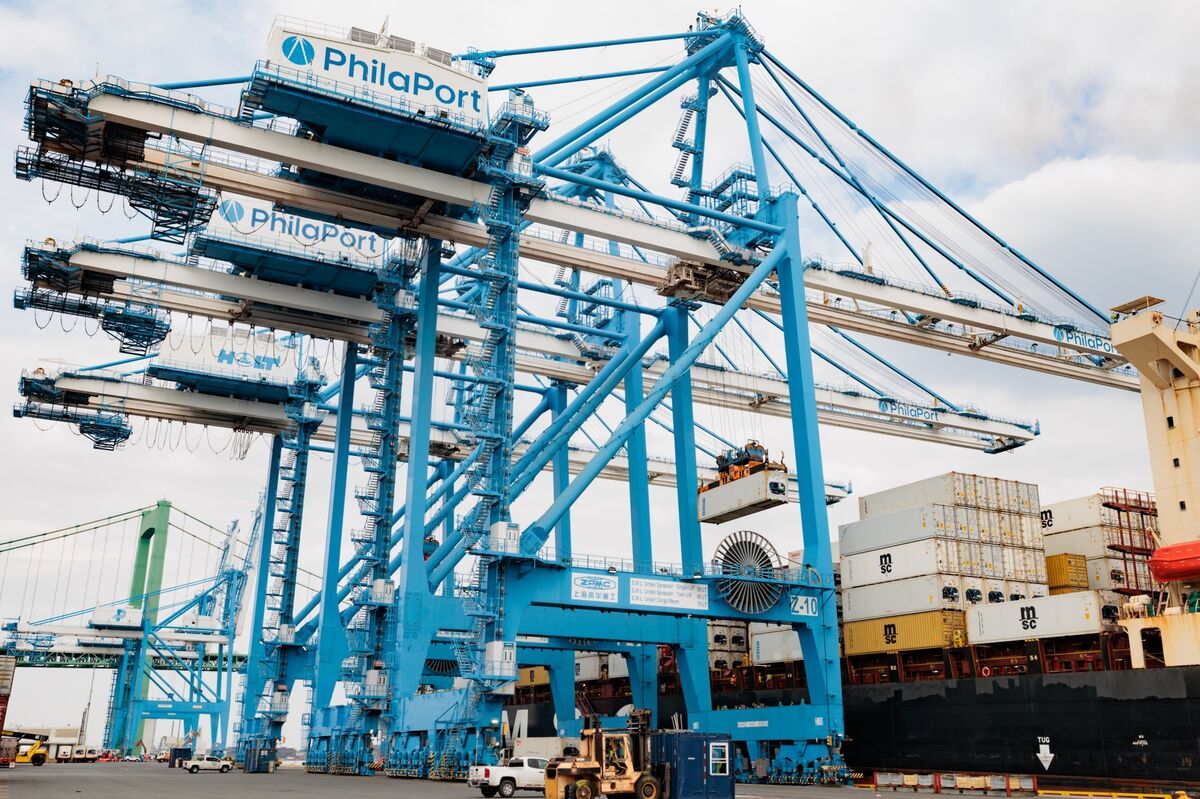
President Trump posted on Truth Social that Iran has "no cards" beyond controlling the Strait of Hormuz, threatening to reload U.S. Navy ships with ammunition if talks fail. He told the New York Post that the ships would carry "the best weapons ever made" for potential strikes, underscoring the high stakes of the negotiations. A U.S. official noted that only about a dozen ships passed through the strait in the first two days of the ceasefire, far below the pre-war average of 129 vessels daily, raising the risk of renewed conflict.
Economic and Global Ripples Spread
Oil prices held at $96.98 per barrel for Brent crude on Friday, contributing to market volatility as the S&P 500 fell 0.1% and the Dow Jones dropped 289 points. French energy giant TotalEnergies shut down a Saudi refinery after incidents on the night of April 7-8 damaged one of its processing trains, though responsibility for the damage was not specified.
















The sources also report that filling the same 10,000-gallon tank cost about $18,900 in December, confirming the $22,100 increase.