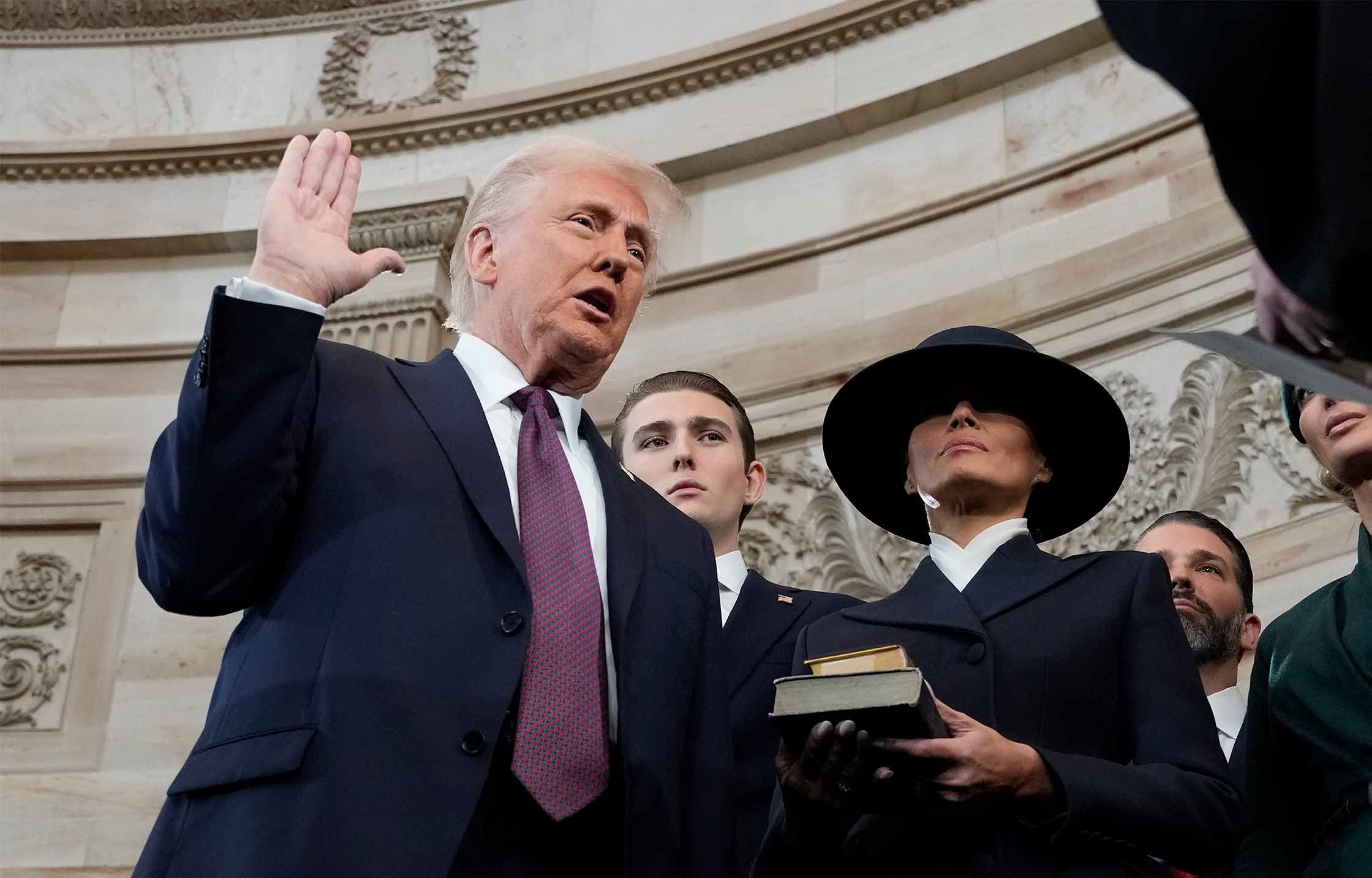
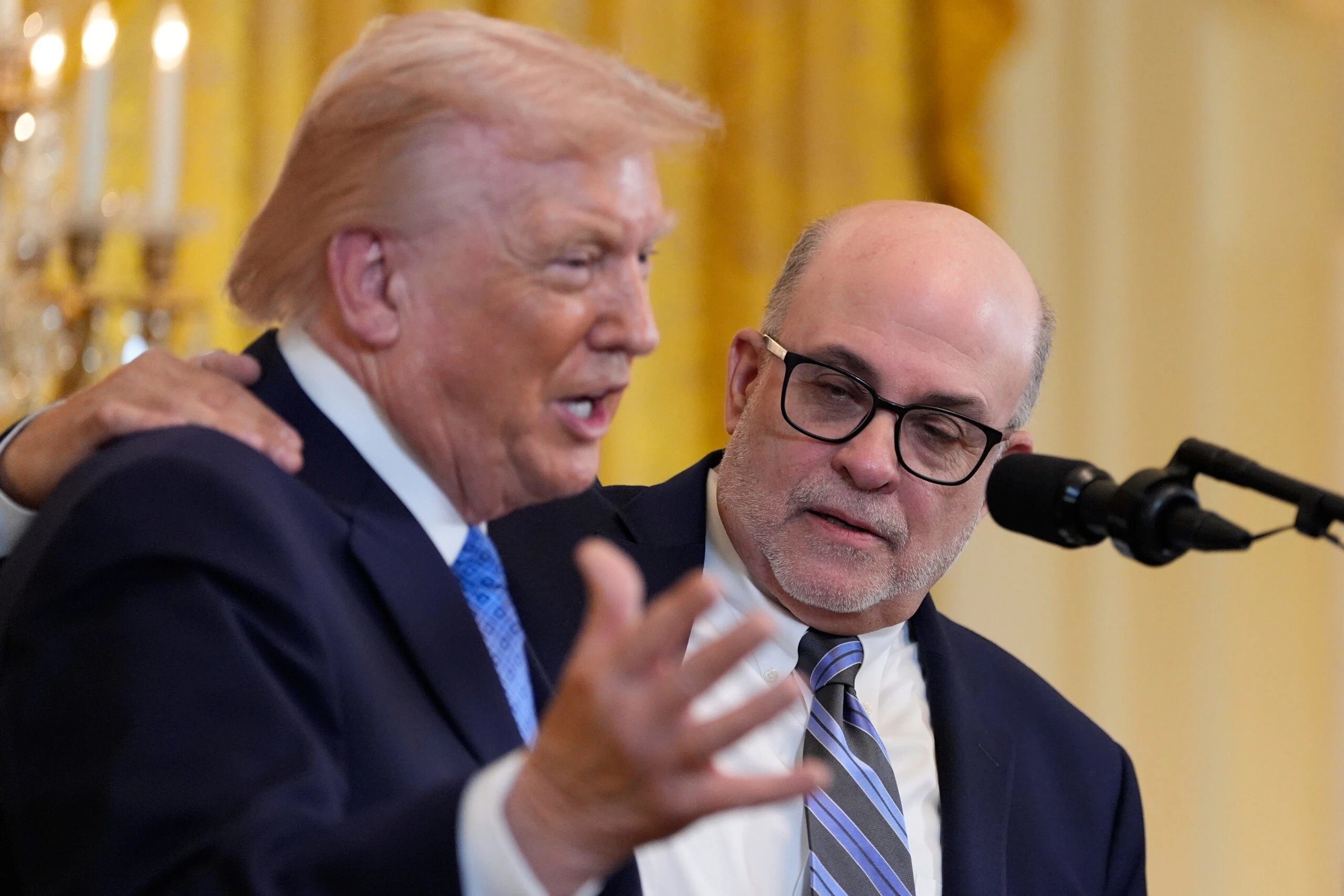
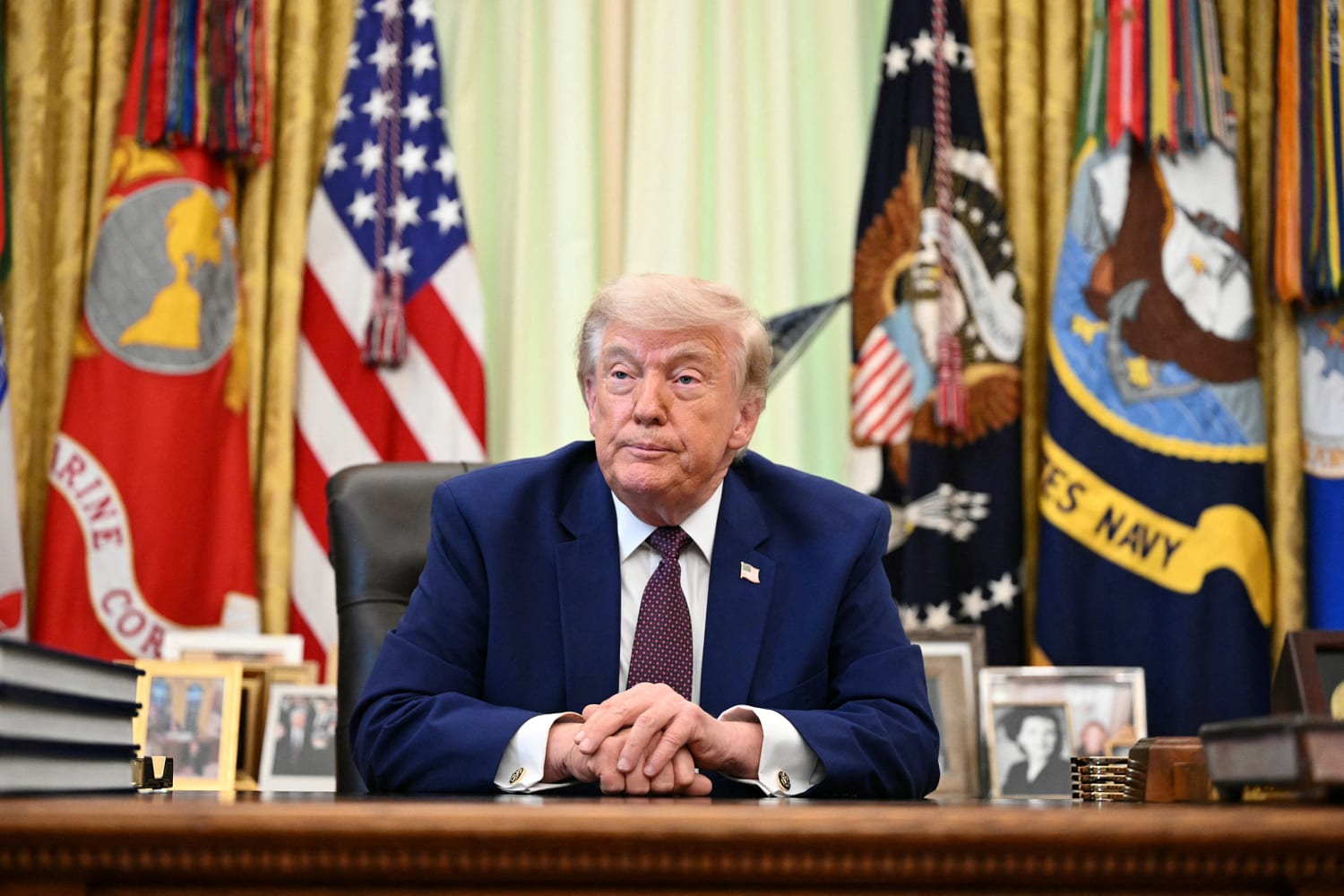
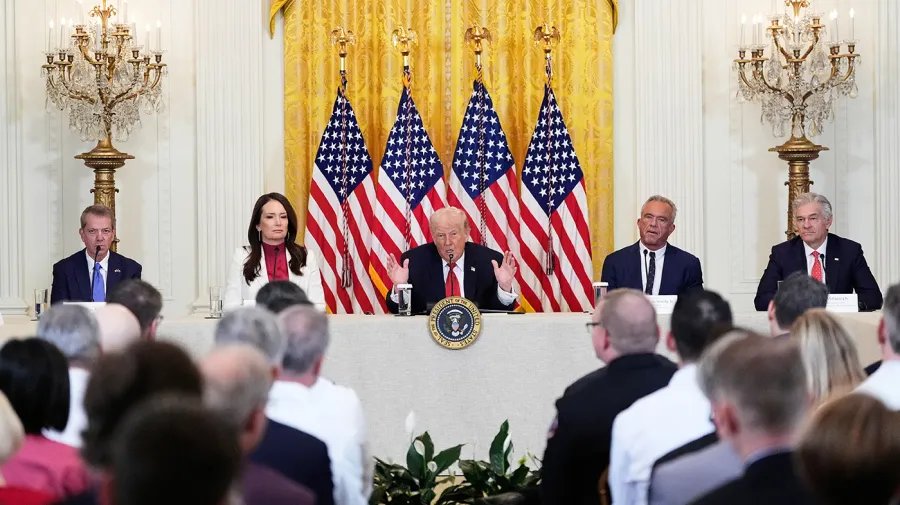
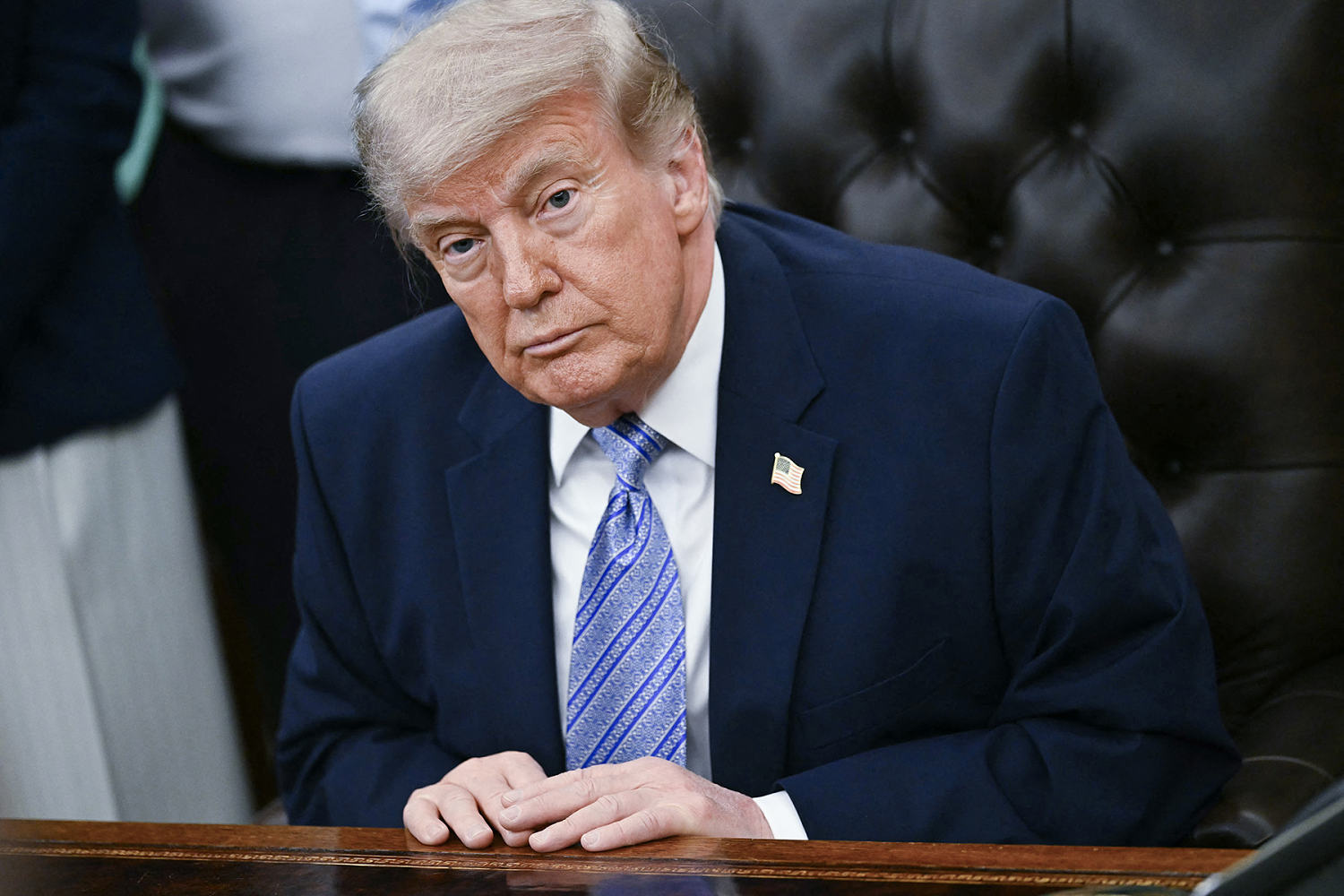
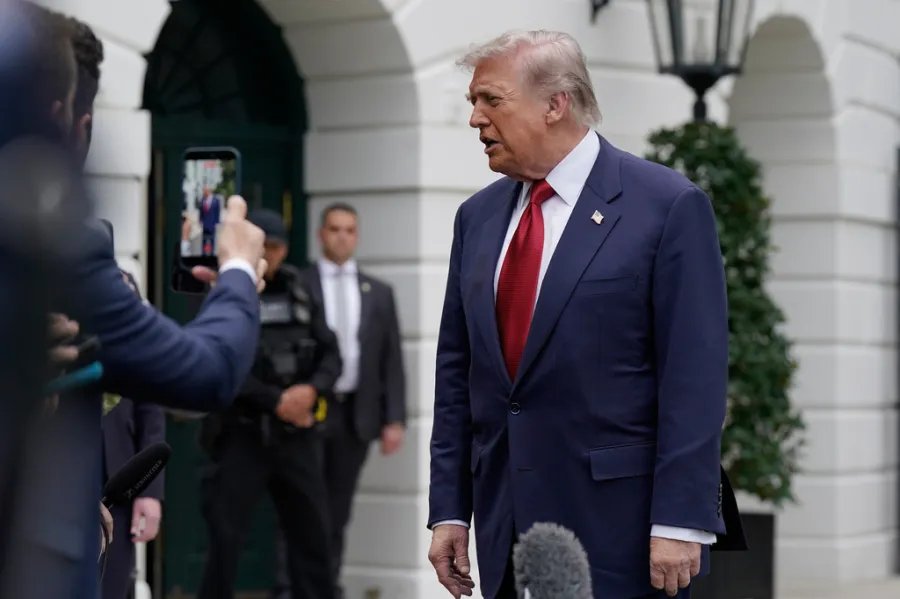
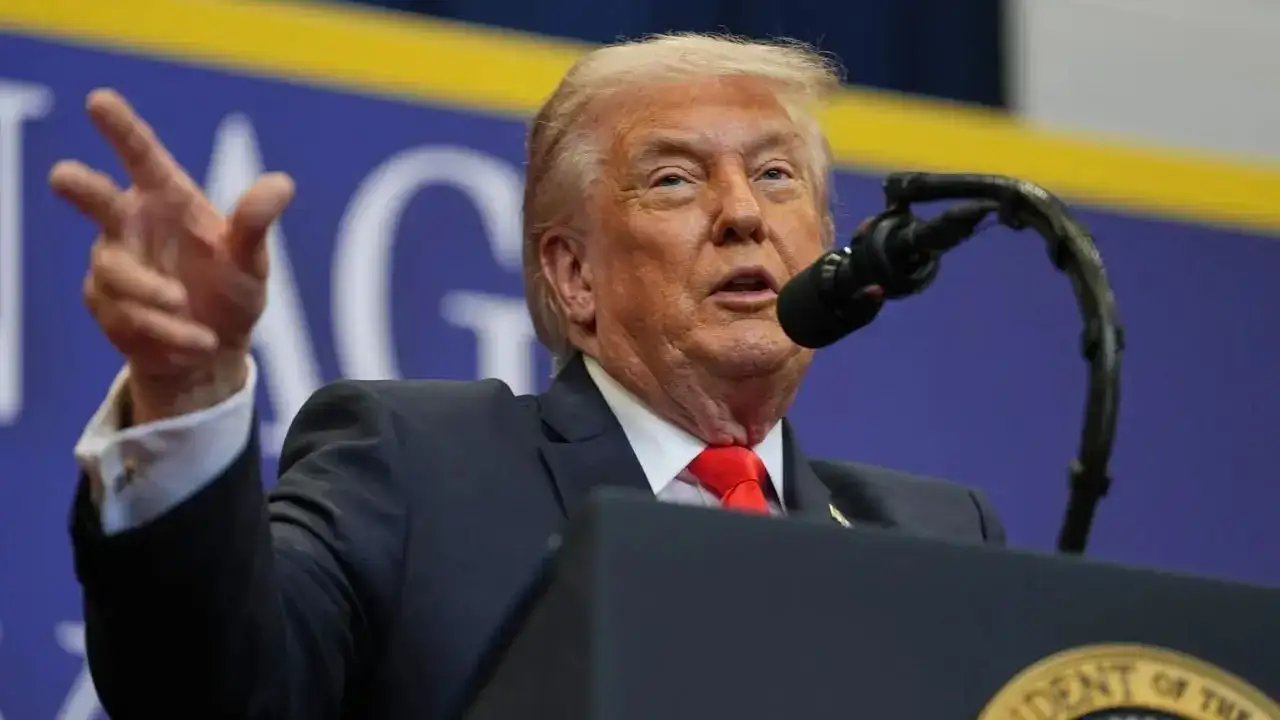
The Trump administration is poised to reclassify marijuana, according to an administration official familiar with the plans. This significant shift aims to ease restrictions imposed by the U.S. Drug Enforcement Administration, facilitating research into the medicinal applications of marijuana. The move aligns with Trump's previous commitment, as he signed an executive order last December directing the attorney general to advance the reclassification efforts started by President Biden.
Reclassifying marijuana would transition its status from a Schedule I drug, which currently categorizes it alongside heroin and LSD, to a lower classification akin to ketamine and steroids. Schedule I drugs are defined by the DEA as having no accepted medical use and a high potential for abuse. The reclassification would not immediately legalize marijuana or alter the sentences of individuals incarcerated for possession, but it would significantly reduce barriers for researchers exploring its medical benefits.
This initiative could garner support from influential figures advocating for marijuana research. Trump's administration has emphasized the need for this change, citing requests from American patients suffering from conditions such as extreme pain and aggressive cancers. The reclassification is seen as a strategic move to bolster Trump's appeal to voters who support drug policy reform, especially as the GOP prepares for upcoming elections.
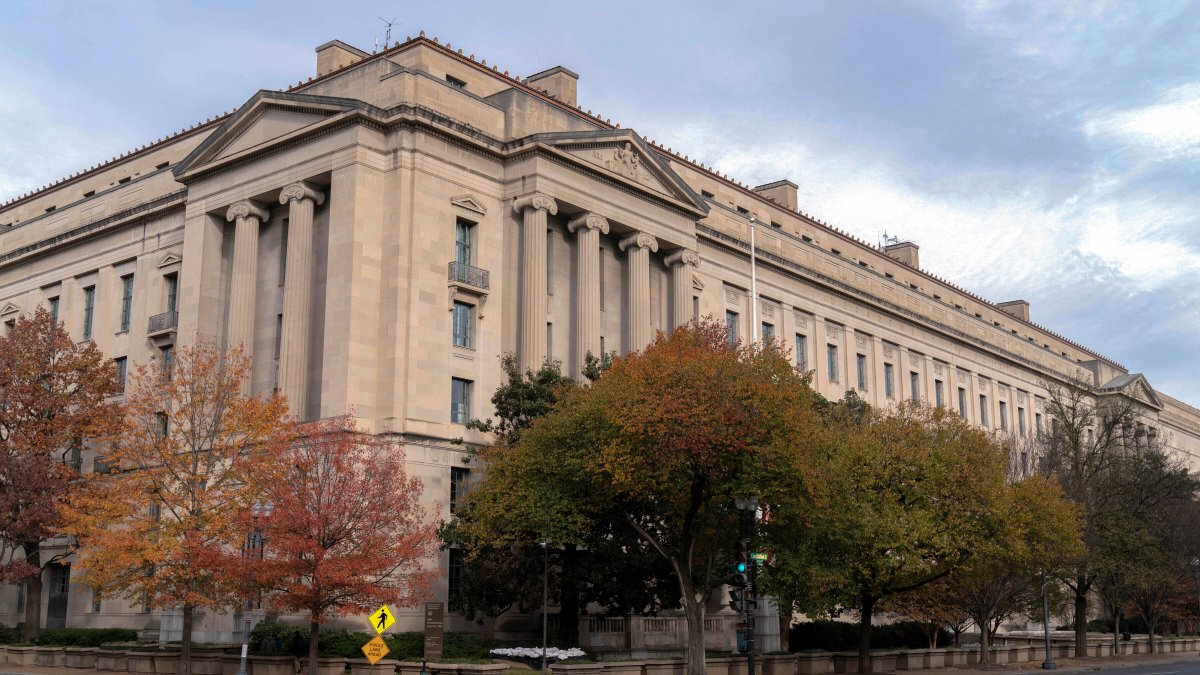
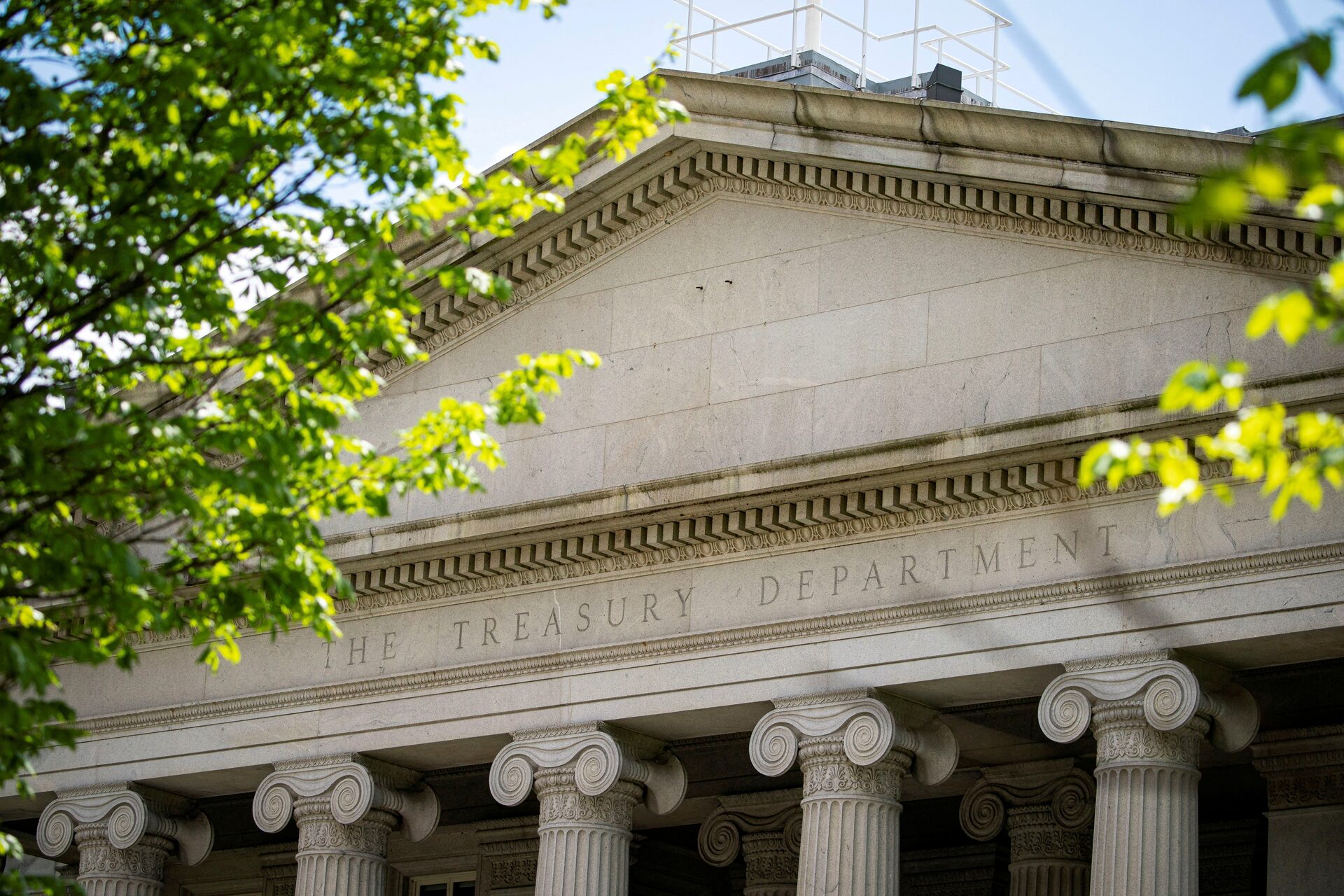
As the administration prepares for the official announcement, stakeholders in the cannabis industry and advocacy groups are closely monitoring the situation. The change in classification will require coordination with various federal agencies, including the DEA and the Department of Health and Human Services, to implement new regulations and guidelines.
The Trump administration is poised to reclassify marijuana as early as Wednesday, according to an administration official familiar with the plans. This significant shift aims to ease restrictions imposed by the U.S. Drug Enforcement Administration, facilitating research into the medicinal applications of marijuana. The move aligns with Trump's previous commitment, as he signed an executive order last December directing the attorney general to advance the reclassification efforts started by President Biden.
Reclassifying marijuana would transition its status from a Schedule I drug, which currently categorizes it alongside heroin and LSD, to a lower classification akin to ketamine and steroids. Schedule I drugs are defined by the DEA as having no accepted medical use and a high potential for abuse. The reclassification would not immediately legalize marijuana or alter the sentences of individuals incarcerated for possession, but it would significantly reduce barriers for researchers exploring its medical benefits.
This initiative could garner support from influential figures advocating for marijuana research. Trump's administration has emphasized the need for this change, citing requests from American patients suffering from conditions such as extreme pain and aggressive cancers. The reclassification is seen as a strategic move to bolster Trump's appeal to voters who support drug policy reform, especially as the GOP prepares for upcoming elections.
Experts suggest that the reclassification could lead to increased investment in cannabis research and development, potentially unlocking new therapeutic options for various ailments. The administration's focus on medicinal marijuana aligns with broader trends in public opinion, where a growing majority of Americans support cannabis legalization for medical and recreational use.
As the administration prepares for the official announcement, stakeholders in the cannabis industry and advocacy groups are closely monitoring the situation. The change in classification will require coordination with various federal agencies, including the DEA and the Department of Health and Human Services, to implement new regulations and guidelines.
The impact of this reclassification could resonate beyond just research, influencing state-level policies and shaping public discourse around drug policy reform. As the announcement approaches, the potential effects on both the medical community and the cannabis industry remain a focal point for many Americans.
Highlighted text was flagged by the council. Tap to see feedback.